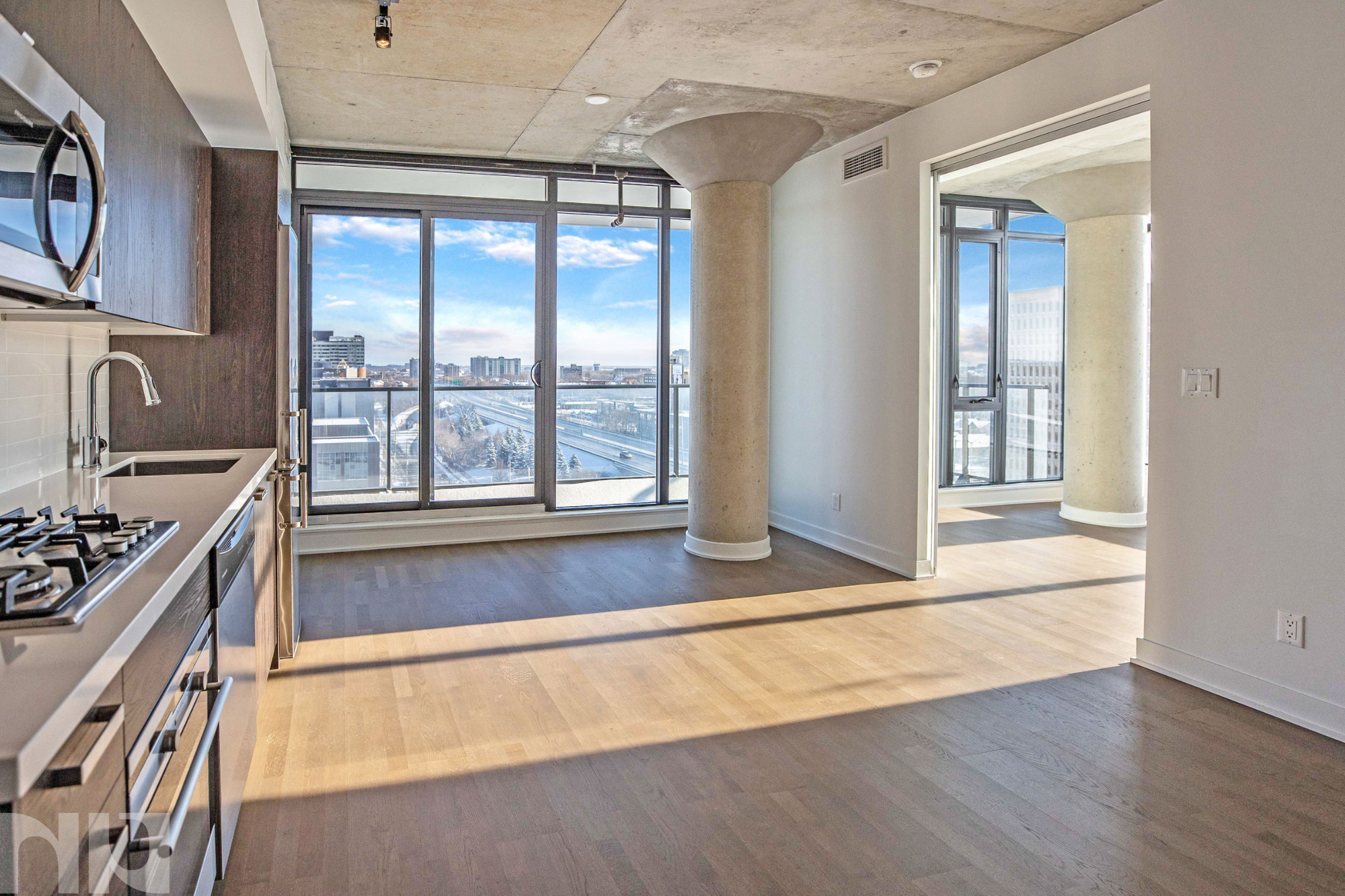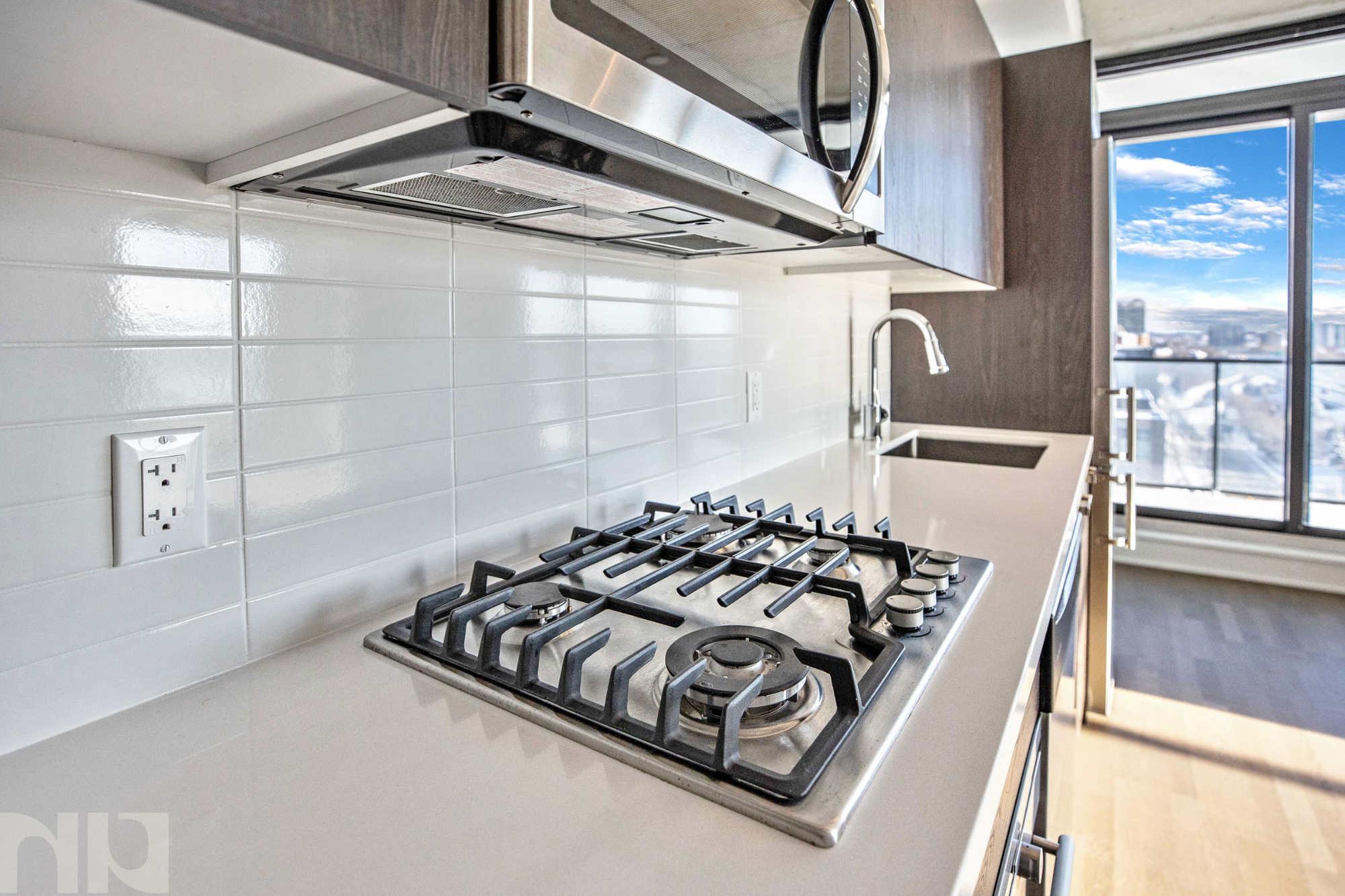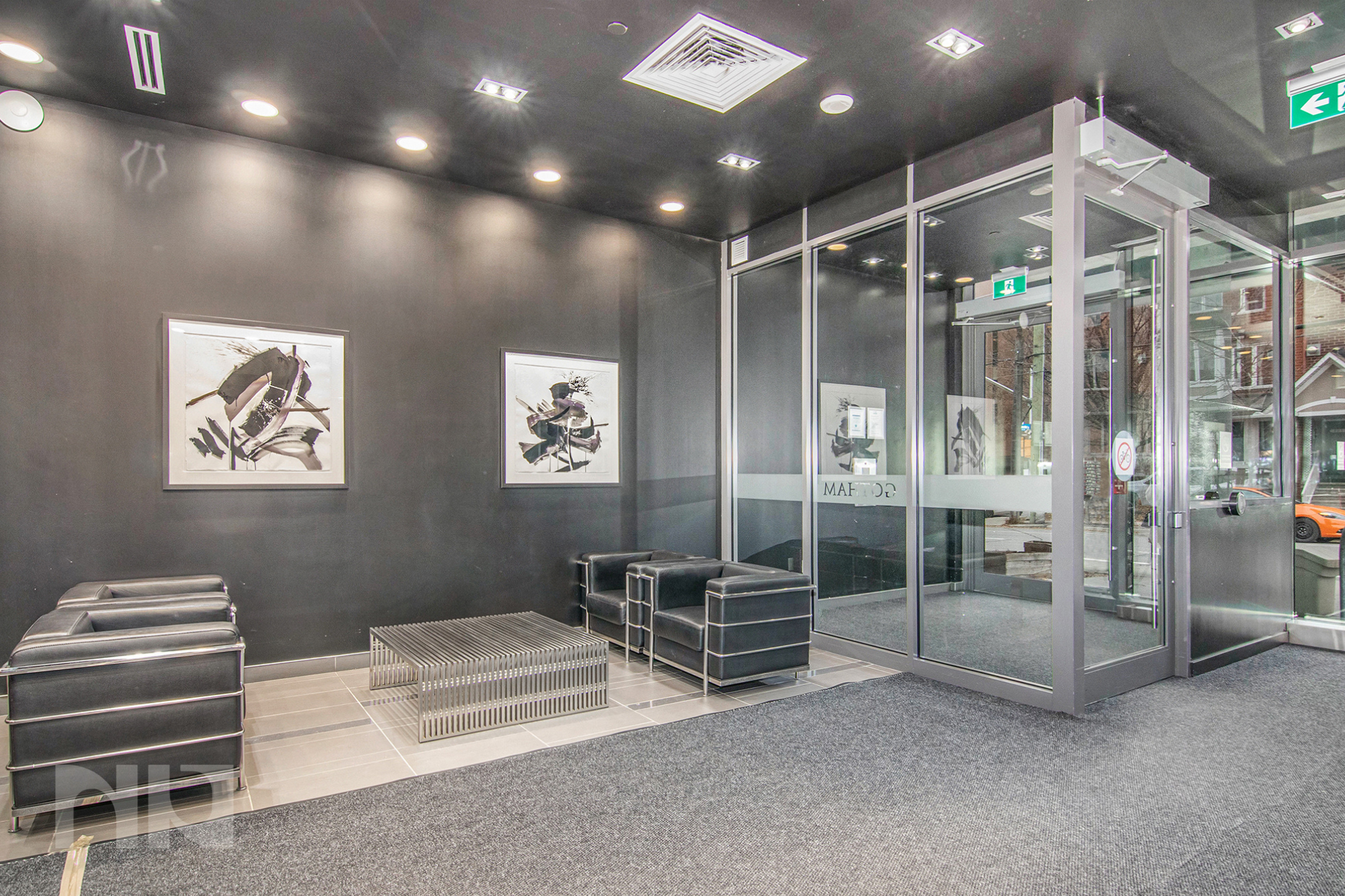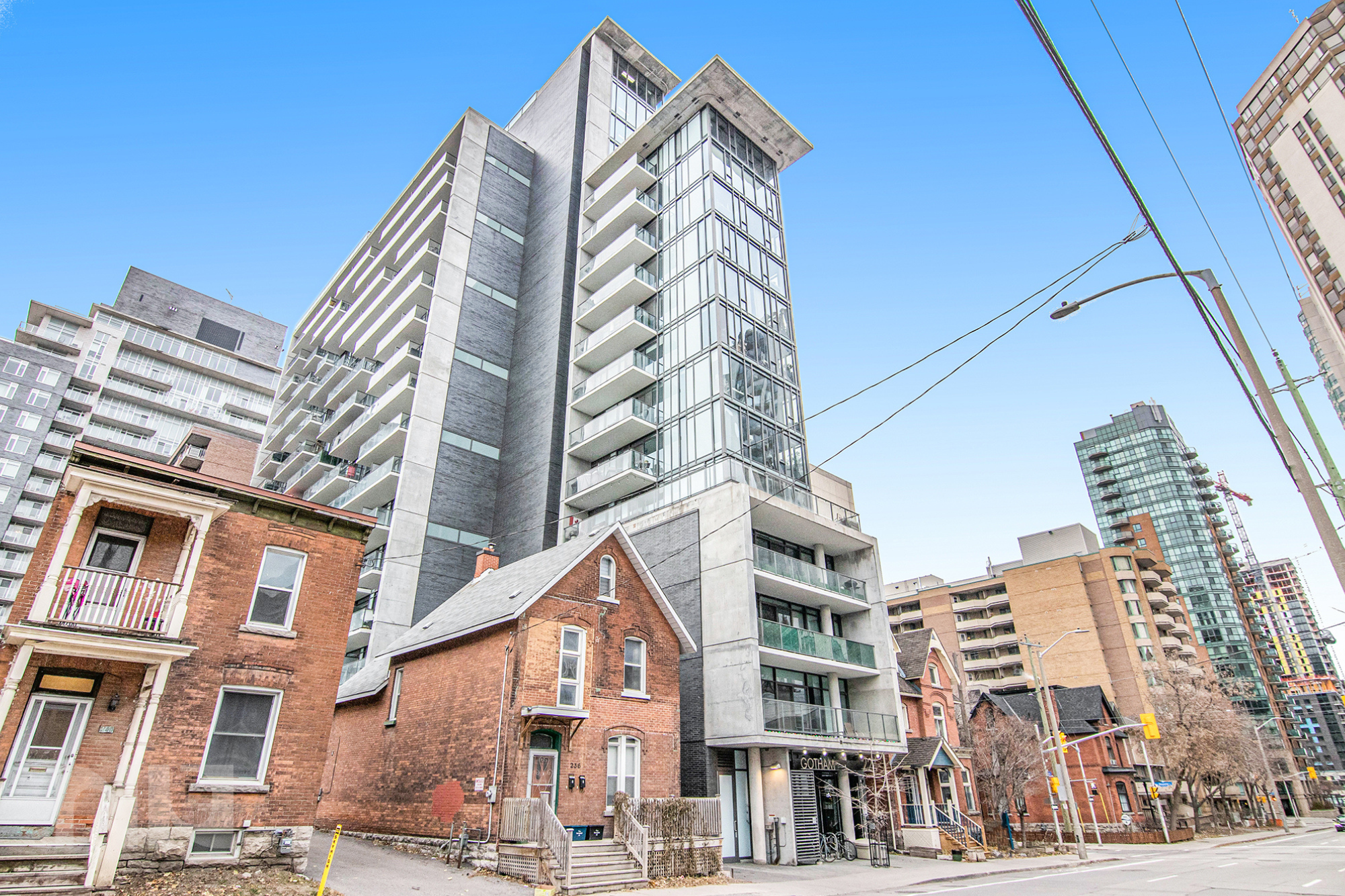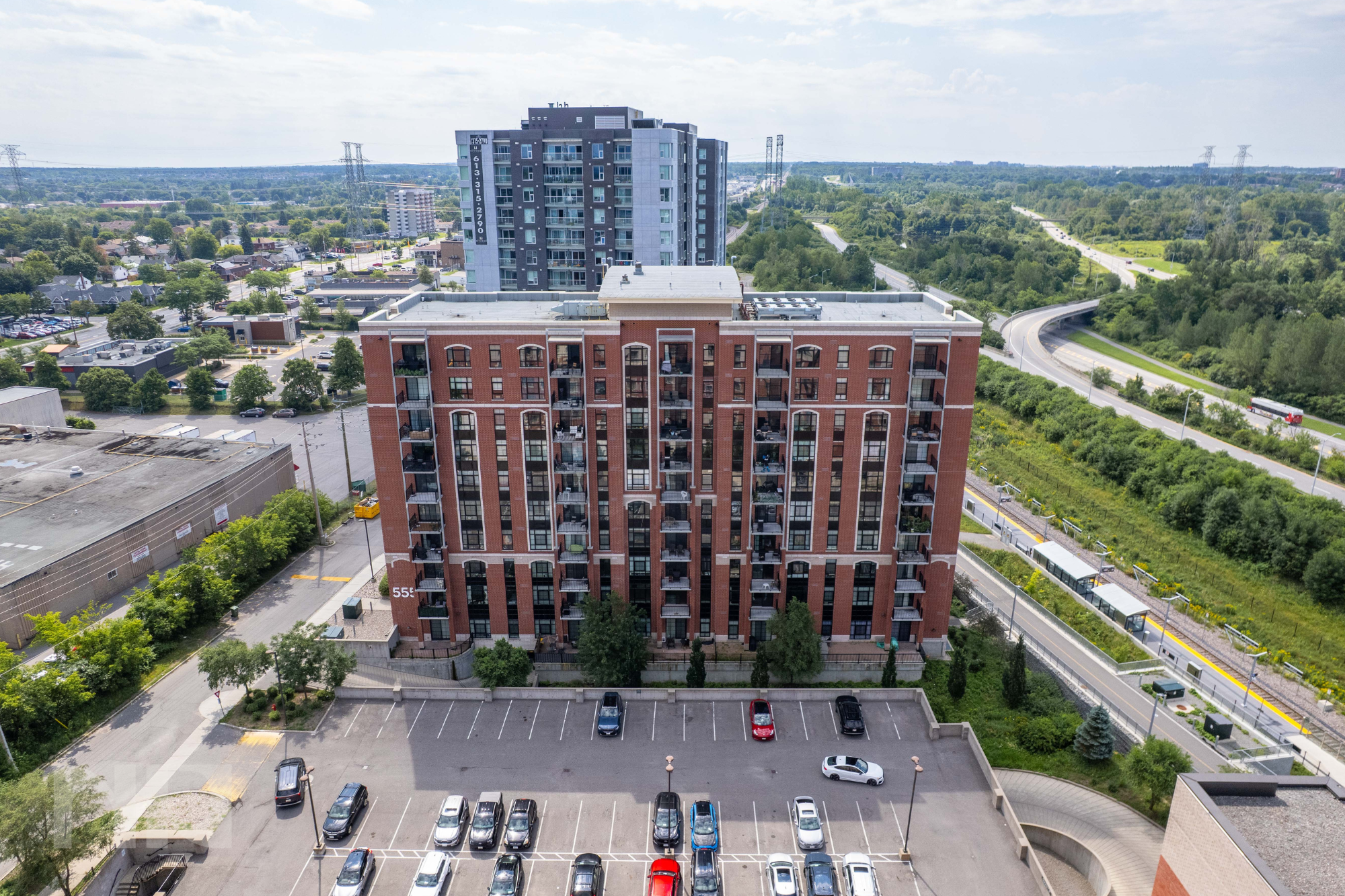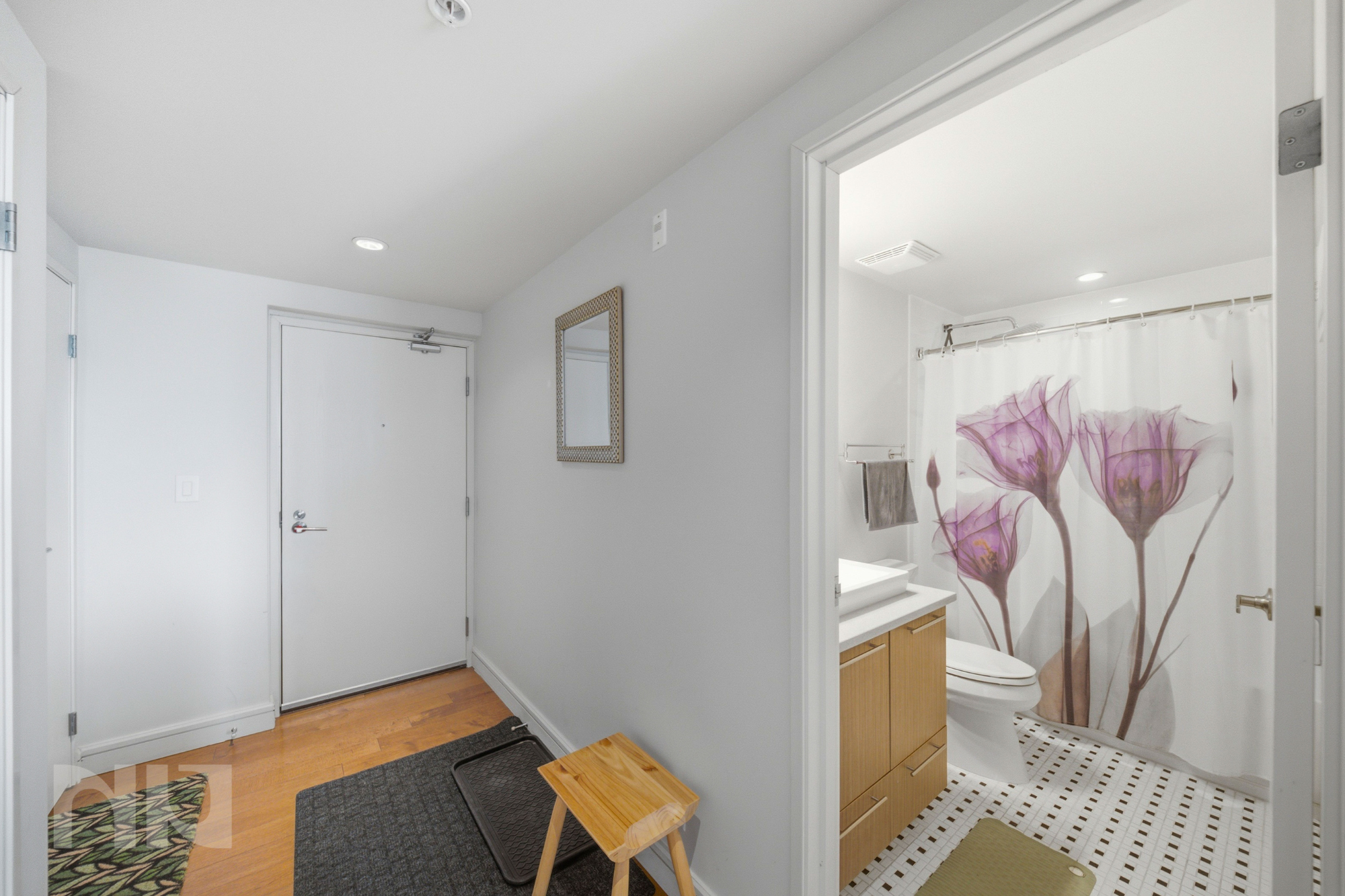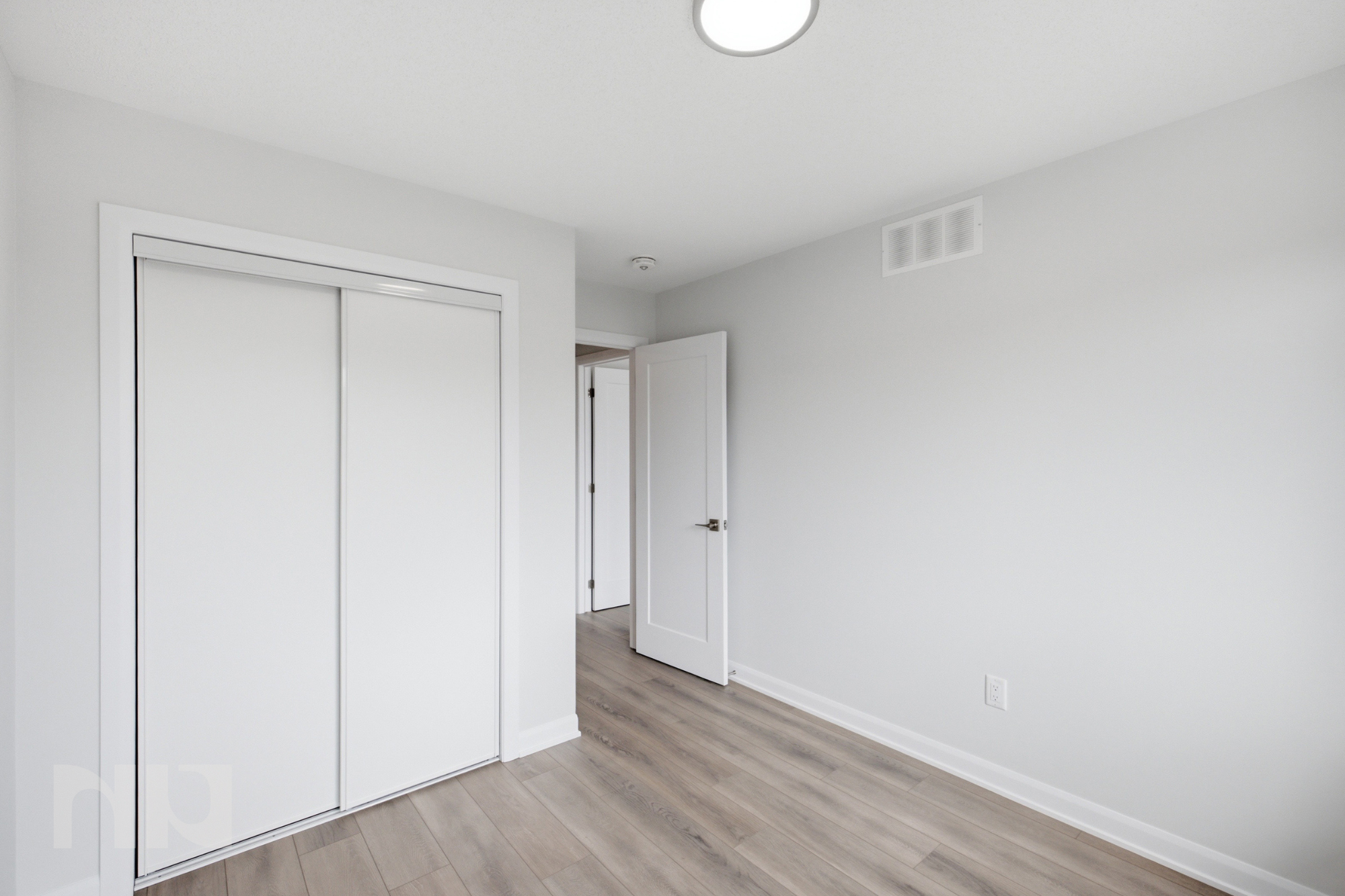

When you buy a condo, you own your unit.
Simple enough.
Until a window starts leaking.
Or the balcony needs repairs.
Or something happens to the plumbing inside the wall.
Suddenly, a much less obvious question matters: is that actually yours to fix, or is it the condo corporation’s responsibility?
Condo ownership divides a property into individually owned units and shared common elements, but the line between the two isn't always where buyers assume it is. In Ontario, the exact responsibilities can also vary from one condominium corporation to another.
Here’s what Ottawa condo buyers should understand before purchasing.
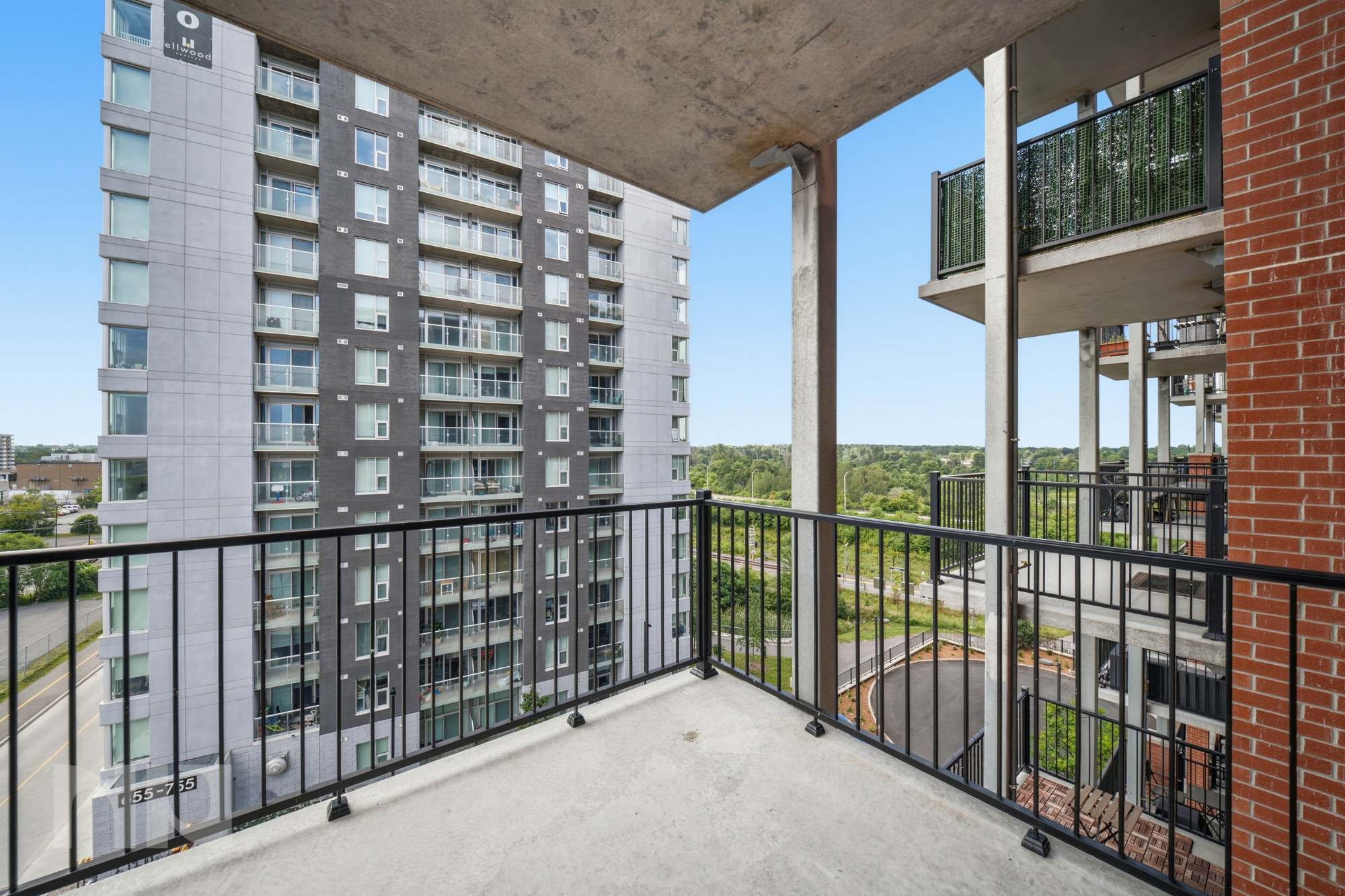
Your Balcony Might Not Actually Be Part of Your Unit
You might be the only person with access to your balcony, but that doesn't necessarily mean you own it as part of your individual unit.
Balconies are a common example of an exclusive-use common element. That means the condominium corporation owns the area, while a specific owner has the exclusive right to use it.
That distinction matters.
If you want to change flooring, install something permanent or make another alteration, you may need approval from the condo corporation. Many owner-requested changes to common elements require board approval and an agreement under Section 98 of Ontario's Condominium Act.
So before assuming that balcony is entirely yours to modify, check the condo documents.
What About the Windows and Front Door?
This is where buyers can get tripped up.
There isn't one universal rule that says every condo owner in Ontario is responsible for their windows, or that every condo corporation is.
You have to look at the specific corporation's documents.
A condo's declaration defines the boundaries between individual units and the common elements and can allocate repair and maintenance responsibilities. The Condominium Authority of Ontario specifically recommends reviewing the governing documents to determine exactly who is responsible for what.
That means two otherwise similar Ottawa condo buildings could handle windows or doors differently.
It's a good reminder that when you're comparing condos, you're not only comparing the units. You're comparing the corporations behind them too.
Then There's Something Called the “Standard Unit”
This is one of those condo terms most people don't encounter until they're actually buying one.
A standard unit definition establishes which parts of a condo unit the corporation considers standard for repair and insurance purposes.
Generally, standard units can include things such as walls, doors and plumbing, while items such as upgraded flooring and appliances may be considered improvements. But the actual definition for your building comes from its governing documents.
Why does that matter?
Imagine the previous owner renovated the unit with expensive hardwood flooring, custom cabinetry and upgraded finishes.
Those upgrades may look like part of the condo you're buying, but they may not all be covered by the condo corporation's insurance if something happens.
The corporation's property insurance generally covers the standard unit and common elements, rather than improvements or non-standard components.
That's one reason individual condo insurance remains important even though the building itself is already insured.
“The Condo Corporation Is Responsible” Doesn't Always Mean You Can't Get a Bill
Here's another distinction buyers should know.
A corporation may be responsible for completing a repair, but under certain circumstances, costs can still be charged back to an individual owner.
For example, Ontario's Condominium Authority explains that a corporation can complete work an owner was required to perform but failed to do and then charge the cost back. There are also situations involving damage caused by an owner, tenant or resident where costs may be charged back to the owner.
A condo corporation's governing documents can also contain additional provisions dealing with chargebacks.
This is why understanding the rules of a particular building matters much more than relying on a blanket statement about how “condos work.”
Repair and Maintenance Aren't Necessarily the Same Thing Either
This is where condo ownership gets especially specific.
According to the Condominium Authority of Ontario, corporations generally maintain common elements while owners maintain their units. Maintenance includes issues arising from normal wear and tear, although these responsibilities can be changed through the corporation's governing documents.
So the question isn't simply:
“Who owns this?”
Sometimes you also need to ask:
“Who maintains it?”
“Who repairs it if it fails?”
“Who repairs it if it is damaged?”
“Who insures it?”
Those answers may not always be identical.
This Is Why Condo Documents Matter So Much
When you're buying a house, you can physically inspect a large portion of what you're purchasing.
Condos are different.
Part of what you're buying is governed by documents you can't learn much about from a 20-minute showing.
Before purchasing, you want to understand things like:
what is included within the boundaries of the unit
what counts as a common element
whether there are exclusive-use common elements
how the standard unit is defined
who handles particular repairs and maintenance
what alterations owners can make
how insurance deductibles and chargebacks are handled
The exact answers can vary by corporation, which is why reviewing the applicable condo documents is so important.
A Better Question to Ask at Your Next Condo Showing
Instead of only asking:
“What do the condo fees include?”
Try asking:
“Where does my responsibility end and the condo corporation's begin?”
It might lead to questions about windows, doors, balconies, plumbing, HVAC equipment, parking or parts of the unit you hadn't thought twice about.
And those details can make a meaningful difference in what owning that condo actually looks like.
A great condo isn't just a great unit.
It's a unit, building and condominium corporation that all make sense for the way you want to live.
Thinking about buying a condo in Ottawa? The New Purveyors team can help you compare more than finishes and floor plans. We can help you understand the building, ask the right questions and make a more informed decision before you buy.