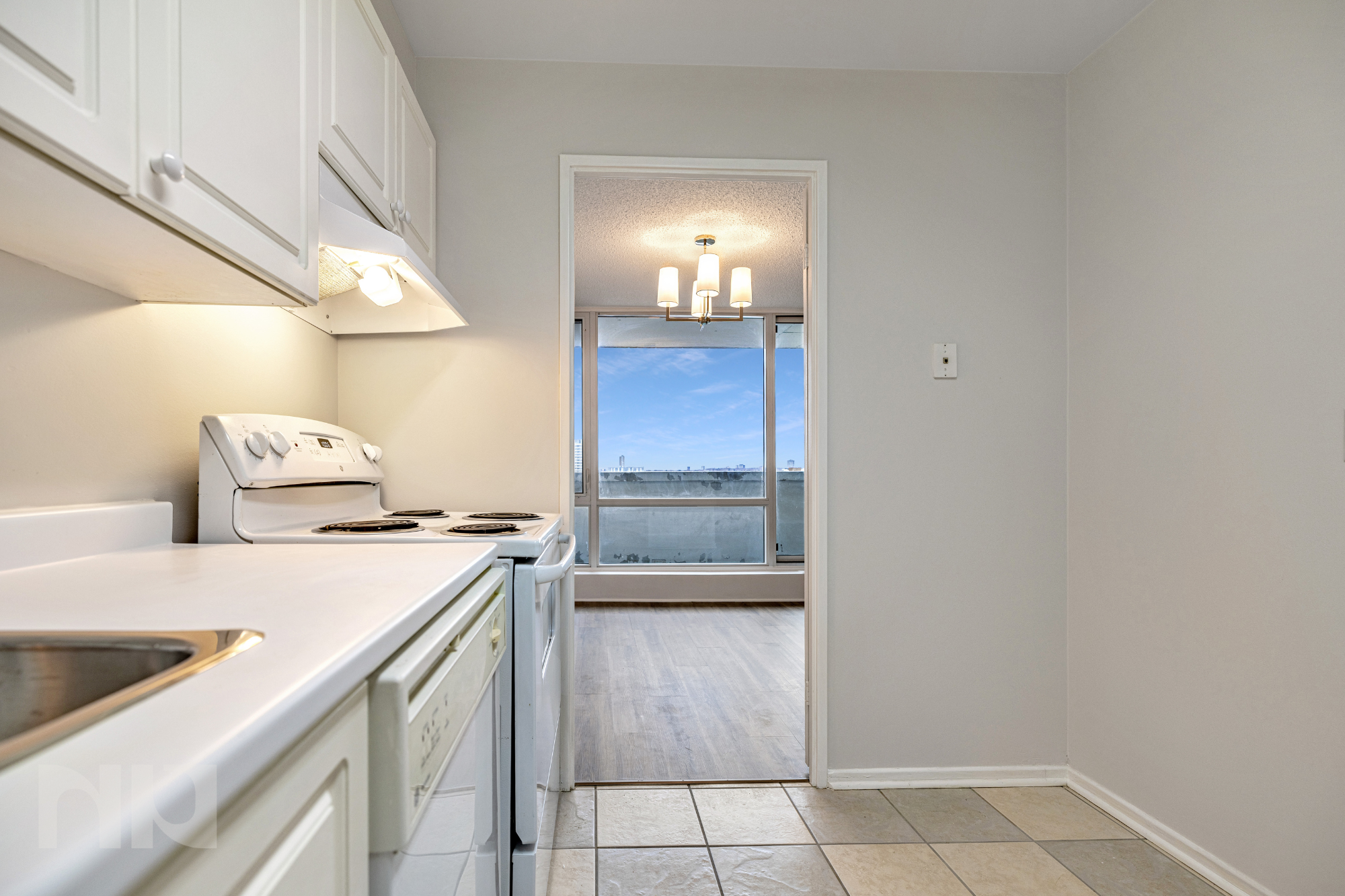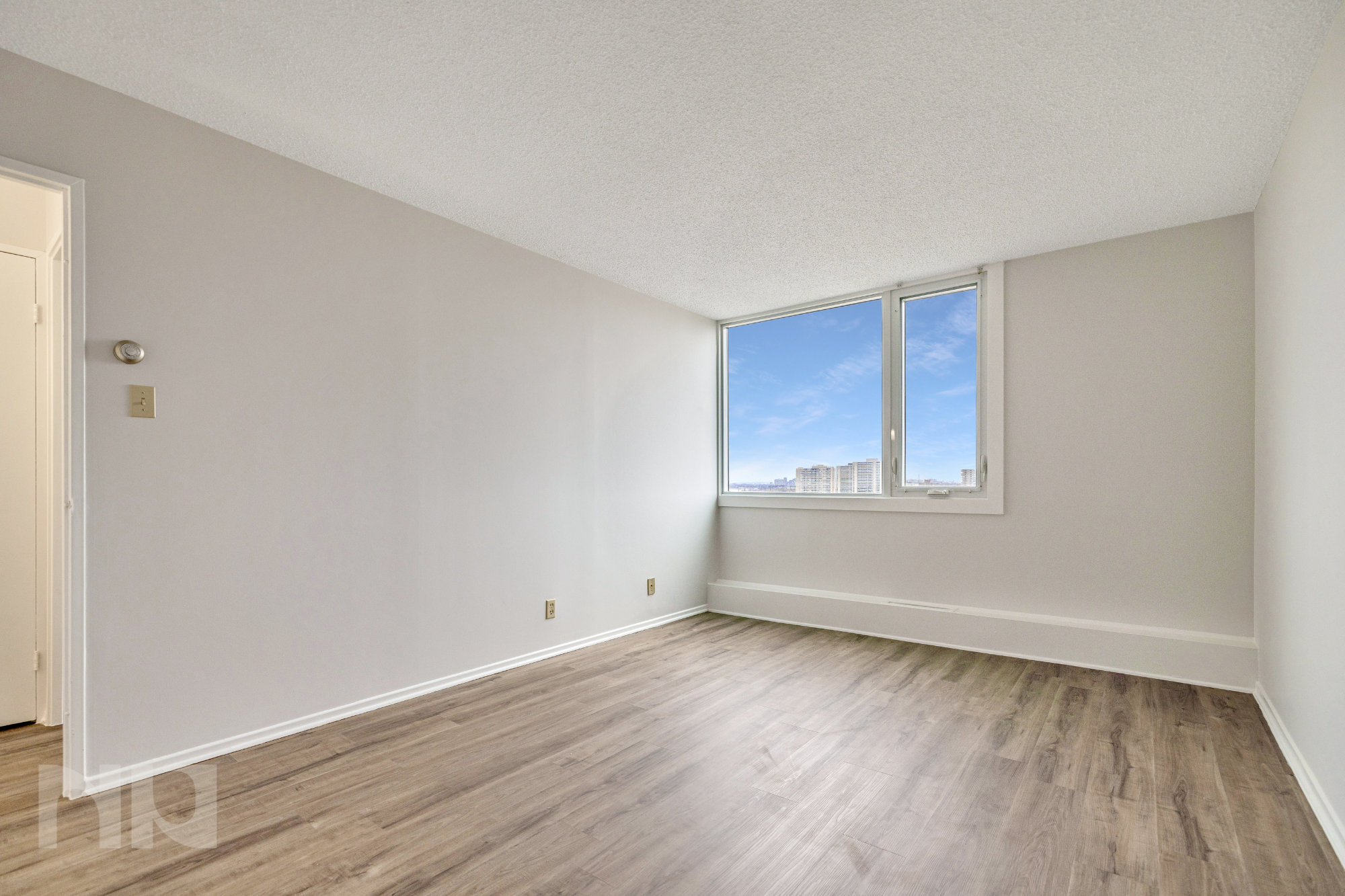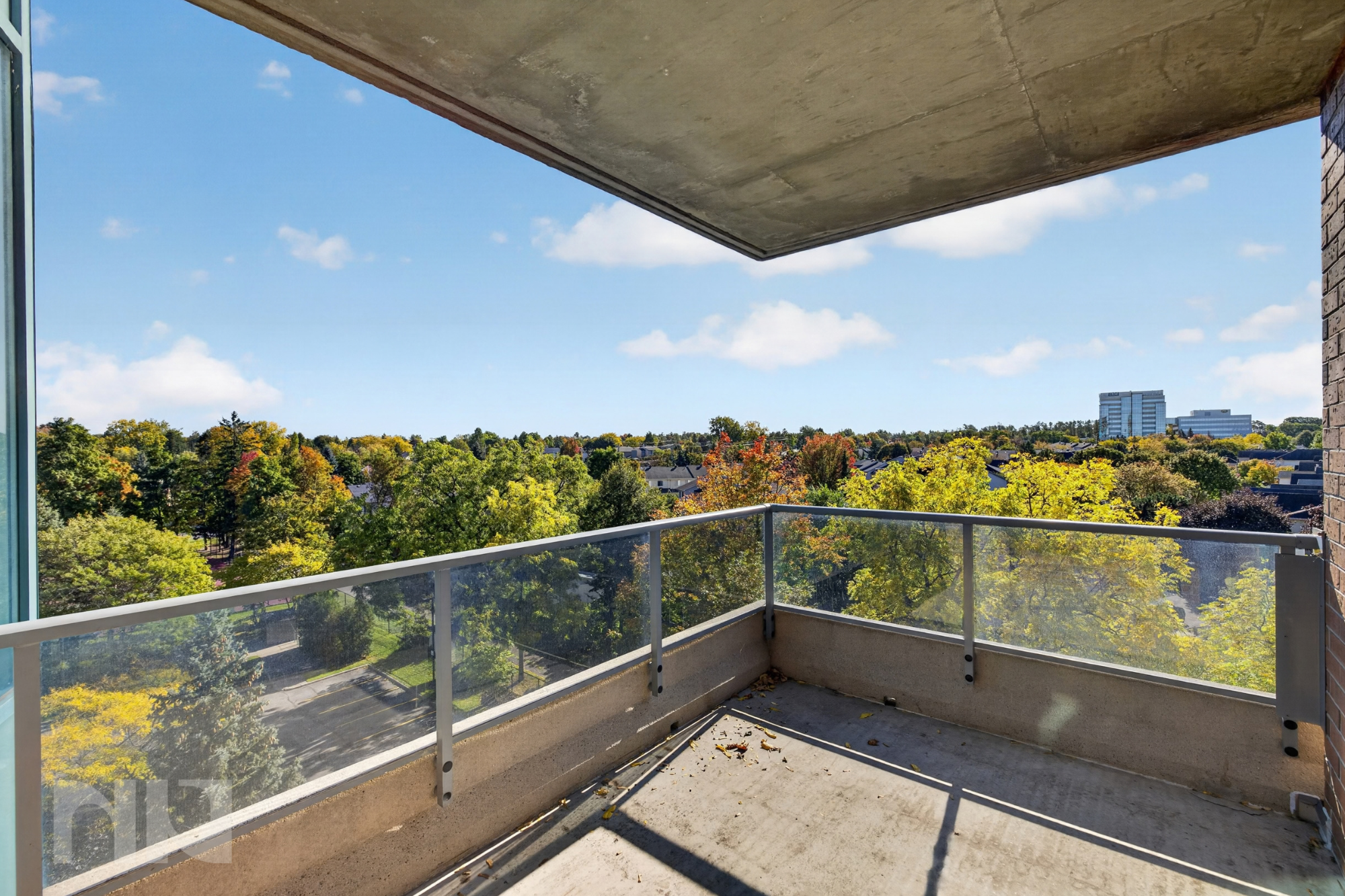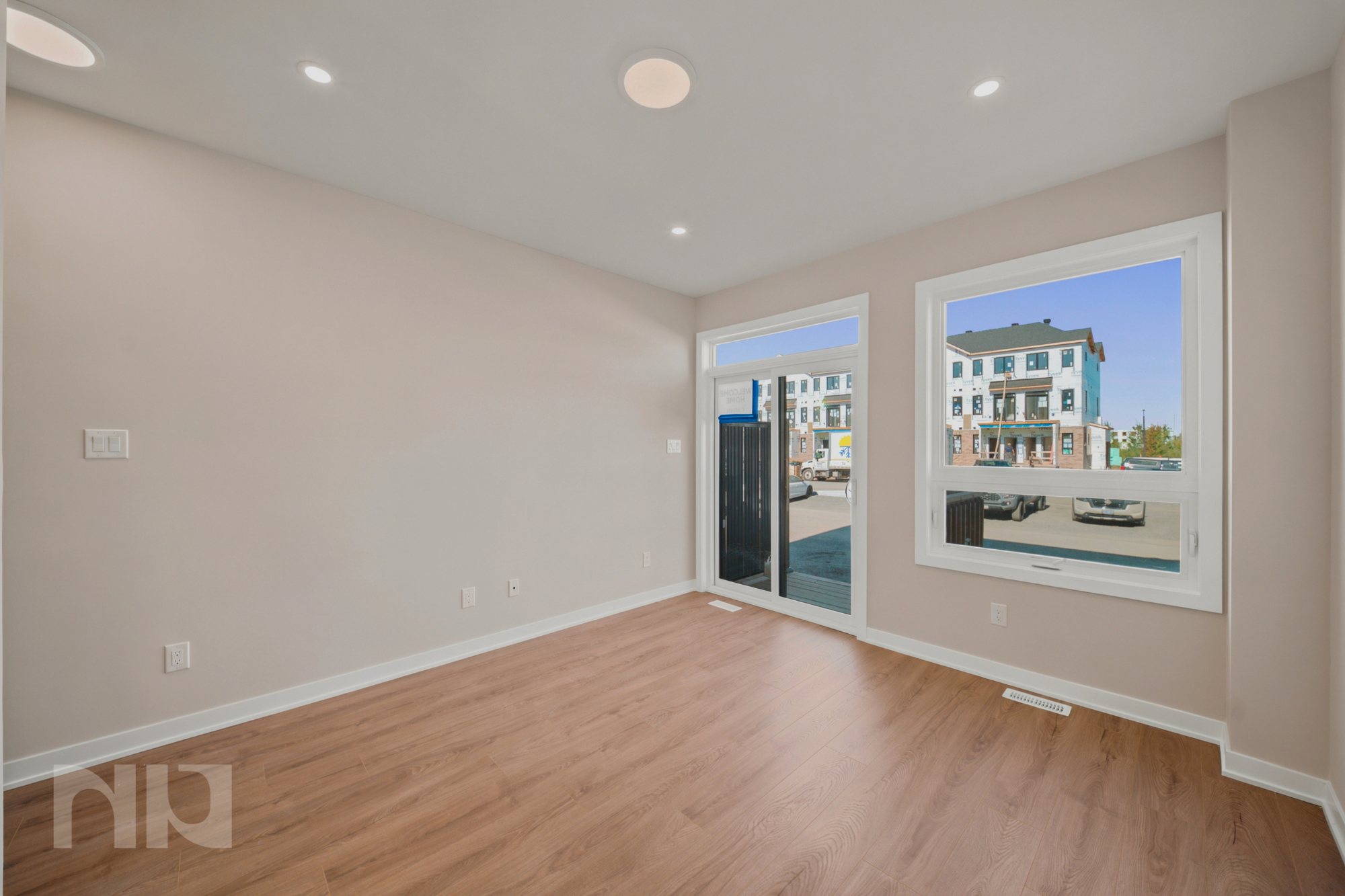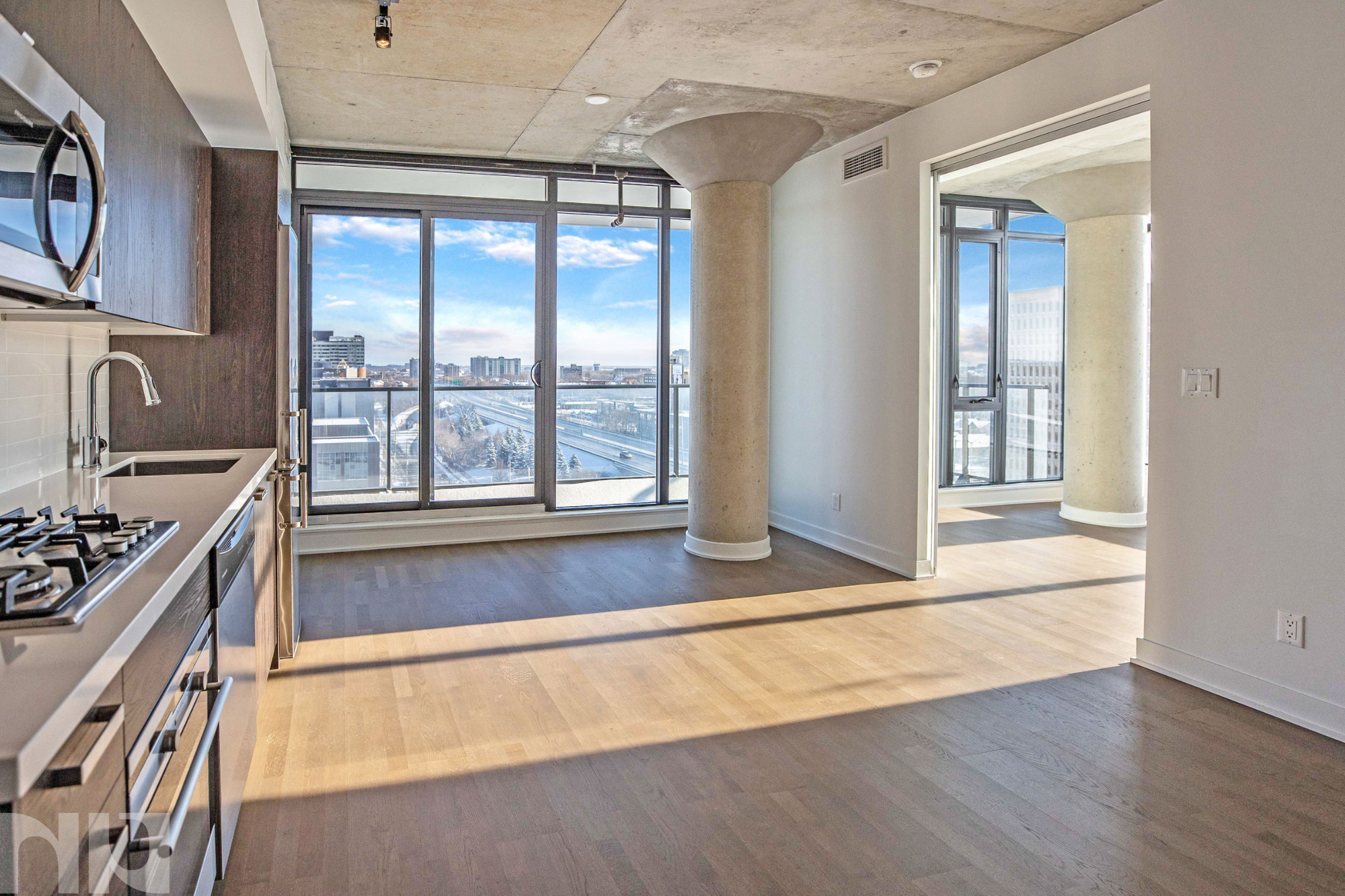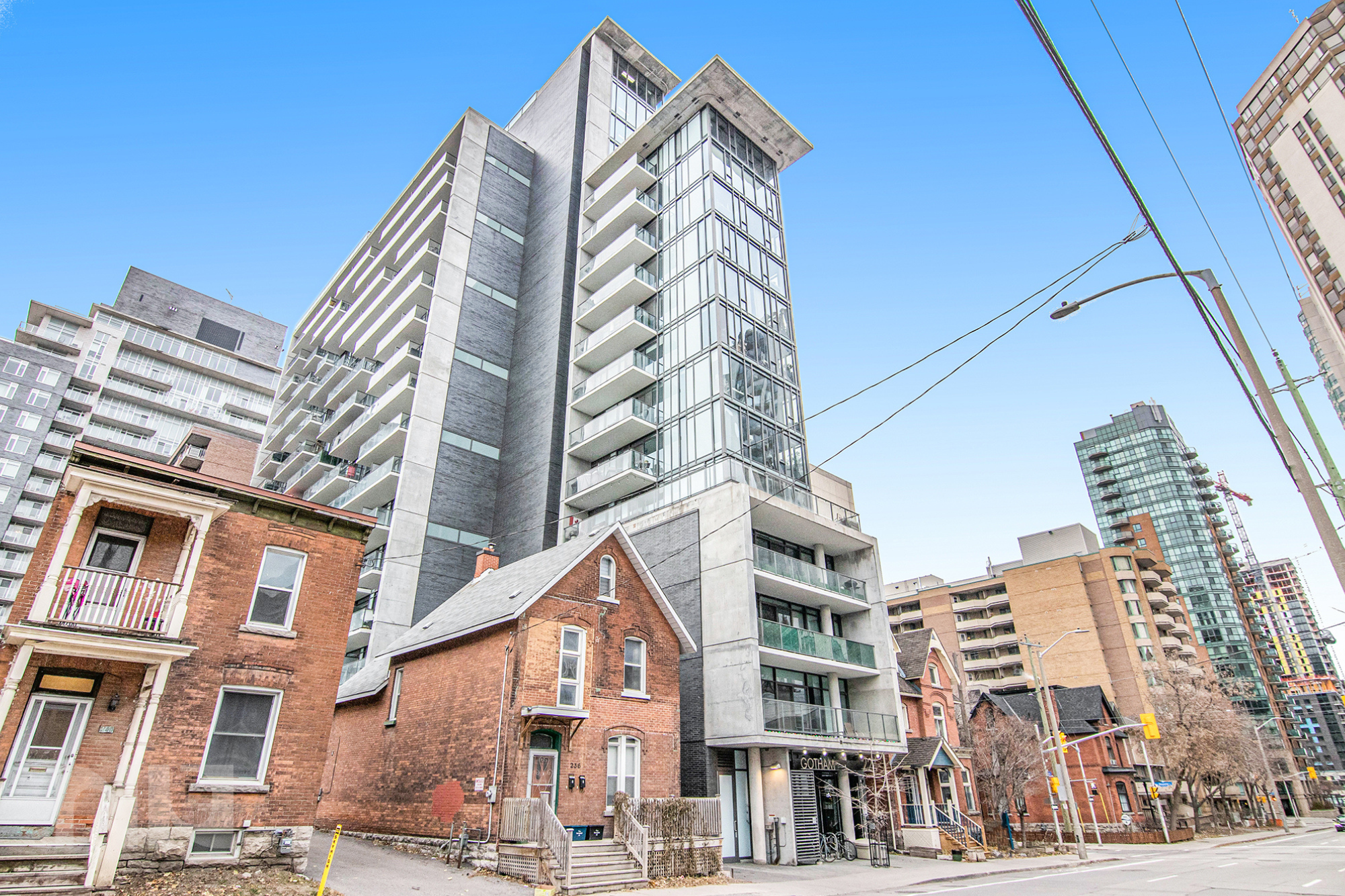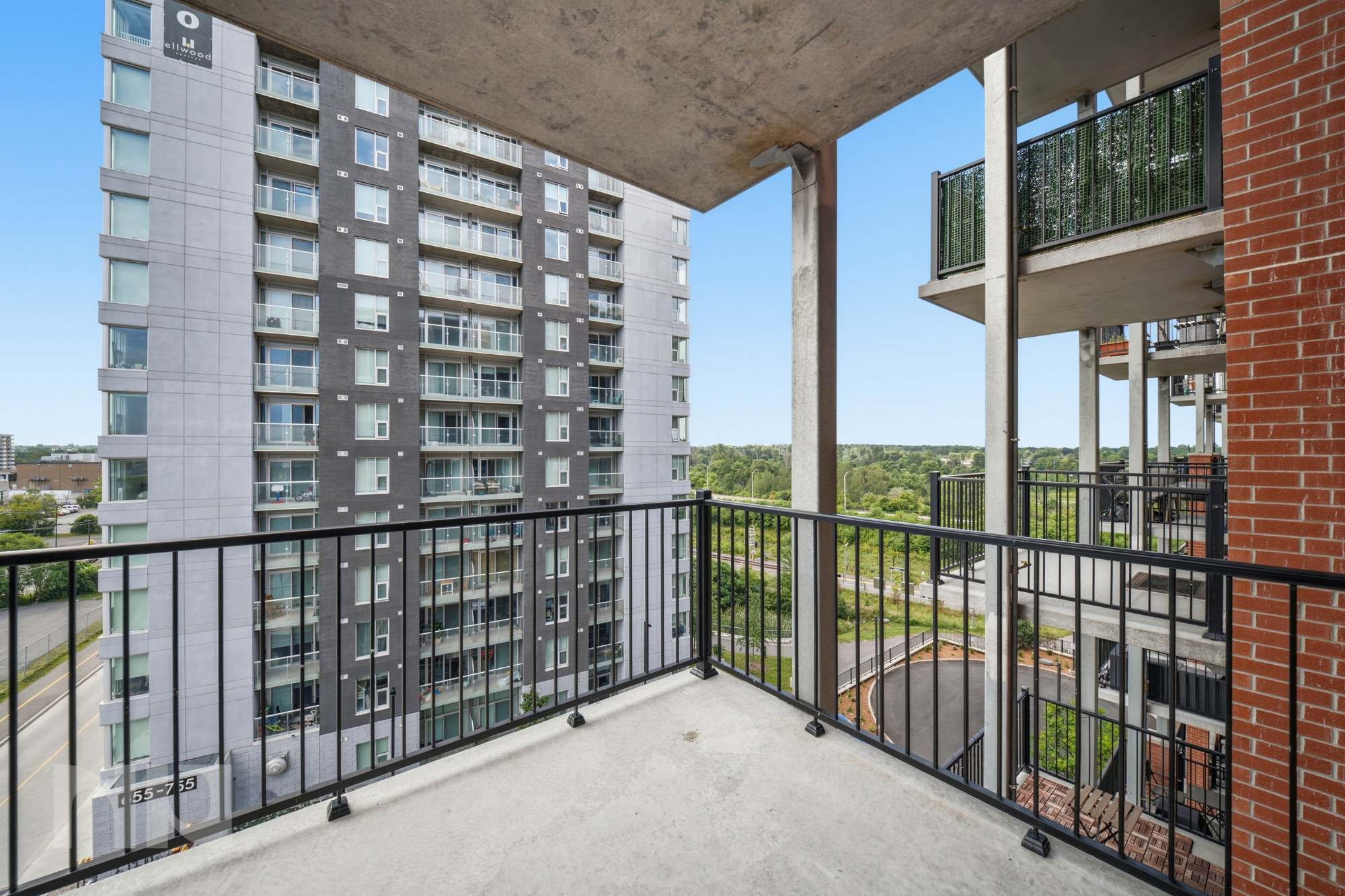

You find two condos.
One charges $450 a month in condo fees.
The other charges $750.
At first glance, the $450 building looks like the obvious winner.
Not necessarily.
Condo fees are one of the first numbers buyers compare when looking at apartments in Ottawa, but the monthly amount on the listing only tells you part of the story. A condo with higher fees can sometimes be the better-run and more predictable building. A condo with unusually low fees can sometimes be the one worth investigating more carefully.
The question isn't simply:
“Are the condo fees high?”
It's:
“What am I getting for them, and is this building collecting enough money to operate properly over the long term?”
What do condo fees actually pay for?
In Ontario, condo fees are formally known as common expenses.
They help pay for the corporation's ongoing operations, maintenance of common elements and contributions to the building's reserve fund. Depending on the property, they can also cover things such as cleaning, security, landscaping, snow removal, building management, insurance, elevator maintenance and shared facilities.
What is included varies significantly between buildings.
One Ottawa condo might include:
heat
water
building insurance
a concierge
a gym
an indoor pool
underground parking maintenance
extensive landscaping
Another might cover little beyond basic building operations and common-area maintenance.
Comparing those two buildings based only on the monthly fee isn't particularly useful.
A $700 condo fee isn't automatically “expensive”
Here's a better way to think about it.
Suppose Condo A charges $700 per month but includes heat and water, has a healthy reserve fund and operates a building with elevators, underground parking, a concierge and several amenities.
Condo B charges $450 but utilities are largely separate, amenities are limited and the building may need significant repairs over the next several years.
Which one is cheaper?
You can't answer that from the listing page alone.
This is why we don't like automatically ruling out a condo because its fee crosses an arbitrary number.
You need context.
Low condo fees aren't automatically a selling feature either
Everybody loves seeing low monthly fees.
And sometimes they genuinely are a positive.
A smaller building with fewer common elements and no pool, concierge or elaborate amenities may simply cost less to operate.
But exceptionally low fees can also raise another question:
Is the condo corporation collecting enough?
Ontario condo corporations are required to maintain reserve funds for major repairs and replacements of common elements and assets. Reserve fund studies are used to estimate upcoming work and determine an appropriate funding plan.
If owners have historically paid very low fees but significant work is approaching, somebody eventually has to pay for that work.
Sometimes that means fees increase.
Sometimes it can mean a special assessment.
This is why the reserve fund matters so much
Think of the reserve fund as the building's long-term repair account.
It's intended for major repairs and replacements rather than ordinary day-to-day expenses.
Depending on the condominium, future projects might involve things such as roofing, windows, elevators, parking structures, mechanical systems or other major common elements.
But there is another misconception here:
A big reserve fund number isn't automatically good, and a smaller one isn't automatically bad.
The Condominium Authority of Ontario specifically notes that the size of the reserve fund alone does not determine whether a condominium is financially healthy. What's more important is whether the corporation is adequately funded for the repairs and replacements it expects to encounter.
A $3-million reserve fund sounds fantastic.
Until you discover the building has a $6-million project approaching.
Context matters.
Again.
What is a special assessment?
This is the phrase condo buyers usually don't want to hear.
A special assessment is an additional charge owners may be required to pay when the corporation needs money beyond what its normal budget can cover.
Ontario's Condominium Authority lists unexpected repairs, projects that cost more than budgeted and litigation among situations that can lead to an assessment.
And these aren't hypothetical concerns.
The CAO notes that owners in some Ontario condominiums have faced assessments reaching thousands or even tens of thousands of dollars.
That doesn't mean you should avoid every building that has ever had an assessment.
Buildings require work.
Unexpected things happen.
What matters more is understanding why the assessment happened and what it tells you about the corporation.
A one-time unexpected issue is different from a building that repeatedly fails to budget for major expenses.
So how can you tell whether condo fees are reasonable?
There isn't one magic monthly number.
Instead, we would look at several things together.
1. What does the fee include?
Utilities can make a significant difference.
So can amenities.
So can services such as security, concierge staff, grounds maintenance or extensive common spaces.
Compare what you're actually paying for.
2. How large is the unit?
Condo fees are generally allocated according to the proportion assigned to each unit in the corporation's declaration, often related to unit size.
A 1,400-square-foot condo and a 500-square-foot condo in the same building shouldn't necessarily have identical monthly fees.
Looking at the fee without considering the unit itself can therefore be misleading.
3. What kind of building is it?
A low-rise condo with no elevator or amenities has a very different expense structure from a high-rise tower with:
multiple elevators
underground parking
a pool
gym facilities
concierge staff
large common areas
extensive mechanical systems
Those things cost money to operate, insure, maintain and eventually replace.
4. What is happening with the reserve fund?
This is where the status certificate becomes important.
For a resale condo, Ontario status certificates can provide information including the condo corporation's current budget, audited financial statements, reserve fund information, governing documents and certain information relating to the specific unit. The Condominium Authority recommends that buyers review the certificate with their legal counsel.
The $650 monthly fee on Realtor.ca is just one number.
The documents behind it tell you much more.
5. Have fees been changing dramatically?
Condo fees are not fixed forever.
Expenses change, and common expenses can change as the needs and finances of the corporation change.
An increase by itself isn't proof of poor management.
Insurance, utilities, wages, repairs and other operating expenses can all change over time.
But the history can still be worth understanding.
Has the building been making gradual adjustments?
Was there one unusually large increase?
Were fees kept artificially low for years and then corrected?
That history gives you more useful information than simply comparing today's number with the condo next door.
The amenities question buyers often forget to ask
There's another side to this.
Would you actually use what you're paying for?
A rooftop pool looks great in listing photos.
But if you never swim, you are still contributing toward its operation and maintenance.
Ontario condo owners are responsible for their share of common expenses regardless of whether they personally use particular amenities.
That doesn't mean amenities are bad.
For the right buyer, having a gym, pool, guest suites, party room, concierge and rooftop terrace in the building can be genuinely valuable.
The point is to buy into amenities that make sense for your lifestyle rather than assuming more is automatically better.
The condo with the lowest fees isn't necessarily the cheapest condo to own
This is probably the biggest takeaway.
Buyers naturally focus on the visible monthly expense.
But condo ownership has several moving parts.
A better comparison looks at:
Purchase price + condo fees + utilities + property taxes + parking costs + likely upcoming building expenses + what those fees actually provide.
That's a much better picture of ownership than sorting Realtor.ca from “lowest maintenance fee” to highest.
Sometimes the $450 building wins.
Sometimes the $750 building does.
And sometimes the most important information isn't visible in the listing at all.
Before ruling out an Ottawa condo because of its fees, look deeper
We wouldn't recommend buying a condo while ignoring high maintenance fees.
But we also wouldn't recommend automatically avoiding one because the number looks high.
The better questions are:
What does the fee cover?
How is the corporation being managed?
What does the reserve fund look like relative to upcoming work?
Have there been special assessments?
Are any major repairs planned?
What are you personally getting for the money?
And what does the status certificate tell us that the listing doesn't?
That's the difference between shopping for the condo with the lowest monthly fee and shopping for a condo that actually makes financial sense.
If you're comparing condos in Ottawa, the New Purveyors team can help you evaluate the building as well as the individual unit, including pricing, comparable sales, condo fees, listing history and the information that should be investigated before you commit to a purchase.