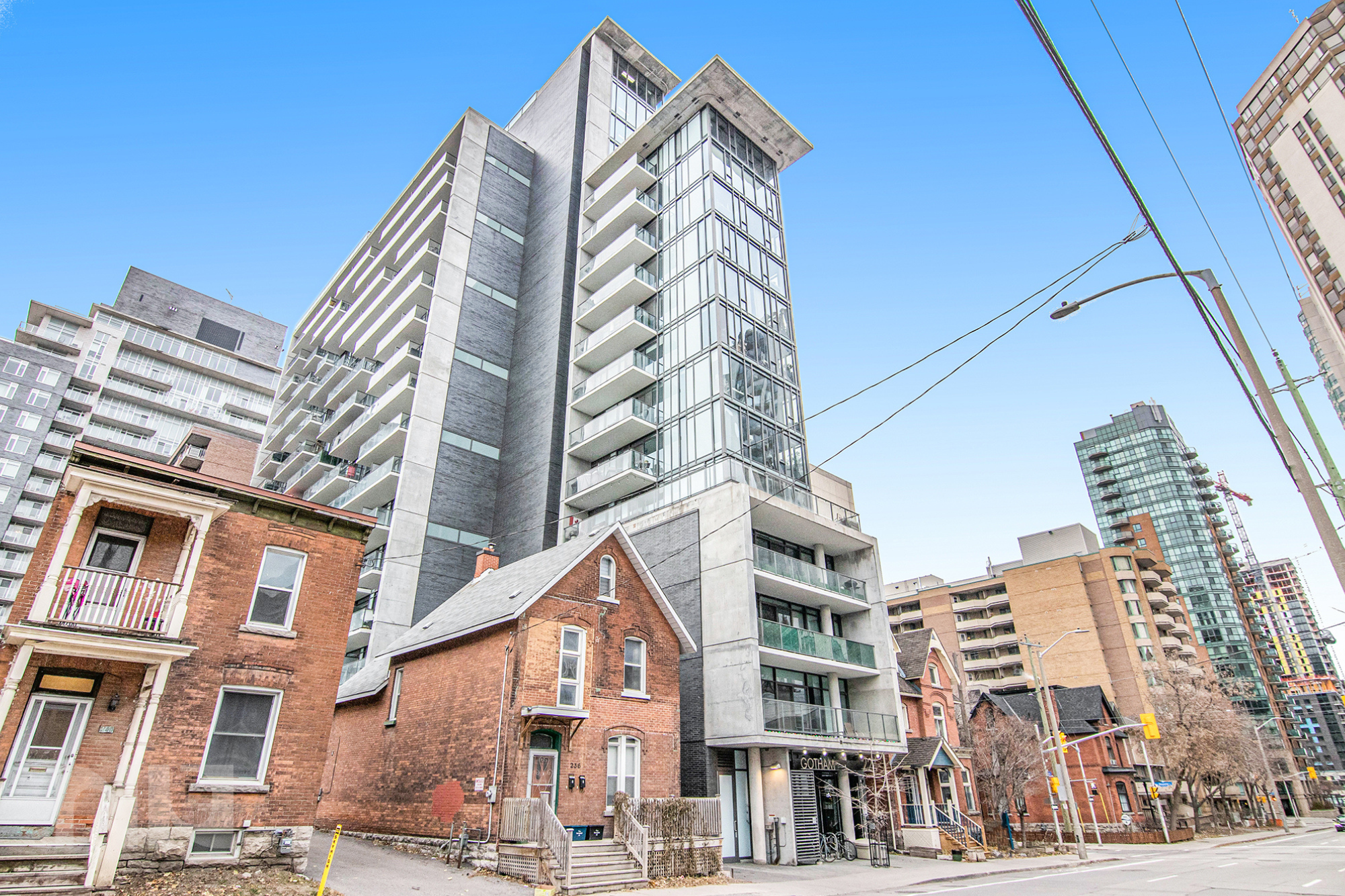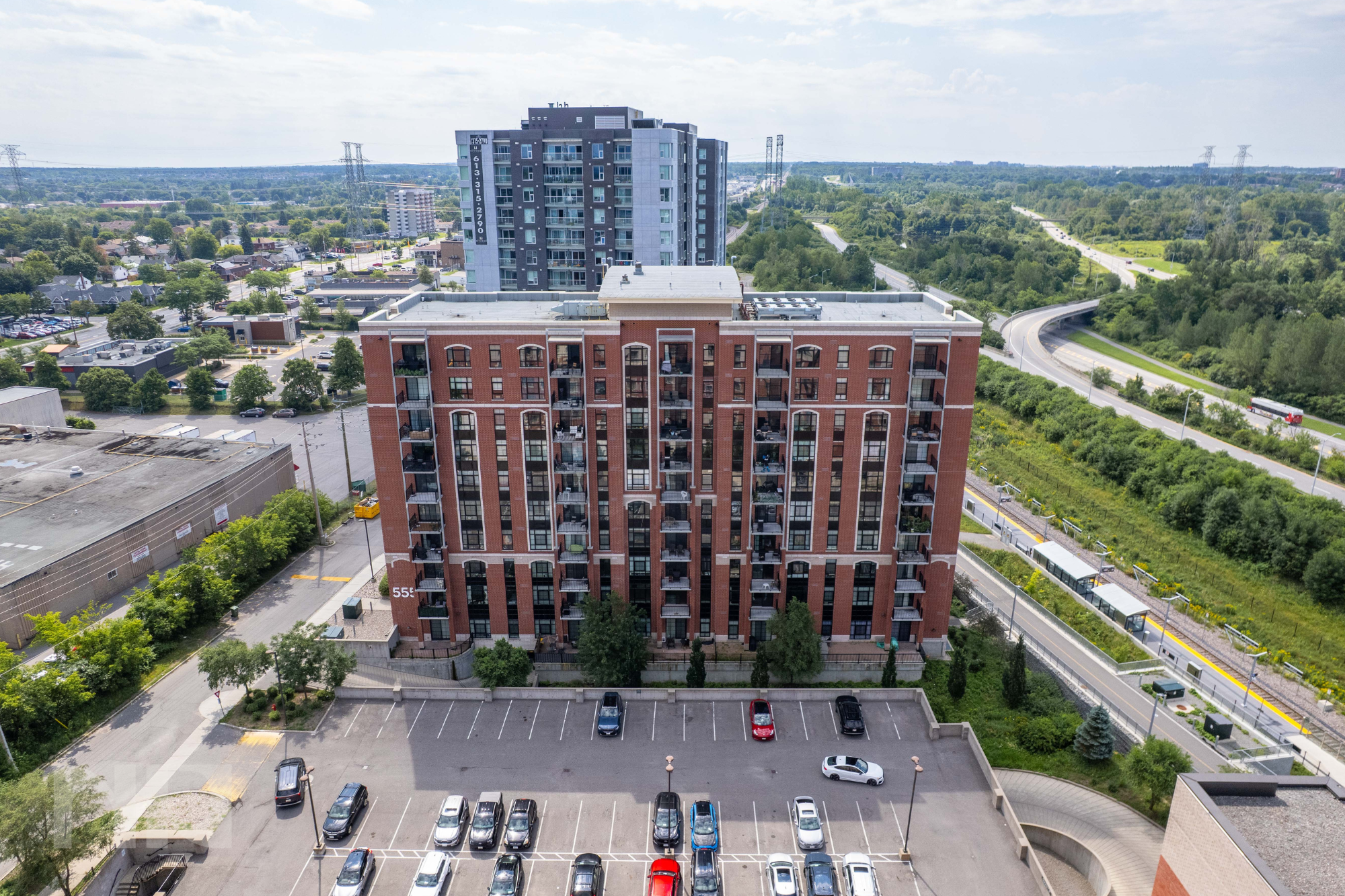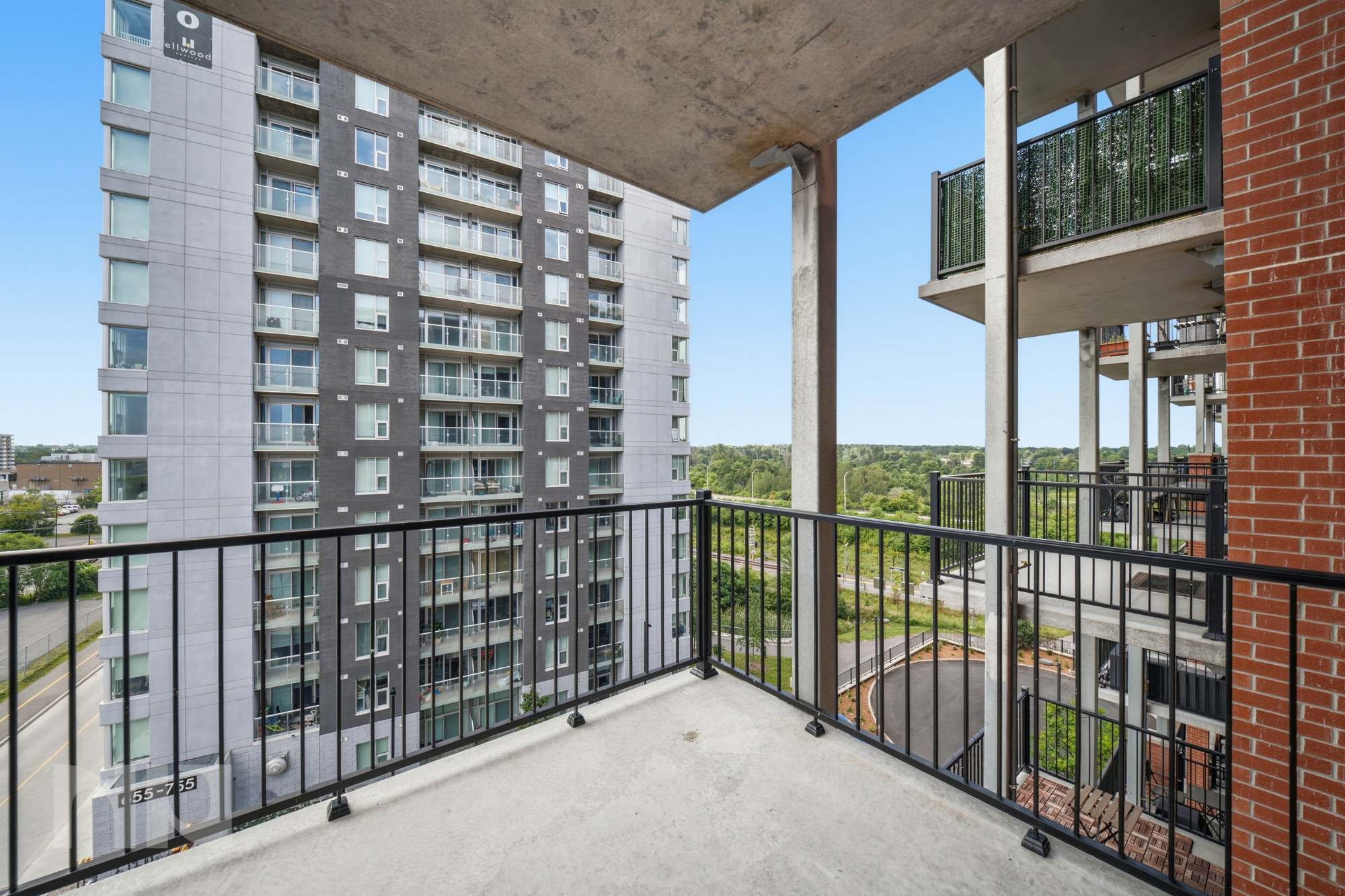

If you've been thinking about buying a condo in Ottawa, this fall's market is worth paying attention to.
Condo buyers are entering October with more negotiating room than we've seen in some other parts of the housing market. Apartment sales have slowed, available inventory has increased, and benchmark prices have fallen compared with last year.
For someone who's been watching the same buildings for months, or waiting for a little more flexibility when making an offer, those changes could be significant.
But does that mean October is the right time to buy? And how do you tell the difference between a genuinely good opportunity and a condo that's sitting on the market for a reason?
Here's what the latest numbers tell us.
What's Happening in Ottawa's Condo Market in October 2026?
The Ottawa Real Estate Board's September 2026 report, released October 5, shows that apartment-style properties are experiencing more pressure than detached homes or townhouses.
Here are the key figures:
121 apartment sales were recorded in September, down 24.8% from September 2025.
7.3 months of apartment inventory were available, compared with 6.3 months in August.
The apartment benchmark price was $380,800, down 6.1% year over year and 3.1% from August.
The sales-to-new-listings ratio was 27%, down from 43% in August.
That last number is particularly interesting.
A 27% sales-to-new-listings ratio means there were approximately 27 apartment sales for every 100 new apartment listings in September.
More properties are entering the market relative to the number selling, and that generally gives buyers more alternatives to consider.
It's important to distinguish apartment-market statistics from the entire condominium market. These figures don't represent every type of condo, including all condominium townhouses.
Still, they provide useful context for anyone considering an apartment-style condo in Ottawa this fall.
1. Buyers Have More Choice, and That's Important for Condos
When purchasing a detached home, it can be difficult to find two properties that are genuinely comparable.
Condos are different.
You might find several one-bedroom units in the same building, or two nearly identical floor plans in neighbouring developments.
That makes it much easier to compare what you're getting for your money.
Imagine you're looking at a two-bedroom condo in Centretown listed for $450,000.
Another unit in the same building is available for $435,000, while a third has been listed for $465,000 with updated finishes and an additional parking space.
Having several options allows you to look beyond the asking price and consider which property offers the best overall value.
What should you compare?
Actual usable square footage and floor plans
Floor level and natural light
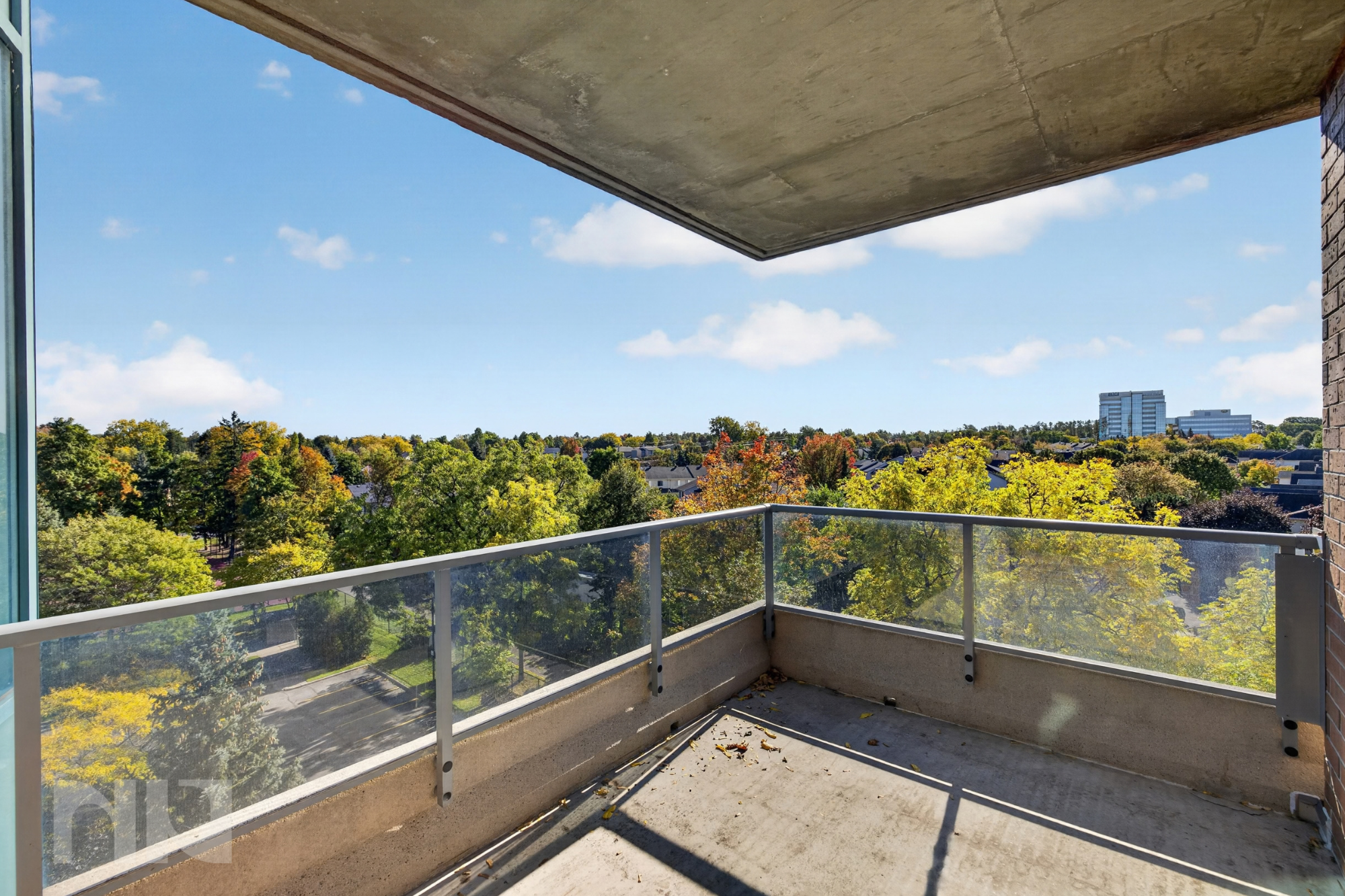
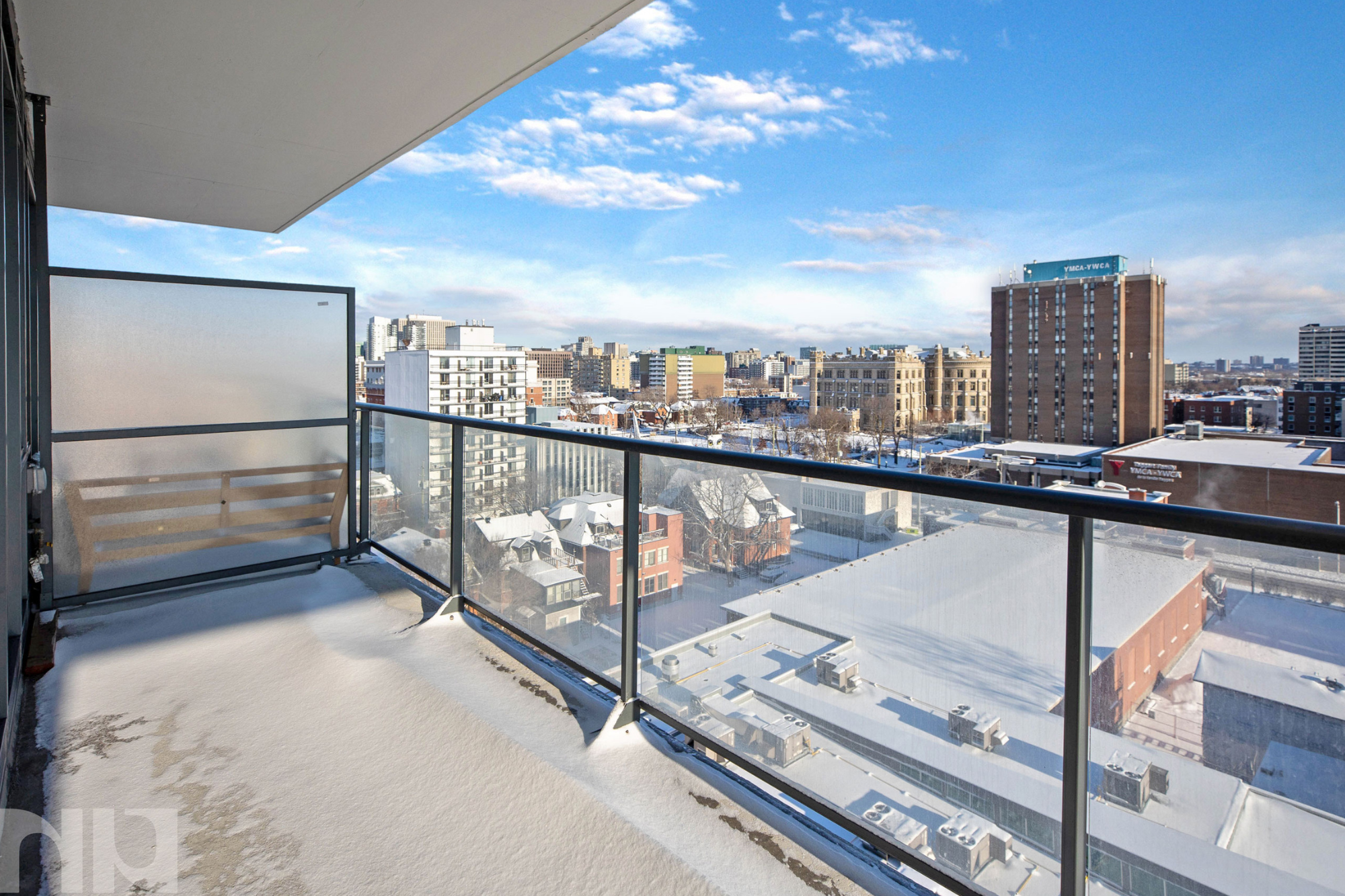
Balcony size, exposure and views
Parking spaces and storage lockers
Monthly condo fees and included utilities
Interior condition and renovation history
Recent selling prices within the building
The biggest advantage isn't necessarily finding the cheapest unit. It's having enough comparable options to make a more informed decision.
2. There May Be More Opportunities to Negotiate
With apartment inventory increasing and sales activity declining, some sellers may be more receptive to negotiations.
That doesn't mean every condo seller is willing to accept an offer significantly below asking.
A well-maintained unit with a desirable floor plan, reasonable fees and a competitive asking price can still attract interest.
But properties that have been available for several weeks or months may deserve a closer look.
Suppose a condo is listed for $425,000 and has been sitting on the market for 75 days.
Before deciding what to offer, investigate:
What similar units have recently sold for
Whether the property has been relisted or reduced in price
Whether other units in the building are currently available
How the asking price compares with similar buildings nearby
Whether the seller has a preferred closing date
If comparable units have recently sold for $400,000 to $410,000, that information may support an offer below the current asking price, depending on the differences between the properties.
However, days on market alone aren't enough to justify a discount.
A unique penthouse or unusually large unit may naturally take longer to find the right buyer than a conventional one-bedroom apartment.
The key is understanding why a particular property hasn't sold.
3. Condo Fees Matter Just as Much as the Purchase Price
One of the easiest mistakes to make when comparing condos is looking only at the listing price.
Two properties can have identical asking prices and very different monthly ownership costs.
Consider these hypothetical examples:
Condo A
Purchase price: $400,000
Monthly condo fees: $350
Condo B
Purchase price: $400,000
Monthly condo fees: $700
That's an additional $350 per month, or $4,200 annually, for Condo B.
But that doesn't automatically make Condo A the better purchase.
Condo B might include heating, water, building amenities, security or other services that Condo A doesn't provide.
The two corporations may also have different maintenance responsibilities and reserve fund contribution requirements.
Before comparing fees, ask:
What utilities are included?
What services and amenities are covered?
Is parking included, and does it carry additional expenses?
Have monthly fees increased recently?
What does the corporation's reserve fund study indicate about future repairs?
Are major projects or special assessments anticipated or disclosed?
A low condo fee isn't necessarily a sign of good management, just as a high fee doesn't automatically mean a building is poorly managed.
What matters is understanding what you're paying for and whether the condominium corporation is appropriately planning for its expenses.
4. A Slower Market Gives You an Opportunity to Investigate the Building
When buyers feel pressured to make quick decisions, important due diligence can become more stressful.
In a market with more available properties, you may have greater flexibility to ask questions, compare buildings and arrange appropriate professional reviews.
And when buying a resale condo, the building deserves just as much attention as the unit itself.
In Ontario, a status certificate provides important information about a condominium corporation and a particular unit.
It can include information about:
Monthly common expenses
The corporation's budget and financial statements
Reserve fund information
Special assessments
Litigation involving the corporation
Condominium rules and governing documents
Prospective buyers should have the status certificate and supporting documents reviewed by their real estate lawyer.
It's also worth looking beyond the documents themselves.
For example, if you're considering a building with an underground parking garage, elevators and extensive shared amenities, ask about the age and maintenance of those systems.
If the building has recently completed major repairs, find out how those projects were funded.
If substantial repairs are planned, determine what information is available about their expected costs.
You don't need to become an expert in condominium corporation finances, but you should understand the financial and maintenance responsibilities that come with ownership.
5. Don't Assume Every Condo Is a Bargain
The apartment benchmark price in Ottawa declined 6.1% year over year in September.
That's a meaningful change, but it doesn't mean every individual condo is worth 6.1% less than it was last year.
Some buildings may experience larger price adjustments. Others may remain relatively stable because of their location, condition, amenities or the number of comparable units available.
A newly renovated unit in a desirable building can still command a premium over a similar unit requiring extensive updates.
Likewise, a condo advertised at a substantial discount may have characteristics that make it less appealing to buyers.
Perhaps it has high monthly fees, no parking, limited natural light or upcoming building expenses.
Before getting excited about a lower asking price, find out whether the property is genuinely competitively priced.
A good purchase isn't simply a condo that costs less than it used to. It's one where the price makes sense for the unit, building and overall cost of ownership.
6. October Is a Good Time to Think About Winter Condo Living
Condo ownership can mean fewer individual exterior maintenance responsibilities, but that doesn't eliminate the practical realities of winter in Ottawa.
Depending on the building, residents may rely on shared parking garages, entrances, elevators, heating systems and snow removal arrangements.
When viewing a property in October, consider how comfortable and convenient it will be throughout the colder months.
A few useful questions include:
Is parking indoors, outdoors or in a shared garage?
How are snow removal and winter maintenance handled?
Are entrances and pedestrian routes convenient and accessible?
What heating system does the unit use, and who pays for it?
Do windows and balcony doors appear to be in good condition?
Is the building close enough to groceries, transit and other essentials for your everyday needs?
If you're considering a condo specifically because you want a lower-maintenance lifestyle, take the time to understand which responsibilities belong to the corporation and which remain yours.
The details can vary considerably between buildings.
7. Should You Buy in October or Wait Until Spring 2027?
This is probably the biggest question for buyers who aren't facing an immediate deadline.
There are reasons to consider purchasing now.
Ottawa's apartment market currently has elevated inventory relative to sales, and buyers may have opportunities to compare properties and negotiate without the same degree of competition found in a faster-moving market.
But waiting may still make sense.
You might need more time to save for a down payment, improve your financial position or find a particular unit in a building you really like.
It's also possible that fewer new condos will be listed as winter approaches.
Across Ottawa's overall residential market, new listings have historically declined from September into October and November. Whether that seasonal pattern continues this year remains to be seen.
Waiting until spring could bring different properties onto the market, but it doesn't guarantee lower prices or better mortgage rates.
Buying this October may make sense if:
You're financially ready and comfortable with the monthly ownership costs.
You've found a condo that meets your needs.
The asking price is supported by comparable sales.
You've reviewed the building's financial and maintenance information.
You can negotiate terms that work for your circumstances.
Waiting may be the better option if:
You need additional time to save or secure financing.
You're still deciding which neighbourhood or building suits you.
You haven't found a unit with the layout or features you need.
The available properties have financial or maintenance concerns you're not comfortable accepting.
Buying now would leave you with little financial flexibility.
There's no reason to purchase a condo simply because market conditions appear favourable.
The right property still needs to make sense for your budget and lifestyle.
Is Ottawa's Condo Market a Buyer's Market Right Now?
September's apartment statistics point to a market where buyers generally have more leverage than sellers.
With 7.3 months of inventory, a 27% sales-to-new-listings ratio and declining benchmark prices, there are clear signs of softer demand relative to supply.
However, those citywide numbers shouldn't determine how you approach every property.
An established building with limited turnover may have very different conditions from a development where several nearly identical units are for sale.
Some neighbourhoods may have more available inventory than others.
And certain features, such as parking, outdoor space, desirable layouts or unobstructed views, may affect demand within an individual building.
Before making an offer, look at the recent sales history of the building and comparable properties nearby.
That information is much more useful for determining an appropriate offer than relying on citywide averages alone.
The Bottom Line: Is October a Good Time to Buy a Condo in Ottawa?
For buyers who are financially prepared, October 2026 offers some potentially favourable conditions in Ottawa's apartment-style condo market.
Inventory is elevated, apartment sales have slowed, and benchmark prices have declined from last year.
That can create opportunities to compare more properties, investigate building finances and negotiate with greater flexibility.
But the most important consideration remains the individual condo.
Its floor plan, location, monthly expenses, maintenance history and corporation finances will influence your ownership experience long after the market conditions of October 2026 have changed.
At New Purveyors, our condo-focused team helps buyers compare individual units, understand building-specific considerations and evaluate recent sales before making a purchase.
If you're considering buying an Ottawa condo this fall, we're happy to help you explore the options available.