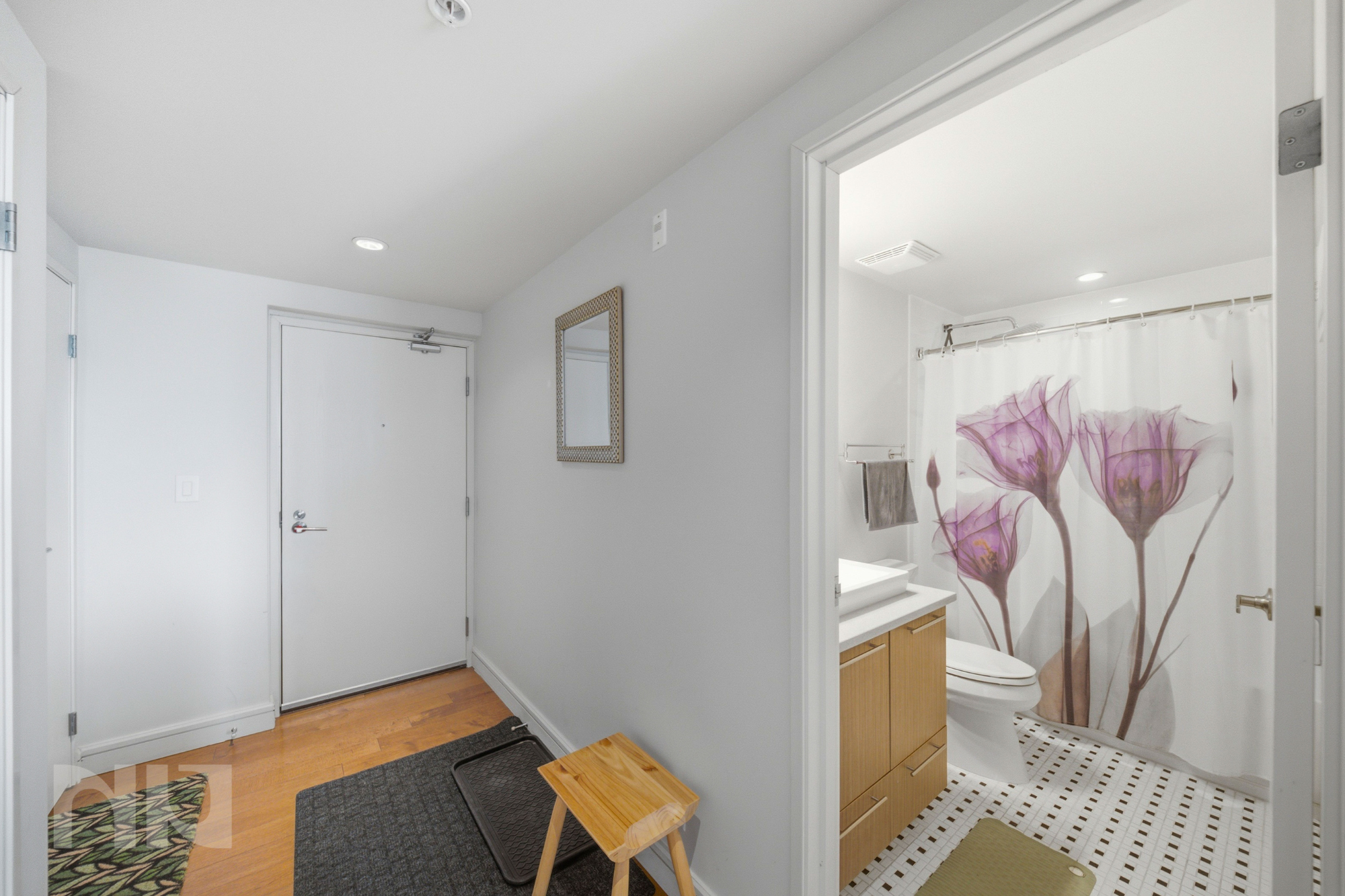

You get an email from your condo's property management company saying the building is planning to replace its Kitec plumbing.
The notice mentions access to individual units, contractors, water shutoffs and possible costs for owners.
But what does the replacement actually involve? Will they have to open your walls? How long will you be without water? And most importantly, are you expected to pay for it?
A Kitec replacement project can involve work inside individual condo units, shared building systems or both. Who pays, how disruptive it is and how the work is organized depend on the building.
For Ottawa condo owners, here's what to expect and what to ask before the project begins.
Why Are Condo Buildings Replacing Kitec Plumbing?
Kitec was a plumbing system used in Canadian residential construction primarily between 1995 and 2007.
It combined layers of plastic and aluminum piping with metal fittings and was installed in houses, townhomes and condominium buildings.
Over time, certain components became associated with premature deterioration, including corrosion of some brass fittings that could contribute to leaks and water damage.
The system was subsequently the subject of a major North American class-action settlement.
Not every Kitec installation has experienced a failure. However, the known risks have led some condominium corporations to pursue preventative replacement rather than continue maintaining the original system.
In a high-rise building, a plumbing leak can affect more than the unit where it starts.
Water can travel into neighbouring suites, hallways and other areas, potentially involving multiple owners and the condominium corporation's insurance.
That's why a building may decide to organize a coordinated replacement program even if your individual unit hasn't experienced a problem.
For a more detailed explanation of the plumbing system itself, see our earlier article, What Is Kitec Plumbing, and Should You Buy a Condo That Has It?.
What Happens During a Kitec Replacement in a Condo?
The process depends on how the plumbing was originally installed and which sections need replacing.
In some buildings, the project primarily involves water supply piping inside individual suites. In others, the scope may extend to additional connections or shared mechanical areas.
Generally, the work can involve several stages.
1. Inspection and identifying the affected piping
A plumbing contractor determines where Kitec is installed, which sections remain and how the replacement can be completed.
Building drawings, previous replacement records and inspections may all help establish the scope.
2. Accessing concealed pipes
Depending on the layout, contractors may need to open sections of drywall, ceilings or other finishes to reach the plumbing.
Pipes running behind kitchen cabinetry or bathroom fixtures can make access more complicated.
3. Removing or bypassing the affected plumbing
The contractor installs an appropriate replacement system, with the exact method determined by the existing layout and applicable requirements.
4. Testing the new installation
The plumbing needs to be tested and any applicable inspection requirements satisfied before the project is considered complete.
5. Restoring affected finishes
Opened walls or ceilings may need to be repaired, and other finishes may require restoration depending on what was disturbed.
An important question for owners is whether the contractor's scope includes that restoration.
Replacing the plumbing and returning the unit to its previous finished condition are not necessarily the same line item.
Will You Have to Move Out While the Work Is Being Done?
Not necessarily.
Some replacement projects can be completed with residents remaining in their units. Others may require more substantial temporary arrangements, particularly when bathrooms, kitchens or water service will be unavailable.
There is no universal schedule for a Kitec replacement.
The amount of piping, accessibility, contractor availability and number of units involved all affect the timeline.
Before work begins, ask property management:
How many days will contractors need access to my unit?
Will the water be shut off, and for how long?
Will my bathroom and kitchen remain usable?
Will any walls, ceilings, cabinets or fixtures be removed?
Who is responsible for restoring the affected finishes?
Do I need to remove furniture or belongings before contractors arrive?
If you rent out the unit, you'll also need to coordinate access and disruption with your tenant while following applicable tenancy requirements.
Who Pays for Kitec Replacement in an Ontario Condo?
This is usually one of the first questions owners ask.
Unfortunately, there isn't a single answer that applies to every condominium.
Under Ontario's Condominium Act, maintenance and repair responsibilities are divided between individual owners and condominium corporations, subject to the corporation's governing documents.
For a Kitec replacement, responsibility may depend on whether the affected plumbing forms part of an individual unit or the common elements, along with the nature of the work.
A corporation might organize a building-wide replacement program while individual owners remain responsible for certain costs.
Alternatively, a project involving plumbing that the corporation is responsible for maintaining may be funded through the corporation.
Don't assume that because management hired the contractor, the condo corporation is automatically paying for the entire project.
Ask for a written breakdown explaining which costs the corporation will cover, which expenses will be charged to individual owners and which provisions of the governing documents support that allocation.
Could the Replacement Lead to a Special Assessment?
Potentially, but not automatically.
A condominium corporation may use its reserve fund for qualifying major repairs and replacements involving common elements and assets.
Depending on the building's finances and the work required, additional funding may be necessary.
That could potentially involve a special assessment, although the financing arrangements depend on the corporation's circumstances and legal obligations.
For owners, the questions worth asking are:
Has the replacement project already been approved?
What is the estimated total cost?
How much is being paid from existing corporation funds?
Are individual owners expected to contribute additional money?
Is there a contingency budget for unexpected work?
If you're considering buying a unit in a building undergoing replacement, the status certificate and related financial records deserve careful review.
A building announcing a plumbing replacement isn't automatically a reason to walk away from a purchase.
But an unresolved project without clear information about funding can create uncertainty about your future expenses.
Can the Condo Corporation Require Access to Your Unit?
In certain circumstances, yes.
Under Ontario's condominium legislation, a corporation may have the right to enter individual units to perform necessary work or carry out its responsibilities.
The specific authority and access procedures depend on the applicable law and governing documents.
Generally, owners should receive reasonable notice and entry should occur at a reasonable time. Emergencies can justify different access arrangements.
This is especially relevant when the corporation is coordinating replacement work across multiple suites.
If you're concerned about scheduling, security or the extent of the proposed work, raise those questions with management before the project begins.
Refusing access without understanding the corporation's legal authority can complicate the situation.
What if Your Unit's Kitec Was Already Replaced?
If you've already paid to replace the Kitec plumbing in your condo, you should provide management with the relevant documentation.
But make sure the previous work actually addressed the piping included in the current replacement program.
For example, a prior renovation may have replaced some visible plumbing in a bathroom while leaving other sections untouched.
Useful records include:
The contractor's invoice and scope of work
Any applicable plumbing permits or inspection records
Photographs documenting the replacement
A written description of what materials were removed and installed
Confirmation of whether concealed piping was included
A completed renovation doesn't necessarily mean every affected section of plumbing was replaced.
If the documentation is incomplete, a qualified plumbing professional may need to review the work.
What Should Buyers Check if a Condo Building Is Replacing Kitec?
If you're purchasing a resale condo in Ottawa while a Kitec replacement project is planned or underway, there are a few things to establish before finalizing your purchase.
Has the work already been completed in the unit?
Ask for records confirming the scope and completion, rather than relying solely on a verbal statement.
Is the building-wide project finished?
Replacing the plumbing inside one suite doesn't necessarily resolve outstanding work elsewhere in the building.
Are there any unpaid costs associated with the unit?
Find out whether the seller has paid all applicable charges and whether additional amounts may become payable after closing.
Will contractors need access after you move in?
This can affect your renovation plans, moving schedule and immediate use of the property.
Has the replacement affected the corporation's finances?
Ask your lawyer to review relevant status certificate disclosures, financial information and available project documentation.
The goal isn't to avoid every building that previously had Kitec.
It's to understand what work remains, what it may cost and whether the building has a clear plan for completing it.
The Bottom Line
A Kitec replacement project is more than a plumbing repair. In a condominium, it can involve dozens or hundreds of individual suites, shared building systems, coordinated contractor access and significant financial decisions.
If your building announces a replacement program, ask for the scope of work, the timeline, the allocation of costs and the restoration arrangements in writing.
And if you're purchasing an Ottawa condo in a building with an existing or completed Kitec replacement program, verify the records before assuming the issue has been fully resolved.
At MattRichling.com, our team helps Ottawa condo buyers investigate the details behind a property's listing, including major building projects, financial obligations and maintenance history.
Because knowing what's happening behind the walls can be just as important as what you see during a showing.