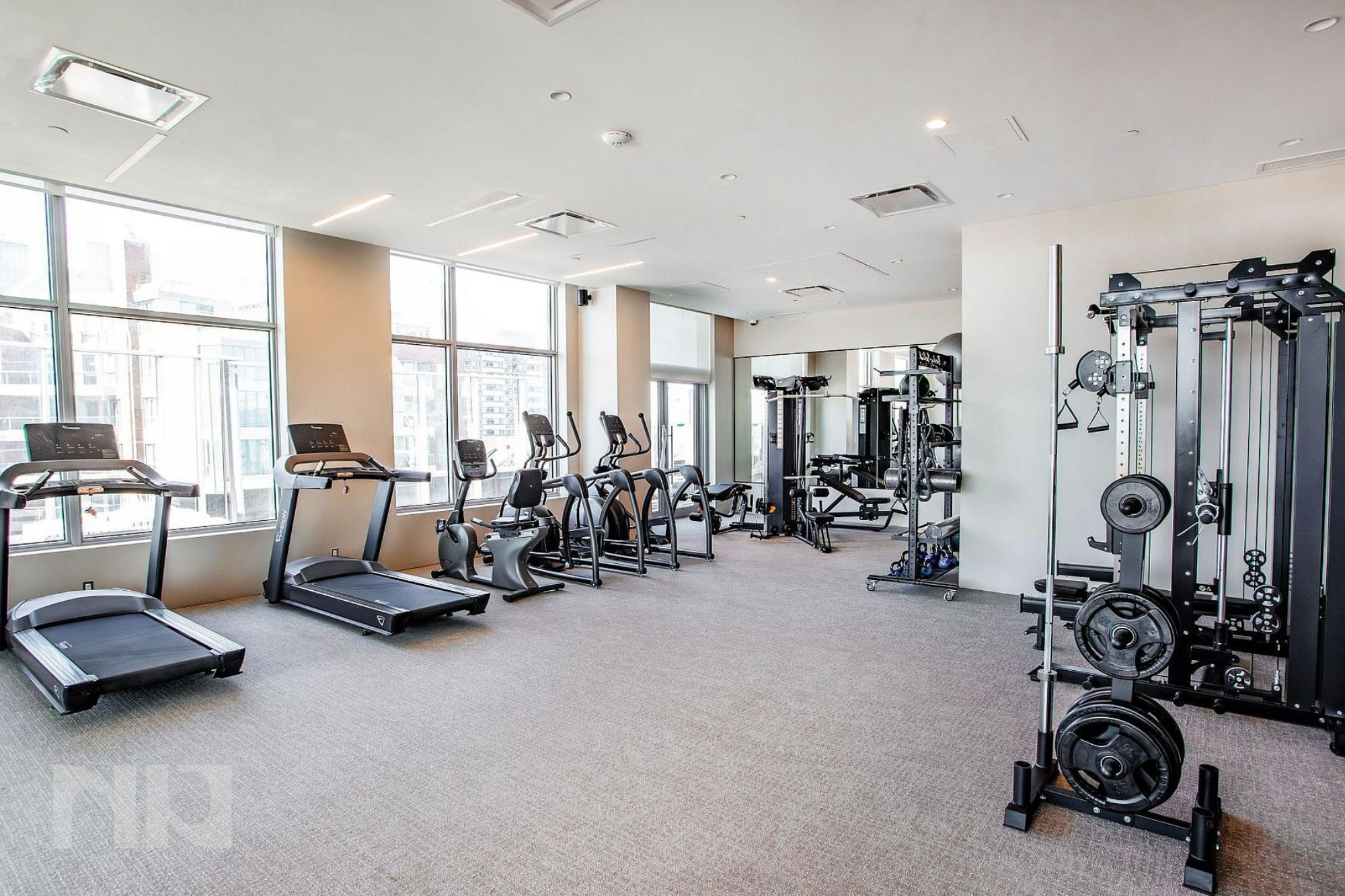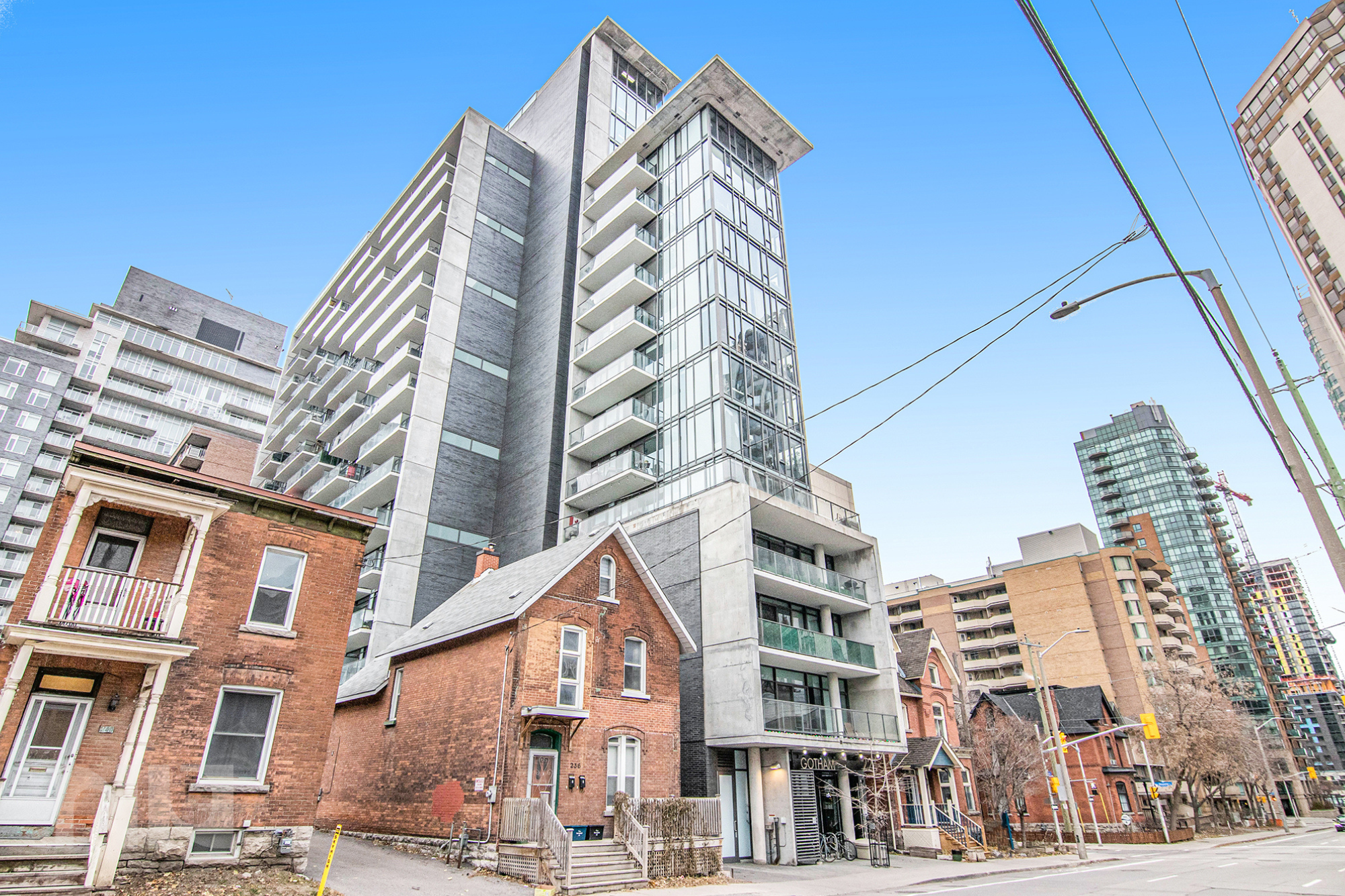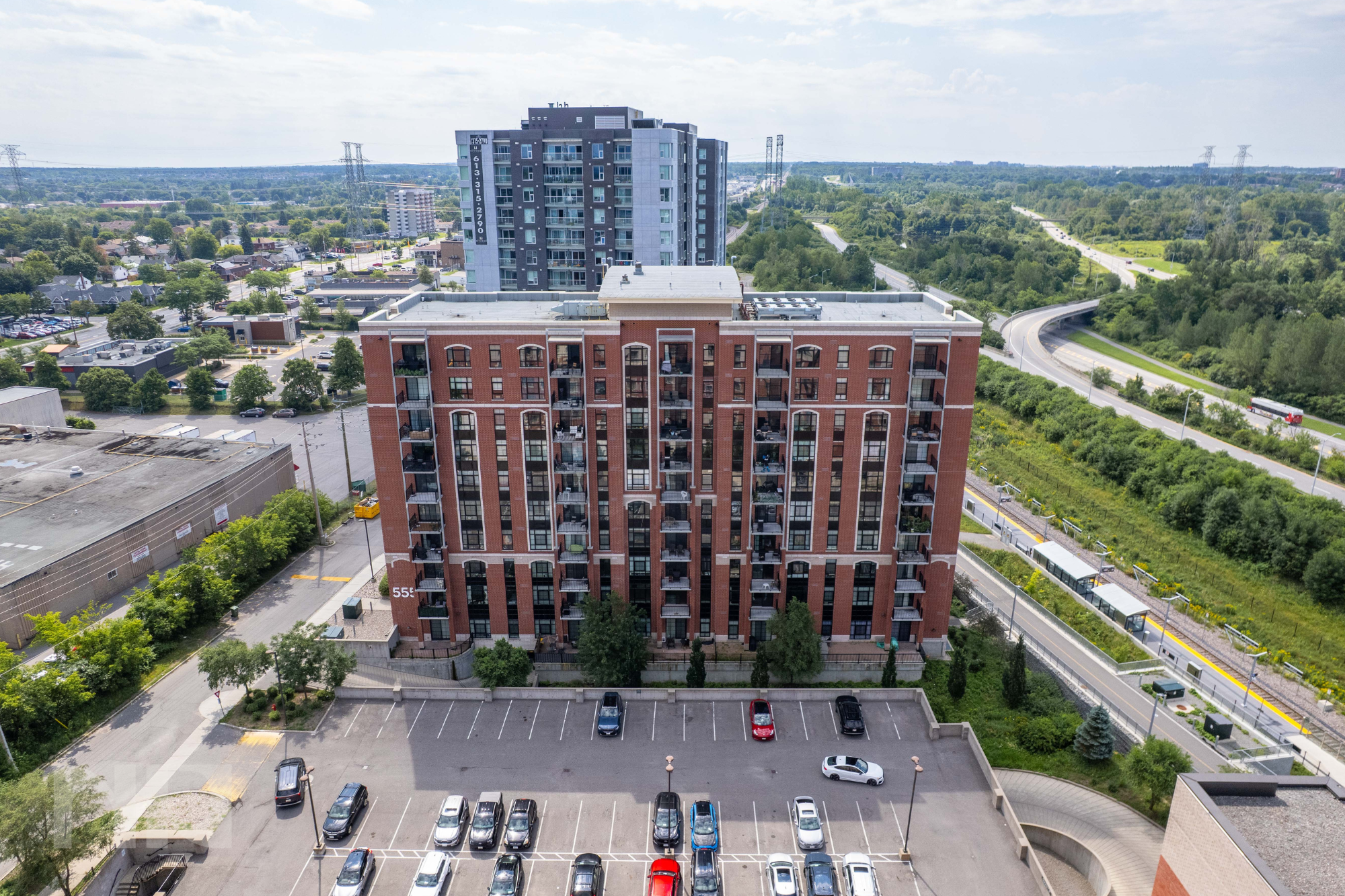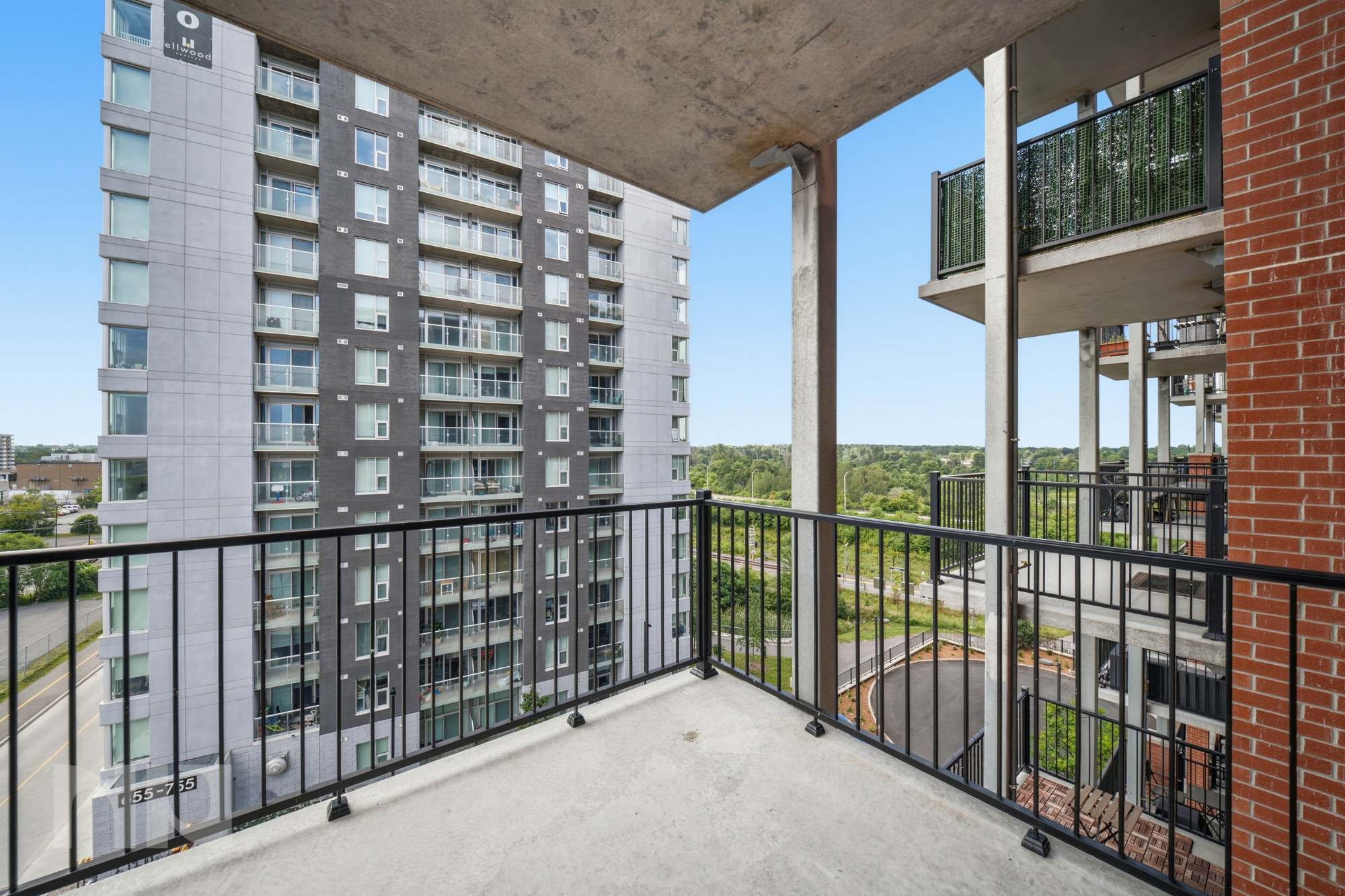

When you buy a condo, you’re not just buying the unit.
You’re also buying into a corporation with its own finances, rules, upcoming repairs and legal obligations.
That’s why one of the most important parts of buying a resale condo in Ontario is reviewing the status certificate.
A status certificate contains information about the specific unit and the condo corporation. In Ontario, anyone can request one, the corporation can charge up to $100 including taxes, and it generally has 10 days to provide it.
Your lawyer should review the full package. But as a buyer, it still helps to understand what you’re looking at.
Here are a few of the big things worth paying attention to.
1. How much money is in the reserve fund?
The reserve fund is money set aside for major repair and replacement work on the condo’s common elements.
Think:
roofs
windows
elevators
parking garages
mechanical systems
exterior components
other major shared infrastructure
The status certificate includes information about the most recent reserve fund study and the state of the reserve fund.
The important question isn’t simply, “Is there a lot of money in it?”
You need context.
A large building may need a much larger reserve fund than a small one. An older condo may also have significant projects coming up.
What you’re really trying to understand is whether the corporation appears financially prepared for the work it expects to face.
2. Are there any special assessments?
A special assessment is an additional charge to owners, generally used when the condo corporation needs money beyond its regular operating budget and reserve planning.
That can happen because of an unexpected repair, a project costing more than expected, litigation or another financial shortfall.
The status certificate should disclose special assessments charged to the unit since the current budget was prepared, along with the reason for them.
If there is one, find out:
how much it is
what it is paying for
whether it has already been paid
whether additional costs may still be coming
who is responsible for paying it under your agreement of purchase and sale
A special assessment doesn’t automatically mean you should walk away from a building.
It does mean you should understand exactly what is happening before you buy.
3. Have condo fees recently increased?
Low condo fees look great in a listing.
They’re not automatically a sign of a well-run condo.
Condo fees fund the corporation’s shared expenses, including building operations, maintenance, management and contributions to the reserve fund.
If fees are unusually low, it’s worth asking whether the corporation has been adequately funding future repairs.
On the other hand, higher fees may include substantial utilities, amenities or services.
Instead of comparing the monthly number alone, look at:
What does the fee include, and what is the building getting for that money?
The status certificate can also identify increases in common expenses and the reason for them.
4. Is the condo corporation involved in litigation?
The status certificate includes information about certain legal issues, including whether the corporation is involved in ongoing litigation or has outstanding legal judgments.
That doesn’t necessarily mean something is seriously wrong.
But legal proceedings can potentially affect the corporation’s finances, insurance or future costs.
Your lawyer can help you understand what the dispute involves and whether it creates a meaningful concern for you as a buyer.
5. Read the rules you actually care about
The package generally includes the condo corporation’s declaration, by-laws and rules.
Don't skip them.
This is where you may find restrictions or requirements involving things like:
pets
renovations
short-term rentals
barbecues
balconies and terraces
parking
storage
amenity use
leasing your unit
The rules that matter will be different for every buyer.
If you have a large dog, own an EV, want to renovate immediately or plan to rent the unit later, those questions should be answered before you firm up the purchase.
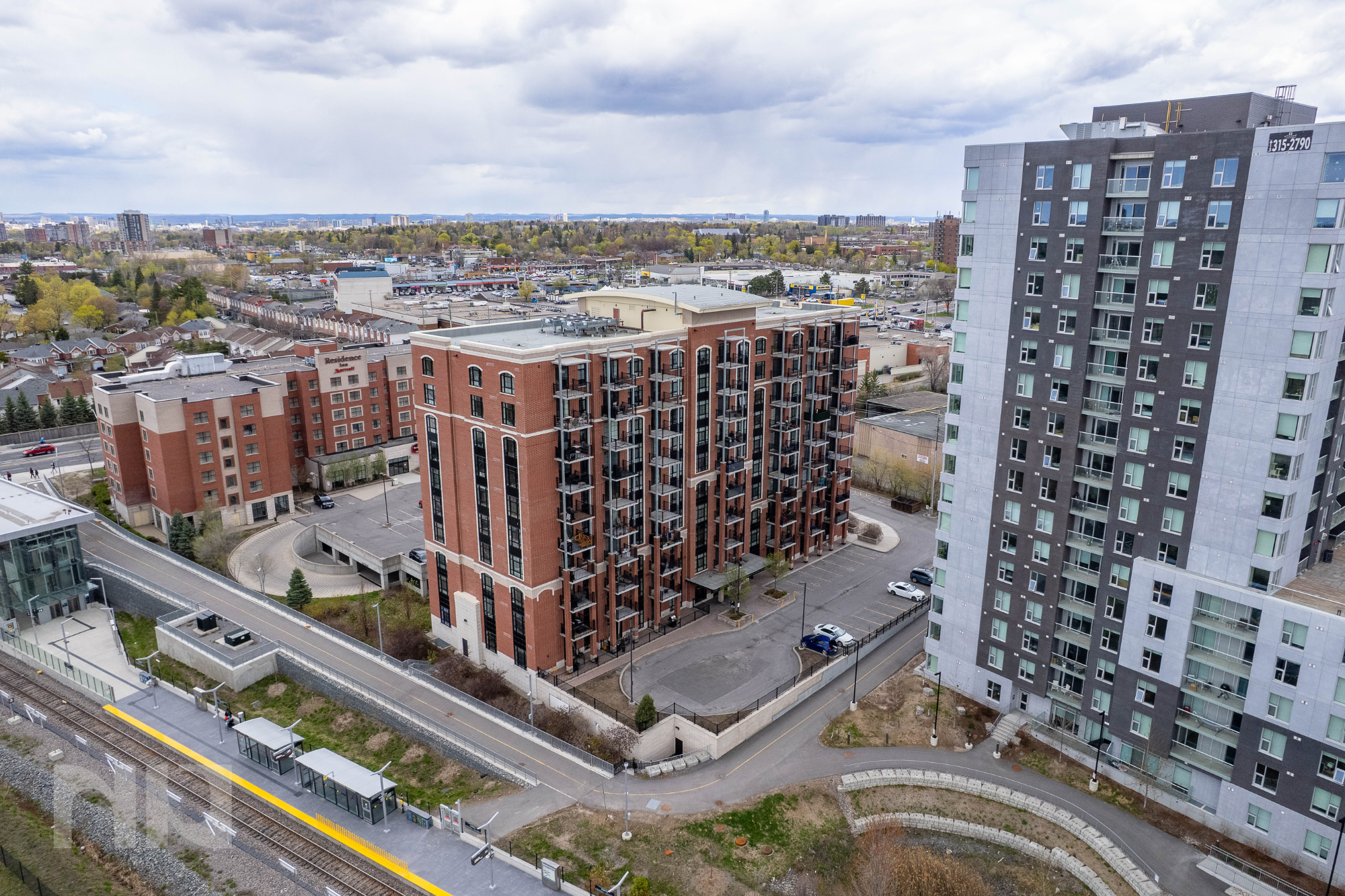
6. Look at the building, not just the unit
It’s easy to fall in love with a renovated kitchen on the 14th floor and forget that you’re also buying a small share of everything outside the front door.
Pay attention to the condition of the building itself.
Is the parking garage showing significant deterioration?
Are the windows approaching replacement age?
Are there several elevators in a tower that may eventually require major work?
Has the lobby just been renovated, while more important infrastructure is still outstanding?
This is where the status certificate, reserve fund information and what you physically observe during showings start to connect.
A beautiful unit can still be in a building facing expensive work.
A dated unit can be in an exceptionally well-managed corporation.
One final thing: make sure the certificate is current
A status certificate reflects the corporation’s circumstances when it is issued.
Things can change.
Ontario’s Condominium Authority specifically notes that buyers should make sure the certificate they review is current.
If you're seriously considering a condo, the status certificate shouldn't just be another document attached to the transaction.
Use it to understand the building you're buying into.
Your lawyer can deal with the legal review. Your real estate agent can help you put the information into the context of the building, comparable condos and the purchase itself.
And you should come away knowing more than whether the kitchen has quartz counters.