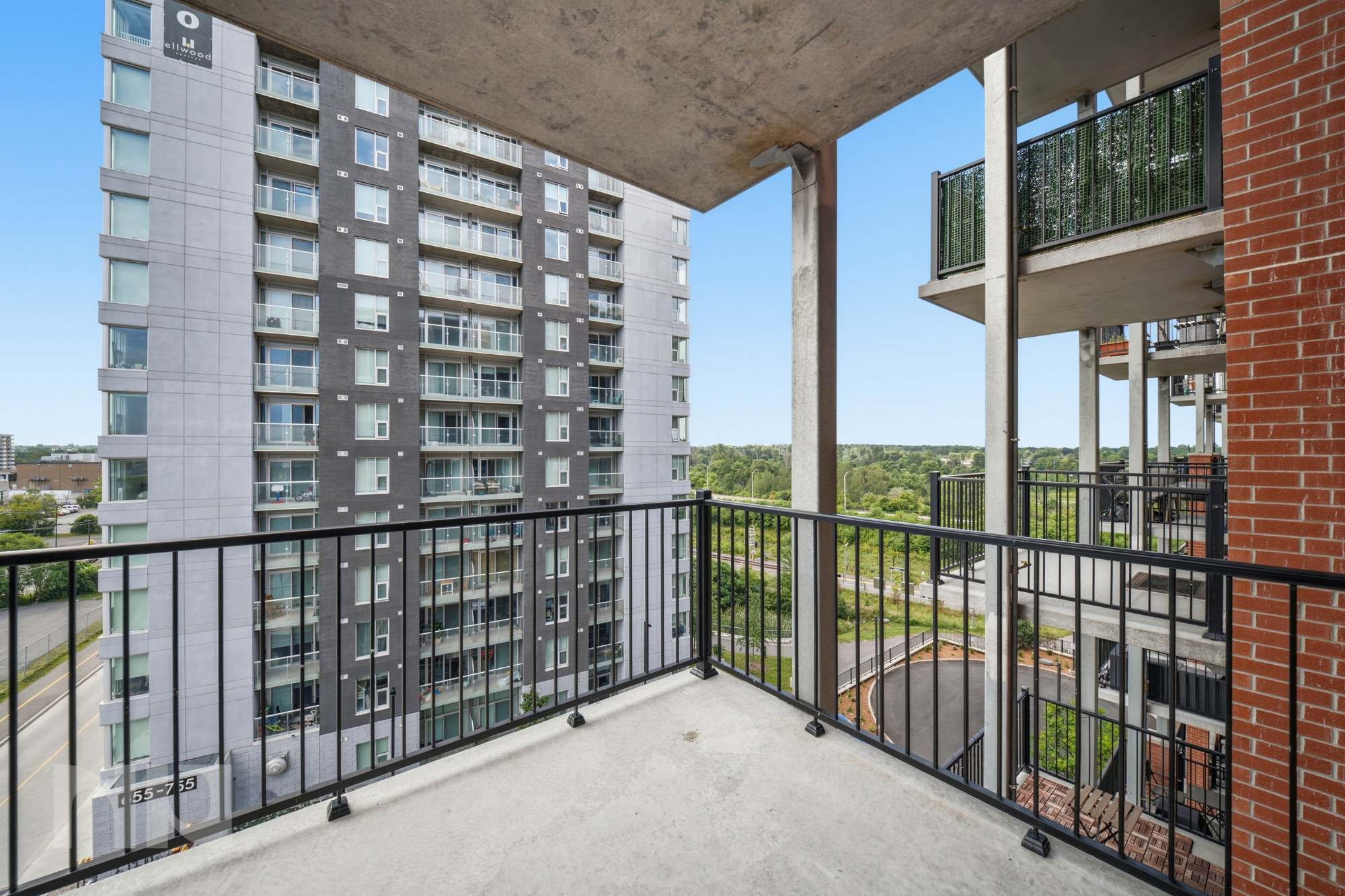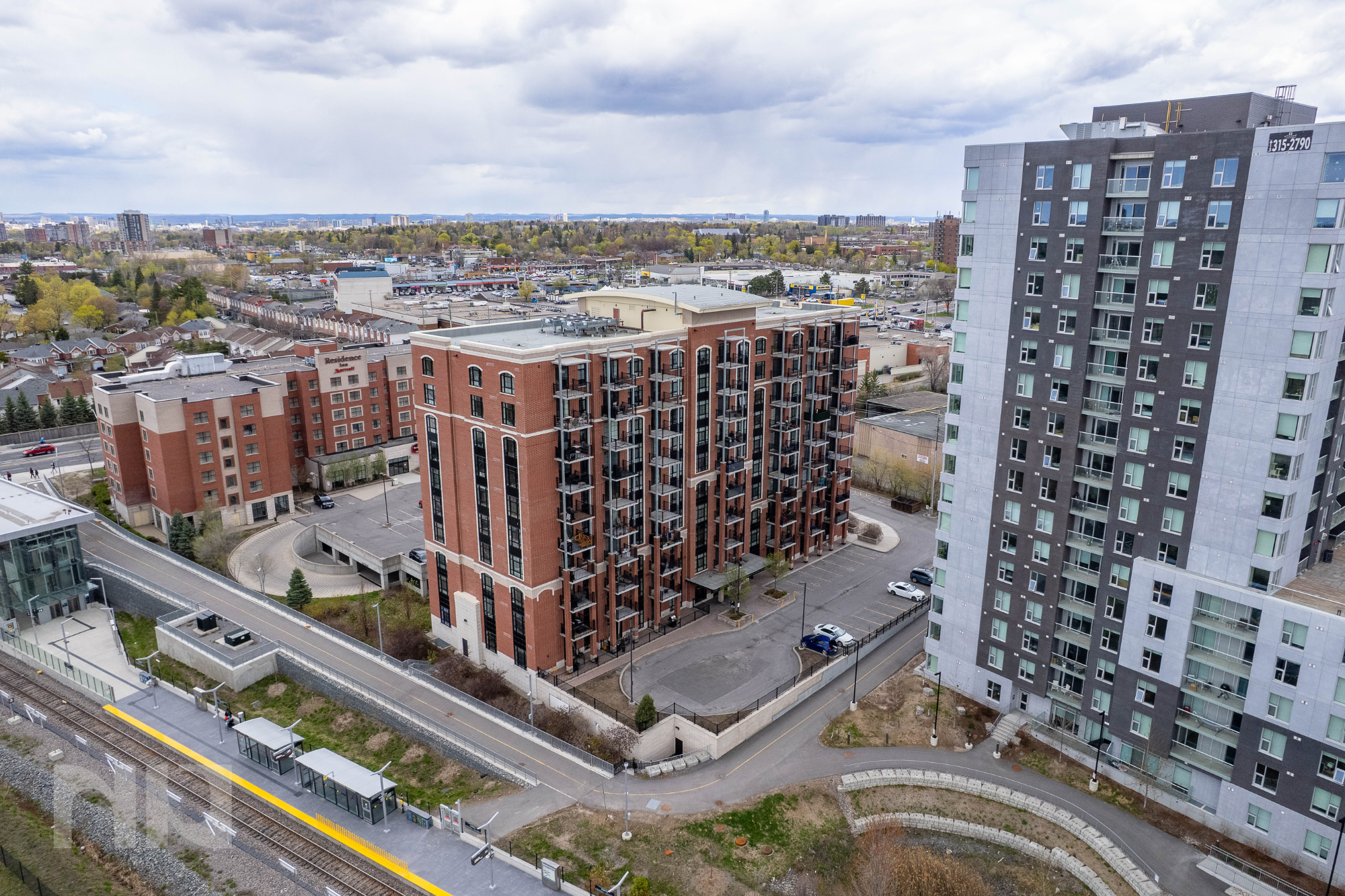

Condo listings are designed to show you the home.
They tell you about the bedrooms, finishes, parking, amenities, view and monthly condo fee. They may help you picture your furniture in the living room or imagine using the rooftop terrace in the summer.
What they cannot fully show is how the condominium itself operates.
That information is found in another set of documents: the status certificate package.
A status certificate is not simply a financial report, and it is not a pass-or-fail test for the building. It is a snapshot of the condominium corporation, the rules that govern the property and certain information relating to the specific unit you are considering.
Understanding that package can help you move beyond whether you like the condo and decide whether you are comfortable becoming one of its owners.
What Is a Status Certificate?
In Ontario, a status certificate is an important disclosure document used primarily when purchasing a resale condominium.
It contains information about the individual unit and the condominium corporation, along with supporting documents such as the corporation’s declaration, by-laws and rules. Anyone can request one. The condominium corporation may charge up to $100, including applicable taxes, and must provide it within 10 days after receiving the request and payment.
The package may include:
The current declaration, by-laws and rules
The corporation’s current budget
Its most recent audited financial statements and auditor’s report
Information about the reserve fund and most recent reserve fund study
The common expenses associated with the unit
Confirmation of whether the unit is behind on condo fee payments
Disclosed condo fee increases
Special assessments charged since the current budget
The corporation’s insurance certificate
Information about certain legal proceedings or judgments involving the corporation
That can sound like a large amount of paperwork, especially for a first-time condo buyer.
You are not expected to become an accountant, property manager and condominium lawyer overnight. Your role is to understand what questions the documents may raise and have the package reviewed by the appropriate professionals.
The Listing Describes the Unit. The Status Certificate Describes the Commitment.
When you purchase a condo, you are not only buying the interior of a unit.
You are also joining a corporation that maintains shared property, collects money from owners, establishes rules and makes decisions that may affect your monthly costs and how you use your home.
The status certificate helps answer questions that may not be visible during a showing:
What exactly does the monthly condo fee cover?
Is the corporation planning to increase its common expenses?
Has a special assessment been announced?
What major repairs are anticipated?
How is the reserve fund being managed?
Are there restrictions affecting pets, leasing or renovations?
Is the corporation involved in litigation?
Which parts of the property are owned by the unit owner, and which are common elements?
Who is responsible for repairing or maintaining particular features?
The answers do not necessarily tell you whether to buy the condo. They help you understand what you are buying.
Start With the Unit-Specific Information
Part of the status certificate relates directly to the unit being purchased.
It should state the amount of the unit’s common expenses and whether the unit is in arrears. It may also identify special assessments charged to that unit and disclosed increases in its common expenses.
This matters because the advertised monthly fee is only one part of the picture.
Suppose the listing states that the condo fee is $550 per month. The status certificate may help confirm that figure and disclose whether the corporation expects it to increase.
An increase does not automatically mean the building is poorly managed. Condo expenses can rise because of insurance, utilities, staffing, contracts, inflation, repairs or increased reserve fund contributions.
The useful question is not simply, “Are fees increasing?”
It is:
Why are they increasing, and does the explanation make sense for this property?
A realistic budget that responds to the building’s needs may be preferable to an artificially low fee that delays necessary contributions.
Low Condo Fees Are Not Automatically Better
A low monthly fee can make a unit appear more affordable.
However, condo fees fund the building’s operations and contribute to its reserve fund. They may cover expenses such as maintenance, cleaning, security, management, insurance, utilities and shared amenities, depending on the property. Owners contribute to the common elements whether or not they personally use every amenity.
Two similar units may have very different fees because their buildings provide different services.
A building with a concierge, pool, underground parking, elevators and extensive landscaping will generally have more shared systems to operate and maintain than a small walk-up building with limited common areas.
Rather than comparing fees by the number alone, consider:
What is included?
Which utilities are separately metered?
What amenities and services are being maintained?
How large is the building?
Does the fee include parking or locker expenses?
How much is being contributed to the reserve fund?
Has the building been keeping up with necessary work?
The best condo fee is not necessarily the lowest one. It is one that is understandable, sustainable and appropriate for what the corporation is responsible for maintaining.
Read the Reserve Fund Information in Context
A condominium reserve fund is a mandatory account used for major repairs and replacements involving common elements and corporation-owned assets.
It may be used for projects such as replacing roofs, windows, elevators, mechanical equipment, balconies, parking structures or other shared components, depending on the condominium. It is not intended as a general operating account or a fund for adding optional improvements.
The status certificate package includes information about the reserve fund and the corporation’s most recent reserve fund study.
A reserve fund study is prepared by a qualified professional. It evaluates the condition of major components, estimates when they will require repair or replacement and projects how much the corporation will need to contribute over time. Ontario condo corporations must update these studies periodically.
Buyers sometimes search for one ideal reserve fund balance.
There is no single number that works for every condominium.
A $2-million reserve fund may be substantial for one property and insufficient for another. Its meaning depends on factors such as:
The number of units contributing to the fund
The building’s age and construction
The common elements the corporation must maintain
The condition of those components
Repairs already completed
Projects expected in the coming years
The projected cost of those projects
The corporation’s planned contribution schedule
The more useful comparison is between the reserve fund’s projected resources and the building’s projected obligations.
A building can have a healthy-looking balance today while facing major upcoming work. Another may have a lower balance because it recently completed and paid for significant repairs.
This is why the reserve fund information should be reviewed as a plan, not simply as a bank balance.
Understand What a Special Assessment Means
A special assessment is an additional charge collected from owners when the condominium corporation requires money beyond its regular common expenses and available resources.
Special assessments may be used for unexpected repairs, significant cost increases, legal expenses, insurance issues or projects that cannot be fully covered by the reserve fund or operating budget.
The status certificate should disclose special assessments charged to the unit since the current budget and explain the reason for them.
The existence of a special assessment does not automatically mean a buyer should walk away.
The relevant details include:
What caused it?
What work or expense is it funding?
How much is allocated to the unit?
Has it been fully paid?
Are additional instalments outstanding?
Is the project complete?
Could related costs continue?
What does the purchase agreement say about who pays it?
A special assessment used to complete a necessary, well-managed repair may put the building in a stronger position afterward.
The concern is not the label alone. It is whether the cause, amount, payment obligations and likely outcome are clearly understood.
Look for Planned Condo Fee Increases
The status certificate may disclose an increase in common expenses and the reason for that increase.
This gives buyers a more accurate view of their likely monthly costs than relying solely on the fee shown in the listing.
For example, a unit may currently have a monthly fee of $600, but the documents may state that the amount will rise at the beginning of the next fiscal year.
That does not necessarily make the condo unaffordable or unsuitable. It simply means the buyer’s budget should reflect the expected amount rather than the historical one.
When reviewing an increase, consider:
The size of the increase
When it takes effect
Whether it is temporary or ongoing
The reason provided
Whether more increases may be required
How the new fee affects your monthly housing budget
Clear disclosure is important. The Condominium Authority of Ontario notes that information included in a status certificate can bind the corporation and highlights the need for potential fee increases to be disclosed clearly.
Do Not Skip the Declaration, By-Laws and Rules
The financial documents often receive the most attention, but the governing documents can have an equally direct effect on your daily life.
The declaration is the condominium’s foundational document. Among other matters, it may establish each unit’s contribution toward common expenses, define repair and maintenance responsibilities and place conditions on how units or common elements may be used.
The by-laws explain aspects of how the corporation operates and is governed.
The rules regulate certain activities within the condominium community, including the use of units, common elements and amenities.
These documents may address matters such as:
A rule is not necessarily unreasonable simply because it limits something. Shared ownership requires standards that help residents use the property together.
What matters is whether those standards fit your lifestyle.
A buyer with a large dog should understand the pet rules. An investor should review leasing restrictions. Someone planning a major renovation should determine what approvals, materials or working hours may be required.
Do not wait until after closing to discover that an important part of your plan conflicts with the condominium’s documents.
Confirm What You Actually Own
A parking space, locker, balcony, terrace or yard area may appear to belong to the unit, but the legal structure can vary.
Some features may be part of the owned unit. Others may be exclusive-use common elements assigned to a particular owner. A parking or locker space may also be a separately owned unit.
These distinctions can affect who is responsible for repairs, maintenance and insurance, as well as whether the feature can be transferred separately.
The declaration helps define unit boundaries and may allocate repair and maintenance responsibilities between owners and the condominium corporation.
Your lawyer can help verify how the parking, locker and outdoor spaces are legally described and whether they are properly connected to the purchase.
This is especially important when those features materially affect the property’s value or your decision to buy it.
Review the Insurance Information
The status certificate package may include a certificate of insurance for the condominium corporation’s current policies.
The corporation’s insurance does not usually replace the need for an owner’s individual condo policy.
The corporation generally insures the property according to its legal responsibilities and insurance documents, while an owner may need coverage for personal belongings, improvements, additional living expenses, personal liability and certain deductible amounts.
The exact responsibilities vary by condominium and policy.
Before closing, speak with an insurance professional who can review the unit, the corporation’s coverage and the condominium documents. This helps ensure that your individual policy addresses the areas for which you may be responsible.
Understand Any Legal Proceedings
A status certificate may disclose outstanding judgments involving the corporation or ongoing litigation to which the corporation is a party.
Litigation is not automatically evidence of a poorly run condominium.
A corporation may pursue a legitimate claim to protect the owners’ interests. It may also be defending a claim brought by another party.
The important questions include:
What is the dispute about?
At what stage is it?
Is the corporation pursuing or defending the claim?
Is insurance expected to respond?
What legal costs have been incurred?
Could owners be responsible for additional costs?
Has money been budgeted for the matter?
Could the outcome affect the building’s finances or operations?
The Condominium Authority of Ontario advises resale buyers to consider litigation because owners may ultimately share in related costs, including through a special assessment.
Your lawyer can advise you on the significance of any disclosed matter and whether more information should be requested.
A Status Certificate Is a Snapshot
A status certificate reports information as of a particular point in time.
That makes the date important.
A certificate ordered well before the property was listed may not reflect a recently approved budget, new special assessment, developing legal issue or updated rule.
This does not mean an older package is useless. It means your real estate agent and lawyer should consider whether it remains sufficiently current for the transaction and whether updated information should be requested.
Buyers should also pay attention to whether the full package is present. The certificate itself may be only one part of the material being reviewed. Its attached financial statements, budget, governing documents, insurance certificate and other schedules provide much of the context.
The Status Certificate Is Not a Building Inspection
A status certificate can disclose financial, legal and governance information.
It does not physically inspect the unit or confirm the current condition of every building component.
A clean-looking financial package does not tell you whether the appliances function, whether the unit has experienced moisture damage or whether an alteration was completed properly.
Similarly, a home inspection of the unit does not replace a review of the corporation’s finances, rules and legal obligations.
They answer different questions:
A home inspection asks:
What is the apparent physical condition of the accessible property?
A status certificate review asks:
What financial, legal and governance information should the buyer understand about the unit and condominium corporation?
Depending on the property and transaction, a buyer may benefit from both.
What Happens During the Review?
The exact process depends on when the status certificate is available and how the offer is structured.
In some cases, the seller has already ordered the package and makes it available before offers are submitted. This may allow a buyer and their lawyer to review it before deciding whether to proceed.
In other cases, an offer may include a condition allowing time for the status certificate to be obtained and reviewed.
The wording, deadlines and buyer protections created by any condition are legal matters. Your real estate representative and lawyer can explain the available options based on the transaction.
During the review, your lawyer may examine matters such as:
The unit’s common expenses and arrears status
Special assessments
Expected fee increases
The corporation’s financial statements
Reserve fund information
Insurance
Litigation
The declaration, by-laws and rules
Parking and locker details
Repair and maintenance responsibilities
Restrictions that could affect your intended use
The lawyer may approve the package, identify questions for further investigation or advise that certain information requires closer consideration.
The purpose is not to find a condominium with no future expenses and no rules. Such a property is unlikely to exist.
The purpose is to avoid purchasing without understanding the obligations attached to the unit.
Not Every Question Is a Red Flag
A useful status certificate review should create clarity, not panic.
An older building is not automatically a poor purchase.
A fee increase is not automatically evidence of bad management.
A special assessment is not automatically a reason to walk away.
A large reserve fund is not automatically proof that every future cost is covered.
A long list of rules is not automatically unreasonable.
Each item needs context.
The documents may reveal a concern serious enough to reconsider the purchase. More often, they help the buyer ask better questions, budget accurately and proceed with a clearer understanding of the property.
Questions to Ask Before Waiving a Status Certificate Condition
Before completing the review, make sure you understand:
What the current monthly fee is
Whether that fee is expected to increase
What the fee includes
Whether a special assessment exists
Who is responsible for paying any outstanding assessment
What major work is anticipated
How that work is expected to be funded
Whether the corporation is involved in litigation
Whether the rules fit your household and intended use
How parking and locker spaces are legally held
Whether the unit has any arrears
Whether any issue identified by your lawyer remains unanswered
You may not receive a simple yes-or-no verdict on every topic.
The goal is to reach a point where you understand the known information, the remaining uncertainty and the practical effect on your ownership.
Buy the Condo Behind the Front Door
A beautiful unit may convince you to book a second showing.
The status certificate helps you decide whether the ownership structure behind that unit also works for you.
It explains how the corporation collects and spends money, what major projects may be approaching, which rules residents must follow and what obligations come with the property.
None of that is as visually appealing as a renovated kitchen or a skyline view.
It may be more important to your experience as an owner.
At New Purveyors, we help buyers look beyond the unit itself and understand the larger condominium they are joining. With the right documents, professional review and clear questions, a status certificate becomes less of a legal obstacle and more of what it is intended to be: a tool for making a well-informed purchase.
This article provides general information about resale condominiums in Ontario and is not legal, financial or insurance advice. Status certificates and purchase agreements should be reviewed by the appropriate qualified professionals based on the specific property and transaction.