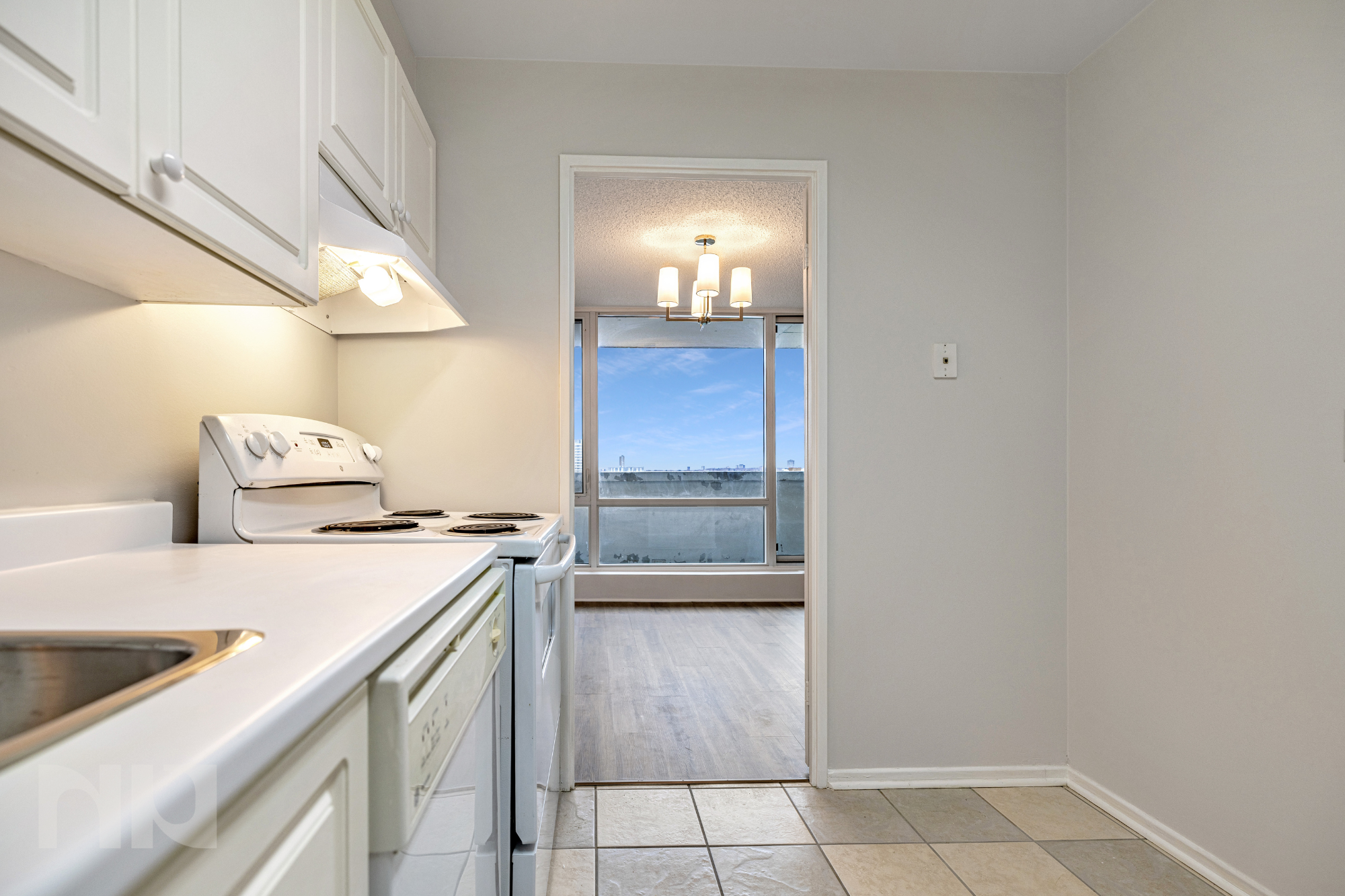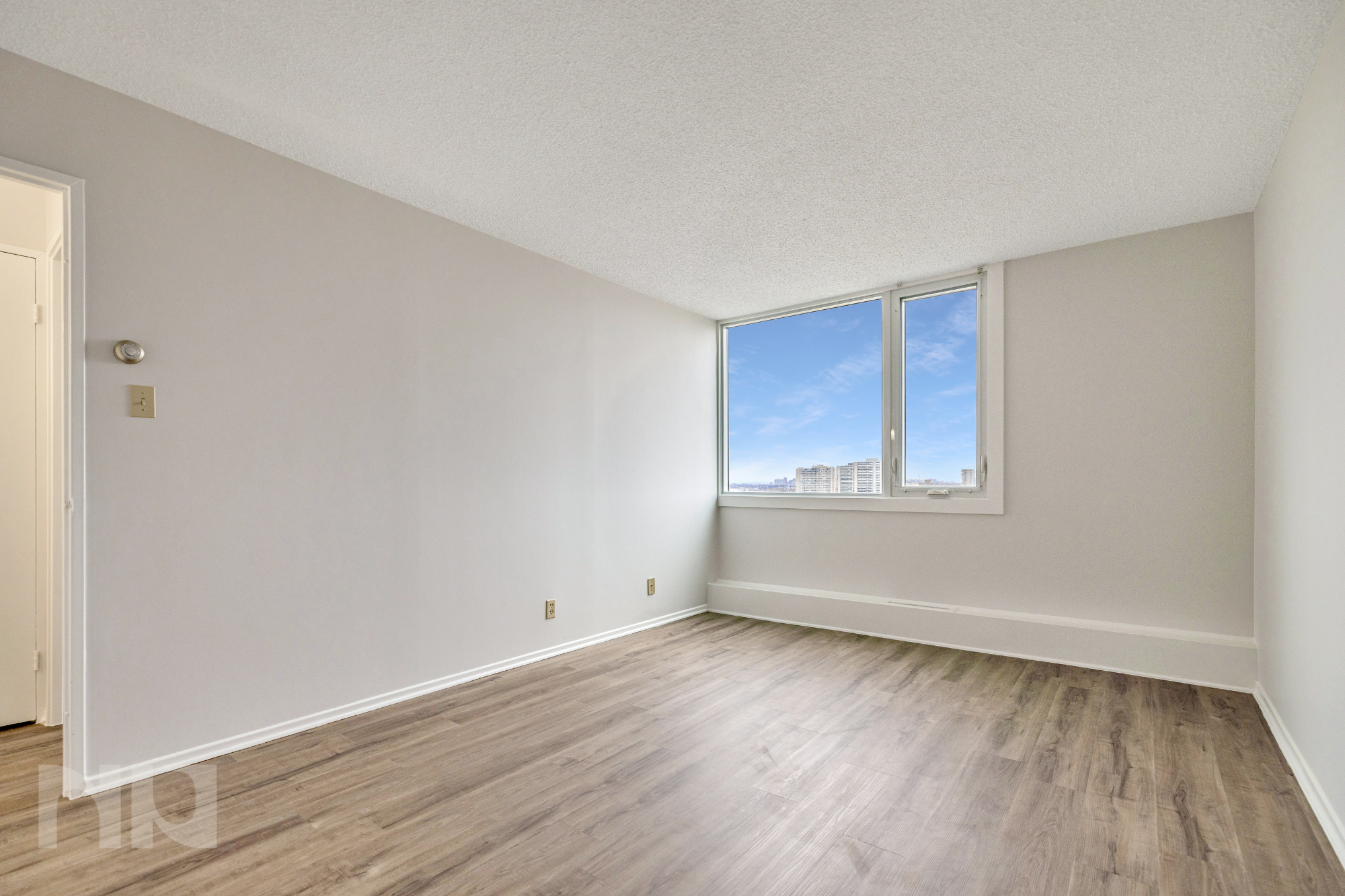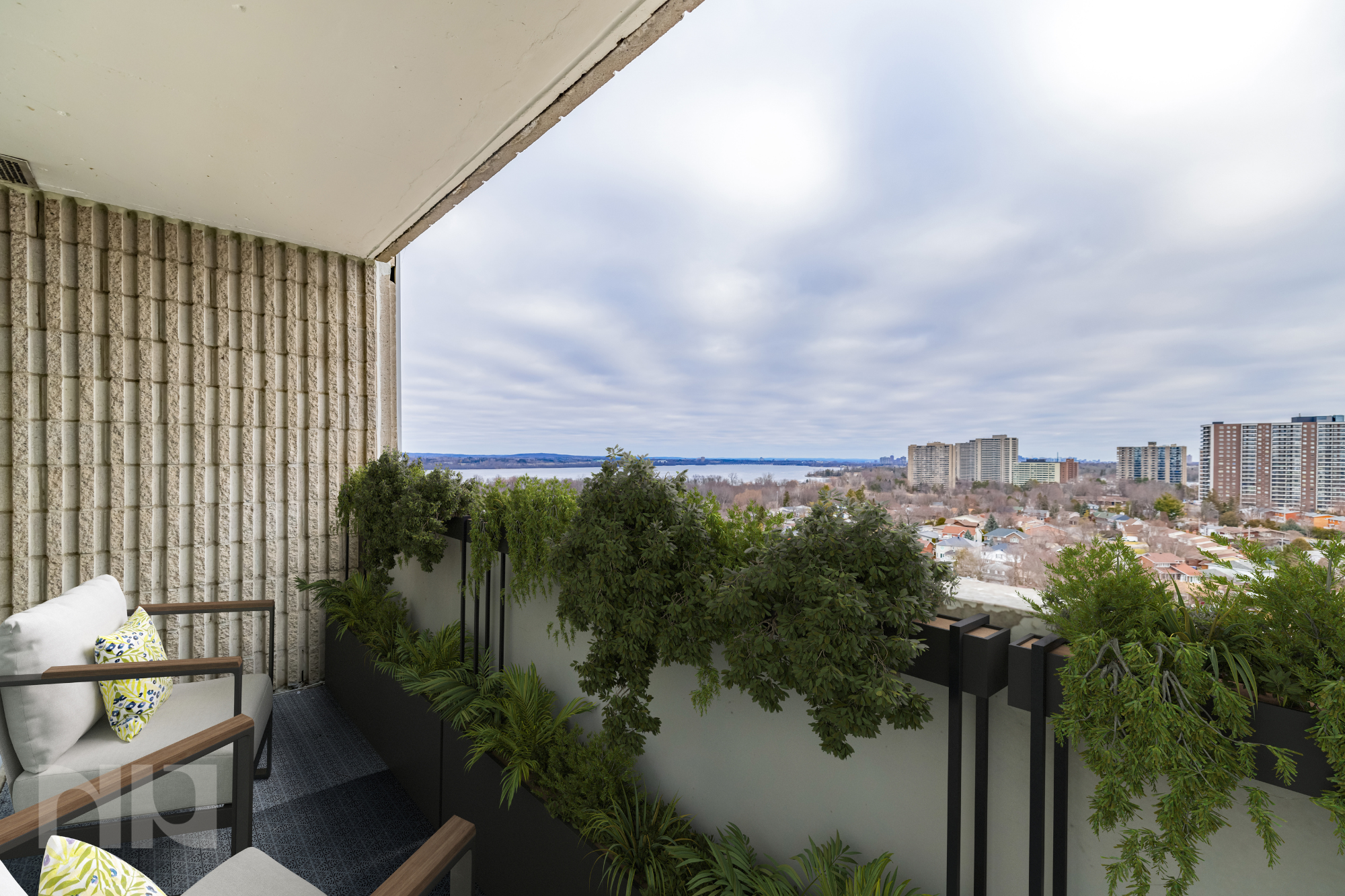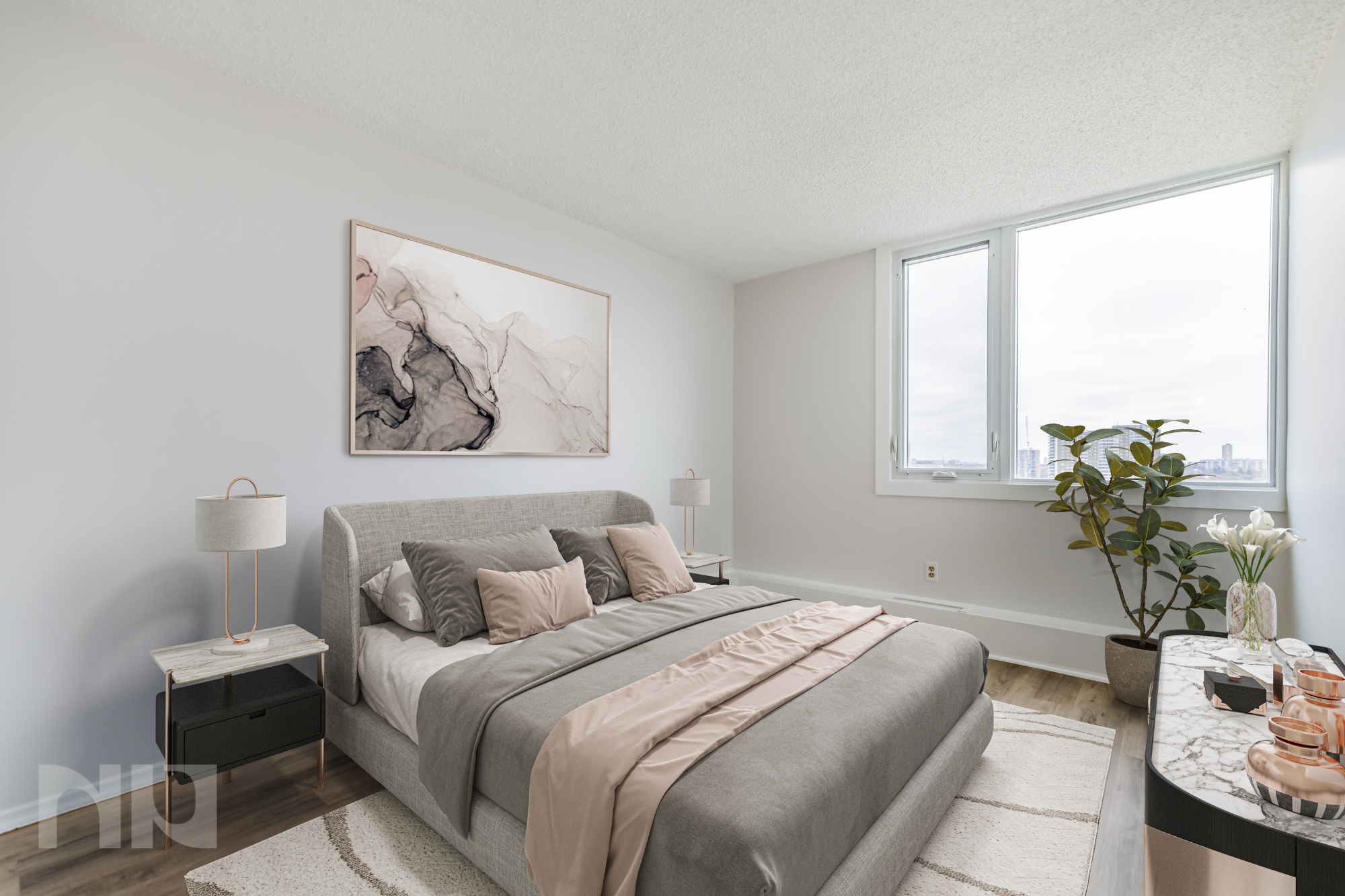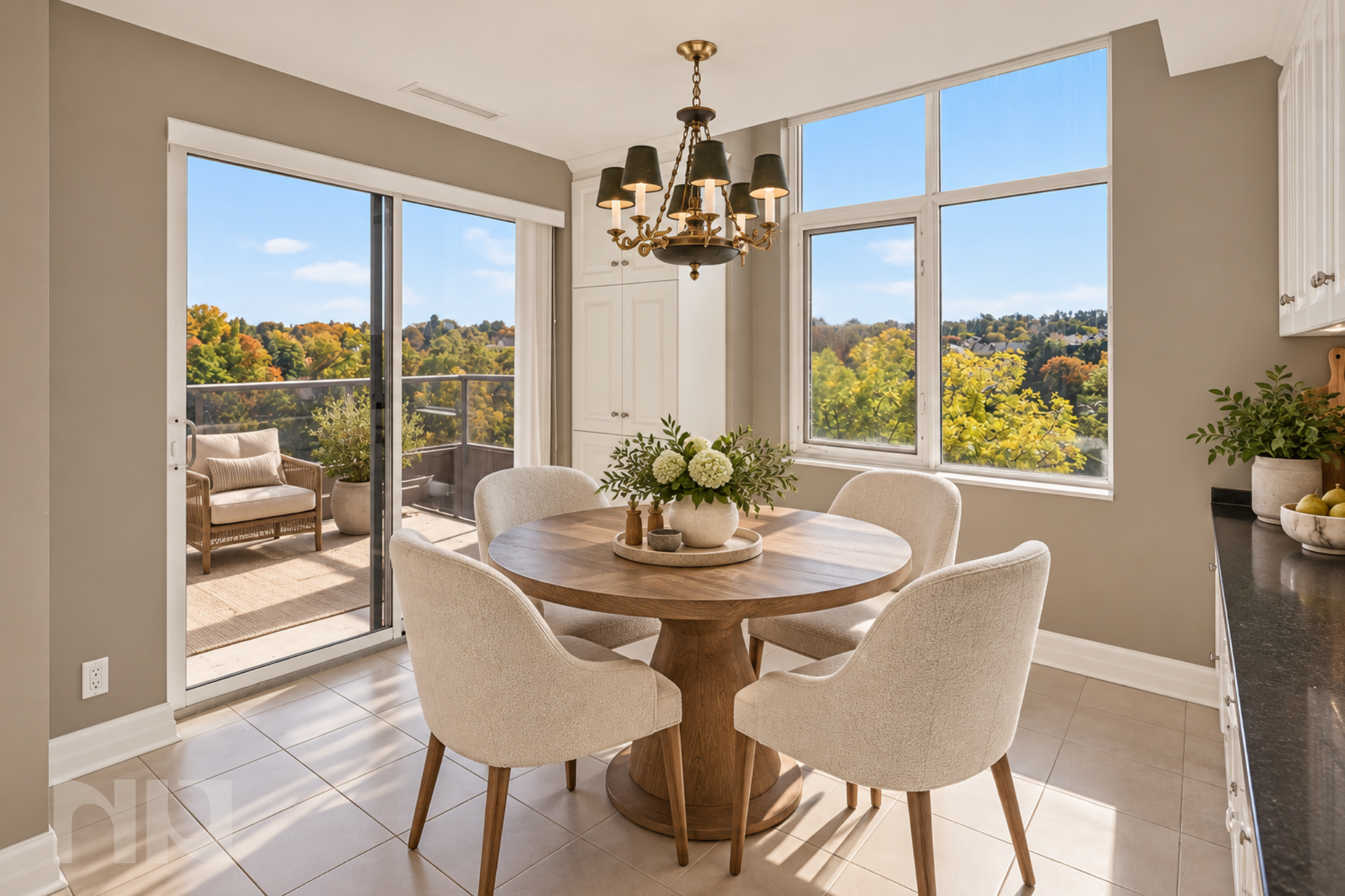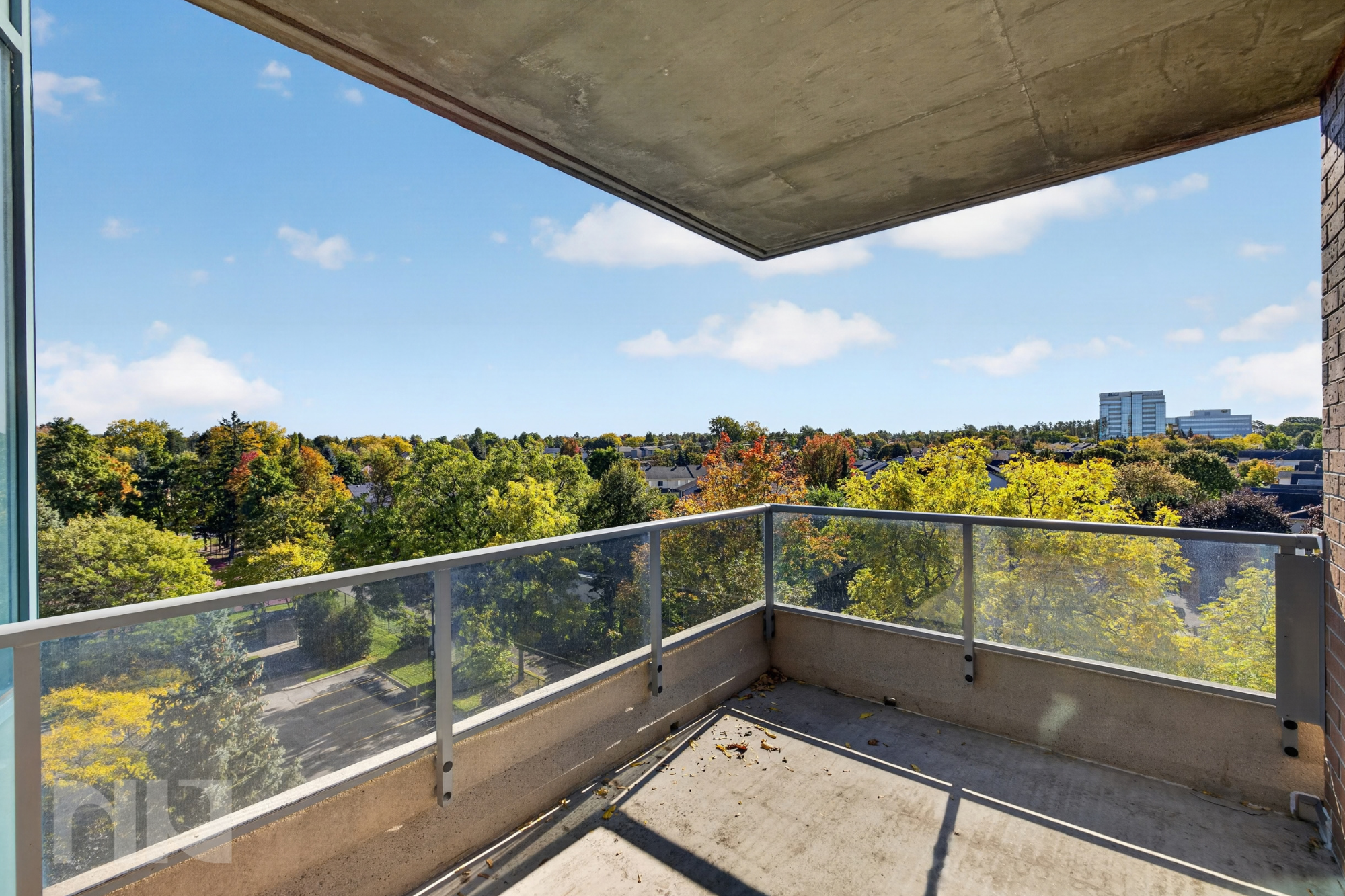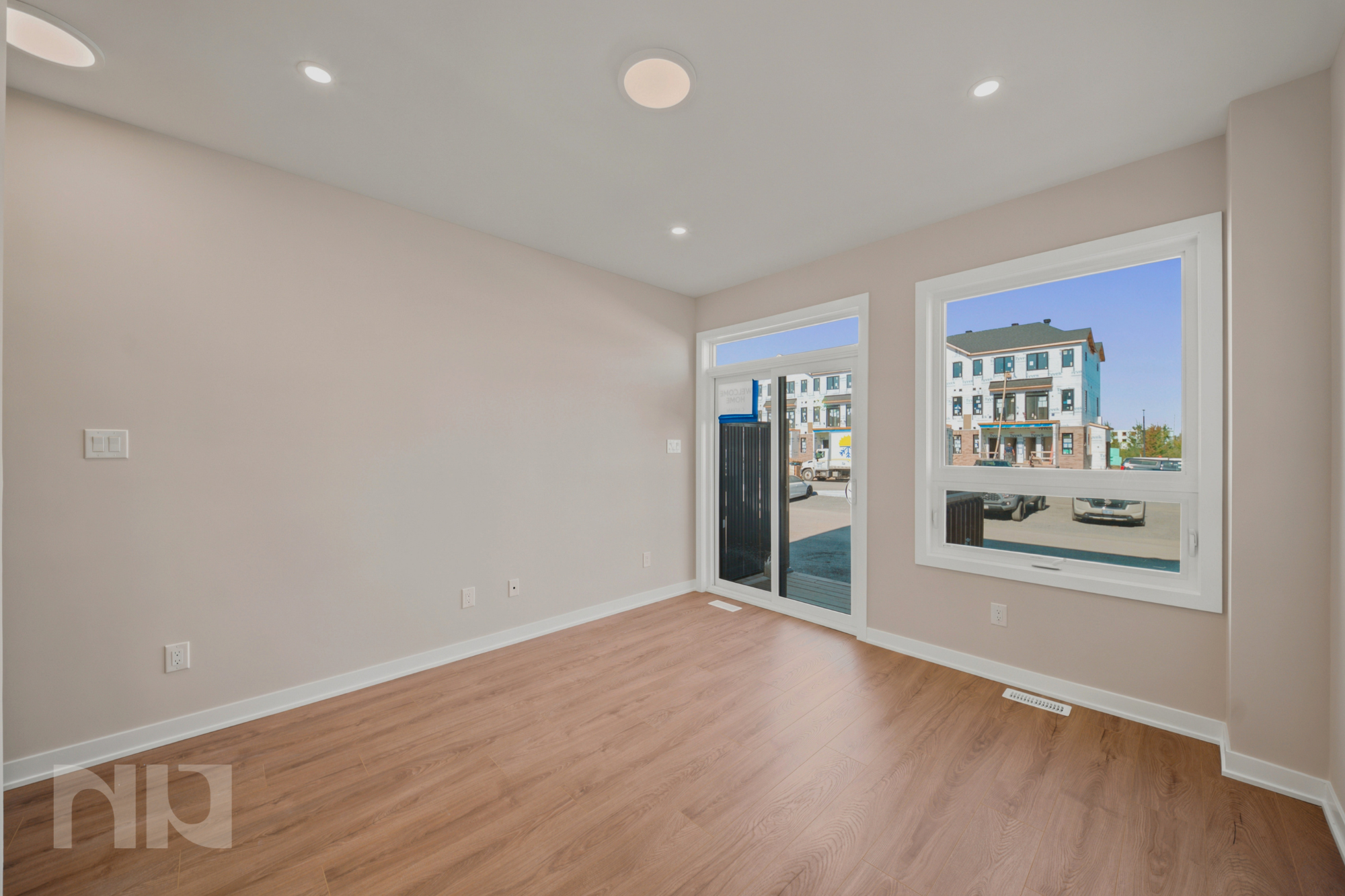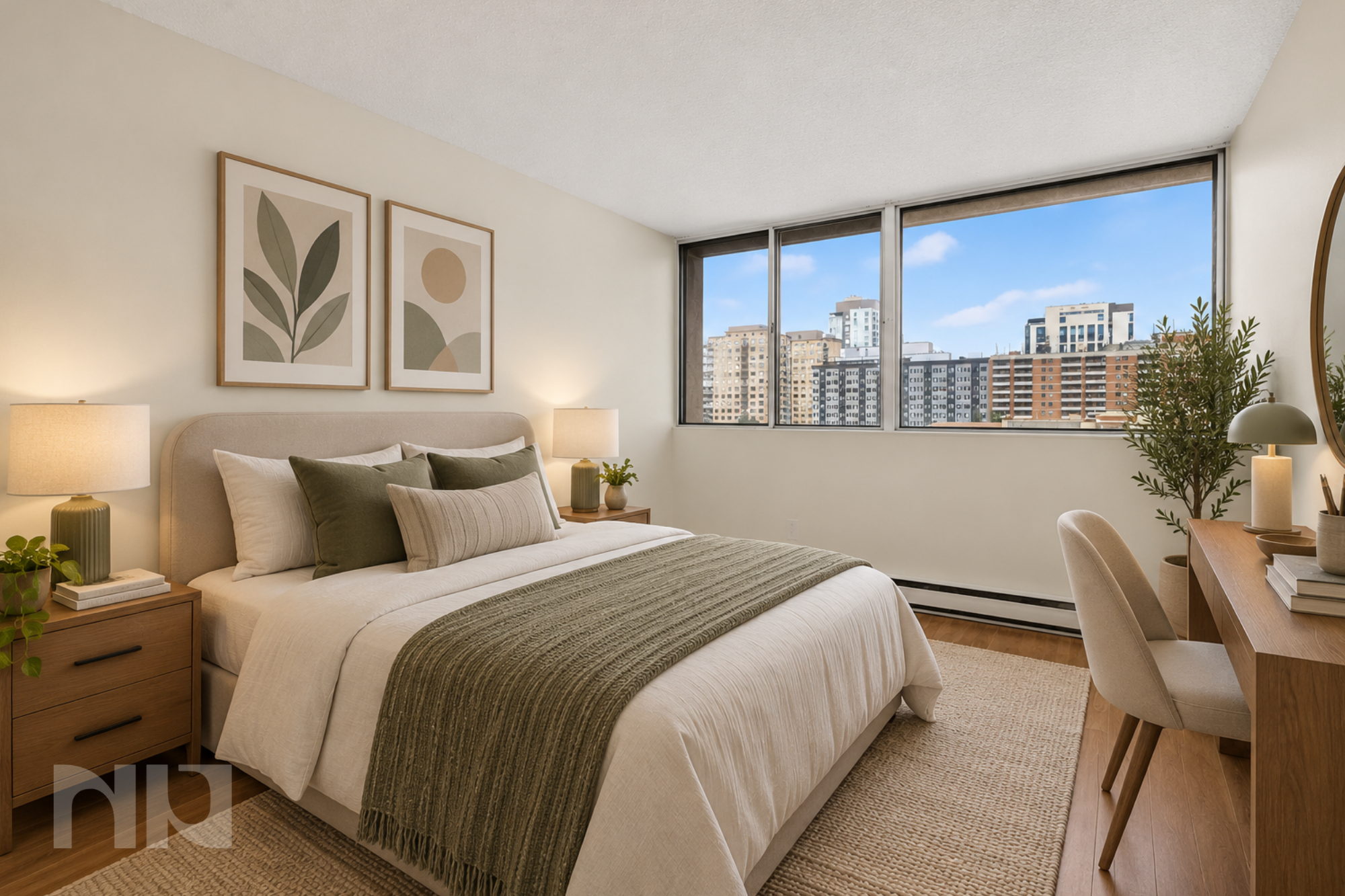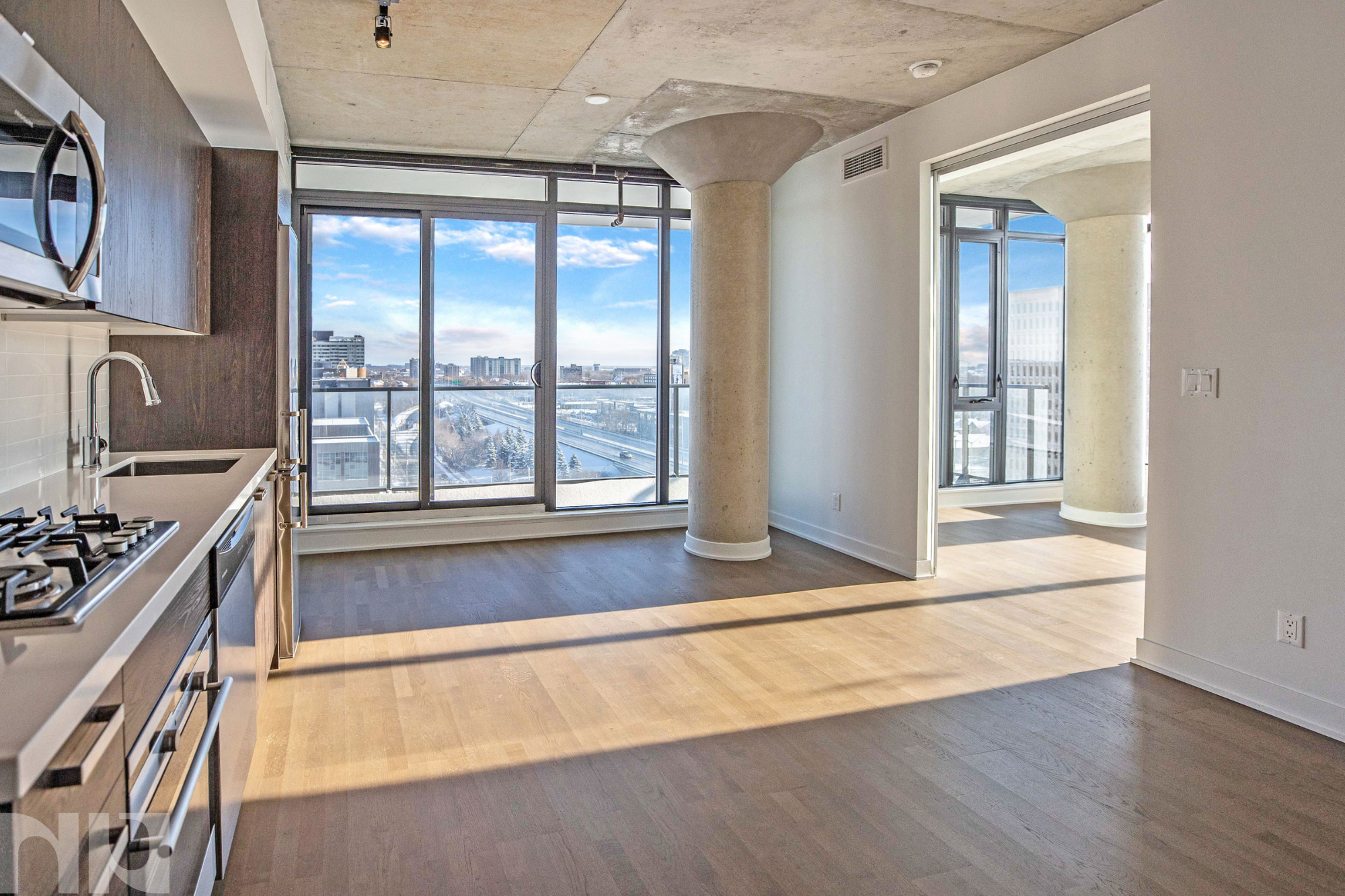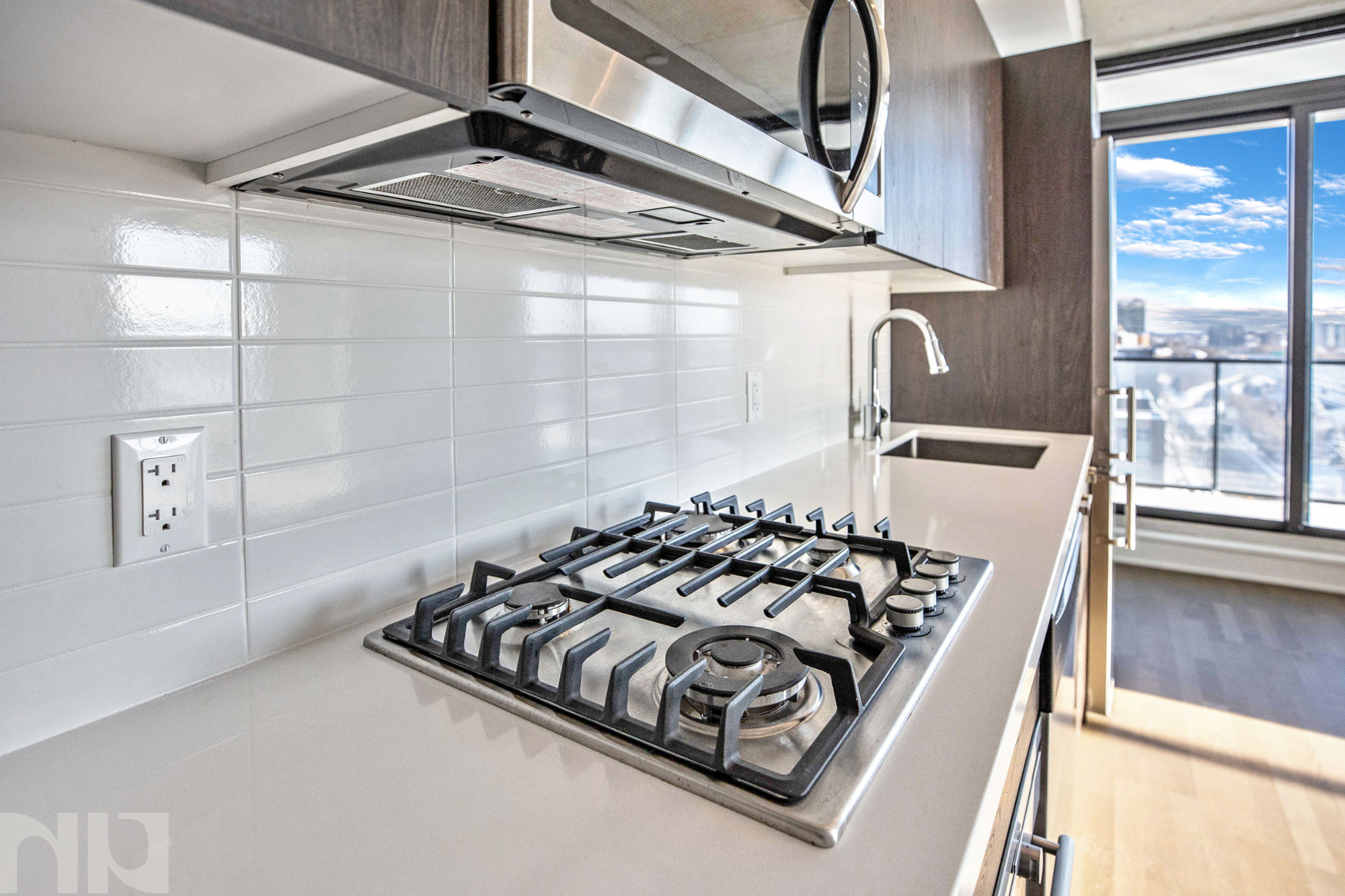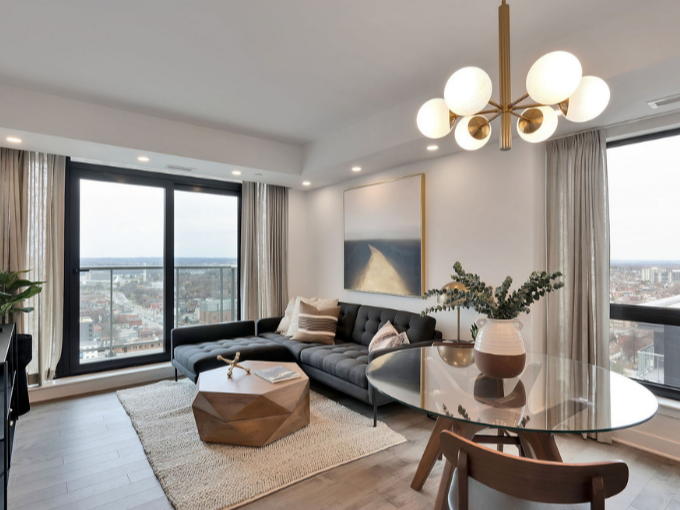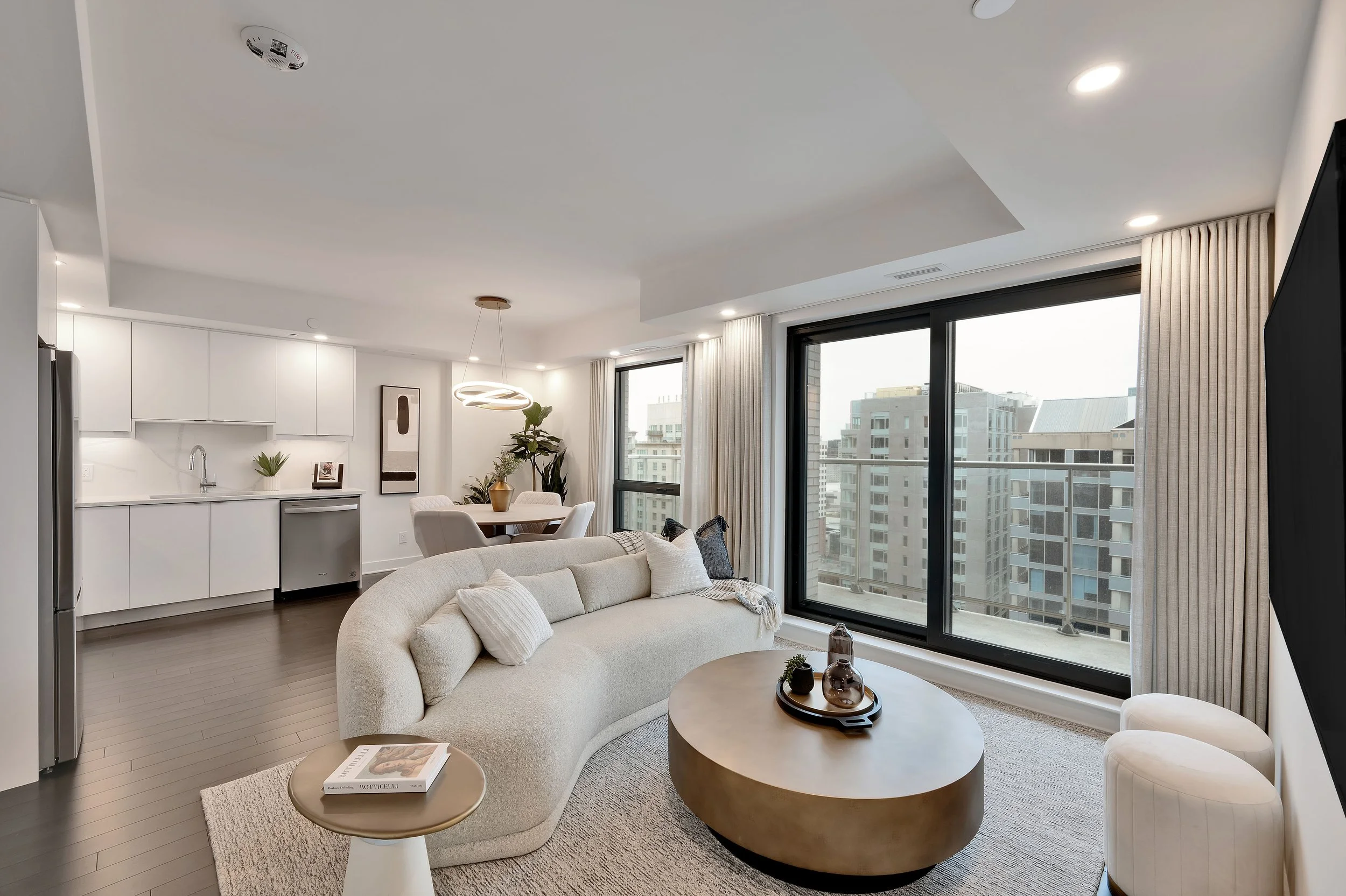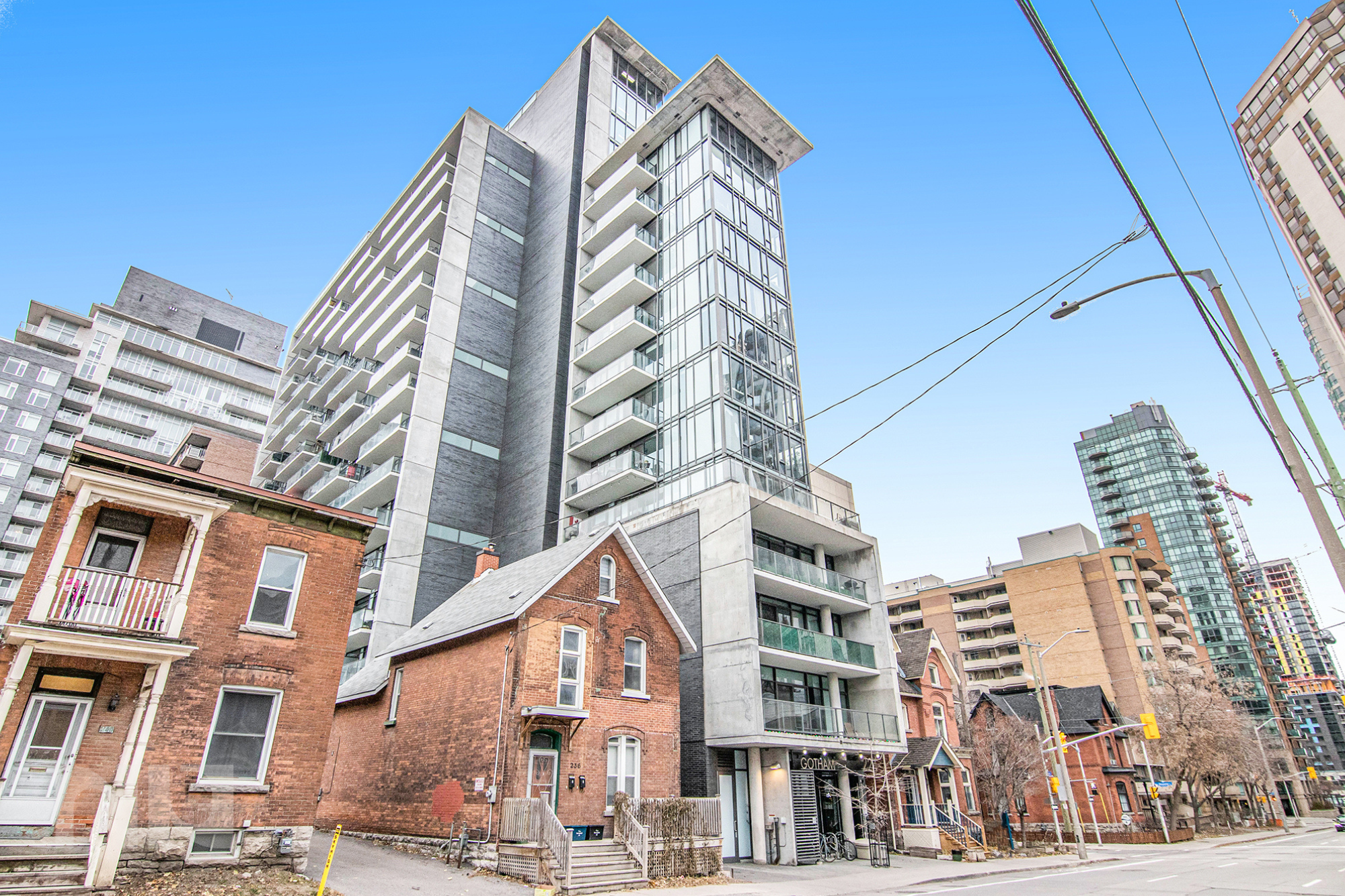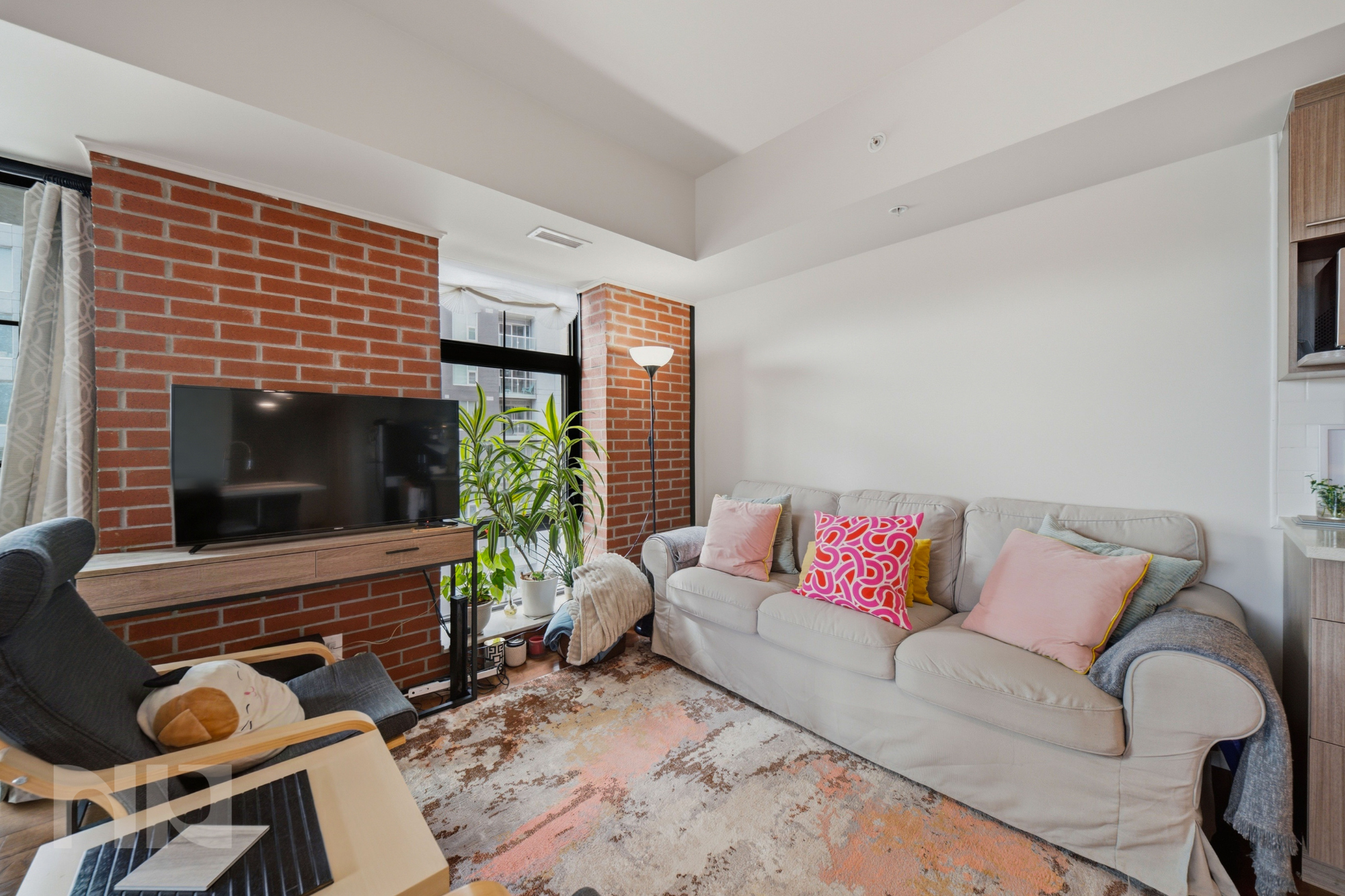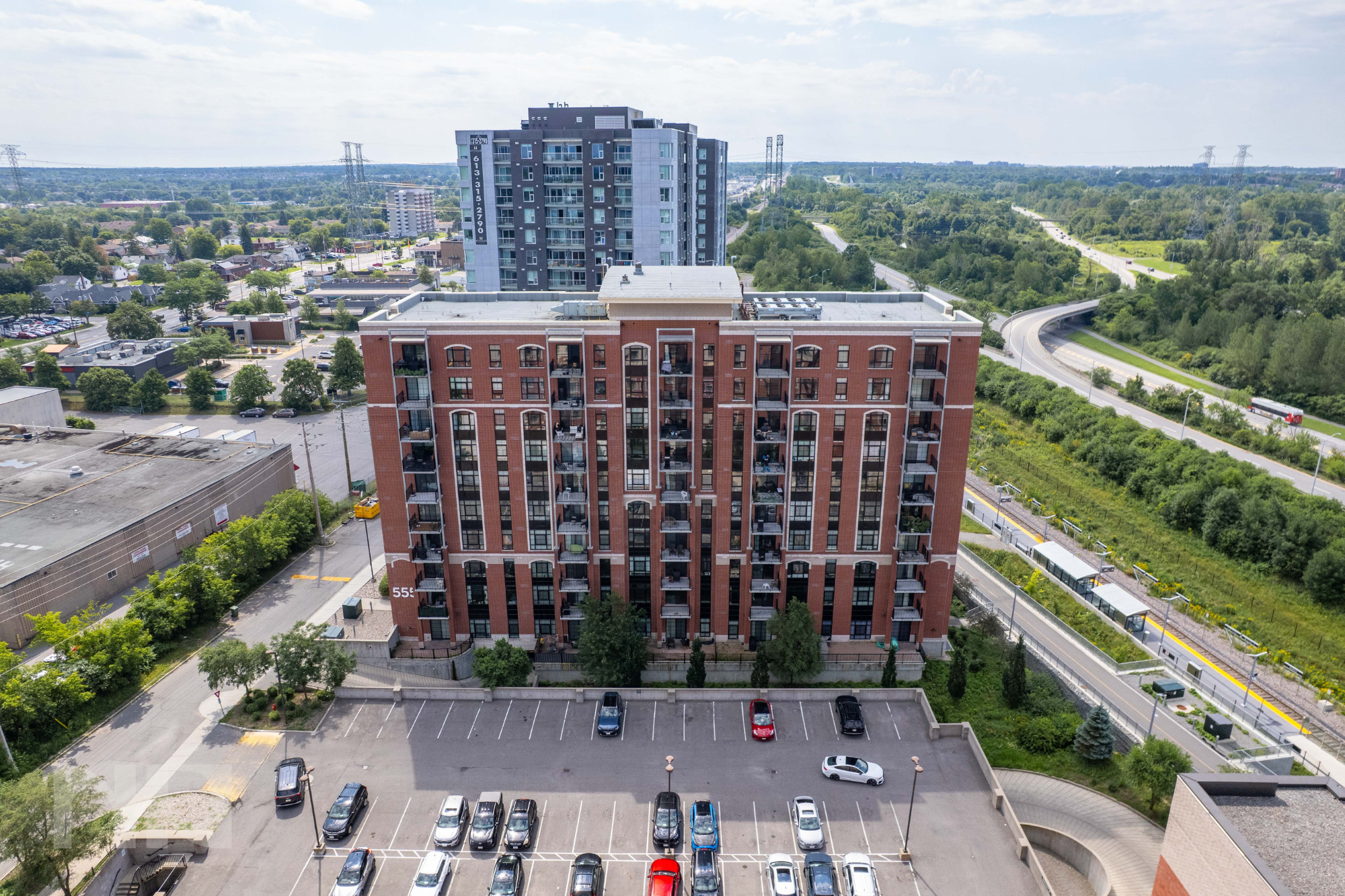
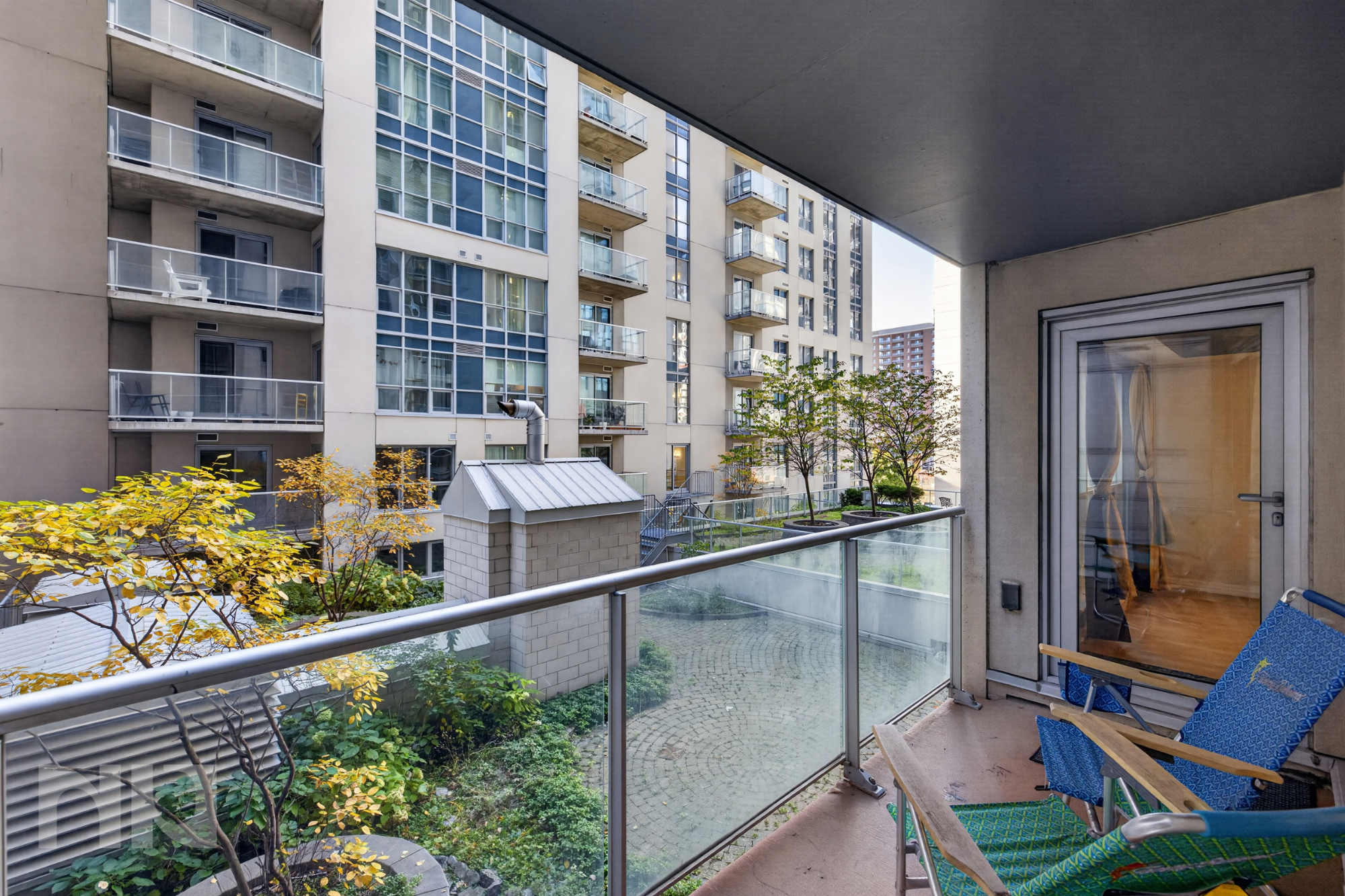
You've found a condo with floor-to-ceiling windows, plenty of natural light, and an incredible view of the city. There's even an empty lot across the street, giving you an unobstructed view of the skyline.
But what happens if someone decides to build on that lot?
It's something worth investigating before purchasing a condo in Ottawa, particularly in neighbourhoods like Centretown, Little Italy, Hintonburg, and Westboro, where new residential developments continue to change the surrounding landscape.
An unobstructed view today doesn't necessarily mean you'll have the same view five years from now.
Fortunately, there are a few ways to research what's planned around a building before making an offer.
1. Check for Development Applications Near the Building
The City of Ottawa has a public Development Application Search Tool that allows you to look up proposed developments throughout the city.
You can search by street name, address, or application number to find applications that have been submitted for public consultation.
Depending on the application, you may be able to review:
Proposed building heights and the number of storeys
Architectural drawings and site plans
The location of proposed buildings on a property
Planning reports and supporting studies
Application status and available updates
For example, imagine you're considering a condo in Little Italy with a west-facing balcony overlooking a surface parking lot.
That parking lot might provide excellent natural light and an open view today. However, if a development application proposes a 20-storey residential building on the property, that's something you'll want to investigate further.
The application documents may help you understand where the proposed building would sit in relation to the condo you're considering.
You can search for nearby applications through the City of Ottawa's Development Application Search Tool.
Keep in mind that not every possible future development will appear in the database. The tool includes applications subject to public consultation, and a property could have redevelopment potential without an active application.
2. Look at the Zoning, Not Just the Current Buildings
What if there's no development application for the neighbouring property?
That's useful information, but it doesn't necessarily mean the land will remain unchanged.
A property might be occupied by a small commercial building, an older house, or a parking lot while its zoning permits a different form of development.
Ottawa introduced a new Zoning By-law in 2026, changing the rules that determine what can be built on properties across the city.
Most of the new by-law is now in effect, although certain provisions remain under appeal.
The City's zoning maps can help you identify the zoning designation of a neighbouring property and investigate what development may be permitted.
For example, you might discover that the land across from a condo is zoned for more intensive development than its current use suggests.
That doesn't mean a developer is planning to build something tomorrow. It simply means the property's current appearance shouldn't be your only reference point.
You can begin by searching the address through geoOttawa, the City's interactive mapping tool.
If you're unsure how to interpret the zoning designation, it's worth speaking with the City's planning staff before drawing conclusions.
3. Understand the Difference Between a Proposed and Approved Development
Finding a development application doesn't automatically mean construction is going to happen.
A project can go through multiple stages before construction begins, and plans may change along the way.
A proposed building might be revised to address planning concerns. An application could be withdrawn, refused, or approved with changes. Even an approved project might not be constructed for years.
That's why it's important to look beyond the original renderings.
If you find a proposed development near a condo you're considering, try to determine its current status and review the most recent drawings available.
You should also pay attention to exactly where the building is proposed.
A new tower across the street won't necessarily eliminate your view. Its impact may depend on the building's location, height, setbacks, and your unit's position within the existing condominium.
A corner unit on the 15th floor could be affected differently than a unit on the fifth floor of the same building.
The goal isn't to predict the future with certainty. It's to understand the possibilities before committing to a purchase.
4. Think About Natural Light, Not Just the View
When people think about a new building going up beside their condo, they usually picture losing their view of the skyline.
But changes to natural light can be just as important.
Imagine buying a south-facing condo because you love how bright the living room feels throughout the day.
If another building is eventually constructed nearby, the amount of direct sunlight entering your windows could change.
The impact will depend on the proposed building's dimensions, its position relative to your unit, and the time of year.
Some development applications include shadow studies, which can help you understand how a proposed building might affect sunlight on surrounding properties.
These studies aren't a perfect prediction of what you'll experience inside your specific unit, but they can provide useful context.
It's also worth visiting the property at different times of day when possible.
A condo that feels bright during a midday showing may have a very different atmosphere in the late afternoon.
5. Consider What You're Actually Paying for
There's another reason this research matters: the price.
Two identical floor plans in the same building can sell for different amounts depending on their floor, exposure, and views.
A unit overlooking Dow's Lake, the Ottawa River, or the city skyline may appeal to a different buyer than one facing another building.
But if a substantial portion of a property's appeal comes from a view that could eventually change, that uncertainty deserves consideration when comparing prices.
It doesn't automatically mean the condo is a bad purchase.
You might love the location, the layout, the building's amenities, and the convenience of having everything within walking distance. Those features aren't necessarily affected by future construction.
The important thing is to understand what you're paying for.
If two comparable units are available and one commands a significant premium because of an unobstructed view, it's worth investigating how likely that view is to remain.
6. What If You're Buying a Pre-Construction Condo?
This becomes especially relevant when purchasing a condo that hasn't been built yet.
Renderings can help you visualize what a finished development may look like, but they shouldn't be treated as a guarantee of the exact view you'll have from your unit.
Before buying, look closely at the site plan and the surrounding properties.
Where is your unit positioned? What floor is it on? Is there another phase of the development planned nearby? Are there neighbouring properties that could eventually be redeveloped?
You'll also want to review the purchase agreement and disclosure materials with your lawyer to understand what the developer is actually committing to provide.
A marketing rendering is useful for understanding the proposed design, but the contractual documents and approved plans matter much more when making a purchase.
Should You Avoid Condos Near Future Development?
Not necessarily.
New development can bring additional housing, businesses, services, and amenities to a neighbourhood.
An underused property being redeveloped might even improve the surrounding streetscape.
The question is how that development could affect the specific condo you're considering.
If you're buying primarily for the location and lifestyle, a changing skyline might not bother you.
If you're paying a premium for privacy, natural light, or a particular view, future construction deserves much closer attention.
Buying a Condo in Ottawa?
When comparing condos, it's worth looking beyond the unit itself to understand the building and what's happening around it.
That includes researching nearby development applications, reviewing zoning, and considering whether the features attracting you to a property could change over time.
If you're looking to buy a condo in Ottawa, the Matt Richling team can help you compare buildings, explore available information about surrounding developments, and make a more informed decision.
Contact Matt Richling to start your search.