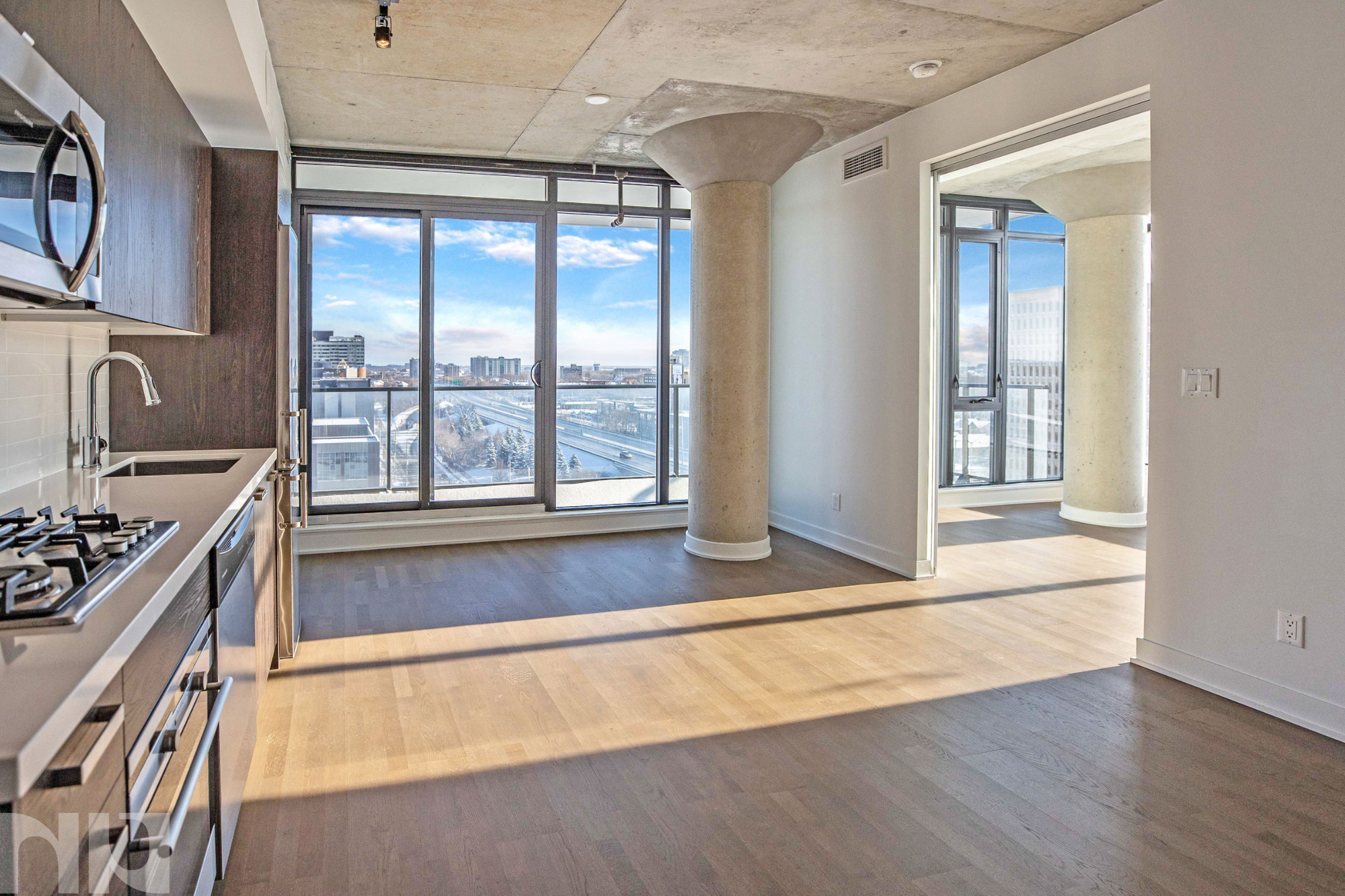

You find a condo you love.
Great location. Great unit. Balcony. Parking.
Then you discover the building only allows dogs under 25 pounds.
And your dog is a 70-pound Lab.
That is something you want to know before you buy, not after.
Condo pet rules in Ontario can be much more restrictive than many buyers realize, and they can vary dramatically from one building to another.
Yes, Ontario Condos Can Have Pet Restrictions
A condo corporation's governing documents can contain rules and restrictions relating to pets.
Depending on the building, those could include:
No pets at all
A maximum number of pets per unit
Dog weight or size limits
Restrictions on certain animals
Rules about where pets can be taken on the property
Leash requirements in common areas
So a building being advertised as “pet friendly” doesn't necessarily mean your pet is permitted.
The actual documents matter.
Don't Assume Ontario's Rental Pet Rules Apply
This is where buyers and renters can get confused.
You may have heard that landlords in Ontario generally can't simply put a “no pets” clause in a standard lease and expect it to override provincial tenancy law.
A condominium adds another layer.
Residents of a condo also have to follow the condominium corporation's governing documents. If the corporation has a valid pet restriction that applies to the building, it can matter whether you're an owner or renting a unit there.
That makes checking the condo itself essential.
“Pet Friendly” Can Mean Almost Anything
Two Ottawa condo buildings could both be described casually as pet friendly while having completely different rules.
Building A: Dogs and cats permitted.
Building B: One pet per unit, with a maximum size restriction.
Both might show up in your search as buildings where pets are allowed.
That's why we wouldn't recommend relying solely on a listing description, an old online discussion or what someone remembers about the building.
Check the current rules.
Already Have a Pet? Ask These Questions Before Buying
If your pet is coming with you, treat their eligibility almost like any other non-negotiable feature of the property.
Before becoming committed to the purchase, find out:
1. Are pets permitted at all?
Start with the obvious.
2. Is there a size or weight restriction?
This is especially important for larger dogs.
3. Is there a limit on the number of pets?
Two small dogs may still be a problem in a building that allows only one animal per unit.
4. Are there rules about common areas?
Some buildings may regulate where animals can be taken, whether they need to be carried or leashed, or how residents access outdoor areas with them.
5. Are the rules current?
Condo rules can change through processes set out under Ontario condominium law. What was true several years ago may not necessarily be the rule today.
What If You Want a Pet Later?
This deserves some thought even if you don't currently own one.
Maybe you're buying your first condo at 25 and don't plan on getting a dog for another few years.
If owning a large dog is part of your future plans, buying into a building with a strict 20-pound limit could eventually become a major lifestyle problem.
Your condo search shouldn't only answer:
“Does this unit work for me right now?”
It should also ask:
“Could I realistically live here for the next five years?”
Pets, parking, work-from-home needs, storage and future family plans can all affect that answer.
What About Service and Support Animals?
This is different from simply owning a pet.
Ontario condo corporations have obligations under the Ontario Human Rights Code to accommodate disability-related needs up to the point of undue hardship. The Condominium Authority of Ontario specifically notes that a corporation with an animal prohibition may still be required to accommodate a resident who requires a service or support animal.
These situations are individual and can involve legal considerations, so buyers dealing with an accommodation should get appropriate professional advice rather than assuming a normal pet restriction automatically decides the issue.
Can the Condo Change Its Pet Rules After You Buy?
Potentially.
Condo rules aren't necessarily frozen forever.
Ontario condo boards can pass, amend or repeal rules through the process established under the Condominium Act. Owners must receive notice of proposed rule changes and have mechanisms to requisition a meeting and challenge them.
That doesn't mean you should avoid condo living if you have a pet.
It does mean that buying a condo comes with something freehold buyers don't generally have to think about: shared rules governing how the property can be used.
Pet Owners Should Look Beyond the Rulebook Too
Even when your dog is technically allowed, think about whether the building actually works for your lifestyle.
Look at things like:
How quickly can you get outside?
Is the elevator practical several times a day?
Is there green space nearby?
Does the unit have enough space for your pet?
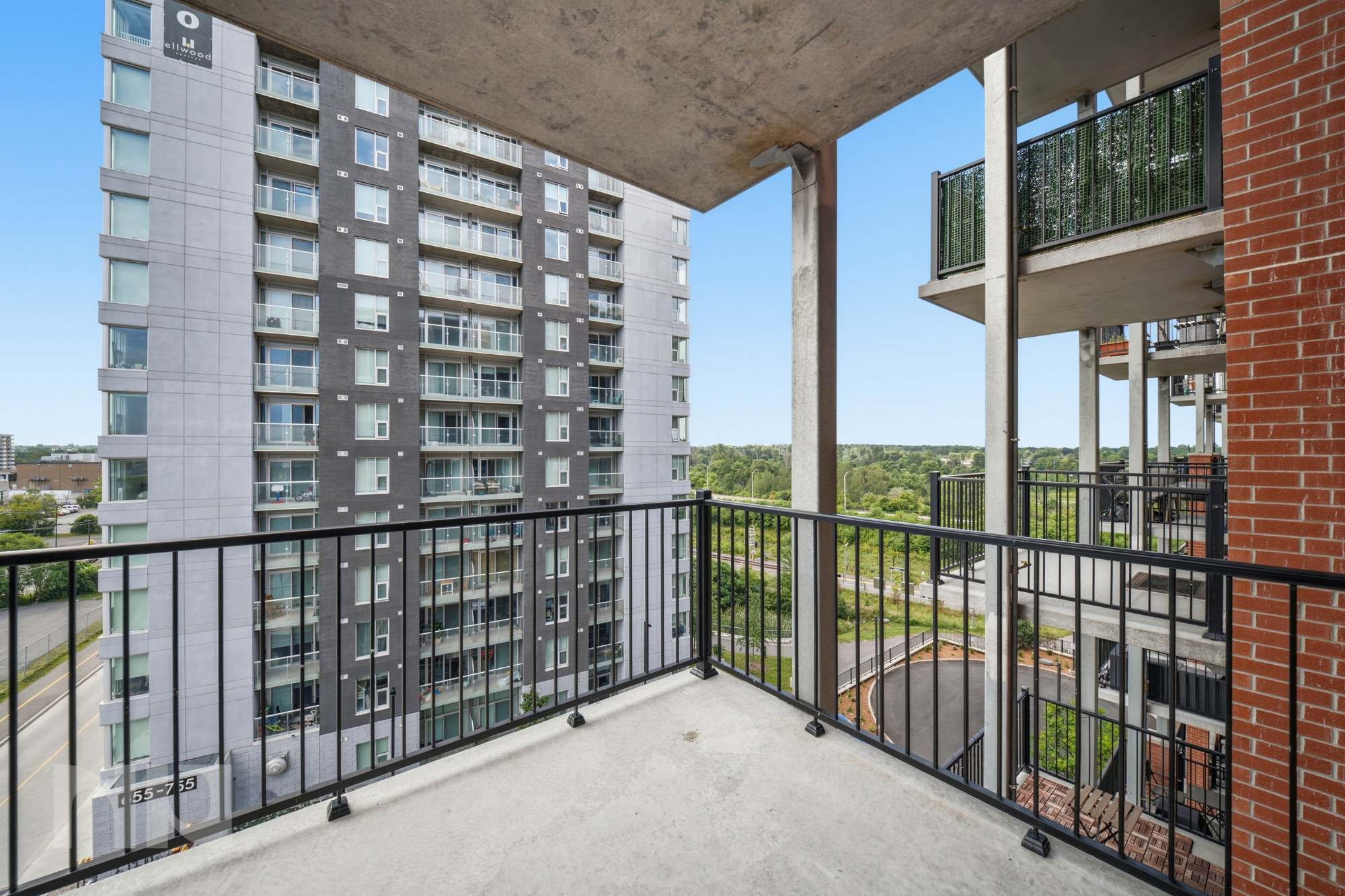
Is there a balcony, and if so, is it actually useful to you?
Are the surrounding streets enjoyable to walk?
Is the building extremely busy or noisy?
Are there convenient trails or parks nearby?
A condo can allow your dog and still be a terrible building for living with one.
And another building might make daily life incredibly easy.
Your Pet Should Be Part of the Condo Search From Day One
If your dog or cat is part of the household, tell your Realtor early.
There isn't much point falling in love with a unit, negotiating an offer and picturing yourself living there only to discover that one member of the family can't come.
At New Purveyors, we help Ottawa condo buyers look at more than square footage and finishes.
That means understanding the building, its rules and whether the condo actually fits the life you plan to live in it.
Because sometimes the most important question about a condo isn't whether it has parking.
It's whether your 70-pound roommate is allowed upstairs.