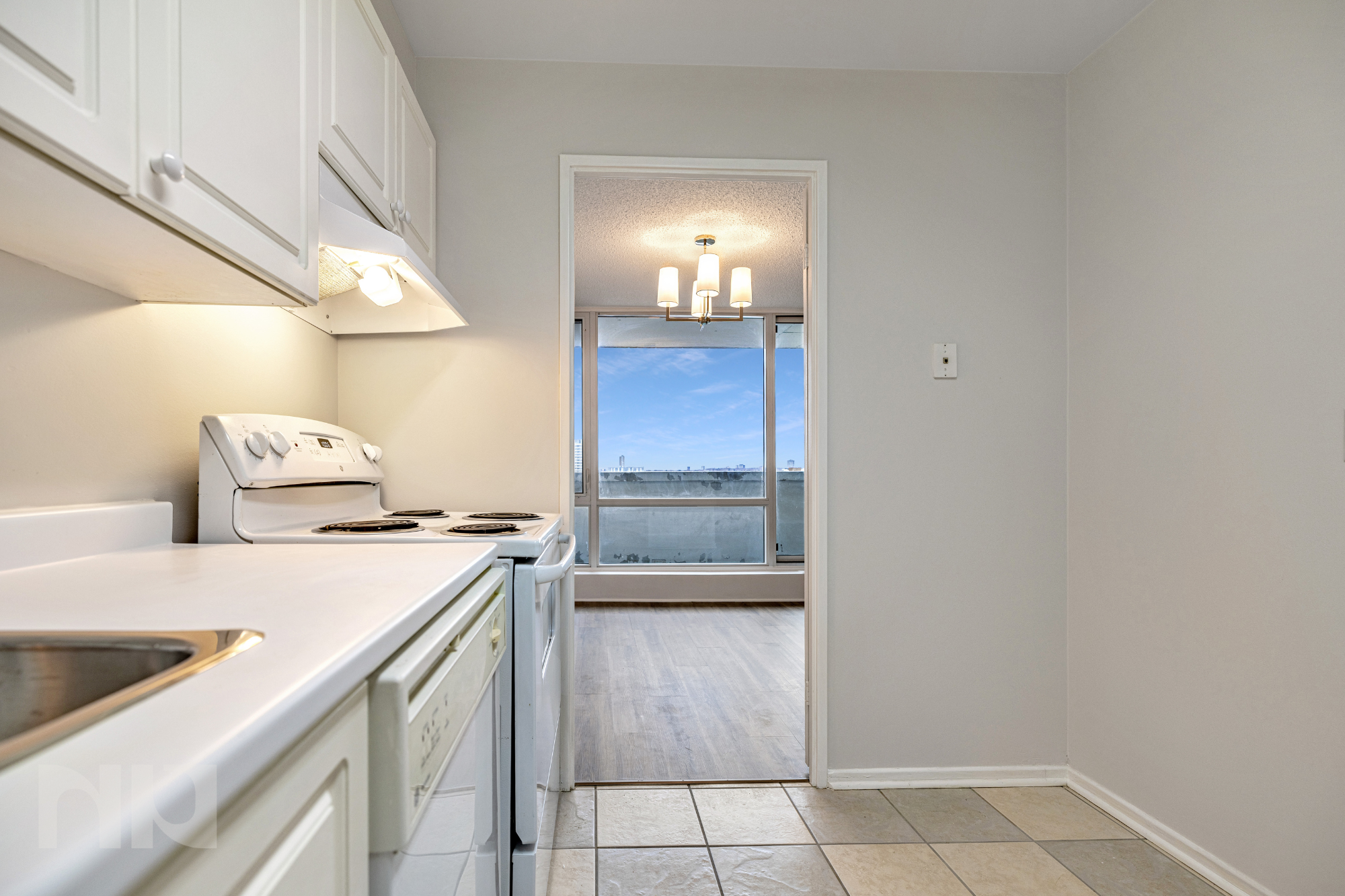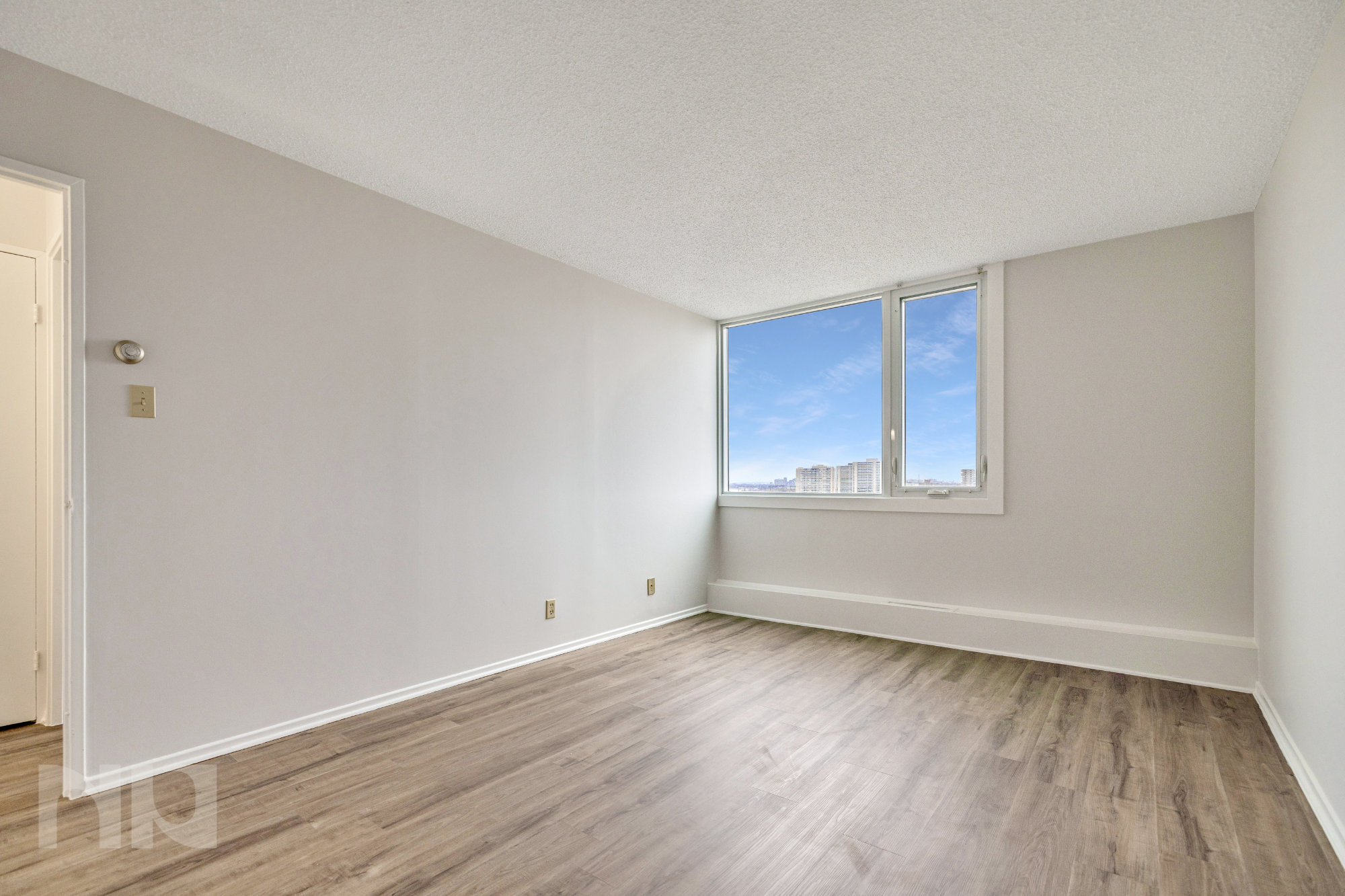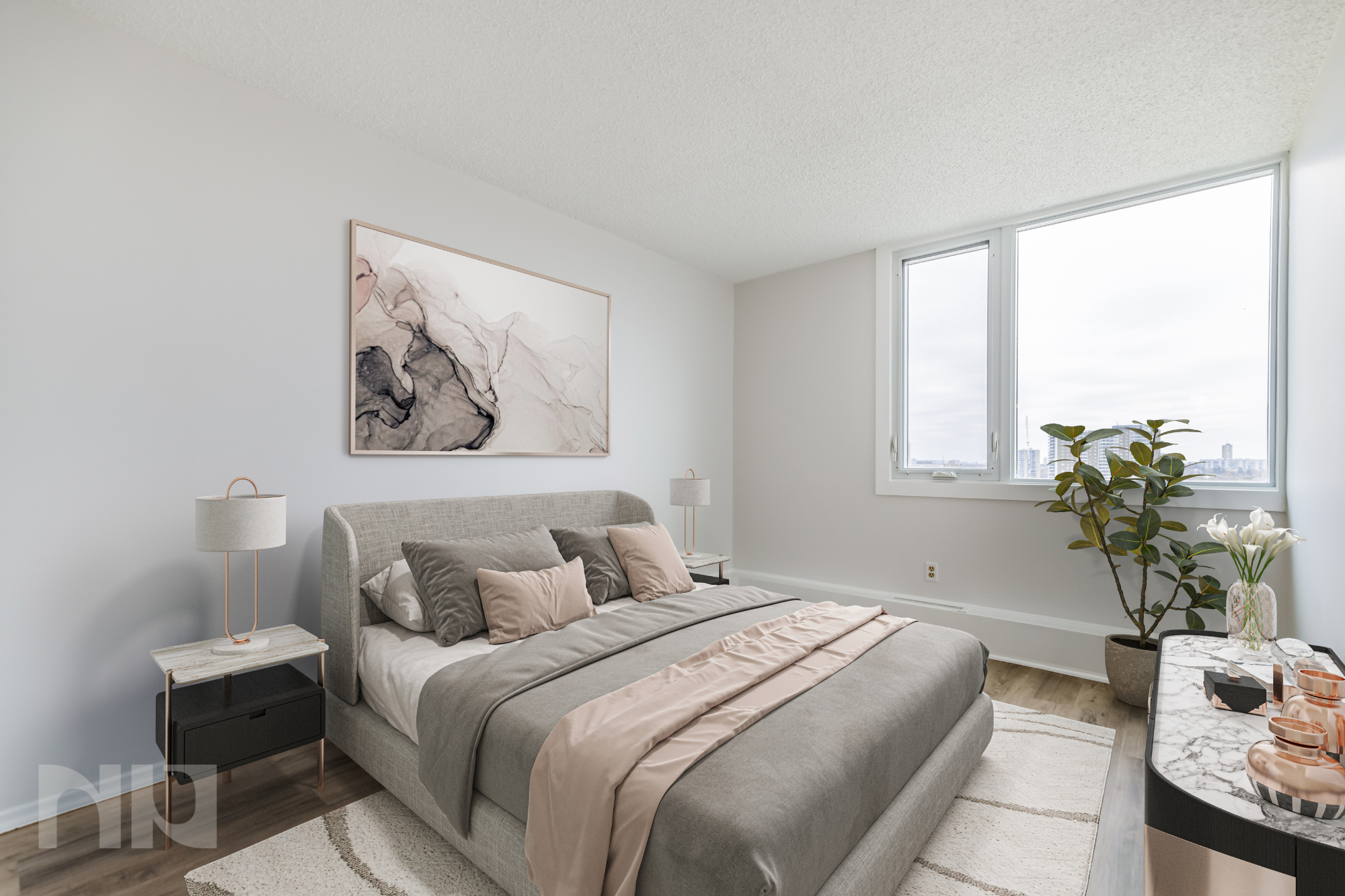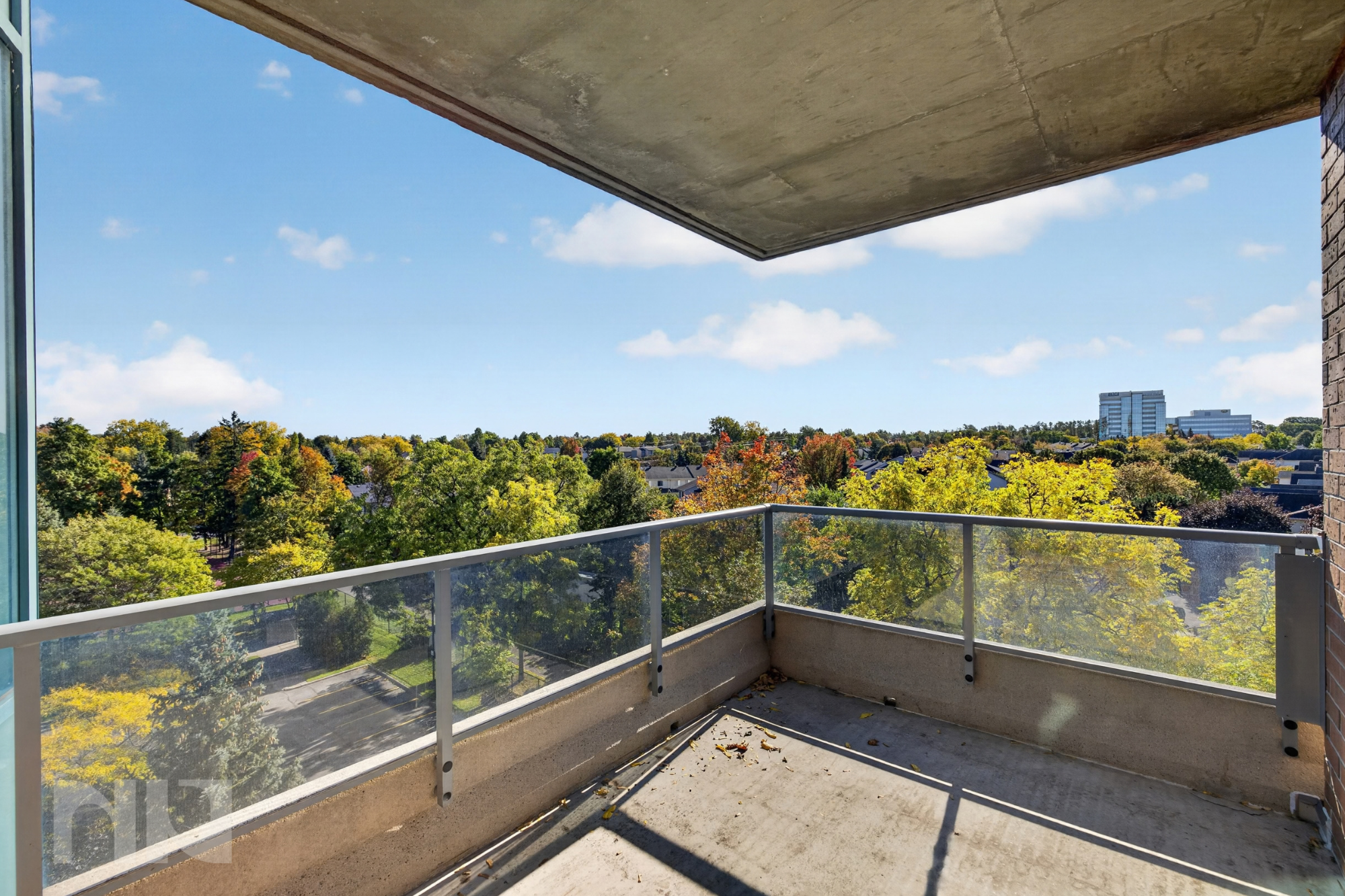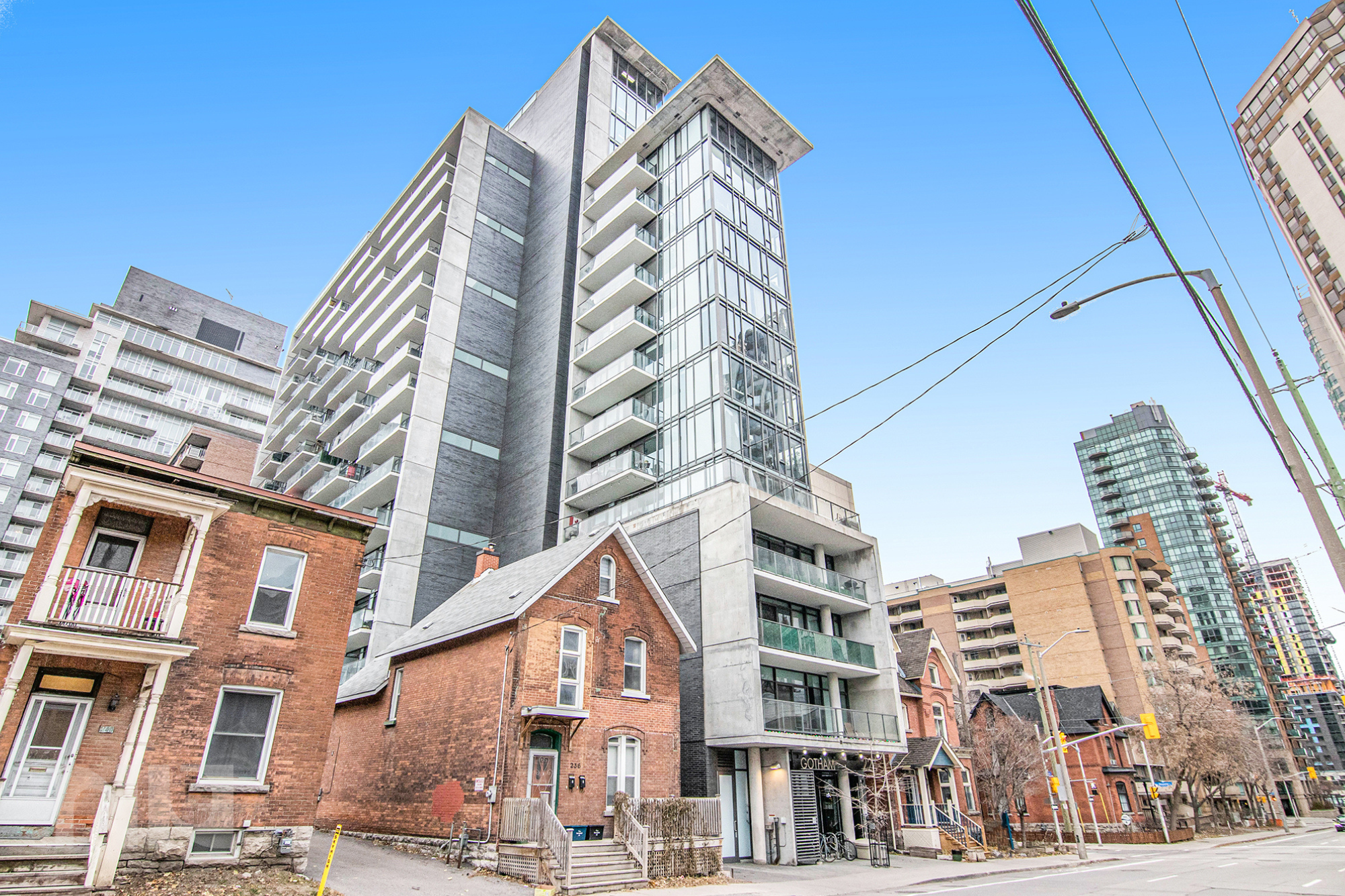

You buy a condo in Ottawa, live there for a few years, and then decide to move.
Maybe you're buying a larger place, relocating for work or moving in with a partner. Rather than selling your condo, you figure you'll rent it out.
But can your condo board tell you that you're not allowed to?
In Ontario, condominium corporations can place restrictions on rentals, but the rules depend on the type of rental and the building's governing documents.
Renting your unit to a long-term tenant is generally different from operating a short-term rental through Airbnb or another booking platform.
And just because you own the unit doesn't mean you can rent it out under any conditions you choose.
Here's what Ottawa condo owners and buyers should understand before listing a unit for rent.
Can a Condo Corporation Ban Long-Term Rentals?
A long-term rental typically involves leasing a condo to someone who intends to live there for an extended period, often a year or more.
Many Ottawa condominium buildings permit long-term rentals. However, that doesn't mean every building has identical rules.
Under Ontario's Condominium Act, a corporation's declaration can contain restrictions on how units are used, including rental restrictions.
That makes the declaration particularly important.
A building may have provisions governing residential use, lease arrangements or other conditions that affect an owner's ability to rent out their unit.
The important distinction is that a condo board cannot simply invent any rental restriction it wants.
Board-made rules must meet the requirements of Ontario's Condominium Act, including the requirement that they be reasonable and consistent with the corporation's declaration and by-laws.
A restriction contained in the registered declaration has a different legal status from an informal building policy.
If management tells you that you cannot rent out your unit, ask for the specific provision supporting that restriction.
Whether a particular prohibition is legally enforceable depends on its wording, how it was adopted and the applicable law.
What About Airbnb and Short-Term Rentals?
This is where Ottawa's rules become much more restrictive.
The City of Ottawa defines a short-term rental as accommodation rented for fewer than 30 consecutive nights.
Under the City's Short-Term Rental By-law, these rentals generally must operate from the host's principal residence.
In practical terms, you generally cannot buy an ordinary Ottawa condo solely to operate it as a full-time Airbnb investment property.
There are limited exceptions under the City's rules, but purchasing a typical residential condominium doesn't automatically qualify you for one.
Even if your condo is your principal residence, that doesn't necessarily mean you can list it on Airbnb.
Your condominium corporation may prohibit short-term rentals through its governing documents.
And where short-term rentals are permitted, the City generally requires an appropriate host permit.
So there are two separate questions:
Does the City allow this type of rental at the property?
And:
Does the condominium corporation allow it?
You need to satisfy both.
You can review the City's requirements through its Short-Term Rentals information page.
Can a Condo Building Require a Minimum Lease Term?
Yes, where a valid restriction applies.
Some condominium buildings have minimum lease terms intended to prevent frequent turnover and short-term accommodation activity.
For example, a building might prohibit rentals shorter than six months.
Another might require leases to be at least one year.
These are examples of possible restrictions, not universal Ontario standards.
A minimum lease term can have a real impact on your plans.
If you're purchasing a condo expecting to rent it to someone for three months while you're travelling, a six-month minimum lease could prevent that arrangement.
Similarly, if you're considering furnished executive rentals or temporary corporate accommodation, you need to confirm whether the building permits those arrangements.
Don't assume that staying off Airbnb automatically makes every short-term or furnished rental acceptable.
The actual lease length, residential use and governing documents all matter.
Do You Need Permission From the Condo Board to Rent Your Unit?
Ontario law requires owners to notify their condominium corporation when they lease their unit.
But that doesn't mean every condo owner needs discretionary board approval before choosing a tenant.
The distinction is between providing the required notification and obtaining approval under a specific, legally valid building requirement.
Under Section 83 of Ontario's Condominium Act, an owner who enters into or renews a lease must, within 10 days:
Notify the condominium corporation that the unit has been leased.
Provide the tenant's name, the owner's address and a copy of the lease or a prescribed summary.
Provide the tenant with copies of the corporation's declaration, by-laws and rules.
If the lease ends and isn't renewed, the owner must also notify the corporation in writing within 10 days.
Some buildings have their own forms or move-in procedures to help administer these requirements.
If management asks for something beyond the statutory requirements, it's reasonable to ask where that additional obligation comes from.
The Condominium Authority of Ontario provides further guidance on leasing condominium units.
Can the Condo Board Reject Your Tenant?
A condo corporation doesn't generally function like a landlord selecting applicants for its own rental property.
If you own the unit and are legally permitted to lease it, tenant selection is ordinarily your responsibility as the landlord.
However, the corporation can enforce applicable governing documents, including lawful occupancy restrictions and requirements concerning the use of units and common elements.
For example, tenants may need to register with management, follow moving procedures or comply with building access policies.
Those administrative requirements are different from giving the board an unrestricted right to reject someone because it doesn't like them.
Any purported tenant approval requirement should be reviewed against the building's governing documents and applicable law.
Ontario's Human Rights Code and residential tenancy legislation may also be relevant.
What Happens if Your Tenant Breaks the Condo Rules?
Here's something landlords sometimes underestimate: renting out your condo doesn't eliminate your obligations as an owner.
Your tenant must follow the condominium's declaration, by-laws and rules.
That includes applicable restrictions concerning noise, smoking, pets, parking, amenities and other aspects of building life.
If a tenant repeatedly violates the building's rules, property management may contact you as the registered owner.
Depending on the circumstances, the corporation may pursue enforcement measures, including legal proceedings.
You may also face costs or potential liability associated with certain violations or damage, depending on the law and the building's governing documents.
This is one reason it's important to provide tenants with the governing documents before they move in.
A rule that seems minor when you're living in the unit yourself can quickly become a problem if your tenant doesn't know it exists.
Does Renting Out Your Condo Change Your Insurance?
It can, and this is something you should address before a tenant moves in.
An insurance policy designed for an owner-occupied condo may not provide the same coverage when the property becomes a rental.
You'll generally want to speak with your insurer about appropriate landlord insurance, liability protection and coverage for the unit and any belongings you leave inside.
It's also worth reviewing whether your condo corporation requires tenants to carry their own insurance.
Remember that the condominium corporation's master policy doesn't replace your individual insurance obligations.
For example, a corporation's insurance may cover certain building components, but that doesn't necessarily protect your rental income or personal liability as a landlord.
The exact coverage depends on the policies involved.
What if You Buy a Condo That Already Has a Tenant?
Buying a tenanted condo is different from buying a vacant unit.
If an existing tenancy is covered by Ontario's Residential Tenancies Act, purchasing the property generally doesn't terminate that tenancy.
The buyer normally takes over the seller's responsibilities as landlord.
That means you need to understand the existing lease, rent amount, deposits, payment history and any outstanding issues before purchasing.
You also shouldn't assume you can immediately move into the unit simply because you're the new owner.
Ontario has specific legal procedures and requirements for ending certain tenancies for a purchaser's own residential use.
Depending on the circumstances, notice, compensation and an order from the Landlord and Tenant Board may be required.
If vacant possession is important to your purchase, discuss the existing tenancy with your real estate agent and lawyer before making an offer.
Buying an Ottawa Condo as an Investment? Check These Five Things First
If you're buying a condominium with the intention of renting it out, the purchase price and expected monthly rent are only part of the equation.
There are several questions worth answering before committing to a building.
1. Does the building permit the type of rental you're planning?
Review the declaration, by-laws and rules. Pay particular attention to minimum lease terms and restrictions on short-term accommodation.
2. What do the condo fees actually cover?
Utilities, maintenance responsibilities and building amenities can all affect your ongoing costs and what you include in the rent.
3. Is the unit subject to Ontario's rent increase guideline?
Certain newer rental units may be exempt from the annual rent increase guideline, particularly where the building was first occupied for residential purposes after November 15, 2018.
The relevant test is not simply the date you purchased the condo.
4. Is the building financially healthy?
Review the status certificate, reserve fund information, budget and any disclosed litigation or anticipated major expenses.
An unexpected increase in common expenses can change the financial picture of an investment property.
5. Could you comfortably own the condo without a tenant for a period of time?
Vacancy, repairs and tenant turnover are normal risks associated with rental ownership.
It's worth understanding how those expenses would affect you before relying on rental income to cover the property's carrying costs.
A condo can be a suitable investment without being the right investment for every buyer.
And a building that looks attractive on paper may have rental restrictions that don't fit your plans.
The Bottom Line
Owning a condo in Ottawa generally gives you the ability to rent it out, subject to applicable laws and the building's governing documents.
But long-term rentals, short-term rentals and furnished temporary accommodation aren't necessarily treated the same way.
Before purchasing a condo as an investment, or deciding to rent out a unit you already own, review the building's declaration, by-laws and rules.
Confirm any minimum lease terms, understand your notification requirements and make sure your intended rental arrangement complies with City of Ottawa regulations.
At MattRichling.com, our team helps buyers understand the details of condominium ownership beyond the unit itself, including the building's financial health, rules and long-term suitability.
Because whether you're planning to live in a condo, rent it out or keep your options open for the future, knowing what you're allowed to do with the property matters.