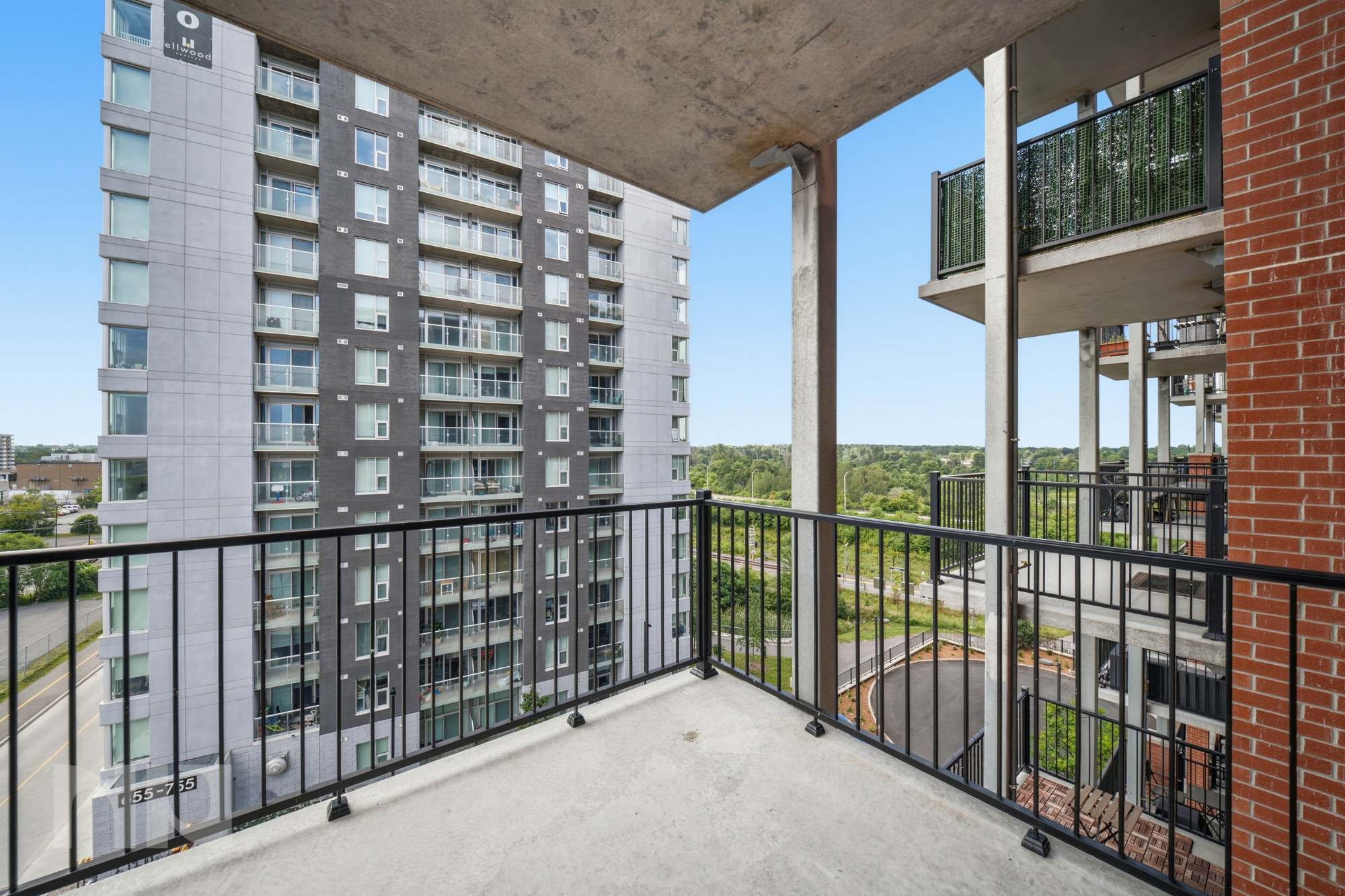
When condo buyers compare two similar units, there’s a natural assumption:
The higher floor is the better floor.
Better view. Less street noise. More privacy. Therefore, better condo.
Sometimes that’s true.
But the floor number alone tells you surprisingly little about what living in the unit will actually be like. A well-positioned unit on the sixth floor could be a much better fit than one on the 26th.
If you're shopping for an Ottawa condo, here’s what to think about before paying a premium simply to get higher up.
Lower Floors: Don't Dismiss Them Too Quickly
A unit on a lower floor might not have the dramatic skyline view of the penthouse, but there can be practical advantages.
You have fewer floors to travel every time you leave the building. Taking the stairs may actually be realistic. Moving furniture in and out can feel less complicated. And for someone who doesn't particularly care about a view, paying more simply for elevation may not add much value to their everyday life.
The tradeoff?
You need to pay particularly close attention to what is happening outside the windows.
Does the unit face a busy entrance?
A restaurant patio?
A loading area?
A neighbouring building?
A major road?
An otherwise great third-floor unit can feel completely different depending on which side of the building it faces.
Mid-Level Floors Can Be a Great Middle Ground
For some buyers, the sweet spot is somewhere in the middle.
You're elevated above some of the activity happening directly at street level without being completely dependent on a long elevator trip every time you leave home.
But again, the number on the elevator button isn't enough information.
A 12th-floor unit directly beside the elevators could potentially be less appealing to a noise-sensitive buyer than an eighth-floor unit tucked at the end of a quiet hallway.
Ontario's Condominium Authority identifies several potential sources of condo noise, including other residents, doors, amenities, piping, ventilation and outside sources such as construction.
That means you should be looking horizontally as well as vertically.
High Floors: The View Isn't the Whole Story
There are obvious reasons buyers are attracted to higher floors.
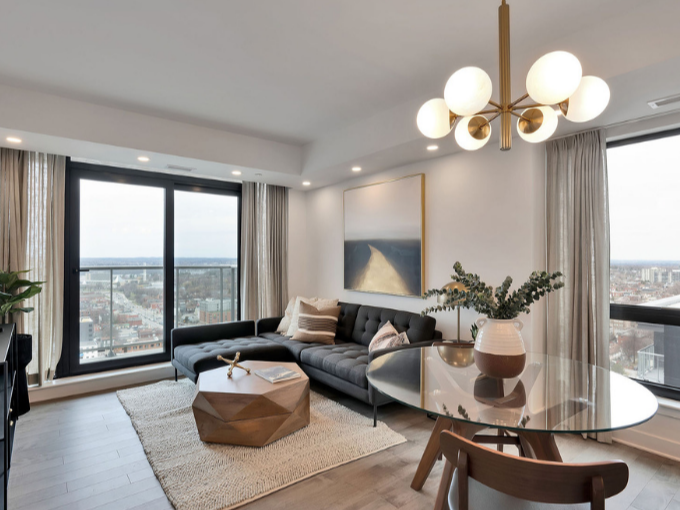
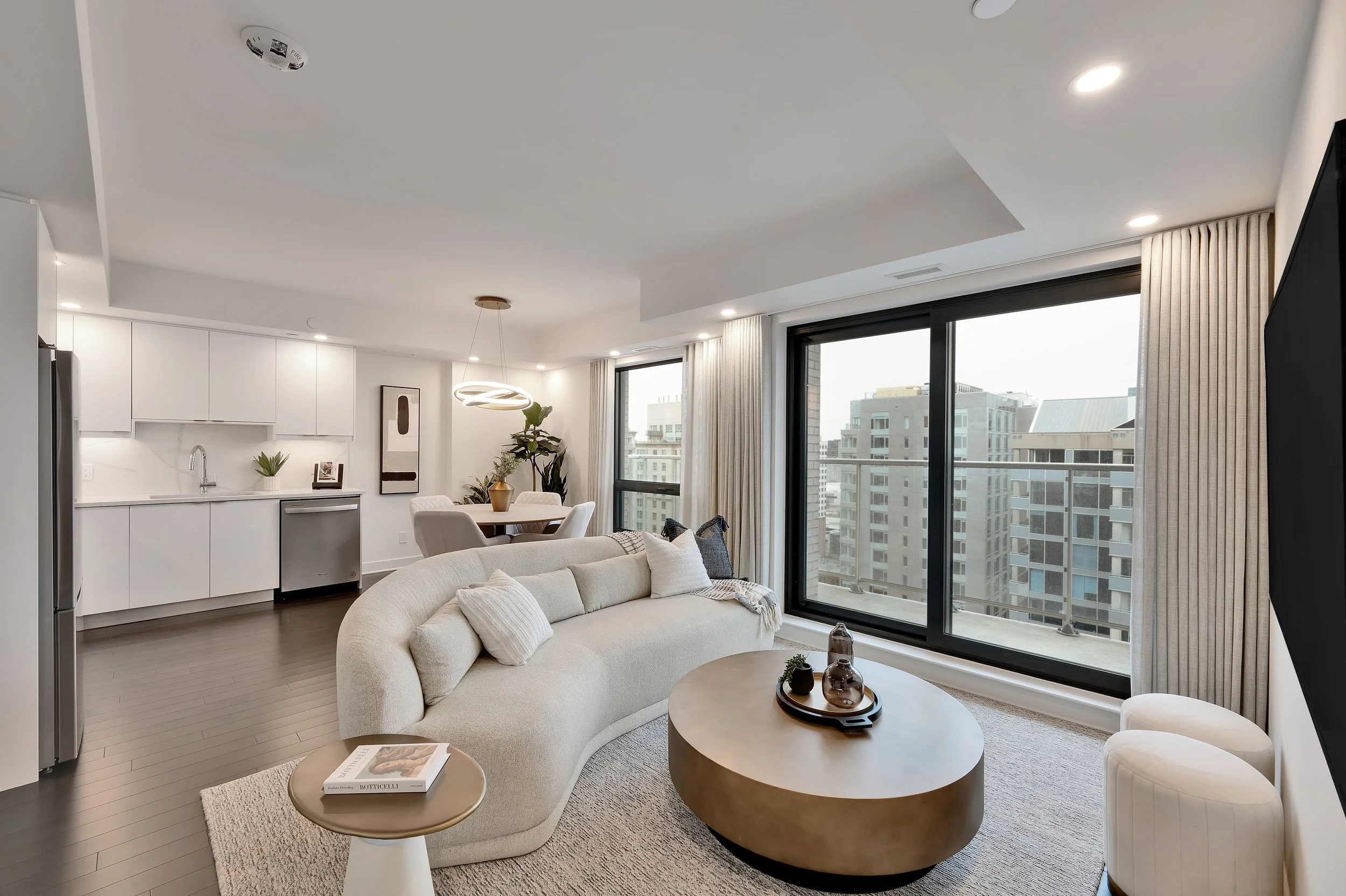
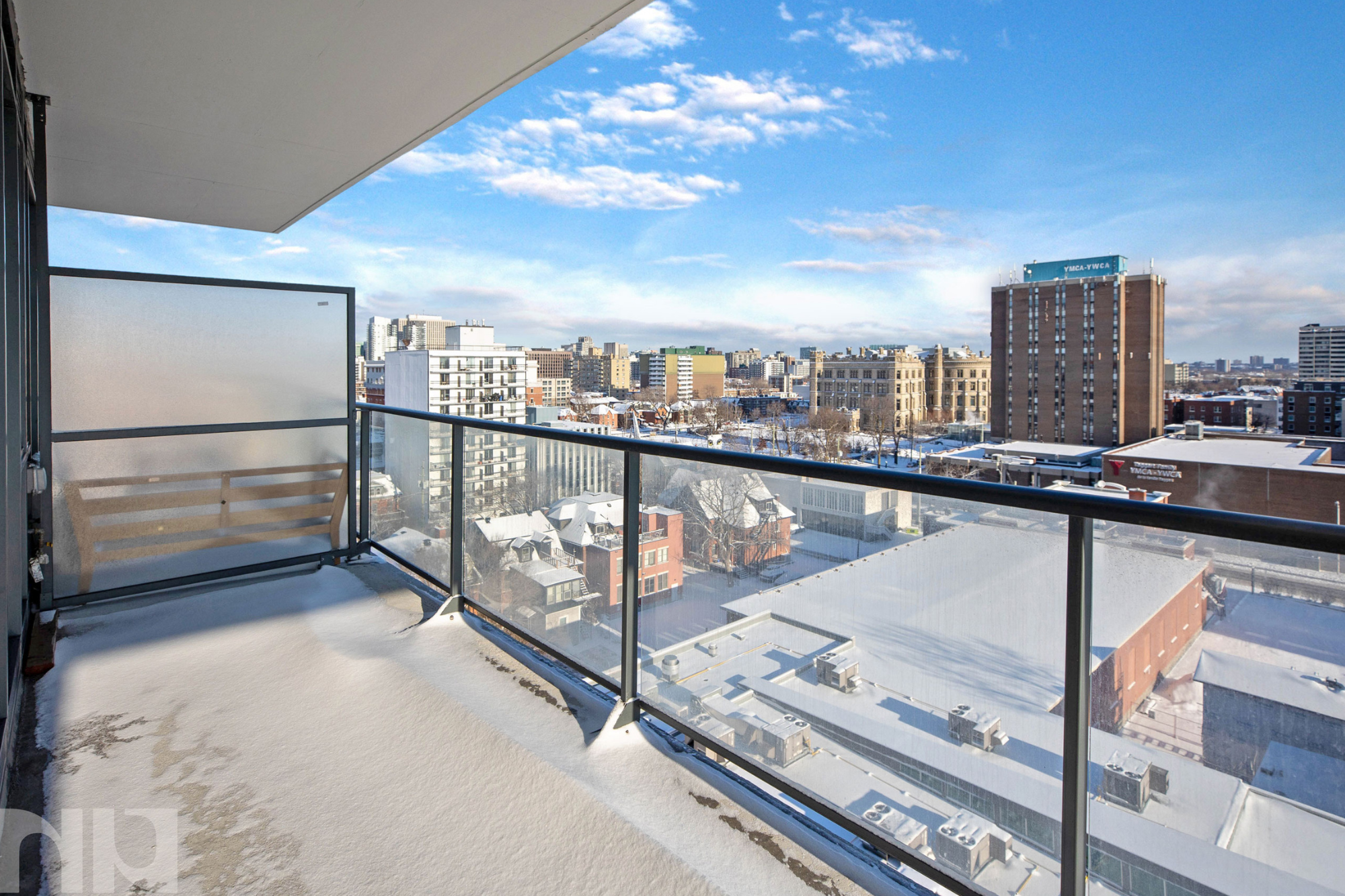
Depending on the building and orientation, you may get a more expansive view and increased separation from activity happening at ground level.
But ask yourself how much you're actually willing to pay for that.
If two identical units are available and one is significantly more expensive because it's 15 storeys higher, think about what you're getting for the difference.
Is the view dramatically better?
Is there noticeably more privacy?
Does the higher unit have better exposure?
Or are you mostly paying for a bigger number beside the unit door?
There isn't one correct answer. For someone who works from home beside a wall of windows, the view may be worth every dollar. For someone who is rarely home during the day, it might not be.
And Then There's the Top Floor
“No neighbours above me” can be a compelling selling feature.
But top-floor buyers should still investigate what is actually above the unit.
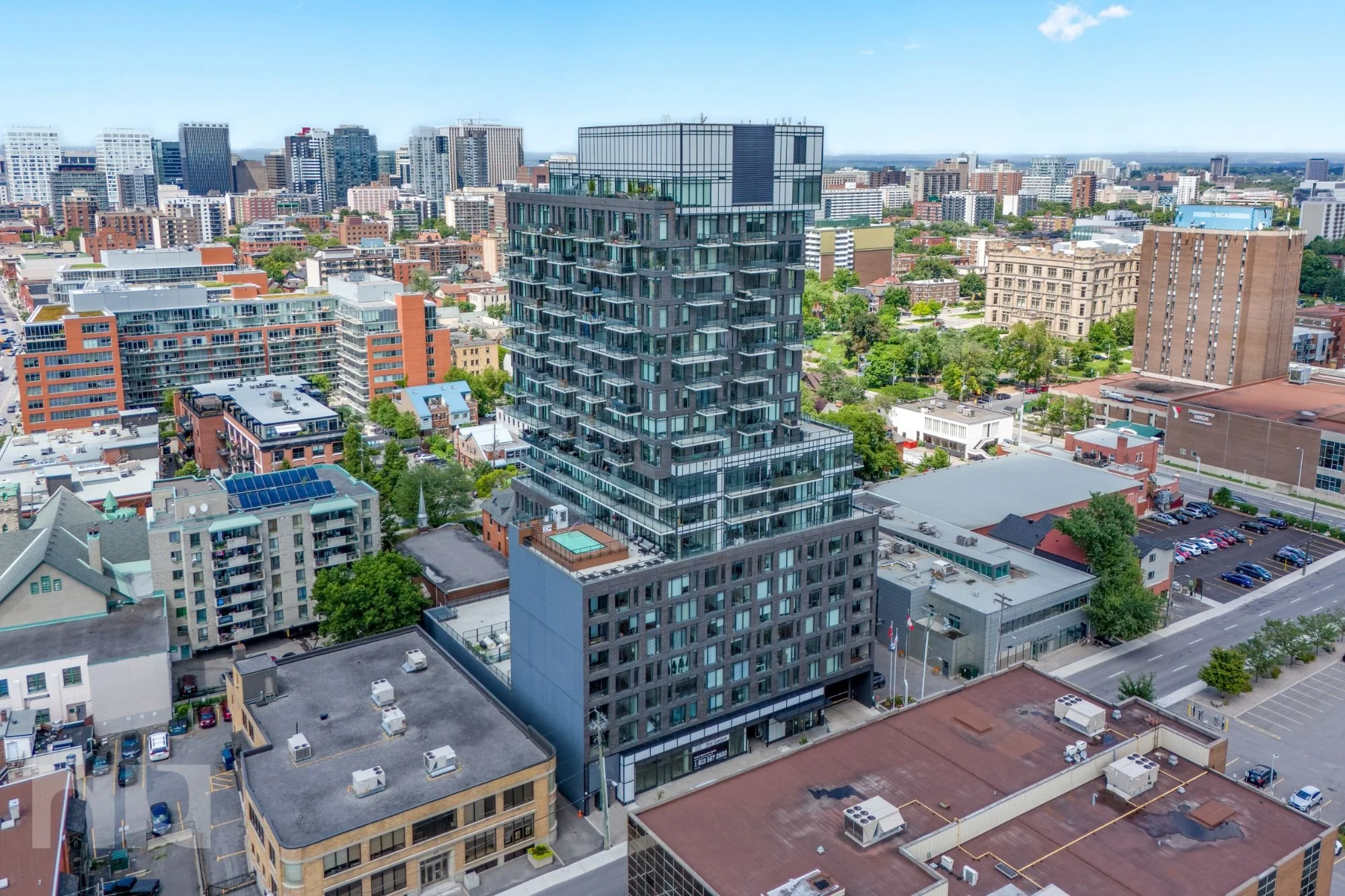
Roof equipment, building mechanical systems and other infrastructure can create considerations of their own. The Condominium Authority of Ontario specifically identifies utilities, ventilation and mechanical systems among potential sources of noise or vibration in condo buildings.
So rather than assuming top floor automatically means quietest, ask what sits above the ceiling.
Your Position on the Floor May Matter More Than the Floor Itself
Here's the part buyers often overlook.
Imagine two units on the exact same floor.
One shares a wall with the elevator bank and sits across from the garbage room.
The other is at the end of the hallway with units above, below and on either side.
Those could be very different living experiences.
When you're touring a condo, look at what surrounds the unit:
elevators
stairwell doors
garbage or recycling rooms
amenity spaces
mechanical rooms
parking entrances
loading areas
common terraces
neighbouring balconies
building entrances
Don't just walk from the elevator into the unit without paying attention to what you passed along the way.
What's Directly Below You?
This is another reason to stop thinking only in terms of floor numbers.
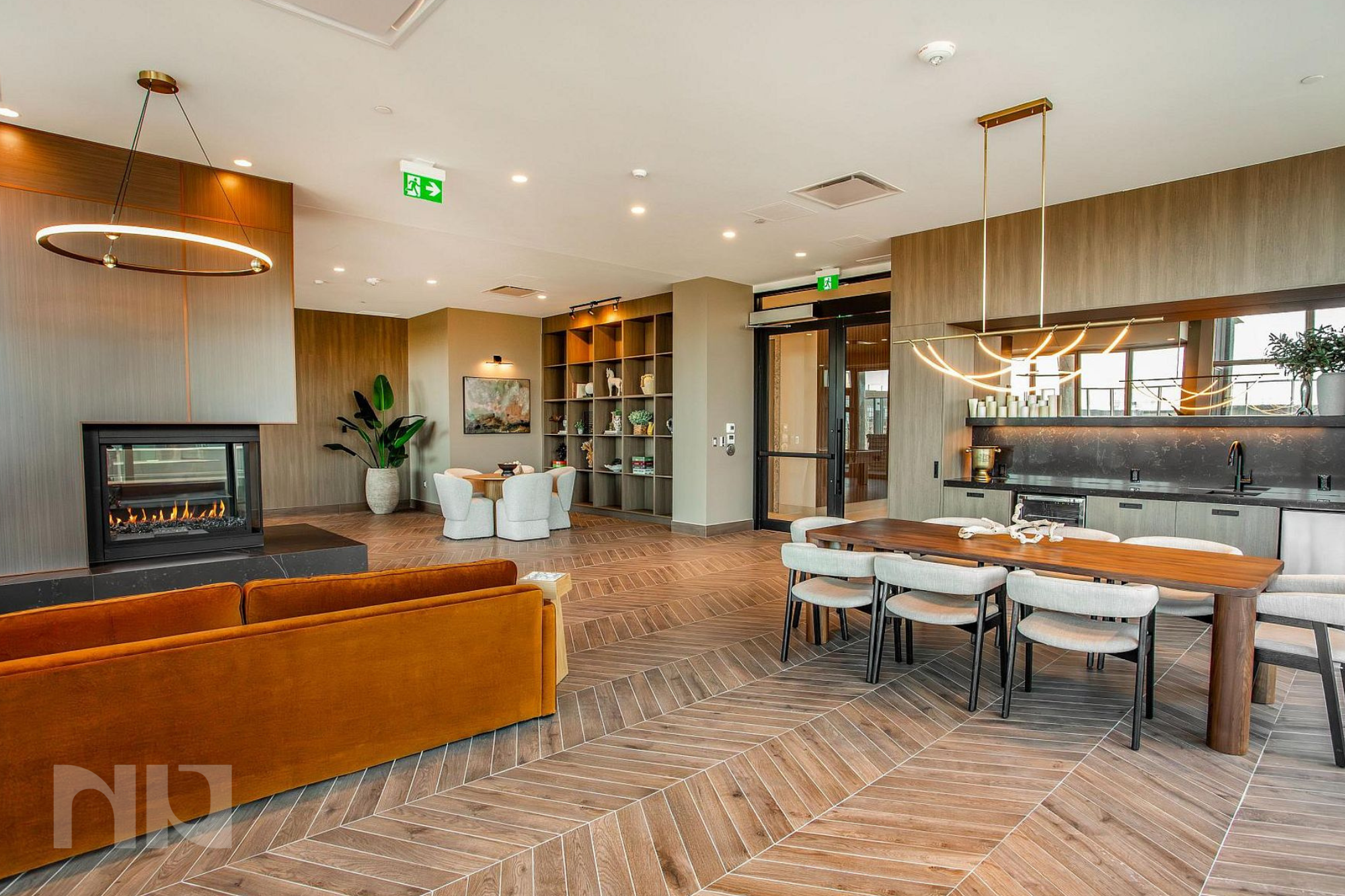
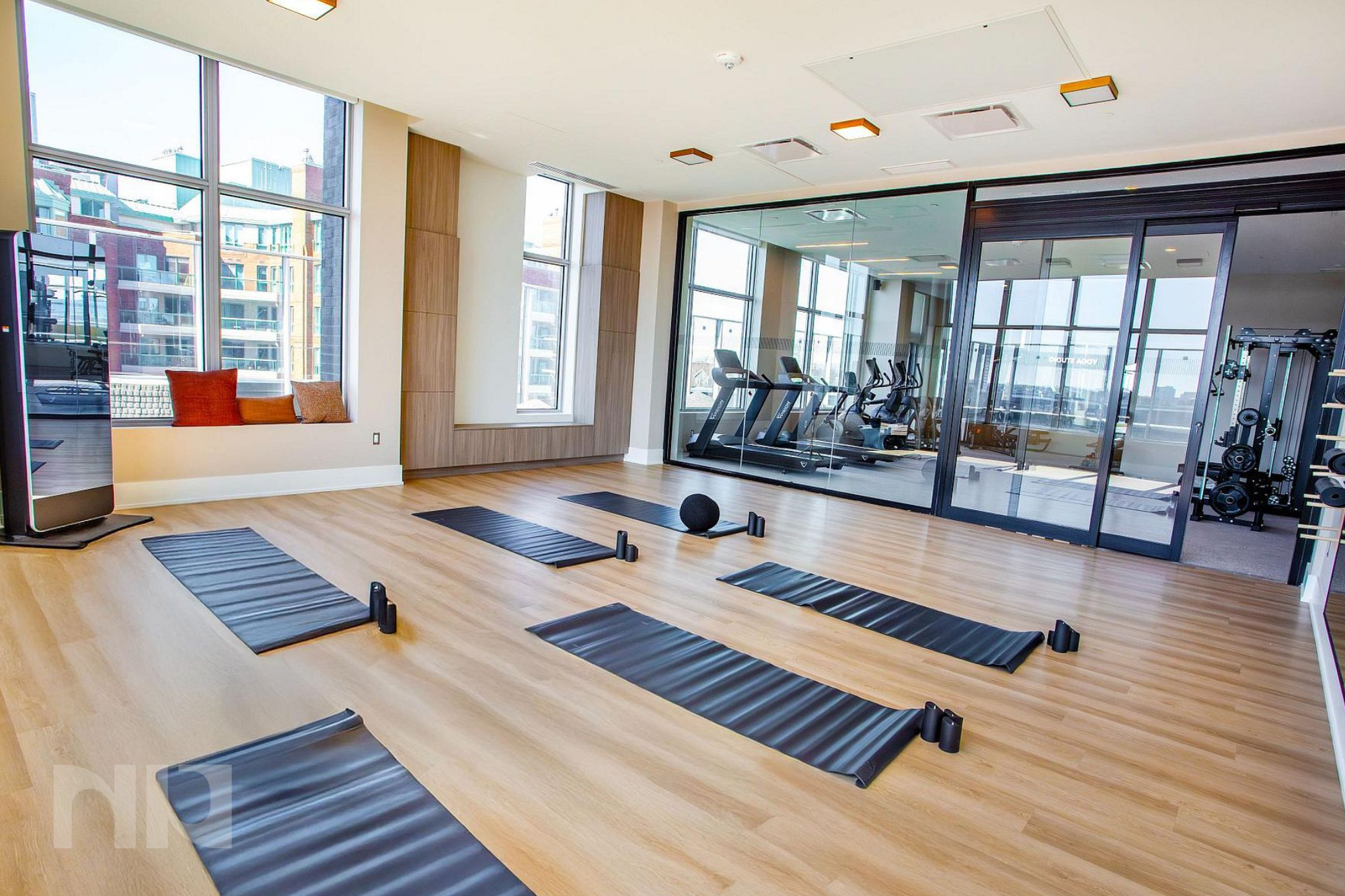
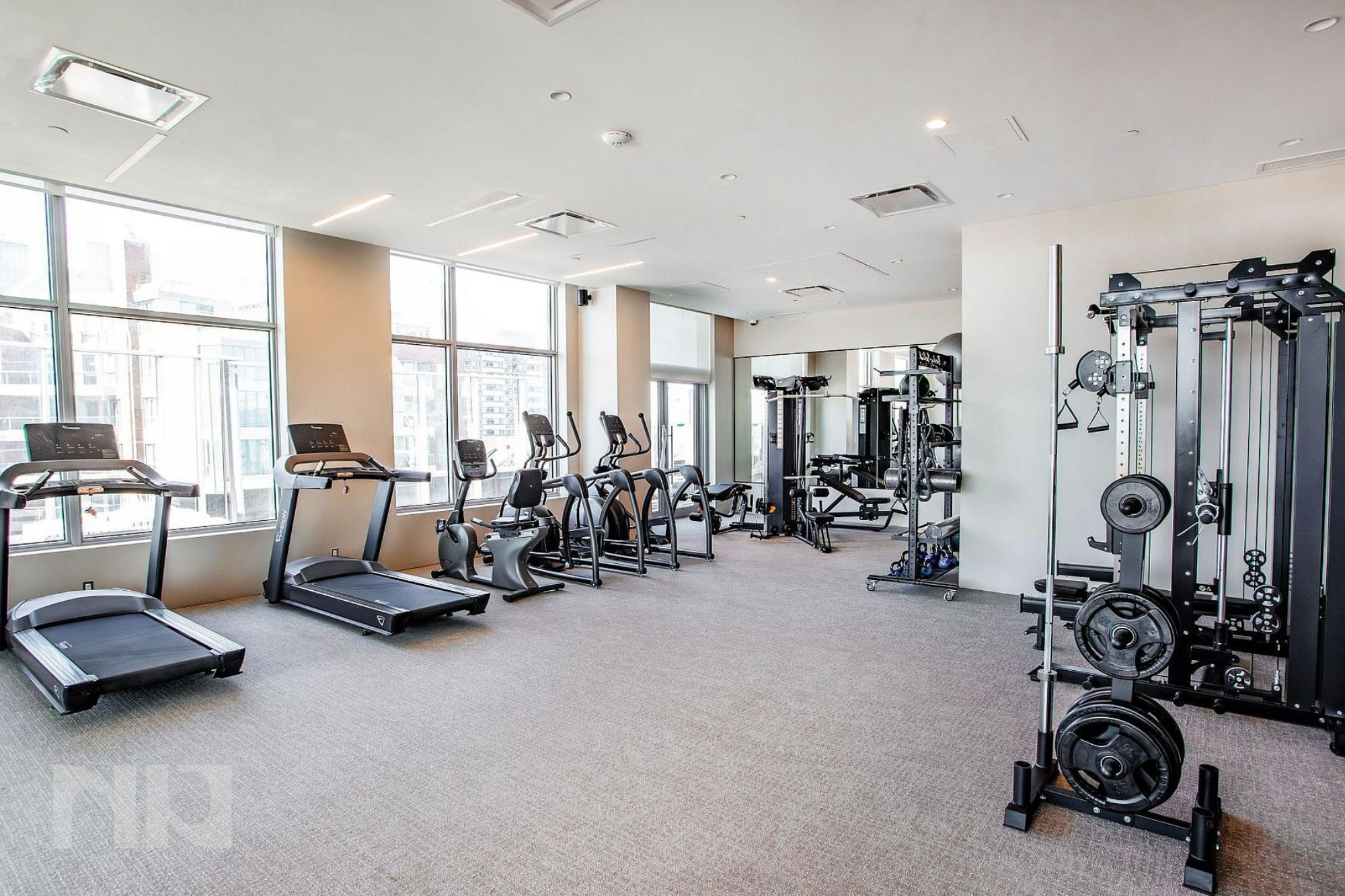
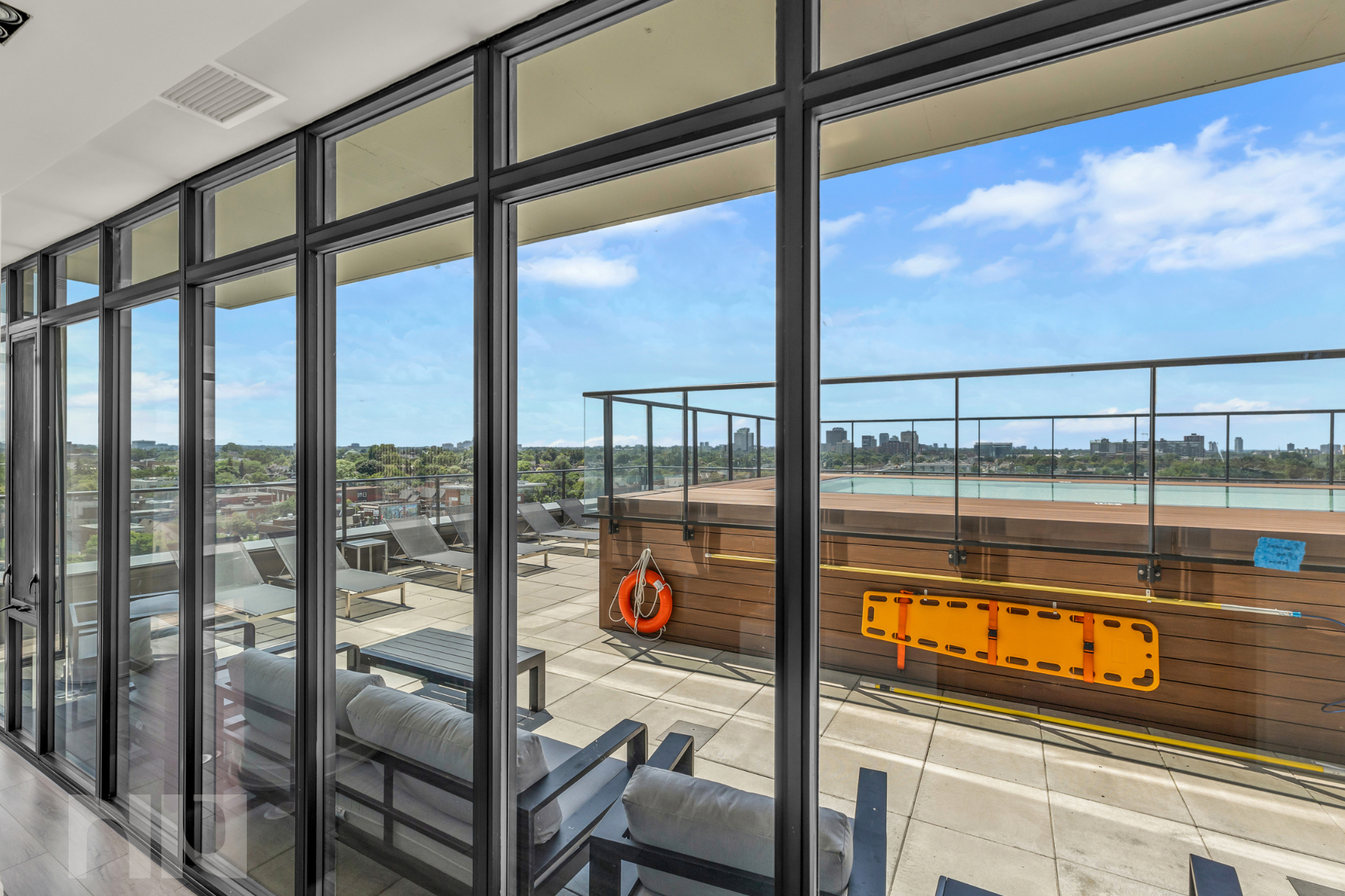
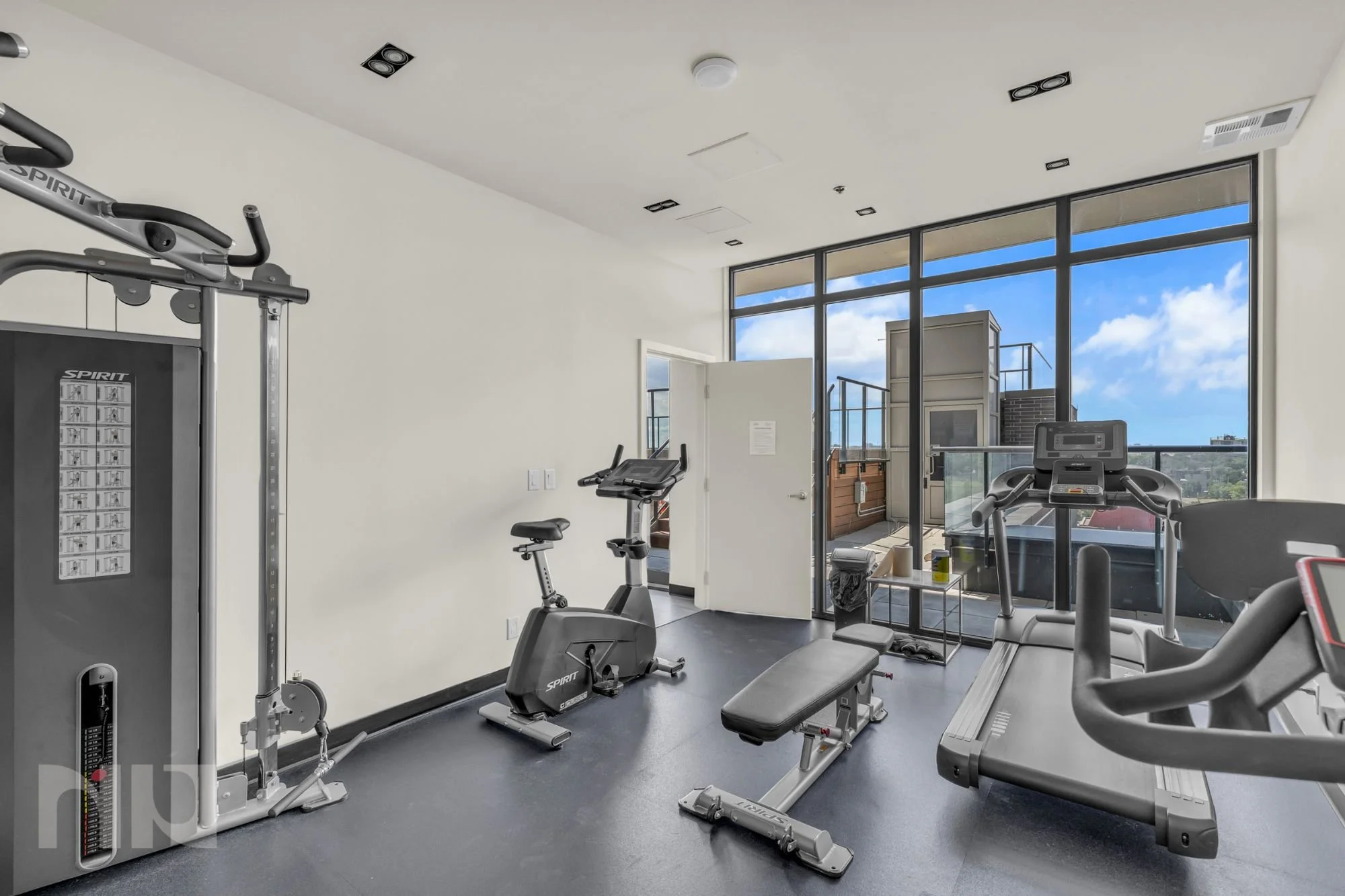
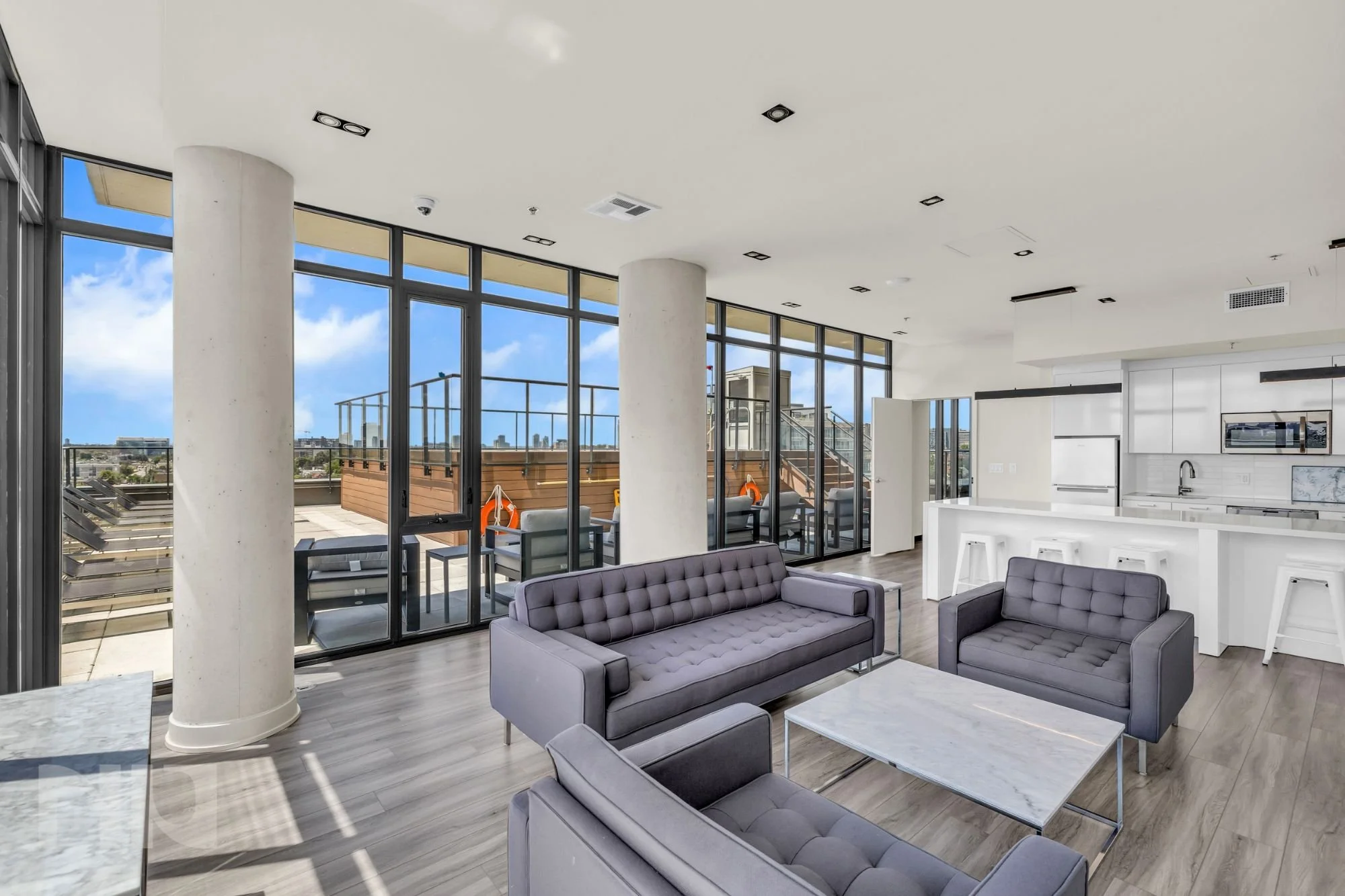
A fifth-floor condo could be sitting directly above the gym, party room or outdoor terrace.
An eighth-floor unit in another building might have residential units above and below it.
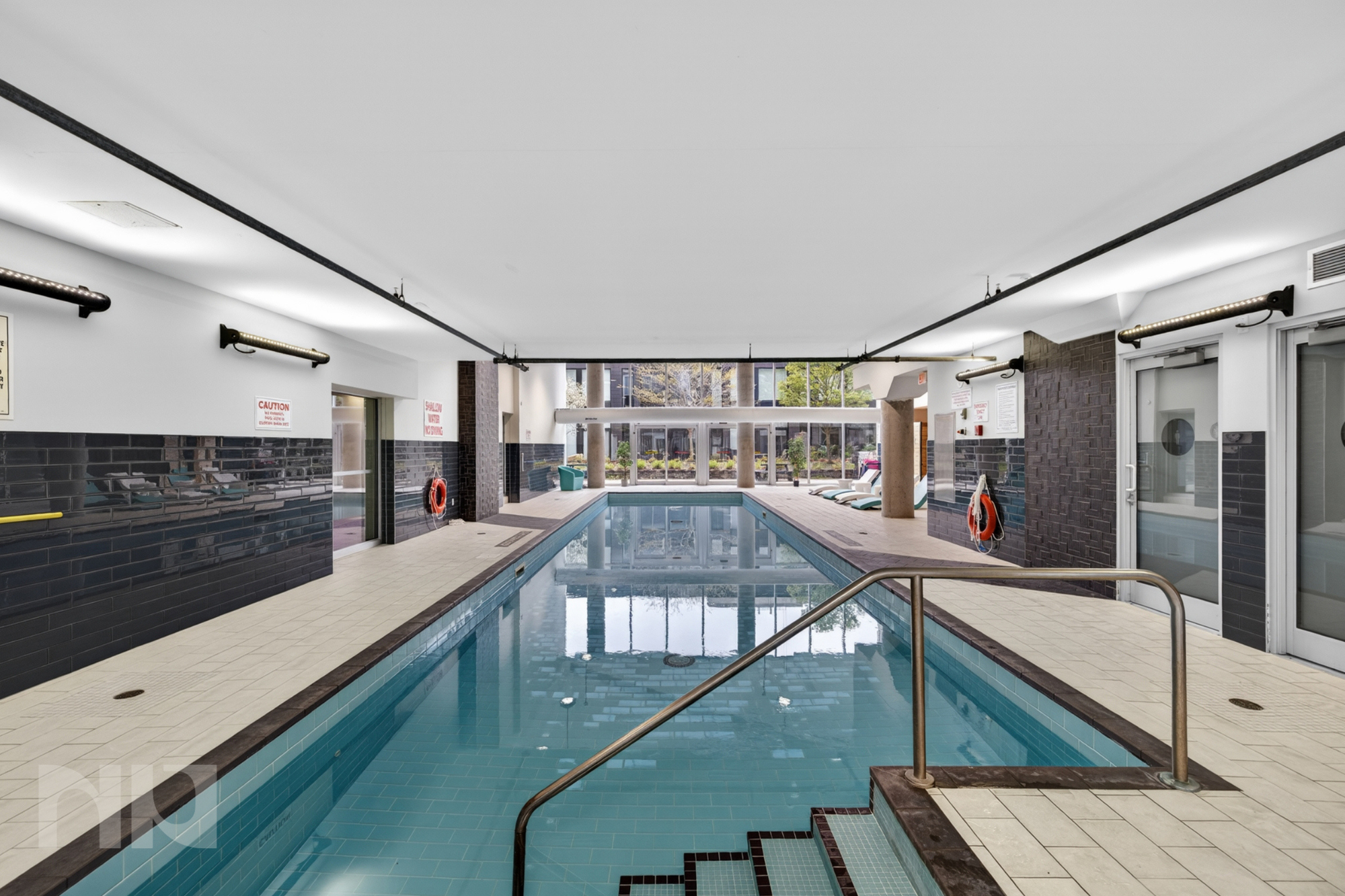
Amenities themselves aren't inherently a problem. But Ontario's Condominium Authority lists amenities as one possible source of noise within a condo community.
If you're sensitive to sound, the building's floor plan deserves a closer look.
Pay Attention to the Direction the Unit Faces Too
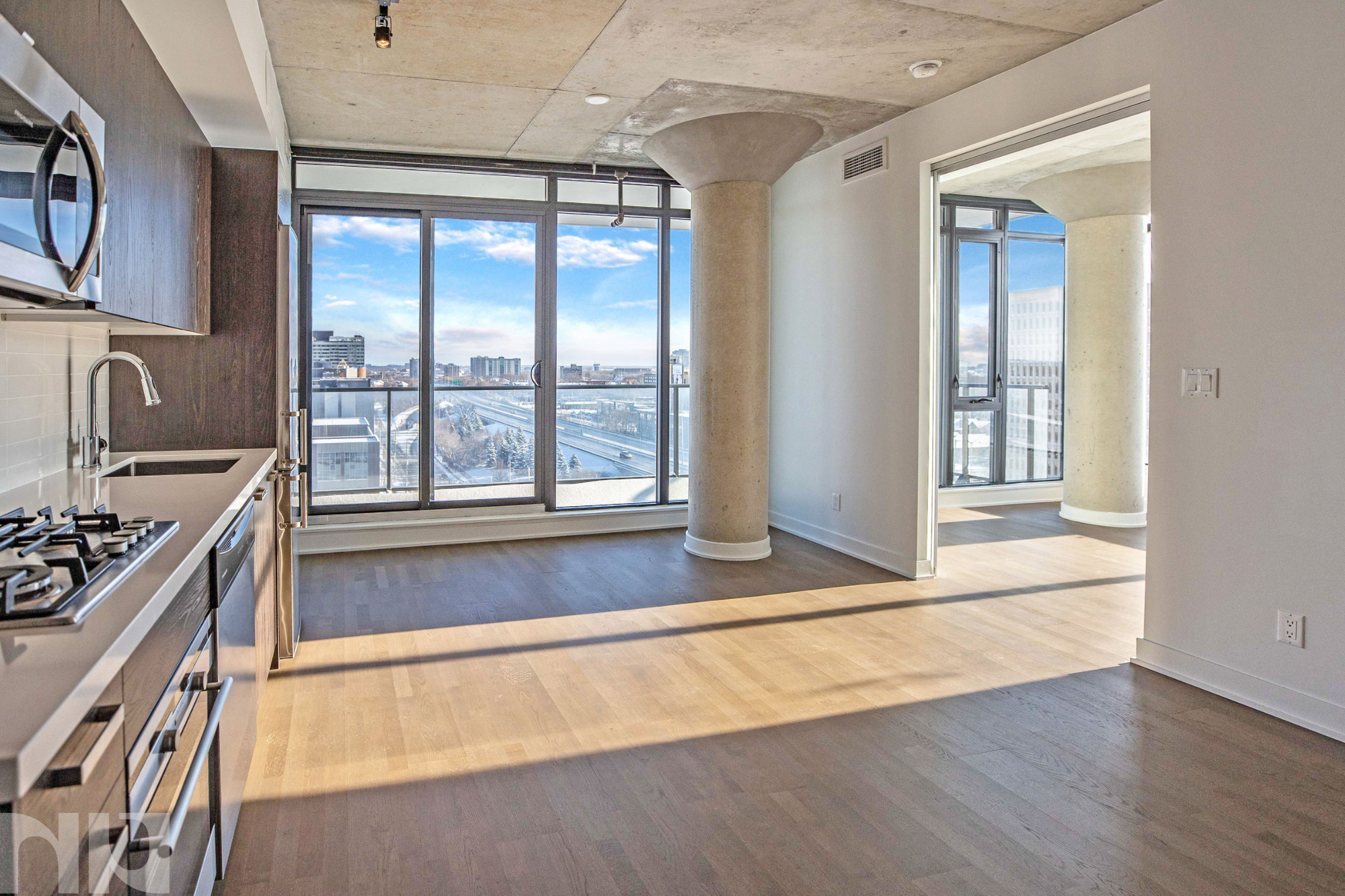
Two condos directly across the hall from each other can have completely different views, light and surroundings.
One might overlook a park.
The other might face a future development site.
One might have relatively open sightlines.
The other might look directly into the neighbouring building.
This is particularly important in areas of Ottawa seeing significant development.
Don't evaluate the floor without evaluating the exposure.
Look out every window and ask yourself not only what is there now, but whether there are obvious neighbouring sites where the surroundings could eventually change.
Visit the Building Like You Already Live There
A showing is usually quiet because you're focused on the unit.
Try approaching the second visit differently.
Stand in the hallway for a minute.
Listen near the bedroom.
Wait for the elevator.
Walk from the parking space to the unit.
Find the garbage room.
Check where the amenities are located.
Look outside from every room.
If noise is a major concern, consider seeing the property at a different time of day before making a final decision when your purchase conditions and circumstances allow.
Ontario condominium law prohibits unreasonable noise that interferes with an owner's ability to use and enjoy their unit, but normal building sounds and individual tolerance can obviously vary.
It's much easier to decide whether a building feels right for you before you own the unit.
There Is No “Best” Condo Floor
The best floor depends on the buyer.
Want a huge view and don't mind relying on the elevator? Higher might make sense.
Want quick access outside because you walk your dog five times a day? A lower floor could be perfect.
Sensitive to noise? The location of the elevators, amenities and neighbouring units may matter more than whether you're on floor seven or seventeen.
Working from home? Exposure and what you see outside the windows could be one of your biggest priorities.
CMHC recommends looking beyond the individual unit when purchasing a condo and considering whether the condominium itself is physically, financially and legally well managed.
We'd add one more consideration:
Does living there actually make sense for you?
Because when you're buying a condo, the best unit isn't necessarily the one highest in the building.
It's the one whose location within the building works best for the way you actually live.
Thinking about buying a condo in Ottawa? New Purveyors can help you compare the details that aren't obvious from the listing, from the building itself to the specific location of the unit within it.