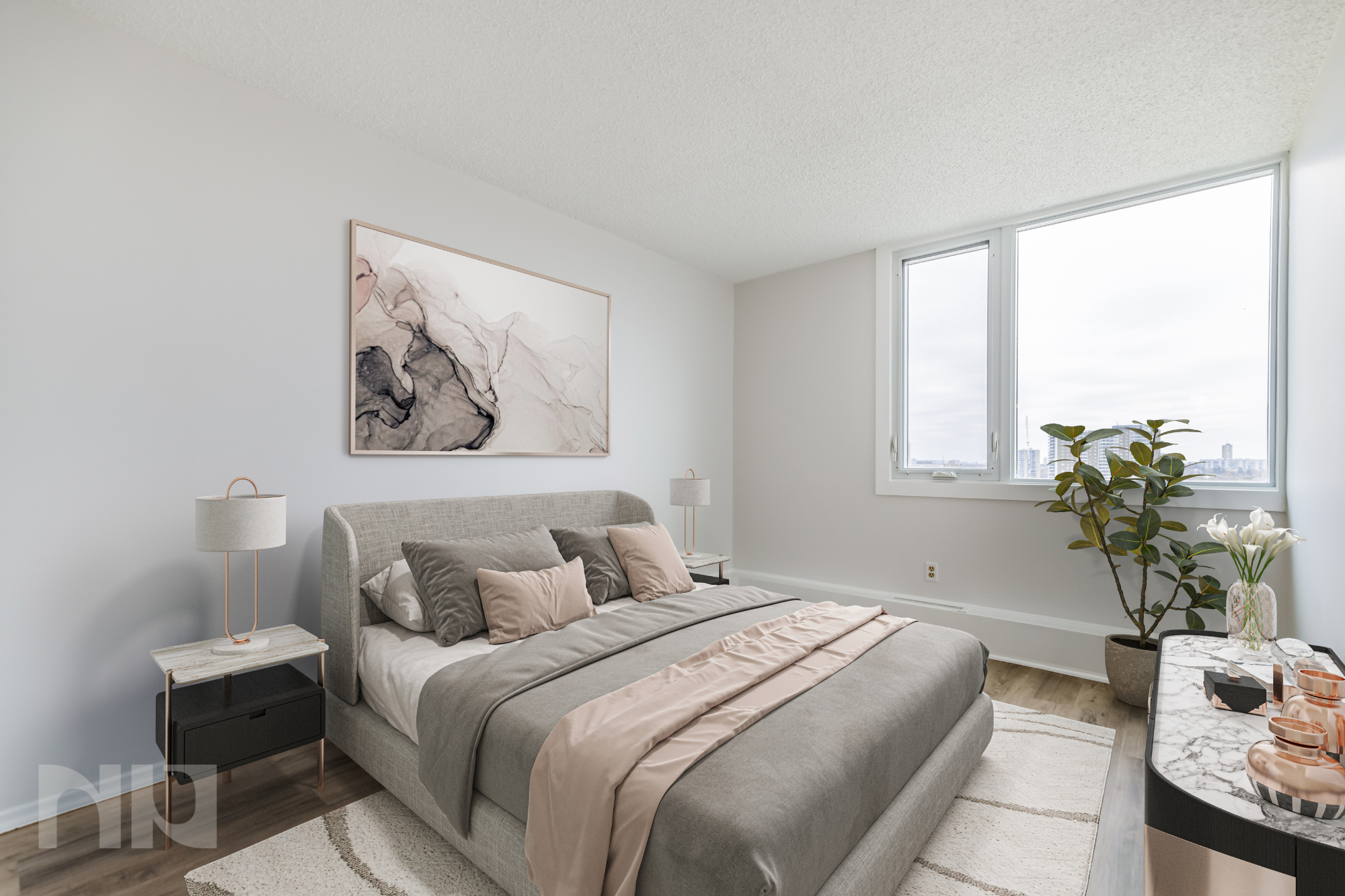
Your condo is listed, the photos look great, and you've had a few showings. But weeks have passed without an offer. What's going on?
Selling a condo comes with some challenges that are different from selling a detached home. Buyers aren't just evaluating your unit. They're comparing it with other condos in your building, neighbouring developments, and properties offering different amenities, monthly fees and layouts.
Sometimes the asking price is the problem. Other times, there are things you can improve before considering a reduction.
If your Ottawa condo has been sitting on the market longer than expected, here are seven things worth investigating.
First, What's Happening in Ottawa's Condo Market?
Ottawa's apartment-style housing market has experienced a noticeable slowdown in 2026.
According to the Ottawa Real Estate Board's September 2026 market report:
Apartment sales fell 24.8% compared with September 2025, with 121 transactions recorded.
Months of apartment inventory reached 7.3, up from 6.3 in August.
The apartment benchmark price was $380,800, down 6.1% year over year.
The sales-to-new-listings ratio was 27%, meaning approximately 27 apartment properties sold for every 100 new listings entering the market that month.
These figures suggest buyers have more choice relative to the number of properties selling.
That matters when you're trying to sell a condo.
However, apartment-style property statistics don't capture every condominium type or every individual building. A luxury unit overlooking the Rideau River may perform very differently from a one-bedroom apartment downtown.
The important question isn't simply whether Ottawa's condo market is slow.
It's whether your particular property is competing effectively against the other options available to buyers.
1. You're Competing With Other Units in Your Own Building
One of the biggest differences between selling a condo and selling a detached home is how directly buyers can compare your property with others.
Imagine you're selling a two-bedroom unit for $489,000.
Another owner in your building lists a similar floor plan for $475,000, while a third unit with an updated kitchen is available for $499,000.
All three units offer the same general location, building amenities and neighbourhood access.
For buyers, that makes the differences between individual units much more important.
Your unit might have better natural light, an unobstructed view, a more desirable floor or an included parking space. But if those advantages aren't clear, buyers may gravitate toward the less expensive option.
What to check:
Are any other units currently for sale in your building?
What have similar units in the building actually sold for recently?
How do their floor plans, views, finishes and included features compare with yours?
Are competing units offering parking or storage lockers?
Have other sellers recently reduced their prices?
Start with your own building, then expand to comparable developments nearby.
And remember that an asking price isn't the same as a sale price.
A similar unit listed for $525,000 doesn't establish that your condo is worth $525,000. Recent completed transactions usually provide a more useful starting point.
2. Buyers May Be Looking at the Monthly Condo Fees
When someone purchases a condo, the asking price is only part of the financial picture.
Buyers also need to consider monthly common expenses, property taxes, utilities, insurance and their mortgage payment.
That means two condos with similar purchase prices can have very different monthly ownership costs.
Consider these hypothetical examples:
Condo A
Asking price: $425,000
Monthly condo fees: $375
Condo B
Asking price: $425,000
Monthly condo fees: $750
The second property costs an additional $375 per month in condo fees, or $4,500 annually.
For some buyers, that's a meaningful difference.
But higher condo fees aren't automatically a disadvantage.
One building might include heating, water, building insurance, concierge services or extensive amenities in its monthly fees, while another may offer fewer services and require owners to pay certain utilities separately.
What to check:
How do your monthly fees compare with similar units in competing buildings?
Which utilities and services are included?
Are there amenities or services that help explain the fees?
Have fees increased recently?
Are buyers receiving a clear explanation of what they're paying for?
If your condo has relatively high fees, transparency matters.
Instead of simply listing the monthly amount, make sure potential buyers can understand what's included and how those costs compare with alternative properties.
3. Your Parking Situation Could Be Limiting Your Buyer Pool
Parking can be a surprisingly important part of a condo sale, depending on the location and the type of buyer.
Someone looking for a downtown studio near an O-Train station might be perfectly comfortable without a parking space.
A buyer considering a two-bedroom condo farther from rapid transit may view parking as essential.
Even within the same building, a unit with parking and one without may appeal to different buyers.
What to check:
Does your unit include a parking space?
Is the space owned, exclusive-use or available through another arrangement?
Is the parking space conveniently located and accessible?
Are there opportunities to rent or purchase parking separately, and are they permitted by the building?
How much have comparable units with and without parking recently sold for?
It's also important to make the parking arrangement clear in your listing.
A unit advertised with parking should accurately describe what's included in the sale and any associated costs.
If your property doesn't include parking, that doesn't necessarily mean it's difficult to sell. But you need to understand who your likely buyers are and what other advantages your condo offers.
For example, proximity to transit, grocery stores, offices and everyday services may be particularly relevant to buyers who don't own a vehicle.
4. The Building Itself May Be Influencing Buyers' Decisions
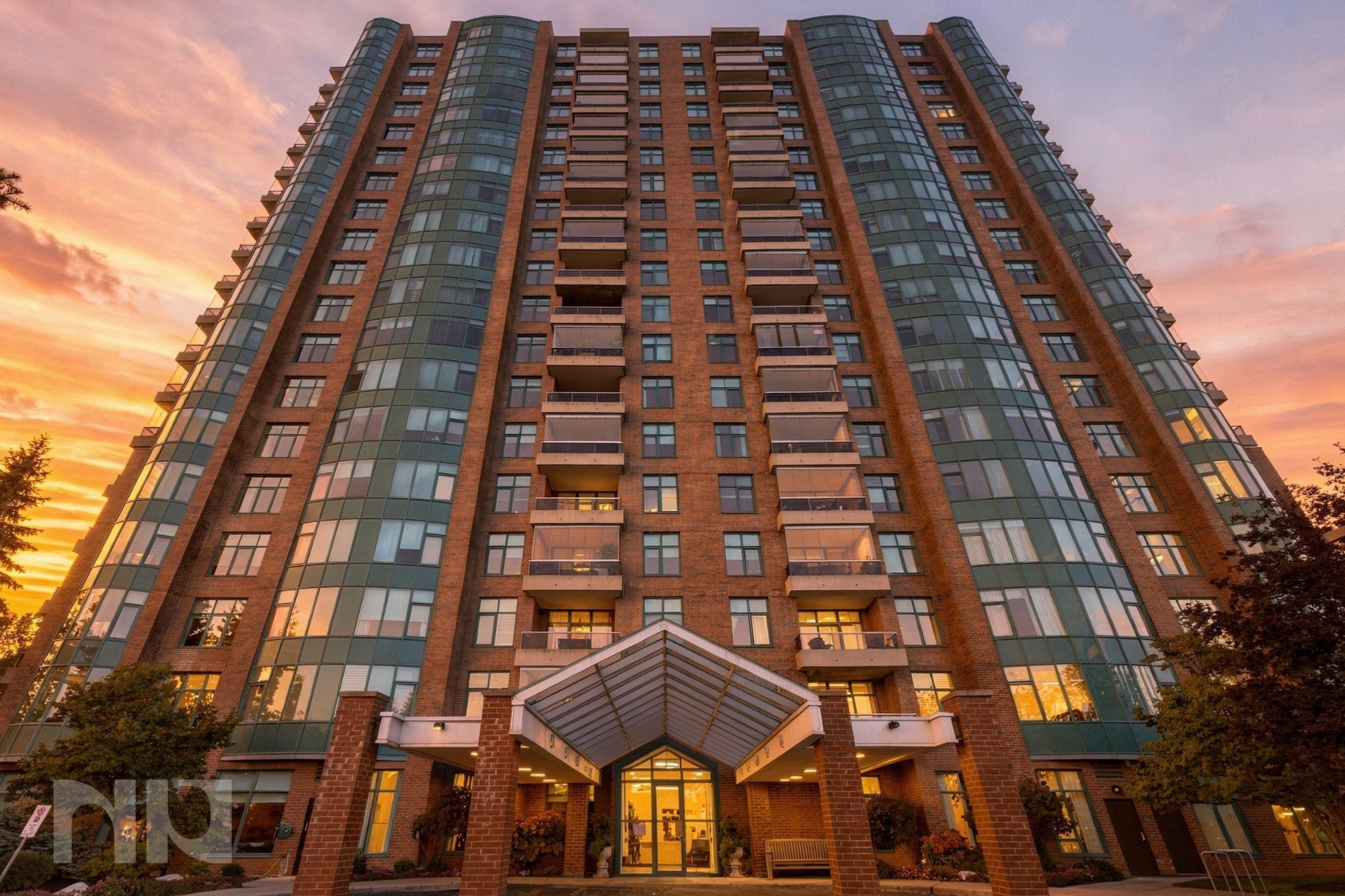
When someone buys a condo, they're purchasing more than the space inside their unit.
They're also becoming part of a condominium corporation responsible for managing and maintaining shared property.
That means the building's financial position, maintenance history and future expenses can influence a purchasing decision.
In Ontario, resale condo buyers commonly review a status certificate and supporting documents to better understand the corporation and their potential obligations.
These documents can provide information about:
The corporation's budget and financial statements
Reserve fund information
Current common expenses
Special assessments
Relevant litigation
Condominium rules and governing documents
A buyer who learns about significant upcoming repairs or financial concerns may decide not to proceed, even if they love the unit.
What can sellers do?
If buyers are repeatedly raising concerns about the building, discuss those concerns with your agent and gather accurate, current information from the condominium corporation or property manager.
Where appropriate, having a recent status certificate package available can help interested buyers and their lawyers review the relevant details.
You can't control every decision made by the condominium board, and you shouldn't minimize legitimate financial or maintenance concerns.
But you can help make sure buyers receive clear information rather than leaving them to make assumptions.
5. Your Listing Might Not Be Showing the Unit's Best Features
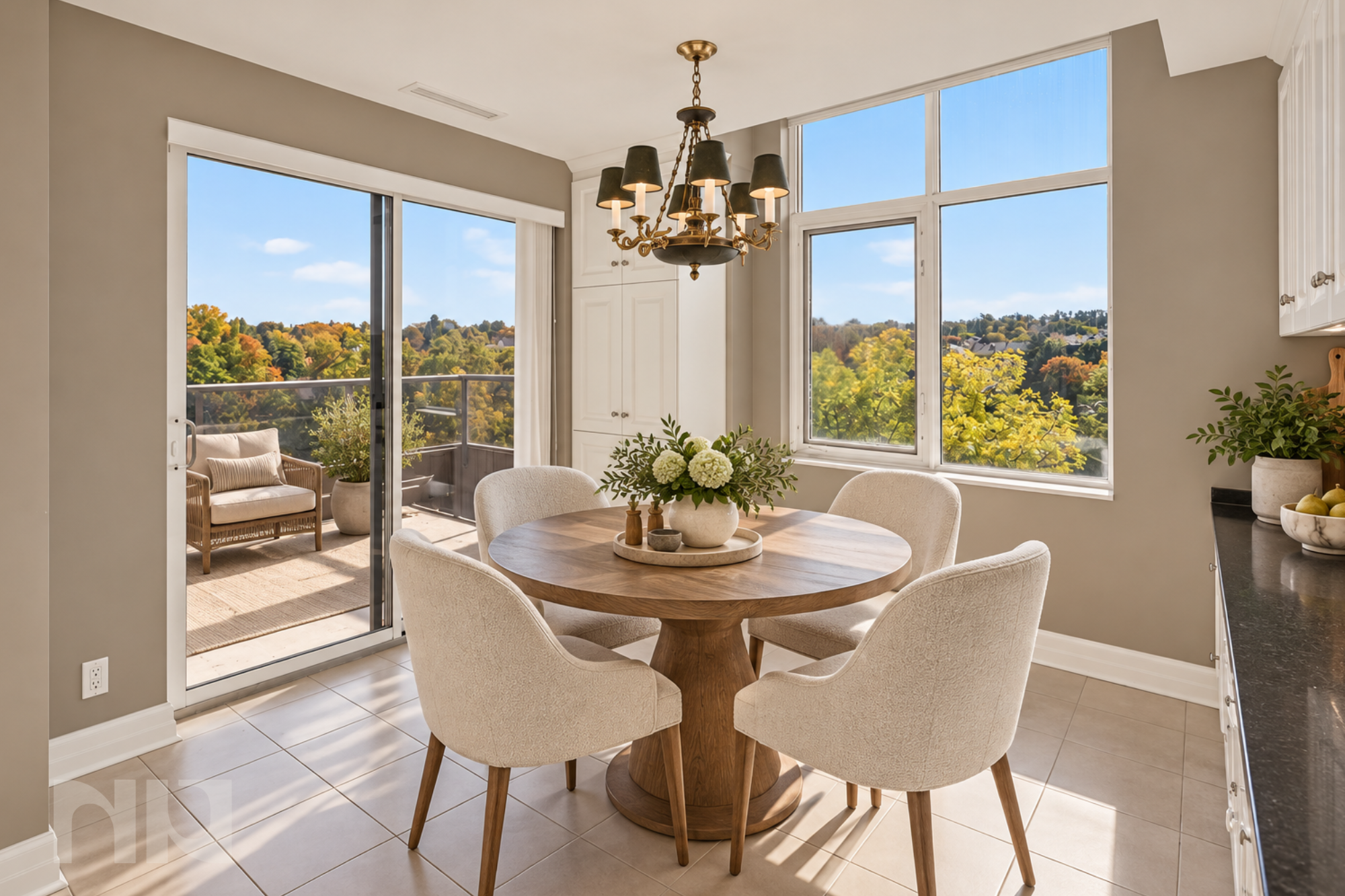
Condo photography presents a different challenge from photographing a detached house.
Spaces may be smaller, natural light can vary significantly depending on the unit's exposure, and buyers often need help understanding how the rooms connect.
A poorly photographed condo can feel cramped, dark or awkwardly arranged, even when the actual space is practical and well designed.
Review your listing as though you're seeing it for the first time.
Does the photo gallery clearly show:
The living and dining areas?
The kitchen layout and available counter space?
The bedrooms and how furniture might fit?
Natural light, windows and views?
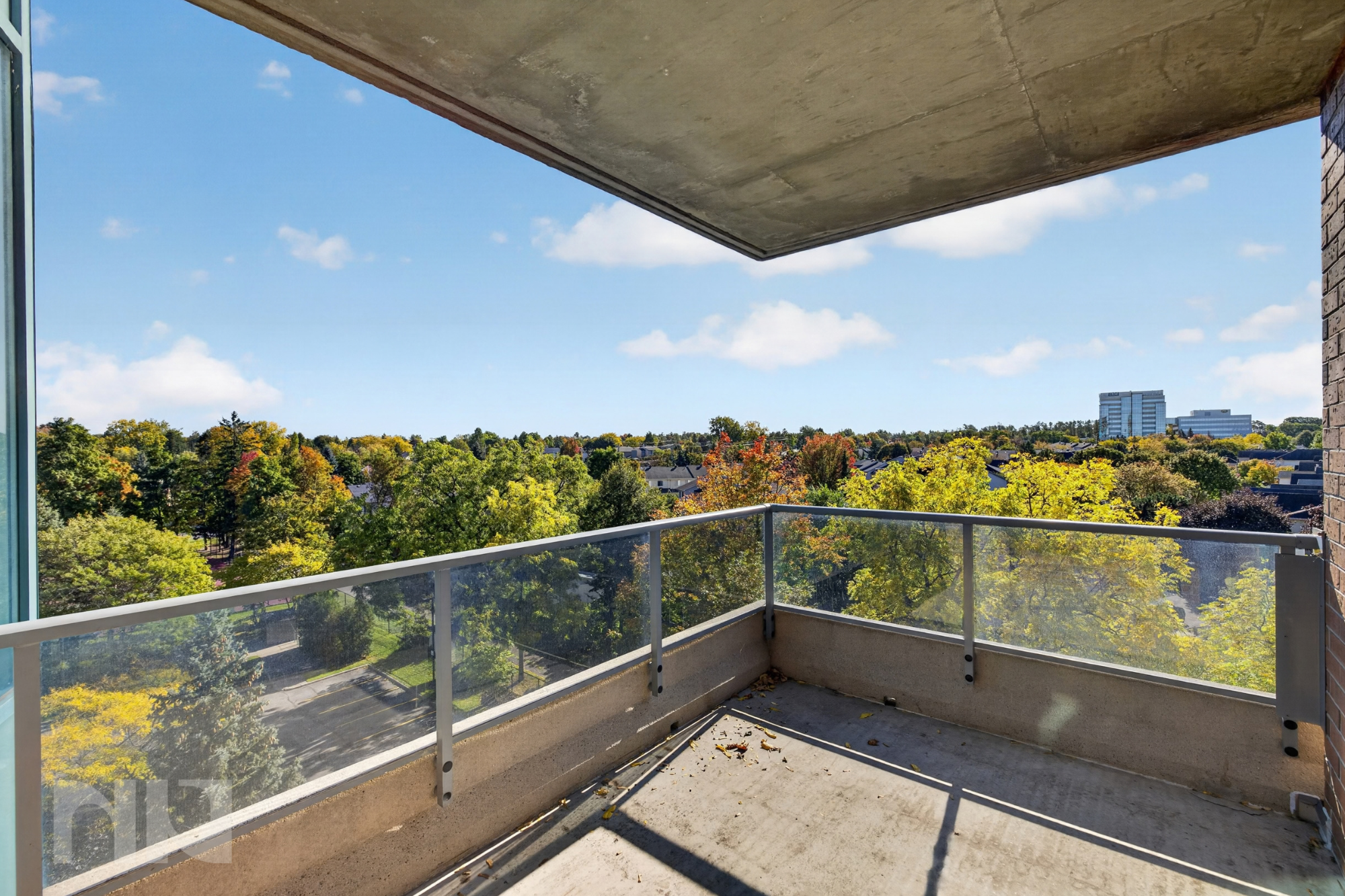
The balcony or outdoor space, if applicable?
Building amenities that are genuinely available to residents?
Floor plans can also be especially helpful for condos.
Two units advertised with the same square footage can feel completely different because of their layouts.
A well-designed one-bedroom with usable storage and clearly defined living areas might appeal to buyers more than a larger unit with an awkward floor plan.
If your condo has a distinctive feature, whether that's an oversized balcony, a separate den, a particularly functional kitchen or unobstructed views, make sure the marketing gives it appropriate attention.
You want buyers to understand what makes the space worth considering before they arrive for a showing.
6. Buyers Might Be Comparing Your Condo With Newer Buildings
Your competition doesn't necessarily stop at resale units in the same building.
Depending on the location and price range, buyers might also be considering newer condo developments, recently completed buildings or available builder inventory.
These properties can sometimes offer contemporary finishes, different amenities or incentives that affect how buyers perceive value.
That doesn't mean newer buildings are automatically better.
An older condo may offer advantages such as a larger floor plan, more established surroundings, different building amenities or a more spacious balcony.
But those benefits need to be evident.
What to check:
What newer condo options are available within a similar price range?
Are buyers comparing your unit with properties that offer different finishes or amenities?
Does your building offer advantages that competing developments don't?
Are there meaningful differences in square footage, monthly fees, parking or storage?
How do total ownership costs compare?
For example, a larger two-bedroom condo in an established building may offer considerably more usable space than a newer unit with a similar asking price.
If that's one of your property's strongest advantages, make sure buyers can easily identify it.
The goal isn't to make an older condo look like a new development.
It's to communicate why someone might prefer the property you have.
7. Your Asking Price May No Longer Reflect the Current Competition
Even a well-presented condo in a desirable building can struggle to sell if buyers don't see enough value at the asking price.
This is particularly important in a market where inventory has increased and buyers have more options.
Suppose you listed your condo at $499,000 based on comparable sales from several months earlier.
Since then, two similar units in your building have sold for $475,000 and $480,000.
Those transactions may influence how buyers evaluate your property, even if your unit offers some additional features.
That doesn't automatically mean you need to match the lower prices.
But you do need to understand whether the differences between those units and yours justify the gap.
Before reducing the price, ask:
Are comparable units selling while yours remains available?
Have similar properties recently sold below your asking price?
Are buyers consistently raising concerns about value?
Has the competition changed since you first listed?
Would an adjustment meaningfully improve your position against comparable listings?
The number of days your condo has been listed is important, but it isn't the only factor.
A unit that's been available for 45 days in a building where comparable properties regularly take 60 days to sell is in a different position from one that's been available for 90 days while competing units sell within a few weeks.
Understanding that context can help you avoid unnecessary reductions while recognizing when a pricing change is justified.
Should You Lower Your Condo's Asking Price?
Sometimes, yes.
If your condo is well presented, competitively marketed and accessible for showings, but similar properties are consistently selling for less, a price adjustment may be the most practical next step.
However, reducing the asking price without reviewing the underlying issues can mean giving up money unnecessarily.
Before making that decision, it's worth reviewing three areas:
1. The unit: Its condition, layout, finishes, photography and features.
2. The building: Monthly fees, amenities, maintenance history, financial information and competing listings.
3. The market: Recent comparable sales, current inventory, buyer feedback and demand within your price range.
Looking at all three provides a much clearer picture than relying on days on market alone.
What If Your Condo Isn't Getting Any Showings?
There's also an important difference between a listing that's receiving showings without offers and one that's barely receiving attention.
If buyers aren't booking appointments, start by reviewing how the listing appears online, how it compares with alternatives and whether the asking price is attracting the right audience.
If buyers are visiting but not making offers, the showing experience and feedback become particularly valuable.
Are they concerned about the layout? The building? The monthly costs? The condition of the unit?
One negative comment doesn't necessarily mean there's a problem.
But when several independent buyers raise the same concern, that's information worth investigating.
The Bottom Line: Why Isn't Your Ottawa Condo Selling?
There isn't one explanation that applies to every property.
A unit might be competing with several similar listings in the same building. Buyers might be concerned about monthly ownership costs. Or the asking price may no longer reflect what comparable condos are selling for.
The important thing is to identify which factors are actually affecting your listing before deciding what to change.
Ottawa's condo market has become more competitive for sellers, but that doesn't mean every condo needs a price reduction to attract interest.
Sometimes better presentation, clearer property information or an improved marketing approach can help.
Other times, adjusting the price is the right move.
At New Purveyors, our condo-focused team helps owners evaluate their property in the context of its building, neighbourhood and current competition.
If you're preparing to sell an Ottawa condo, or your listing hasn't received the response you expected, we're happy to help you understand your options.