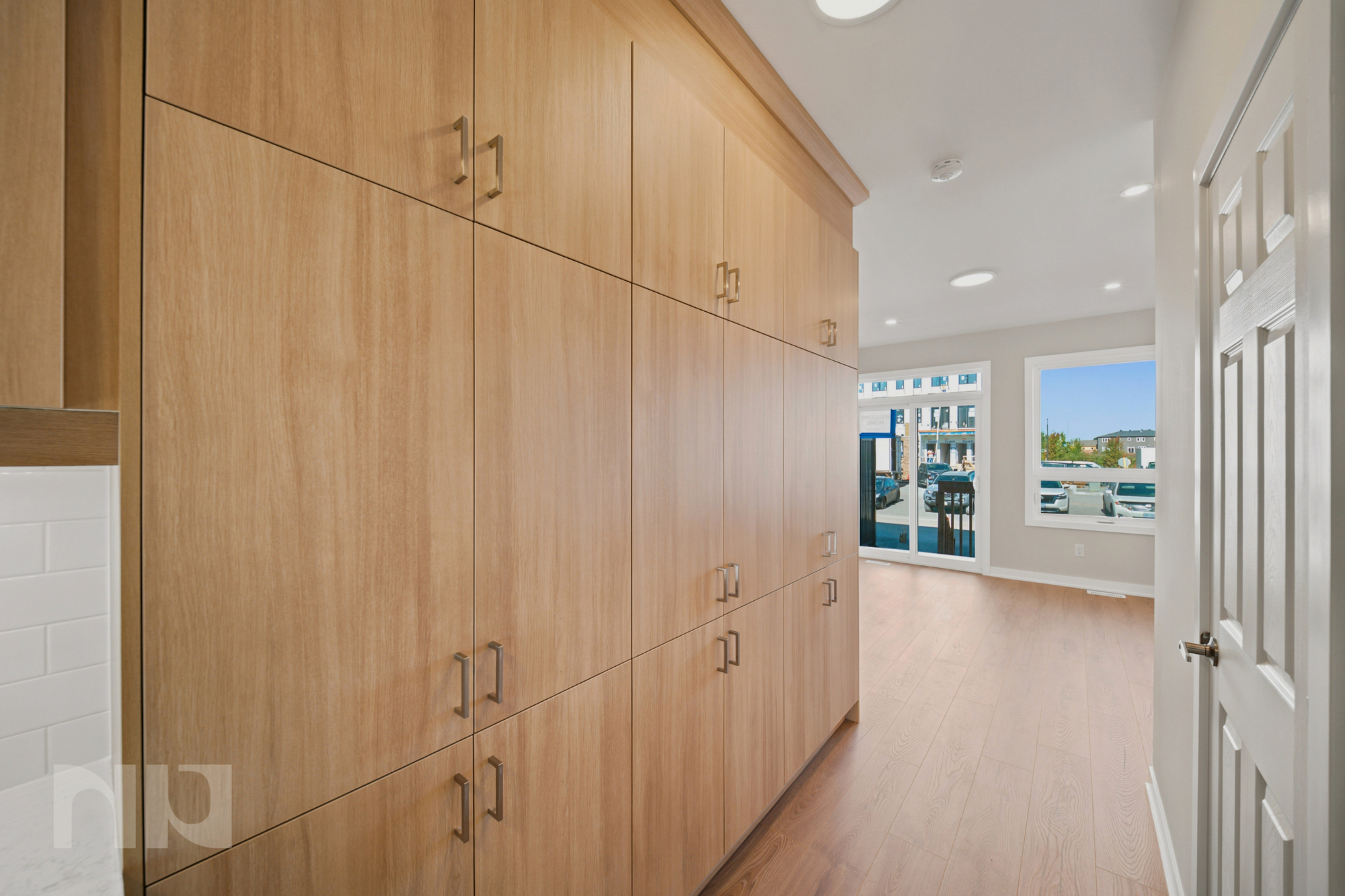
Two townhouses can look almost identical from the street. They might have the same number of bedrooms, similar layouts, private entrances, and even comparable asking prices.
But one could be a freehold townhouse, while the other is a condominium.
That difference affects what you own, what you're responsible for maintaining, and how much you pay each month.
If you're shopping for a townhouse in Ottawa, understanding the ownership structure is just as important as comparing the properties themselves.
What Is a Freehold Townhouse?
When you purchase a conventional freehold townhouse, you generally own both the home and the land it sits on.
That means you're responsible for maintaining the property, including the roof, exterior, driveway, landscaping, and other components within your ownership.
You also have more independence when making decisions about your property, although municipal bylaws, easements, shared-wall arrangements, and other legal restrictions can still apply.
There typically isn't a condominium corporation collecting monthly fees or arranging maintenance on your behalf.
However, that doesn't mean ownership is necessarily cheaper.
When your roof needs replacing or your driveway requires repairs, those expenses are yours to manage.
What Is a Condo Townhouse?
A condo townhouse looks and functions much like a traditional townhouse, but it operates within a condominium ownership structure.
You own your individual unit and share an ownership interest in the condominium's common elements.
The condominium corporation manages common property and collects monthly fees from owners to fund its operations, maintenance, insurance obligations, and reserve fund.
Depending on the development, common elements could include private roads, landscaping, exterior building components, or shared amenities.
The important distinction is that not every condo townhouse includes the same maintenance services.
Some corporations handle significant exterior maintenance, while others leave more responsibilities to individual owners.
The condominium's declaration determines the boundaries of your unit and helps establish which responsibilities belong to you and which belong to the corporation.
What About POTL Townhouses in Ottawa?
There's another ownership arrangement buyers may encounter: a Parcel of Tied Land, commonly called a POTL.
With this structure, you own a freehold property, but your ownership is legally connected to a common elements condominium corporation.
For example, you might own your entire townhouse and its lot while sharing responsibility for a private roadway or other communal infrastructure.
The corporation collects common expenses to maintain those shared elements.
This means a property can resemble a conventional freehold townhouse while still carrying monthly fees and obligations to a condominium corporation.
Before purchasing a POTL property, buyers should understand exactly which elements are shared, what the fees cover, and whether there are upcoming expenses.
Are Condo Townhouses Cheaper Than Freehold Townhouses?
Not necessarily.
A condo townhouse may have a lower asking price than a comparable freehold property, but that doesn't automatically make it less expensive to own.
Consider two hypothetical Ottawa townhouses.
The first costs $450,000 and has monthly condominium fees of $400.
The second costs $475,000 with no monthly condo fees.
The first property carries an additional $4,800 annually in condominium fees. Over five years, that totals $24,000, assuming the fees remain unchanged.
But those fees may cover services and maintenance that the freehold owner would otherwise pay for independently.
The freehold owner also needs to budget for expenses such as exterior repairs, roof replacement, and landscaping.
A useful comparison looks at the purchase price, property taxes, insurance, ongoing maintenance, condominium fees, and anticipated repairs rather than focusing on one number.
What Should You Check Before Buying a Condo Townhouse?
Before making a firm commitment, buyers should understand the responsibilities attached to the property.
In particular, it's worth investigating:
Exterior maintenance: Who is responsible for the roof, windows, siding, and exterior doors?
Snow removal and landscaping: Does the corporation maintain private driveways and yards, or only shared areas?
Condo fees: What expenses are included, and have fees increased recently?
Reserve fund: Is the corporation setting aside appropriate funds for anticipated major repairs?
Property restrictions: Are there rules affecting pets, exterior modifications, parking, or landscaping?
Special assessments: Are additional charges outstanding or being considered?
For resale condominium units, the status certificate provides important information about the corporation's finances, governing documents, and potential financial obligations.
The Condominium Authority of Ontario recommends having a lawyer review this documentation before purchasing.
For POTL properties, a lawyer should also examine the title and the relevant common elements condominium documents to identify the obligations attached to the property.
Which Type of Townhouse Is Better?
Neither ownership structure is automatically better.
A freehold townhouse may appeal to buyers who want greater independence and prefer to manage their own property maintenance.
A condominium townhouse may suit buyers who appreciate shared maintenance arrangements and are comfortable following condominium rules.
A POTL property can offer a different combination of individual ownership and shared infrastructure.
Ultimately, the right choice depends on your budget, preferred level of responsibility, and how the particular development is managed.
Buying a Townhouse in Ottawa?
When comparing Ottawa townhouses, it's important to understand more than the floor plan and asking price.
Two properties that appear similar can come with very different ownership responsibilities and ongoing expenses.
The Matt Richling team helps Ottawa buyers understand these differences, compare properties, and identify the details worth investigating before making an offer.
Thinking about purchasing a townhouse or condominium in Ottawa? Contact our team to explore your options.