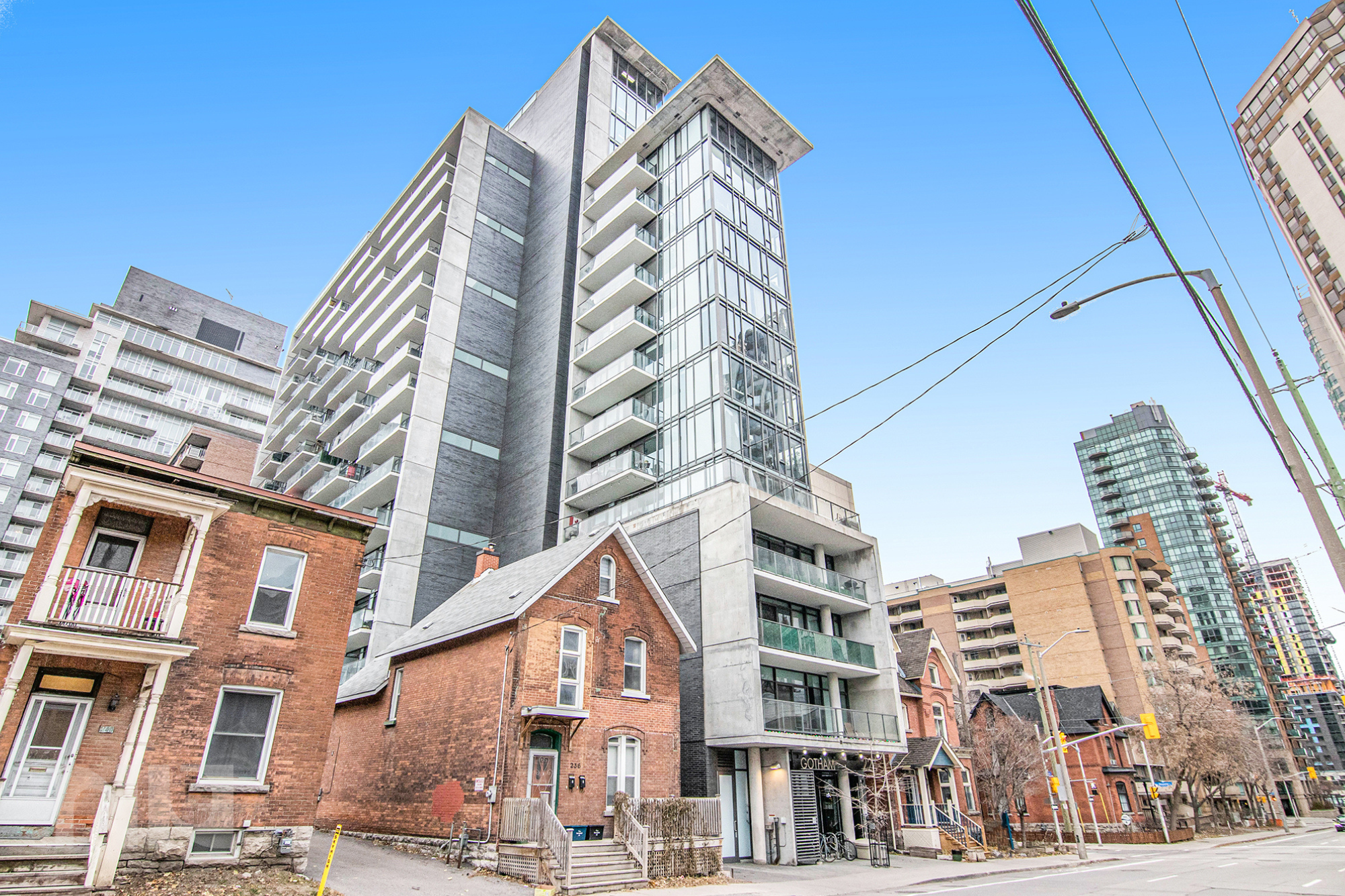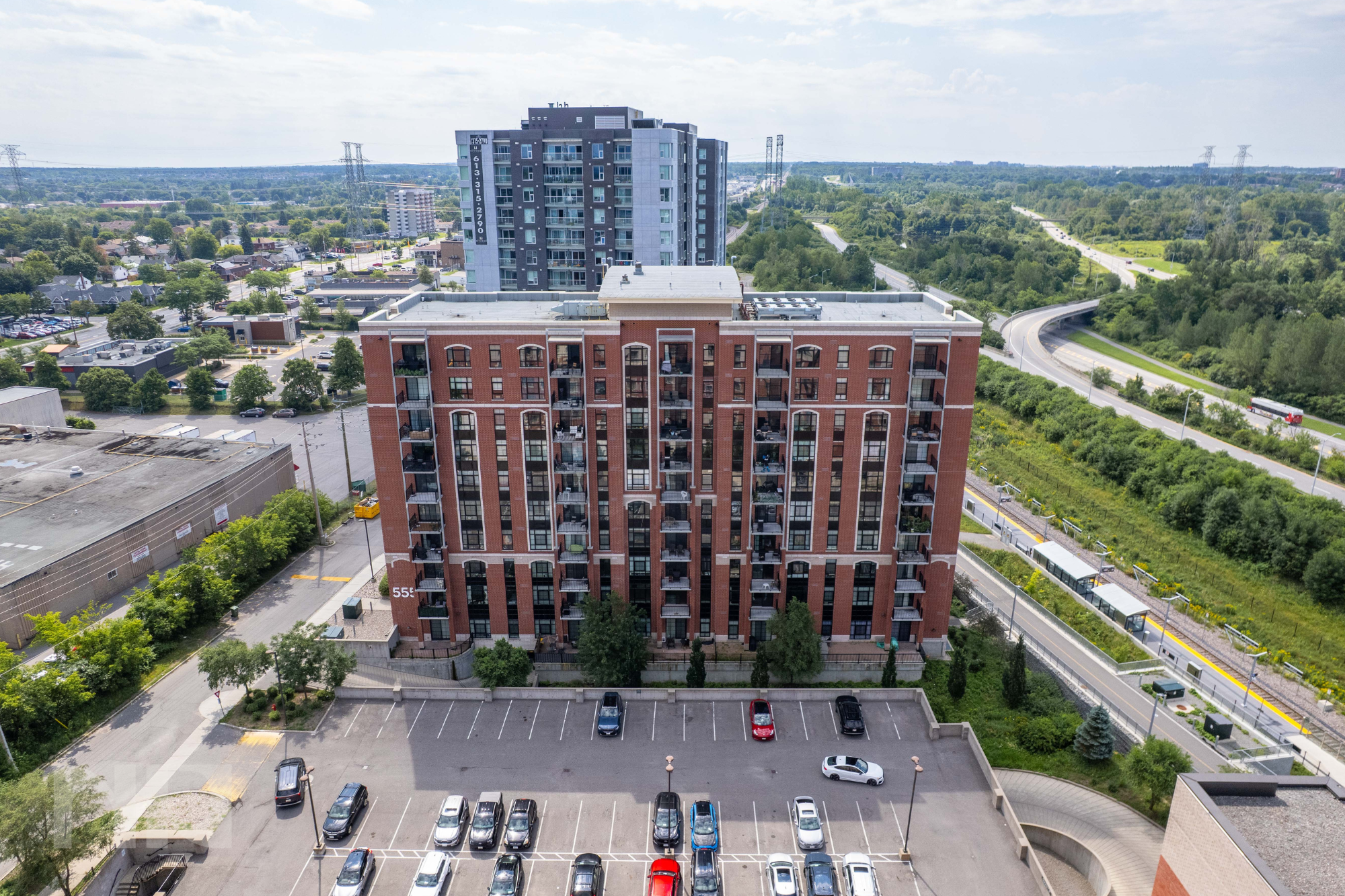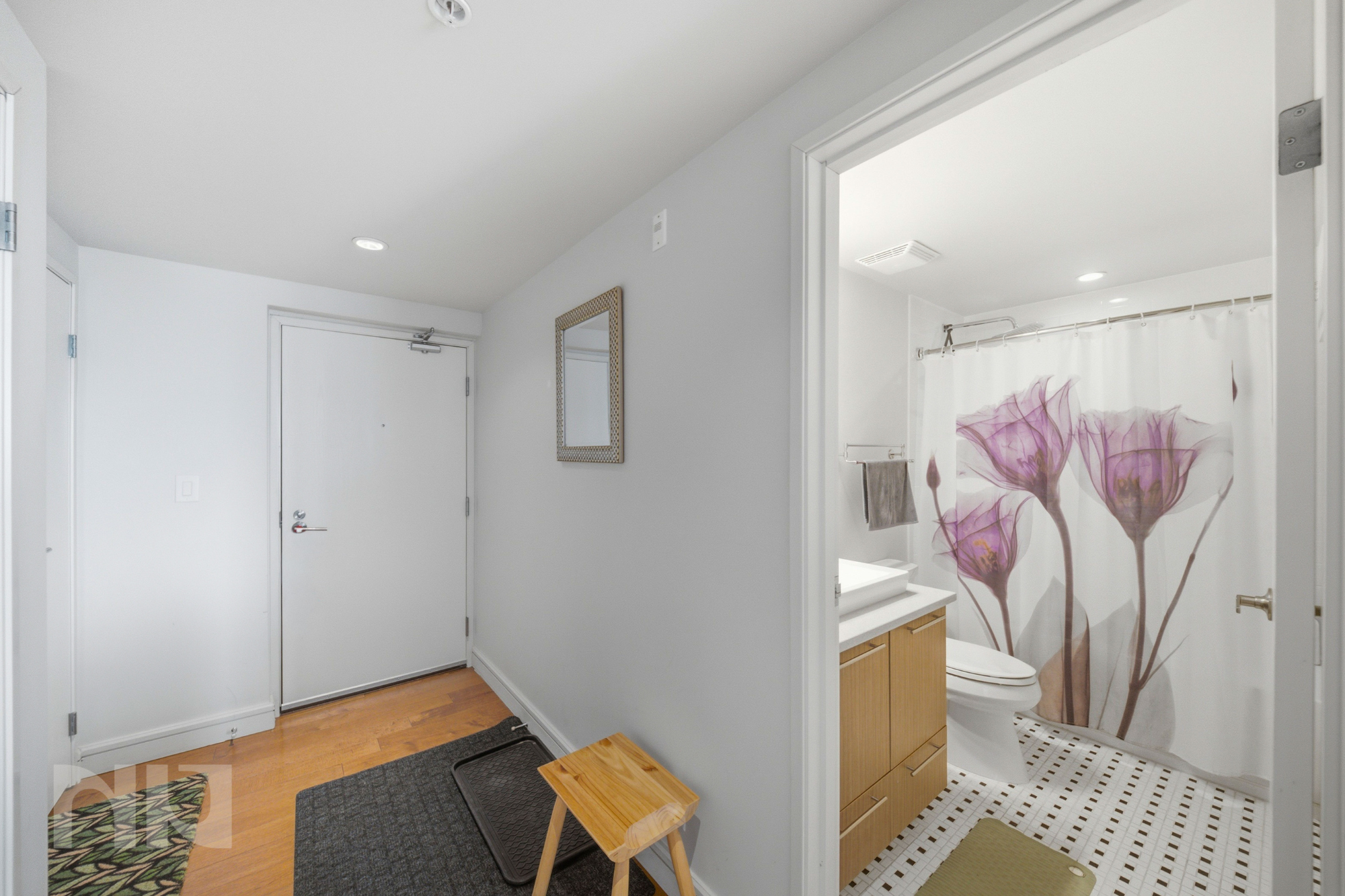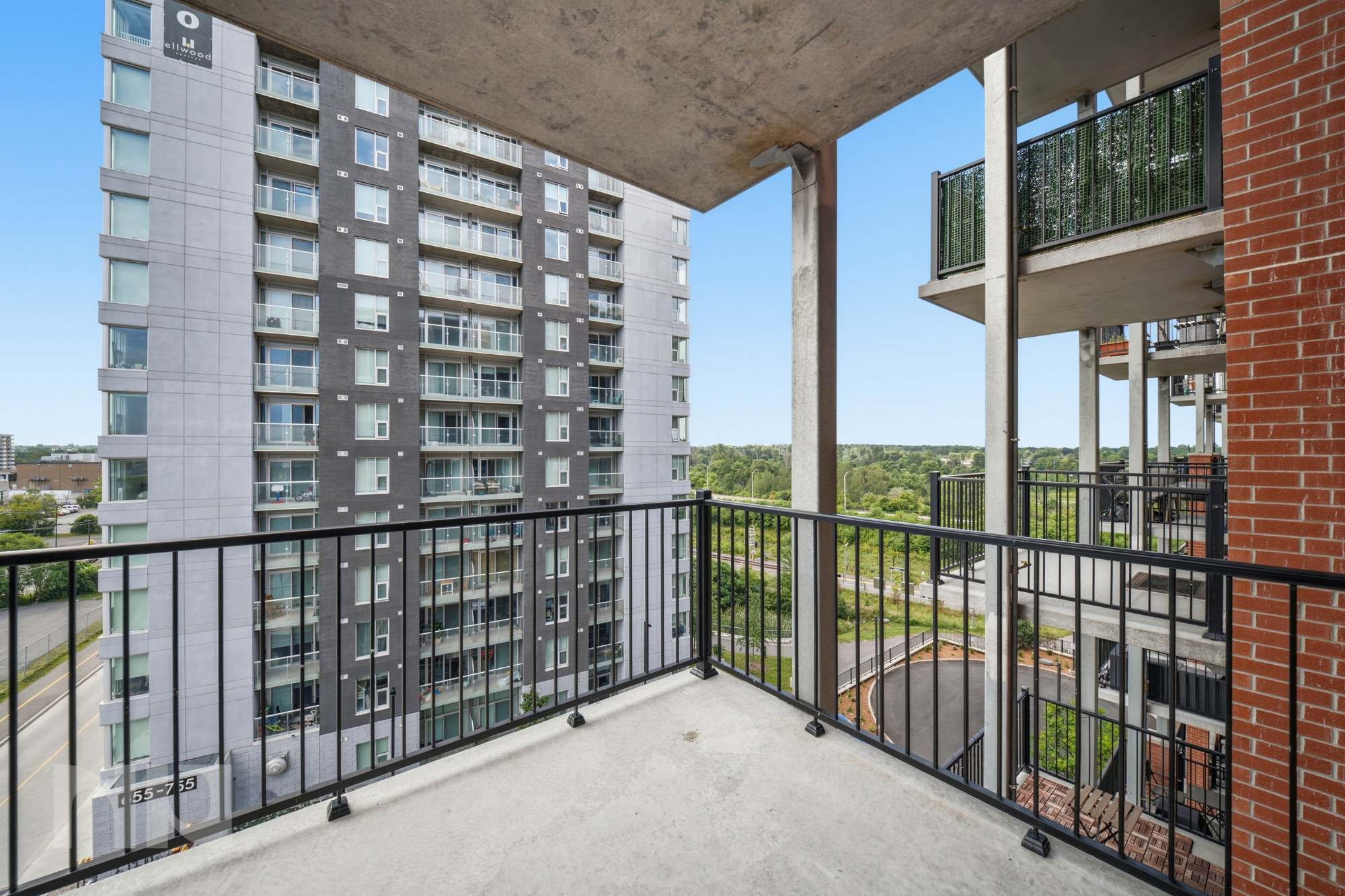
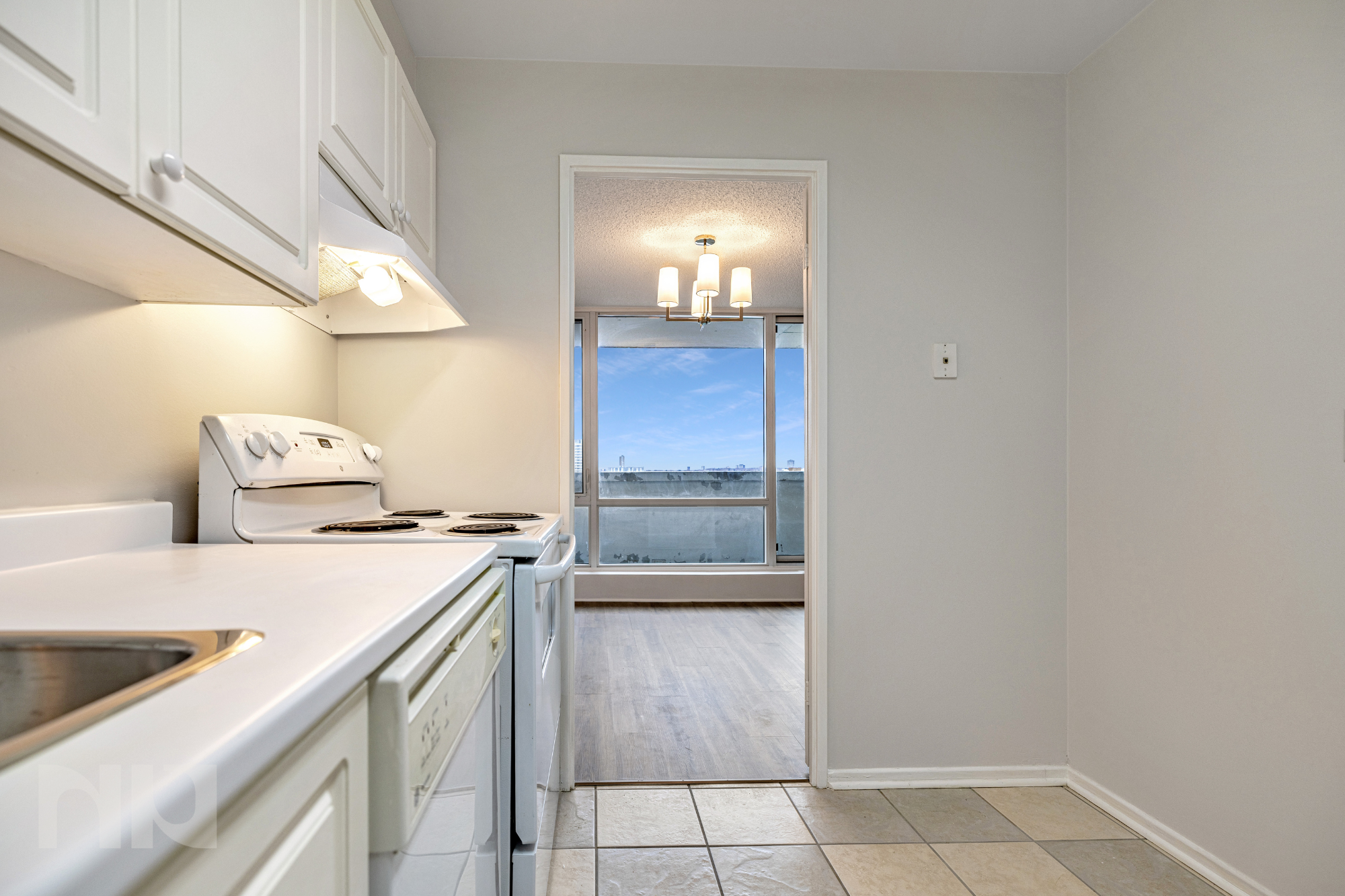
You've found a one-bedroom condo in Ottawa for a price that seems reasonable. Similar units in the building are renting for a decent amount, and you're thinking you could buy it, find a tenant and have someone else help pay down the mortgage.
Sounds straightforward enough.
But can you actually buy a condo and rent it out immediately? And more importantly, how do you know whether the numbers make sense?
Yes, you can generally buy a condo in Ottawa and rent it out as soon as you take possession, provided the building permits your intended rental arrangement and you meet the applicable legal and financing requirements.
There's no universal Ontario rule requiring you to live in a condo for a certain period before renting it out.
However, buying an investment condo involves a few considerations that don't always come up when you're purchasing a place to live.
Here's what to look at before making an offer.
1. First, Make Sure the Condo Can Be Rented the Way You Want
Most Ottawa condominium buildings allow traditional long-term rentals, but don't assume every building has the same rules.
Condo corporations have governing documents that may contain restrictions on how units can be used, including minimum lease terms.
For example, a building might permit one-year residential leases but prohibit short-term furnished rentals.
If you're planning to rent the condo to a tenant for a year, that may be perfectly acceptable. If you're hoping to rent it to travelling professionals for two or three months at a time, you need to look more closely.
Airbnb is another matter entirely.
Ottawa's short-term rental rules generally require hosts to operate from their principal residence, and condominium corporations may also prohibit short-term rentals.
Buying a typical condo exclusively to operate it as a full-time Airbnb is therefore not a strategy you should assume is permitted.
Before buying, review the building's declaration, by-laws and rules with your lawyer.
2. The Rent Isn't Necessarily Going to Cover Your Expenses
This is where we'd encourage buyers to spend the most time.
Let's say you're considering a condo with the following projected monthly costs.
These numbers are hypothetical and intended to demonstrate the calculation, not represent current Ottawa market averages.
Monthly expenseAmountMortgage payment$1,650Condo fees$475Property taxes$250Landlord insurance$45Maintenance reserve$100Total expenses$2,520
Now let's assume you can rent the unit for $2,200 per month.
Your monthly cash flow would be:
$2,200 in rent − $2,520 in expenses = −$320 per month.
That's a projected shortfall of $3,840 per year, before accounting for vacancy, leasing fees or unexpected costs.
Does that automatically make it a bad investment?
Not necessarily.
Part of your mortgage payment reduces the amount you owe, building equity over time. The property could also appreciate, although that isn't guaranteed.
But there's a big difference between building equity and having money available to cover your monthly expenses.
A condo can be building equity while still costing you money every month.
You should understand both sides of that equation before purchasing.
3. Condo Fees Can Make or Break the Calculation
Two condos with similar purchase prices and rental potential can have very different monthly carrying costs.
Imagine comparing two Ottawa one-bedroom units.
One has $350 monthly condo fees. The other has $750.
That's a difference of $400 per month, or $4,800 annually.
Of course, the higher-fee building might include heating, water or other services that the lower-fee building charges separately.
That's why you need to compare what the fees actually cover, not just the headline number.
It's also important to look at the financial health of the condominium corporation.
Before buying, have your lawyer review the status certificate and relevant financial documents, including:
The current operating budget
Reserve fund information
Recent or anticipated increases in common expenses
Any declared or anticipated special assessments
Relevant litigation or major building repairs
A unit with relatively low condo fees isn't automatically a better investment if the building is underfunded or facing significant expenses.
And a well-managed building with higher fees may be easier to own over the long term.
4. Buying an Investment Condo Can Change Your Mortgage Requirements
If you're buying a condo specifically to rent it out, make that clear to your mortgage professional from the beginning.
Financing a non-owner-occupied investment property isn't necessarily the same as financing your principal residence.
Lenders may apply different down payment requirements, qualification standards and approaches to calculating rental income.
You also shouldn't assume that every dollar of projected rent will count toward your mortgage qualification.
Some lenders use only a portion of rental income, while others assess rental income and expenses using different methods.
This matters particularly if you're purchasing your first investment property and relying on anticipated rent to qualify for the mortgage.
Before submitting an offer, confirm that your financing is based on the property being a rental.
You don't want to discover that your mortgage approval was based on an owner-occupied purchase when your actual plan is to lease the unit immediately.
5. Find Out Whether the Condo Is Rent-Controlled
This is an important question for Ottawa condo investors.
Under Ontario's Residential Tenancies Act, most covered rental units are subject to rules limiting how frequently rent can increase and how much it can increase annually.
However, certain newer units are exempt from the provincial rent increase guideline.
Generally, residential units in buildings first occupied for residential purposes after November 15, 2018, are exempt from the annual guideline.
That doesn't mean landlords can change the rent whenever they want. Other legal notice and timing requirements still apply.
For buildings covered by the guideline, the annual limit can affect how rental income changes over time.
For qualifying newer buildings, landlords may have greater flexibility when setting future increases for an existing tenant.
The important detail is the building's first residential occupancy date, not when you purchased the condo or when your tenant moved in.
If you're comparing an older downtown Ottawa condo with a newer building, this is worth investigating before making a decision.
You can review the province's residential rent increase rules here.
6. What if the Condo Already Has a Tenant?
Buying an already rented condo can be appealing because you may start receiving rental income immediately after closing.
But you also inherit an existing landlord-tenant relationship.
In Ontario, selling a rental property doesn't generally terminate the tenant's lease.
As the new owner, you normally take over the existing landlord's obligations.
Before buying, request information about:
The current monthly rent
The tenancy agreement and any amendments
When the tenancy began
Which utilities, parking or storage arrangements are included
The last rent increase
Any outstanding maintenance issues or disputes
The last month's rent deposit and applicable interest
That existing rent amount is especially important.
A unit advertised as capable of renting for $2,300 per month isn't necessarily going to generate $2,300 if there's already a tenant paying $1,750.
You generally cannot increase an existing tenant's rent to market value simply because you've purchased the property.
And if you eventually want to move into the condo yourself, there are specific legal requirements for ending a tenancy for personal use.
Don't assume you'll automatically receive vacant possession unless that's been properly addressed in the purchase agreement and through the applicable legal process.
7. Don't Forget the Costs Before Your First Tenant Moves In
Even if the unit is vacant and available for immediate rental, it may not generate income the day you close.
You might need to paint, clean, replace appliances, arrange photography, advertise the listing or schedule repairs.
There may also be a gap between closing and the start of the first tenancy.
For example, if it takes six weeks to find and move in a suitable tenant, you'll still be responsible for the mortgage, condo fees, insurance and property taxes during that time.
Some buildings also require move-in bookings, elevator reservations or compliance with specific moving procedures.
These aren't necessarily major obstacles, but they're real considerations when calculating how much cash you'll need.
An investment property should be financially manageable even when it isn't collecting rent.
8. How Does Income Tax Work on an Ottawa Rental Condo?
Rental income generally needs to be reported to the Canada Revenue Agency.
Landlords can deduct certain eligible expenses incurred to earn that income, which may include mortgage interest, insurance, property taxes, qualifying condo fees, advertising and certain repairs.
But there's an important distinction.
Your mortgage principal payments aren't deductible rental expenses.
The interest portion may qualify, while the principal portion doesn't.
The CRA also distinguishes between routine repairs and capital improvements, which may receive different tax treatment.
And if you're purchasing a newly built condo directly from a developer, the HST treatment can be different from purchasing a typical resale residential condo.
New rental-property purchases may qualify for applicable HST rebates, but eligibility depends on specific requirements.
In particular, buyers shouldn't assume that a builder's advertised price, which may reflect an owner-occupier rebate arrangement, is necessarily the amount they'll pay when purchasing for investment purposes.
Before purchasing a new-build condo to rent out, confirm the HST obligations and potential rebate eligibility with your lawyer and accountant.
For more information, see the CRA's Rental Income Guide.
9. What Happens After You Find a Tenant?
Once you've purchased the condo and found someone to rent it, you'll need to establish the tenancy properly.
For most private residential tenancies in Ontario, landlords are required to use the province's standard lease.
You'll also need to follow the condominium corporation's notification requirements.
Under Section 83 of Ontario's Condominium Act, an owner who leases a unit must generally notify the corporation within 10 days of entering into the lease, provide the required tenant and lease information, and give the tenant copies of the corporation's declaration, by-laws and rules.
Your tenant is expected to comply with the building's applicable rules, including those concerning noise, smoking, pets, parking and common areas.
And as the owner, you remain responsible for your obligations to the condominium corporation, even when someone else is living in the unit.
Make sure your insurance provider also knows the property is being rented.
So, Is Buying an Ottawa Condo to Rent Out a Good Investment?
It can be, but the answer depends on much more than whether the unit will attract a tenant.
We'd look at three main things before making a recommendation.
First, the numbers. What's the realistic rental income compared with the full cost of ownership? How much would you need to contribute monthly, and could you afford that comfortably?
Second, the building. Are the condo fees reasonable for what's included? Is the corporation financially healthy? Are there major repairs or expenses to consider?
Third, your long-term plans. Are you purchasing for rental income, long-term appreciation, future personal use or a combination of those goals?
Those are very different investment strategies, and the same property won't necessarily suit all of them.
A well-located condo with strong rental demand may still be a poor fit if its ongoing costs stretch your finances too far.
And a condo that doesn't produce positive cash flow immediately isn't automatically a bad investment, provided you understand the costs, risks and potential returns.
The Bottom Line
Yes, you can generally buy an Ottawa condo and rent it out immediately.
But before doing so, make sure the building permits your intended rental arrangement, your financing is appropriate for an investment property and the projected rental income makes sense against your actual expenses.
Pay particular attention to condo fees, the building's finances, existing tenants, rent increase rules and potential vacancies.
At MattRichling.com, our team works with Ottawa condo buyers to look beyond the listing price and evaluate how a property fits their plans.
Whether you're purchasing your first investment property or considering another condo for your portfolio, understanding the building and the numbers before making an offer is an important place to start.