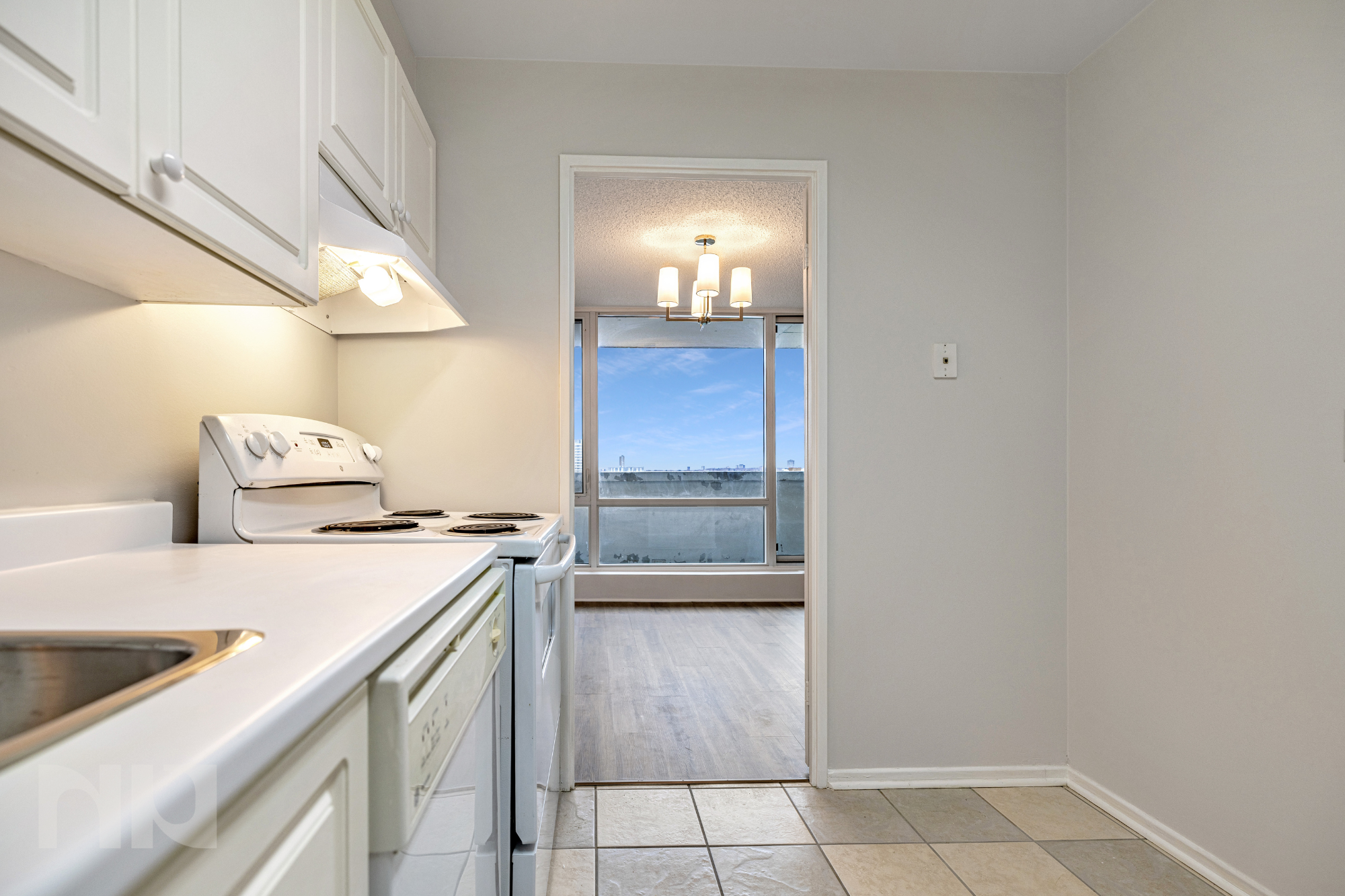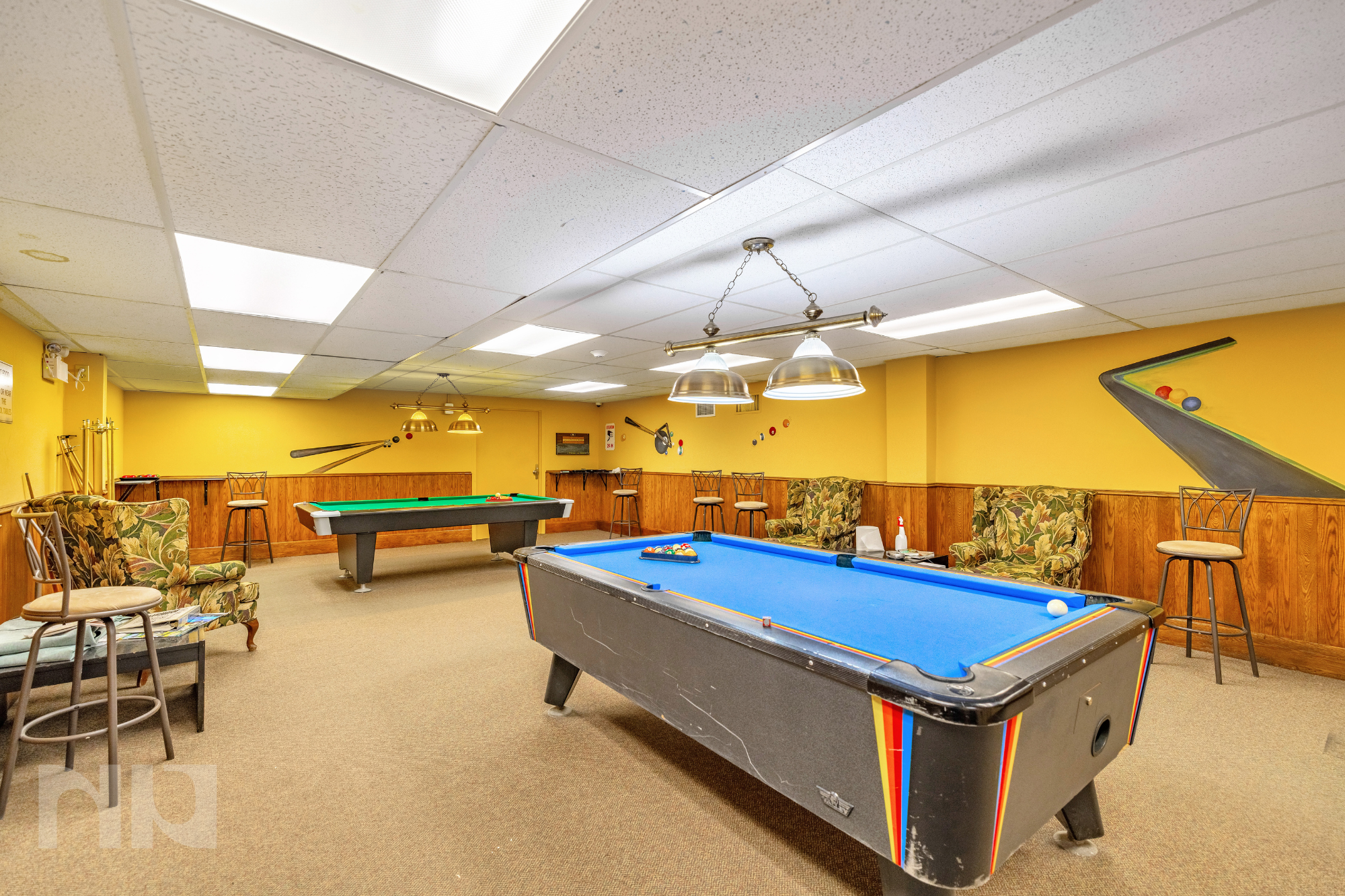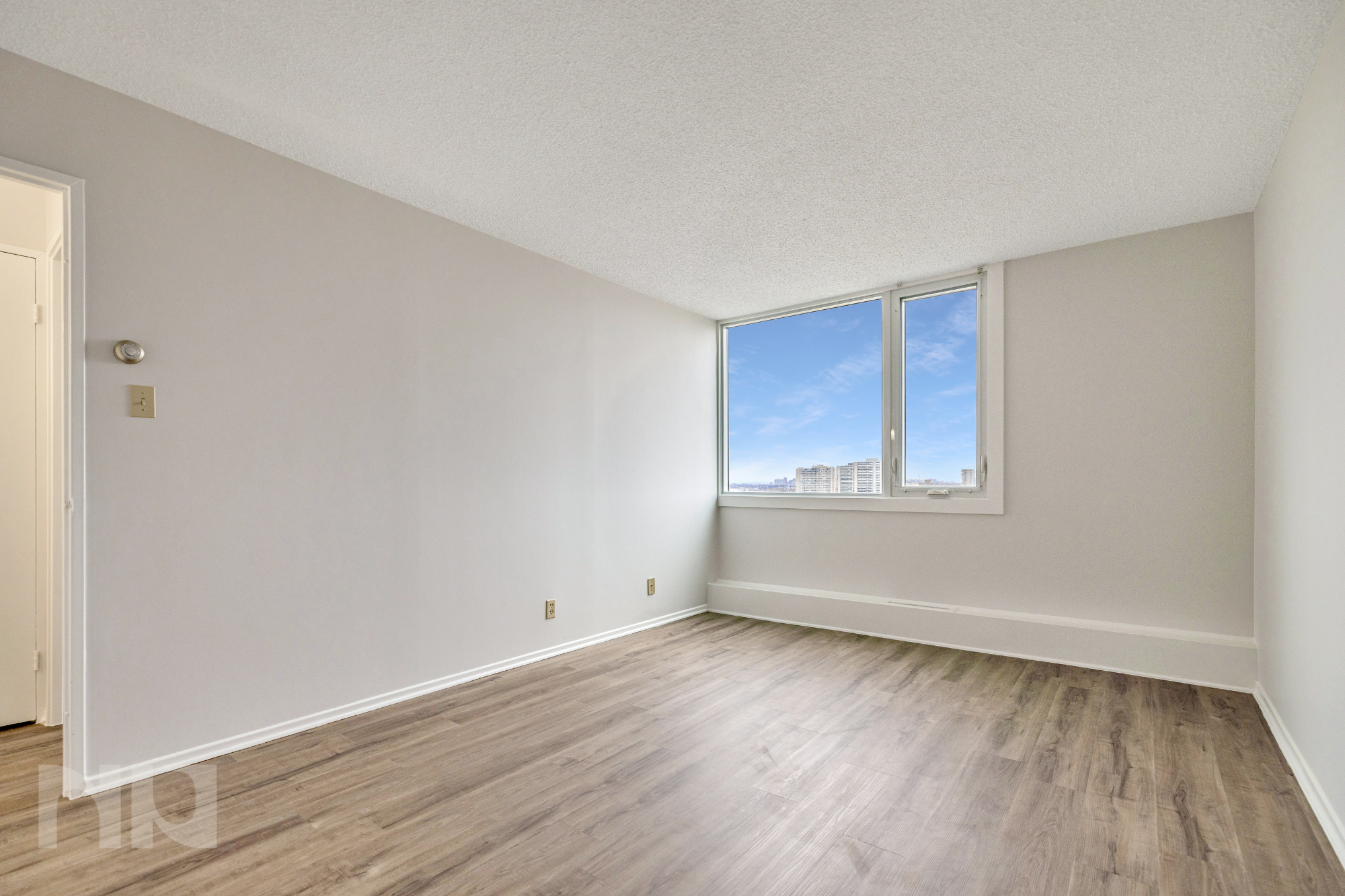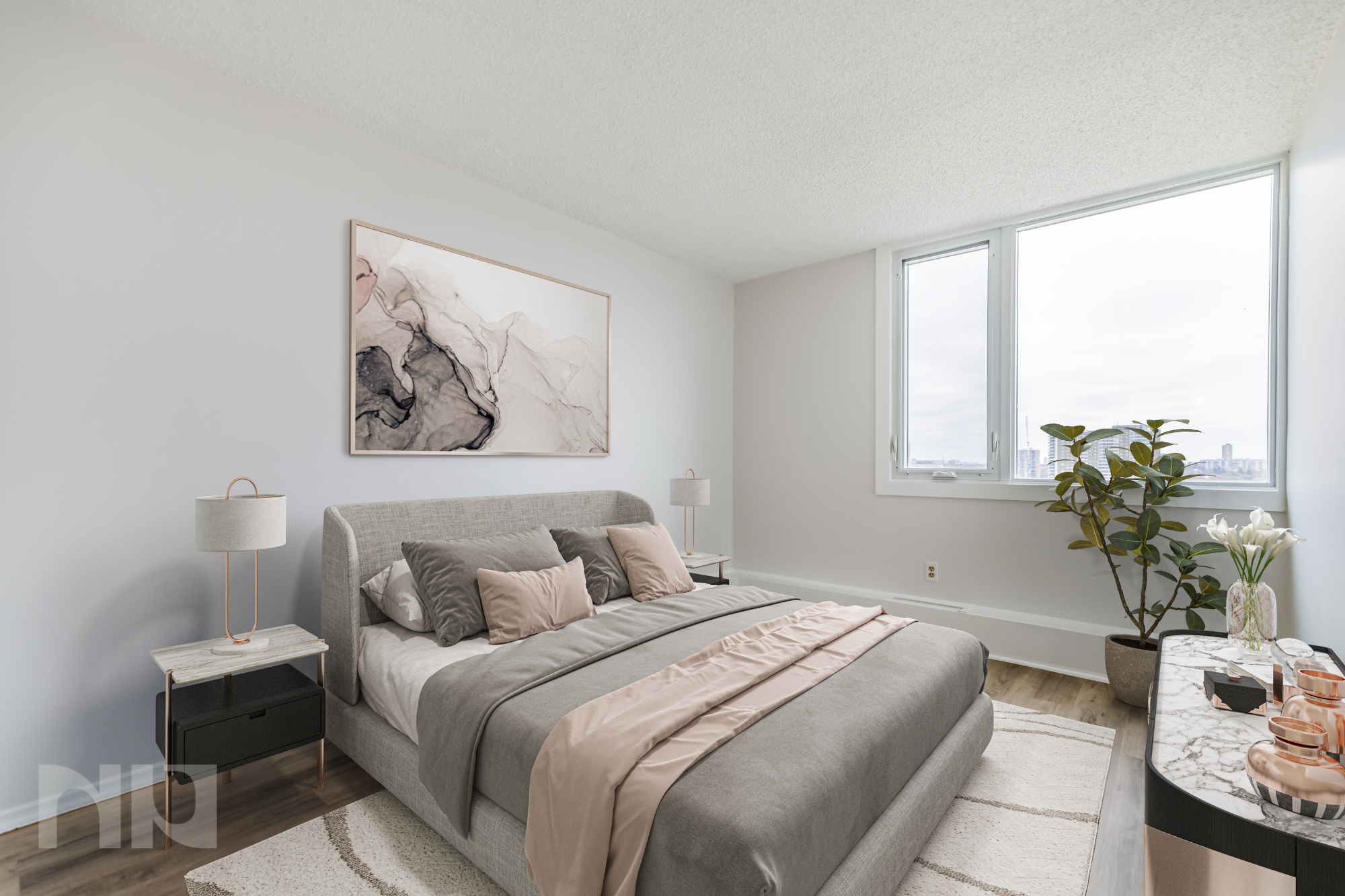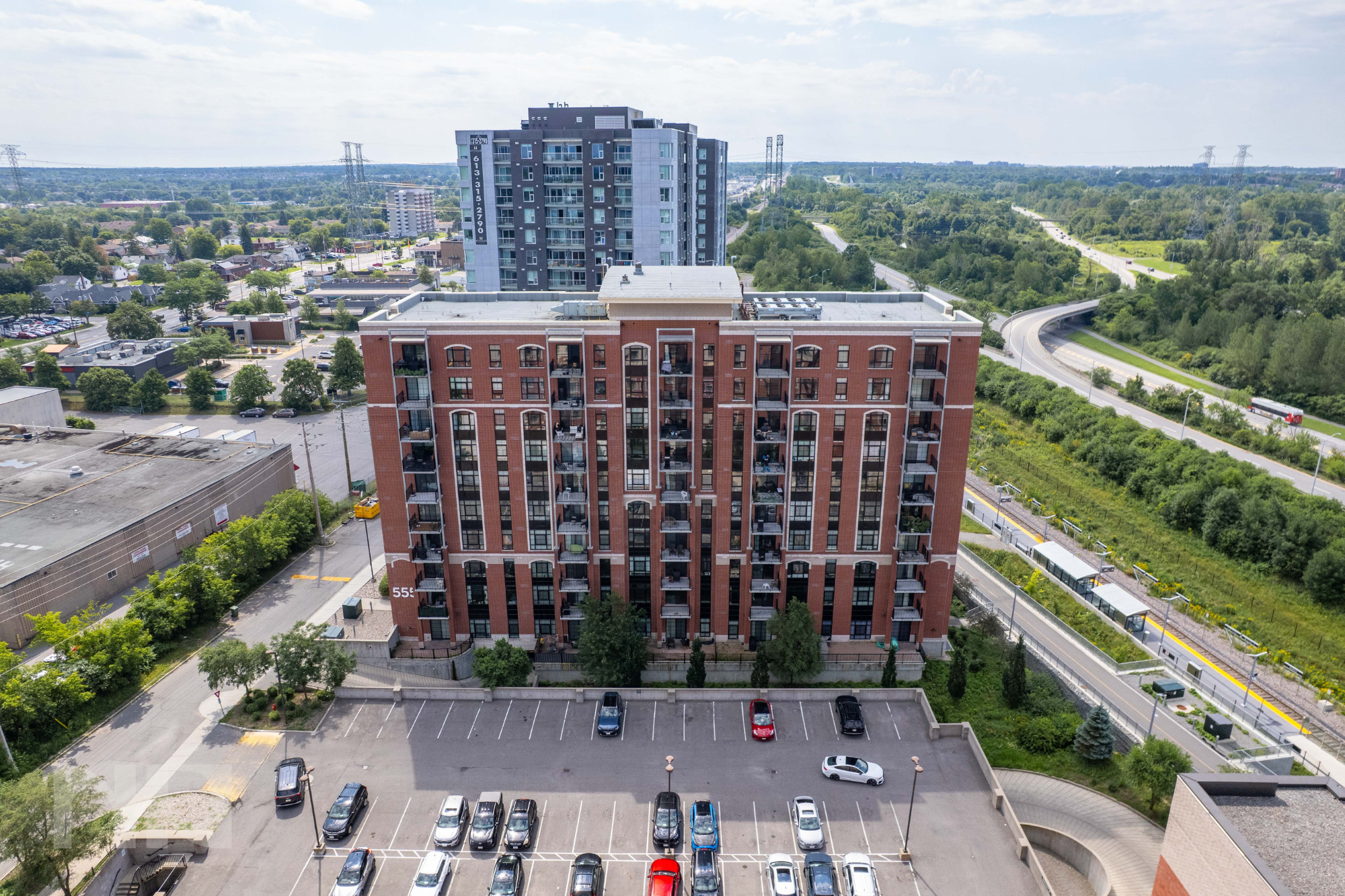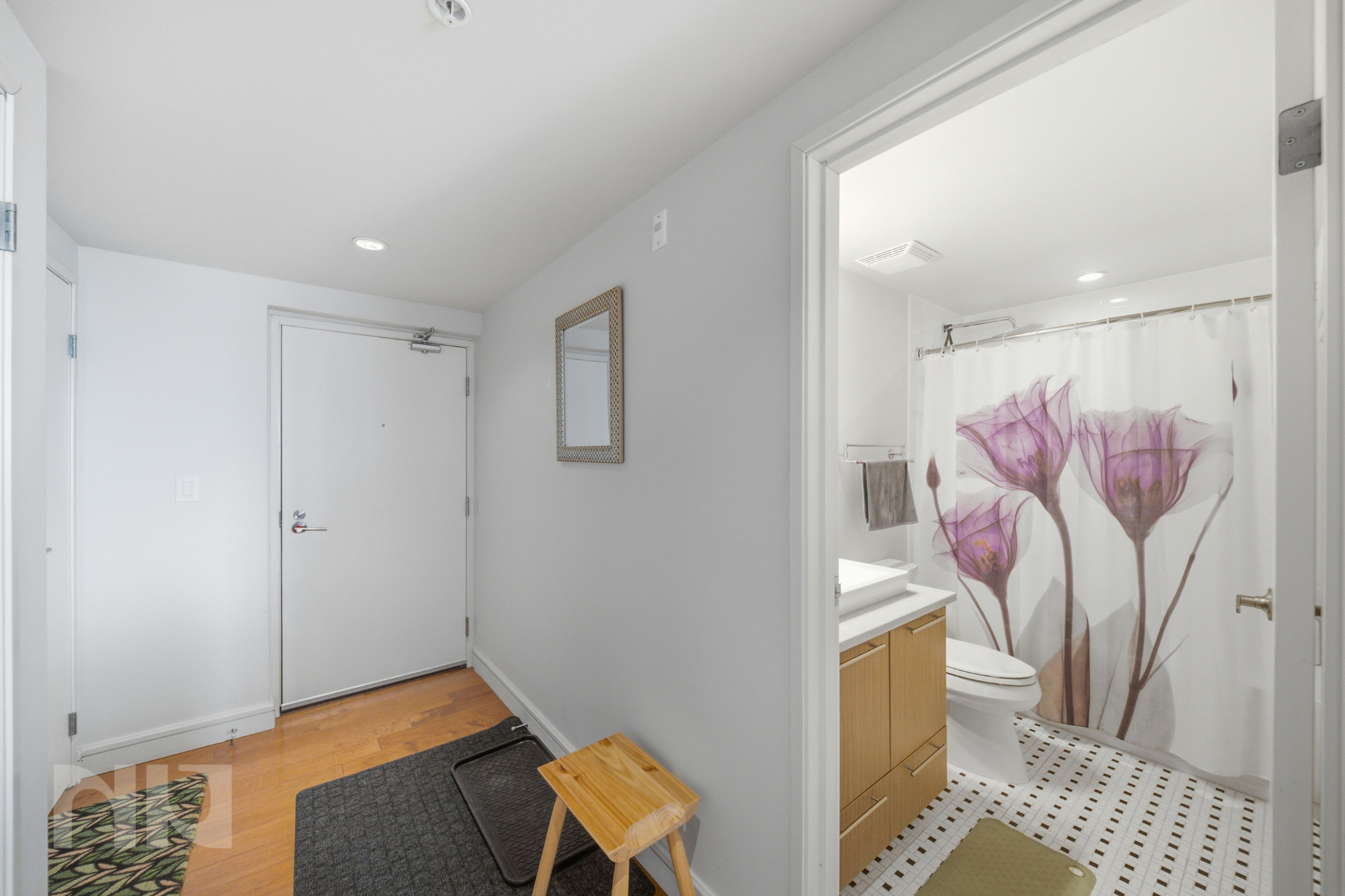
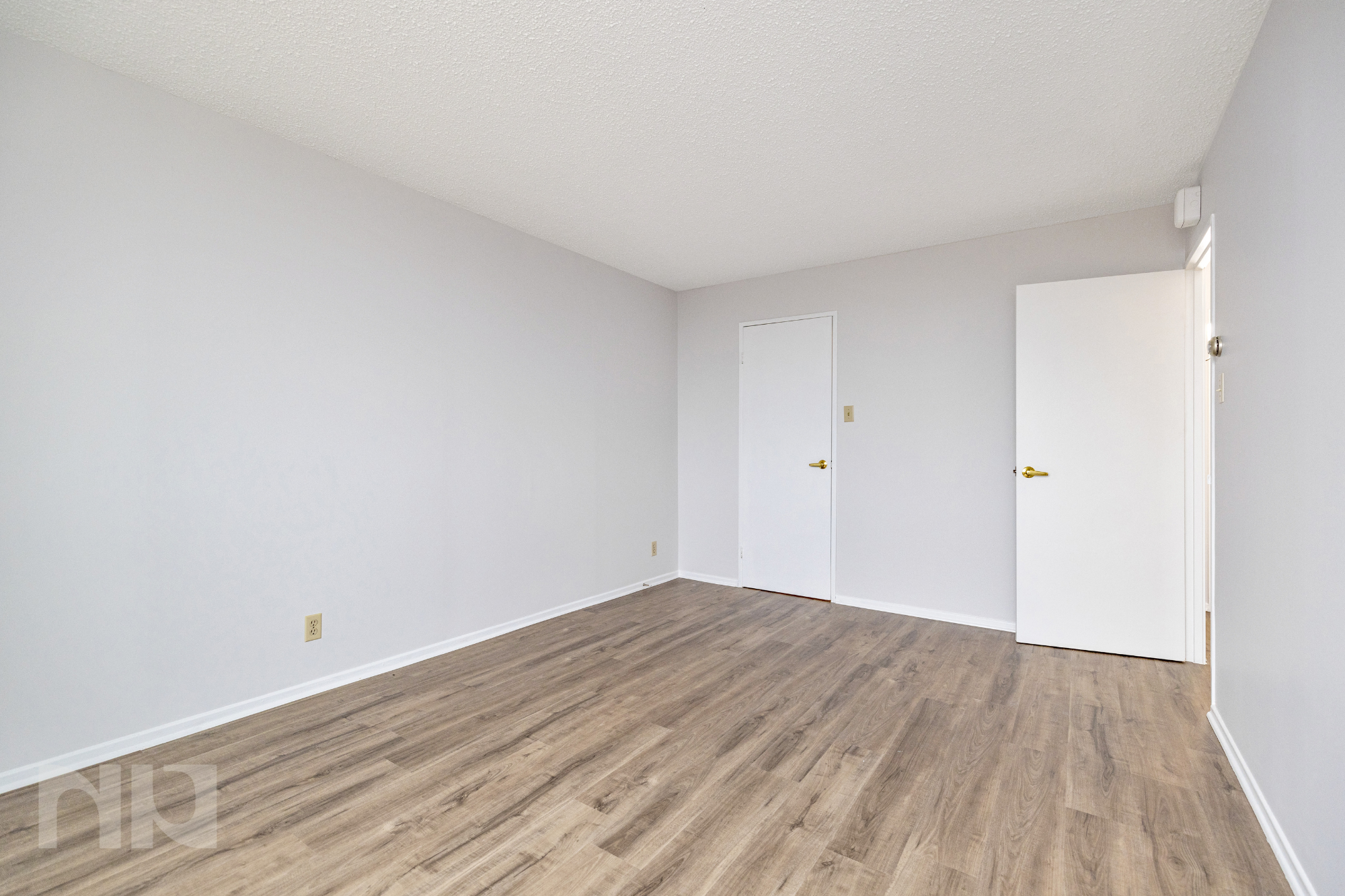
You've found an Ottawa condo in a great location, but the kitchen is dated, the flooring needs replacing, and you'd love to remove a wall to open up the living space.
If you owned a detached home, you'd generally be free to renovate within municipal building regulations.
But in a condo, things work a little differently.
Owning your condo doesn't necessarily mean you can change everything inside it without permission.
Depending on the renovation, you may need approval from the condominium corporation, a building permit, or both.
Here's what Ottawa condo owners and buyers should know before picking up a hammer.
Can You Renovate the Inside of Your Condo Without Board Approval?
Sometimes, yes.
Minor cosmetic updates, like painting walls or replacing cabinet hardware, generally don't require formal approval from your condo board.
But more substantial renovations can be subject to the corporation's declaration, by-laws and rules.
For example, a corporation may require owners to submit renovation plans, provide contractor insurance documentation, or obtain approval before work begins.
These requirements can apply even when the work takes place entirely inside your unit.
The important thing to understand is that condo board approval and municipal building permits are two separate things.
A project might not require a City of Ottawa building permit but could still need approval under your building's rules.
And getting permission from your condo board doesn't exempt you from municipal permit requirements.
1. Can You Remove a Wall in Your Condo?
This is one of the biggest things to investigate before buying a condo with renovation plans.
Maybe you'd like to combine a small kitchen and dining room, create an open-concept living area, or turn two smaller bedrooms into one larger space.
Before assuming that's possible, you'll need to determine whether the wall is structural.
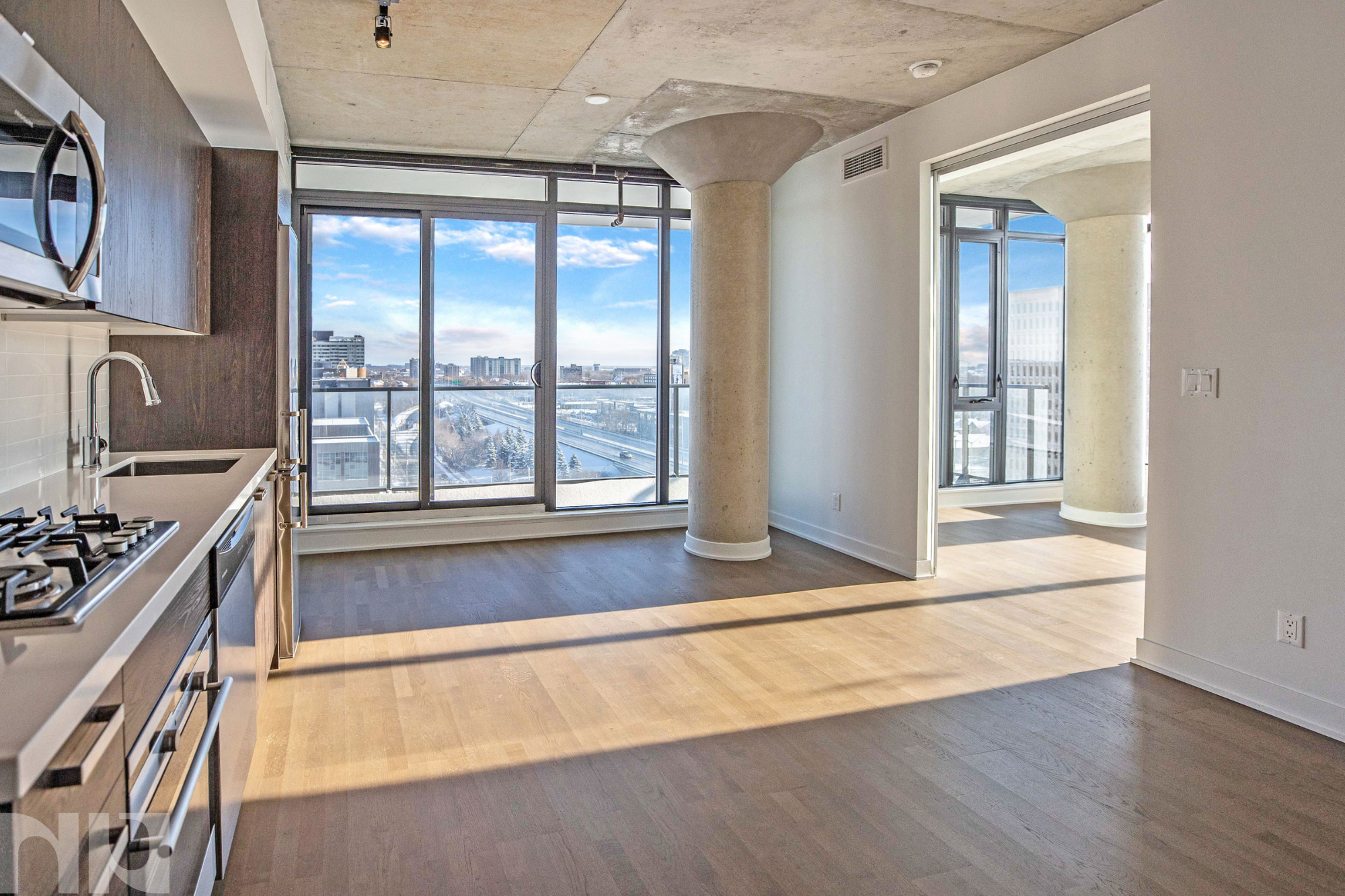
In a high-rise condo, walls may contain or interact with important building components, including:
Structural columns or load-bearing elements
Plumbing and drainage systems
Electrical wiring
Ventilation systems
Fire-rated assemblies
Even a wall that appears to be a simple partition could contain building services.
Removing or altering structural components requires appropriate professional review, permits where applicable, and approval from the condominium corporation.
If opening up the floor plan is a major reason you're considering a particular unit, investigate the feasibility before making an unconditional purchase.
Don't assume that because a neighbouring unit has a similar layout, you'll automatically be allowed to make the same changes.
2. Can You Replace Your Condo Flooring?
Usually, replacing flooring is possible, but your building may have specific requirements.
Noise transfer is a major consideration in multi-unit buildings.
A condo corporation may have rules about acceptable flooring materials, acoustic underlayments or soundproofing standards.
For example, replacing carpet with hardwood or luxury vinyl flooring could trigger additional requirements.
A building may require documentation confirming that the proposed flooring system meets its acoustic standards.
That means choosing a product because it's advertised as soundproof isn't necessarily enough.
Before ordering materials, ask property management:
Are there restrictions on hard-surface flooring?
Does the building require a specific acoustic rating or underlayment?
Do flooring replacements need prior written approval?
Are there installation hours or contractor requirements?
These details are worth confirming before committing to an expensive flooring project.
3. Can You Renovate Your Condo Kitchen or Bathroom?
Yes, but the scope of the work matters.
Replacing cabinet doors, painting cabinetry or updating certain fixtures may be relatively straightforward.
Moving plumbing fixtures, changing electrical systems or altering ventilation can be considerably more complicated.
For example, replacing a bathroom vanity in its existing location is different from moving the toilet or shower to another wall.
In a condominium, plumbing and drainage systems may serve multiple units.
Some pipes may also be classified as common elements, even when they're located inside your walls.
The same applies to kitchen renovations.
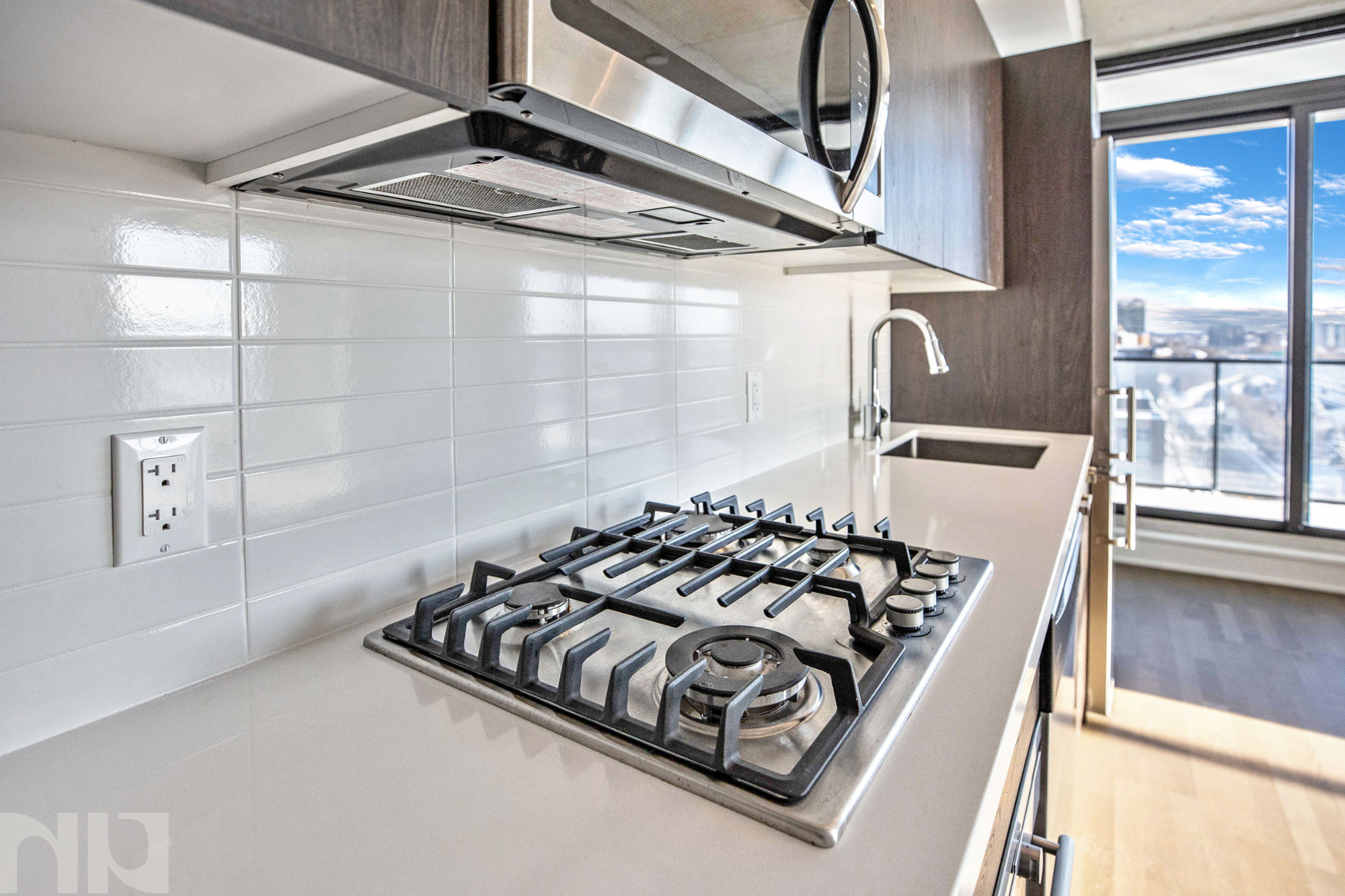
You might be able to replace your countertops and cabinetry without major complications, but moving your sink or changing an exhaust system could require additional approvals.
The question isn't just whether the renovation is physically possible. It's whether the building permits it and what work would be required.
4. Can You Change Your Condo Balcony?
This is where ownership can become confusing.
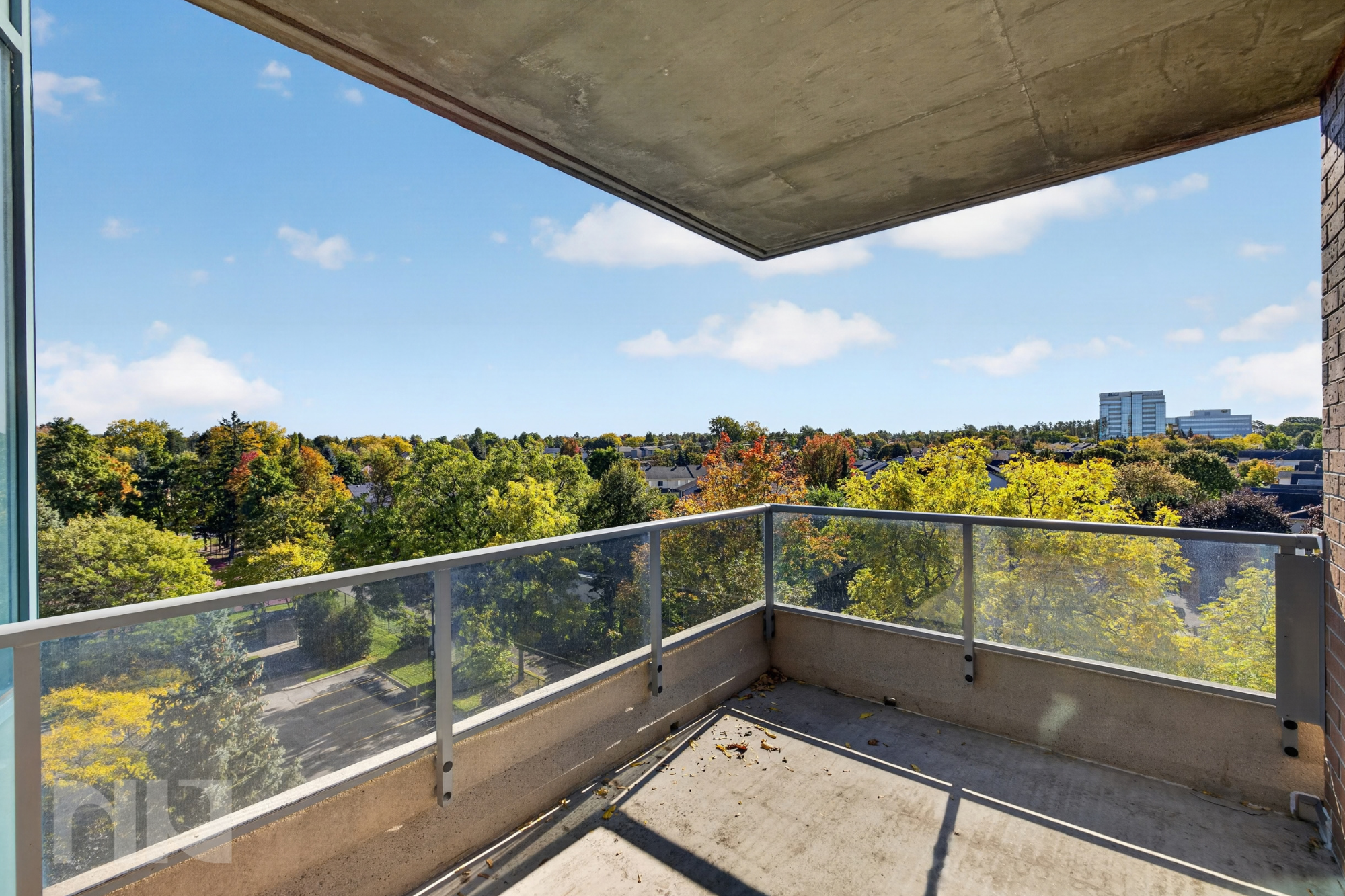
In many Ontario condominiums, balconies are classified as exclusive-use common elements.
That means you have the right to use the balcony, but it isn't necessarily part of the individual unit you own.
As a result, you generally can't assume you're allowed to make permanent changes.
Installing permanent decking, replacing railings, enclosing a balcony or attaching structures to the building exterior may require approval.
Under Section 98 of Ontario's Condominium Act, owner-proposed alterations to common elements generally require board approval and an agreement setting out the responsibilities associated with the work.
Some changes may also require additional approvals or compliance with building regulations.
Even something that seems minor, like attaching a privacy screen, could be restricted by your building's rules.
Before purchasing a condo because you love the idea of customizing its terrace or balcony, find out what's actually permitted.
5. What Is a Section 98 Agreement?
You may come across the term Section 98 agreement when discussing condo renovations.
Section 98 of Ontario's Condominium Act addresses alterations and improvements that owners want to make to common elements.
When applicable, the agreement sets out matters such as:
What changes are being approved
Who pays for the work
Who is responsible for future maintenance
Who pays for repairs following damage
How insurance responsibilities are handled
These agreements can also affect future owners of the unit.
For example, suppose a previous owner received permission to make a particular alteration to an exclusive-use common element.
The associated agreement may create ongoing responsibilities that continue after the property changes hands.
This is one reason buyers should have their lawyer review the condominium's governing documents and any agreements affecting the unit.
Not every interior renovation requires a Section 98 agreement. It depends on whether common elements are involved and the applicable legal requirements.
6. What Happens If You Renovate Without Approval?
An unauthorized renovation can create problems beyond an unhappy property manager.
Depending on the circumstances, the corporation may require you to stop work, obtain proper approvals or restore an altered area.
Disputes may also arise over damage, insurance coverage and responsibility for repair costs.
And when it comes time to sell, questions about previous renovations can complicate the transaction.
Imagine purchasing a beautifully renovated condo only to discover that the previous owner removed a wall or modified building infrastructure without the necessary approvals.
You could end up needing further documentation, professional inspections or legal advice to determine how the issue should be resolved.
This doesn't mean every unapproved cosmetic change will create a serious problem.
It does mean that significant renovations should be properly documented.
7. What Should You Ask Before Buying a Condo You Want to Renovate?
If you're considering purchasing a dated condo with the intention of renovating, do some homework before finalizing the purchase.
Start with these five questions.
1. What renovations does the corporation allow?
Ask for the declaration, by-laws, rules and any renovation policies.
2. Have similar renovations been approved in the building?
Previous projects may give you an idea of what the corporation has permitted, although they don't guarantee approval for your proposal.
3. Are the changes you're planning structural?
If you're considering removing walls or altering building systems, seek advice from an appropriate qualified professional.
4. What are the contractor and scheduling requirements?
Some buildings have restrictions on construction hours, elevator reservations, material deliveries and debris removal.
5. Are permits or formal agreements required?
Confirm the requirements with the City of Ottawa and the condominium corporation before committing to the work.
It's also worth considering the building's physical layout.
Older condo buildings may have plumbing configurations, structural components or mechanical systems that make certain renovations more expensive or impractical.
A lower purchase price doesn't automatically make a fixer-upper condo a better deal if your intended renovations are difficult to complete.
Should You Buy an Older Ottawa Condo and Renovate It?
It can make sense.
An older condo with a functional layout, a well-managed corporation and a desirable location may offer an opportunity to create a space that suits your preferences.
But it's important to distinguish between cosmetic changes and major alterations.
New countertops, updated cabinetry, modern lighting and fresh paint are very different projects from relocating a bathroom or removing structural elements.
Before buying, compare the total anticipated cost of the property and renovations against similar units that already have the finishes and layout you want.
More importantly, make sure the work you're planning is actually permitted.
The Bottom Line
You can renovate an Ottawa condo, but you don't necessarily have the same freedom you'd have in a detached home.
Some changes are straightforward. Others require board approval, professional review, permits or formal agreements.
If you're buying a condo with plans to renovate, understanding those restrictions before purchasing can save you considerable frustration and expense.
At New Purveyors, we help Ottawa condo buyers look beyond the finishes and understand the practical details of a property, including its layout, building characteristics and ownership considerations.
Thinking about buying an Ottawa condo? Connect with our team to explore available properties and find one that works for your plans, whether you're looking for something move-in ready or a unit with renovation potential.