
Last updated: September 23, 2026
Not across the board, at least not yet. The mandate has made a short commute worth more to a lot of buyers, but Ottawa's condo market is still the softest segment in the city. The units that benefit are the ones close to where people actually work, and that isn't always downtown.
What actually changed this summer?
On July 6, 2026, most federal public servants were expected back in the office four days a week. That's up from three days, which took effect in September 2024.
The rollout isn't complete. Public Services and Procurement Canada says its current space can fit about 90 per cent of public servants on-site four days a week. It hopes to reach 95 per cent by March 31, 2027. Global Affairs Canada, Statistics Canada, and Immigration, Refugees and Citizenship Canada have all delayed the four-day mandate because they don't have enough office space.
So a buyer's commute math depends on which department they work for.
Is the condo market reacting yet?
Only a little, and it's too early to credit the mandate. Here's where apartment-style condos stood in August, according to the Ottawa Real Estate Board's August 2026 report:
6.3 months of inventory
A 43 per cent sales-to-new-listings ratio
A median of 42 days on market
Fewer active listings than in July, and a benchmark price up 1.9 per cent from the month before
OREB still called apartments the softest segment of the market, a pattern that has held since the second half of 2025. In July, the apartment benchmark price was $385,500, down 5.2 per cent from a year earlier.
That's a buyer-friendly market with a few early signs of stabilizing. It isn't a rush on downtown units.
Doesn't downtown mean close to work for public servants?
This is where buyers most often get it wrong. Plenty of federal workplaces aren't in the core. National Defence headquarters is in the west end, and the department has had to set up overflow parking several kilometres away. Many other federal offices are across the river in Gatineau.
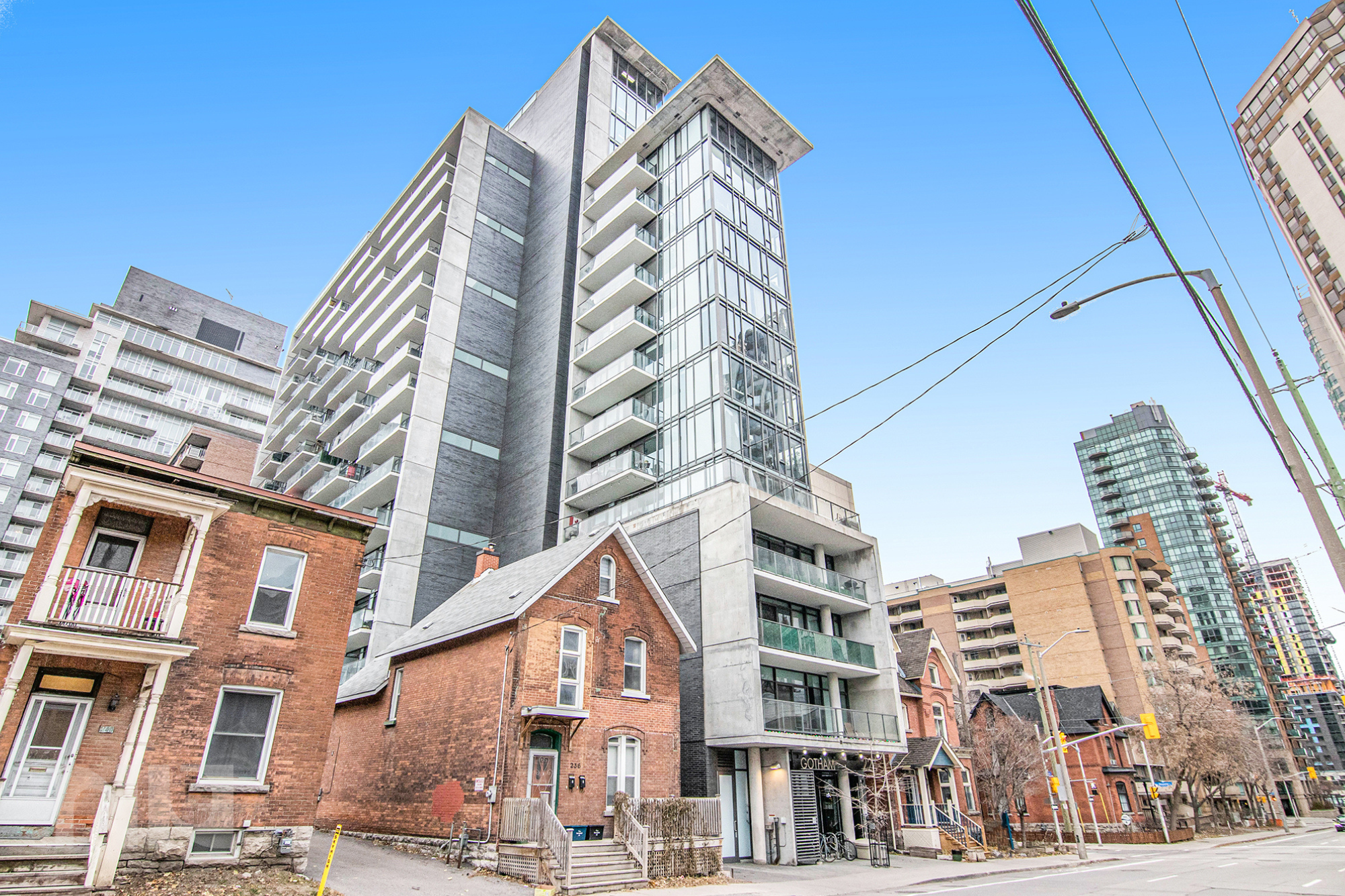
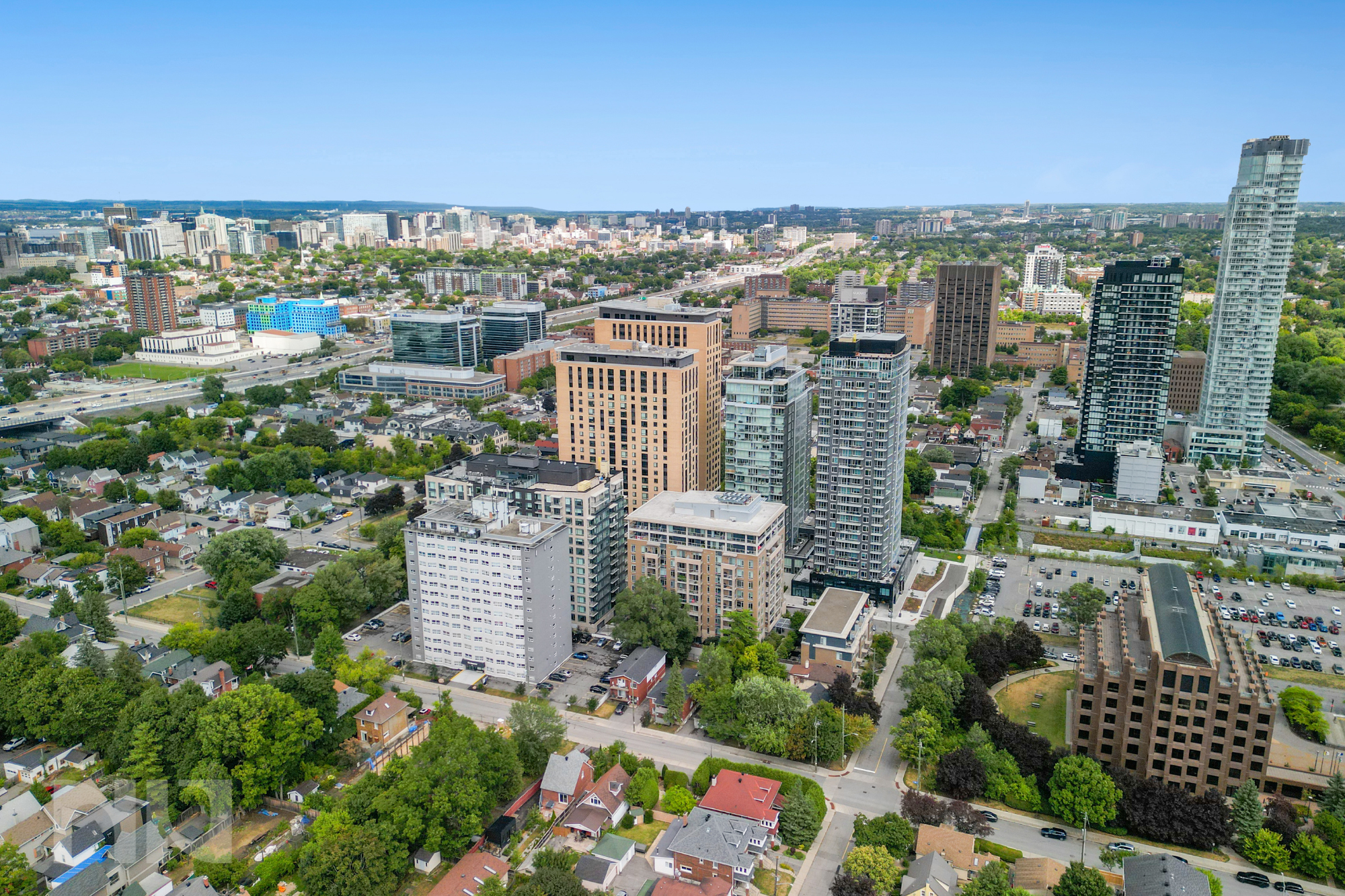
Picture two buyers looking at the same Centretown one-bedroom. One works on Wellington Street and can walk there in fifteen minutes. The other works at National Defence's Carling campus and would face a daily cross-town trip, possibly in a longer commute than they'd have from a west end townhouse. Same unit, very different value.
The long-term office footprint matters too. The 2024 federal budget set a 10-year goal to cut the government's office space in half. Which buildings stay open will shape which condo pockets hold commuter demand.
Why does parking matter more now?
Because the core has a hard limit. The City of Ottawa says there are about 7,000 long-term parking spaces across the city, and city staff have acknowledged there are only so many spaces downtown. Senior public servants have also raised concerns about whether OC Transpo can handle the extra riders.
When parking gets scarcer and transit is uncertain, two kinds of units get more interesting: ones you can walk to work from, and ones that come with a parking spot.
Our take
We think four-day office attendance is a reason to be more specific, not a reason to rush. With inventory where it is, buyers have time to be picky. Here's what we'd focus on:
Map the actual commute. Start from your specific office, not from "downtown." Check the walk, the bike route, and the rush hour transit trip.
Weigh parking building by building. In the core, a unit with an owned parking spot may hold its appeal better than one without, especially for buyers who drive in from outside the core.
Don't pay extra for a policy that could change. Federal office rules have shifted three times since 2023. Buy a unit you'd still want if they change again.
Use the slower market. With condos taking a median of 42 days to sell, there's usually room to negotiate, review the status certificate properly, and compare buildings side by side.
If you're a public servant weighing a downtown condo against something closer to your actual office, tell us where you work. We'll compare the commute and the buildings for you.