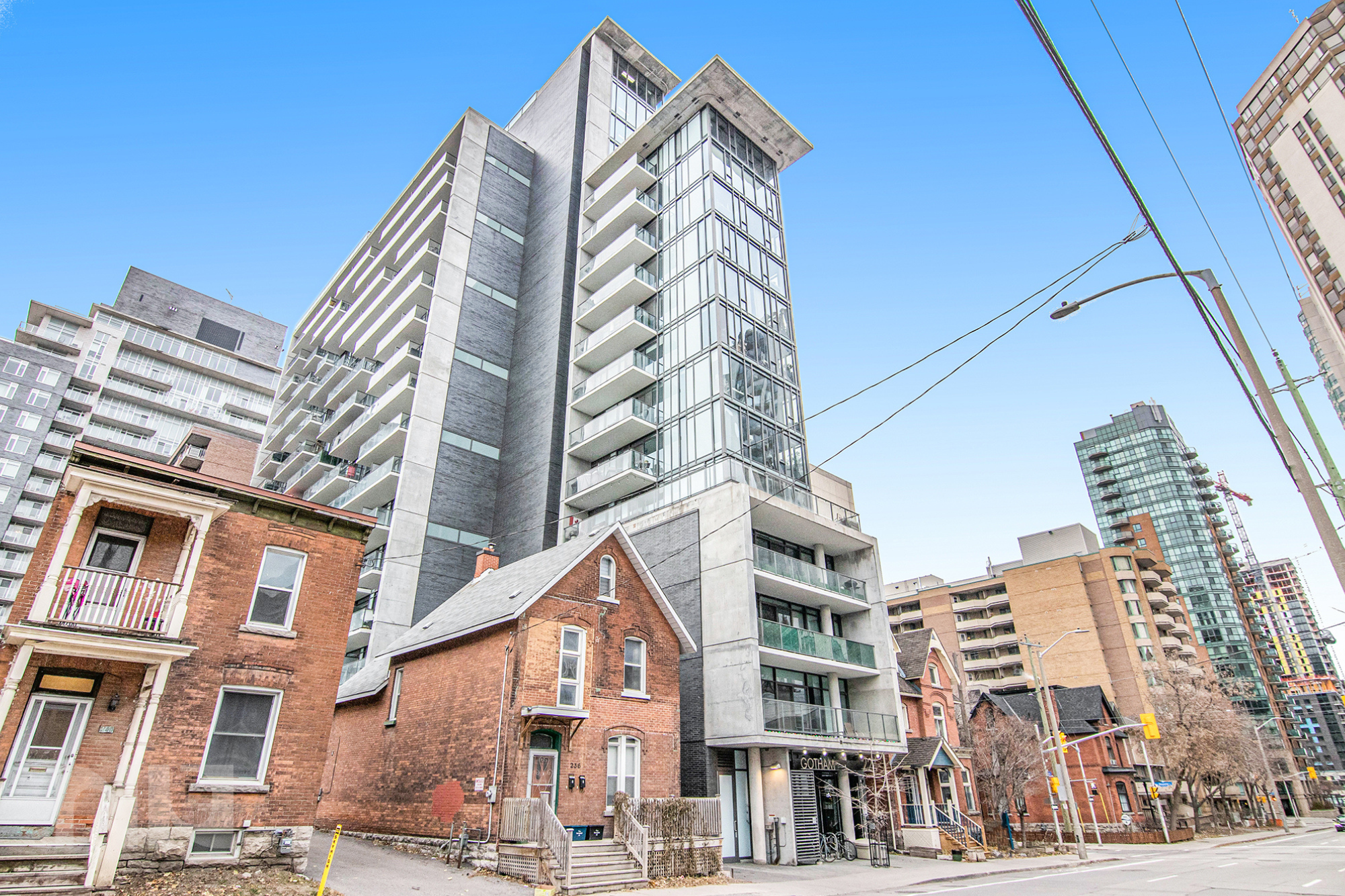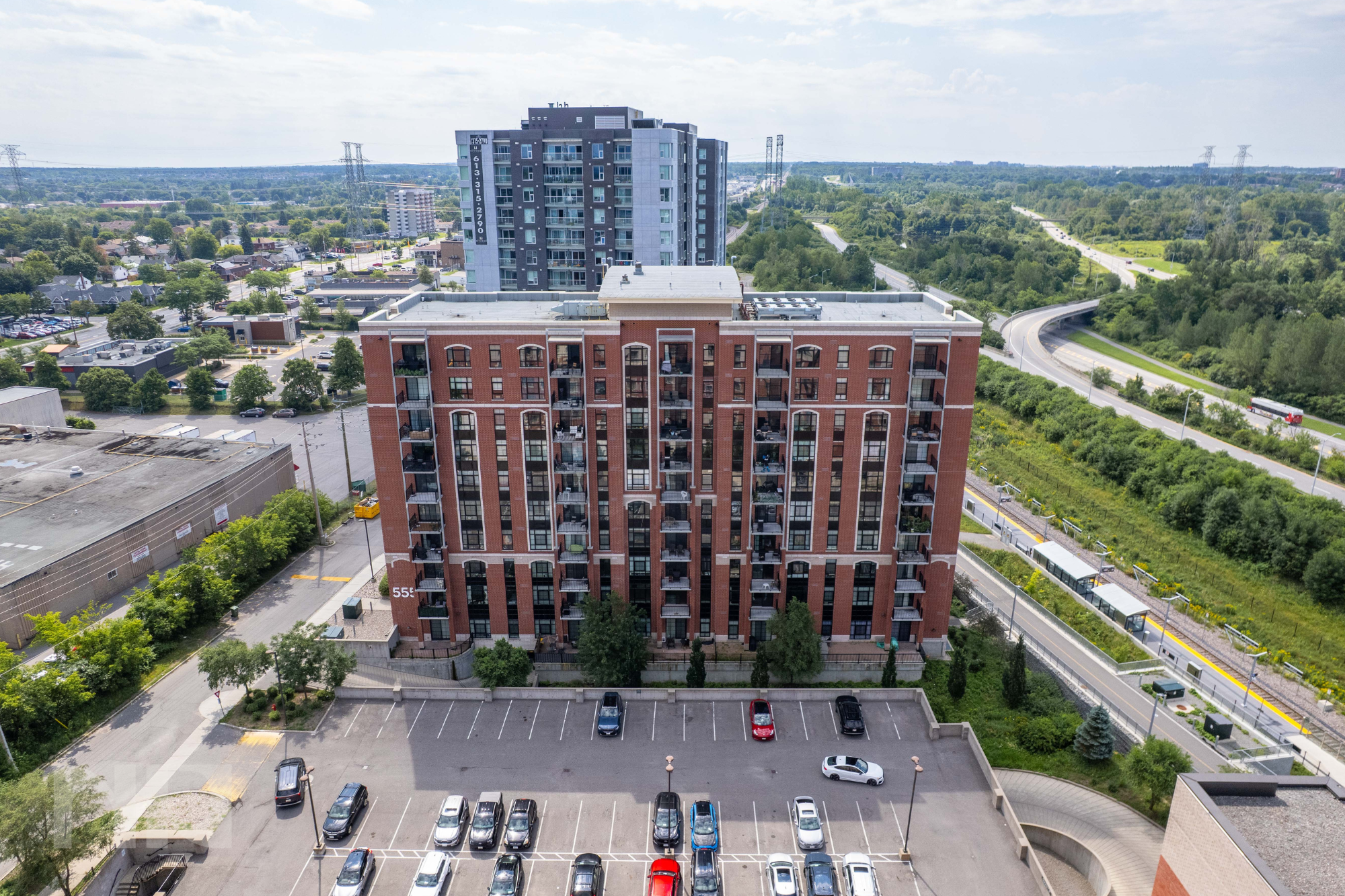

You find a condo you like. The unit works, the monthly fees seem reasonable and the building looks well maintained.
Then you hear two words that can make almost any condo buyer nervous:
Special assessment.
Maybe it’s $3,000. Maybe it’s $15,000. Maybe the condo corporation hasn’t actually charged one yet, but the paperwork suggests one could be coming.
So, should you immediately walk away?
Not necessarily.
A special assessment is something you should take seriously, but the existence of one doesn’t automatically mean a condo is poorly managed or a bad purchase. What matters is why the money is needed, how much is being charged, what the building’s finances look like and whether this is part of a larger pattern.
Here’s what Ontario condo buyers should know.
What Is a Special Assessment in an Ontario Condo?
A special assessment is an additional charge collected from condo owners on top of their regular monthly condo fees.
The Condominium Authority of Ontario says corporations may use special assessments when they need additional money quickly, including for major repairs, unexpected expenses, litigation costs or other projects that cannot be covered through the regular budget or reserve fund.
Depending on the situation, owners might have to pay the amount all at once or through several instalments.
That can mean an owner who normally pays $600 per month in condo fees suddenly has another substantial bill to account for.
Why Didn't the Condo Fees Already Cover It?
This is usually the more important question.
Part of your condo fees goes toward everyday operating expenses. Another portion generally contributes to the corporation's reserve fund, which is specifically intended to cover major repairs and replacements of common elements and assets.
Think elevators, roofs, windows, garages and other major building components, depending on what the corporation is responsible for.
Ontario condo corporations are required to conduct periodic reserve fund studies to estimate future repair and replacement costs and determine how much money should be contributed to the fund.
The problem is that they're still estimates.
Construction costs change. A component can fail earlier than expected. Serious damage can occur. A project can become significantly more expensive than anticipated.
Sometimes a special assessment happens because something genuinely unexpected occurred.
Other times, it can point to years of inadequate funding or financial decisions that kept condo fees artificially low.
Those are two very different situations.
A Special Assessment Isn't Automatically a Bad Sign
Imagine two buildings.
Building A discovers an unexpected problem that requires a major repair. The corporation otherwise has healthy finances, an updated reserve fund study and a reasonable long-term funding plan. Owners are charged a one-time assessment to address the shortfall.
Building B has repeatedly delayed necessary work, kept condo fees unusually low and has a reserve fund that isn't keeping pace with upcoming repairs. Now several large projects are approaching and owners are being asked for more money.
Both buildings technically have a special assessment.
But you probably wouldn't evaluate them the same way.
The CAO specifically notes that sound financial management, realistic budgeting and proper reserve fund planning can reduce the likelihood of special assessments, while also acknowledging that unexpected circumstances can still make one necessary.
The assessment itself is only the beginning of the story.
The Amount Matters, But So Does the Reason
A $10,000 assessment sounds considerably scarier than a $2,000 one.
But don't stop at the number.
Ask what you're actually paying for.
If the money is funding a major project that had to happen and will leave the building in materially better condition afterward, that is different from an assessment being used to repeatedly patch over financial problems.
You want to understand:
What work is being completed?
Why wasn't the existing reserve fund sufficient?
Was the expense anticipated in the reserve fund study?
Has the project already been priced?
Is the assessment expected to cover the full cost?
Could another assessment be required?
Has the corporation levied other assessments recently?
Are condo fees also expected to increase?
A relatively small assessment can be more concerning if it appears to be the first of several.
A larger one may be easier to understand if the work and funding plan are clearly documented.
What If a Special Assessment Hasn't Been Approved Yet?
This is where the condo paperwork becomes especially important.
For a resale condo in Ontario, the status certificate contains financial and legal information about both the individual unit and the condo corporation. It can include the corporation's current budget, audited financial statements, information about the reserve fund and other important disclosures.
Your lawyer should review the status certificate and its accompanying documents as part of your due diligence.
And you don't necessarily want to look only for the words special assessment.
There may not be an assessment today.
But if the documents show a major upcoming repair, a reserve fund shortfall or another significant financial obligation, the possibility of additional owner contributions is worth discussing.
In other words, you're not just asking:
“Is there a special assessment?”
You're asking:
“Does this condo corporation appear financially prepared for what is coming?”
Who Pays a Special Assessment If the Condo Is Being Sold?
This is one of those questions where buyers shouldn't rely on a blanket internet answer.
The obligations between buyer and seller can depend on the circumstances, including the agreement of purchase and sale, the timing of the assessment and the terms negotiated in the transaction.
Your real estate lawyer should confirm exactly how an existing or anticipated assessment affects your particular purchase.
It is another reason special assessments are worth identifying early rather than discovering them shortly before closing.
What Happens If an Owner Doesn't Pay?
A special assessment generally isn't optional simply because an owner disagrees with it.
The Condominium Authority of Ontario states that owners must pay their required share of properly levied special assessments, and unpaid amounts can result in the condo corporation placing a lien against the unit, subject to applicable legal rights and circumstances.
So if you're considering buying into a building with a large assessment, you also want to understand the payment schedule.
The difference between an assessment that has already been fully paid and one requiring another $8,000 six months after closing is obviously important to your budget.
Should You Buy a Condo With a Special Assessment?
Sometimes, yes.
A special assessment alone isn't enough information to decide whether a condo is a good or bad purchase.
Instead, look at the bigger financial picture.
A building with a reasonable explanation, transparent communication, solid reserve planning and a clear path forward could still be a very good place to buy.
A building with recurring assessments, deferred maintenance, an underfunded reserve and major projects approaching deserves considerably more scrutiny.
And occasionally, what initially looks like a deal on the purchase price becomes much less attractive once you account for the building's upcoming financial obligations.
That's why we don't look at condo fees or special assessments in isolation when helping someone evaluate a condo in Ottawa.
The unit matters.
The price matters.
But you're also buying into a corporation, and its financial health can have a very real impact on the cost of owning your home.
If you're considering a condo in Ottawa and aren't sure what to make of the building's fees, reserve fund or status certificate, the New Purveyors team can help you understand what questions to ask before you commit.