Condos

Moving to Ottawa in 2025: A Complete Guide for Newcomers

Ottawa is one of the fastest growing cities in Canada for people relocating from Toronto, Vancouver, Montreal, and abroad. Known for its stability, clean environment, strong job market, and welcoming communities, the city offers a lifestyle that balances convenience with comfort. If you are planning to move to Ottawa in 2025, this guide will help you understand what living here is really like and how to choose the right neighbourhood for your needs.

Why People Are Moving to Ottawa

Ottawa has become a top relocation destination because it offers many of the advantages of a major city without the overwhelming pace or extreme cost of living found elsewhere. People moving here often want:

  • A stable job market

  • Safe neighbourhoods

  • Strong schools

  • Affordable and spacious housing options

  • Access to nature and outdoor recreation

  • Reliable public transit

  • A quieter pace without sacrificing convenience

These factors make Ottawa appealing for young professionals, families, retirees, and newcomers from around the world.

Understanding Ottawa’s Neighbourhoods

Ottawa is made up of distinct communities, each with its own lifestyle and character. Whether you prefer an urban environment or a quieter suburban setting, the city has options for every lifestyle.

Urban Neighbourhoods

Centretown, ByWard Market, Sandy Hill, Little Italy, Hintonburg, and Westboro
These areas offer restaurants, shopping, cafés, entertainment, and easy access to transit. They are ideal for professionals who want walkability, nightlife, and short commutes.

Suburban Neighbourhoods

Barrhaven, Kanata, Orleans, Riverside South, and Stittsville
These communities offer more space, larger homes, family friendly streets, parks, and schools. They appeal to people who want a quieter community without losing access to amenities.

Scenic and Character Neighbourhoods

The Glebe, Old Ottawa South, New Edinburgh, and Rockcliffe Park
Known for historic homes, waterways, and mature trees. These neighbourhoods offer charm, outdoor recreation, and a peaceful residential atmosphere.

Understanding your lifestyle priorities will help narrow your search quickly.

Cost of Living Overview

Ottawa is generally more affordable than Toronto or Vancouver, though costs vary by neighbourhood. Housing is the largest expense, with condos offering an accessible entry point for many newcomers. Rent and home prices increase the closer you get to the city centre, while suburban areas provide more space and often lower per square foot costs.

Groceries, utilities, internet, transportation, and entertainment tend to be moderate compared to other major Canadian cities. People moving here from high cost centres often find they can maintain a higher quality of life without increasing expenses.

Transportation and Getting Around

Ottawa offers multiple ways to get around depending on your neighbourhood and lifestyle.

Public Transit
The LRT and bus network provide strong coverage across the city. Many residents use transit for commuting, especially if they work downtown.

Driving
Suburban residents often rely more on cars, though major roads and highways make travel predictable. Parking availability varies by neighbourhood.

Cycling and Walking
Ottawa has an extensive network of bike paths and multi use trails. Neighbourhoods like Hintonburg, the Glebe, Westboro, and Centretown are highly walkable and suitable for living without a car.

Weather and Seasonality

Ottawa experiences all four seasons dramatically. Winters are cold and snowy, while summers are warm and often humid. Spring and fall offer beautiful scenery and outdoor activities. Newcomers quickly learn to embrace seasonal routines, from winter gear to summer patios.

The city’s strong infrastructure, cleared sidewalks, and winter maintenance make seasonal transitions manageable.

Job Market Overview

Ottawa’s economy is powered by federal government, technology, healthcare, education, and non profit sectors. The city offers stable employment and strong opportunities for skilled professionals. Tech companies continue to expand in Kanata North, making it one of Canada’s growing innovation hubs.

Culture and Lifestyle

Ottawa offers a mix of big city convenience and small city comfort. The city is known for:

  • Museums and galleries

  • Festivals and events

  • Outdoor recreation

  • Local markets and shops

  • Vibrant restaurant and café culture

  • Fitness and community activities

Residents enjoy access to the Rideau Canal, Gatineau Park, the Ottawa River, and countless trails and pathways.

Tips for Settling In

  1. Choose a neighbourhood that fits your daily routine rather than focusing only on price.

  2. Understand commute times and how transit or driving will affect your day.

  3. Explore multiple areas before deciding, especially if unfamiliar with the city.

  4. Prepare for seasonal changes by investing in proper winter clothing and home essentials.

  5. Work with local experts who understand the nuances of each neighbourhood and can help you navigate the market confidently.

Final Thoughts

Moving to Ottawa in 2025 offers the chance to enjoy a balanced lifestyle in a welcoming and steadily growing city. Whether you want walkability, family friendly communities, or access to nature, Ottawa provides a wide range of choices that make relocating smoother and more rewarding.

If you are considering a move and want a neighbourhood recommendation or a deeper look at available homes, a conversation with an experienced local advisor can help you understand which areas match your lifestyle and long term plans.

The Best Neighbourhoods in Ottawa for Walkability, Transit, and Daily Convenience

As more people prioritize lifestyle, transit access, and ease of living, Ottawa’s most walkable neighbourhoods are seeing strong interest from buyers and renters. Walkability has become one of the leading factors people consider when choosing a home. Instead of relying heavily on a car, many want to live within minutes of cafés, grocery stores, fitness studios, transit lines, and parks.

Ottawa has a wide range of walkable communities, each offering its own mix of character, convenience, and daily comfort. Whether you are moving to the city or simply choosing a new neighbourhood, the following areas consistently rank among the best for walkability, transit access, and lifestyle.

Why Walkability Matters in 2025

Walkability affects more than just where you buy groceries. It influences your routine, health, social life, and even long term property value. Highly walkable neighbourhoods tend to maintain strong demand because they offer easy access to essentials and reduce overall living costs.

People who live in walkable areas often enjoy:

  • Lower transportation expenses

  • Shorter commutes

  • More time spent outside

  • Strong neighbourhood identity

  • Higher resale demand and stable property values

Ottawa’s walkable neighbourhoods continue to attract professionals, downsizers, students, and young families who want convenience and lifestyle without sacrificing community.

Centretown

Centretown remains one of Ottawa’s most walkable neighbourhoods. Residents can access grocery stores, cafés, restaurants, gyms, parks, and government offices within minutes. The grid layout makes it easy to navigate, and transit options are strong, especially for people working downtown. Centretown appeals to buyers who want a vibrant urban experience without relying on a car for daily errands.

The Glebe

The Glebe has long been one of the most desirable neighbourhoods in Ottawa for walkability and charm. Bank Street provides endless shopping, dining, and local businesses. Whole Foods, Lansdowne Park, the Rideau Canal, and year round events make the neighbourhood a lively and convenient place to live. Many residents walk or bike everywhere and rarely need a car except for longer trips.

Hintonburg

Hintonburg combines character, convenience, and creativity in one of Ottawa’s most dynamic neighbourhoods. With easy access to the LRT, thriving local cafés, bakeries, restaurants, galleries, and parks, Hintonburg offers an active urban lifestyle. Its popularity continues to rise due to walkability and the short commute to downtown.

Westboro

Westboro is known for a strong mix of shopping, outdoor recreation, and transit access. The neighbourhood’s walkability is anchored by Richmond Road, where residents can find boutiques, cafés, fitness studios, grocery stores, and essential services. Proximity to the Ottawa River pathways also makes it ideal for cyclists, runners, and outdoor enthusiasts.

Little Italy

Little Italy offers one of the fastest growing walkable lifestyles in the city. With Preston Street at its core, the neighbourhood is filled with restaurants, bars, markets, and cafés. Access to the O Train makes commuting simple. New developments and improved streetscapes continue to enhance walkability and attract residents who want a lively, central neighbourhood.

Sandy Hill

Sandy Hill is well suited for students, professionals, and anyone who wants quick access to downtown without living directly in the core. With grocery stores, restaurants, parks, and easy transit connections, the neighbourhood is highly walkable. Proximity to the University of Ottawa increases demand for both rentals and ownership.

Old Ottawa South

Old Ottawa South is a walkable, family friendly neighbourhood known for its character homes and timeless charm. Bank Street provides local shops, cafés, and essential services, while the Rideau Canal and numerous parks create a relaxed, scenic environment. Residents can walk or bike to many parts of the city with ease.

ByWard Market

ByWard Market offers the highest concentration of restaurants, nightlife, shops, and cultural attractions in the city. It is one of Ottawa’s most walkable neighbourhoods and a major draw for people who want an active, urban lifestyle. Transit is widely available, and many residents rarely need a car.

Why These Neighbourhoods Stand Out

All of the neighbourhoods above share three core traits:

1. Daily essentials within minutes
Grocery stores, pharmacies, cafés, and services are easy to reach on foot.

2. Reliable transit connections
Most of these areas have strong access to the LRT, major bus routes, or both.

3. Strong lifestyle appeal
Local businesses, parks, fitness amenities, and social activities make each neighbourhood vibrant and livable.

As Ottawa grows, demand for walkable communities is expected to remain strong. Buyers continue to prioritize neighbourhoods that make life simple and enjoyable, and these areas offer some of the best balance between convenience and character.

Final Thoughts

Choosing a walkable neighbourhood in Ottawa can transform your day to day life. Whether you want a lively urban experience or a relaxed community with local shops and parks, Ottawa offers walkable options for every lifestyle. Understanding what matters most to you, from transit access to neighbourhood personality, will help you find the right fit.

If you are considering a move and want insight into how these neighbourhoods compare, exploring them with a local expert can help you decide where you will feel most at home.

Cost of Living in Ottawa 2025: What You Actually Need to Know

The cost of living in Ottawa has become one of the most common searches among people considering a move to the city. Ottawa continues to attract professionals, families, students, and retirees who want strong job stability, manageable living costs, and a balanced lifestyle that offers more space and comfort than larger Canadian cities. If you are evaluating whether Ottawa is affordable in 2025, here is a clear, realistic breakdown of what you can expect.

Why People Choose Ottawa

Ottawa has a reputation for being a safe, clean, stable place to live with strong public services, extensive green space, and a job market anchored by government, tech, healthcare, and education. While rising costs have affected every major Canadian city, Ottawa remains more accessible than Toronto or Vancouver, especially for people who want to buy a home, enjoy walkable neighbourhoods, and maintain a reasonable quality of life without extreme financial pressure.

Housing Costs: The Largest Factor

Housing is the biggest contributor to cost of living in Ottawa. In 2025, prices vary significantly by neighbourhood, home type, proximity to transit, and lifestyle priorities.

Renting in Ottawa
Typical ranges in 2025:

  • One bedroom apartment in a central neighbourhood: moderate to high

  • Two bedroom apartment in established neighbourhoods: higher range

  • Purpose built luxury rentals: highest bracket in the downtown core

Renters will find more affordability in areas like Vanier, Carlington, and parts of Nepean, while central neighbourhoods like Westboro, Hintonburg, Little Italy, Centretown, and the ByWard Market command higher rents in exchange for walkability and amenities.

Buying in Ottawa
Condos continue to offer the most achievable entry point for first time buyers, while freehold properties vary widely depending on location. Suburbs such as Barrhaven, Kanata, Orleans, and Riverside South remain popular for detached homes, while central communities appeal to buyers prioritizing lifestyle and convenience.

Transportation Costs

Ottawa residents spend differently depending on how they choose to travel. People who live in walkable neighbourhoods or near the LRT often reduce monthly costs considerably.

Public transit
Monthly transit passes remain a cost effective way to get around, particularly for people working downtown.

Driving
Drivers face fuel, insurance, maintenance, and parking costs. Suburban households typically spend more on transportation than urban households, although access to major roadways makes commuting manageable for many.

Cycling and walking
Ottawa has one of the strongest cycling networks in Canada. For residents in neighbourhoods like Hintonburg, Westboro, the Glebe, Old Ottawa South, and Lowertown, many errands can be done without a car.

Groceries and Daily Essentials

Grocery prices in Ottawa follow national trends. Families who shop at large chains will notice higher costs, while those who use discount grocers, shop sales, and buy in bulk manage to keep monthly spending reasonable. Small neighbourhood markets and specialty shops offer convenience and quality but often at a premium.

Restaurants, fitness studios, daycare, pet care, and personal services are generally moderate compared to other major Canadian cities. Ottawa’s affordability advantage becomes clear when comparing the same lifestyle to Toronto, Vancouver, or Montreal.

Utilities and Home Expenses

Utilities depend on dwelling type. Condos often include water and sometimes heat, while freehold homes carry a wider range of monthly utility costs.

Typical expenses include:

  • Hydro

  • Gas

  • Internet and mobile

  • Home insurance

  • Waste and water services for freeholds

Older freehold homes require more maintenance and seasonal upkeep, which buyers should factor into their budgeting.

Entertainment and Lifestyle Spending

One of Ottawa’s biggest financial advantages is that enjoying the city does not require high spending. Residents benefit from free museums days, canal access, public beaches, festivals, green space, and countless outdoor activities. Dining out varies by neighbourhood, and entertainment costs remain moderate compared to larger metropolitan centres.

People moving from Toronto or Vancouver often find that their lifestyle improves in Ottawa without a higher monthly cost.

How Ottawa Compares in 2025

Ottawa remains one of the more balanced and predictable places to live in Canada. While costs have risen, they are rising everywhere. What sets Ottawa apart is the ability to maintain a comfortable lifestyle without the extreme pressure seen in other major markets.

For anyone evaluating a move, Ottawa offers:

  • Strong employment stability

  • Manageable housing options across multiple price points

  • Neighbourhoods suited to every lifestyle

  • Affordable outdoor recreation

  • Predictable cost structures that allow long term planning

Final Thoughts

Ottawa’s cost of living in 2025 reflects a city that continues to grow without sacrificing quality of life. While affordability varies by neighbourhood and lifestyle, most residents find that Ottawa provides a strong balance of opportunity, community, and comfort. Whether you are renting, buying, or simply exploring a potential move, understanding your priorities will help you choose the neighbourhood and home that make the most sense for your budget.

If you are considering buying or selling in Ottawa and want a deeper breakdown tailored to your situation, a conversation with an experienced local advisor can help put the numbers into perspective.

Why Condo Living is Becoming a Popular Choice For Young Buyers

By Fernanda Cordeiro: Our Grade 11 Co-op Student

Over the last few years, condos have become one of the most common options for first-time buyers. It’s not because they’re usually more affordable than houses, but because the lifestyle they offer fits what a lot of young buyers are looking for today.


One of the biggest advantages of condo living is the location. Most condos are built in areas where everything is close: public transit, grocery stores, restaurants, gyms, and even workplaces. For someone who doesn’t want long commutes or the expense of owning a car, this can make daily life way easier. 


Another reason condos are appealing is the low-maintenance lifestyle. When you live in a traditional house, you’re responsible for almost everything, from yard work to repairs. In a condo, the building handles most of that. Things like snow removal, landscaping, and exterior repairs are usually covered, which helps owners focus on their own schedule and not endless chores.

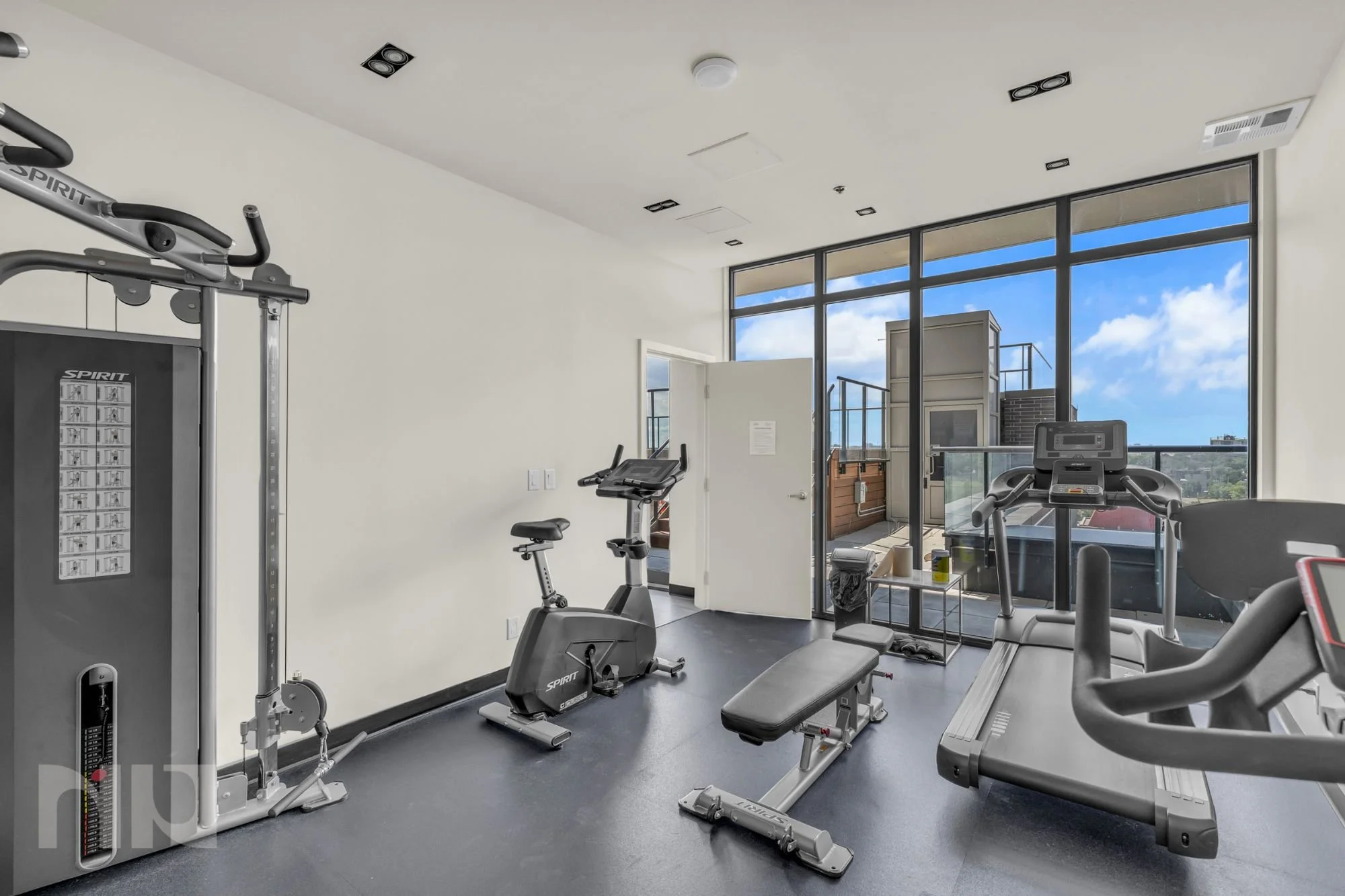
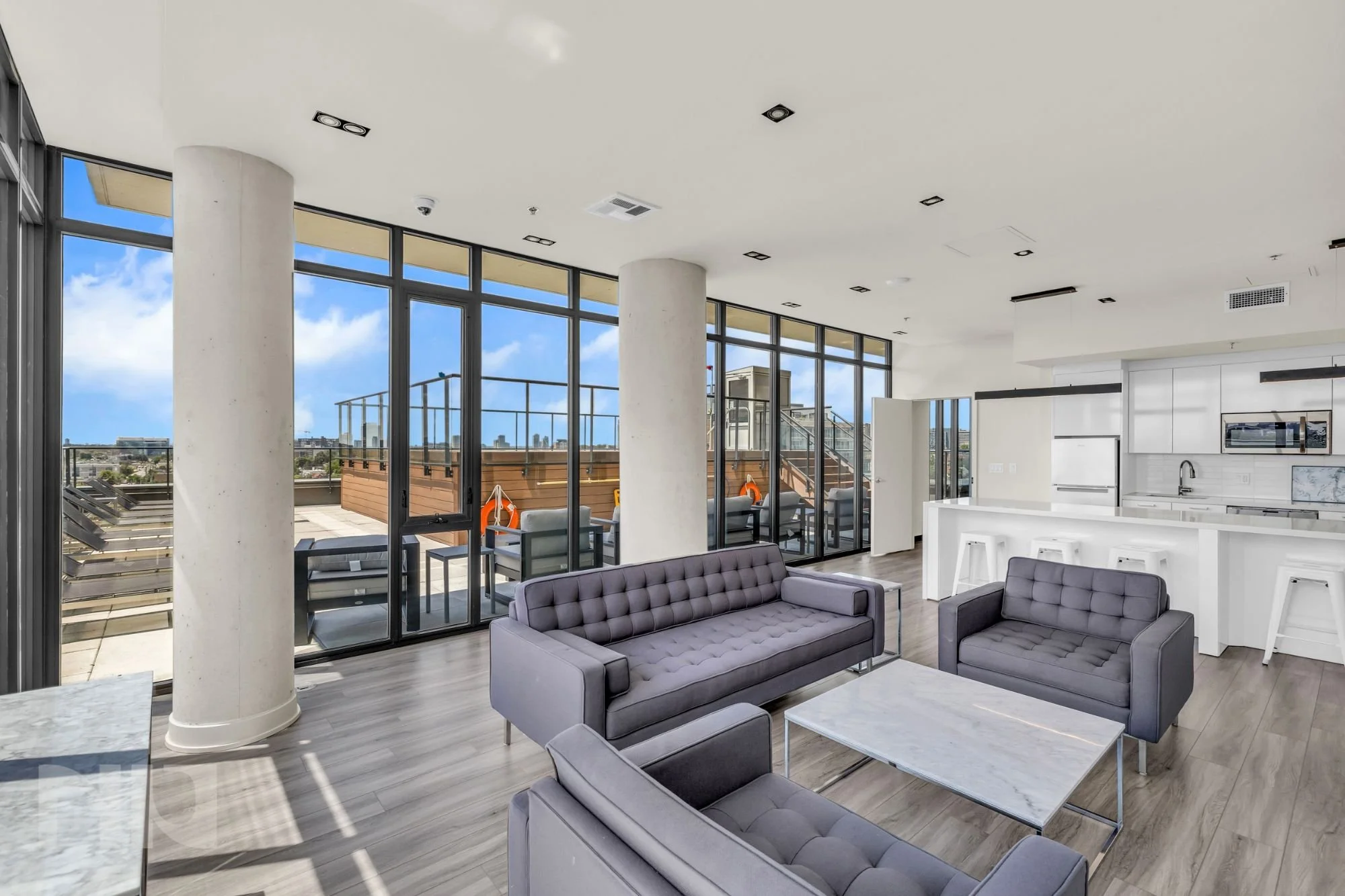
Amenities also play a significant role; many condo buildings offer features such as gyms, rooftop terraces, or even party rooms. These extras create a sense of convenience that’s hard to find in other types of housing, especially for the price.


Of course, there are practical things to consider, like maintenance fees and how well the building is managed. Clear financial records and strong building maintenance are signs that the building is stable. These factors help protect owners from unexpected expenses later on.


Overall, condo living offers a mix of independence, affordability, and convenience. For young buyers who want to start building equity without taking on the responsibilities of a house, a condo can be a smart first step.

The Best Ottawa Neighbourhoods for Condo Buyers in 2025

Ottawa’s condo market continues to attract first time buyers, professionals, downsizers, and investors who want an affordable, low maintenance lifestyle in the city. With new buildings completed over the past five years and established buildings continuing to outperform, the question most buyers ask is simple: where should I be looking in 2025?

Neighbourhood choice has a major impact on long term value, lifestyle, and resale performance. Below is a detailed guide to the best neighbourhoods for condo buyers this year and what each area offers.

1. Centretown

Centretown remains one of Ottawa’s most popular neighbourhoods for condo buyers because of its walkability, public transit access, and mix of modern and established buildings.

Why buyers choose Centretown

  • Quick access to downtown employers

  • Easy transit options including LRT and major bus routes

  • Strong selection of buildings across price points

  • Daily conveniences like grocery stores, gyms, cafés, and shops

Who it is ideal for

Young professionals, first time buyers, and investors looking for stable demand and consistent rental interest.

2. Little Italy

Little Italy continues to rise in popularity thanks to its waterfront access, expanding restaurant scene, and proximity to Carleton University and Dow’s Lake.

Why buyers choose Little Italy

  • Close to the Trillium Line for fast north and south travel

  • Scenic cycling and walking paths

  • Modern condos with newer amenities

  • Strong future growth as development continues along Preston Street

Who it is ideal for

Buyers who want a modern lifestyle with quick access to recreational spaces and nightlife.

3. Westboro

Westboro remains one of Ottawa’s strongest lifestyle neighbourhoods for condo owners. With a balanced mix of luxury buildings, boutique condos, and walkable streets, it has long term appeal.

Why buyers choose Westboro

  • Trendy shops and restaurants

  • Beach access and waterfront trails

  • High quality buildings with strong resale performance

  • A community focused atmosphere

Who it is ideal for

Professionals, downsizers, and long term investors looking for strong neighbourhood stability.

4. Hintonburg

Hintonburg offers a creative, energetic atmosphere with one of the best walkability scores in Ottawa. Its personality attracts buyers who value community and character.

Why buyers choose Hintonburg

  • Rapidly growing food and café scene

  • Boutique condo buildings with unique layouts

  • Excellent connectivity to Westboro and downtown

  • Strong demand from renters and first time buyers

Who it is ideal for

Buyers who want an urban feel without being directly in the downtown core.

5. ByWard Market

The Market remains a top choice for buyers who want a central, lively location with quick access to restaurants, nightlife, shops, and the University of Ottawa.

Why buyers choose the Market

  • Walkability to everything in the downtown core

  • Established buildings with predictable fee structures

  • A significant number of affordable entry point condos

  • Strong rental demand from students and professionals

Who it is ideal for

Investors, first time buyers, and anyone who values convenience and energy.

6. Riverside South and Barrhaven for Suburban Condo Buyers

Not all condo buyers want to be downtown. Ottawa’s suburban condo market has grown as more buyers look for affordability in newer neighbourhoods.

Why suburban condos are growing

  • Larger floor plans for lower prices

  • Newer builds with modern finishes

  • Access to schools, parks, shopping, and family focused amenities

  • Strong value for long term ownership

Who it is ideal for

Buyers who want more space, quieter surroundings, and a community environment.

How to Choose the Right Neighbourhood for You

There is no single best neighbourhood in Ottawa. The right choice depends on your lifestyle, commute, budget, and preferred building type.

Key questions to ask

  • How important is walkability to your daily routine

  • Do you prefer a modern building or an established one with a strong financial history

  • What amenities matter most to you

  • Are you buying for long term ownership or investment

  • How important is transit access

Working with a condo specialist who knows the details of each building can help narrow your search quickly and prevent costly mistakes.

Final Thoughts

Ottawa offers a diverse range of condo neighbourhoods, each with its own lifestyle and long term benefits. Whether you are looking for a central location, waterfront access, a quieter suburban setting, or a neighbourhood with strong growth potential, there is an option that fits your goals in 2025.

If you want to explore buildings or compare neighbourhoods, reach out any time. I am always happy to walk you through the best options based on your lifestyle and budget.

The Hidden Costs of Living in an Ottawa Condo in 2025 and How to Plan for Them

Many buyers focus on the purchase price when shopping for a condo, but long term affordability depends on a larger picture. Understanding the true costs of condo ownership helps buyers make confident decisions and helps current owners plan ahead. With Ottawa’s 2025 market shifting and condo fees stabilizing in many buildings, this is the right time to understand what to expect financially.

This guide breaks down the most common hidden costs, how they affect your budget, and what you should look for when comparing buildings across the city.

Why Condo Affordability Matters More in 2025

Condos remain one of the most accessible paths to homeownership in Ottawa, which means affordability is top of mind for first time buyers and downsizers. At the same time, insurance changes, construction costs, and reserve fund requirements influence the financial health of each building.

Buyers who understand these details can spot real value and avoid future surprises.

1. Condo Fees and What They Actually Cover

Condo fees vary from building to building, but they typically include:

  • Building maintenance

  • Management

  • Amenities

  • Building insurance

  • Reserve fund contributions

Higher fees do not always mean poor financial management. In many cases, well maintained buildings with strong reserve funds charge slightly more because they are planning responsibly for long term upkeep.

What to look for

Ask for the status certificate, fee history, and reserve fund details. Look for predictable increases rather than sudden jumps.

2. Reserve Fund Planning

The reserve fund covers major repairs and replacements such as roofing, HVAC, windows, elevators, and exterior updates.

In Ottawa’s older buildings, reserve fund studies often reveal upcoming large projects. In newer buildings, fees are sometimes kept artificially low in the early years, which can lead to faster fee increases later.

What to look for

Check when the last reserve fund study was completed and whether the building is on track with the recommendations. Strong reserve funds make buildings more attractive and protect unit values long term.

3. Insurance Costs for Condo Owners

The building carries insurance for the structure, but individual owners are responsible for:

  • Contents

  • Upgrades made to the unit

  • Personal liability

  • Deductible coverage

Deductible coverage is especially important. Some buildings have high deductibles, which means owners could be responsible for large costs in the event of a claim.

What to look for

Request your building’s insurance summary so you can understand your responsibility as an owner.

4. Special Assessments

A special assessment is a temporary fee collected when the reserve fund cannot fully cover a necessary repair or project. These can occur in buildings with aging systems, unexpected damage, or long term underfunding.

What to look for

Buildings with consistent, transparent fee increases are often better positioned to avoid special assessments. Review the status certificate carefully and ask whether any major work is planned in the next five years.

5. Amenity Premiums

Amenities influence condo fees. Gyms, pools, concierge services, theatres, and rooftop terraces require ongoing maintenance.

Buildings with many amenities may be appealing, but they come with a higher cost of ownership. Buyers who prefer lower fees often look to boutique buildings with limited common areas and smaller operating budgets.

What to look for

Decide whether you will actually use the amenities. If not, a simpler building may offer better long term value.

6. Parking and Storage Costs

Not all units come with parking or storage, especially in central neighbourhoods like Centretown and Little Italy. Owners may need to purchase or rent these separately.

Parking prices vary widely based on:

  • Whether the spot is titled or assigned

  • Heated vs. outdoor

  • Demand within the building

What to look for

Factor parking and storage into your total monthly cost. In some buildings, a parking spot can add significant resale value.

7. Utilities and Energy Usage

Some buildings include heat, water, or electricity in the condo fee. Others operate on separate metering. Buyers often overlook utility structures, but they influence monthly affordability.

What to look for

Review how utilities are billed and ask for past statements when possible.

Why Working With a Condo Specialist Protects You

Every building in Ottawa has its own financial story. A condo specialist can interpret status certificates, identify buildings with stable histories, and help you understand long term costs that are not always obvious at first glance.

At mattrichling.com, our condo pages track hundreds of buildings across the city, giving buyers access to building details that are difficult to find anywhere else.

Final Thoughts

The best way to protect your investment is to understand the full cost of ownership before you buy. A clear picture of fees, reserve funding, insurance requirements, and long term planning can help you choose a building that offers stability and value for years to come.

If you are thinking about buying or selling a condo in Ottawa, reach out any time for a detailed look at your options.

Ottawa’s Condo Market in 2025: What Buyers and Sellers Need to Know Right Now

The Ottawa condo market in 2025 is more active, more stable, and more attractive than it has been in years. Condos continue to appeal to first time buyers, investors, downsizers, and professionals who want a walkable, low maintenance lifestyle in the city. As borrowing costs shift and inventory levels adjust, many buyers are turning their attention back to Ottawa’s most established and best located condo buildings.

This guide breaks down what is happening in the Ottawa condo market today, how to approach buying or selling in 2025, and why working with a condo specialist can influence your results.

Why Condos Are Performing Well in 2025

Renewed buyer confidence

Recent rate adjustments have encouraged buyers who paused in 2023 and 2024 to re-enter the condo market. Condos remain one of the most affordable entry points into property ownership in Ottawa, and this affordability is driving renewed demand.

High demand for walkable neighbourhoods

Neighbourhoods like Centretown, Little Italy, the ByWard Market, Hintonburg, and Westboro continue to attract buyers who value transit, dining, nightlife, and convenience. These areas consistently rank among the most searched locations for condos in Ottawa.

More choice for buyers

Compared to the ultra-competitive years, buyers now have a healthier selection of units and more negotiation room. This makes 2025 an ideal time for those entering the market for the first time.

Key Trends in Ottawa’s Condo Market

One bedroom units remain the top search

One bedroom and one plus den condos continue to lead demand, especially under the $450,000 range.

Established buildings are outperforming newer builds

Buyers are prioritizing buildings with proven track records, strong reserve funds, stable condo fees, and long term management. These buildings offer predictability and lower risk.

Outdoor space is a major value driver

Units with balconies, terraces, and rooftop amenities have a noticeable advantage. Post-2020 buying habits continue to favour access to private or semi-private outdoor areas.

Short term rental policies matter

Many buyers want stability in their building. Clear and consistent STR policies, whether permitting or prohibiting them, make a building more attractive in 2025.

For Condo Buyers: How to Approach the Market

Work with a building expert

Every condo building in Ottawa has its own history, financial structure, community, and long term performance. A condo specialist can explain fee trends, reserve fund status, recent repairs, upcoming projects, and resale patterns.

Understand true affordability

Beyond mortgage payments, evaluate condo fees, utilities, parking, storage, upcoming special assessments, and building insurance. This helps you choose a building that fits both your current lifestyle and long term budget.

Prioritize long term value

Units in well managed buildings with strong amenities, stable fees, and lower turnover tend to hold value better. Look for consistent resale history and solid demand across different market cycles.

Be ready to move when the right unit appears

The best units, views, and layouts still sell quickly. Updated financing and a clear strategy give you an advantage.

For Condo Sellers: What Helps You Stand Out in 2025

Strategic pricing

Buyers are more informed than ever and compare similar units across multiple buildings. Listings that enter the market at the right price attract stronger early traffic and better outcomes.

Professional presentation

High quality photography, videography, and condo specific marketing make a significant difference. Buyers want to see natural light, layout flow, balcony exposure, amenities, and the lifestyle that comes with the building.

Maximize exposure where buyers are searching

The mattrichling.com website has the most comprehensive set of condo pages in Ottawa and consistently ranks top three for nearly every building. This places your listing directly in front of active buyers before paid marketing begins.

Make the building the hero

Buyers care just as much about the building as the unit. Strong marketing highlights amenities, management quality, location benefits, fee stability, and the building’s overall appeal.

Why Work With a Condo Specialist in Ottawa

Deep knowledge of building history

Every building has patterns that influence value. A condo specialist can explain what matters, what to avoid, and which units perform best long term.

Extensive buyer traffic through condo pages

With the most visited condo database in Ottawa, mattrichling.com brings in buyers who are already researching buildings. This creates built-in exposure that other agents cannot offer.

Accurate, data backed guidance

From fee trends to resale statistics to upcoming neighbourhood developments, a specialist can identify opportunities and risks that are unique to condos.

A tailored strategy for every building

The approach for a unit at The Mondrian is different from The Gotham, Claridge Plaza, The Hudson Park, or The Eddy. Strategies are customized for each building and buyer demographic.

Final Thoughts

Ottawa’s condo market in 2025 is stable, active, and full of opportunity. Whether you are buying your first home, selling a long held unit, or exploring an investment, working with a condo focused expert can help you navigate the nuances of the market and make confident decisions.

If you are thinking about buying or selling a condo in Ottawa, reach out any time. I am always happy to walk you through your options and share what I am seeing in the market right now.

Ottawa’s Market Is Balancing Out — Here’s Why That’s Good News

For the first time in a long time, Ottawa’s housing market feels... calm.
Not slow, not overheated — just balanced. And while that might not sound exciting, for both buyers and sellers, it’s actually great news.

A Shift Toward Stability

After several years of rollercoaster pricing and unpredictable interest rate changes, we’re finally seeing a steady rhythm return to Ottawa real estate. Inventory has eased from the highs of early 2025, but demand remains consistent, creating what’s known as a balanced market — where neither side has the upper hand.

Homes are selling when they’re well-prepared and priced properly. Buyers have more time to make confident, informed decisions. This kind of market brings back something the industry hasn’t had in years: predictability.

What This Means for Sellers

In a balanced market, the properties that stand out are the ones that are presented and priced strategically. That’s where experience counts. Our team makes sure every listing hits the market with:

  • A full marketing campaign (photos, video, social, and print)

  • Data-driven pricing backed by current neighbourhood stats

  • Pre-listing preparation advice that helps your home shine

The result? Serious buyers who recognize value — not bargain hunters looking for a deal.

What This Means for Buyers

For buyers, balance means less pressure and more clarity. Multiple offers still happen, but they’re based on genuine demand, not hype. You can take the time to see properties, compare options, and make an offer that works for you without racing against 10 others.

Our agents help guide buyers through this process with clear communication, smart negotiation, and the local insight that comes from living and working in these neighbourhoods every day.

Ottawa’s Strength: Consistency

Even during national slowdowns, Ottawa tends to stay steady. Our city’s job market, government sector, and universities create a consistent base of demand that keeps the housing market resilient. That’s why long-term confidence remains strong — and why homeowners here tend to do well over time.

The Bottom Line

Balance doesn’t mean boring. It means opportunity — for sellers who want a stable, informed process and for buyers ready to make their next move with confidence.

Whether you’re upsizing, downsizing, or just curious about your home’s current value, our team is here to give you a clear, data-backed picture of where things stand — and what your next step should be.

Want to know where your home fits in today’s market?
Get in touch for a no-pressure conversation about pricing, strategy, and timing.

How We Make Your Home Stand Out in 2025

Selling real estate in Ottawa isn’t about just getting your property on MLS — it’s about telling a story that connects with the right buyers. That’s where our team comes in. Every home we list goes through a full marketing process designed to highlight its value, lifestyle, and location in the best possible way.

Here’s a look at how we make that happen.

We Focus on Lifestyle, Not Just Layout

When buyers fall in love with a home, it’s rarely just because of the finishes — it’s because they can picture themselves living there. That’s why we make sure every listing captures not only the property, but also the lifestyle that comes with it. Whether it’s walking distance to Elgin Street restaurants, a quiet park view in Westboro, or quick LRT access downtown, we show how your home fits into the rhythm of daily life.

We Invest in Professional Marketing (Every Time)

Every listing, no matter the price point, deserves professional presentation. That means:

  • High-quality photography and videography

  • Social media campaigns

  • Print and digital advertising

  • Property-specific web pages and write-ups

Our team covers the cost of marketing because we know it pays off. The goal is simple: more visibility, more interest, and ultimately, better offers.

We Understand the Market — and How to Position You Within It

Ottawa’s real estate market shifts quickly. Pricing strategies that worked last spring might not work this fall. We monitor daily trends through the Ottawa Real Estate Board, track comparable listings in real time, and use that data to position your property strategically from day one.

We know when to list, how to price, and what buyers are really looking for in your neighbourhood.

We Handle the Details That Buyers Notice

From small pre-listing touch-ups to ensuring every showing runs smoothly, we manage all the details that make a difference. Our team coordinates cleaning, photography access, scheduling, and marketing rollout — so you don’t have to stress about timelines or logistics. You focus on your next move; we take care of the rest.

We Bring Serious Buyers to the Table

With more than a decade of experience and one of Ottawa’s top-performing RE/MAX Hallmark teams, our listings don’t just appear online — they get noticed.
Our network of agents, buyers, and community connections helps ensure your home is seen by qualified buyers ready to act.

The Bottom Line
Our approach is simple: professional presentation, strategic marketing, and genuine care. When we list your home, you get a full-service team dedicated to making it stand out — online, in person, and on the offer table.

Should You Buy a Condo Before Interest Rates Drop?

A lot of buyers are asking the same question right now: Should I wait until interest rates drop before buying a condo in Ottawa?
It’s a fair question — and a complicated one. But the short answer might surprise you.

If you’ve been holding off, you’re not alone. Many would-be buyers have been sitting on the sidelines for the past year, hoping for better rates or more listings. But markets don’t freeze in time. The longer you wait, the more the dynamics shift — and not always in your favour.

Price vs. Payment

The common belief is that when rates fall, affordability will improve. But in real estate, it’s not that simple.

When borrowing costs come down, demand goes up — often fast. More buyers re-enter the market at once, and competition heats up. That means prices can rise even faster than the rate drop improves your payment.

In other words: you could end up paying more for the same condo later, even if your interest rate is technically lower.

Let’s look at an example.
If a $500,000 condo today costs you $3,200 a month with your current rate, a small rate drop might bring your payment to $2,900 — but if that same condo’s price jumps to $540,000 when everyone rushes back in, you’re right back where you started.

Inventory Is Quietly Shifting

Ottawa’s condo market is showing early signs of tightening. Developers have slowed construction in the last few years, and resale inventory is still moderate. That means the number of available listings won’t necessarily rise when rates fall — which gives active buyers the advantage now.

Well-priced units in desirable buildings — especially those in walkable neighbourhoods like Little Italy, Centretown, or Hintonburg — are already seeing stronger activity. Buyers who are pre-approved, confident, and ready to act are quietly locking in great deals while everyone else waits.

Timing Your Purchase Strategically

No one can predict the exact day the Bank of Canada will make its next move. But what you can do is prepare strategically so you’re ready to move when the right property appears.

Here’s how:

  1. Get your pre-approval now. Lock in a rate hold for 90–120 days. If rates drop during that window, you can usually renegotiate down — but you’ll still be protected if they rise.

  2. Track buildings you like. Watch which condos are sitting, which are selling, and how fast. That tells you more about the real market than headlines do.

  3. Know your numbers. Ask your agent to break down what small rate or price changes actually mean for your monthly cost. Seeing it on paper takes the guesswork out of the equation.

  4. Focus on long-term value. A great location, strong condo board, and solid resale potential matter far more than saving $100 a month on your payment.

The Bottom Line

Waiting for “perfect timing” sounds smart in theory. In practice, the perfect time is only clear in hindsight.

Ottawa’s market right now is calm enough to shop carefully but strong enough to reward smart moves. If you’re serious about buying, the best thing you can do is get informed, get ready, and make decisions based on your goals — not predictions.

Because when the next rate cut happens, the market won’t wait for you.

Thinking about buying a condo in 2025?
Start by exploring the city’s top neighbourhoods and current listings at mattrichling.com.

The Simple Things That Help Homes Sell Faster (That Most People Forget)

When I walk into a home for the first time, I can usually tell within thirty seconds how quickly it’s going to sell.
It’s not about the price tag or the neighbourhood.
It’s the little things.

The homes that move fast tend to have owners who care about how their home feels, not just how it looks on camera.

Here are a few small details I notice again and again that make a real difference when it’s time to hit the market.

1. Clean Is Good. “Hotel-Level Clean” Is Better.

Most sellers tidy up before showings. But the homes that get multiple offers? They feel spotless.
I’m talking about fingerprint-free appliances, shiny floors, and not a single smudge on the bathroom mirror.

It sounds extreme, but cleanliness signals care. It tells buyers, “This home has been looked after.” That first impression makes everything else, layout, size, and even price, feel more valuable.

If you’re not sure what needs attention, bring in someone who’s never been in your home before and ask them what stands out. They’ll notice what you’ve learned to ignore.

2. Lighting Changes Everything

When we photograph a listing, we turn on every single light. Even during the day.
Light makes rooms feel bigger, warmer, and more inviting.
Before showings, swap out any dull or mismatched bulbs. Replace harsh white lighting with a softer tone that feels calm and natural.

You don’t need designer fixtures. You just need consistency, the same warm glow from room to room.

3. Smell Is the Invisible Dealbreaker

No one wants to talk about this, but it matters.
Cooking smells, pets, scented candles, they all leave impressions that are hard to shake once a buyer walks through the door.

The safest bet? Neutral. Fresh air, clean linens, maybe a hint of citrus.
Don’t try to cover smells; remove them. You’d be surprised how often a lingering scent makes a buyer move on faster than anything else.

4. Don’t Just Declutter. Remove Personality Clutter.

You’ve heard “declutter” before, but that doesn’t only mean fewer things on countertops.
It means taking down the collection of magnets, personal photos, and the shelf of mismatched mugs you never use.

Buyers need space to imagine their own lives here. They can’t do that if they’re surrounded by reminders of yours.
When in doubt, pack it away early. You’ll thank yourself on moving day.

5. Focus on the First 10 Seconds

The entryway is the single most important space in the house. It sets the tone for everything else.
A bright mat, simple décor, and a place to hang a coat or bag go a long way.

If your front door sticks or creaks, fix it.
If the porch light is out, replace it.
Those tiny details tell buyers that you’ve taken care of what they can’t see.

6. Know That Photos Aren’t Just “Marketing”

Professional photography doesn’t just make a home look nice; it creates an emotional connection.
When a buyer is scrolling through listings late at night, your photos are the only thing standing between them and someone else’s home.

That’s why I always invest in professional photography and video. Because we’re not just showing what’s for sale. We’re showing what life could look like there.

Final Thought

The truth is, most buyers decide how they feel about a home before they even walk through the door. The goal isn’t perfection, it’s preparation.
Clean deeply. Light everything. Make it feel calm.
Those simple details do more than almost anything else to sell your home faster and for more money.

If you’re planning to list soon and want to know where to start, fill out the form below for more information.

What to Know Before Buying a Condo in Ottawa

Condos can be one of the smartest ways to buy into the Ottawa real estate market — but they also come with their own set of rules, costs, and long-term considerations. Whether you’re a first-time buyer, a downsizer, or someone looking for a low-maintenance lifestyle close to the city’s core, understanding how condos actually work will help you make a confident decision.

Here’s what to know before you buy.

1. Condo Fees Aren’t Just a “Monthly Bill”

Every condo owner pays monthly fees, but what those fees cover can vary dramatically. In Ottawa, condo fees typically range from $350 to $700 per month, depending on the building’s size, amenities, and age.

Those fees usually include things like:

  • Building insurance and maintenance

  • Snow removal and landscaping

  • Common area utilities (lighting, heating, water)

  • Contributions to a “reserve fund” for long-term repairs

Pro tip: Look beyond the number. A slightly higher fee in a well-managed building can be a good sign — it often means repairs are covered and the property is being taken care of.

2. Review the Status Certificate Carefully

Before buying, you’ll receive a status certificate — essentially a snapshot of the condo corporation’s financial health, rules, and upcoming repairs.

Here’s what to look for:

  • Is the reserve fund adequately funded?

  • Are there any special assessments planned (extra costs charged to owners for big repairs)?

  • Do the bylaws or rules restrict things like short-term rentals, pets, or renovations?

Your lawyer will review this document with you, but it’s worth reading yourself to understand how the building operates and what might affect your ownership experience.

3. Not All Buildings Age the Same

A condo’s long-term value depends on more than its location.
Consider:

  • Construction quality: Older buildings often have larger layouts and better materials, while newer ones may focus on amenities and design.

  • Developer reputation: In Ottawa, established names like Claridge, Domicile, and Richcraft have track records you can research.

  • Neighbourhood appeal: Proximity to LRT stations, parks, or shops in areas like the Glebe, Westboro, and Little Italy can drive resale value.

4. Understand How Lifestyle and Fees Intersect

If you plan to use the gym, pool, or rooftop patio every week, those amenities are worth the cost. But if you know you’ll rarely touch them, look for a smaller building with fewer shared spaces — they tend to have lower fees and a tighter community feel.

Buildings with 24-hour security, concierge services, or large indoor amenities naturally have higher overhead. Choose based on how you live, not just what looks good on a brochure.

5. Think About the Exit Strategy

Buying a condo is as much about resale as it is about lifestyle. Look for features that appeal to the next buyer, not just to you.

Units with:

  • Parking and storage

  • Balconies or outdoor space

  • South-facing windows (for light)

  • Low turnover in the building

…tend to hold value better in Ottawa’s market.

6. Ask Local Questions

Ottawa’s condo scene has its quirks — from snow removal logistics downtown to noise restrictions in heritage zones. Before you buy, talk to a local expert who knows which buildings are well-run, which ones struggle with maintenance, and which areas are up-and-coming.

Condos can offer incredible convenience and value, but understanding the details upfront will make your experience smoother and your investment stronger.

Take time to dig into the documents, ask questions, and think about your long-term lifestyle before signing. When you’re ready, work with someone who knows the ins and outs of Ottawa’s condo market — because no two buildings are quite the same.

10 Things to Know Before Selling Your Condo in Ottawa

Selling a condo in Ottawa isn’t quite the same as selling a freehold home — and understanding those differences can make all the difference in your sale price and timeline. From preparing your unit to reading the market, the condo selling process comes with its own set of challenges and opportunities.

Here’s what every Ottawa condo owner should know before listing their home for sale.

1. Timing Matters More Than You Think

The Ottawa condo market has distinct busy seasons. Spring and early fall tend to bring the highest activity, while summer and winter can slow down depending on the neighbourhood. Watching local sales trends can help you list at the right time for maximum visibility and price.

Explore current Ottawa market trends[link internally to a market update or stats post]

2. Staging Makes a Big Difference in Smaller Spaces

Condos often compete with new builds and units staged by developers, so presentation is everything. Declutter, brighten, and simplify to make your space feel larger and more inviting. Professional photos and a clean, minimalist layout go a long way.

Learn more about preparing your home for sale[link internally to a seller prep blog post]

3. Review the Status Certificate Before Listing

Buyers (and their lawyers) will request a copy of your status certificate during the offer process. Order it in advance from your condo corporation so there are no delays once an offer comes in. Having it ready can also make your listing more appealing to serious buyers.

Find out what’s in a status certificate[link externally to RECO or Ontario condo resources]

4. Understand Your Condo Corporation’s Rules

Check for any restrictions that could affect your sale, such as short-term rental bans, pet rules, or renovation guidelines. Knowing these details in advance allows your real estate agent to position your listing clearly and avoid surprises during negotiations.

5. Highlight the Lifestyle, Not Just the Layout

When it comes to condos, buyers are often purchasing a lifestyle as much as a unit. Emphasize amenities like a rooftop terrace, gym, or underground parking, and mention what’s nearby — cafés, grocery stores, or bike paths all help sell the lifestyle of the neighbourhood.

Explore neighbourhoods like Westboro, Little Italy, and Centretown[link internally to neighbourhood guide pages]

6. Know Your Market Value (and Your Competition)

Condos within the same building can vary in value depending on floor level, view, parking, and upgrades. A comparable market analysis (CMA) specific to your building helps determine the right price to attract offers quickly without leaving money on the table.

Learn about how condo values are calculated[link internally to a pricing or valuation guide]

7. Invest in Professional Marketing

The Ottawa condo market is competitive, and buyers make decisions fast. Quality photography, video tours, and online exposure are non-negotiable. Units that look sharp online get more showings — and more showings mean stronger offers.

Discover what professional marketing includes[link internally to a marketing-focused blog post]

8. Prepare for a Different Negotiation Process

Condo negotiations often involve conditions related to status certificate reviews, financing, and condo board approval. A strong agent will anticipate these and guide you through timelines and contingencies.

9. Be Transparent About Fees and Inclusions

Buyers will want to know what’s included in your condo fees, whether utilities are covered, and if there are any upcoming special assessments. Being upfront builds trust and speeds up the decision-making process.

10. Choose an Agent Who Knows Ottawa Condos

Every building has its quirks — and an agent familiar with Ottawa’s condo landscape can help you position your listing strategically, price it accurately, and attract the right kind of buyer.

If you’re thinking about selling your condo, reach out to the New Purveyors team at RE/MAX Hallmark. We work directly with Ottawa condo sellers every day, offering professional marketing, in-depth market knowledge, and a process designed to get results.

What to Look for When Buying a Condo in Ottawa: The Ultimate Buyer’s Checklist

Buying a condo in Ottawa is one of the easiest ways to step into homeownership — but it’s not always as simple as it looks. Between understanding fees, reviewing legal documents, and evaluating the building itself, there’s a lot to consider before you sign on the dotted line.

Whether you’re a first-time buyer or downsizing to a low-maintenance lifestyle, this guide breaks down everything you should look for when buying a condo in Ottawa.

Understand the Condo Type

Not all condos are created equal. Ottawa offers everything from glass high-rises downtown to stacked or row-style condo townhomes in the suburbs. Each type comes with different maintenance responsibilities and lifestyle perks.

Condo apartments typically offer amenities and less maintenance, while stacked or row-style condo townhomes often include private entrances and small outdoor spaces. Your choice affects both your monthly fees and resale potential.

Review the Status Certificate

Before you buy, always review the status certificate — a detailed document that outlines the building’s financial health, management details, and any upcoming expenses. This is where you’ll find out if there’s a special assessment on the horizon or if the condo corporation has healthy reserves.

A lawyer can review the certificate for you and flag any potential concerns before you commit.

Evaluate the Condo Fees (and What They Include)

Condo fees can vary widely depending on the building. In Ottawa, you can expect anywhere from $300 to $700 per month, depending on the size, age, and amenities.

Fees typically cover things like building insurance, snow removal, landscaping, and water — and sometimes even heat or hydro. But a low condo fee isn’t always a good thing. If fees are unusually low, it might mean the building isn’t saving enough for future maintenance.

Look at the Reserve Fund and Building Age

A healthy reserve fund ensures the building can handle major repairs without passing costs on to owners. Ask for a copy of the most recent reserve fund study, which outlines the balance and future projections.

Older buildings may have higher fees, but they’re often built with solid materials and larger floor plans. Newer builds can be more efficient, but might still be in the early stages of building their reserve funds.

Check the Neighbourhood and Transit Access

A condo isn’t just the building — it’s the community around it. Consider Walk Score, Bike Score, and proximity to amenities like grocery stores, gyms, and coffee shops. For commuters, access to LRT stations or major bus routes can make a big difference in resale value and daily convenience.

Ottawa neighbourhoods like Westboro, Little Italy, and Centretown offer urban convenience, while Barrhaven, Kanata, and Orleans provide quieter, family-friendly condo options.

Ask About Rules and Restrictions

Every condo has bylaws — and they can vary widely. Some buildings have pet restrictions, rental limitations, or renovation approval requirements. Make sure you understand what’s allowed before you buy, especially if you plan to rent your unit out or bring a furry friend along.

Work With a Local Expert

Buying a condo in Ottawa isn’t just about finding a nice space — it’s about making a smart investment. Working with a local expert who understands the nuances of each neighbourhood, building reputation, and resale trends can save you time, money, and stress.

We specialize in helping Ottawa condo buyers find the right fit for their lifestyle and long-term goals. From reviewing listings to guiding you through the offer and closing process, we make sure you’re confident every step of the way.

Moving to Ottawa: What You Need to Know Before You Relocate

Whether you’re moving to Ottawa for a new job, a change of pace, or a fresh start, Canada’s capital offers a lifestyle that’s hard to beat. Ottawa blends small-city charm with big-city opportunity—offering scenic neighbourhoods, a thriving food scene, and access to nature that few other capitals can match.

Before you pack your bags, here’s everything you need to know about making the move—straight from locals who live, work, and play here every day.

1. Ottawa Is More Than Just a Government Town

Yes, Ottawa is home to Parliament Hill and thousands of federal employees, but its economy is far more diverse than many realize. The city has a growing tech sector (often dubbed “Silicon Valley North”), major universities, a robust healthcare system, and countless small businesses driving innovation.

That means whether you’re in government, tech, education, or the arts, Ottawa offers opportunity without the pace or price tag of Toronto or Vancouver.

2. Choosing the Right Neighbourhood Matters

Ottawa’s neighbourhoods each have a personality of their own. Your experience here depends largely on where you choose to live:

  • Centretown & The Glebe: Walkable, urban, and filled with cafés, boutiques, and nightlife.

  • Hintonburg & Westboro: Trendy, artistic, and full of independent restaurants and breweries.

  • Barrhaven & Orleans: Family-friendly suburbs with schools, parks, and more space for your budget.

  • Sandy Hill & ByWard Market: Close to the action, ideal for students and professionals who love energy and convenience.

If you’re new to the city, renting for a year can help you explore different areas before buying—but working with a local agent who knows each pocket can save you time and stress.

3. The Weather Is Real — But So Are the Seasons

Ottawa is known for its dramatic seasons. Winters are cold, snowy, and last longer than most newcomers expect—but they also bring scenic skating on the Rideau Canal and cozy coffee shop culture.

Spring and summer are the reward: outdoor patios, waterfront biking trails, and festivals almost every weekend. Autumn is short but stunning, with Gatineau Park just across the river providing one of the best displays of fall colours in the country.

Invest in a good coat and boots, and you’ll learn to love how much the city changes through the year.

4. Getting Around Is Easier Than You Think

Ottawa is one of the most manageable major cities in Canada for commuting. The downtown core is compact, and many residents bike, walk, or take the LRT to work.

The city’s O-Train system continues to expand through 2025, connecting major suburbs like Barrhaven, Kanata, and Orléans to downtown. If you drive, traffic can get busy during rush hour but rarely gridlocked compared to larger metros.

Most residents find that a 25–35 minute commute from the suburbs is standard—manageable and predictable.

5. Ottawa’s Cost of Living Is Balanced

Compared to Toronto or Vancouver, Ottawa offers a refreshing mix of affordability and quality of life. Housing costs have risen in recent years but remain moderate for a capital city. You can still find condos under $400,000 in many parts of the city, and freehold townhomes or detached homes within a reasonable commute for far less than Toronto equivalents.

Groceries, transportation, and utilities are on par with other major cities—but access to green space, community amenities, and low crime rates make the overall value exceptional.

6. The Lifestyle Is Quiet—But Full of Life

Ottawa isn’t a party city, but it’s far from boring. Its strength is balance: lively enough to keep things interesting, calm enough to breathe. You’ll find a thriving restaurant scene, outdoor markets, and festivals like Winterlude, Bluesfest, and Tulip Festival.

It’s a place where work-life balance actually feels possible. You can go from an office downtown to a trailhead or kayak launch in under 20 minutes.

For many newcomers, that’s the biggest draw—Ottawa feels livable in every sense of the word.

7. The People Are What Make It Home

Ottawa is full of transplants—students, professionals, families, and newcomers from across Canada and around the world. That mix makes it easy to find your community.

Whether you join a local sports league, attend neighbourhood events, or simply chat with your barista at your new go-to café, it doesn’t take long to feel at home here.

Ottawa is welcoming, inclusive, and proud of its diversity. You’ll find neighbours who are just as new to the city as you are.

8. Tips for a Smooth Move

  • Plan early: Rentals and listings move quickly, especially downtown.

  • Consider the seasons: If possible, move in spring or fall—winter moves can be tough.

  • Budget for setup: Factor in closing costs, utilities, and moving expenses (usually 3–5% of the purchase price).

  • Connect locally: Find a real estate team that lives where they sell—it makes a huge difference in how seamless your transition feels.

Why So Many People Stay

Ask anyone who’s lived here for a few years, and they’ll tell you the same thing: Ottawa grows on you. It’s not flashy or fast-paced, but it’s steady, grounded, and filled with charm.

It’s a city where you can build a career, raise a family, or enjoy life at your own rhythm. And that balance—between work, community, and nature—is what makes people fall in love with it.

Final Thoughts

Moving to Ottawa is about more than changing your address—it’s about changing your lifestyle. Here, your mornings can start with a walk by the canal and end with a concert at Lansdowne or a sunset over the river.

If you’re considering making the move, let’s connect. We don’t just work here—we live here, and we’d love to help you feel at home in Canada’s capital.

Is It Better to Rent or Buy in Ottawa? A Realistic Guide for 2025 and Beyond

It’s a question almost every Ottawa resident asks at some point: should I keep renting, or is it finally time to buy?

The answer depends on more than just the market—it depends on your lifestyle, your long-term plans, and your financial comfort zone. Ottawa’s real estate landscape has changed dramatically in recent years, but so have the rental market and cost of living. Let’s take a closer look at the pros, cons, and key factors to consider before you make your move.

The Reality of Renting in Ottawa

Renting has its advantages—especially if flexibility is a top priority. With the city’s mix of condos, townhomes, and boutique apartments, renters can experience different neighbourhoods before committing long-term.

But Ottawa’s rental market has become increasingly competitive. Vacancy rates hover around historic lows, and average rent for a one-bedroom apartment downtown or in Centretown now often exceeds $2,000 per month. Add parking and utilities, and you could easily be spending $2,400 or more monthly—with nothing going toward equity.

Still, for those who move frequently, plan to relocate, or aren’t ready for the responsibilities of ownership, renting can make sense. You’ll enjoy predictable costs, less maintenance, and the freedom to move without worrying about resale.

The Case for Buying in Ottawa

Owning a home or condo comes with upfront costs—down payment, closing fees, and ongoing maintenance—but it’s also one of the most reliable ways to build long-term wealth.

Ottawa has remained one of Canada’s most stable housing markets, with steady demand driven by government, healthcare, and tech employment. That means homes tend to hold their value even when other cities experience volatility.

If you plan to stay in the same neighbourhood for at least five years, ownership starts to pay off. You’re building equity each month instead of paying rent to someone else, and you can benefit from appreciation over time. Plus, fixed-rate mortgages offer stability in an uncertain economy.

The Numbers Side-by-Side

Let’s compare a simplified example:

  • Renting: A two-bedroom apartment in Hintonburg for $2,600/month = $31,200 per year, with zero equity earned.

  • Buying: A similar two-bedroom condo worth $450,000 with 10% down might have a mortgage of roughly $2,400/month (depending on rate), plus property tax and condo fees—bringing it closer to $3,000 total.

The costs look similar month to month, but the difference is where your money goes. As a homeowner, part of that monthly payment builds equity. As a renter, 100% of it is an expense.

That said, ownership also means budgeting for maintenance, insurance, and unexpected repairs—things renters can ignore.

Lifestyle Matters More Than Math

Financially, the difference between renting and buying may come down to hundreds, not thousands, of dollars per month. But lifestyle is where the real difference lies.

Ask yourself:

  • Do I plan to stay in Ottawa for at least five years?

  • Do I want to personalize my space and make upgrades?

  • Can I handle occasional surprises like a leaky roof or appliance replacement?

  • Is stability more important to me than flexibility right now?

If you answered “yes” to most of those, buying might be the smarter long-term move. If not, renting can give you breathing room while you save or explore neighbourhoods that suit you best.

Ottawa’s Unique Advantage

Unlike larger cities, Ottawa offers options for both renters and buyers that fit within reasonable budgets. You can still find affordable condo townhomes in Barrhaven or Orleans, or rent a modern apartment in Little Italy or the ByWard Market without breaking the bank.

That balance is what makes Ottawa special: it’s possible to rent comfortably while you plan to buy, or to buy strategically without overstretching yourself. The key is understanding what fits your stage of life.

So… Should You Rent or Buy?

There’s no one-size-fits-all answer. Renting makes sense if you want flexibility, low commitment, or time to save. Buying makes sense if you’re ready to plant roots, invest in yourself, and take advantage of Ottawa’s stable market.

Whichever path you choose, the best first step is understanding your numbers—and your goals. Talk to a mortgage professional, run the math on what you can afford, and then connect with an agent who knows Ottawa’s neighbourhoods inside and out.

Final Thoughts

Whether you’re stepping into your first condo or weighing your fifth rental renewal, your decision deserves thoughtful planning. Ottawa offers something for everyone—you just need to align your next move with your lifestyle.

At Matt Richling Real Estate, we don’t just work here—we live here. If you’re ready to figure out whether buying or renting is right for you, let’s talk through your options together.

The Pros and Cons of Living in a Condo vs. a House in Ottawa

When it comes to buying a home in Ottawa, one of the biggest decisions you’ll face is whether to invest in a condo or a house. It’s not just about price — it’s about how you live, what you value, and what your goals are for the next five to ten years.

Ottawa is a unique city when it comes to housing choices. You can live in a modern high-rise overlooking Parliament, a townhome minutes from Barrhaven’s parks and schools, or a century-old detached home in the Glebe — all within 25 minutes of each other. Each type of home has its own lifestyle attached to it.

Let’s break down the pros and cons of each option, with real Ottawa context to help you figure out which one fits your lifestyle and long-term goals.

Why Ottawa Condos Appeal to So Many Buyers

1. Maintenance-Free Living

One of the biggest draws of condo ownership is the freedom from chores. No more snow shovelling at 6 AM before work, mowing the lawn on a 30°C weekend, or worrying about roof repairs. Your condo fees cover most of the upkeep, including landscaping, snow removal, exterior maintenance, and often water or heat.

For busy professionals, downsizers, or those who split their time between homes, that peace of mind is worth every penny. It’s the “lock it and leave it” lifestyle that lets you travel without worrying what’s happening back home.

Buildings like The Gotham in Centretown or The SoHo Lisgar downtown are perfect examples — sleek, low-maintenance living that lets residents focus on enjoying their city, not maintaining it.

2. Prime Locations at a Fraction of the Price

Ottawa’s most desirable neighbourhoods — think Westboro, Little Italy, the ByWard Market, and Hintonburg — are where condos shine. Detached homes in these areas can easily run north of $1.2M, but a one-bedroom or two-bedroom condo puts you right in the middle of the action for half that.

For buyers who want to walk to their favourite coffee shop, bike along the Ottawa River Pathway, or hop on the LRT for their morning commute, condos make city living attainable. You’re buying more than square footage — you’re buying a lifestyle of accessibility and convenience.

3. Amenities You’ll Actually Use

Ottawa developers have raised the bar on condo amenities in recent years. Rooftop terraces with fire pits, fully equipped gyms, pet wash stations, bike repair rooms, car washes, and even co-working lounges are now standard features.

Take Claridge Icon in Little Italy — it’s the city’s tallest residential tower, featuring a yoga studio, rooftop patio, and sweeping views of Dow’s Lake. These features can easily replace monthly gym memberships, save you space, and add social opportunities to your routine.

4. Predictable Costs

While condo fees can scare some buyers, they’re actually predictable budgeting tools. Unlike home ownership where maintenance costs can fluctuate wildly, condo owners share expenses through a reserve fund. That means you won’t be hit with a surprise $15,000 roof bill — you’ll pay a smaller, steady contribution that’s planned years in advance.

For first-time buyers or those living on a fixed income, this predictability can make condo ownership more comfortable and financially sustainable.

The Trade-Offs of Condo Living

Condos aren’t perfect — and they’re not the right fit for everyone.

1. Limited Control

You own your unit, but you share decisions with the condo board. Renovations, pets, rentals, and even the colour of your front door (if you have one) are often subject to rules. While these rules protect property values, they can also limit personal freedom.

2. Monthly Fees Add Up

Condo fees vary depending on building size and amenities, but Ottawa averages between $400–$700 per month. That said, luxury buildings with pools or concierge services can push well above $1,000. It’s important to factor these fees into your mortgage calculations early.

3. Resale Can Depend on the Building

When you buy a condo, you’re also buying into the building’s reputation. Well-managed condos hold value, but poorly maintained ones can see slower appreciation. Always ask about the reserve fund, status certificate, and recent special assessments before committing.

Why Ottawa Buyers Still Love Houses

1. Space and Privacy

A house gives you what no condo can — space to spread out. Whether that’s a backyard for summer barbecues, a driveway for guests, or the freedom to crank your music without worrying about your neighbours, it’s all yours.

Neighbourhoods like Kanata Lakes, Orleans Avalon, and Stittsville Crossing are popular for families because they combine newer builds, quiet streets, and nearby schools.

2. Appreciation and Land Value

Over time, land in Ottawa tends to appreciate faster than units in a shared building. Detached and semi-detached homes have the advantage of limited supply — the city can only grow so far outward before hitting zoning restrictions or greenbelt boundaries.

If you’re focused on long-term wealth building, single-family homes generally offer stronger appreciation and resale value, especially as Ottawa’s population continues to rise.

3. No Shared Decisions or Fees

When you own a house, you call the shots. You decide when to renovate, which contractor to hire, and where to invest your money. There’s no condo board to consult and no monthly fee to maintain common areas.

While that means more responsibility, it also means full control — a major advantage for buyers who value independence.

4. Room to Grow

A house offers more flexibility as your needs change. Maybe it’s space for kids, a home office, a home gym, or an income suite in the basement. Detached homes allow for creativity that’s often impossible in condo living.

In areas like Riverside South and Barrhaven, many owners have built secondary dwelling units to offset mortgage costs or accommodate extended family — something that’s become a growing trend since Ottawa expanded its SDU bylaws.

The Challenges of House Ownership

1. Maintenance Costs

While condo owners pay fees, homeowners pay for everything themselves — roof, windows, furnace, landscaping, and more. Annual maintenance can easily reach 1–2% of your home’s value.

2. Location Trade-Offs

If you’re looking for a detached home under $800,000, you’re probably not buying in the Glebe. Detached affordability often pushes buyers farther from the city core, which can mean longer commutes and fewer walkable amenities.

3. Higher Upfront Costs

Beyond the purchase price, larger lots and more square footage mean higher property taxes, insurance, and utility costs. Buyers should budget carefully to avoid being “house poor” — rich in assets but tight on monthly cash flow.

How to Decide: Condo or House?

Start by asking yourself a few key questions:

  • How much time do you realistically want to spend on home maintenance?

  • Is your priority lifestyle and location, or space and long-term appreciation?

  • Do you plan to live here short-term or long-term?

  • How important is walkability and access to transit to your daily life?

For example:

  • A young professional who loves being downtown and travels often might thrive in a condo at The Slater or Cathedral Hill.

  • A growing family might prefer a detached home in Half Moon Bay or Morgan’s Grant, where space and schools take priority.

  • Downsizers who want simplicity may choose a luxury condo like The Charlotte or Westboro Station, trading square footage for convenience and community.

There’s no wrong answer — only the home that fits your life best.

Final Thoughts

Ottawa offers one of the most diverse housing markets in the country. Whether it’s the energy of downtown condo life or the calm of suburban home ownership, each choice represents a different kind of freedom.

If you’re unsure which path makes the most sense for you, explore both options. Walk through condo buildings, tour suburban neighbourhoods, and get a feel for how each lifestyle aligns with your day-to-day routine.

What We Wish Every Buyer Knew Before Their First Viewing

There’s a moment in every buyer’s journey where research becomes reality. You’ve spent time comparing listings online, imagining life in new neighbourhoods, scrolling through photos that make every kitchen look spotless and every room feel bright and open. Then, one day, you find yourself standing on a real front step, waiting for the key to turn in the door.

Your first home viewing isn’t just an appointment. It’s a milestone.

It’s also a moment where expectations and the real world come together for the first time. For many buyers, this is when clarity begins. For others, it’s when they realise there’s a lot more to home shopping than clicking “favourite” on a listings app.

At New Purveyors, we’ve walked thousands of feet through Ottawa homes. Here’s what we believe every buyer deserves to know before they step inside their first viewing — not just to feel prepared, but to feel empowered.

Buying a Home Is a Gradual Uncovering of What You Truly Want
There’s a perception that you should walk into a home and experience a lightning-bolt moment of recognition. The truth is that most buyers only discover their real priorities after seeing a few properties.

The first few viewings act as a baseline. They set context. They help you understand what space feels right, which layouts support your day-to-day living, and what compromises you’re willing to make. You’re learning about homes, but you’re also learning about yourself.

A property that looks like a “maybe” online may be an immediate “no” in person — and that’s productive. Every step forward is valuable, even when it means ruling something out.

Photos and Marketing Tell a Carefully Curated Story
High-quality listing photos and staging are designed to highlight strengths — and they’re very effective at doing so. Rooms appear larger, windows seem brighter, and imperfections disappear into clever angles.

A viewing reveals the truth that photos can’t show:

• How narrow a hallway feels when two people walk through
• Whether the kitchen layout flows when someone is cooking
• If the stairs creak or the neighbour’s dog is loud
• How much natural light actually hits the living room at noon

Instead of looking for a perfect match to the photos, pay attention to how the home allows you to move, relax, cook, wake up, and live.

Your Must-Haves List Should Be Flexible, Not Fixed
Almost every buyer begins with a list of non-negotiables — and almost every buyer ends up changing it.

Some features look like deal-breakers until you see how everything else fits together. For example:

• You might trade a second full bathroom for a better neighbourhood.
• A smaller backyard may be worth it if it means backing onto a quiet path.
• A home needing cosmetic updates might suddenly beat a fully renovated one if the layout and location are better.

Priorities sharpen through experience, not assumptions.

Neighbourhood Quality Shapes Daily Life More Than Any Feature Indoors
Many buyers overlook what lies outside the walls of a home. Yet location influences happiness long after the novelty of new finishes wears off.

During your visit, take time to explore the surroundings:

• How long does it take to drive to work during peak hours?
• Are the closest amenities places you’ll use weekly or just occasionally?
• Does the street feel safe and comfortable to walk at night?
• What is parked on the neighbouring driveways — cars, trailers, construction material?
• Do most homes feel well-maintained, or are many showing signs of neglect?

A beautifully renovated home in the wrong setting rarely stays your favourite for long.

Condition and Structure Matter More Than Décor
It’s easy to be distracted by surface elements: bold wallpaper, dark paint colours, outdated cabinets. But these are the simplest and most cost-effective things to improve.

The harder (and more expensive) realities to change include:

• A chopped-up or awkward layout
• A basement that shows signs of moisture
• Small windows and poor natural light
• Aging roofs, HVAC, and plumbing systems
• Limited storage and closet space
• Lack of parking or poor driveway configuration

Cosmetics can evolve with your style — the bones of the home are what you’ll live with long-term.

Ask Questions Even If You’re Unsure What to Ask Yet
Your agent isn’t just there to unlock the door. Their experience becomes most valuable during viewings: noticing things you may miss, evaluating upgrades that don’t add value, identifying common issues for homes built in a specific era, and helping you see future resale implications.

You’re not expected to know what to ask — curiosity in any form is a great start. Any question that helps you feel more informed is the right one.

There Is No Perfect Home, But There Are Excellent Matches
Perfection is a moving target. Even after buying, homeowners often tweak their spaces to better suit their lives — painting rooms, enhancing storage, or upgrading floors over time.

The goal is to find a home that truly supports your lifestyle:

• Enough space to grow into without paying for rooms you’ll never use
• A location that makes the rest of life easier
• A layout that feels natural and intuitive
• A place where you can see yourself coming home after a long day

A great home feels like possibility, not pressure.

Your First Viewing Is About Education, Not Commitment
This step isn’t to determine whether you’re ready to write an offer — it’s to build confidence. The more homes you see, the more prepared you feel when the right one comes along.

We’re here to offer guidance without pressure, strategy without stress, and clarity throughout the search. By the time you do find the home that fits, you’ll recognise it not because a list told you so, but because the journey leading there made sense.

If you’re thinking about your first steps into the Ottawa market, we’d love to help you feel confident and supported from day one. Let’s explore what home could look like for you — starting with that very first viewing.

Why the Autumn 2025 Market in Ottawa Is Ripe for Savvy Buyers

Buying or selling a condo in Ottawa right now might feel uncertain — interest rates are still adjusting, listings seem unpredictable, and social media chatter doesn’t make it easier to know what’s really happening. But fall 2025 is actually shaping up to be one of the most strategic times of the year to make a move, especially for those who understand how the market works beneath the headlines.

As someone who’s been working in Ottawa’s condo market for over a decade, I’ve learned that timing your move is less about “waiting for the perfect moment” and more about knowing how to navigate what’s in front of you. Here’s why this season offers opportunity — and how to take advantage of it.

1. The Market Has Balanced — Finally

After years of rapid growth and unpredictable bidding wars, Ottawa’s condo market has started to find balance. Prices have steadied, and buyers have regained some breathing room. For sellers, that means the frenzy is gone, but serious buyers are still out there — often better prepared, pre-approved, and motivated to close before winter.

For buyers, the shift means more power in negotiation. There’s more inventory to choose from, and less pressure to rush into decisions. You can actually compare buildings, weigh condo fees, and understand what lifestyle best fits your needs instead of competing in blind bidding wars.

2. Sellers Are Motivated (and So Are Landlords)

Many sellers who listed in the summer are eager to close before the end of the year. That motivation can work to your advantage if you’re buying, especially for properties that have been sitting longer than average.

At the same time, Ottawa’s rental market remains tight. Investors who purchased units for short-term gains are finding that selling makes more sense than holding. That’s creating rare opportunities to purchase well-maintained, tenanted units in sought-after buildings — something we rarely saw during the 2020-2023 boom years.

3. Fall Listings Show the Truth About a Condo

Summer light and greenery can hide a lot of flaws — like poor natural lighting or noisy surroundings. In fall, you see the reality. The cooler months expose how well a building is maintained: whether the windows are sealed properly, how the lobby feels in low light, or whether that south-facing unit really gets as much sunshine as advertised.

This season lets buyers experience what living there will actually feel like most of the year. It’s also when property managers handle routine maintenance and reserve fund updates, giving you more accurate information about building health.

4. Negotiation Is Smarter (and More Data-Driven)

In early fall, we tend to see serious sellers who understand the market — not just those testing it. This creates room for genuine negotiation. The gap between list and sale price has widened slightly compared to earlier in the year, but not in a way that signals weakness. It signals realism.

At this point in the cycle, successful buyers and sellers both use data. I always encourage clients to compare similar floor plans within the same building or even vertically — two identical layouts on different floors can have very different values depending on view, exposure, and noise level. This attention to detail is where deals are made.

5. Ottawa Neighbourhoods Are Redefining “Downtown Living”

Over the past few years, downtown Ottawa’s definition has expanded. Areas like Little Italy, Hintonburg, and Old Ottawa East have transformed into lifestyle destinations where residents can walk to cafés, fitness studios, and the LRT.

These communities attract a growing number of professionals who want the convenience of urban living without the chaos of the core. Buyers focused on lifestyle and walkability should pay attention now — the best value often sits just one or two neighbourhoods outside Centretown.

6. Condos Remain the Entry Point for Homeownership

Even with fluctuating rates, condos continue to be Ottawa’s most accessible form of homeownership. The average condo price in many downtown buildings still sits below the cost of a freehold townhouse in suburban areas. For young professionals, downsizers, and investors alike, they offer stability, convenience, and a lower-maintenance lifestyle.

The key is knowing which buildings have strong reserve funds, healthy management, and resale value. My team spends significant time analyzing these factors so clients can buy with confidence — not surprises.

7. The Advantage of Moving Before Winter

Closing in the fall means you’re settled before the snow flies. Moving companies are less busy, contractors have more availability for small updates, and you’ll have time to enjoy your new space over the holidays. For sellers, a successful fall sale lets you start the new year without carrying costs or uncertainty.

8. How to Make the Most of This Season

For Buyers:

  • Get pre-approved now — it strengthens your position in negotiations.

  • Tour a variety of neighbourhoods and buildings before narrowing down your search.

  • Focus on fundamentals: location, layout, and building health matter more than short-term price swings.

For Sellers:

  • Invest in professional photography and videography. Presentation still wins.

  • Price competitively from day one. Today’s buyers are informed, and properties that linger too long risk being overlooked.

  • Highlight the lifestyle — proximity to transit, shops, and cafés is often as important as square footage.

9. A Smart Market Favours Smart Strategy

Ottawa’s fall 2025 market isn’t about taking big risks — it’s about making thoughtful, informed moves. The right pricing, marketing, and timing strategy can make all the difference. Whether you’re upgrading, downsizing, or investing, it’s a season of opportunity for those who plan ahead.

Thinking About Your Next Move?
If you’re considering buying or selling this fall, let’s talk. I’ll walk you through current data, comparable sales, and the unique nuances of Ottawa’s condo market — so your decision is strategic, not emotional.

Why Some Ottawa Condos Hold Their Value Better Than Others

Buying a condo isn’t just about finding a great place to live — it’s also about making a smart investment. Whether you’re a first-time buyer or a seasoned investor, understanding what makes certain Ottawa condos hold their value better over time can make a big difference when it’s time to sell.

Here’s what I’ve seen over the years that separates the condos that stay strong in value from those that struggle.

1. Location Still Rules — But Micro-Location Matters

Everyone knows location drives real estate value, but in Ottawa, micro-location is everything. Two buildings just a few blocks apart can perform completely differently.

Condos near the LRT, grocery stores, or universities tend to appreciate faster, especially in neighbourhoods like Westboro, Hintonburg, and Centretown. Buildings near parks, bike paths, or river views often command a premium, too.

Even within one neighbourhood, things like a quieter side street, better walkability, or being farther from busy nightlife can change how buyers perceive value.

2. Strong Management and Low Turnover

A well-managed condo is a quiet powerhouse for long-term value. When the condo board handles maintenance, budgeting, and communication well, the building ages gracefully — and buyers notice.

Low turnover (fewer units constantly for sale) is another good sign. It means residents are happy, and the building attracts like-minded owners who care about upkeep.

If you’re considering a building, check how often units sell. A stable building with steady ownership almost always holds its value better.

3. Reasonable Condo Fees (That Make Sense)

Buyers often think low condo fees are automatically good — but that’s not always true. Unrealistically low fees can mean the building isn’t saving enough for future repairs.

On the flip side, high fees aren’t necessarily bad if they include key utilities or amenities that add real value (like heating, water, concierge, or a gym).

In Ottawa, most stable condo corporations have fees that rise slowly over time, supported by healthy reserve funds. Buildings that balance affordability with proper maintenance usually see stronger resale values.

4. The Right Mix of Units

A building full of studio or one-bedroom condos can be volatile — they’re often bought and sold by investors, which means turnover and price fluctuations.

Buildings with a mix of one- and two-bedroom units, or those that attract long-term owners (like downsizers or professionals), tend to maintain value more steadily.

If you’re buying with resale in mind, look for layouts that appeal to a wide audience — open kitchens, usable balconies, and natural light go a long way in Ottawa’s condo market.

5. Developer Reputation and Build Quality

Not all developers are created equal. In Ottawa, names like Domicile, Richcraft, and Uniform are known for solid construction and attention to detail. Those reputations carry weight years later when you go to sell.

Poorly built or rushed projects, on the other hand, can struggle with noise transfer, HVAC issues, or frequent special assessments — all red flags for resale.

A good rule of thumb: if the developer is still building locally and maintaining a strong track record, their past projects are likely to keep appreciating.

6. Timeless Design and Smart Upgrades

Trends come and go, but clean design always sells. Neutral finishes, efficient storage, and modern kitchens age well — while dark cabinetry, ornate lighting, and unusual layouts can date a space quickly.

When owners invest in thoughtful upgrades (like flooring, lighting, or appliances), it shows. Condos that feel updated and move-in ready will always outperform those that feel “tired,” even in the same building.

7. Supply, Demand, and the Market Cycle

Finally, timing matters. Ottawa’s condo market has expanded rapidly in the last decade, especially in the downtown core and west end.

Buildings that entered the market before major supply spikes (like pre-2018 builds in Centretown or the Glebe) often have more established reputations and lower fees compared to brand-new buildings with higher costs.

Keeping an eye on new construction trends, population growth, and transit expansion can help predict which areas are poised for steady appreciation.

The Bottom Line

A condo’s value isn’t just about square footage or finishes — it’s about how all these pieces work together. The right building in the right location, backed by strong management and timeless design, can hold its value for decades.

If you’re thinking about buying or selling a condo in Ottawa and want to understand how your building compares, I’m always happy to help you look at the numbers, not just the listing.