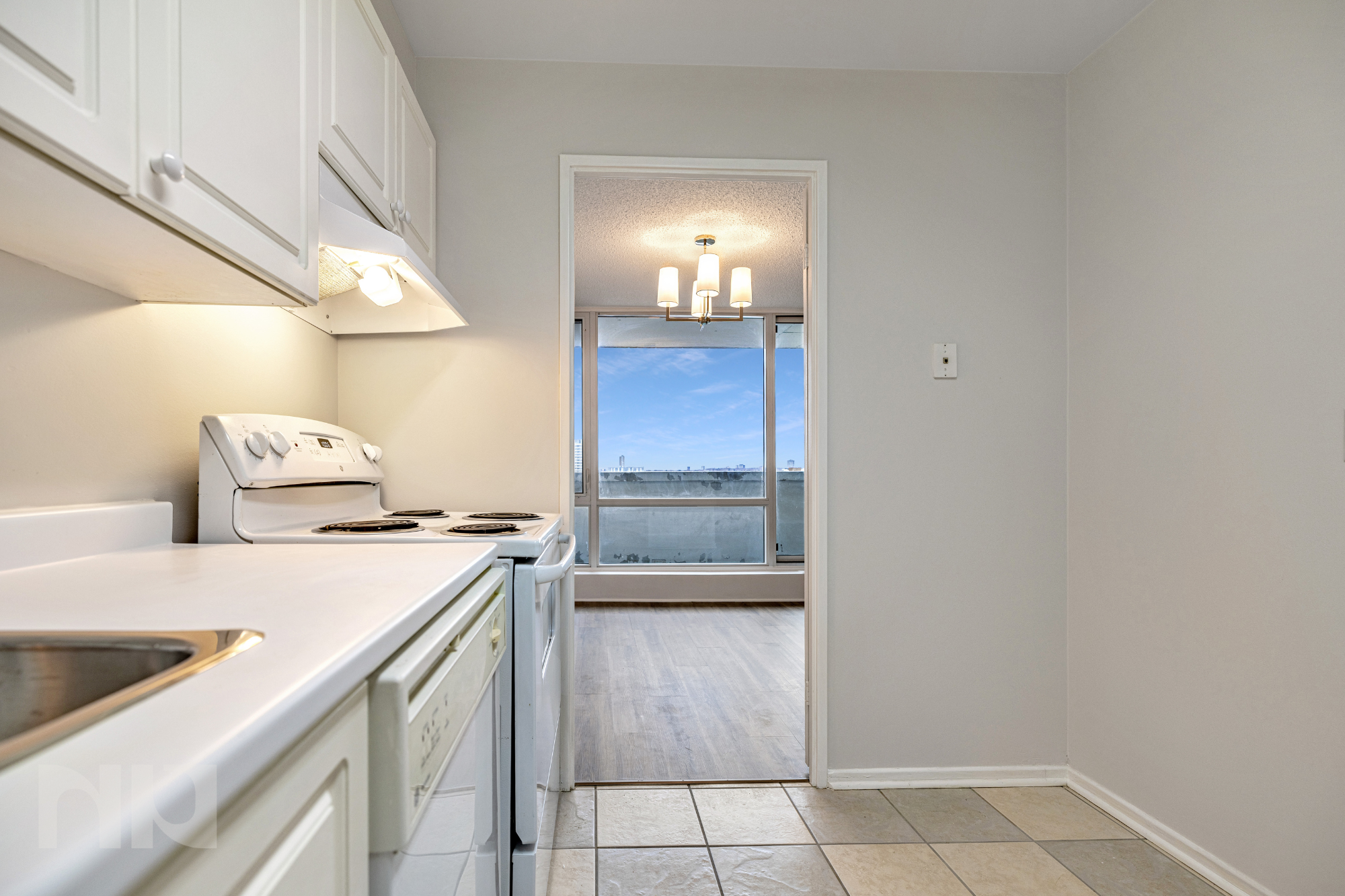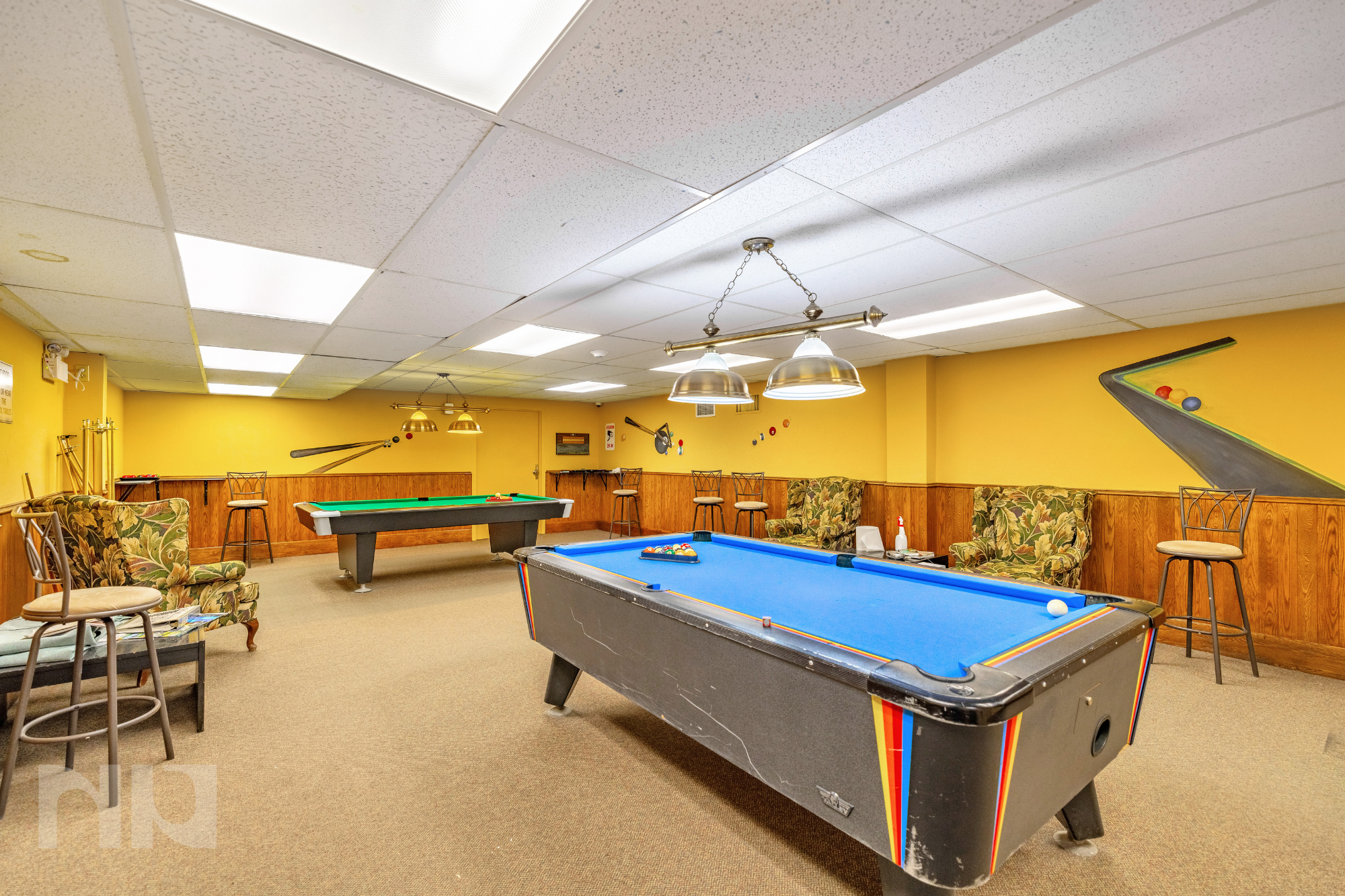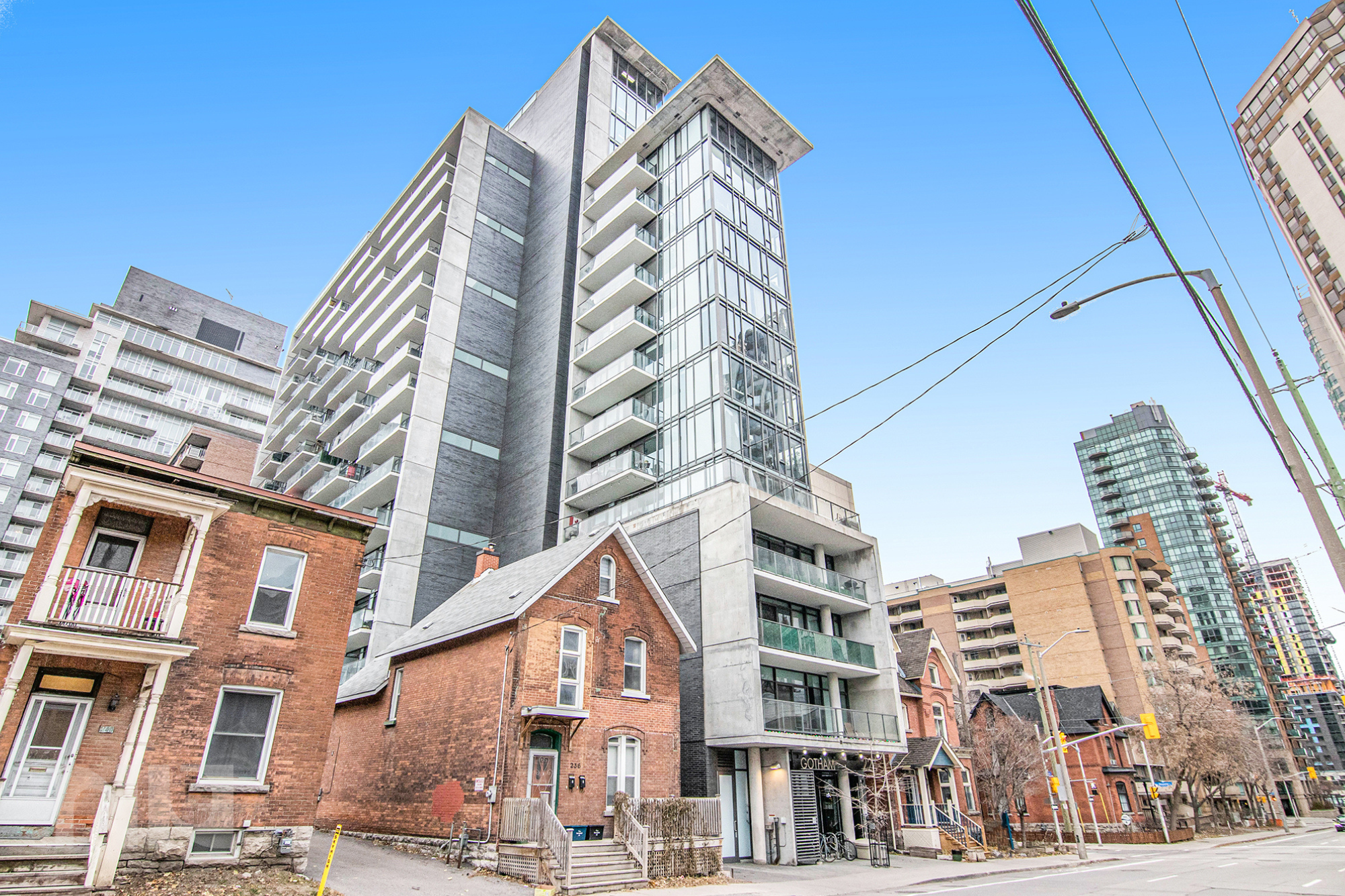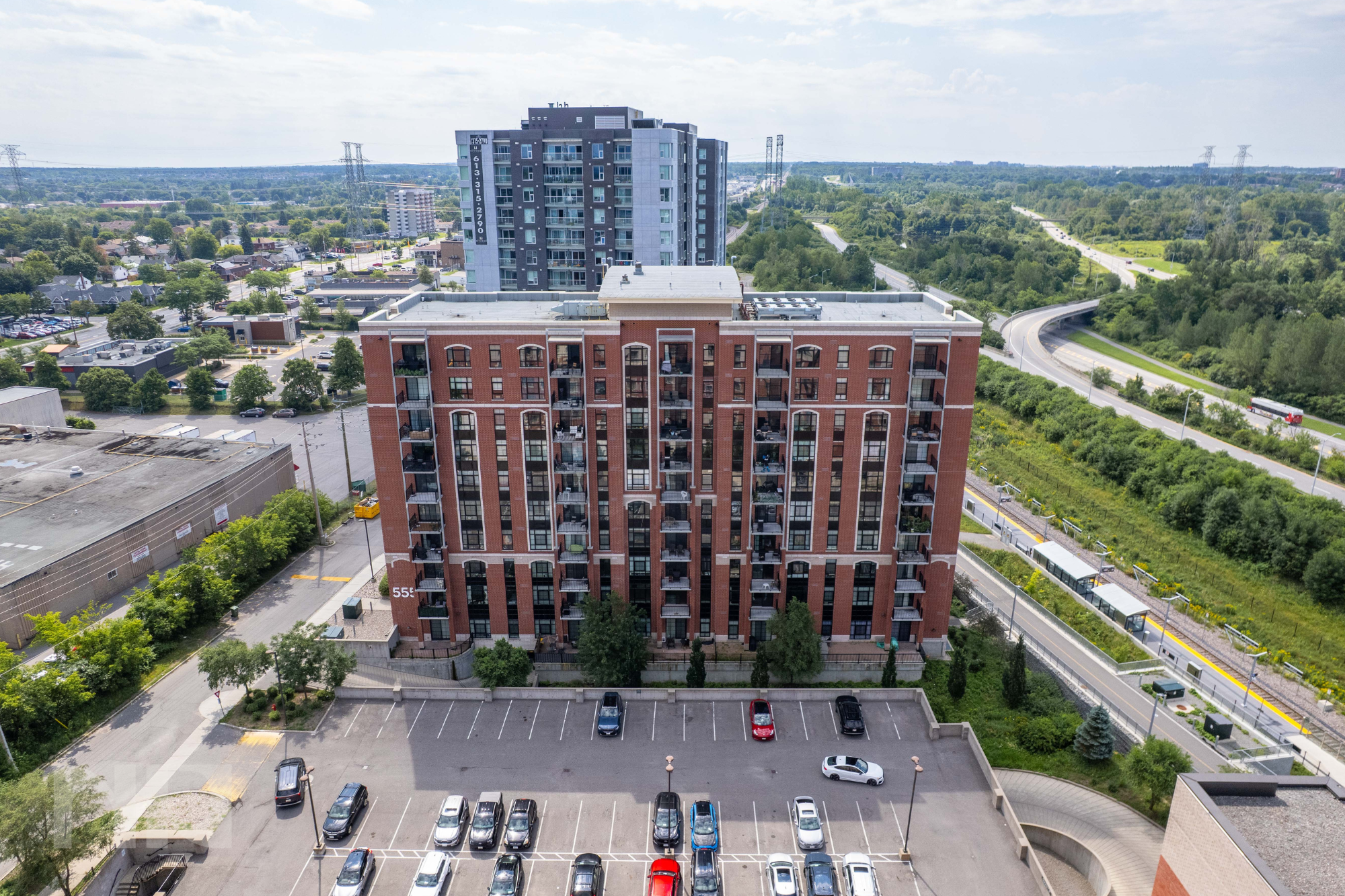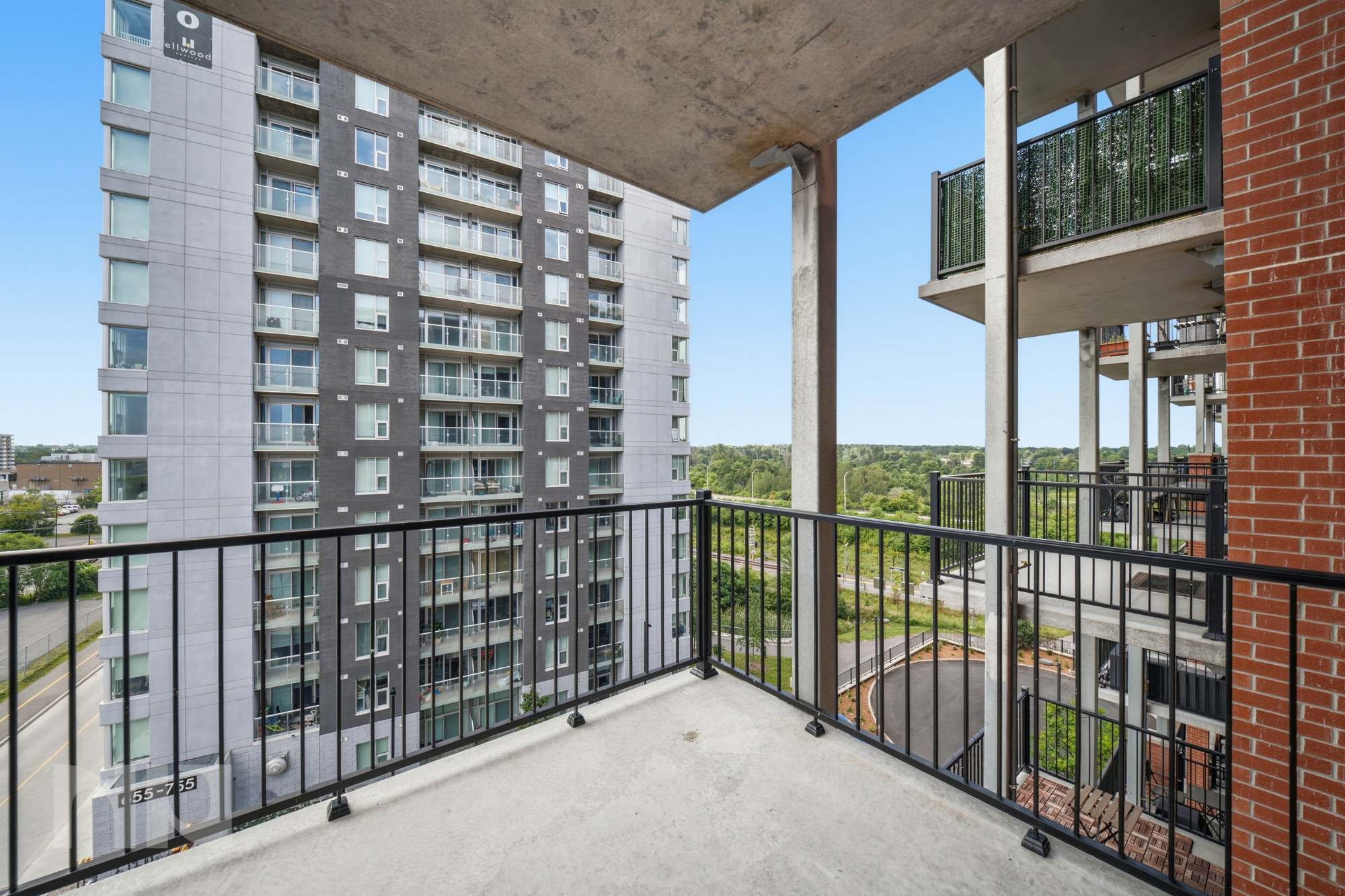
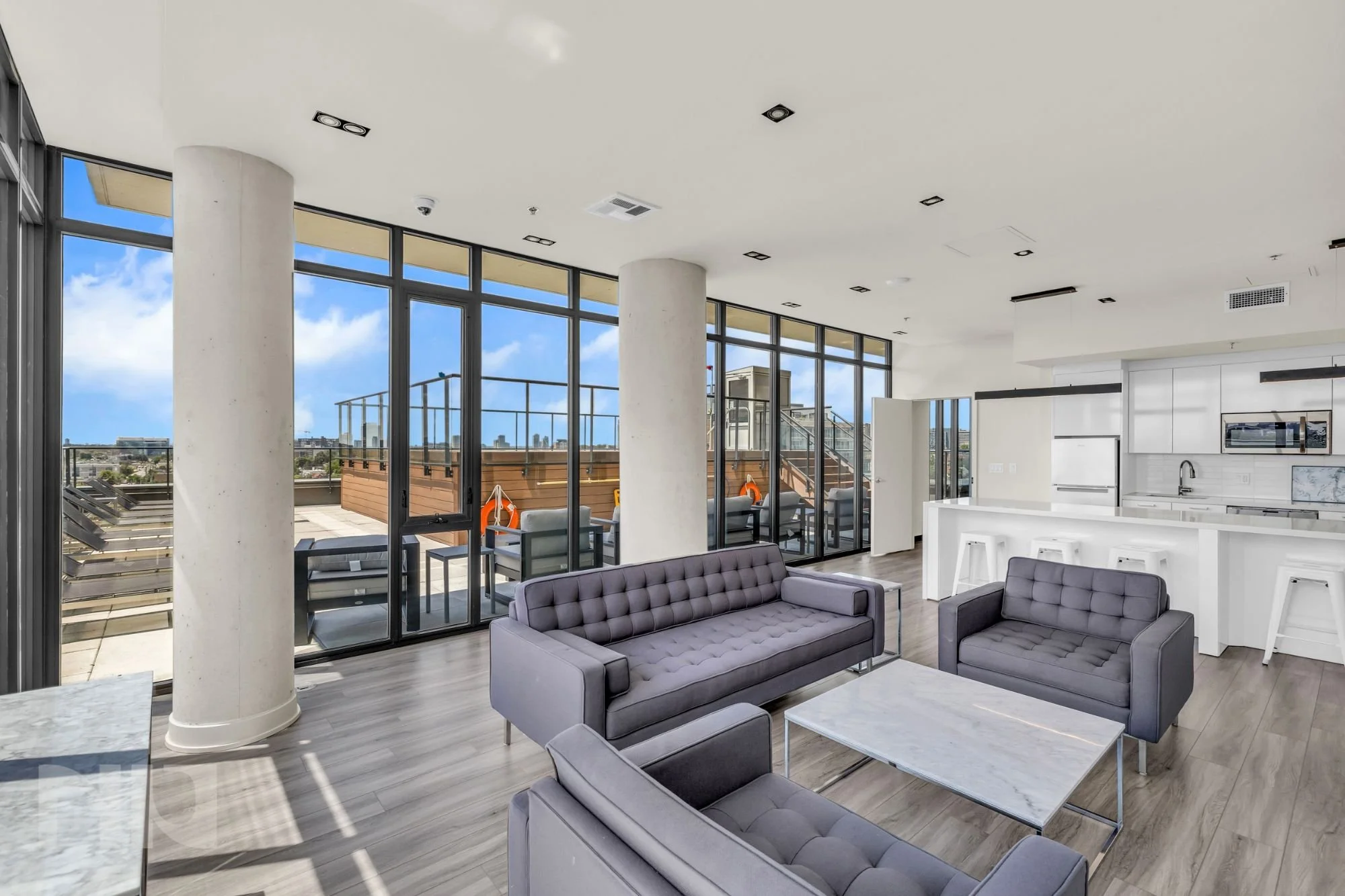
Most condo buyers focus on the unit.
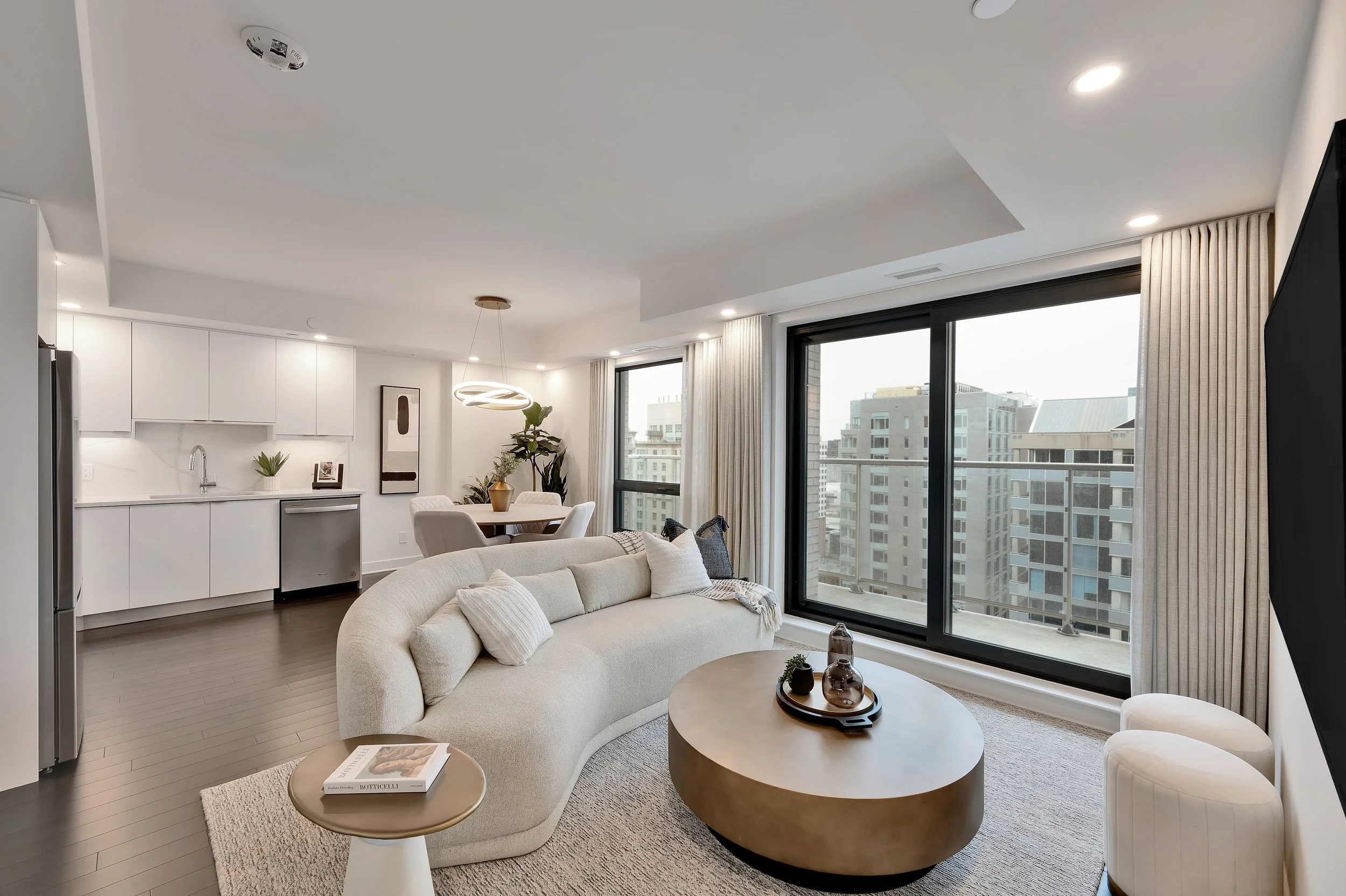
They look at the kitchen, the view, the bedroom size, the monthly fees, and whether the building has a gym or rooftop terrace.
Those things matter. But once you move in, your experience is often shaped by much smaller details.
How long does the elevator take at 8:30 in the morning? Where do your guests park? What happens when a package arrives while you are away? Can you get from your parking space to your front door without carrying groceries through three separate hallways?
These details may seem minor during a showing. Repeated every day, they can determine whether a condo feels easy to live in or constantly inconvenient.
Before buying, it can help to conduct what we call a condo friction audit.
Start Before You Reach the Unit
Your experience of a condo begins long before you open the front door.
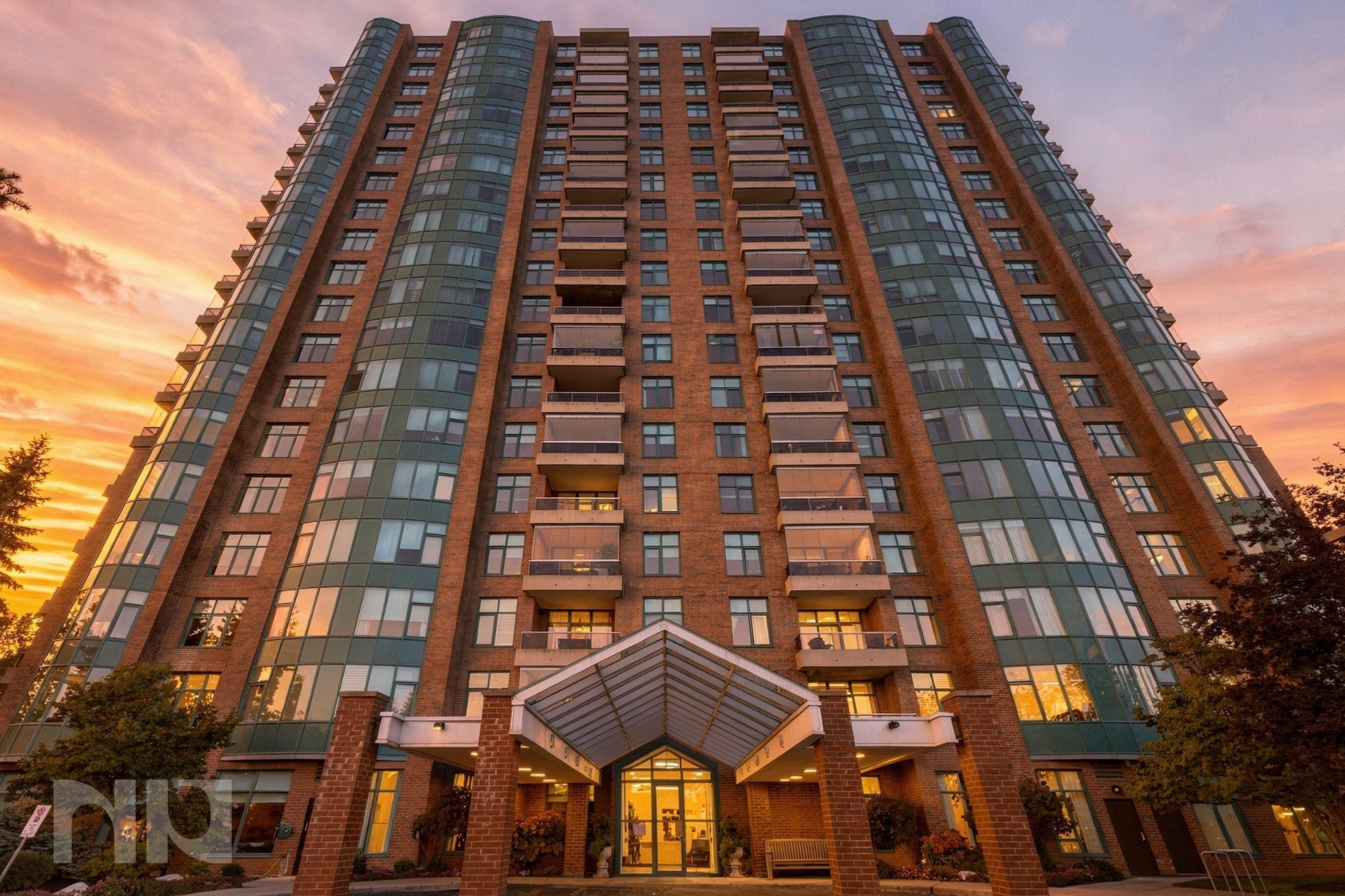
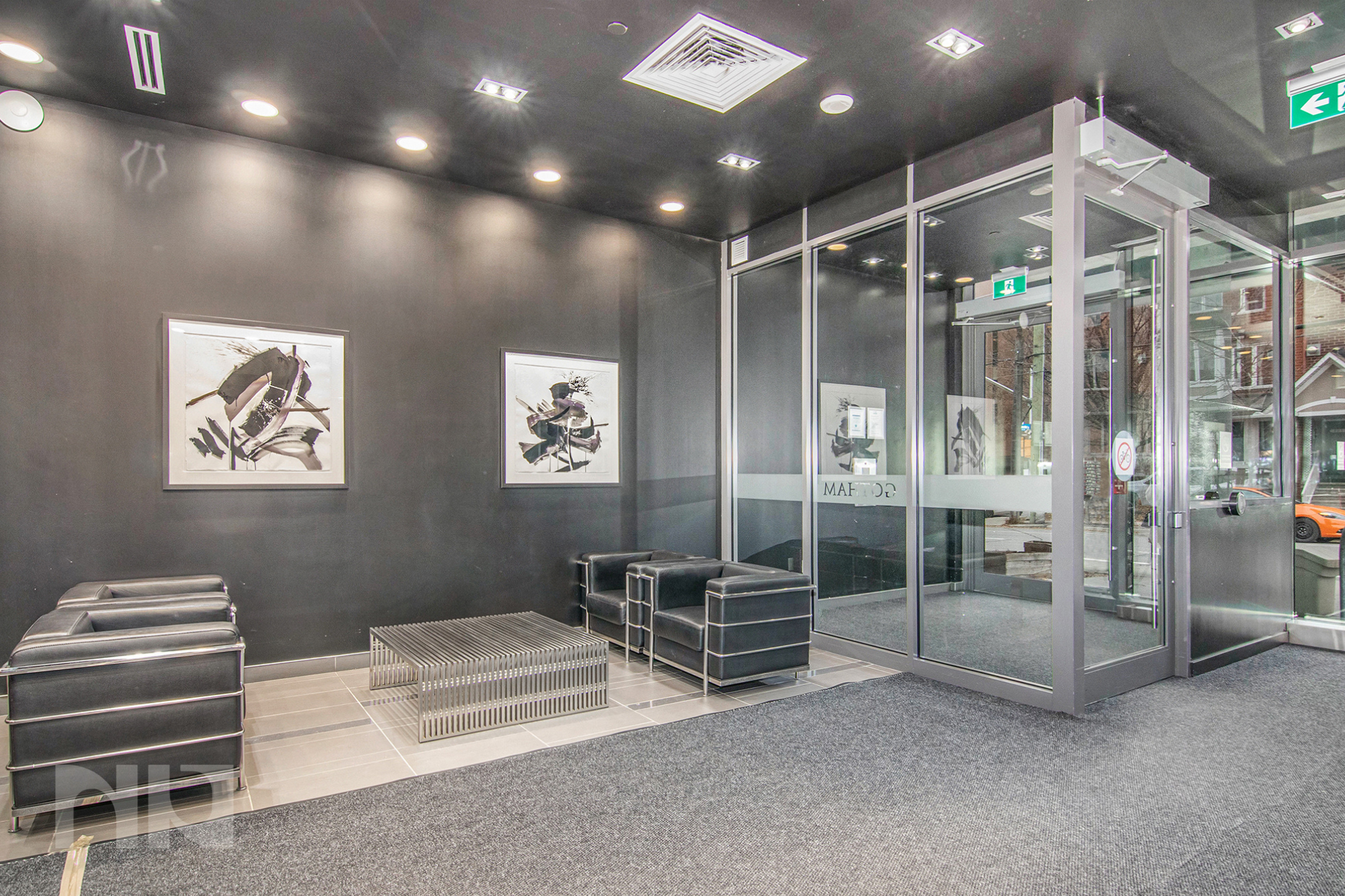
Notice how you enter the property. Is the main entrance easy to find? Is there somewhere for a vehicle to stop briefly? Does the lobby feel organized, or are delivery drivers, visitors, and residents all competing for the same small space?
Then trace the route you would use most often.
If you drive, walk from the parking space to the unit. If you bike, locate the bike storage and see how accessible it is. If you expect frequent visitors, look for guest parking and determine how they would enter the building.
A beautiful unit can feel much less practical if every arrival involves several locked doors, a slow elevator, and a long walk from the garage.
Time the Elevator
An elevator is easy to overlook until you rely on it several times a day.
During your showing, call the elevator and notice how long it takes. Look at how many elevators serve the building and how many floors they cover.
In a smaller building, one elevator may be perfectly adequate. In a taller or busier building, limited elevator service may mean longer waits during weekday mornings, evenings, move-ins, or maintenance shutdowns.
You may also want to ask:
How often is an elevator reserved for moves?
Is there a separate service elevator?
What happens when one elevator is out of service?
Can the stairs be used easily for shorter trips?
Elevator wait time will rarely make a listing description, but it can become part of your routine.
Follow the Grocery Route
Imagine arriving home with several grocery bags, a suitcase, sports equipment, a stroller, or a large package.
How many doors do you need to open? Are they heavy? Is there space to set things down while using a key or access fob? Can you bring a cart into the garage or lobby?
This is especially important if the unit is far from the elevator or if the parking space is on a different side of the building.
Convenience is not only about distance. It is about how many small obstacles sit between where you arrive and where you live.
Investigate Package Life
Online deliveries have changed how condo buildings function.
Some buildings have secure parcel lockers or staffed concierge desks. Others leave packages in the lobby, require residents to coordinate directly with couriers, or have limited storage space during busy periods.
Ask what usually happens when:
A package arrives while you are away
A delivery requires a signature
Food is delivered after the front desk closes
A large item cannot fit in the parcel area
A visitor does not know your unit number
A polished lobby does not necessarily mean the building has an effective delivery system.
Find the Garbage Room
Garbage disposal is rarely anyone’s favourite condo feature, but you will use it regularly.
Locate the garbage chute or disposal room. Is it on your floor? Does it appear clean and well-maintained? Are recycling and organic waste handled conveniently?
Units located directly beside garbage rooms or chutes may experience more hallway traffic, door noise, or occasional odours. Units farther away may require a longer trip every time something needs to be taken out.
There is no universally perfect location, but it is worth knowing what your routine would involve.
Test the Guest Experience
Buyers often consider whether they can host inside the unit but forget to consider how guests will reach it.
Find out whether guest parking is free, paid, limited, or unavailable. Ask whether visitors need to register their vehicles and how they gain access after hours.
Then consider the full visit:
Where will guests wait? How will you let them in? Is the intercom connected to a phone? Can they access your floor from the elevator? Are overnight guests subject to parking restrictions?
A condo can work well for one resident while making entertaining surprisingly complicated.
Look Beyond the Amenity List
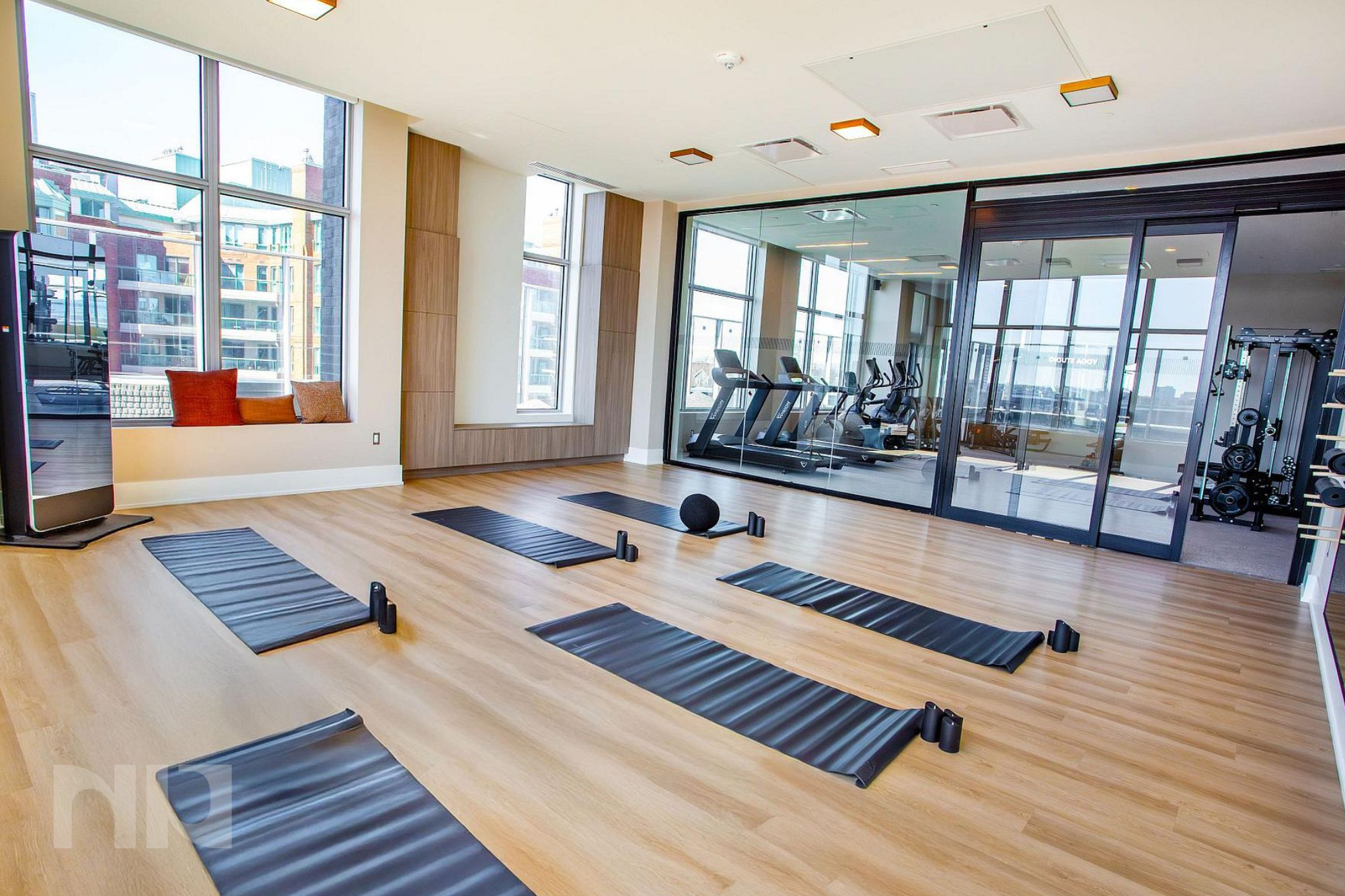
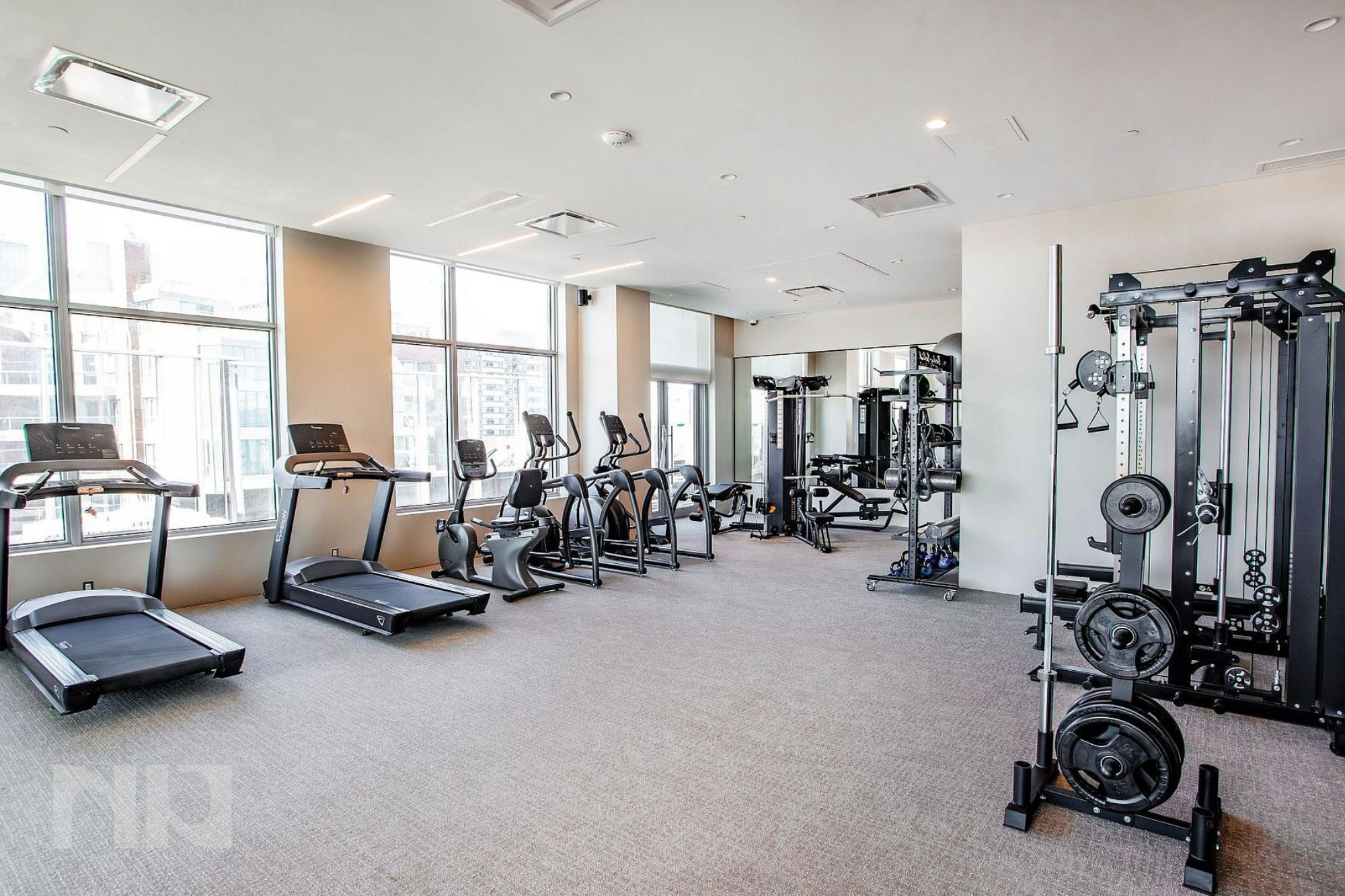
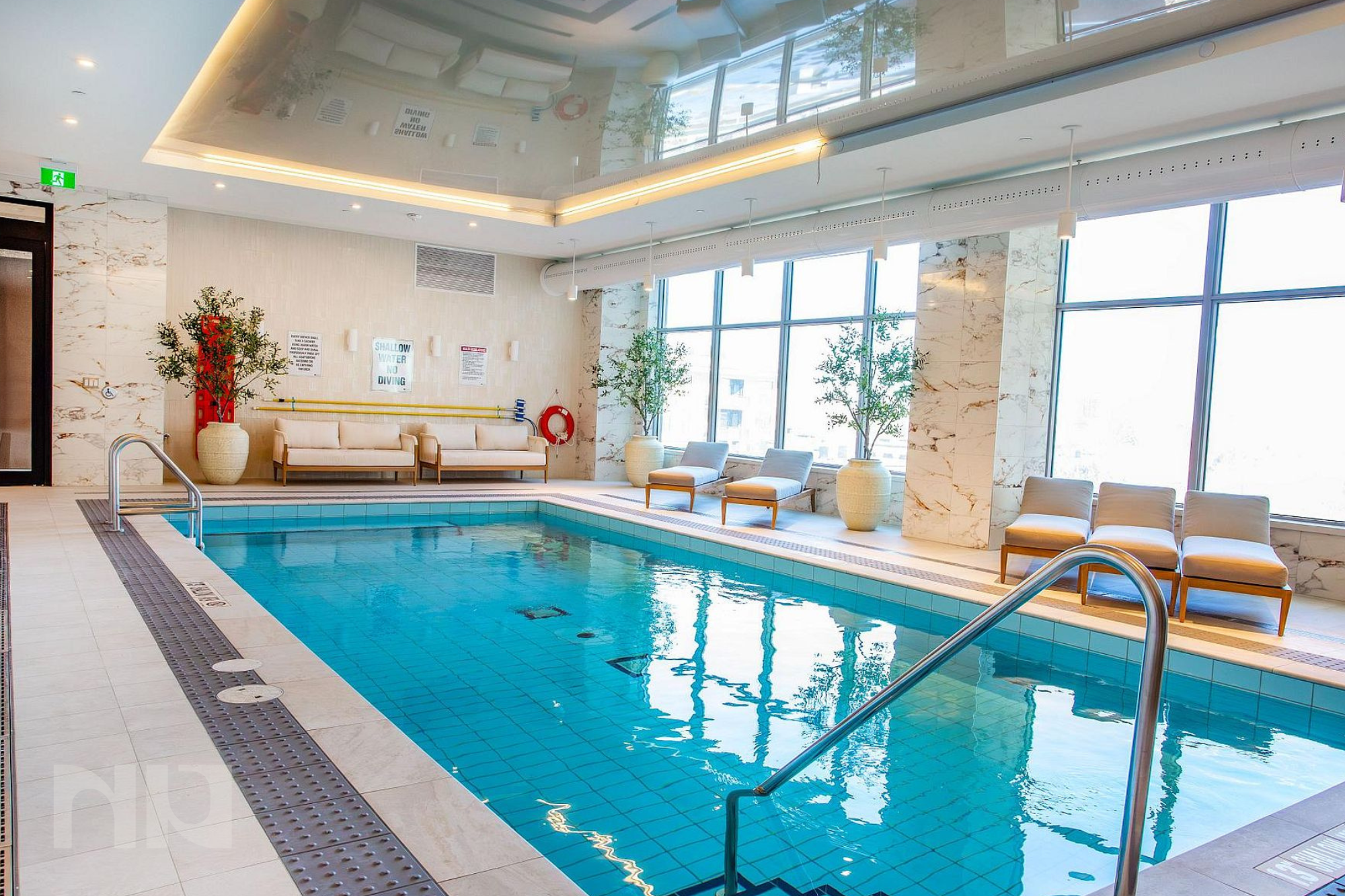
A gym, pool, theatre room, rooftop patio, and party room can sound impressive. The more useful question is whether you would actually use them.
Visit the amenity spaces when possible. Check their size, condition, equipment, and location within the building. Ask whether reservations are required, whether there are rental fees, and how frequently the spaces are closed for private bookings or maintenance.
A modest but functional gym may be more valuable than a long list of amenities that are difficult to access.
Consider the Amenity Commute
Even amenities within your building can be inconveniently located.
A rooftop patio may require two elevators. Bike storage may be in a separate garage level. The fitness room may be directly below certain units. A pool may require residents to cross a public lobby in swimwear.
Look at how the amenity connects to your unit, not simply whether it exists.
The best amenity is usually the one you can use without turning it into an event.
Listen in the Hallway
Sound inside a condo does not only travel between units.
Stand quietly near the front door and listen for elevators, stairwell doors, garbage chutes, conversations, pets, and people entering nearby units.
A unit close to the elevator may be convenient but experience more foot traffic. A unit near an exterior door may hear residents entering late at night. A long hallway can be quieter but less convenient.
The location of the unit within the building can matter almost as much as the floor plan.
Check Your Storage Reality
Condo storage often looks generous when the unit is empty.
Before buying, think specifically about where you would keep:
Winter coats and boots
Luggage
Sports equipment
Cleaning supplies
Bulk household items
Seasonal decorations
Bikes or outdoor gear
Confirm whether the storage locker is owned, assigned, or rented. Visit it if possible. A locker located in another part of the building may still be useful, but it may not solve everyday storage needs.
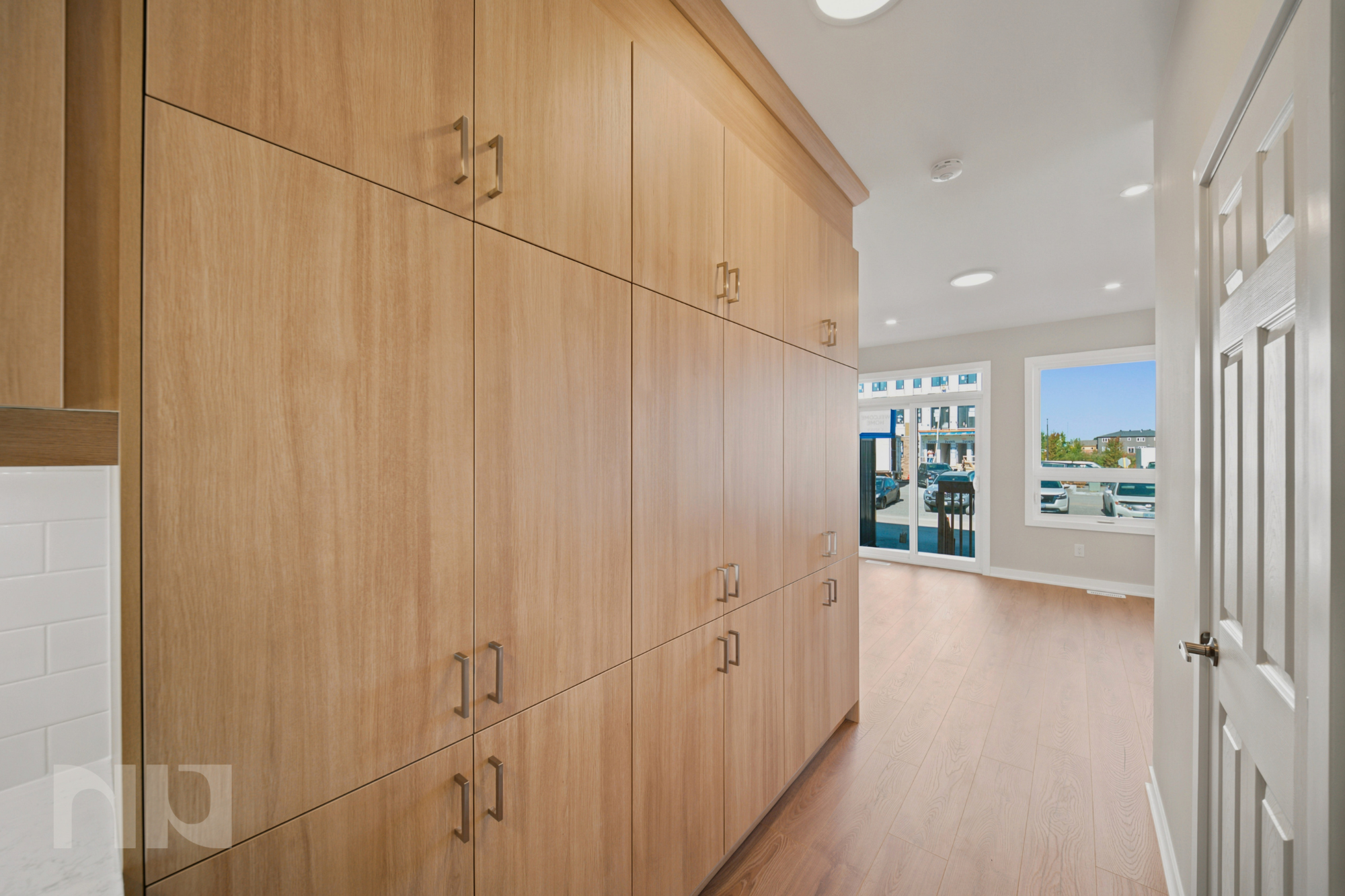
Built-in storage that is easy to reach is often more valuable than a larger locker several floors away.
Notice What Requires Booking
Condo life sometimes involves more scheduling than buyers expect.
Moves may need to be reserved weeks in advance. Elevators may require deposits. Party rooms, guest suites, loading areas, and even certain amenities may need formal bookings.
Ask what must be reserved and how the process works.
Rules are not automatically a negative. They can keep a building organized and protect shared spaces. The important thing is understanding how much coordination your lifestyle will require.
Pay Attention to the Building’s Communication Style
Good condo management is partly about how information reaches residents.
Look for signs, notices, bulletin boards, resident portals, or digital screens. Are updates clear and current? Does the building appear organized, or are residents relying on handwritten notes taped to doors?
You can also ask how management communicates water shutoffs, maintenance work, package issues, fire alarm testing, or amenity closures.
A well-run building usually leaves visible clues.
A Condo Is a System, Not Just a Unit
Buying a condo means purchasing a private home inside a shared system.
The finishes inside the unit may catch your attention first, but the systems around it will shape your experience every day.
A condo does not need to eliminate every inconvenience. It simply needs to work well for the way you actually live.
Before making an offer, look beyond the countertops and the view. Walk the route from the garage. Test the elevator. Find the garbage room. Picture your guests arriving. Consider where your groceries, deliveries, bike, and winter boots will go.
The best condo may not be the one with the longest amenity list. It may be the one that makes ordinary life feel surprisingly easy.
At New Purveyors, we help buyers evaluate both the unit and the building around it, so they can make a decision based on how a condo will function long after the showing ends.