
Before You Buy an Ottawa Condo, Try to Sell It

Most condo buyers begin with the same questions.

Do I like the kitchen? Is the bedroom large enough? Can I picture myself living here?

Those questions matter. But before buying an Ottawa condo, it is worth trying a slightly stranger exercise:

Pretend you already own it and need to sell it.

Who would buy it from you? What would they like about it? What might make them hesitate? Would your unit stand out from the others in the building, or would price be its only advantage?

You should buy a home that works for you, not one designed entirely for an imaginary future buyer. However, thinking about the eventual exit can reveal problems that are easy to overlook during a showing.

Here is how to put an Ottawa condo through the exit test.

1. Can You Describe Its Advantage in One Sentence?

Imagine five similar condos are listed in the same area.

Why would someone choose yours?

A strong answer could be:

  • It has an unusually large private balcony.

  • It is a true two-bedroom rather than a one-bedroom plus den.

  • The condo fees include several major utilities.

  • It has unobstructed views that are unlikely to disappear.

  • It includes parking in an area where parking is difficult to find.

  • It offers more than 1,000 square feet at a comparable price.

  • It has direct access to transit, parks or everyday shopping.

“Nice finishes” is not usually enough. Finishes can be replaced, and several competing units may have similar ones.

Look for an advantage that is difficult for another seller to recreate.

2. How Many Buyers Could Realistically Use the Layout?

Square footage tells only part of the story.

A smaller condo with a practical layout may feel more usable than a larger unit filled with narrow hallways, awkward corners or rooms that are difficult to furnish.

During the showing, consider where normal furniture would go:

  • Can a sofa face something other than the kitchen?

  • Is there room for a dining table?

  • Does the bedroom fit more than a bed?

  • Can the den function as an office?

  • Is there enough storage for daily life?

  • Would opening a closet or appliance block a walkway?

Pay particular attention to dens. Some are large enough to support remote work, occasional guests or additional storage. Others are little more than an alcove added to the floor plan.

A useful den can expand the unit’s future buyer pool. An unusable one may not add much beyond the listing label.

3. Are the Condo Fees Defensible?

Buyers often compare condo fees by looking only at the monthly number.

That can be misleading.

A $700 monthly fee that includes heat, water, building insurance, extensive amenities and a well-funded reserve may be easier to justify than a $500 fee that covers very little.

Ask what the fees include and what you would still pay separately. Condo fees generally contribute to the operation of the building, maintenance of common elements and the reserve fund used for major repairs and replacements.

You should also consider whether the building’s amenities make sense for its size. Pools, elevators, concierge services and large recreational facilities can be appealing, but they also require ongoing maintenance.

The question is not simply, “Are the fees high?”

It is:

Will a future buyer understand what they are paying for?

4. What Does the Building’s Financial Paperwork Say?

The unit is only part of what you are purchasing. You are also buying into the financial position and decision-making history of the condo corporation.

For a resale condo in Ontario, the status certificate provides important information about both the unit and the corporation. This can include the corporation’s budget, reserve fund, legal matters, governing documents, insurance and any existing special assessments. Buyers should have the certificate reviewed with their lawyer.

A reserve fund is money set aside for major repairs and replacement of common elements. Ontario condo corporations must periodically complete reserve fund studies to evaluate whether current savings and owner contributions are adequate for anticipated work.

No document can guarantee that expenses will never increase. However, the paperwork can help your lawyer identify issues that may affect ownership costs or future resale.

Do not treat the status certificate condition as administrative fine print. It is part of understanding what you are actually buying.

5. Would the Rules Eliminate Part of Your Buyer Pool?

Every condo corporation has its own declaration, bylaws and rules.

These may address:

  • Pets

  • Smoking

  • Renovations

  • Short-term rentals

  • Long-term leasing

  • Barbecues

  • Balcony use

  • Parking

  • Electric vehicle charging

  • Moving procedures

A rule may not bother you at all and could still matter when you eventually sell.

For example, restrictive pet rules may reduce interest from buyers with animals. A prohibition on leasing could affect someone hoping to keep the property as a future rental. Limited visitor parking may matter more to some households than others.

This does not automatically make the condo a poor purchase. It simply means you should understand how its rules could narrow the audience later.

6. Is the Parking Situation Clear?

Parking can significantly change how a condo functions, particularly outside Ottawa’s most walkable central neighbourhoods.

Confirm:

  • Whether the unit includes parking

  • Whether the space is owned, exclusive-use or assigned

  • Whether it can be sold separately

  • Whether additional spaces can be rented

  • Whether there is visitor parking

  • Whether the garage has height or vehicle restrictions

  • Whether electric vehicle charging is available or permitted

A unit without parking may still be highly marketable near rapid transit, employment and everyday amenities. The same unit may face more resistance in a car-dependent area.

Do not assess parking in isolation. Assess whether it makes sense for the location and likely buyer.

7. What Will the View Look Like Later?

A good view can be a meaningful advantage, but buyers should distinguish between a view and a temporarily empty space.

Look at what surrounds the building. A surface parking lot, older commercial property or vacant parcel could eventually be redeveloped.

That does not mean you should avoid the unit. Ottawa is a growing city, and neighbourhoods change. It does mean you should be cautious about paying a large premium for a view that may not be permanent.

When possible, investigate nearby development applications and zoning. Your agent can also help you understand whether proposed construction is already affecting the area.

8. How Does the Unit Compare With Its Own Building?

Your future competition may not be across Ottawa. It may be down the hall.

Large condo buildings can have multiple units listed at the same time. Buyers may compare nearly identical layouts, sometimes only a few floors apart.

Look at recent sales and current listings within the building:

  • Do certain floor plans consistently sell more quickly?

  • Is your unit renovated compared with the others?

  • Does it face a more desirable direction?

  • Does it include parking or a locker when others do not?

  • Is it on a floor buyers tend to prefer?

  • Are many similar units currently for sale or rent?

A common layout is not necessarily bad. Comparable sales can make pricing easier to understand. However, when units are very similar, condition, exposure, fees and asking price become especially important.

9. Does the Property Type Fit the Current Ottawa Market?

Ottawa’s market can behave very differently depending on the property type.

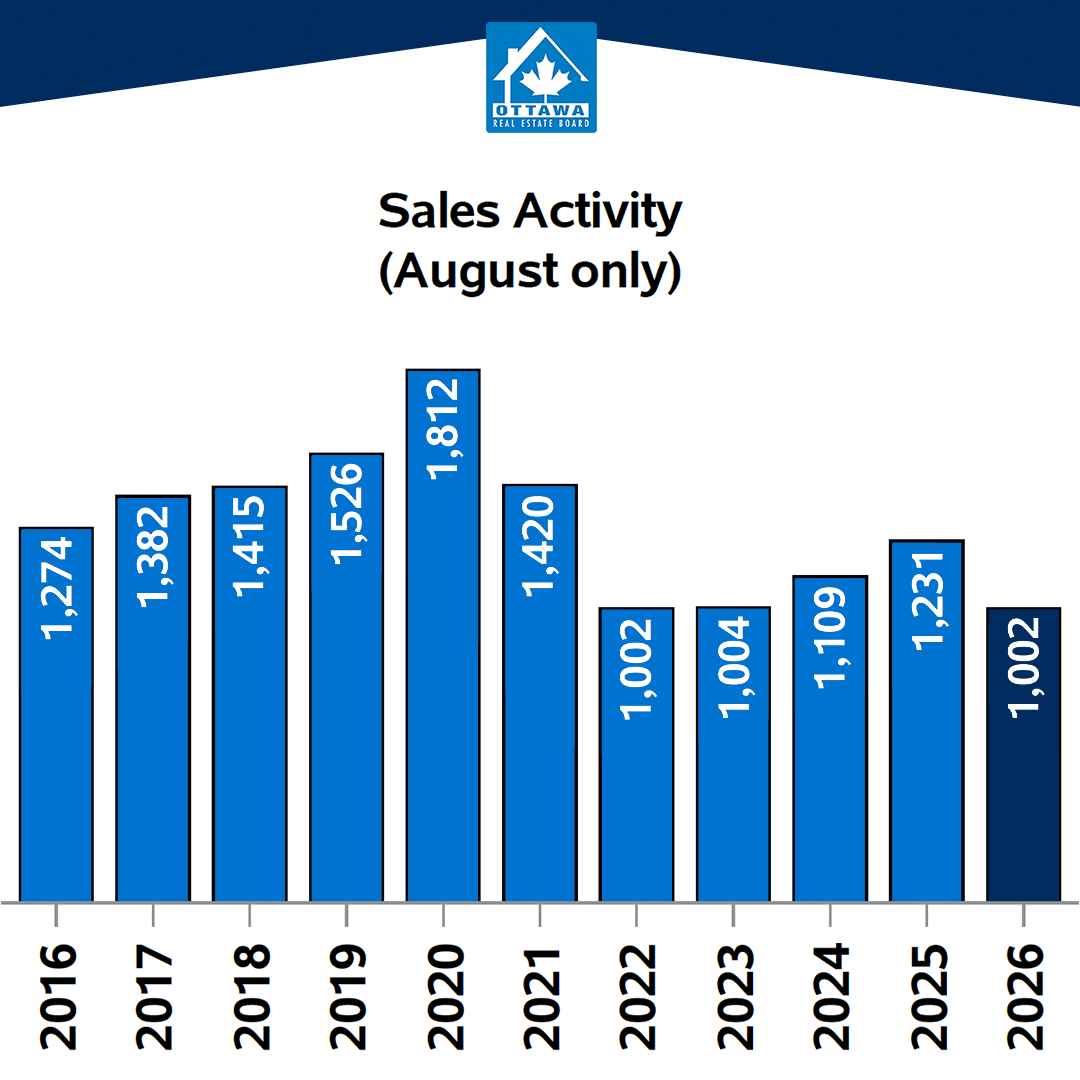
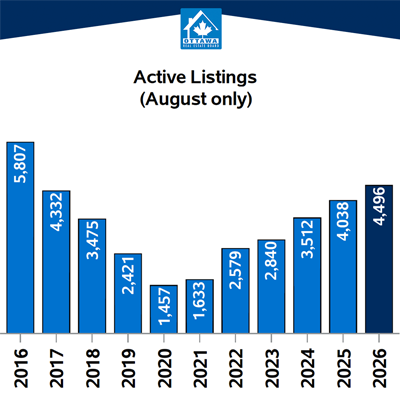
In June 2026, apartment-style properties were the city’s softest major segment. Apartment sales were down 14 per cent from June 2025, while elevated inventory gave buyers more choice than they had in tighter parts of the market.

For buyers, softer conditions can create an opportunity to compare buildings carefully, include appropriate conditions and negotiate based on recent sales.

It does not mean every condo is automatically undervalued.

A desirable unit in a well-managed building can still attract interest. A poorly positioned condo can remain difficult to sell even when the overall market improves.

Broad market conditions matter, but the building, unit and neighbourhood still need to make sense individually.

10. Would You Still Buy It Without the Staging?

Finally, mentally remove everything the seller is taking with them.

Ignore the furniture, art, rugs and carefully positioned plants. Focus on what will remain:

  • The layout

  • The windows

  • The exposure

  • The storage

  • The noise level

  • The condition of permanent finishes

  • The monthly costs

  • The building

  • The location

A beautifully staged condo can make an awkward room feel functional. An empty or dated condo can hide a layout that is actually excellent.

The strongest purchase is not always the unit that photographs best. It is the one whose underlying features continue to make sense after the showing is over.

The Condo Exit Test

Before making an offer, try completing this sentence:

A future buyer would choose this condo over a similar one because:

Then complete this one:

The most likely reason they would hesitate is:

How to Choose an Ottawa Condo That Will Be Easy to Resell

There is currently more choice in Ottawa’s condo market, but that does not mean every condo is equally good value.

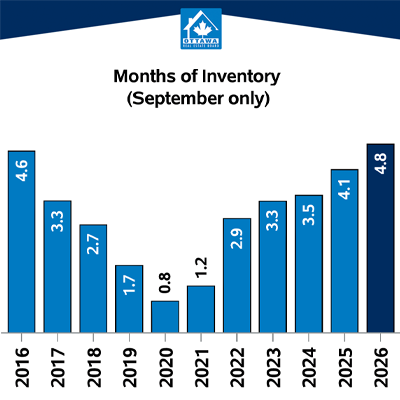
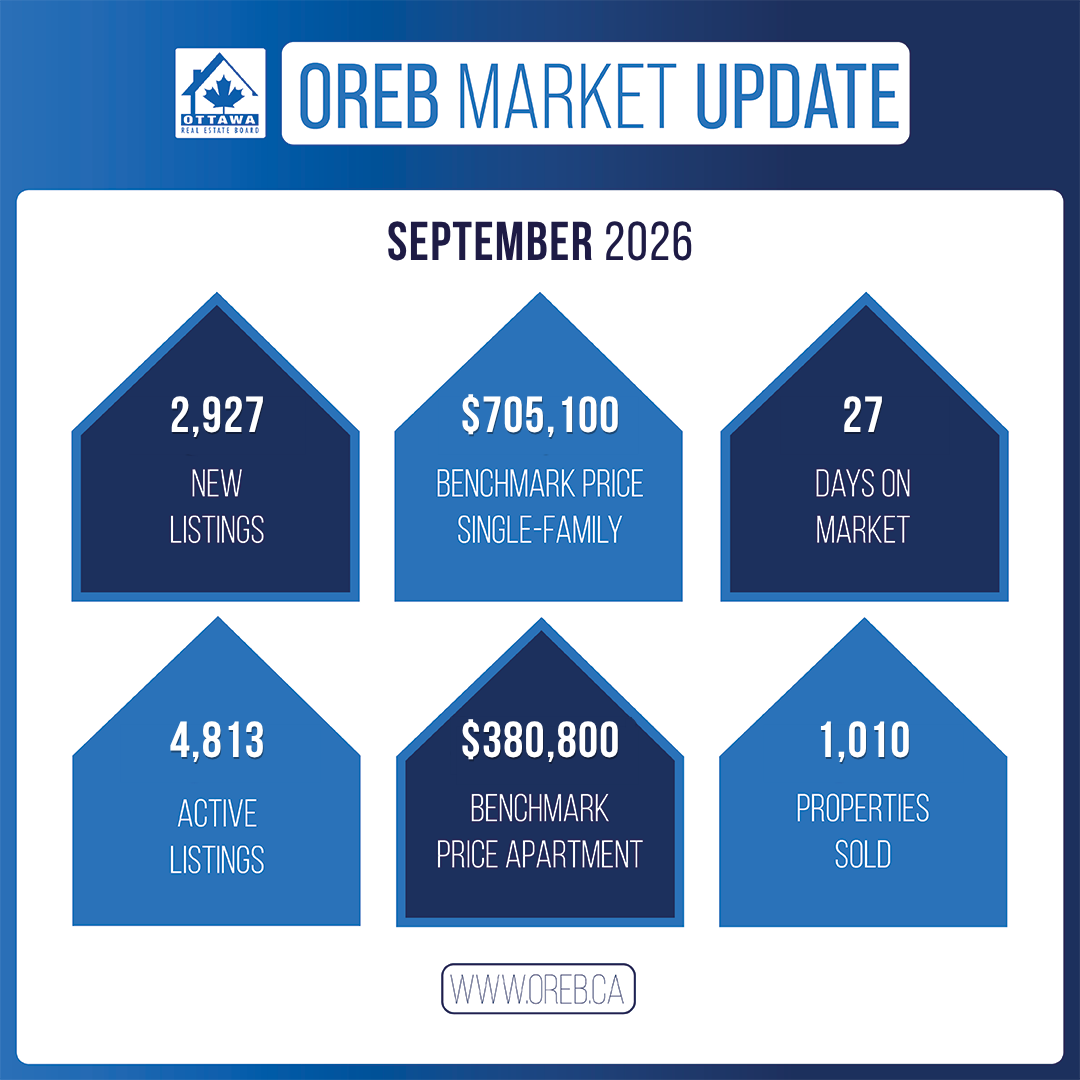
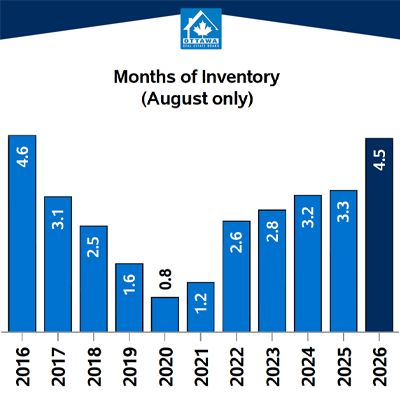
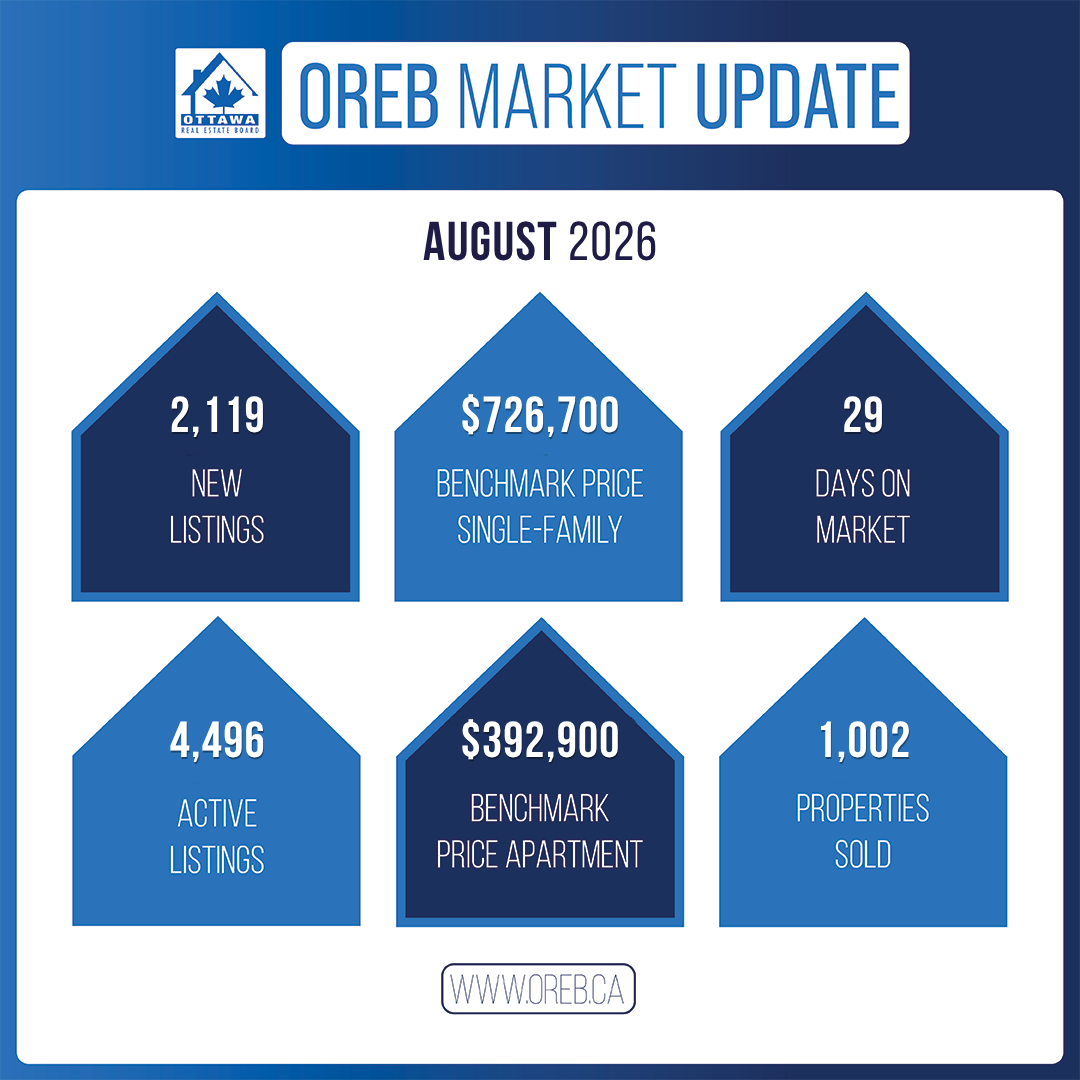
In June 2026, Ottawa apartment-style sales were down 14 per cent from the previous year. Apartments had 5.3 months of inventory, and their benchmark price was six per cent lower year over year. That made condos the softest major segment of Ottawa’s housing market.

For buyers, this can create room to compare properties, negotiate and avoid rushing into the first acceptable unit.

It can also make one question especially important:

Will another buyer still want this condo when you are ready to sell it?

Nobody can guarantee future resale value. You can, however, look for the characteristics that make a condo useful, appealing and easier to understand across different market conditions.

Start With the People Who Could Buy It Next

You may be buying the condo for yourself, but you probably will not be the only type of person who could live there.

A functional one-bedroom near downtown might appeal to a first-time buyer, professional, downsizer or investor. A two-bedroom near transit could work for a couple, roommates, a small family or someone who works from home.

A highly specific unit may have a smaller audience.

That does not automatically make it a bad purchase. It simply means you should understand whether the condo’s unusual feature is genuinely valuable or mainly attractive to you.

Ask:

  • Could more than one type of buyer use this layout?

  • Is there space to work from home?

  • Can the rooms hold normal-sized furniture?

  • Would the storage work for someone living there full-time?

  • Does the unit solve a common need in its neighbourhood?

The larger the realistic buyer pool, the less dependent your resale may be on finding one very specific person.

Do Not Let the Square Footage Make the Decision

Two condos with the same square footage can feel completely different.

A well-planned 700-square-foot unit may provide better living space than an 850-square-foot unit with long hallways, awkward columns or rooms that are difficult to furnish.

Look closely at how much of the floor plan is genuinely usable.

Can you place a sofa without blocking the balcony door? Is there enough room around the kitchen island? Can the den fit a desk and chair, or is it essentially an oversized hallway? Does the second bedroom have a door, window and useful wall space?

Buyers often focus on finishes during a showing, but floors and counters can be updated. A difficult floor plan is much harder to change.

Compare the Total Monthly Cost

A lower purchase price does not always make one condo more affordable than another.

The more useful calculation is:

Mortgage payment + condo fees + property taxes + utilities + parking costs

A $400,000 condo with higher monthly fees could cost more to carry than a $425,000 condo in another building.

You should also understand what the condo fee includes. Heat, water, building insurance, management, amenities and contributions to the reserve fund may all affect the amount.

Low fees are not automatically a sign of a well-run building. They may be reasonable because the property has few shared facilities, or they may leave less room for repairs and rising costs.

High fees are not automatically a problem either. The important question is whether the building’s expenses, services and financial planning justify them.

Look Beyond the Current Condo Fee

The current fee tells you what owners are paying today. It does not tell you what they may need to pay later.

For a resale condo, the status certificate can include the corporation’s current budget, audited financial statements, reserve fund information, recent fee increases, special assessments, insurance and ongoing litigation. The Condominium Authority of Ontario recommends that buyers have the certificate reviewed with their lawyer.

The reserve fund is the condo corporation’s dedicated account for major repairs and replacement of common elements. Proper reserve planning can reduce the likelihood of debt and special assessments while helping the corporation complete necessary repairs.

That does not mean a large reserve-fund balance automatically makes a building healthy. The amount must be considered alongside the building’s age, size and upcoming work.

A building with elevators, balconies, underground parking and extensive mechanical systems will have different future costs from a small, low-rise property.

The goal is to understand the plan, not simply look for the biggest number.

Pay Attention to the Expensive Parts of the Building

A freshly renovated lobby can make a strong first impression. It tells you very little about the condition of the building’s most expensive components.

Depending on the property, those may include:

  • Elevators

  • Windows

  • Roofing

  • Plumbing

  • Heating and cooling systems

  • Balconies

  • Parking garages

  • Exterior cladding

The Condominium Authority of Ontario identifies features such as exposed balconies and structural slabs supporting parking or landscaping as potential financial and safety risk factors that require proper reserve planning.

An older building is not necessarily a worse choice. Some older Ottawa condos offer larger floor plans, established communities and completed capital improvements.

The key is knowing what has been repaired, what is approaching the end of its expected life and how the corporation plans to pay for it.

Choose Amenities You Will Actually Use

Amenities can help a building stand out, but they are not free.

Pools, fitness centres, guest suites, security staff, rooftop terraces and elaborate common areas can improve daily life. They can also increase operating, maintenance and insurance costs.

Think about whether the amenities make sense for the likely residents of the building.

A good gym in a downtown tower may receive frequent use. A pool that is regularly closed or nearing a major repair may be more of an expense than a benefit. A party room may matter less than secure bicycle storage, parcel management or reliable elevators.

The best amenity is often the one that solves an everyday problem.

Evaluate the Building’s Competition

When you eventually sell, your unit may be competing with several similar condos at once.

This is especially relevant in large buildings with repeated floor plans. If six nearly identical one-bedroom units are listed at the same time, buyers can compare them closely on price, condition, floor, exposure and parking.

Before buying, look at:

  • How many units are in the building

  • How often similar units are listed

  • Whether the same floor plan appears frequently

  • How your view, floor or exposure compares

  • Whether parking or storage is included

  • How the building compares with nearby alternatives

Being in a large building is not inherently negative. It simply makes differentiation more important.

A corner unit, better layout, unobstructed exposure, parking space or larger balcony may help a property stand apart from similar listings.

Research What Could Be Built Nearby

A condo’s view, traffic, sunlight and neighbourhood experience can change.

An empty lot across the street may eventually become another tower. A low-rise commercial property could be redeveloped. New construction may improve the area by bringing homes, businesses and services, but it may also affect noise or views.

The City of Ottawa’s Development Application Search Tool allows buyers to search nearby streets and review submitted plans and reports.

Search more than the building’s address. Look at the surrounding block, major nearby properties and any land currently being used below its development potential.

A view should be treated as protected only when there is a reliable reason to believe it cannot be built over.

Test the Building, Not Only the Unit

A condo showing often lasts less than an hour. Living in the building will involve much more than the time spent inside the unit.

Pay attention on the way in and out.

Are the common areas clean? Do the elevators appear reliable? Is the garbage area manageable? Can visitors find the entrance? Is parcel delivery secure? Does the parking space fit a normal vehicle? Is there enough room for moving furniture?

Visit at a busier time when possible. Evening noise, elevator demand and traffic around the entrance may be different from what you experience during a quiet afternoon showing.

Small inconveniences can become significant when they are repeated every day.

The Best Condo Is Not Necessarily the Cheapest One

Ottawa’s softer apartment market may give buyers more negotiating power, but price should still be considered alongside the building, layout, finances and location.

A discounted condo with an awkward floor plan, uncertain future expenses or limited buyer audience may not be better value than a slightly more expensive property that functions well and is easier to understand.

The strongest purchase is usually one that works on three levels:

  1. You can comfortably afford the total monthly cost.

  2. The unit and building support your real daily life.

  3. The property has features that another buyer is likely to value later.

You cannot control what Ottawa’s condo market will be doing when you sell. You can control how carefully you choose the property you purchase today.

New Purveyors helps Ottawa condo buyers compare more than list prices. We can help you examine recent building sales, monthly costs, floor plans, neighbourhood development and the documents that should be reviewed before you commit.

Reach out to begin building an Ottawa condo shortlist based on both how you want to live now and what may matter when it is eventually time to sell.

Is a Low Condo Fee Actually a Red Flag?

When comparing condos, a lower monthly fee can make one unit seem like the obvious choice.

After all, who wants to pay more every month?

But condo fees are not simply an extra expense. They are how owners collectively pay to operate, maintain and protect the building. A surprisingly low fee can represent an efficient, well-managed condominium. It can also mean certain costs are not included, contributions have been kept artificially low or expensive work may be waiting down the road.

The number matters, but the financial story behind it matters more.

What Do Condo Fees Actually Pay For?

Condo fees, also called common expenses, typically contribute to two main areas:

  1. The building’s ongoing operating expenses

  2. Its reserve fund for major future repairs and replacements

Depending on the condominium, fees may help cover building insurance, management, cleaning, landscaping, snow removal, security, utilities, amenities and routine maintenance.

Part of the fee is also generally directed toward the reserve fund. In Ontario, condominium corporations must maintain a reserve fund for major repairs and replacements of common elements and assets. Corporations must also complete periodic reserve fund studies to assess anticipated work and determine whether contributions are adequate.

That means you are not only paying for what the building needs today. You are contributing toward what it is expected to need years from now.

When Low Condo Fees Can Be a Good Sign

Low fees are not automatically suspicious.

A condominium may have reasonable fees because it:

  • Has few amenities

  • Does not include heat, hydro or water

  • Has relatively simple common areas

  • Has a large number of units sharing certain expenses

  • Is newer and currently requires less maintenance

  • Is managed efficiently

  • Has commercial spaces or other arrangements contributing to expenses

A townhouse condominium with no pool, concierge or underground garage may naturally cost less to operate than a high-rise with extensive amenities.

The key is comparing similar properties. A low-rise building and a luxury tower should not be expected to have the same expenses.

When Low Fees Deserve a Closer Look

The concern is not that fees are low. It is that they may be too low to support the condominium’s actual needs.

Some warning signs may include:

Major projects are approaching

Roofs, windows, elevators, balconies, parking garages and mechanical systems eventually require major work. A building may appear affordable today even though significant repairs are approaching.

The reserve fund is not keeping pace

A reserve fund balance cannot be judged by one number alone. It should be considered alongside the building’s age, condition, planned projects and recommended funding schedule.

Fees have been kept low for appearances

Owners may enjoy low fees in the short term, but delaying necessary increases does not eliminate rising expenses. It may simply move the cost into the future.

Important services are billed separately

One building may advertise a lower condo fee because owners pay separately for utilities, parking or other services. Another may appear more expensive because those costs are already included.

The corporation has a budget shortfall

When a condominium corporation does not have enough money to meet its obligations, owners may face fee increases, borrowing or a special assessment. A special assessment is an additional charge collected from owners to address a financial shortfall or significant expense.

A low monthly payment is less attractive if it is followed by an unexpected bill.

Do High Condo Fees Mean a Building Is Better Managed?

Not necessarily.

High fees can reflect valuable inclusions, extensive amenities or responsible reserve-fund planning. They can also result from aging infrastructure, inefficient operations, expensive contracts or previous financial problems.

Neither “low” nor “high” tells you enough on its own.

Instead, ask:

  • What is included in the fee?

  • How much has the fee increased recently?

  • What major repairs are planned?

  • Is the reserve fund following its recommended funding plan?

  • Are there current or anticipated special assessments?

  • Does the building’s condition match its financial records?

  • Are you personally likely to use the amenities you are funding?

The best value is not always the lowest payment. It is a building that appears financially prepared, physically maintained and appropriately priced for what it provides.

The Status Certificate Matters

For a resale condo, the status certificate package provides important information about both the unit and the condominium corporation.

It generally includes the current budget, audited financial statements, governing documents, information about the reserve fund, the unit’s common expenses and certain legal or financial issues. It may also identify a fee increase or special assessment that has already been declared.

These documents should be reviewed carefully as part of the purchasing process, ideally with the appropriate real estate and legal professionals.

The Bottom Line

Low condo fees can be a genuine advantage, especially in a simple, efficiently managed building.

But they should not be evaluated in isolation.

Before choosing one condo over another based on the monthly fee, compare what each fee includes, review the corporation’s finances and consider the building’s future repair needs. Paying slightly more each month may be preferable to purchasing into a condominium that has postponed necessary contributions.

The goal is not to find the condo with the cheapest fee.

It is to find a condo whose fees make sense.

Thinking about buying a condo in Ottawa? The New Purveyors team can help you compare the full picture, from monthly costs and building documents to location, lifestyle and long-term resale potential.

This article is intended for general information and does not replace legal, financial or professional advice.

The Condo Governance Test: Is the Building Capable of Making Good Decisions?

A renovated kitchen can be replaced. Flooring can be changed. Even an awkward room can sometimes be redesigned.

A poorly run condominium corporation is much harder for one owner to fix.

When buyers compare condos, they naturally focus on the visible differences: the layout, view, finishes, amenities, parking and monthly fees. Those things matter, but they are only part of what is being purchased.

You are also buying into an organization responsible for maintaining the property, managing its finances, enforcing its rules and making decisions that may affect your home and monthly expenses for years.

In Ontario, the condominium board is responsible for overseeing the corporation’s affairs, property and assets. Even when a professional management company handles the daily operations, the board remains ultimately responsible for the corporation’s direction.

That makes governance one of the most important and least visible parts of a condo purchase.

Before buying, ask a question that rarely appears in listing descriptions:

Is this building capable of making good decisions?

A Beautiful Unit Can Still Be Part of a Troubled Building

Inside the unit, you have some control. You can repaint, renovate, repair appliances and decide how the space is used.

Outside the unit, control is shared.

Decisions about elevators, roofing, windows, garages, landscaping, security systems, common-area renovations and major repairs are generally made at the corporation level. The same is true of budgets, reserve fund contributions, rules and contracts with service providers.

The quality of those decisions can influence:

  • How well the property is maintained

  • Whether repairs happen before problems become more expensive

  • How quickly owner concerns are addressed

  • Whether condo fees rise gradually or unexpectedly

  • Whether rules are enforced consistently

  • How comfortable the building is to live in

  • How future buyers perceive the property

This does not mean buyers need to find a building where every owner agrees on everything. That building probably does not exist.

Healthy governance is not the absence of disagreement. It is the ability to deal with disagreement, make informed decisions and communicate those decisions clearly.

The Status Certificate Is the Starting Point, Not the Entire Investigation

A resale condo’s status certificate contains important information about the unit and corporation, including governing documents, the current budget, audited financial statements and information about the reserve fund. It can also disclose matters such as common-expense arrears associated with the unit and certain legal or financial issues affecting the corporation.

It should be reviewed carefully, ideally with appropriate legal guidance.

However, a document package may tell you what is happening without fully showing you how the corporation responds when something happens.

Two buildings may face the same repair.

One board may obtain professional advice, explain the options, adjust its financial plan and communicate a clear schedule.

Another may delay the work, revisit the same debate repeatedly and provide owners with little information.

The physical problem may be identical. The governance problem is not.

1. Do Problems Get Resolved or Repeated?

One of the best ways to understand a condo corporation is to look for patterns over time.

Condo corporations are required to create minutes for board and owners’ meetings. Owners can also request access to certain corporation records in accordance with the prescribed process.

When meeting minutes are available for review, do not only look for alarming words such as “leak,” “lawsuit” or “special assessment.” Most established buildings will encounter repairs, disagreements and unexpected expenses eventually.

Instead, follow each issue through multiple meetings.

Suppose water infiltration is mentioned. What happens next?

  • Was the problem investigated?

  • Was a professional retained?

  • Were repair options presented?

  • Was a decision made?

  • Did the repair proceed?

  • Did the same unresolved issue return month after month?

A building does not need to be problem-free. It needs to demonstrate that problems move toward resolution.

Repeated discussion without visible progress may indicate indecision, poor communication, incomplete records or a more complicated issue than the documents initially reveal.

2. Does the Corporation Plan Ahead?

Ontario condominium corporations are required to maintain reserve funds for major repairs and replacements of common elements and assets. Reserve fund studies must also be updated on a prescribed cycle, generally within three years of the previous study.

Having a reserve fund study is therefore not, by itself, proof of excellent planning.

The more useful question is what the corporation does with the information.

Look for evidence that the board:

  • Reviews upcoming projects before they become emergencies

  • Adjusts contributions when projected costs change

  • Obtains updated professional estimates

  • Coordinates related projects where practical

  • Explains changes to owners

  • Distinguishes necessary repairs from optional improvements

A reserve fund balance should not be judged in isolation. A large building with elevators, underground parking, extensive mechanical equipment and multiple common facilities may have very different future obligations from a small condominium with limited common elements.

The balance must be considered alongside the expected projects, contribution plan and assumptions in the study.

3. Are Low Condo Fees Supported by the Budget?

Low monthly fees can make a listing look especially attractive.

But low fees are only beneficial when the corporation can still pay its operating expenses, maintain the property and make appropriate reserve fund contributions.

Otherwise, the fee may be low because costs have been deferred rather than eliminated.

Review what the monthly fee includes and how the annual budget is allocated. Consider whether major services have become more expensive, whether the corporation has recently changed contractors and whether contributions appear aligned with the reserve fund plan.

A gradual, explained increase may be less concerning than several years of artificially stable fees followed by a sudden correction.

The goal is not necessarily to find the condo with the lowest fee. It is to find a corporation whose fee makes sense for the property it operates.

4. How Clearly Does the Corporation Communicate?

Good communication does not require a weekly newsletter or an elaborate resident app.

It means owners receive useful information when decisions affect them.

Strong communication usually answers practical questions:

  • What happened?

  • What is being investigated?

  • What has been decided?

  • What will it cost?

  • When will the work occur?

  • How will residents be affected?

  • What action, if any, do owners need to take?

Weak communication often relies on vague language. Owners may be told that a matter is “being reviewed” for months without receiving a meaningful update.

During a viewing, pay attention to the notices posted in common areas. Are they current, understandable and professional? Do elevators, entrances and amenity spaces contain layers of outdated or contradictory instructions?

A bulletin board cannot reveal everything about a corporation, but it can provide a small glimpse into how information is handled.

5. Is There a Pattern of Management Turnover?

A change in condominium management is not automatically negative.

Corporations may change management companies to improve service, control costs or find expertise better suited to the property. A new manager may be a sign that the board is actively addressing a problem.

Frequent unexplained turnover deserves closer attention.

Try to determine:

  • How long the current manager has worked with the corporation

  • Whether several managers or management companies have recently left

  • Whether record-keeping appears consistent

  • Whether owners know who handles maintenance and administrative concerns

  • Whether the board and management appear to understand their respective roles

Condo managers may coordinate daily operations, records, contractors, budgets and owner requests, but boards remain responsible for overseeing management and making corporation-level decisions.

The important issue is not simply who the manager is. It is whether the relationship between the manager and board appears functional.

6. Are the Rules Clear and Consistently Applied?

Condo rules affect daily life more directly than many buyers expect.

They may regulate:

  • Pets

  • Smoking

  • Parking

  • Visitor parking

  • Bicycle storage

  • Balcony use

  • Barbecues

  • Deliveries

  • Renovation hours

  • Flooring requirements

  • Move-in procedures

  • Amenity access

  • Leasing

  • Noise

Read the actual governing documents rather than relying on a listing description, another resident or an assumption based on what you saw during the showing.

A rule that exists but is rarely enforced can still be enforced later. A practice that appears common in the building may not necessarily be permitted.

Also look for consistency. If unauthorized items appear throughout the property while the rules strictly prohibit them, buyers should ask whether the rule is outdated, selectively enforced or the subject of ongoing conflict.

You should be comfortable not only with the rules as they are currently enforced, but with the rules as they are written.

7. Are Owners Engaged or Exhausted?

Condo owners elect directors and can participate in owners’ meetings, request certain records and provide feedback on corporation matters. The Condominium Authority of Ontario encourages owners to attend and vote at meetings and review materials such as financial statements and reserve fund studies.

Owner participation is an important part of the condominium model, but more participation is not always better.

A highly engaged community may help identify problems and hold decision-makers accountable. It can also become difficult when every maintenance decision turns into a prolonged dispute.

Conversely, very low participation can leave important decisions to a small number of people for years.

When possible, ask current residents neutral questions:

  • How long have you lived here?

  • How quickly are maintenance issues usually addressed?

  • How does management communicate with residents?

  • Have there been major projects recently?

  • What do you wish you had known before moving in?

One opinion should not be treated as conclusive. A collection of similar answers, however, may reveal a pattern worth investigating.

8. Does the Corporation Make Decisions or Avoid Them?

Decision-making always involves trade-offs.

Repairing a garage may require higher contributions. Replacing outdated equipment may disrupt residents. Enforcing a rule may upset an owner. Updating a common area may require disagreement over cost, design and timing.

A capable board does not make every owner happy. It gathers information, considers the corporation’s obligations and makes a defensible decision.

Signs of avoidance may include:

  • The same project being postponed repeatedly

  • Temporary repairs becoming permanent

  • Consultant recommendations receiving no visible response

  • Budgets that do not reflect known upcoming work

  • Important contracts remaining unresolved

  • Owners receiving conflicting explanations

  • Decisions being reversed without a clear reason

Occasional delays are normal, especially when projects involve engineering, insurance, legal advice or multiple contractors.

The concern is a consistent inability to move forward.

Green Flags in a Well-Governed Condo

No single feature proves that a building is well run, but the following combination can be encouraging:

  • Meeting records show issues progressing toward resolution

  • Major projects are discussed before they become urgent

  • Financial changes are explained clearly

  • The reserve fund plan is treated as an active planning tool

  • Management responsibilities are easy to understand

  • Rules are accessible and reasonably consistent

  • Owners receive timely notices about disruptions

  • Contractors and professional advisers are retained when needed

  • The property’s physical condition generally matches its financial planning

Good governance is often quiet. It looks like repairs happening when expected, budgets reflecting reality and residents knowing where to direct a question.

Yellow Flags That Need More Context

Some findings are neither good nor bad until you understand the explanation:

  • A recent condo fee increase

  • A change in management

  • A large upcoming repair

  • A new rule

  • An insurance claim

  • A special assessment

  • A dispute involving an owner

  • A project that exceeded its original budget

For example, a fee increase may reflect overdue financial planning, or it may be a responsible response to higher projected costs.

A special assessment may indicate insufficient planning, or it may result from an unusual event that could not reasonably have been anticipated.

The next question should always be: Why did this happen, and how did the corporation respond?

Questions to Ask Before Buying

The exact due-diligence process will depend on the property, documents and terms of the offer. However, buyers and their professional advisers may want to investigate questions such as:

  1. What major repairs are expected over the next several years?

  2. How does the corporation plan to pay for them?

  3. Have recent projects remained close to their approved budgets?

  4. Are any significant issues repeatedly mentioned in meeting records?

  5. Have there been recent changes in management, contractors or board leadership?

  6. Are there pending legal, insurance or construction matters?

  7. Have owners been notified of a possible fee increase or special assessment?

  8. Are the rules compatible with how you intend to use the unit?

  9. Are any major decisions expected shortly after your purchase?

  10. Does the physical condition of the building align with its documented maintenance plan?

The purpose is not to eliminate every possible risk. It is to understand what the corporation is managing and whether its response appears organized, transparent and financially realistic.

You Are Buying More Than the Unit

A condo can offer convenience, community, amenities and a more manageable form of homeownership. It can also be an excellent way to live in an Ottawa neighbourhood where a freehold property may be unavailable or unsuitable.

But a condo purchase is different from buying a home where you alone control most major decisions.

You are purchasing a private unit, a shared interest in the common elements and a place within an existing decision-making system.

The best condo may not be the building with the most impressive lobby or the lowest monthly fee. It may be the one where the corporation understands its responsibilities, plans for future costs and deals with problems before they become crises.

Look Beyond the Listing

Listing photos can show you the kitchen.

A showing can tell you how the unit feels.

The corporation’s documents and history can help reveal how the building actually functions.

Before making an offer on an Ottawa condo, work with professionals who can help you investigate both sides of the purchase: the home you can see and the corporation operating behind it.

Considering a condo in Ottawa? The New Purveyors team can help you compare units, buildings and neighbourhoods so that you understand what you are buying before making a decision.

The Condo Test Drive: What to Check in the Building Before You Buy

Most condo showings begin and end inside the unit.

You walk through the kitchen. You check the bedroom sizes, open a few closets and step onto the balcony. If the finishes are attractive and the layout works, it can be tempting to start imagining where your furniture will go.

But when you buy a condo, you are not only buying the space behind the front door.

You are also buying into the elevators, hallways, parking garage, waste system, amenities, security procedures, management and rules that shape daily life in the building.

A status certificate can provide important legal and financial information about the condominium corporation. It will not necessarily tell you that the elevator is crowded every morning, visitor parking is difficult to find or the garbage room is six floors away from your unit.

That requires a different kind of research.

Before buying an Ottawa condo, take time to test-drive the building, not just tour the unit.

Why the Building Matters as Much as the Unit

A condo may have beautiful hardwood flooring, a renovated kitchen and an impressive view. If the building does not function well for your lifestyle, however, those features may become less important over time.

Imagine moving in and discovering that:

  • Your dog is too large under the building’s pet rules

  • Your vehicle does not fit comfortably in the parking space

  • Deliveries are routinely left in an unsecured lobby

  • There is no convenient place to store a bicycle

  • The elevators are regularly booked for moves

  • The gym does not have the equipment you expected

  • Visitors struggle to find parking

  • The garbage room is unpleasant or inconvenient

  • Noise travels easily between units

  • Your preferred internet provider does not service the building

None of these issues necessarily makes a building bad. They simply affect whether it is a good match for you.

Condo ownership means owning your individual unit while sharing responsibility for common elements through the condominium corporation. Common expenses can support areas such as hallways, elevators, parking garages, recreation spaces and other shared property.

The quality, convenience and cost of those shared systems can have a significant effect on your experience as an owner.

Begin the Test Before You Enter the Building

Your condo evaluation should start outside.

Do not walk directly from your car to the lobby. Take a few minutes to circle the property and examine how the building connects to the surrounding area.

Look at:

  • The condition of the exterior

  • Entrances and accessibility

  • Traffic around the building

  • Pick-up and drop-off areas

  • Visitor parking

  • Snow storage

  • Nearby loading zones

  • Sidewalks and pathways

  • Bicycle access

  • Lighting around entrances

  • The route from the building to transit

Pay particular attention to how you would enter the building during your normal routine.

Would you need to cross a busy driveway while carrying groceries? Is there a protected place for a rideshare driver to stop? Does the entrance require climbing stairs? Is the underground garage entrance positioned on a congested road?

These details are easy to dismiss during a short showing. Once you live there, they can become part of every trip home.

Take the Elevator More Than Once

In a high-rise condo, the elevator is effectively part of your commute.

Test it.

Notice how long you wait, how many elevators serve the building and whether one appears to be reserved for moves or service. Visit during a busier period if possible, particularly at the beginning or end of the workday.

Ask:

  • How many elevators serve the building?

  • How many units share them?

  • Are there separate service elevators?

  • How frequently are elevators out of service?

  • How are move-ins and move-outs handled?

  • Do residents need to reserve an elevator?

  • Is there a fee or deposit for moving?

  • Can deliveries use the elevator without a resident present?

Waiting two minutes during a showing may not seem important. Waiting repeatedly while carrying groceries, leaving for work or taking a dog outside may feel very different.

Elevators are also common elements that require ongoing maintenance and eventual major repair or replacement. The reserve fund study should help outline projected major repairs and the corporation’s funding plan over an extended period.

Walk From the Unit to the Places You Will Actually Use

Do not evaluate building features individually. Test the full route between them.

Walk from the unit to:

  • The parking space

  • Storage locker

  • Bicycle room

  • Mailroom

  • Parcel area

  • Garbage and recycling area

  • Gym

  • Outdoor space

  • Pet relief area

  • Visitor entrance

This can uncover practical issues that are not obvious from a listing.

A parking space may be included, but reaching it could require two elevators and a long walk through the garage. A storage locker may be spacious but located in a separate building section. A garbage chute may exist, but it may not accept recycling or larger household waste.

Every multi-residential property handles waste somewhat differently. Ottawa provides garbage, recycling and green-bin programs for participating multi-unit properties, but the way residents access those services depends on the building’s setup and management.

Look at the actual system instead of assuming it will be convenient.

Inspect the Parking Space, Not Just the Garage

“Underground parking included” does not tell you whether the specific space will work for your vehicle.

Ask to see the assigned spot and, when possible, park in it.

Check:

  • The width and length of the space

  • Nearby walls, pillars and pipes

  • The turning angle required

  • Clearance for larger vehicles

  • Distance from the elevator

  • Lighting and visibility

  • Garage door access

  • Security cameras

  • Drainage and signs of water

  • Availability of electrical outlets or charging stations

  • Whether the parking unit is owned, exclusive-use or rented

A technically adequate parking space may still be frustrating if it is positioned between two concrete pillars or requires several attempts to enter.

You should also verify whether the parking space is legally associated with the unit. Parking arrangements can differ between condominium properties, so the listing, status certificate and legal documents should be reviewed carefully.

Find Out How Visitors Actually Get In

The front entrance can tell you a great deal about daily life in a condo.

Test the intercom. Check whether it connects to a mobile phone, landline or in-suite panel. Ask how residents provide access to guests, food deliveries and service providers.

Look for:

  • A concierge or staffed desk

  • Secure parcel lockers

  • A separate delivery area

  • Cameras at the entrance

  • An accessible entry

  • Seating in the lobby

  • Clear signage

  • A secure inner door

  • Temporary access procedures

A polished lobby may look impressive while providing very little practical support. A simpler building may have an excellent parcel system, responsive superintendent and well-controlled entry.

Think about the people who will realistically visit you. Could an older relative enter easily? Is there somewhere for a guest to wait? Can a cleaner, contractor or dog walker access the property when you are not home?

Examine the Delivery and Parcel System

Online photos rarely show the pile of packages that can accumulate in a busy condo lobby.

Ask where deliveries are placed and what happens when no one is available to receive them.

Possible systems include:

  • Concierge acceptance

  • Secure parcel lockers

  • A locked package room

  • Direct delivery to the unit

  • Unattended lobby drop-offs

  • Off-site pickup when delivery is unsuccessful

There is no universal best system. The important question is whether it works for your habits.

Someone who rarely orders anything may not care about a package room. Someone who works long hours, receives medication or runs a business from home may consider secure delivery essential.

Visit the parcel area during the showing rather than relying on a description of it.

Listen With the Unit Door Closed

Condo noise is not limited to traffic outside.

Stand quietly in the unit and listen for:

  • Hallway conversations

  • Elevator movement

  • Doors closing

  • Plumbing

  • Mechanical equipment

  • Neighbouring televisions

  • Dogs

  • Footsteps from above

  • Garage doors

  • Garbage chutes

  • Amenity spaces

Open and close the balcony door and windows. Turn off the ventilation fan, music and television. Visit during the evening if possible, when more residents are likely to be home.

The location of the unit within the building can matter as much as the floor.

A unit beside the elevator may be convenient but busier. A suite near the garbage chute may experience additional hallway traffic. A property above the gym, party room, garage entrance or loading area may sound different throughout the day.

Condo declarations and rules often address noise, and Ontario condominium corporations have processes available for dealing with unreasonable noise. That does not mean every ordinary sound of multi-unit living can be eliminated.

The goal is to understand the building’s normal sound level before committing to it.

Do Not Assume the Amenities Are Valuable to You

Amenities are often presented as an automatic advantage.

They are only an advantage when you will use them.

A pool, theatre room, rooftop terrace or large fitness centre may help sell the lifestyle of a building. Those spaces also need to be cleaned, maintained, repaired, insured and eventually updated.

Tour each amenity and ask practical questions:

  • What are the operating hours?

  • Is advance booking required?

  • Are there user fees?

  • Can residents bring guests?

  • Are the facilities frequently closed?

  • How busy are they?

  • Is the equipment in good condition?

  • Can private events be booked?

  • Are there noise restrictions?

  • Is the space accessible year-round?

A small, well-maintained gym you use four times a week may be more valuable than five elaborate amenities you never visit.

Try to separate what looks impressive during a tour from what will improve your actual routine.

Test Your Phone and Internet Connection

Take your phone out during the showing.

Check the signal inside the unit, hallway, elevator, garage and amenity areas. Concrete construction, lower floors and certain building locations can affect cellular reception.

Ask which internet providers service the building and whether residents are required to use a particular provider. Some buildings have bulk agreements or existing infrastructure that may influence available options.

Buyers who work from home should pay particular attention to:

  • Available internet speeds

  • Reliability

  • Installation procedures

  • Router placement

  • Cellular backup options

  • Where a desk can realistically be positioned

  • Noise during weekday working hours

Do not assume that being in central Ottawa guarantees the exact service or setup you want.

Understand Heating, Cooling and Ventilation

A listing may state that heating or water is included in the condo fees, but that does not fully explain how comfortable or controllable the unit will be.

Ask:

  • Does the unit have its own thermostat?

  • Can residents switch between heating and cooling at any time?

  • Is the building operated on a seasonal changeover?

  • Is air conditioning available throughout the unit?

  • Who maintains the fan coil or heat-pump equipment?

  • Are filters the owner’s responsibility?

  • Are there restrictions on portable air conditioners?

  • How are utilities metered?

  • Are there known temperature differences between exposures or floors?

Pay attention to the direction the unit faces. Large windows and strong afternoon sun may be attractive in winter but contribute to heat during the summer.

Also notice bathroom ventilation, cooking exhaust and lingering hallway odours. These can provide clues about airflow within the building.

Ask About Pets Before Falling in Love With the Unit

Pet-friendly does not always mean there are no restrictions.

Ontario condo corporations can establish reasonable rules concerning pets, including limits related to number or size. Condo rules may be more restrictive than general municipal limits.

Confirm:

  • Whether pets are allowed

  • Size or weight limits

  • Limits on the number of animals

  • Restricted areas

  • Rules for elevators and common spaces

  • Where pets can relieve themselves

  • Whether balconies can be used for pet-related products

  • Procedures for noise complaints

  • Whether existing pets are grandfathered under older rules

Do not rely exclusively on a verbal statement from a listing representative or resident. The corporation’s declaration, by-laws and rules should be reviewed because owners are required to follow them.

Even buyers without pets may want to understand the rules if they plan to get one later.

Look at the Building Through a Resident’s Eyes

A building does not need to look brand new to be well managed.

Instead of focusing only on finishes, look for evidence of consistent care.

Notice:

  • Cleanliness of common areas

  • Condition of carpets and walls

  • Burned-out lights

  • Water stains

  • Damaged doors

  • Elevator inspection notices

  • Posted maintenance updates

  • Organization of storage areas

  • Odours in hallways

  • Condition of exterior landscaping

  • Whether building notices are clear and current

A few scratches or dated finishes do not necessarily indicate a problem. Repeated signs of neglect may justify more questions.

CMHC recommends evaluating both the resale unit and the building as a whole, not limiting the physical investigation to the interior of the suite.

Ask who manages the property, whether there is an on-site superintendent and how residents submit maintenance requests.

Speak to Someone Who Lives There

When an opportunity arises, respectfully ask a resident a simple question:

“How do you like living in the building?”

You may learn about:

  • Management responsiveness

  • Elevator reliability

  • Noise

  • Community atmosphere

  • Parcel handling

  • Parking

  • Planned repairs

  • Heating and cooling

  • Recurring maintenance concerns

One person’s experience should not be treated as definitive. Still, residents can identify questions worth investigating further.

CMHC specifically suggests asking current residents about issues such as noise, pets, parking, smoke or odours and how those concerns have been managed.

Try to ask neutral questions rather than seeking reassurance. “What should a new owner know?” will usually produce more useful information than “There aren’t any problems here, right?”

Review the Paperwork After Testing the Building

The physical test drive and document review should support each other.

After touring the building, note anything that deserves closer examination in the status certificate or other condominium documents.

For example:

  • Frequent elevator problems may lead to questions about planned elevator work

  • Water staining may justify reviewing repairs and insurance claims

  • Dated amenities may lead to questions about upcoming refurbishment

  • Strict visitor parking may require a closer look at the rules

  • A large pet may make the declaration and rules especially important

  • Exterior deterioration may warrant reviewing the reserve fund study

A resale condo status certificate can include the corporation’s declaration, by-laws and rules, current budget, audited financial statements, information about the reserve fund and details concerning the unit. In Ontario, the corporation can charge up to $100 for the certificate and generally must provide it within 10 days.

The documents should be reviewed with an experienced real estate lawyer. A visual tour cannot determine the corporation’s financial health, just as financial documents cannot fully show you how the building feels at 8 a.m. on a weekday.

You need both.

A 30-Minute Condo Building Test

During your next Ottawa condo showing, spend an additional 30 minutes evaluating the building.

First 5 minutes: Outside

Walk around the property. Look at entrances, traffic, visitor parking, sidewalks, lighting and the garage entrance.

Next 5 minutes: Lobby and security

Test the intercom. Examine the parcel area, mail system, entrance security and accessibility.

Next 5 minutes: Elevators and hallways

Time the elevator. Listen for noise and observe the condition of the common areas.

Next 5 minutes: Parking and storage

Visit the exact parking space and locker. Walk the full route back to the unit.

Next 5 minutes: Waste and amenities

Find the garbage, recycling and green-bin areas. Tour the amenities you expect to use.

Final 5 minutes: Inside the unit

Stand quietly. Check phone reception, ventilation, natural light, temperature and noise with the doors and windows both open and closed.

You may discover that the building works even better than expected.

You may also identify a compromise that would have been invisible during a standard showing.

The Unit Gets Your Attention. The Building Shapes Your Routine.

A condo purchase is often evaluated through photographs, finishes and floor plans.

Those things matter. So do the systems you will depend on after moving in.

The elevator that gets you to work. The garage you enter every evening. The parcel room holding your deliveries. The rules governing your pet. The waste system you use every week. The management team responding when something breaks.

A strong condo purchase is not only a unit you are excited to own.

It is a building you are prepared to live in.

Frequently Asked Questions

What should I look for when viewing a condo in Ottawa?

Evaluate both the unit and the building. Check noise, natural light, ventilation, heating and cooling, phone reception, elevators, parking, storage, waste disposal, security, deliveries, amenities and the condition of common areas.

What questions should I ask before buying a condo?

Ask what the condo fees include, whether major repairs are planned, how the reserve fund is performing, what rules apply to pets and parking, how deliveries are handled and whether residents have experienced recurring elevator, water, heating or noise concerns.

Should I inspect a condo before buying?

A professional inspection may help identify concerns within the unit and, depending on the property, observable issues affecting parts of the building. Buyers should also review the status certificate and condominium documents with an experienced real estate lawyer. CMHC recommends considering the physical condition of both the unit and the building.

How do I know whether a condo building is well managed?

Look at the condition and cleanliness of common areas, the quality of resident communications and how visible repairs are handled. Ask about the property manager, superintendent, maintenance request process and recurring issues. The status certificate and financial documents can provide additional information about the corporation’s finances and governance.

Can an Ontario condo restrict pets?

Yes. A condominium’s declaration and rules may regulate pets, including the number or size permitted, provided the rules meet applicable legal requirements. Buyers should review the governing documents before purchasing.

Are condo amenities included in condo fees?

Common amenities are generally maintained through the condominium corporation’s common expenses, although some buildings also charge booking or user fees for certain facilities. Buyers should confirm what is included and review the building’s rules and current fee structure.

Find an Ottawa Condo That Works Beyond the Front Door

The right condo should fit your budget, preferred location and plans for the future. It should also make everyday life easier.

New Purveyors can help you compare Ottawa condo buildings, understand what is included in a purchase and identify the questions that deserve answers before you make an offer.

Considering a condo in Ottawa? Contact New Purveyors to begin a search based on how you actually want to live.

The Condo’s Second Listing: A Buyer’s Guide to Status Certificates

Condo listings are designed to show you the home.

They tell you about the bedrooms, finishes, parking, amenities, view and monthly condo fee. They may help you picture your furniture in the living room or imagine using the rooftop terrace in the summer.

What they cannot fully show is how the condominium itself operates.

That information is found in another set of documents: the status certificate package.

A status certificate is not simply a financial report, and it is not a pass-or-fail test for the building. It is a snapshot of the condominium corporation, the rules that govern the property and certain information relating to the specific unit you are considering.

Understanding that package can help you move beyond whether you like the condo and decide whether you are comfortable becoming one of its owners.

What Is a Status Certificate?

In Ontario, a status certificate is an important disclosure document used primarily when purchasing a resale condominium.

It contains information about the individual unit and the condominium corporation, along with supporting documents such as the corporation’s declaration, by-laws and rules. Anyone can request one. The condominium corporation may charge up to $100, including applicable taxes, and must provide it within 10 days after receiving the request and payment.

The package may include:

  • The current declaration, by-laws and rules

  • The corporation’s current budget

  • Its most recent audited financial statements and auditor’s report

  • Information about the reserve fund and most recent reserve fund study

  • The common expenses associated with the unit

  • Confirmation of whether the unit is behind on condo fee payments

  • Disclosed condo fee increases

  • Special assessments charged since the current budget

  • The corporation’s insurance certificate

  • Information about certain legal proceedings or judgments involving the corporation

That can sound like a large amount of paperwork, especially for a first-time condo buyer.

You are not expected to become an accountant, property manager and condominium lawyer overnight. Your role is to understand what questions the documents may raise and have the package reviewed by the appropriate professionals.

The Listing Describes the Unit. The Status Certificate Describes the Commitment.

When you purchase a condo, you are not only buying the interior of a unit.

You are also joining a corporation that maintains shared property, collects money from owners, establishes rules and makes decisions that may affect your monthly costs and how you use your home.

The status certificate helps answer questions that may not be visible during a showing:

  • What exactly does the monthly condo fee cover?

  • Is the corporation planning to increase its common expenses?

  • Has a special assessment been announced?

  • What major repairs are anticipated?

  • How is the reserve fund being managed?

  • Are there restrictions affecting pets, leasing or renovations?

  • Is the corporation involved in litigation?

  • Which parts of the property are owned by the unit owner, and which are common elements?

  • Who is responsible for repairing or maintaining particular features?

The answers do not necessarily tell you whether to buy the condo. They help you understand what you are buying.

Start With the Unit-Specific Information

Part of the status certificate relates directly to the unit being purchased.

It should state the amount of the unit’s common expenses and whether the unit is in arrears. It may also identify special assessments charged to that unit and disclosed increases in its common expenses.

This matters because the advertised monthly fee is only one part of the picture.

Suppose the listing states that the condo fee is $550 per month. The status certificate may help confirm that figure and disclose whether the corporation expects it to increase.

An increase does not automatically mean the building is poorly managed. Condo expenses can rise because of insurance, utilities, staffing, contracts, inflation, repairs or increased reserve fund contributions.

The useful question is not simply, “Are fees increasing?”

It is:

Why are they increasing, and does the explanation make sense for this property?

A realistic budget that responds to the building’s needs may be preferable to an artificially low fee that delays necessary contributions.

Low Condo Fees Are Not Automatically Better

A low monthly fee can make a unit appear more affordable.

However, condo fees fund the building’s operations and contribute to its reserve fund. They may cover expenses such as maintenance, cleaning, security, management, insurance, utilities and shared amenities, depending on the property. Owners contribute to the common elements whether or not they personally use every amenity.

Two similar units may have very different fees because their buildings provide different services.

A building with a concierge, pool, underground parking, elevators and extensive landscaping will generally have more shared systems to operate and maintain than a small walk-up building with limited common areas.

Rather than comparing fees by the number alone, consider:

  • What is included?

  • Which utilities are separately metered?

  • What amenities and services are being maintained?

  • How large is the building?

  • Does the fee include parking or locker expenses?

  • How much is being contributed to the reserve fund?

  • Has the building been keeping up with necessary work?

The best condo fee is not necessarily the lowest one. It is one that is understandable, sustainable and appropriate for what the corporation is responsible for maintaining.

Read the Reserve Fund Information in Context

A condominium reserve fund is a mandatory account used for major repairs and replacements involving common elements and corporation-owned assets.

It may be used for projects such as replacing roofs, windows, elevators, mechanical equipment, balconies, parking structures or other shared components, depending on the condominium. It is not intended as a general operating account or a fund for adding optional improvements.

The status certificate package includes information about the reserve fund and the corporation’s most recent reserve fund study.

A reserve fund study is prepared by a qualified professional. It evaluates the condition of major components, estimates when they will require repair or replacement and projects how much the corporation will need to contribute over time. Ontario condo corporations must update these studies periodically.

Buyers sometimes search for one ideal reserve fund balance.

There is no single number that works for every condominium.

A $2-million reserve fund may be substantial for one property and insufficient for another. Its meaning depends on factors such as:

  • The number of units contributing to the fund

  • The building’s age and construction

  • The common elements the corporation must maintain

  • The condition of those components

  • Repairs already completed

  • Projects expected in the coming years

  • The projected cost of those projects

  • The corporation’s planned contribution schedule

The more useful comparison is between the reserve fund’s projected resources and the building’s projected obligations.

A building can have a healthy-looking balance today while facing major upcoming work. Another may have a lower balance because it recently completed and paid for significant repairs.

This is why the reserve fund information should be reviewed as a plan, not simply as a bank balance.

Understand What a Special Assessment Means

A special assessment is an additional charge collected from owners when the condominium corporation requires money beyond its regular common expenses and available resources.

Special assessments may be used for unexpected repairs, significant cost increases, legal expenses, insurance issues or projects that cannot be fully covered by the reserve fund or operating budget.

The status certificate should disclose special assessments charged to the unit since the current budget and explain the reason for them.

The existence of a special assessment does not automatically mean a buyer should walk away.

The relevant details include:

  • What caused it?

  • What work or expense is it funding?

  • How much is allocated to the unit?

  • Has it been fully paid?

  • Are additional instalments outstanding?

  • Is the project complete?

  • Could related costs continue?

  • What does the purchase agreement say about who pays it?

A special assessment used to complete a necessary, well-managed repair may put the building in a stronger position afterward.

The concern is not the label alone. It is whether the cause, amount, payment obligations and likely outcome are clearly understood.

Look for Planned Condo Fee Increases

The status certificate may disclose an increase in common expenses and the reason for that increase.

This gives buyers a more accurate view of their likely monthly costs than relying solely on the fee shown in the listing.

For example, a unit may currently have a monthly fee of $600, but the documents may state that the amount will rise at the beginning of the next fiscal year.

That does not necessarily make the condo unaffordable or unsuitable. It simply means the buyer’s budget should reflect the expected amount rather than the historical one.

When reviewing an increase, consider:

  • The size of the increase

  • When it takes effect

  • Whether it is temporary or ongoing

  • The reason provided

  • Whether more increases may be required

  • How the new fee affects your monthly housing budget

Clear disclosure is important. The Condominium Authority of Ontario notes that information included in a status certificate can bind the corporation and highlights the need for potential fee increases to be disclosed clearly.

Do Not Skip the Declaration, By-Laws and Rules

The financial documents often receive the most attention, but the governing documents can have an equally direct effect on your daily life.

The declaration is the condominium’s foundational document. Among other matters, it may establish each unit’s contribution toward common expenses, define repair and maintenance responsibilities and place conditions on how units or common elements may be used.

The by-laws explain aspects of how the corporation operates and is governed.

The rules regulate certain activities within the condominium community, including the use of units, common elements and amenities.

These documents may address matters such as:

  • Pets

  • Smoking

  • Short-term rentals

  • Long-term leasing

  • Barbecues

  • Balcony use

  • Window coverings

  • Flooring materials

  • Noise

  • Parking

  • Visitor parking

  • Renovation procedures

  • Moving hours

  • Amenity access

  • Electric vehicle charging

  • Items placed in hallways or on terraces

A rule is not necessarily unreasonable simply because it limits something. Shared ownership requires standards that help residents use the property together.

What matters is whether those standards fit your lifestyle.

A buyer with a large dog should understand the pet rules. An investor should review leasing restrictions. Someone planning a major renovation should determine what approvals, materials or working hours may be required.

Do not wait until after closing to discover that an important part of your plan conflicts with the condominium’s documents.

Confirm What You Actually Own

A parking space, locker, balcony, terrace or yard area may appear to belong to the unit, but the legal structure can vary.

Some features may be part of the owned unit. Others may be exclusive-use common elements assigned to a particular owner. A parking or locker space may also be a separately owned unit.

These distinctions can affect who is responsible for repairs, maintenance and insurance, as well as whether the feature can be transferred separately.

The declaration helps define unit boundaries and may allocate repair and maintenance responsibilities between owners and the condominium corporation.

Your lawyer can help verify how the parking, locker and outdoor spaces are legally described and whether they are properly connected to the purchase.

This is especially important when those features materially affect the property’s value or your decision to buy it.

Review the Insurance Information

The status certificate package may include a certificate of insurance for the condominium corporation’s current policies.

The corporation’s insurance does not usually replace the need for an owner’s individual condo policy.

The corporation generally insures the property according to its legal responsibilities and insurance documents, while an owner may need coverage for personal belongings, improvements, additional living expenses, personal liability and certain deductible amounts.

The exact responsibilities vary by condominium and policy.

Before closing, speak with an insurance professional who can review the unit, the corporation’s coverage and the condominium documents. This helps ensure that your individual policy addresses the areas for which you may be responsible.

Understand Any Legal Proceedings

A status certificate may disclose outstanding judgments involving the corporation or ongoing litigation to which the corporation is a party.

Litigation is not automatically evidence of a poorly run condominium.

A corporation may pursue a legitimate claim to protect the owners’ interests. It may also be defending a claim brought by another party.

The important questions include:

  • What is the dispute about?

  • At what stage is it?

  • Is the corporation pursuing or defending the claim?

  • Is insurance expected to respond?

  • What legal costs have been incurred?

  • Could owners be responsible for additional costs?

  • Has money been budgeted for the matter?

  • Could the outcome affect the building’s finances or operations?

The Condominium Authority of Ontario advises resale buyers to consider litigation because owners may ultimately share in related costs, including through a special assessment.

Your lawyer can advise you on the significance of any disclosed matter and whether more information should be requested.

A Status Certificate Is a Snapshot

A status certificate reports information as of a particular point in time.

That makes the date important.

A certificate ordered well before the property was listed may not reflect a recently approved budget, new special assessment, developing legal issue or updated rule.

This does not mean an older package is useless. It means your real estate agent and lawyer should consider whether it remains sufficiently current for the transaction and whether updated information should be requested.

Buyers should also pay attention to whether the full package is present. The certificate itself may be only one part of the material being reviewed. Its attached financial statements, budget, governing documents, insurance certificate and other schedules provide much of the context.

The Status Certificate Is Not a Building Inspection

A status certificate can disclose financial, legal and governance information.

It does not physically inspect the unit or confirm the current condition of every building component.

A clean-looking financial package does not tell you whether the appliances function, whether the unit has experienced moisture damage or whether an alteration was completed properly.

Similarly, a home inspection of the unit does not replace a review of the corporation’s finances, rules and legal obligations.

They answer different questions:

A home inspection asks:
What is the apparent physical condition of the accessible property?

A status certificate review asks:
What financial, legal and governance information should the buyer understand about the unit and condominium corporation?

Depending on the property and transaction, a buyer may benefit from both.

What Happens During the Review?

The exact process depends on when the status certificate is available and how the offer is structured.

In some cases, the seller has already ordered the package and makes it available before offers are submitted. This may allow a buyer and their lawyer to review it before deciding whether to proceed.

In other cases, an offer may include a condition allowing time for the status certificate to be obtained and reviewed.

The wording, deadlines and buyer protections created by any condition are legal matters. Your real estate representative and lawyer can explain the available options based on the transaction.

During the review, your lawyer may examine matters such as:

  • The unit’s common expenses and arrears status

  • Special assessments

  • Expected fee increases

  • The corporation’s financial statements

  • Reserve fund information

  • Insurance

  • Litigation

  • The declaration, by-laws and rules

  • Parking and locker details

  • Repair and maintenance responsibilities

  • Restrictions that could affect your intended use

The lawyer may approve the package, identify questions for further investigation or advise that certain information requires closer consideration.

The purpose is not to find a condominium with no future expenses and no rules. Such a property is unlikely to exist.

The purpose is to avoid purchasing without understanding the obligations attached to the unit.

Not Every Question Is a Red Flag

A useful status certificate review should create clarity, not panic.

An older building is not automatically a poor purchase.

A fee increase is not automatically evidence of bad management.

A special assessment is not automatically a reason to walk away.

A large reserve fund is not automatically proof that every future cost is covered.

A long list of rules is not automatically unreasonable.

Each item needs context.

The documents may reveal a concern serious enough to reconsider the purchase. More often, they help the buyer ask better questions, budget accurately and proceed with a clearer understanding of the property.

Questions to Ask Before Waiving a Status Certificate Condition

Before completing the review, make sure you understand:

  • What the current monthly fee is

  • Whether that fee is expected to increase

  • What the fee includes

  • Whether a special assessment exists

  • Who is responsible for paying any outstanding assessment

  • What major work is anticipated

  • How that work is expected to be funded

  • Whether the corporation is involved in litigation

  • Whether the rules fit your household and intended use

  • How parking and locker spaces are legally held

  • Whether the unit has any arrears

  • Whether any issue identified by your lawyer remains unanswered

You may not receive a simple yes-or-no verdict on every topic.

The goal is to reach a point where you understand the known information, the remaining uncertainty and the practical effect on your ownership.

Buy the Condo Behind the Front Door

A beautiful unit may convince you to book a second showing.

The status certificate helps you decide whether the ownership structure behind that unit also works for you.

It explains how the corporation collects and spends money, what major projects may be approaching, which rules residents must follow and what obligations come with the property.

None of that is as visually appealing as a renovated kitchen or a skyline view.

It may be more important to your experience as an owner.

At New Purveyors, we help buyers look beyond the unit itself and understand the larger condominium they are joining. With the right documents, professional review and clear questions, a status certificate becomes less of a legal obstacle and more of what it is intended to be: a tool for making a well-informed purchase.

This article provides general information about resale condominiums in Ontario and is not legal, financial or insurance advice. Status certificates and purchase agreements should be reviewed by the appropriate qualified professionals based on the specific property and transaction.

The Condo Friction Audit: The Small Details That Decide Whether You’ll Love Living There

Most condo buyers focus on the unit.

They look at the kitchen, the view, the bedroom size, the monthly fees, and whether the building has a gym or rooftop terrace.

Those things matter. But once you move in, your experience is often shaped by much smaller details.

How long does the elevator take at 8:30 in the morning? Where do your guests park? What happens when a package arrives while you are away? Can you get from your parking space to your front door without carrying groceries through three separate hallways?

These details may seem minor during a showing. Repeated every day, they can determine whether a condo feels easy to live in or constantly inconvenient.

Before buying, it can help to conduct what we call a condo friction audit.

Start Before You Reach the Unit

Your experience of a condo begins long before you open the front door.

Notice how you enter the property. Is the main entrance easy to find? Is there somewhere for a vehicle to stop briefly? Does the lobby feel organized, or are delivery drivers, visitors, and residents all competing for the same small space?

Then trace the route you would use most often.

If you drive, walk from the parking space to the unit. If you bike, locate the bike storage and see how accessible it is. If you expect frequent visitors, look for guest parking and determine how they would enter the building.

A beautiful unit can feel much less practical if every arrival involves several locked doors, a slow elevator, and a long walk from the garage.

Time the Elevator

An elevator is easy to overlook until you rely on it several times a day.

During your showing, call the elevator and notice how long it takes. Look at how many elevators serve the building and how many floors they cover.

In a smaller building, one elevator may be perfectly adequate. In a taller or busier building, limited elevator service may mean longer waits during weekday mornings, evenings, move-ins, or maintenance shutdowns.

You may also want to ask:

  • How often is an elevator reserved for moves?

  • Is there a separate service elevator?

  • What happens when one elevator is out of service?

  • Can the stairs be used easily for shorter trips?

Elevator wait time will rarely make a listing description, but it can become part of your routine.

Follow the Grocery Route

Imagine arriving home with several grocery bags, a suitcase, sports equipment, a stroller, or a large package.

How many doors do you need to open? Are they heavy? Is there space to set things down while using a key or access fob? Can you bring a cart into the garage or lobby?

This is especially important if the unit is far from the elevator or if the parking space is on a different side of the building.

Convenience is not only about distance. It is about how many small obstacles sit between where you arrive and where you live.

Investigate Package Life

Online deliveries have changed how condo buildings function.

Some buildings have secure parcel lockers or staffed concierge desks. Others leave packages in the lobby, require residents to coordinate directly with couriers, or have limited storage space during busy periods.

Ask what usually happens when:

  • A package arrives while you are away

  • A delivery requires a signature

  • Food is delivered after the front desk closes

  • A large item cannot fit in the parcel area

  • A visitor does not know your unit number

A polished lobby does not necessarily mean the building has an effective delivery system.

Find the Garbage Room

Garbage disposal is rarely anyone’s favourite condo feature, but you will use it regularly.

Locate the garbage chute or disposal room. Is it on your floor? Does it appear clean and well-maintained? Are recycling and organic waste handled conveniently?

Units located directly beside garbage rooms or chutes may experience more hallway traffic, door noise, or occasional odours. Units farther away may require a longer trip every time something needs to be taken out.

There is no universally perfect location, but it is worth knowing what your routine would involve.

Test the Guest Experience

Buyers often consider whether they can host inside the unit but forget to consider how guests will reach it.

Find out whether guest parking is free, paid, limited, or unavailable. Ask whether visitors need to register their vehicles and how they gain access after hours.

Then consider the full visit:

Where will guests wait? How will you let them in? Is the intercom connected to a phone? Can they access your floor from the elevator? Are overnight guests subject to parking restrictions?

A condo can work well for one resident while making entertaining surprisingly complicated.

Look Beyond the Amenity List

A gym, pool, theatre room, rooftop patio, and party room can sound impressive. The more useful question is whether you would actually use them.

Visit the amenity spaces when possible. Check their size, condition, equipment, and location within the building. Ask whether reservations are required, whether there are rental fees, and how frequently the spaces are closed for private bookings or maintenance.

A modest but functional gym may be more valuable than a long list of amenities that are difficult to access.

Consider the Amenity Commute

Even amenities within your building can be inconveniently located.

A rooftop patio may require two elevators. Bike storage may be in a separate garage level. The fitness room may be directly below certain units. A pool may require residents to cross a public lobby in swimwear.

Look at how the amenity connects to your unit, not simply whether it exists.

The best amenity is usually the one you can use without turning it into an event.

Listen in the Hallway

Sound inside a condo does not only travel between units.

Stand quietly near the front door and listen for elevators, stairwell doors, garbage chutes, conversations, pets, and people entering nearby units.

A unit close to the elevator may be convenient but experience more foot traffic. A unit near an exterior door may hear residents entering late at night. A long hallway can be quieter but less convenient.

The location of the unit within the building can matter almost as much as the floor plan.

Check Your Storage Reality

Condo storage often looks generous when the unit is empty.

Before buying, think specifically about where you would keep:

  • Winter coats and boots

  • Luggage

  • Sports equipment

  • Cleaning supplies

  • Bulk household items

  • Seasonal decorations

  • Bikes or outdoor gear

Confirm whether the storage locker is owned, assigned, or rented. Visit it if possible. A locker located in another part of the building may still be useful, but it may not solve everyday storage needs.

Built-in storage that is easy to reach is often more valuable than a larger locker several floors away.

Notice What Requires Booking

Condo life sometimes involves more scheduling than buyers expect.

Moves may need to be reserved weeks in advance. Elevators may require deposits. Party rooms, guest suites, loading areas, and even certain amenities may need formal bookings.

Ask what must be reserved and how the process works.

Rules are not automatically a negative. They can keep a building organized and protect shared spaces. The important thing is understanding how much coordination your lifestyle will require.

Pay Attention to the Building’s Communication Style

Good condo management is partly about how information reaches residents.

Look for signs, notices, bulletin boards, resident portals, or digital screens. Are updates clear and current? Does the building appear organized, or are residents relying on handwritten notes taped to doors?

You can also ask how management communicates water shutoffs, maintenance work, package issues, fire alarm testing, or amenity closures.

A well-run building usually leaves visible clues.

A Condo Is a System, Not Just a Unit

Buying a condo means purchasing a private home inside a shared system.

The finishes inside the unit may catch your attention first, but the systems around it will shape your experience every day.

A condo does not need to eliminate every inconvenience. It simply needs to work well for the way you actually live.

Before making an offer, look beyond the countertops and the view. Walk the route from the garage. Test the elevator. Find the garbage room. Picture your guests arriving. Consider where your groceries, deliveries, bike, and winter boots will go.

The best condo may not be the one with the longest amenity list. It may be the one that makes ordinary life feel surprisingly easy.

At New Purveyors, we help buyers evaluate both the unit and the building around it, so they can make a decision based on how a condo will function long after the showing ends.

How to Read a Condo Status Certificate (Without Being a Lawyer)

If you're buying a condo, you've probably heard the term status certificate.

It sounds intimidating, but it's one of the most important documents you'll review during the buying process. Think of it as a report card on the financial and legal health of the condominium corporation.

The good news? You don't need to be a lawyer or accountant to understand the basics. While your lawyer will review the document in detail before you complete your purchase, knowing what to look for can help you ask better questions and make more informed decisions.

What Is a Status Certificate?

A status certificate is a package of documents prepared by the condominium corporation. It provides buyers with information about the unit they're purchasing and the corporation that manages the building.

The package typically includes information about:

  • Monthly condo fees

  • The corporation's financial statements

  • The reserve fund

  • The annual budget

  • The building's insurance coverage

  • Rules and bylaws

  • Any legal actions involving the corporation

  • Whether the current owner owes any money to the corporation

In Ontario, sellers are generally required to provide a current status certificate when requested, although the buyer typically pays the fee to obtain it.

Why It Matters

Buying a condo isn't just about purchasing your unit—you're also becoming part of a condominium corporation.

That means the financial health and management of the building can affect your ownership experience for years to come.

A well-managed corporation is more likely to keep the property in good condition, plan for future repairs, and avoid unexpected financial surprises.

1. Check the Condo Fees

Don't stop at the monthly amount.

Look at what those fees actually include. Some buildings cover heat, water, parking, or even internet, while others do not.

A condo with slightly higher fees may actually cost less to own once utilities and other expenses are considered.

2. Look at the Reserve Fund

The reserve fund is money set aside for major repairs and replacements.

This can include projects like:

  • Roof replacement

  • Parking garage repairs

  • Window replacement

  • Elevator modernization

  • Common area renovations

A healthy reserve fund doesn't necessarily mean the balance is enormous—it means the corporation is planning ahead and contributing appropriately based on its reserve fund study.

3. Watch for Special Assessments

One of the first things professionals look for is whether the corporation has issued—or is planning to issue—a special assessment.

A special assessment is an additional payment that unit owners may be required to make when the reserve fund isn't sufficient to cover unexpected or major expenses.

Not every special assessment is a red flag, but it's important to understand why it's happening and whether it reflects a larger financial issue.

4. Review the Rules

Every condo has its own declaration, bylaws, and rules.

These may cover things like:

  • Pets

  • Rentals

  • Barbecues

  • Smoking

  • Renovations

  • Short-term rentals

  • Noise

A building that perfectly suits one buyer may not suit another, so it's worth making sure the rules align with your lifestyle.

5. Check for Ongoing Legal Issues

The status certificate will identify whether the condominium corporation is involved in legal proceedings.

Many legal matters are routine and don't indicate a problem, but it's important to understand the context. Your lawyer can explain whether any ongoing litigation could affect your ownership or future costs.

6. Confirm the Seller Is Up to Date

The certificate will also indicate whether the current owner has paid all required condo fees and other charges.

If money is outstanding, it's something that should be addressed before the sale closes.

Don't Panic If You Don't Understand Everything

Status certificates can easily exceed 100 pages, and much of the language is technical.

That's completely normal.

Your real estate professional and lawyer will review the document with you and flag anything that deserves closer attention. The goal isn't for you to become an expert overnight—it's to understand the overall health of the building and identify any potential concerns before you become an owner.

The Bottom Line

A condo status certificate isn't just paperwork—it's one of the best tools available for understanding what you're buying.

Beyond the finishes, floor plan, and location, it offers insight into how the building is managed, whether it's financially prepared for the future, and what responsibilities come with ownership.

If you're considering buying a condo in Ottawa, taking the time to understand the status certificate can help you move forward with greater confidence and fewer surprises.

Ottawa Real Estate Market Update: June 2026 Housing Trends, Prices and Inventory

Every month we take a closer look and drill down the sales data of Ottawa condos from the previous month. Here are the statistics for June 2026 in the top five "downtown" areas - Centretown, Byward Market and Sandy Hill, Little Italy (which includes Lebreton Flats), Hintonburg, and Westboro. The information will be specific to apartment-style condominiums, and only what is sold through the MLS. Also important to note that DOM (Day's On Market) is calculated to include the conditional period, which in Ottawa is roughly 14 days for almost every single transaction.


Ottawa Housing Market Remains Balanced as Inventory Gives Buyers More Choice

The Ottawa real estate market remained balanced in June 2026, with more homes available for sale and a slower early-summer pace compared with last year. While sales activity softened slightly, Ottawa home prices remained relatively stable overall, with important differences emerging between detached homes, townhomes and condos.

For buyers, higher inventory means more selection and more time to compare properties. For sellers, the market still supports strong results when a home is priced accurately, marketed well and positioned properly against nearby competition.

The key theme in the Ottawa housing market is not simply that inventory is rising. It is how well buyers continue to absorb that supply across different neighbourhoods and property types.

Ottawa Real Estate Sales in June 2026

A total of 1,518 homes sold through the Ottawa MLS® System in June 2026. That was a 4.9 per cent decrease from June 2025 and down from 1,616 sales in May.

This seasonal slowdown is typical as Ottawa moves from the busy spring market into summer. However, year-to-date sales also remain below last year’s pace.

From January through June 2026, 6,969 homes sold in Ottawa, down 6.1 per cent from the same period in 2025. Total Ottawa real estate sales volume reached approximately $4.9 billion, a 6.2 per cent decrease year over year.

Ottawa Home Prices in June 2026

The average residential sale price in Ottawa was $733,648 in June 2026, up 1.3 per cent from June 2025.

The median sale price was $655,000, down 1.3 per cent year over year.

These two figures tell a slightly different story because the types of homes sold each month can affect the average price. A larger share of high-value detached home sales, for example, can raise the average even if broader market conditions are steady.

The MLS® Home Price Index, which helps account for changes in the mix of homes sold, showed a composite benchmark price decline of 1.3 per cent year over year. This points to a market that is generally stable, but with more pricing pressure in certain property types.

Detached Homes Remain Ottawa’s Most Stable Market Segment

Single-family homes continued to make up the largest share of Ottawa real estate sales in June, with 879 detached homes sold. Sales were down only 1.8 per cent from June 2025, making detached homes the most stable major property category.

Detached homes also had 2.8 months of inventory, which remained below the citywide average. This indicates that demand for family homes in Ottawa continues to absorb available listings at a relatively steady pace.

For homeowners considering selling a detached home in Ottawa, local pricing remains especially important. Conditions can differ significantly between neighbourhoods, school districts, lot sizes and home styles.

Ottawa Townhome Market Shows More Inventory and Pricing Pressure

Ottawa townhome sales totalled 429 in June, down 7.3 per cent from the same month last year.

Townhome inventory has continued to increase, with active listings up 27.6 per cent year over year. Months of inventory reached 3.2, suggesting buyers have more options than they did last year.

The benchmark price for Ottawa townhomes was down 3.9 per cent year over year. This does not mean every townhome is declining in value at the same rate, but it does show that townhome sellers are facing more competition in many parts of the city.

Well-presented townhomes in desirable Ottawa neighbourhoods can still attract strong interest, particularly when they are priced in line with current comparable sales rather than older market expectations.

Ottawa Condo Market Remains the Softest Segment

Apartment-style properties, including Ottawa condos, remained the softest part of the market in June 2026.

There were 178 apartment-style home sales, down 14.0 per cent from June 2025. Condo inventory reached 5.3 months, the highest level among the major property types, while benchmark condo pricing was down 6.0 per cent year over year.

This creates more opportunity for Ottawa condo buyers, especially those looking for first homes, downsizing options or investment properties. Buyers may have more negotiating room, more units to compare and less pressure to make immediate decisions.

For condo sellers, accurate pricing, professional presentation and a clear understanding of competing listings are increasingly important. Buildings with stronger locations, well-managed amenities, lower fees or updated suites may perform differently than the broader condo market.

Is Ottawa a Buyer’s Market or Seller’s Market?

Ottawa remained in balanced market territory in June 2026.

The sales-to-new-listings ratio was 48.8 per cent, while months of inventory reached 3.3. These are consistent with balanced market conditions, where neither buyers nor sellers have a major citywide advantage.

The sale-to-list price ratio remained at 98.5 per cent, unchanged from June 2025. Median days on market increased only modestly, from 19 days to 22 days.

This suggests that Ottawa is not seeing a broad market correction. Instead, buyers are becoming more selective, sellers are facing more competition and pricing discipline is becoming more important.

Ottawa Suburbs Continue to Drive Most Home Sales

Ottawa’s suburban markets accounted for more than 70 per cent of all June sales.

Ottawa Suburb South led the city with 382 sales, followed by Ottawa Suburb West with 373 sales and Ottawa Suburb East with 328 sales.

Ottawa Suburb West showed the strongest absorption conditions among the city’s seven submarkets, with the highest sales-to-new-listings ratio and the lowest months of inventory.

Ottawa Suburb East remained active but had more new listings available, giving buyers additional choice. Ottawa Centre recorded 143 sales and had higher inventory than the citywide average, while Ottawa Rural East was the only submarket to record year-over-year sales growth.

These differences reinforce why buyers and sellers should look beyond Ottawa-wide averages. A detached home in Kanata, a townhome in Barrhaven and a condo in Centretown may each be operating in very different market conditions.

What Could Affect the Ottawa Housing Market Later in 2026?

The Ottawa real estate market continues to operate in a cautious economic environment. The Bank of Canada held its policy rate in June, while Statistics Canada reported that real GDP grew in April after contracting in March.

Future housing conditions will depend on buyer confidence, mortgage rates, employment, population growth and the pace at which new homes enter the market.

Supply will be particularly important for Ottawa condos and apartment-style properties. CMHC reported 17,212 housing units under construction in Ottawa in May, including nearly 14,000 apartment units.

That does not mean Ottawa is facing an immediate oversupply. Completed and unabsorbed apartment inventory remained low, with 37 apartment units reported in May. However, future condo and apartment market conditions will depend on whether resale demand, rental demand, investor activity and population growth keep pace with new construction completions.

Ottawa’s rental market also remains relevant. CMHC reported a 3.0 per cent primary rental vacancy rate in Ottawa in 2025, while the condominium rental vacancy rate was much tighter at 0.6 per cent.

What This Means for Ottawa Buyers and Sellers

For Ottawa home buyers, June’s market offers more selection, especially in the townhome and condo segments. Buyers should still be prepared when the right property comes up, particularly in competitive detached-home neighbourhoods.

For Ottawa home sellers, the market remains active, but strategy matters more than it did during lower-inventory periods. Pricing based on current local comparable sales, preparing the home carefully and understanding direct competition can make a meaningful difference.

Ottawa’s market is balanced overall, but it is not one single market. Conditions vary by property type, neighbourhood, price range and building. Whether buying or selling, working with a local Ottawa REALTOR® who understands those micro-market differences can help you make decisions based on current conditions rather than broad headlines.

Important to note is that these statistics can only be as accurate as there are condos sold in Ottawa. The more condos sold in an area, the more accurate the averages will be.

Want to chat about your options? Fill out the form at the bottom of the page, or text/call us directly at 613-900-5700 or fill out the form at the bottom of the page.

Do you have any questions about how this information affects your investment or looking for more information to make the best decision about your purchase? Let’s chat! Fill out the form on the bottom of the page.

Is Underground Parking Worth Paying Extra For? What Ottawa Condo Buyers Should Consider

When you're shopping for a condo in Ottawa, it's easy to focus on the layout, finishes and monthly condo fees.

But there's another feature that can have a surprisingly big impact on your day-to-day life—and even your home's resale value: parking.

Some condos include underground parking, others offer surface parking, and some don't include parking at all.

So is underground parking actually worth paying extra for?

For many buyers, the answer is yes—but it depends on your lifestyle and long-term plans.

The Biggest Advantage: Ottawa Winters

Let's start with the obvious one.

Anyone who's lived through an Ottawa winter knows the value of getting into a warm, snow-free vehicle.

With underground parking, you don't have to:

  • Brush snow off your windshield before work.

  • Scrape ice on freezing mornings.

  • Dig your car out after a major snowfall.

  • Worry as much about extreme cold affecting your battery.

It's a convenience you'll appreciate for several months of the year.

Better Protection for Your Vehicle

Keeping your vehicle indoors also protects it from the elements.

While cars are built to handle Canadian winters, underground parking can reduce exposure to:

  • Snow and ice buildup.

  • UV damage during the summer.

  • Hail and heavy storms.

  • Tree sap and bird droppings.

  • Road salt sitting on your vehicle after a commute.

Over time, that extra protection can help preserve your vehicle's condition.

Security Matters

Every building is different, but underground parking is often located behind controlled-access doors and monitored by security cameras.

While no parking area is completely immune to theft or vandalism, many buyers appreciate the added peace of mind that comes with restricted access.

Resale Value Can Benefit

Not every condo buyer owns a vehicle.

However, many do—and parking can become an important deciding factor when comparing similar units.

In neighbourhoods where street parking is limited or heavily regulated, a deeded underground parking space may make your property more attractive to future buyers.

That doesn't necessarily mean you'll recover every dollar you paid for it, but it can improve marketability when it's time to sell.

When Surface Parking May Be Perfectly Fine

Underground parking isn't the right choice for everyone.

Surface parking can make sense if:

  • You rarely drive.

  • You're trying to keep your purchase price lower.

  • The parking lot is close to your entrance.

  • You don't mind clearing snow during the winter.

  • You're purchasing in a suburban community where parking is plentiful.

For many buyers, surface parking works perfectly well.

What If the Condo Doesn't Include Parking?

Some condo buildings—particularly in highly walkable neighbourhoods—offer units without parking.

That may be a good fit if you:

  • Work remotely.

  • Primarily use public transit.

  • Walk or cycle for most errands.

  • Don't currently own a vehicle.

On the other hand, if you think you'll eventually need a car, it's worth researching whether additional parking spaces can be purchased or rented within the building.

Questions to Ask Before You Buy

Not all parking spaces are created equal.

Before purchasing a condo, consider asking:

  • Is the parking space owned or exclusive-use?

  • Is it underground or surface?

  • Is it heated?

  • Can owners install EV chargers?

  • Are visitor parking spaces available?

  • Can the parking space be rented separately?

  • Is there additional monthly maintenance for parking?

These questions can help you understand both the convenience and the long-term value of the parking space.

The Bottom Line

Underground parking isn't essential for every condo buyer, but in Ottawa's climate, it's a feature many owners quickly grow to appreciate.

If you're comparing two otherwise similar condos, parking is one of those details that's easy to overlook during a showing—but difficult to ignore after you've moved in.

At New Purveyors, we help buyers look beyond finishes and staging to compare the features that can make the biggest difference in everyday condo living.

7 Red Flags to Watch for When Buying a Condo in Ottawa

Buying a condo can be a great way to enter the housing market, downsize, or enjoy a lower-maintenance lifestyle. But not all condominiums are created equal.

While buyers often focus on the unit itself, the health of the condominium corporation can have a major impact on your finances and ownership experience long after you move in.

Here are seven red flags buyers should watch for before purchasing a condo in Ottawa.

1. A Low Reserve Fund

A reserve fund is the condominium corporation's savings account for major repairs and replacements.

Over time, every building will need work done. Roofs wear out, elevators need repairs, parking garages require maintenance, and mechanical systems eventually need replacement.

A healthy reserve fund helps pay for these expenses without placing unexpected financial burdens on owners.

A low reserve fund doesn't automatically mean you should walk away, but it's worth investigating further.

2. A History of Special Assessments

A special assessment occurs when the condominium corporation requires owners to contribute additional money to cover unexpected costs or repairs.

Special assessments can range from a few hundred dollars to several thousand dollars per unit.

A building that has experienced multiple special assessments may indicate poor financial planning, inadequate reserve fund contributions, or ongoing maintenance issues.

3. Condo Fees That Seem Too Good to Be True

Most buyers love seeing low condo fees.

However, unusually low fees can sometimes create problems down the road.

If fees are set too low for too long, the corporation may struggle to maintain the property properly or save enough money for future repairs.

Instead of focusing solely on the monthly fee, consider what services are included and whether the building appears financially healthy.

4. Deferred Maintenance

A well-managed condominium should have a clear maintenance plan.

If common areas appear neglected, hallways look worn, landscaping is poorly maintained, or building systems appear outdated, it may indicate that necessary work is being postponed.

Deferred maintenance often becomes more expensive to address later and can lead to larger increases in condo fees.

5. Frequent Fee Increases

Condo fees generally increase over time due to inflation and rising operating costs.

That is normal.

However, repeated large increases over a short period may warrant further investigation.

Buyers should review recent financial documents and ask questions about the reason behind significant increases.

6. Ongoing Legal Issues

Some condominium corporations become involved in legal disputes with contractors, developers, owners, or service providers.

Not every lawsuit is a deal breaker, but ongoing legal issues can create uncertainty and financial risk.

This is one of the reasons buyers should carefully review condominium documents before finalizing a purchase.

7. Restrictions That Don't Fit Your Lifestyle

Every condominium has rules and bylaws.

Before buying, make sure you understand any restrictions that could affect how you plan to use the property.

Examples may include:

  • Pet restrictions

  • Short-term rental restrictions

  • Renovation requirements

  • Parking regulations

  • Storage limitations

A condo may be financially healthy but still not be the right fit if its rules don't align with your needs.

Why the Status Certificate Matters

Many of these red flags can be identified during a review of the condominium's status certificate and supporting documents.

The status certificate provides information about:

  • The corporation's financial position

  • Reserve fund balances

  • Condo fees

  • Legal matters

  • Insurance coverage

  • Upcoming projects

For this reason, reviewing the status certificate is one of the most important steps in the condo buying process.

Final Thoughts

A beautiful unit doesn't always mean a healthy condominium corporation.

When purchasing a condo, it's important to evaluate both the home and the organization responsible for managing the building.

Understanding the financial health of the corporation, reviewing important documents, and asking the right questions can help you avoid costly surprises after closing.

Whether you're a first-time buyer, investor, or downsizer, taking the time to look beyond the finishes and floor plan can help you make a more informed decision.

What Do Condo Fees Actually Cover?

One of the biggest misconceptions among home buyers is that condo fees are simply "money you'll never see again."

In reality, condo fees pay for many of the expenses that freehold homeowners are responsible for covering on their own. The difference is that those costs are shared among all owners and collected monthly by the condominium corporation.

Understanding what condo fees cover can help buyers make better decisions when comparing condos to freehold homes.

What Are Condo Fees?

Condo fees, also known as condominium fees or maintenance fees, are monthly payments made by every unit owner in a condominium corporation.

These fees contribute to the operation, maintenance, and long-term upkeep of the building and its common elements.

The amount varies depending on factors such as the age of the building, amenities, services provided, and the size of the unit.

Common Expenses Included in Condo Fees

While every condominium corporation is different, condo fees often contribute to:

Building Maintenance

This can include:

  • Roof repairs and replacement

  • Exterior building maintenance

  • Window and door maintenance (where applicable)

  • Elevator servicing

  • Hallway maintenance

  • Parking garage upkeep

  • Landscaping

Snow Removal and Lawn Care

One of the benefits many condo owners appreciate is not having to worry about seasonal maintenance.

Condo fees often cover:

  • Snow clearing

  • Salting walkways

  • Lawn maintenance

  • Garden upkeep

  • Common area landscaping

Building Insurance

Condominium corporations carry insurance on the building itself and common elements.

It's important to note that owners still need their own condo insurance policy to cover personal belongings, liability, and certain improvements within their unit.

Utilities

Some buildings include utilities within condo fees, while others do not.

Depending on the property, condo fees may cover:

  • Water

  • Heat

  • Air conditioning

  • Natural gas

  • Building-wide internet services

Always review the status certificate and listing details to determine which utilities are included.

Amenities

Amenities can significantly influence condo fees.

Common examples include:

  • Fitness centres

  • Pools

  • Party rooms

  • Guest suites

  • Rooftop terraces

  • Concierge services

  • Security systems

While amenities can increase monthly fees, they may also eliminate the need for separate memberships or services.

What Is a Reserve Fund?

Part of every condo fee contributes to the condominium corporation's reserve fund.

Think of this as the building's long-term savings account.

Reserve funds are used for major future repairs and replacements such as:

  • Roof replacement

  • Garage repairs

  • Window replacement

  • Mechanical systems

  • Elevator modernization

A healthy reserve fund is one of the most important indicators of a well-managed condominium.

Are Higher Condo Fees Always Bad?

Not necessarily.

Many buyers focus exclusively on finding the lowest condo fees possible. However, low fees are not always a sign of a healthy building.

In some cases, fees may be artificially low and insufficient to fund future repairs. This can lead to special assessments or significant fee increases later.

Instead of looking only at the monthly amount, buyers should evaluate:

  • What services are included

  • The building's reserve fund

  • The corporation's financial health

  • The age and condition of the building

  • Recent and upcoming major repairs

A well-managed building with higher fees may provide better long-term value than a poorly managed building with lower fees.

What Condo Fees Do Not Cover

Many first-time condo buyers are surprised to learn that condo fees do not generally cover:

  • Mortgage payments

  • Property taxes

  • Personal condo insurance

  • Interior upgrades within your unit

  • Most appliance repairs

  • Hydro (in many buildings)

Always review the condominium documents carefully before purchasing.

The Bottom Line

Condo fees are not simply an extra monthly expense. They are a contribution toward maintaining the property, protecting the building, and funding future repairs.

When evaluating a condo, buyers should look beyond the dollar amount and focus on what they are receiving in return.

A condominium with strong financial management, a healthy reserve fund, and appropriate maintenance can provide convenience, predictability, and peace of mind for years to come.

If you're considering purchasing a condo in Ottawa, understanding the building's financial health is just as important as evaluating the unit itself.

The Ottawa Condo Buildings Buyers Ask About Most (And What We Tell Them)

After helping hundreds of buyers navigate Ottawa's condo market, we've noticed a pattern.

Certain buildings come up over and over again.

Sometimes it's because buyers have heard good things from friends. Sometimes it's because the building keeps appearing in their search results. Other times, it's because a particular building has developed a reputation—good or bad—and people want to know if it's deserved.

One of the most common questions we hear is:

"What do you think about this building?"

The answer is rarely simple.

A condo purchase isn't just about the unit. It's also about the building, the management, the financial health of the corporation, the residents, and how the property fits your lifestyle.

Here are a few Ottawa condo buildings buyers ask us about regularly and some of the conversations we typically have before they decide to move forward.

Ambleside Towers

If you've spent any time searching for condos in Ottawa, you've probably come across Ambleside.

Located along the Ottawa River Parkway, these buildings attract buyers looking for value, space, and views.

One of the biggest advantages is the size of the units. Compared to many newer condo developments, floor plans here tend to be larger and offer more storage. River-facing units can also provide some impressive views at a price point that's often difficult to find elsewhere in the city.

That said, these are older buildings.

That's not necessarily a negative, but it does mean buyers should understand what they're purchasing. Condo fees may appear higher than newer buildings at first glance, though many utilities are often included. We always encourage buyers to look beyond the monthly fee itself and understand exactly what's covered.

For downsizers or first-time buyers who value square footage over flashy amenities, Ambleside frequently ends up on the shortlist.

Rivergate

Rivergate has developed a loyal following among Ottawa condo owners.

Located near Mooney's Bay, these buildings offer a different experience than many downtown high-rises. Units tend to be larger, common areas are well maintained, and there's a strong sense of community among residents.

One reason buyers are drawn to Rivergate is that it often feels like a bridge between a detached home and condo living. Many residents are downsizers who want less maintenance without giving up space.

The trade-off is that units typically command higher prices than many surrounding condo options.

For buyers looking for generous floor plans, mature landscaping, and a quieter lifestyle, Rivergate is often worth exploring.

Claridge Plaza

When buyers want to be in the middle of downtown Ottawa, Claridge Plaza frequently enters the conversation.

The location is difficult to beat. Residents can walk to restaurants, shops, offices, entertainment venues, and public transit without needing a vehicle for daily life.

For investors, the building has historically attracted strong rental demand because of its proximity to government offices, the University of Ottawa, and downtown amenities.

The discussion we often have with buyers centres around lifestyle.

Living downtown offers convenience and energy that many people love, but it isn't for everyone. Noise levels, traffic, and a faster pace of life are all factors worth considering before making a decision.

For buyers seeking an urban lifestyle, however, Claridge Plaza remains one of the better-known condo options in the city core.

The Galleria

Few condo buildings in Ottawa are as recognizable as The Galleria.

Located along the Rideau Canal, the building has become synonymous with luxury condo living.

The location alone attracts significant interest. Being steps from the Canal, close to downtown, and surrounded by some of Ottawa's most desirable neighbourhoods creates obvious appeal.

Units are often well appointed, and the building has built a reputation for quality over the years.

The reality, of course, is that premium locations usually come with premium pricing.

Buyers considering The Galleria are often less concerned with finding the lowest price and more focused on securing a particular lifestyle.

For many, that's exactly what makes the building attractive.

Central Condominiums

Central has become one of the more recognizable modern condo developments in Ottawa.

Located in Little Italy, it appeals to buyers who want access to restaurants, nightlife, transit, and the growing collection of amenities surrounding the neighbourhood.

The building offers many of the features buyers expect from newer construction, including contemporary finishes, modern amenities, and a convenient location.

When discussing Central with clients, we often talk about priorities.

Many newer condo buildings maximize location and amenities, but that can sometimes mean smaller unit sizes compared to older buildings elsewhere in the city.

For some buyers, that's a worthwhile trade-off. For others, additional living space matters more.

Understanding which category you fall into is often more important than comparing buildings themselves.

What We Look At Beyond the Unit

One of the biggest mistakes condo buyers make is focusing exclusively on the unit.

Beautiful finishes are nice, but they only tell part of the story.

Before recommending any condo purchase, we encourage buyers to investigate the building itself.

That often includes reviewing:

  • The status certificate

  • Reserve fund studies

  • Recent major repairs

  • Special assessment history

  • Condo fee trends

  • Rules and restrictions

  • Owner occupancy rates

  • Planned future projects

A stunning kitchen won't matter much if a buyer discovers expensive building issues after closing.

The healthiest condo purchases typically happen when buyers understand both the unit and the corporation behind it.

Every Building Has a Different Personality

One thing we've learned over the years is that there is no universally "best" condo building in Ottawa.

The building that's perfect for a downsizer moving from Barrhaven may not be the right fit for a first-time buyer working downtown.

The key is finding the building that aligns with your goals, lifestyle, and budget.

If you're considering a condo purchase and want an honest opinion on a particular building, reach out. We've toured, listed, sold, and evaluated condos across Ottawa for years, and we're always happy to share what we've learned.

Ottawa Condo Market Statistics - May 2026

Every month we take a closer look and drill down the sales data of Ottawa condos from the previous month. Here are the statistics for May 2026 in the top five "downtown" areas - Centretown, Byward Market and Sandy Hill, Little Italy (which includes Lebreton Flats), Hintonburg, and Westboro. The information will be specific to apartment-style condominiums, and only what is sold through the MLS. Also important to note that DOM (Day's On Market) is calculated to include the conditional period, which in Ottawa is roughly 14 days for almost every single transaction.


The Ottawa housing market continued its typical spring climb in May, but the story isn't one of rapid growth or fierce competition. Instead, the market is showing signs of balance, with more inventory, more choice for buyers, and a growing need for sellers to be strategic.

A total of 1,616 homes sold across Ottawa in May, up from April as expected during the spring market. However, sales were still down compared to May of last year. While buyers haven't disappeared, many are taking longer to make decisions, weighing economic uncertainty, interest rates, and affordability concerns before making a move.

At the same time, inventory continues to build. Ottawa ended May with nearly 5,000 active listings, giving buyers significantly more options than they had during the ultra-competitive markets of 2021 and 2022. For many buyers, that's welcome news. For sellers, it means standing out has become more important than ever.

More Inventory Doesn't Mean Falling Prices

One of the most common misconceptions we're hearing right now is that rising inventory automatically means prices are dropping.

The reality is more nuanced.

Ottawa's average residential sale price in May was $721,270, which is essentially unchanged from where the market sat a year ago. Median prices showed a similar pattern. While some property types have experienced softer pricing, Ottawa as a whole remains remarkably stable.

This isn't a market experiencing broad price declines. Instead, it's a market where performance varies significantly depending on the type of property you're selling.

Single-Family Homes Continue to Lead

If there's one segment showing resilience, it's single-family homes.

Detached properties continue to attract strong buyer interest, with benchmark prices holding steady and median prices actually increasing slightly compared to last year.

Many buyers who postponed purchasing over the past year are still targeting detached homes whenever their budgets allow. Limited long-term supply and continued demand from families have helped support values even as inventory has increased.

For sellers of detached homes, this remains one of the strongest segments of Ottawa's market, although accurate pricing and professional marketing are still critical.

Townhomes Are Facing More Competition

Townhomes continue to serve as an important entry point for many buyers, but they're facing more competition than they did a year ago.

Sales activity slowed in May, and inventory levels remain elevated. While prices haven't experienced dramatic declines, buyers have become more selective and are taking advantage of the increased selection available.

For sellers, this means presentation, pricing, and marketing matter more than ever. Buyers have options, and homes that are overpriced or poorly presented are sitting longer than they would have during previous spring markets.

Condos Remain the Softest Segment

Apartment-style condominiums continue to face the greatest pressure.

Prices remain below last year's levels, and inventory is taking longer to absorb. Higher carrying costs, changing investor demand, and an abundance of choice have created a more challenging environment for condo sellers.

That doesn't mean condos aren't selling. Well-priced units in desirable buildings and locations continue to attract buyers. However, the days of assuming every condo will sell quickly are largely behind us.

For buyers, this may be one of the best opportunities in Ottawa's current market. Increased inventory and reduced competition can create more negotiating power than we've seen in several years.

Ottawa Isn't One Market

Another important takeaway from May's data is that Ottawa continues to behave as a collection of neighbourhood markets rather than one citywide market.

Central Ottawa showed stronger activity than many areas this month, while parts of the west end continued to see healthy demand. Rural markets, meanwhile, produced mixed results depending on location and inventory levels.

That's why broad headlines often fail to tell the full story.

A detached home in Westboro, a condo in Centretown, and a townhome in Barrhaven may all experience very different market conditions despite existing within the same city.

What Buyers Should Know

For buyers, today's market presents opportunities that haven't existed for several years.

More inventory means more choice. Conditions are becoming more common. Buyers have additional time to complete inspections, financing reviews, and due diligence before making decisions.

At the same time, desirable homes are still attracting competition. Waiting indefinitely for major price declines may leave some buyers disappointed if Ottawa's market continues to hold steady.

The best opportunities often come from identifying individual properties that are priced aggressively or have been overlooked, rather than trying to perfectly time the entire market.

What Sellers Should Know

For sellers, the market remains active, but strategy matters more than ever.

The homes generating strong interest are typically those that are priced correctly from day one, professionally marketed, and presented exceptionally well online.

Buyers have become more informed and more selective. Overpricing can lead to longer market times and eventual price reductions, while a well-positioned listing can still generate excellent results.

The gap between the best-performing listings and the weakest-performing listings continues to widen.

Looking Ahead to Summer

As Ottawa moves into the summer market, the biggest question isn't whether inventory will remain elevated. It's whether buyer demand will continue keeping pace with new supply.

Employment trends, consumer confidence, interest rates, and the absorption of newly completed housing will all play important roles over the coming months.

For now, Ottawa remains a balanced market. Buyers have more opportunities than they did a few years ago, sellers can still achieve strong results with the right strategy, and overall pricing continues to demonstrate remarkable stability despite economic uncertainty.

In a market like this, local knowledge matters more than broad headlines. Whether you're buying, selling, or simply trying to understand what's happening in your neighbourhood, understanding the specific conditions affecting your property type and area is often more valuable than focusing on citywide averages alone.

Important to note is that these statistics can only be as accurate as there are condos sold in Ottawa. The more condos sold in an area, the more accurate the averages will be.

Want to chat about your options? Fill out the form at the bottom of the page, or text/call us directly at 613-900-5700 or fill out the form at the bottom of the page.

Do you have any questions about how this information affects your investment or looking for more information to make the best decision about your purchase? Let’s chat! Fill out the form on the bottom of the page.

The Most Walkable Condo Buildings in Ottawa

For many Ottawa condo buyers, walkability has become one of the most important factors in choosing where to live. Being able to grab groceries, meet friends for dinner, walk to work, or hop on transit without relying on a car can completely change your day-to-day lifestyle.

While certain neighbourhoods are known for their walkability, not every condo building offers the same level of convenience. The best buildings place residents within a short walk of grocery stores, coffee shops, restaurants, parks, transit stations, and everyday essentials.

If living a car-light—or even car-free—lifestyle is your goal, these are some of Ottawa's most walkable condo buildings.

The Bowery – 255 Bay Street

Located in the heart of Centretown, The Bowery consistently ranks among Ottawa's most walkable condo buildings. Residents are steps from Bank Street, Parliament Hill, Lyon LRT Station, grocery stores, restaurants, fitness studios, and countless local businesses.

What makes The Bowery particularly attractive is that it combines a highly walkable location with modern amenities and relatively reasonable condo fees compared to some newer luxury towers. For professionals working downtown, it's entirely possible to live here without needing a car on a daily basis. The building sits in one of Ottawa's highest walk-score neighbourhoods and offers immediate access to nearly everything buyers need.

The Slater – 199 Slater Street

If your priority is being at the centre of downtown Ottawa, few buildings can compete with The Slater. Located in the Financial District, residents can walk to Parliament Hill, Sparks Street, Rideau Centre, Elgin Street, and multiple LRT stations within minutes.

The appeal here is convenience. Whether you're commuting to a government office, meeting clients downtown, or enjoying Ottawa's restaurant scene, most destinations are within walking distance. For buyers seeking a true urban lifestyle, The Slater remains one of the strongest options in the city.

Claridge Plaza – 200, 234 & 242 Rideau Street

For buyers who want to be close to everything Ottawa has to offer, Claridge Plaza is difficult to overlook. Located in the ByWard Market district, residents are steps from the Rideau Centre, Rideau LRT Station, the University of Ottawa, grocery stores, restaurants, cafés, and the Rideau Canal.

This location is particularly attractive to investors, young professionals, and buyers who value convenience over square footage. You can walk to work, entertainment, shopping, and transit without needing to get behind the wheel. Few condo communities in Ottawa offer this level of accessibility.

SOHO Lisgar – 300 Lisgar Street

SOHO Lisgar has become one of Centretown's most recognizable luxury condo buildings. Located between Bank Street and Elgin Street, residents enjoy access to some of Ottawa's best restaurants, coffee shops, and nightlife.

The building itself boasts a Walk Score of 95 and is situated within easy walking distance of downtown offices, grocery stores, Parliament Hill, and major transit routes. For buyers who want a modern building without sacrificing walkability, SOHO Lisgar is one of the strongest contenders in the downtown core.

Q West – Westboro

Walkability isn't limited to downtown Ottawa. Westboro has become one of the city's most desirable condo neighbourhoods thanks to its mix of urban convenience and community atmosphere.

Q West places residents within walking distance of Richmond Road's restaurants, coffee shops, fitness studios, grocery stores, and local boutiques. At the same time, the Ottawa River pathways and Westboro Beach are only minutes away. For buyers who want walkability combined with a more relaxed neighbourhood feel, Westboro offers one of the best lifestyles in Ottawa.

Soho Italia and Little Italy Condos

Little Italy has quietly become one of Ottawa's most walkable condo neighbourhoods. Buildings surrounding Preston Street offer immediate access to restaurants, cafés, Dow's Lake, the Trillium Pathway, and the O-Train.

The area continues to attract younger professionals and downsizers who want an active social lifestyle without living directly downtown. With ongoing development and strong transit connections, Little Italy is increasingly becoming one of Ottawa's most sought-after condo markets.

The Best Walkable Lifestyle Depends on Your Priorities

The reality is that the "most walkable" condo building depends on the lifestyle you're looking for.

If your goal is to walk to work and enjoy downtown living, buildings like The Bowery, The Slater, SOHO Lisgar, and Claridge Plaza offer some of the best convenience in the city.

If you prefer a neighbourhood feel while still being able to walk to restaurants, cafés, and recreation, Westboro and Little Italy may be stronger fits.

The good news for Ottawa condo buyers is that walkability is no longer limited to a handful of downtown towers. Whether you're looking in Centretown, the ByWard Market, Westboro, the Glebe, or Little Italy, there are now several condo communities where living without relying heavily on a car is entirely realistic.

For buyers who prioritize lifestyle, convenience, and long-term resale appeal, walkability remains one of the most valuable features a condo can offer.

Why Some Ottawa Streets Appreciate Faster Than Others

Two homes can have nearly identical square footage, similar finishes, and even the same postal code, yet perform very differently over time.

In Ottawa real estate, buyers often focus heavily on the house itself. But long-term value is frequently influenced just as much by the street, pocket, or micro-neighbourhood surrounding it.

And increasingly, buyers are paying closer attention to that distinction.

Not All Locations Appreciate Equally

People often talk about neighbourhoods as if they move uniformly.

But in reality, appreciation can vary dramatically from one section of a neighbourhood to another.

Sometimes the difference is obvious. Other times, it’s surprisingly subtle.

A home located:

  • One block closer to a main street

  • Near a future transit expansion

  • Within a stronger school boundary

  • On a quieter crescent

  • Closer to parks or walking paths

  • Farther from heavy traffic

  • Near better restaurants or cafés

Can experience very different buyer demand over time compared to a nearly identical home nearby.

Walkability Has Become a Major Driver of Demand

One of the biggest shifts in Ottawa over the last several years has been the growing importance of walkability.

Many buyers now prioritize being able to walk to:

  • Coffee shops

  • Restaurants

  • Grocery stores

  • Parks

  • Fitness studios

  • Schools

  • Transit

  • Everyday essentials

That’s one reason certain pockets of neighbourhoods like Hintonburg, Wellington West, Old Ottawa South, Westboro, and The Glebe continue seeing strong long-term demand.

Even buyers who still primarily drive often value having amenities nearby because it changes how a neighbourhood feels day-to-day.

Quiet Streets Tend to Hold Value Extremely Well

Across many parts of Ottawa, quieter residential streets consistently attract stronger long-term buyer interest.

Features buyers tend to value include:

  • Limited through-traffic

  • Mature trees

  • Larger setbacks

  • Minimal commercial noise

  • Safer environments for children and pets

  • Easier street parking

  • A more established feel

Interestingly, homes just one or two streets away from busy roads can sometimes feel completely different in person.

And buyers often notice that difference immediately during showings.

School Boundaries Matter More Than Many Buyers Expect

Even buyers without children often pay attention to school zones because they influence future resale demand.

Homes located within highly sought-after school boundaries frequently maintain stronger buyer interest over time, especially in family-oriented neighbourhoods.

That doesn’t necessarily mean buyers should purchase solely based on schools, but it does contribute to how certain pockets of Ottawa perform over the long term.

Transit and Infrastructure Quietly Shape Value

Infrastructure projects can dramatically affect how desirable an area becomes.

Things like:

  • LRT expansion

  • Improved highway access

  • Bike infrastructure

  • Pedestrian-friendly redevelopment

  • New retail corridors

  • Revitalized public spaces

Can all increase buyer interest over time.

In some cases, buyers intentionally target neighbourhoods before major infrastructure improvements are fully reflected in pricing.

“Feel” Is More Important Than People Realize

One of the hardest things to quantify in real estate is the overall feel of a street.

Some streets simply feel:

  • More peaceful

  • More connected

  • Better maintained

  • More community-oriented

  • More architecturally cohesive

  • More inviting to walk through

Buyers respond emotionally to those details, even when they can’t fully explain why.

Things like mature trees, porch culture, consistent home upkeep, and lower traffic volumes often contribute to that feeling subconsciously.

Commercial Growth Can Help or Hurt

New restaurants, cafés, shops, and mixed-use developments can increase demand in certain areas by improving convenience and lifestyle appeal.

But overdevelopment can sometimes create:

  • Traffic congestion

  • Parking challenges

  • Noise

  • Reduced privacy

  • Increased density without supporting infrastructure

That’s why some streets within rapidly growing neighbourhoods outperform others. Buyers often want access to amenities without feeling overwhelmed by them.

Buyers Are Thinking More Long-Term About Location

One noticeable shift in Ottawa’s market is that buyers are becoming more strategic about where they buy, not just what they buy.

People are paying closer attention to:

  • Long-term neighbourhood growth

  • Infrastructure investment

  • Future redevelopment

  • Community feel

  • Lifestyle convenience

  • Historical demand patterns

Because over time, the street itself often becomes one of the most important factors affecting both resale value and day-to-day enjoyment.

And in many cases, buyers eventually realize that while kitchens and finishes can be renovated, location is the one thing that can’t really be changed.

Why More Ottawa Condo Buyers Are Asking About Reserve Funds Before Making an Offer

For years, many Ottawa condo buyers focused primarily on location, layout, and monthly condo fees.

But lately, another topic has started coming up much earlier in the buying process:

The reserve fund.

As condo buyers become more cautious about long-term ownership costs, many are paying closer attention to the financial health of the building itself, not just the unit they’re purchasing.

And in today’s market, that shift makes sense.

Buyers Are Thinking Beyond the Purchase Price

Condo ownership has always involved shared financial responsibility, but many buyers are now taking a more detailed look at what that actually means.

They’re asking questions like:

  • Is the reserve fund healthy?

  • Are there any upcoming special assessments?

  • Has the building completed major repairs recently?

  • Are condo fees likely to increase significantly?

  • How old are the building systems?

  • Is the condo corporation well managed?

These questions may not feel as exciting as discussing finishes or views, but they can have a major impact on long-term affordability.
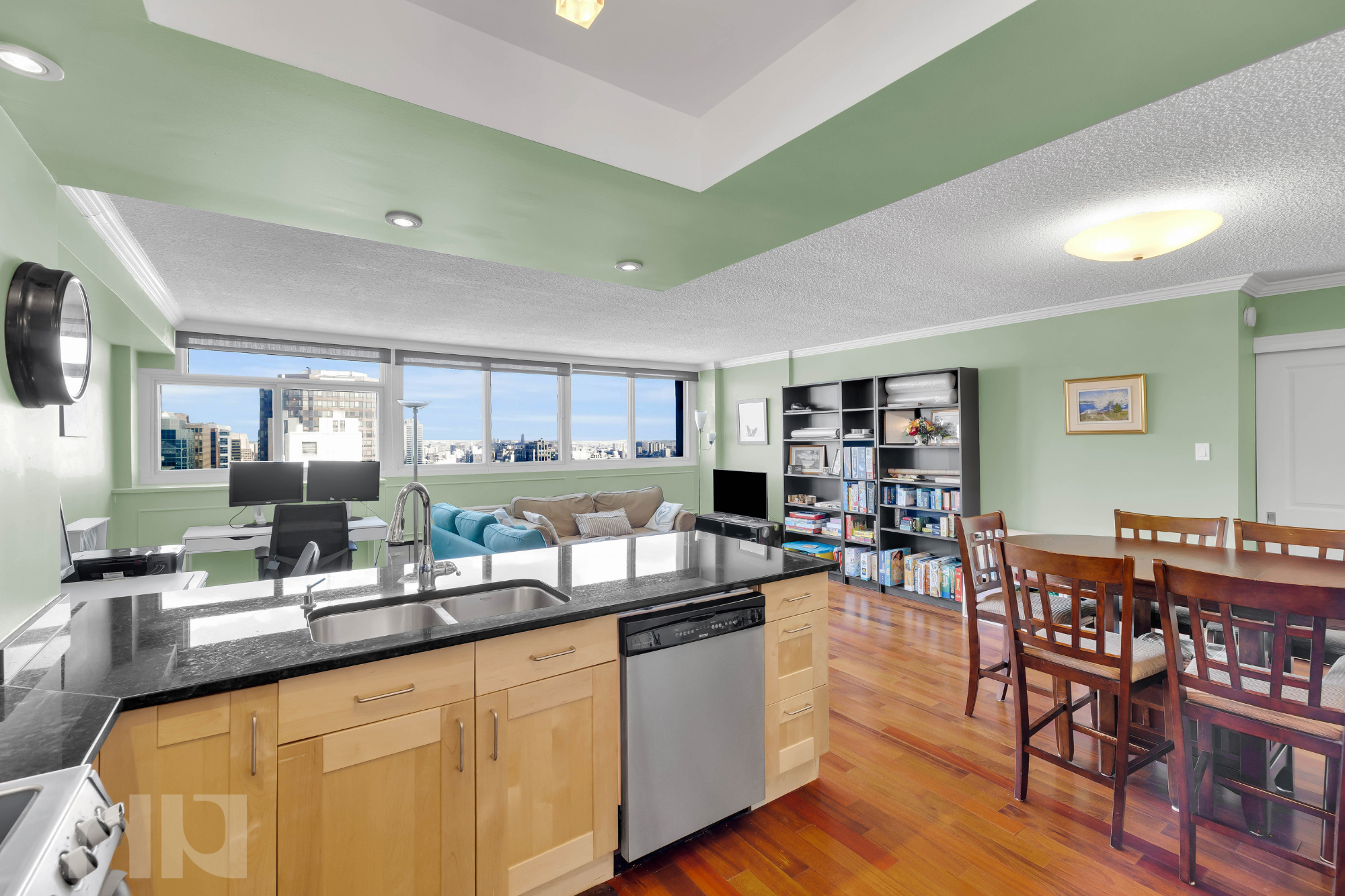
What a Reserve Fund Actually Does

A reserve fund is essentially the building’s long-term savings account.
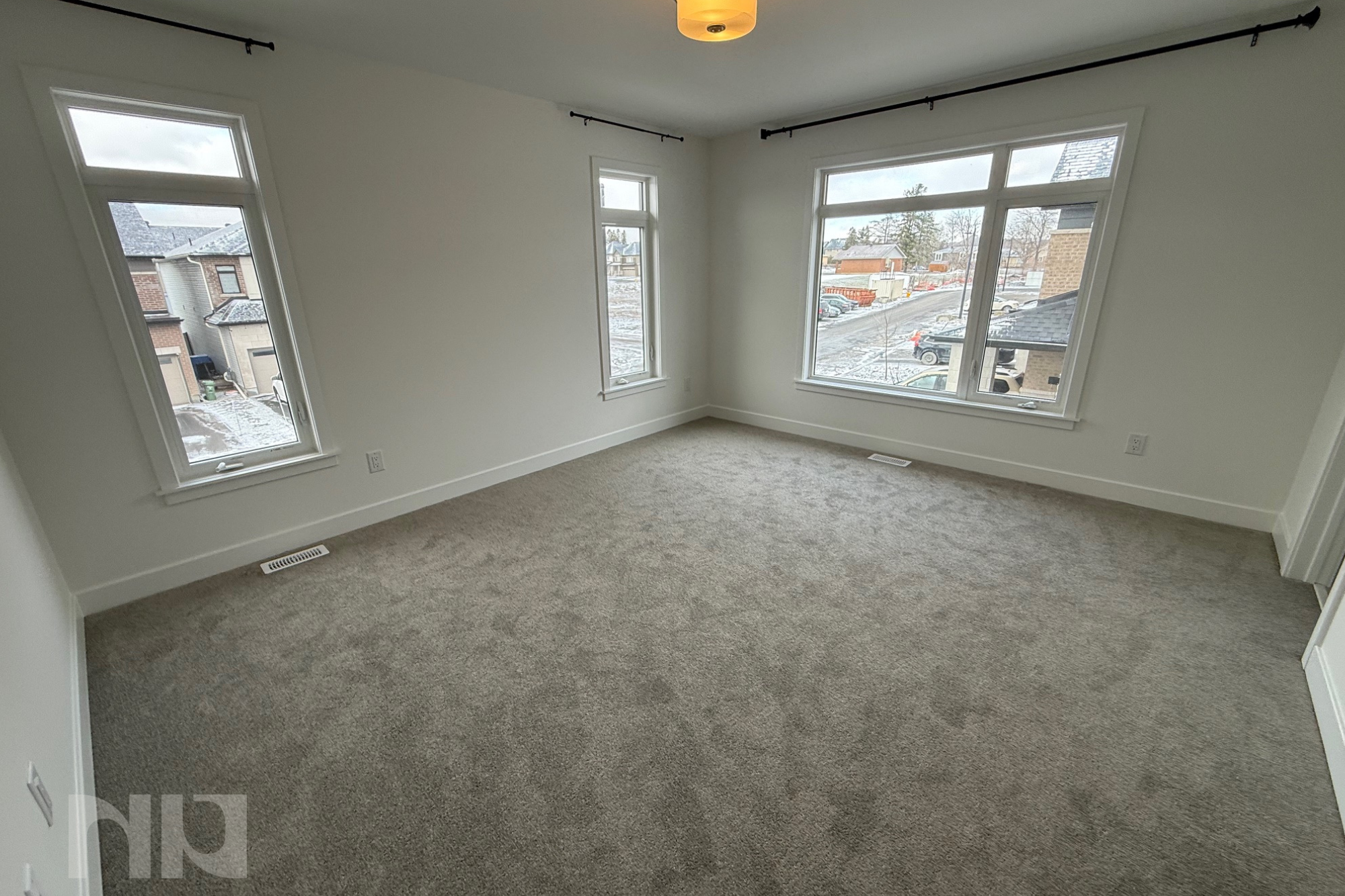
It’s used for major repairs and capital projects over time, including things like:

  • Roof replacement

  • Garage repairs

  • Window replacement

  • Elevator modernization

  • HVAC upgrades

  • Balcony restoration

  • Plumbing infrastructure

  • Common area renovations

Condo owners contribute to this fund through their monthly condo fees.

A healthy reserve fund helps ensure the building can handle large future expenses without placing sudden financial pressure on owners.

Buyers Are Becoming More Aware of Special Assessments

One reason reserve funds are getting more attention is because buyers are increasingly aware of special assessments.

A special assessment occurs when the condo corporation needs additional money beyond what’s currently available in the reserve fund.

That can sometimes result in owners being asked to contribute thousands of dollars unexpectedly.

While special assessments are not always avoidable, buyers are becoming more cautious about buildings where deferred maintenance or underfunded reserves may create future financial strain.

Older Condo Buildings Require Closer Review

Ottawa has many older condo buildings in neighbourhoods like Centretown, Sandy Hill, The Glebe, and along the river corridors.

These buildings often offer:

  • Larger floor plans

  • Strong locations

  • Mature neighbourhoods

  • More established communities

But older buildings can also come with aging infrastructure that requires ongoing investment.

Buyers are increasingly reviewing:

  • The status certificate

  • Reserve fund studies

  • Recent engineering reports

  • Planned capital projects

  • Historical fee increases

Understanding the building’s financial position helps buyers avoid surprises after closing.

Low Condo Fees Are No Longer Automatically Attractive

For years, unusually low condo fees were often viewed as a major selling feature.

Now, buyers are approaching that more carefully.

Very low condo fees can sometimes indicate:

  • Deferred maintenance

  • Underfunded reserves

  • Insufficient long-term planning

  • Future fee increases

That doesn’t mean low fees are always problematic. But buyers are increasingly looking for balance rather than simply the lowest monthly number.

In many cases, a well-managed building with slightly higher fees may feel more stable and predictable long-term.

Building Management Matters More Than Ever

Another thing condo buyers are paying closer attention to is how the building is managed day-to-day.

Strong property management can significantly affect:

  • Maintenance quality

  • Financial planning

  • Resident satisfaction

  • Building cleanliness

  • Repair timelines

  • Communication with owners

Buyers are increasingly reading meeting minutes, reviewing management history, and paying attention to how well common areas are maintained during showings.

Often, the overall condition of hallways, elevators, garages, and amenities tells buyers a lot about how the building operates behind the scenes.

Amenities Are Being Evaluated Differently

Amenities still matter, but buyers are becoming more practical about them.

Features like:

  • Pools

  • Saunas

  • Large party rooms

  • Extensive landscaping

  • Concierge services

Can all contribute to higher operating costs over time.

Some buyers still prioritize those lifestyle features, while others are now weighing whether they’ll realistically use them enough to justify the ongoing expense.

That conversation has become much more common in recent years.

Condo Buyers Want Stability

Ultimately, many Ottawa condo buyers are looking for predictability.

They want to understand:

  • What their monthly costs may look like over time

  • Whether the building is financially prepared for future repairs

  • How responsibly the condo corporation is being managed

  • Whether ownership will feel sustainable long-term

That doesn’t mean buyers expect perfection. Every building will eventually require maintenance and investment.

But today’s condo buyers are doing more homework before committing, especially as ownership costs continue to matter more across the Ottawa market.

And increasingly, the strength of the building itself is becoming just as important as the unit inside it.

The Parts of Ottawa People Underestimate Until They Live There

When people move to Ottawa, they usually focus on the obvious things first.

Price.
Commute.
Square footage.
Schools.
Neighbourhood reputation.
Transit access.
Whether the kitchen has quartz countertops.

But after people actually live here for a few years, the things they talk about most are often completely different.

It’s usually the smaller, harder-to-measure details that end up shaping daily life the most. And interestingly, they are often the exact things buyers overlook during the early stages of their search.

Here are some of the parts of Ottawa people tend to underestimate until they actually experience them firsthand.

How Much Green Space Impacts Daily Life

One of Ottawa’s biggest advantages compared to many major cities is access to nature.

But people often do not fully appreciate how much that changes everyday life until they live close to it.

Being near the NCC pathways, the canal, the river, local parks, or trail systems changes routines in ways buyers rarely think about initially.

People walk more.
They bike more.
They spend more time outside.
They feel less boxed in by the city.

And over time, proximity to green space often becomes one of the features homeowners value most, especially after long winters or busy work periods.

Winter Walkability Matters More Than Summer Walkability

In July, almost every Ottawa neighbourhood feels walkable.

In February, it becomes a very different conversation.

After a few winters here, buyers start paying far more attention to:

  • sidewalk maintenance

  • proximity to grocery stores

  • indoor parking

  • covered transit access

  • snow buildup

  • steep driveways

  • wind exposure

  • how easy it is to leave the house during storms

This is one of the reasons certain urban neighbourhoods continue to hold such strong appeal despite smaller homes or higher price points. Convenience feels very different during Ottawa winters.

Commutes Are About Stress, Not Just Time

A 25-minute commute on paper does not always feel like a 25-minute commute in reality.

Ottawa drivers quickly learn that factors like traffic flow, bridge bottlenecks, school pickup congestion, construction routes, and winter driving conditions can completely change how exhausting a commute feels day to day.

Sometimes a slightly longer drive with consistent movement feels dramatically better than a shorter route with constant stop-and-go traffic.

That is why locals often think about commuting differently than out-of-town buyers do.

Sunlight Changes Everything

This is especially true in Ottawa condos and older urban homes.

People underestimate how much natural light affects mood, energy, heating costs, and even how large a space feels.

A south-facing condo in January feels very different from a north-facing one.
Large windows can completely change how a small home lives.
Tree coverage that feels charming in summer may impact brightness significantly in winter.

After living through a few Ottawa winters, sunlight becomes something buyers notice immediately.

Quiet Streets Are More Valuable Than People Expect

At first glance, many Ottawa streets can seem relatively similar online.

But once people live in the city longer, they become incredibly aware of:

  • traffic shortcuts

  • bus routes

  • late-night noise

  • event traffic

  • highway hum

  • student housing pockets

  • tourist activity

  • construction-heavy corridors

Sometimes being one or two streets away from a main road makes a bigger difference than buyers initially realize.

This becomes especially noticeable in neighbourhoods close to downtown or major commercial areas.

Local Businesses Shape the Feeling of a Neighbourhood

People often think they are choosing a home.
In reality, they are also choosing routines.

The coffee shop they walk to.
The gym they visit.
The grocery store they stop at after work.
The park where they bring their dog.
The restaurant they end up recommending to friends.

Some Ottawa neighbourhoods feel more connected and “alive” simply because daily life naturally happens outside the home.

And once people experience that lifestyle, it becomes difficult to give up.

Ottawa Is a City That Reveals Itself Slowly

One of the interesting things about Ottawa is that it often grows on people over time.

Many residents start out focusing purely on practicality:

  • affordability

  • work

  • commute

  • schools

  • space

But years later, the things they love most about the city are often the smaller lifestyle details they never originally searched for.

The pathways.
The farmers markets.
The quiet residential streets.
The proximity to nature.
The balance between city life and breathing room.

Those are the things that tend to stick.

The Bottom Line

Buying a home in Ottawa is about far more than square footage or finishes.

The small details surrounding a property often shape day-to-day happiness more than buyers expect, and many of those things only become obvious after actually living here.

That is part of why local experience matters so much in real estate.

Because sometimes the things that look minor during a showing end up becoming the things people value most years later.

Why Ottawa Condo Buyers Are Paying More Attention to Building Reputation Than Ever Before

A few years ago, many condo buyers in Ottawa were primarily comparing units.

Now, they’re comparing buildings.

And honestly, that shift has become one of the biggest defining factors in the condo market over the past couple of years.

We’re seeing more buyers walk into a perfectly nice unit and immediately start asking questions that have very little to do with the kitchen finishes or square footage.

Questions like:

  • “How well is the building actually managed?”

  • “What do condo fees usually increase by here?”

  • “Does this building have a good reputation?”

  • “Are there issues with noise?”

  • “How many investor-owned units are there?”

  • “Do people actually stay here long term?”

  • “What’s the board like?”

  • “Have there been special assessments?”

For a lot of Ottawa condo buyers in 2026, the building itself is becoming just as important as the unit.

Buyers Are Thinking Longer-Term

Part of this shift comes from affordability.

When people are spending hundreds of thousands of dollars on a condo, they’re becoming much more cautious about future risk.

A condo isn’t just an apartment someone owns. It’s shared ownership in an entire corporation.

Which means buyers are increasingly paying attention to:

  • Reserve fund health

  • Maintenance history

  • Rule enforcement

  • Building cleanliness

  • Security

  • Elevator reliability

  • Amenity upkeep

  • Visitor parking

  • Short-term rental policies

  • Future fee increases

And honestly, experienced condo buyers have started realizing that two buildings can feel completely different to live in, even if the units themselves are similar.

Certain Ottawa Buildings Have Built Strong Reputations

Over time, some Ottawa condo buildings naturally develop stronger reputations than others.

Sometimes it’s because:

  • The layouts are consistently functional

  • The condo board is proactive

  • Fees have stayed relatively stable

  • The residents take pride in the building

  • The developer built well originally

  • The amenities are actually maintained properly

And buyers notice.

In areas like Westboro, Centretown, and parts of downtown Ottawa, buyers are often comparing not just neighbourhoods anymore, but specific buildings within those neighbourhoods.

That level of market knowledge didn’t used to be nearly as common.

Investor-Heavy Buildings Are Getting More Scrutiny

This has become a major conversation point recently.

A lot of buyers, especially end users, are paying closer attention to how heavily investor-owned a building feels.

Buildings dominated by short-term ownership or high tenant turnover sometimes create concerns around:

  • Community feel

  • Noise

  • Wear and tear

  • Maintenance standards

  • Long-term stability

That doesn’t mean investor-heavy buildings are automatically bad investments. Some perform extremely well financially.

But many buyers today are prioritizing lifestyle and long-term livability just as much as appreciation potential.

Amenities Matter Less Than People Think

This surprises some sellers.

While amenities still help marketability, many buyers have become more practical about them.

A massive party room or rarely-used theatre space doesn’t necessarily add much real-world value if it significantly increases condo fees.

What buyers seem to care about more now is whether amenities are:

  • Well maintained

  • Actually usable

  • Consistently clean

  • Appropriate for the building size

  • Contributing to quality of life

Simple, functional buildings with strong management are often outperforming buildings that look flashy on paper but have operational issues behind the scenes.

Buyers Are Doing More Research Before They Even Book Showings

This is another big change.

A lot of condo buyers now research buildings before they ever step foot inside a unit.

They’re:

  • Reading status certificates carefully

  • Looking up prior listings

  • Tracking fee increases

  • Comparing days on market within buildings

  • Asking agents about reputation

  • Looking into developer history

  • Reviewing nearby future construction plans

In some cases, buyers eliminate buildings entirely before even viewing a condo.

Which means building reputation now directly affects resale value more than many sellers realize.

The Ottawa Condo Market Is Maturing

As Ottawa’s condo market continues to evolve, buyers are becoming significantly more educated and selective.

And honestly, that’s not necessarily a bad thing.

It means stronger buildings are being rewarded.
It means good management matters.
It means long-term planning matters.

And it means sellers can no longer rely solely on surface-level upgrades to drive value if the building itself doesn’t support the price.

A huge part of helping condo buyers successfully navigate Ottawa’s market is understanding not just individual units, but the buildings behind them.

Because in today’s market, buying the right condo often starts with choosing the right building first.

The Ottawa Condo Buildings Buyers Keep Coming Back To (And Why)

One of the most interesting things about Ottawa’s condo market is how certain buildings continue attracting attention year after year, even when newer towers hit the market with flashier amenities or more modern finishes.

Because once buyers start touring condos in person, they quickly realize that not all buildings age the same, and not all “luxury” condos actually feel luxurious to live in long term.

There are buildings across Ottawa that consistently hold strong reputations because they simply work well for everyday life.

And honestly, that reputation matters more than most buyers initially realize.

We see this happen constantly in neighbourhoods like Westboro, Centretown, The Glebe, Little Italy, and parts of downtown.

Certain buildings become known for:

  • Better sound insulation

  • Functional layouts

  • Strong management

  • Lower turnover

  • Good reserve funds

  • Larger floor plans

  • Quiet units

  • Better natural light

  • Stable condo fees

  • Strong resale demand

Meanwhile, some newer buildings generate huge excitement during pre-construction phases but end up feeling far less practical once people actually live there.

A building can have beautiful marketing renderings, rooftop pools, and trendy common spaces, but if residents struggle with noise, elevators, layout issues, or rapidly increasing condo fees, buyers notice over time.

And Ottawa buyers are getting much more educated.

A lot of condo shoppers now walk into showings already researching:

  • Status certificates

  • Reserve funds

  • Previous sale history

  • Building reviews

  • Management companies

  • Special assessments

  • Rental ratios

  • Future nearby developments

  • Condo fee trends

That’s a major shift from even five or six years ago.

We’re also seeing buyers place more value on buildings with a sense of permanence.

Especially downtown, many people are gravitating toward condos that feel established and lived-in rather than overly investor-heavy or transient.

Buildings with active communities, strong maintenance, mature landscaping, and layouts designed for real living continue standing out.

Interestingly, older Ottawa condo buildings are benefiting from this shift in some cases.

Many older buildings offer:

  • Larger bedrooms

  • More storage

  • More separated layouts

  • Better soundproofing

  • More substantial construction

  • Larger balconies

  • Lower price-per-square-foot costs

Of course, older doesn’t automatically mean better. Some older buildings come with major maintenance concerns or poorly managed finances.

But buyers are becoming more willing to look beyond “new and shiny” if the overall ownership experience feels stronger.

We’re also noticing buyers becoming far more neighbourhood-sensitive than before.

A condo building isn’t just the unit itself anymore.

People care deeply about what exists outside the lobby doors:

  • Grocery access

  • Coffee shops

  • Transit

  • Walkability

  • Parks and trails

  • Restaurants

  • Safety

  • Commute times

  • Community feel

That’s part of why certain buildings in areas like Westboro or The Glebe continue maintaining strong demand even when they aren’t the newest options available.

The lifestyle attached to the building matters just as much as the finishes inside it.

One of the biggest things we try to explain to condo buyers is that choosing a building is often more important than choosing the specific unit.

Layouts can be renovated.
Floors can be changed.
Kitchens can be updated.

But building quality, management, location, and long-term reputation are much harder to change.

And in Ottawa’s condo market, those things tend to matter more over time than people initially expect.