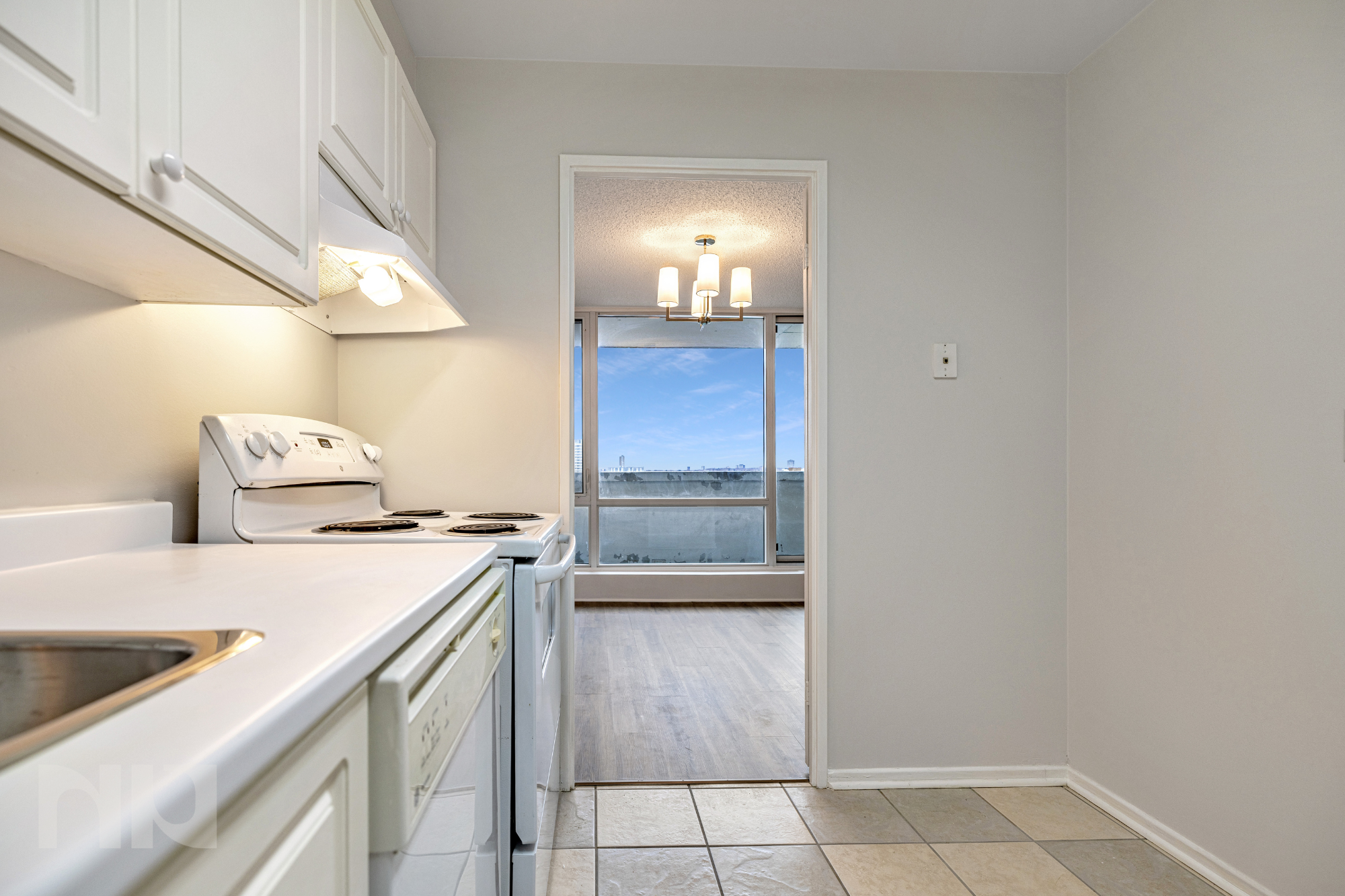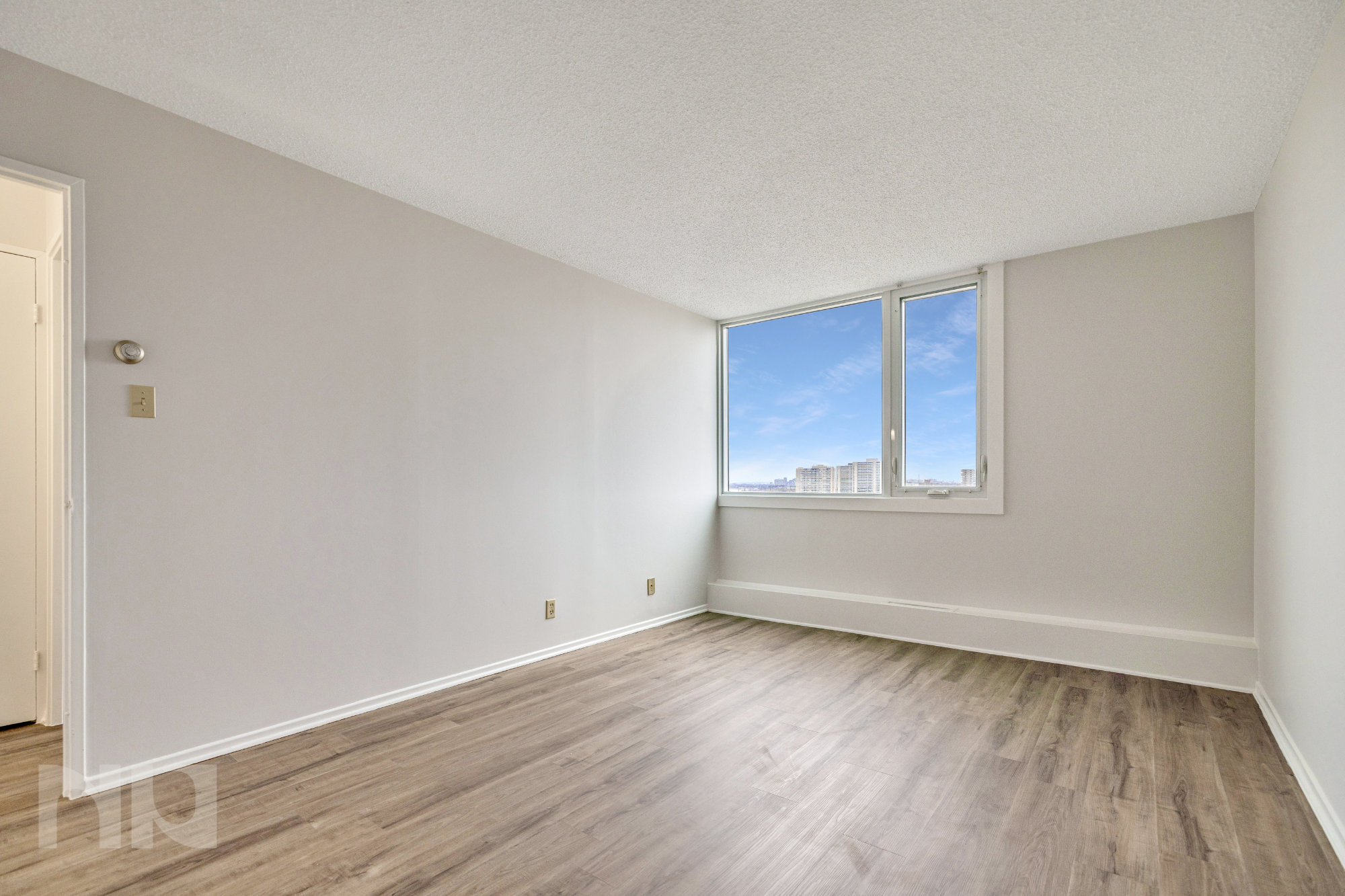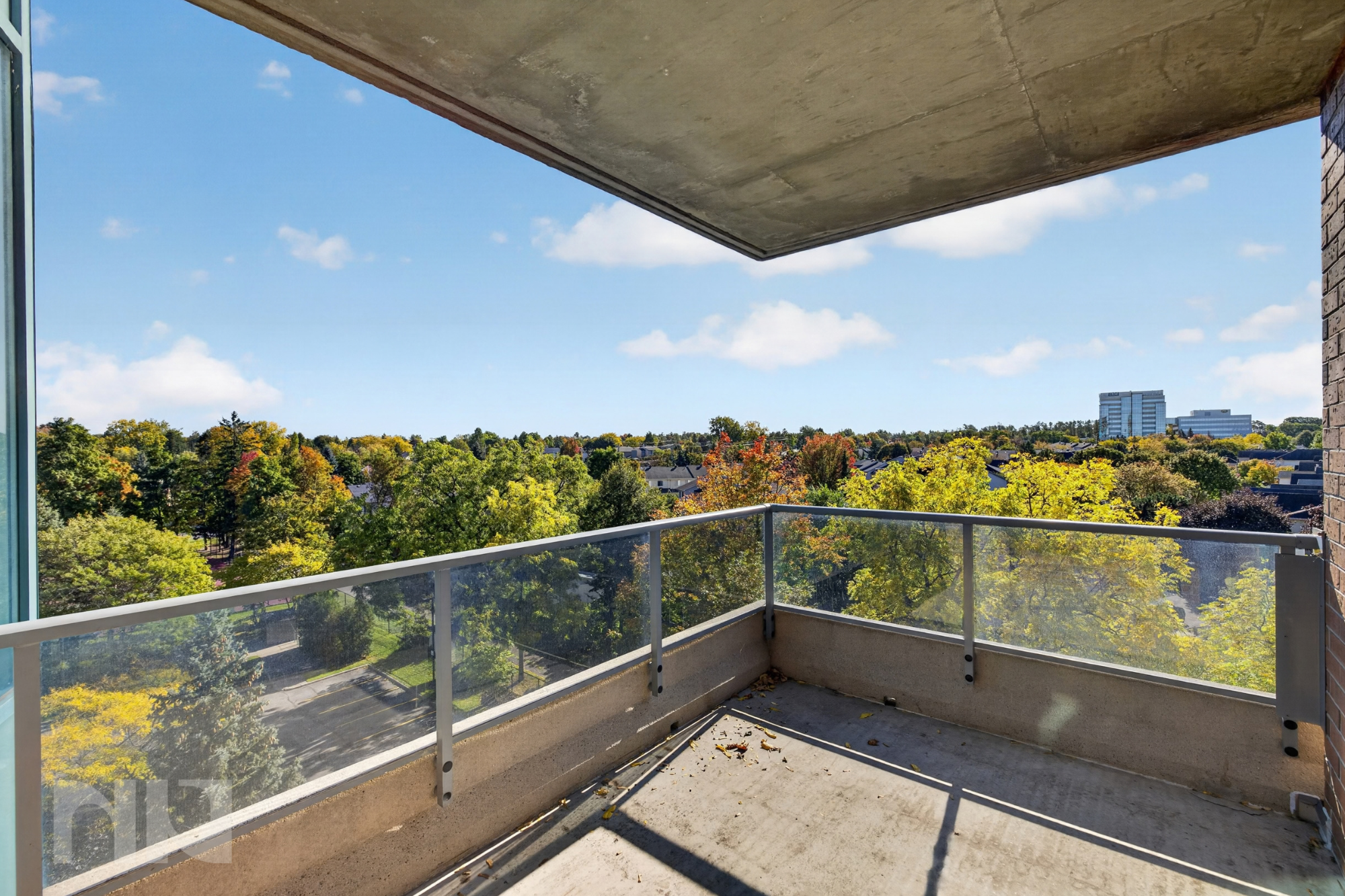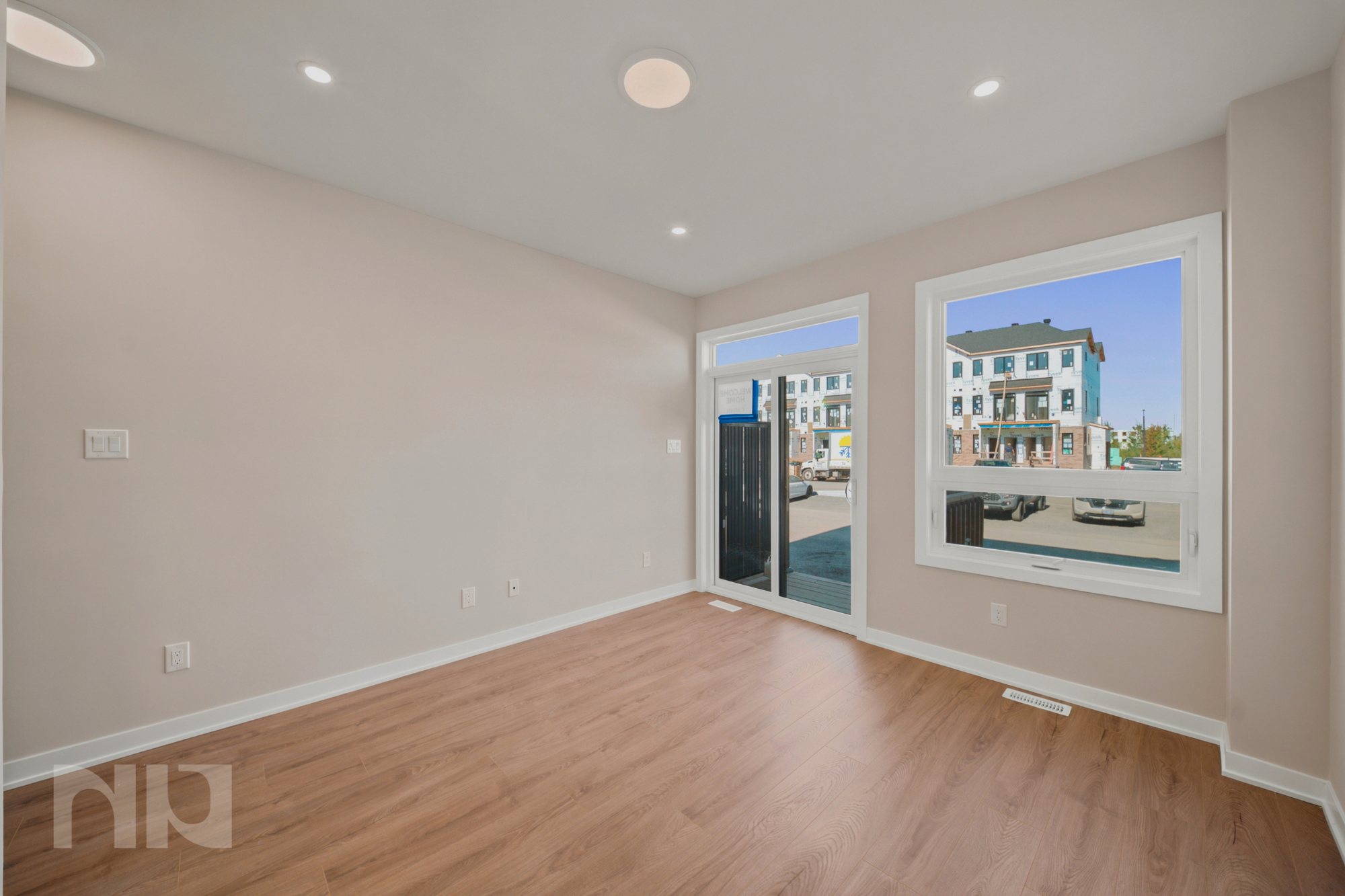

The cost of living in Ottawa has become one of the most common searches among people considering a move to the city. Ottawa continues to attract professionals, families, students, and retirees who want strong job stability, manageable living costs, and a balanced lifestyle that offers more space and comfort than larger Canadian cities. If you are evaluating whether Ottawa is affordable in 2025, here is a clear, realistic breakdown of what you can expect.
Why People Choose Ottawa
Ottawa has a reputation for being a safe, clean, stable place to live with strong public services, extensive green space, and a job market anchored by government, tech, healthcare, and education. While rising costs have affected every major Canadian city, Ottawa remains more accessible than Toronto or Vancouver, especially for people who want to buy a home, enjoy walkable neighbourhoods, and maintain a reasonable quality of life without extreme financial pressure.
Housing Costs: The Largest Factor
Housing is the biggest contributor to cost of living in Ottawa. In 2025, prices vary significantly by neighbourhood, home type, proximity to transit, and lifestyle priorities.
Renting in Ottawa
Typical ranges in 2025:
One bedroom apartment in a central neighbourhood: moderate to high
Two bedroom apartment in established neighbourhoods: higher range
Purpose built luxury rentals: highest bracket in the downtown core
Renters will find more affordability in areas like Vanier, Carlington, and parts of Nepean, while central neighbourhoods like Westboro, Hintonburg, Little Italy, Centretown, and the ByWard Market command higher rents in exchange for walkability and amenities.
Buying in Ottawa
Condos continue to offer the most achievable entry point for first time buyers, while freehold properties vary widely depending on location. Suburbs such as Barrhaven, Kanata, Orleans, and Riverside South remain popular for detached homes, while central communities appeal to buyers prioritizing lifestyle and convenience.
Transportation Costs
Ottawa residents spend differently depending on how they choose to travel. People who live in walkable neighbourhoods or near the LRT often reduce monthly costs considerably.
Public transit
Monthly transit passes remain a cost effective way to get around, particularly for people working downtown.
Driving
Drivers face fuel, insurance, maintenance, and parking costs. Suburban households typically spend more on transportation than urban households, although access to major roadways makes commuting manageable for many.
Cycling and walking
Ottawa has one of the strongest cycling networks in Canada. For residents in neighbourhoods like Hintonburg, Westboro, the Glebe, Old Ottawa South, and Lowertown, many errands can be done without a car.
Groceries and Daily Essentials
Grocery prices in Ottawa follow national trends. Families who shop at large chains will notice higher costs, while those who use discount grocers, shop sales, and buy in bulk manage to keep monthly spending reasonable. Small neighbourhood markets and specialty shops offer convenience and quality but often at a premium.
Restaurants, fitness studios, daycare, pet care, and personal services are generally moderate compared to other major Canadian cities. Ottawa’s affordability advantage becomes clear when comparing the same lifestyle to Toronto, Vancouver, or Montreal.
Utilities and Home Expenses
Utilities depend on dwelling type. Condos often include water and sometimes heat, while freehold homes carry a wider range of monthly utility costs.
Typical expenses include:
Hydro
Gas
Internet and mobile
Home insurance
Waste and water services for freeholds
Older freehold homes require more maintenance and seasonal upkeep, which buyers should factor into their budgeting.
Entertainment and Lifestyle Spending
One of Ottawa’s biggest financial advantages is that enjoying the city does not require high spending. Residents benefit from free museums days, canal access, public beaches, festivals, green space, and countless outdoor activities. Dining out varies by neighbourhood, and entertainment costs remain moderate compared to larger metropolitan centres.
People moving from Toronto or Vancouver often find that their lifestyle improves in Ottawa without a higher monthly cost.
How Ottawa Compares in 2025
Ottawa remains one of the more balanced and predictable places to live in Canada. While costs have risen, they are rising everywhere. What sets Ottawa apart is the ability to maintain a comfortable lifestyle without the extreme pressure seen in other major markets.
For anyone evaluating a move, Ottawa offers:
Strong employment stability
Manageable housing options across multiple price points
Neighbourhoods suited to every lifestyle
Affordable outdoor recreation
Predictable cost structures that allow long term planning
Final Thoughts
Ottawa’s cost of living in 2025 reflects a city that continues to grow without sacrificing quality of life. While affordability varies by neighbourhood and lifestyle, most residents find that Ottawa provides a strong balance of opportunity, community, and comfort. Whether you are renting, buying, or simply exploring a potential move, understanding your priorities will help you choose the neighbourhood and home that make the most sense for your budget.
If you are considering buying or selling in Ottawa and want a deeper breakdown tailored to your situation, a conversation with an experienced local advisor can help put the numbers into perspective.