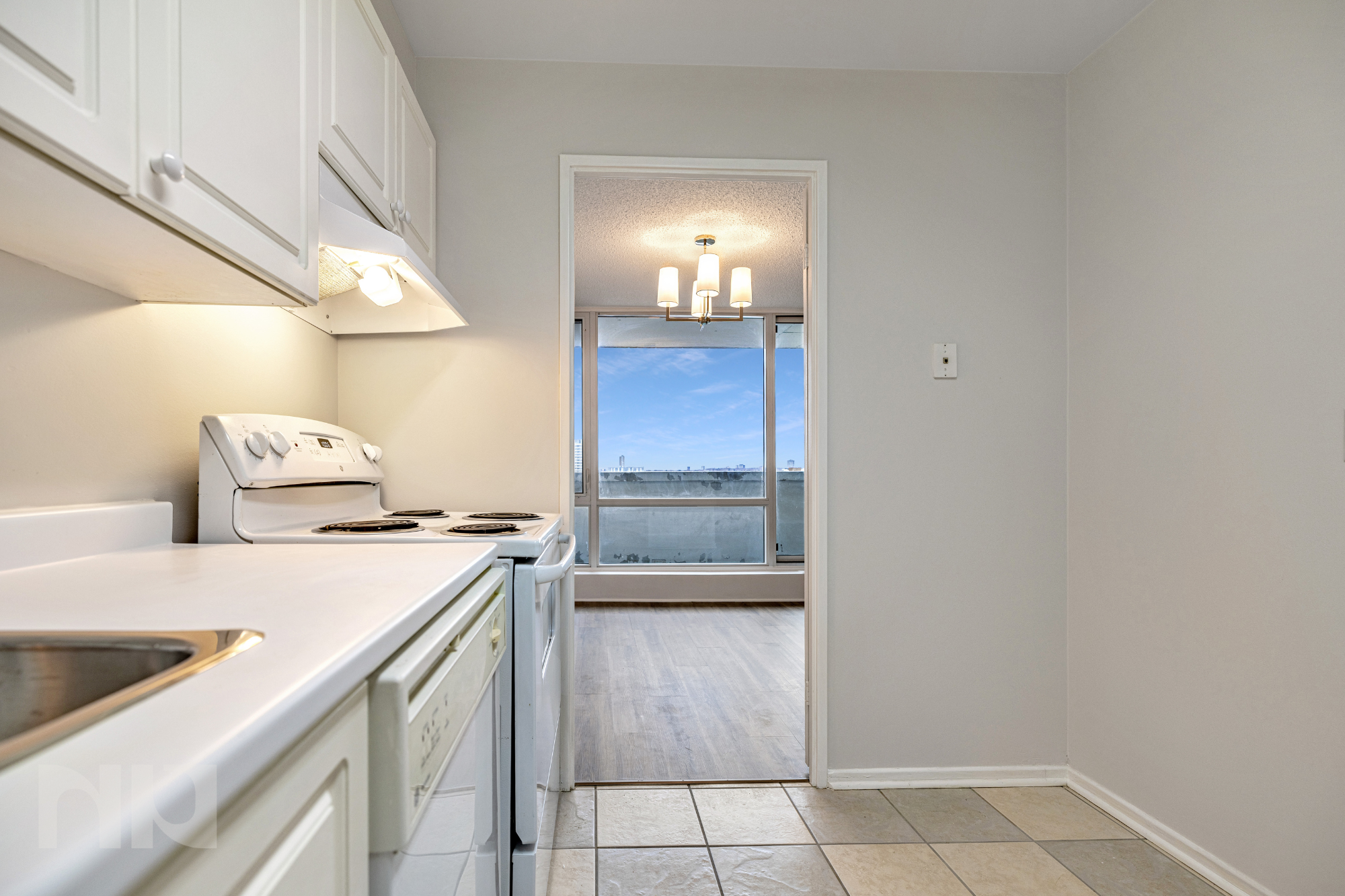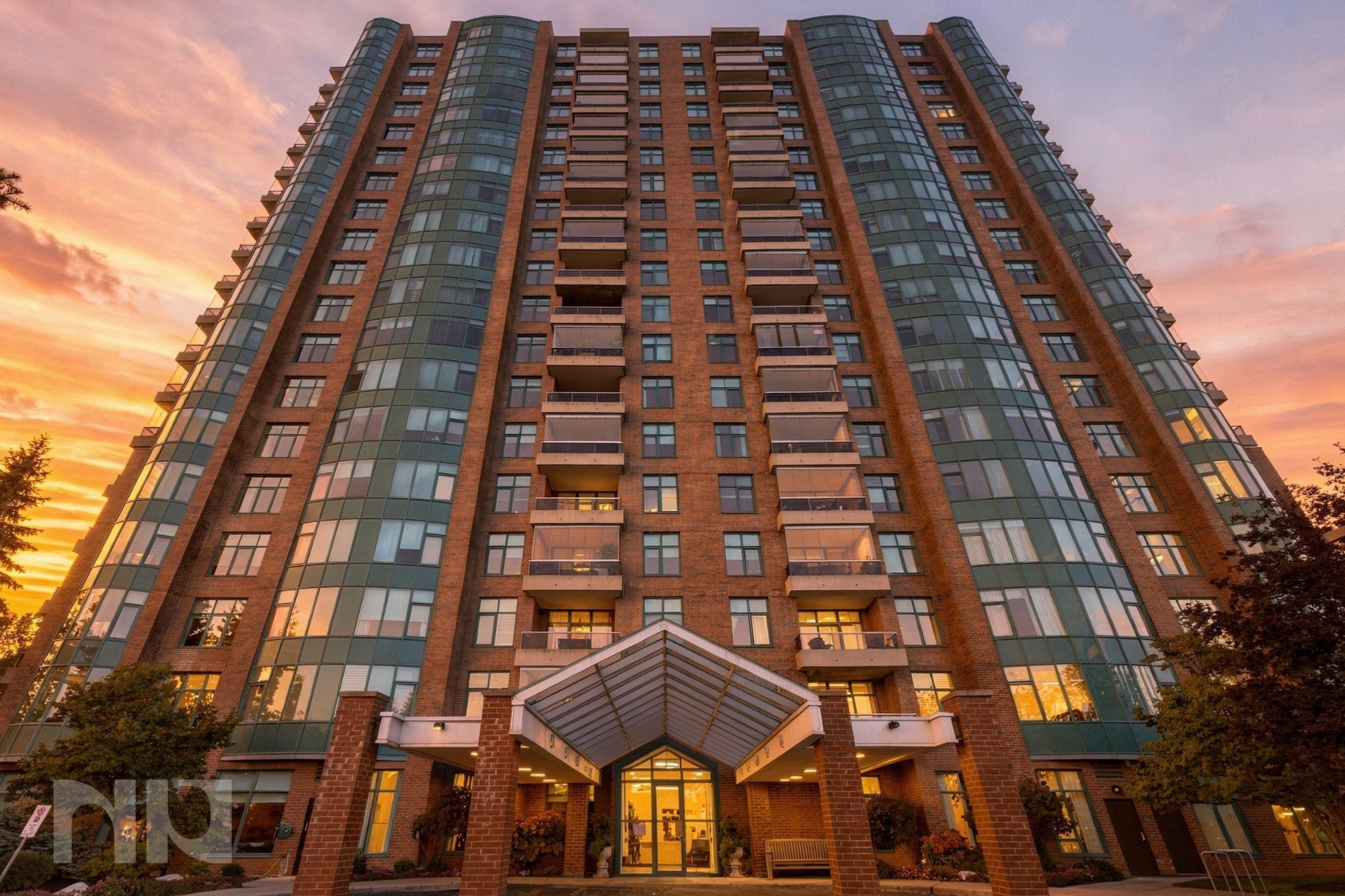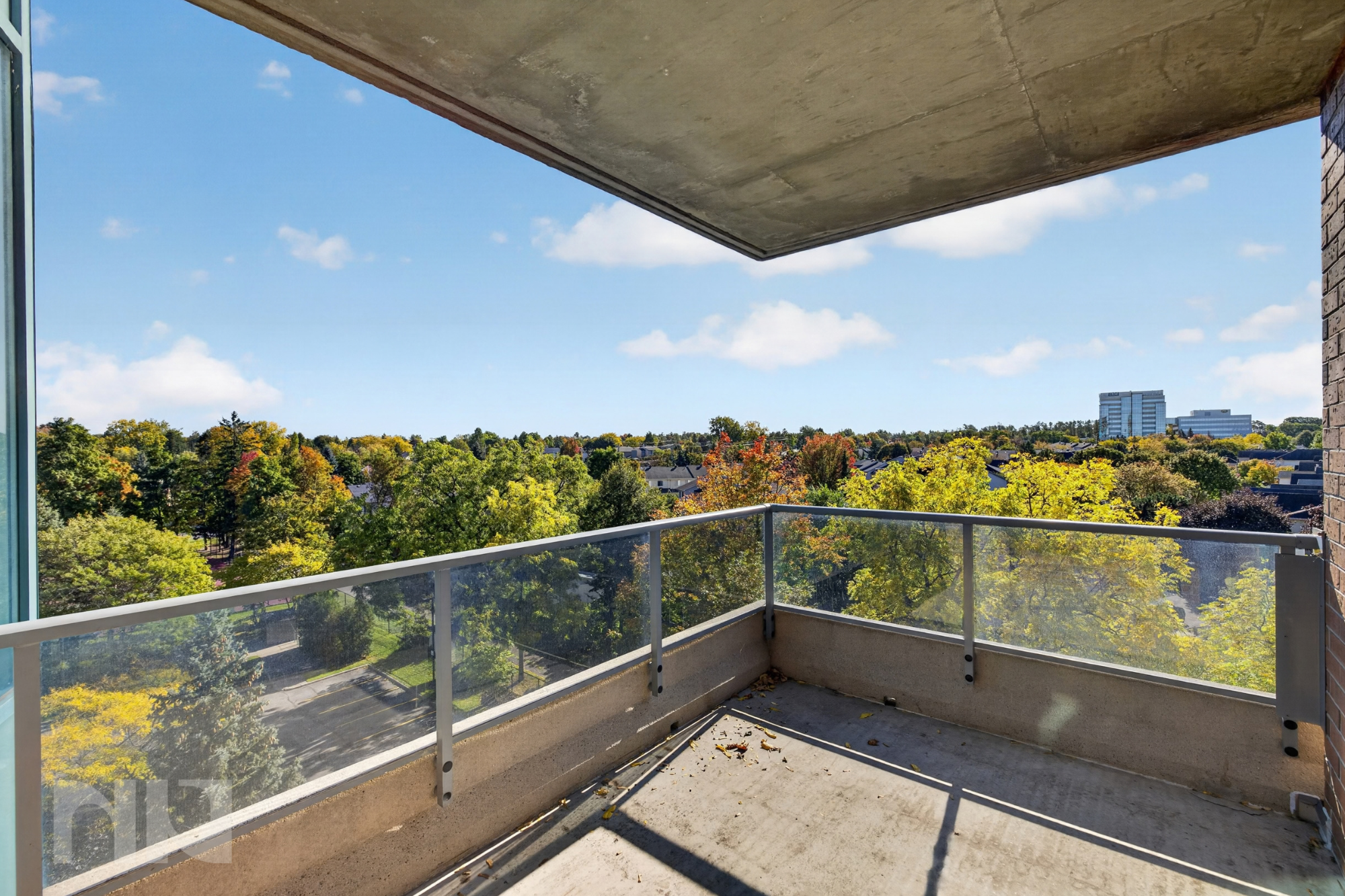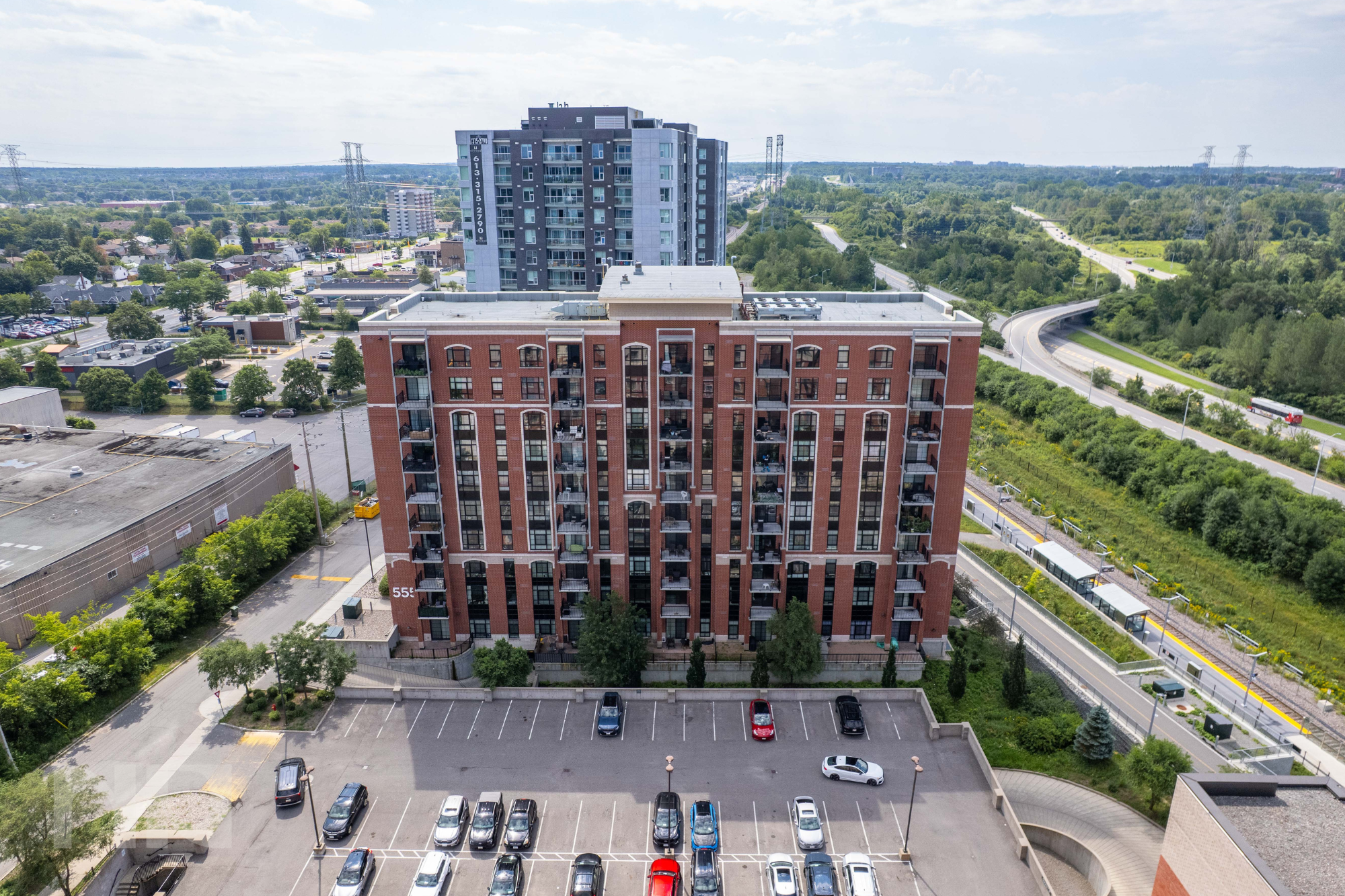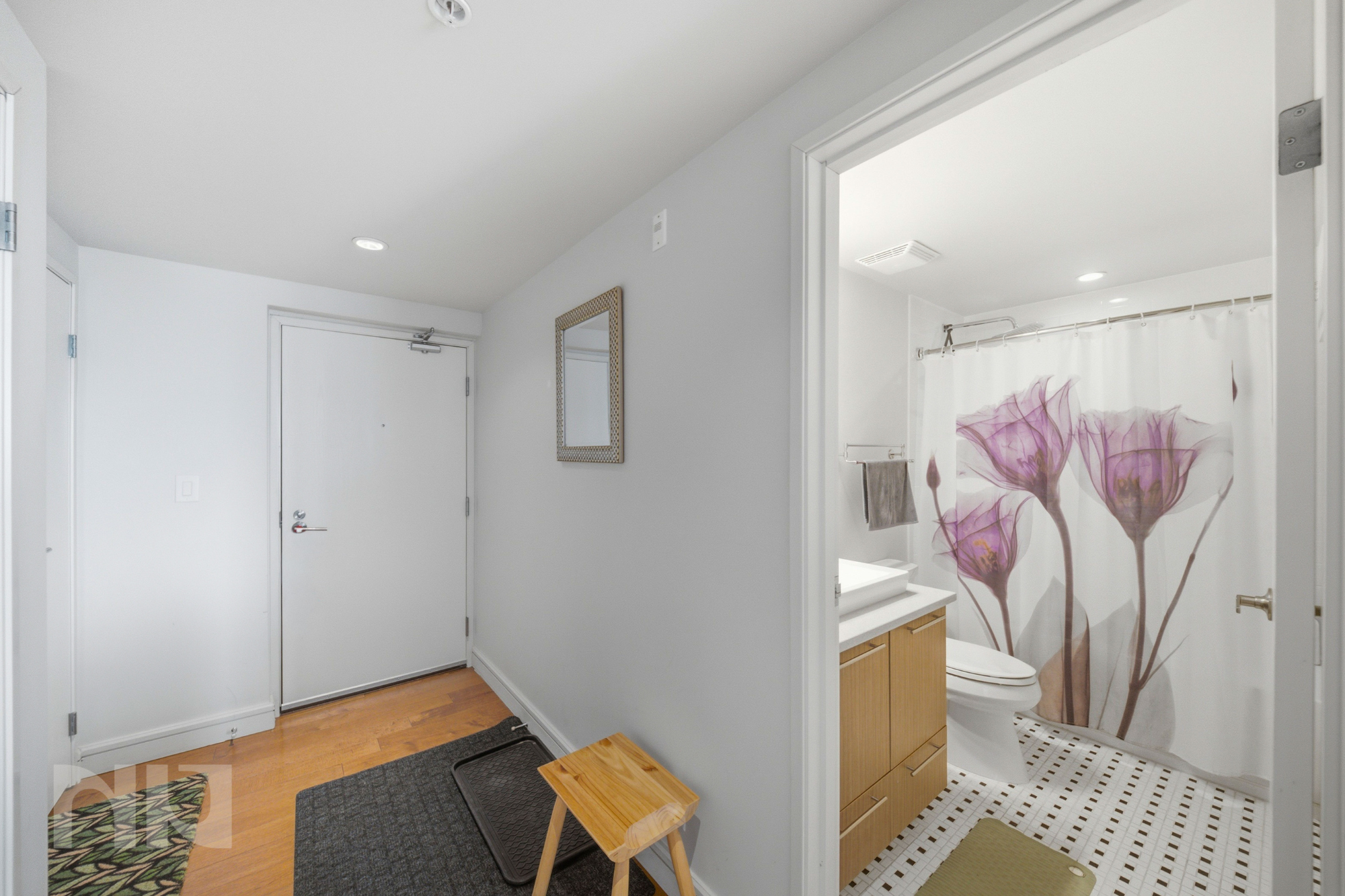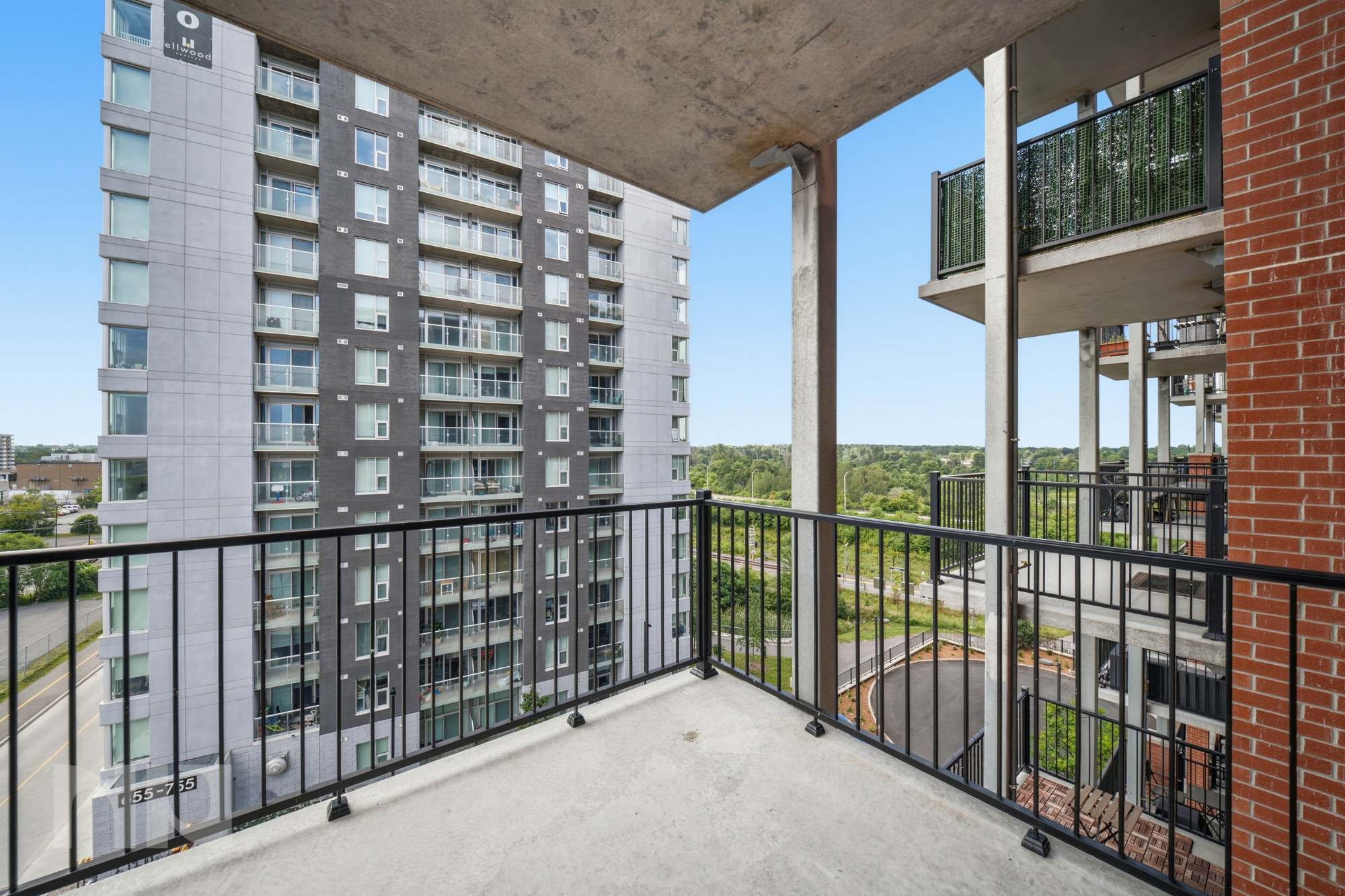
Most condo showings begin and end inside the unit.
You walk through the kitchen. You check the bedroom sizes, open a few closets and step onto the balcony. If the finishes are attractive and the layout works, it can be tempting to start imagining where your furniture will go.
But when you buy a condo, you are not only buying the space behind the front door.
You are also buying into the elevators, hallways, parking garage, waste system, amenities, security procedures, management and rules that shape daily life in the building.
A status certificate can provide important legal and financial information about the condominium corporation. It will not necessarily tell you that the elevator is crowded every morning, visitor parking is difficult to find or the garbage room is six floors away from your unit.
That requires a different kind of research.
Before buying an Ottawa condo, take time to test-drive the building, not just tour the unit.
Why the Building Matters as Much as the Unit
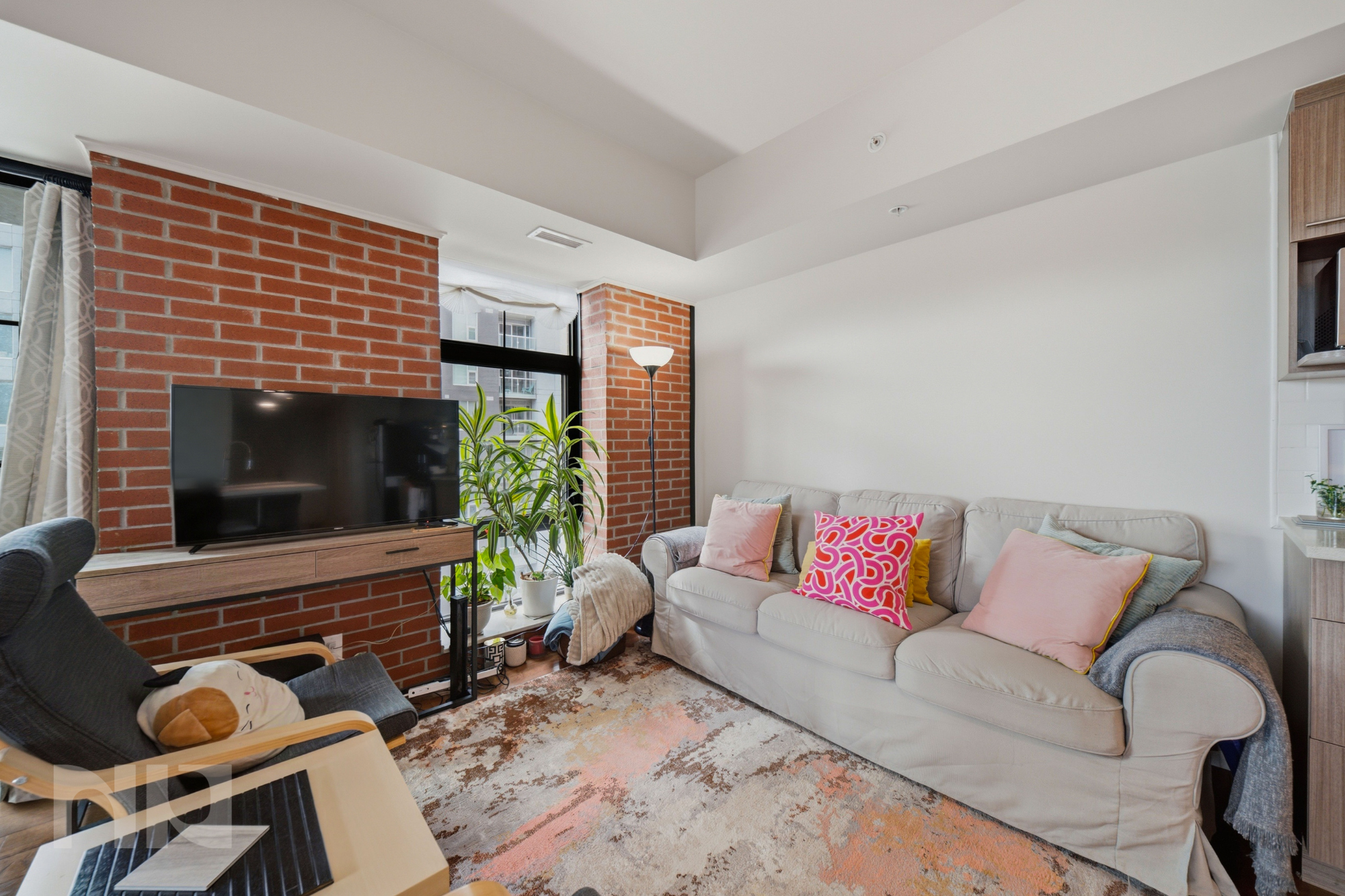
A condo may have beautiful hardwood flooring, a renovated kitchen and an impressive view. If the building does not function well for your lifestyle, however, those features may become less important over time.
Imagine moving in and discovering that:
Your dog is too large under the building’s pet rules
Your vehicle does not fit comfortably in the parking space
Deliveries are routinely left in an unsecured lobby
There is no convenient place to store a bicycle
The elevators are regularly booked for moves
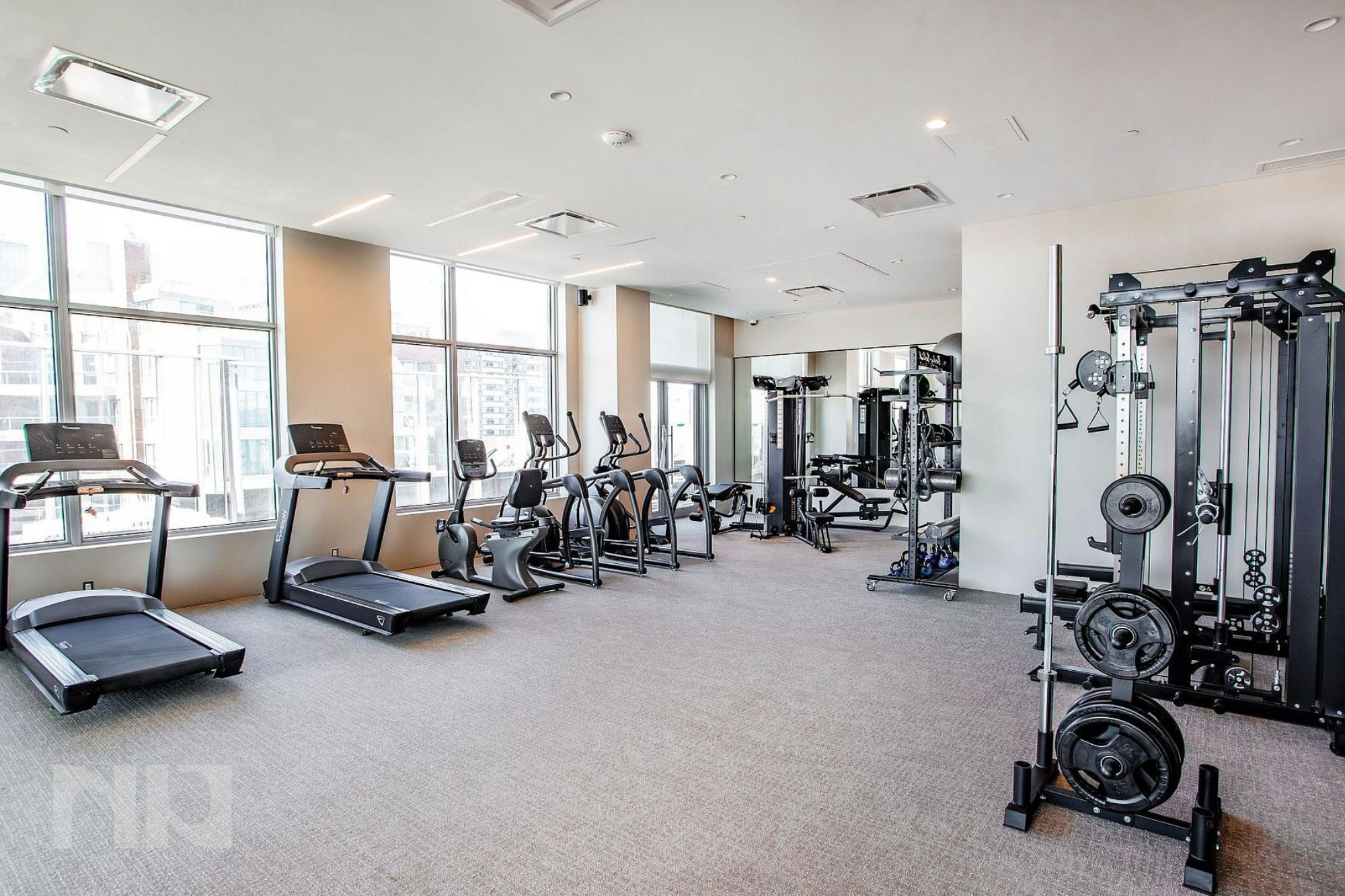
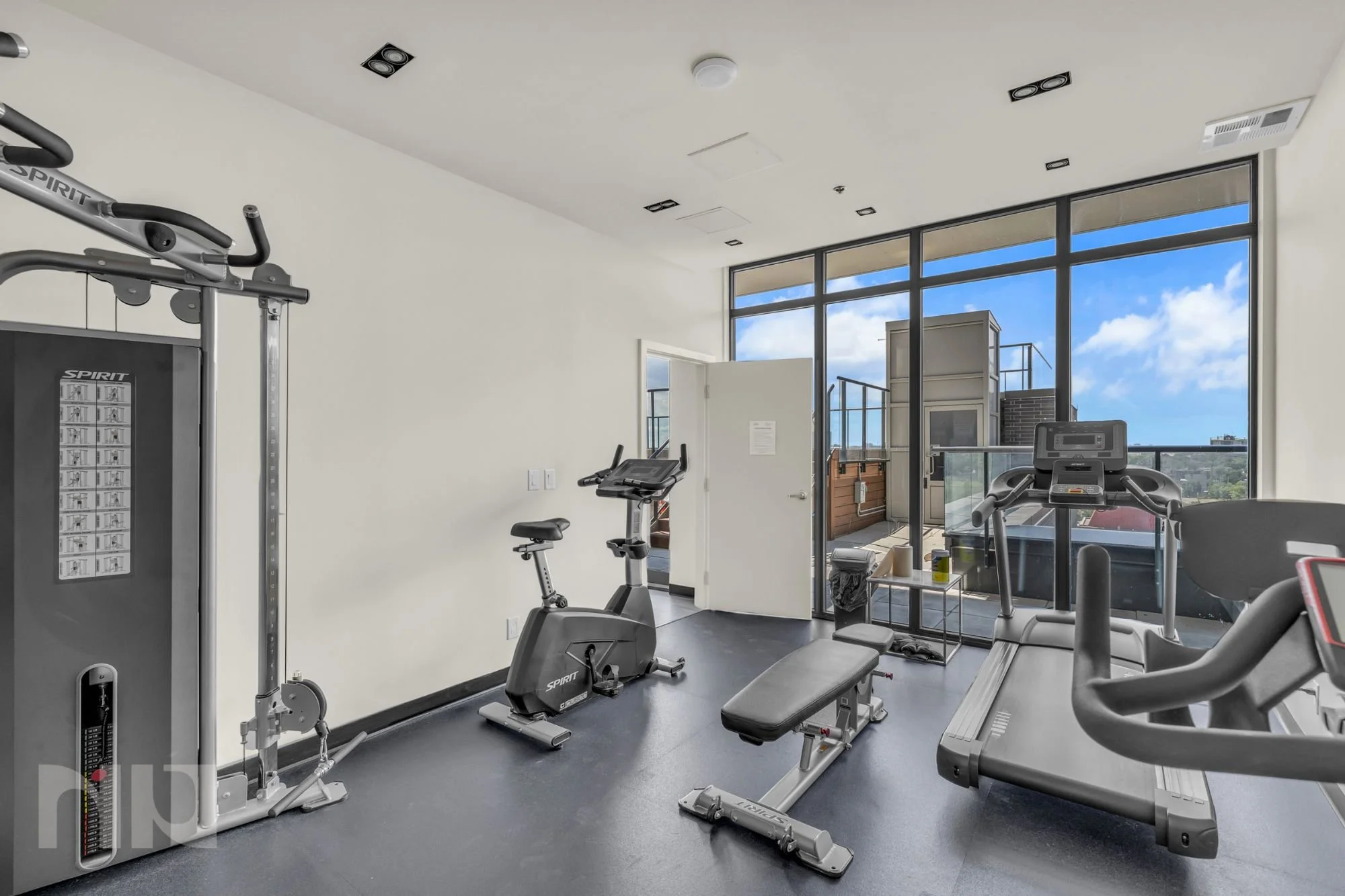
The gym does not have the equipment you expected
Visitors struggle to find parking
The garbage room is unpleasant or inconvenient
Noise travels easily between units
Your preferred internet provider does not service the building
None of these issues necessarily makes a building bad. They simply affect whether it is a good match for you.
Condo ownership means owning your individual unit while sharing responsibility for common elements through the condominium corporation. Common expenses can support areas such as hallways, elevators, parking garages, recreation spaces and other shared property.
The quality, convenience and cost of those shared systems can have a significant effect on your experience as an owner.
Begin the Test Before You Enter the Building
Your condo evaluation should start outside.
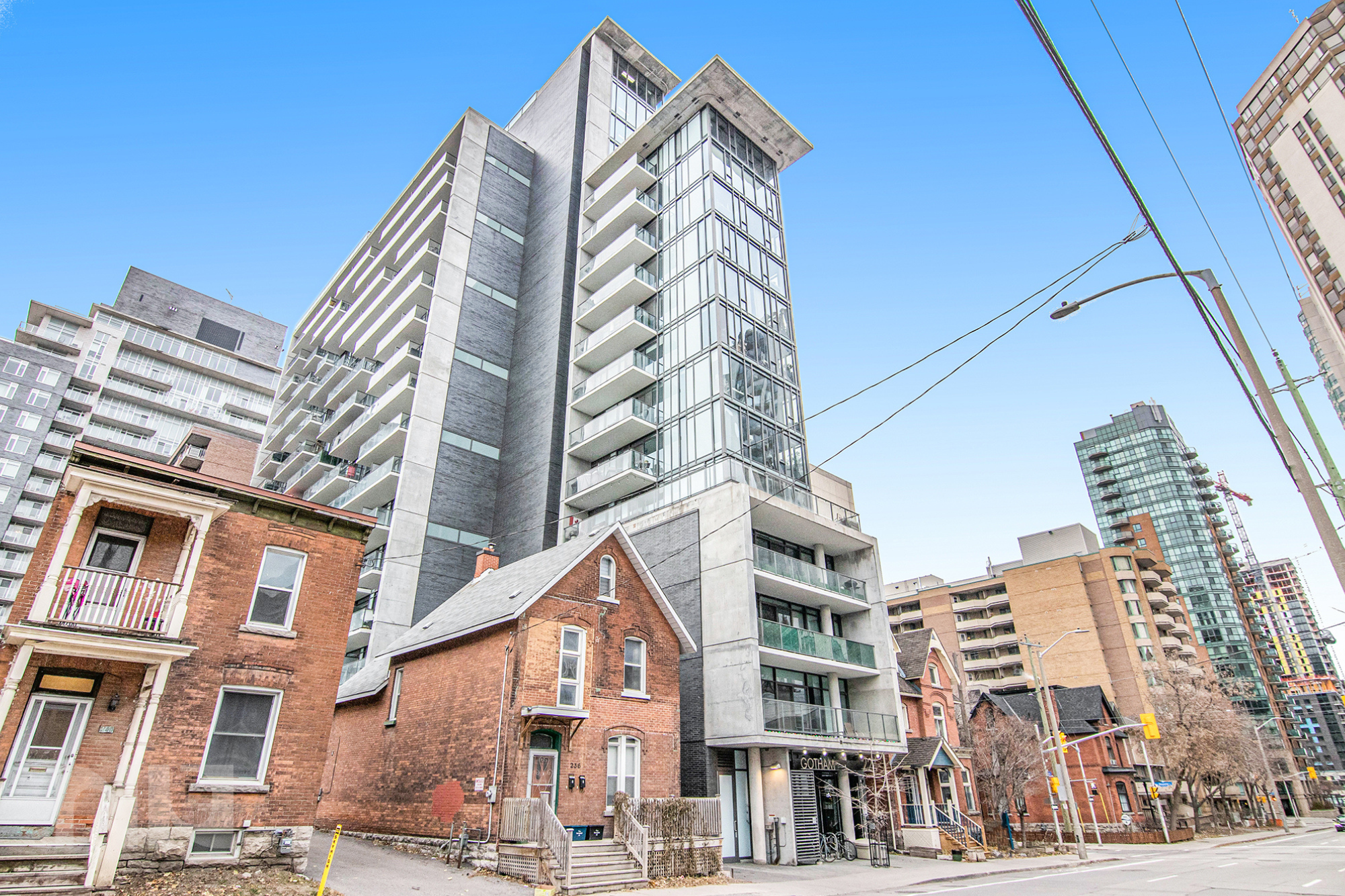
Do not walk directly from your car to the lobby. Take a few minutes to circle the property and examine how the building connects to the surrounding area.
Look at:
The condition of the exterior
Entrances and accessibility
Traffic around the building
Pick-up and drop-off areas
Visitor parking
Snow storage
Nearby loading zones
Sidewalks and pathways
Bicycle access
Lighting around entrances
The route from the building to transit
Pay particular attention to how you would enter the building during your normal routine.
Would you need to cross a busy driveway while carrying groceries? Is there a protected place for a rideshare driver to stop? Does the entrance require climbing stairs? Is the underground garage entrance positioned on a congested road?
These details are easy to dismiss during a short showing. Once you live there, they can become part of every trip home.
Take the Elevator More Than Once
In a high-rise condo, the elevator is effectively part of your commute.
Test it.
Notice how long you wait, how many elevators serve the building and whether one appears to be reserved for moves or service. Visit during a busier period if possible, particularly at the beginning or end of the workday.
Ask:
How many elevators serve the building?
How many units share them?
Are there separate service elevators?
How frequently are elevators out of service?
How are move-ins and move-outs handled?
Do residents need to reserve an elevator?
Is there a fee or deposit for moving?
Can deliveries use the elevator without a resident present?
Waiting two minutes during a showing may not seem important. Waiting repeatedly while carrying groceries, leaving for work or taking a dog outside may feel very different.
Elevators are also common elements that require ongoing maintenance and eventual major repair or replacement. The reserve fund study should help outline projected major repairs and the corporation’s funding plan over an extended period.
Walk From the Unit to the Places You Will Actually Use
Do not evaluate building features individually. Test the full route between them.
Walk from the unit to:
The parking space
Storage locker
Bicycle room
Mailroom
Parcel area
Garbage and recycling area
Gym
Outdoor space
Pet relief area
Visitor entrance
This can uncover practical issues that are not obvious from a listing.
A parking space may be included, but reaching it could require two elevators and a long walk through the garage. A storage locker may be spacious but located in a separate building section. A garbage chute may exist, but it may not accept recycling or larger household waste.
Every multi-residential property handles waste somewhat differently. Ottawa provides garbage, recycling and green-bin programs for participating multi-unit properties, but the way residents access those services depends on the building’s setup and management.
Look at the actual system instead of assuming it will be convenient.
Inspect the Parking Space, Not Just the Garage
“Underground parking included” does not tell you whether the specific space will work for your vehicle.
Ask to see the assigned spot and, when possible, park in it.
Check:
The width and length of the space
Nearby walls, pillars and pipes
The turning angle required
Clearance for larger vehicles
Distance from the elevator
Lighting and visibility
Garage door access
Security cameras
Drainage and signs of water
Availability of electrical outlets or charging stations
Whether the parking unit is owned, exclusive-use or rented
A technically adequate parking space may still be frustrating if it is positioned between two concrete pillars or requires several attempts to enter.
You should also verify whether the parking space is legally associated with the unit. Parking arrangements can differ between condominium properties, so the listing, status certificate and legal documents should be reviewed carefully.
Find Out How Visitors Actually Get In
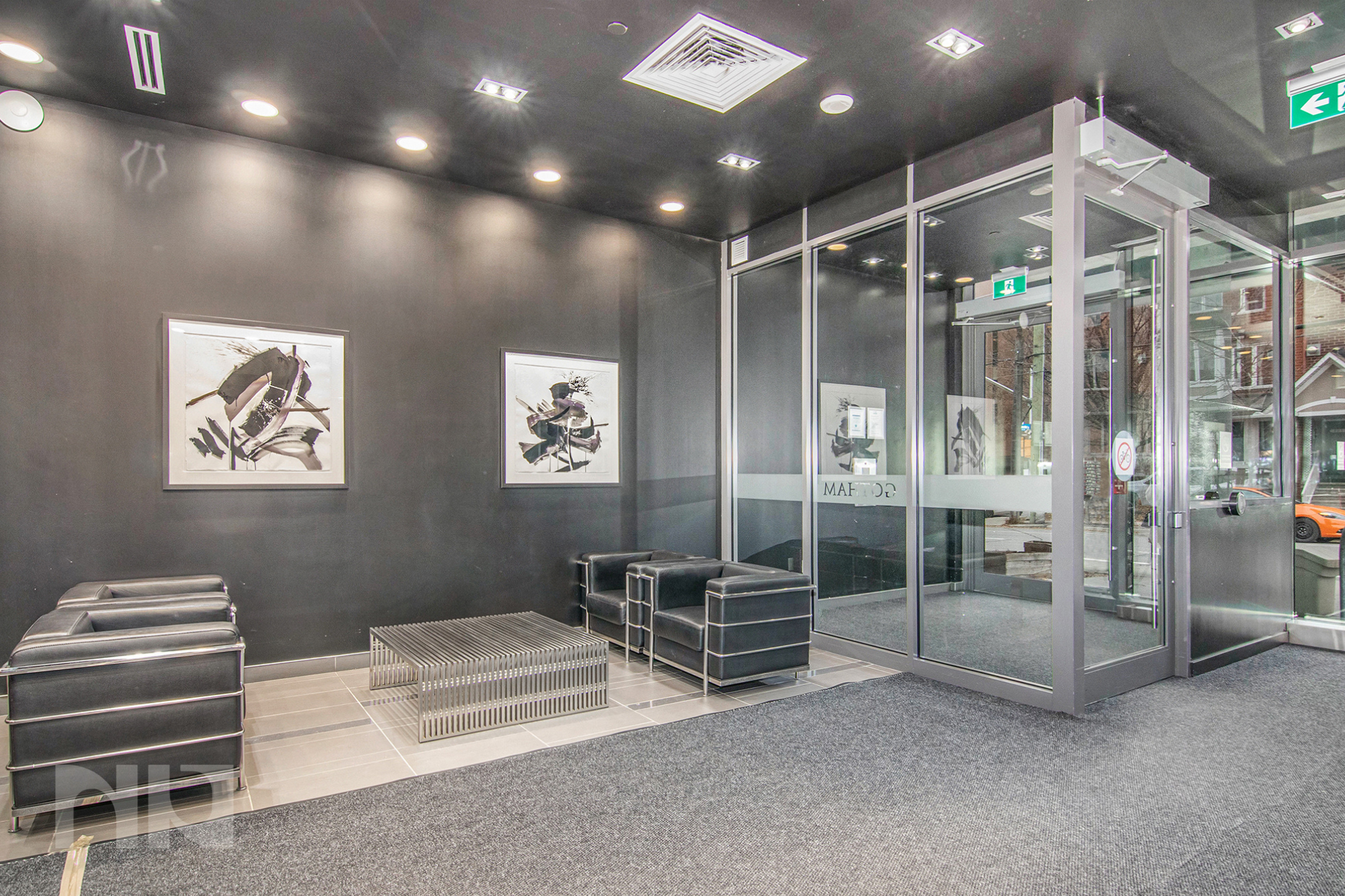
The front entrance can tell you a great deal about daily life in a condo.
Test the intercom. Check whether it connects to a mobile phone, landline or in-suite panel. Ask how residents provide access to guests, food deliveries and service providers.
Look for:
A concierge or staffed desk
Secure parcel lockers
A separate delivery area
Cameras at the entrance
An accessible entry
Seating in the lobby
Clear signage
A secure inner door
Temporary access procedures
A polished lobby may look impressive while providing very little practical support. A simpler building may have an excellent parcel system, responsive superintendent and well-controlled entry.
Think about the people who will realistically visit you. Could an older relative enter easily? Is there somewhere for a guest to wait? Can a cleaner, contractor or dog walker access the property when you are not home?
Examine the Delivery and Parcel System
Online photos rarely show the pile of packages that can accumulate in a busy condo lobby.
Ask where deliveries are placed and what happens when no one is available to receive them.
Possible systems include:
Concierge acceptance
Secure parcel lockers
A locked package room
Direct delivery to the unit
Unattended lobby drop-offs
Off-site pickup when delivery is unsuccessful
There is no universal best system. The important question is whether it works for your habits.
Someone who rarely orders anything may not care about a package room. Someone who works long hours, receives medication or runs a business from home may consider secure delivery essential.
Visit the parcel area during the showing rather than relying on a description of it.
Listen With the Unit Door Closed
Condo noise is not limited to traffic outside.
Stand quietly in the unit and listen for:
Hallway conversations
Elevator movement
Doors closing
Plumbing
Mechanical equipment
Neighbouring televisions
Dogs
Footsteps from above
Garage doors
Garbage chutes
Amenity spaces
Open and close the balcony door and windows. Turn off the ventilation fan, music and television. Visit during the evening if possible, when more residents are likely to be home.
The location of the unit within the building can matter as much as the floor.
A unit beside the elevator may be convenient but busier. A suite near the garbage chute may experience additional hallway traffic. A property above the gym, party room, garage entrance or loading area may sound different throughout the day.
Condo declarations and rules often address noise, and Ontario condominium corporations have processes available for dealing with unreasonable noise. That does not mean every ordinary sound of multi-unit living can be eliminated.
The goal is to understand the building’s normal sound level before committing to it.
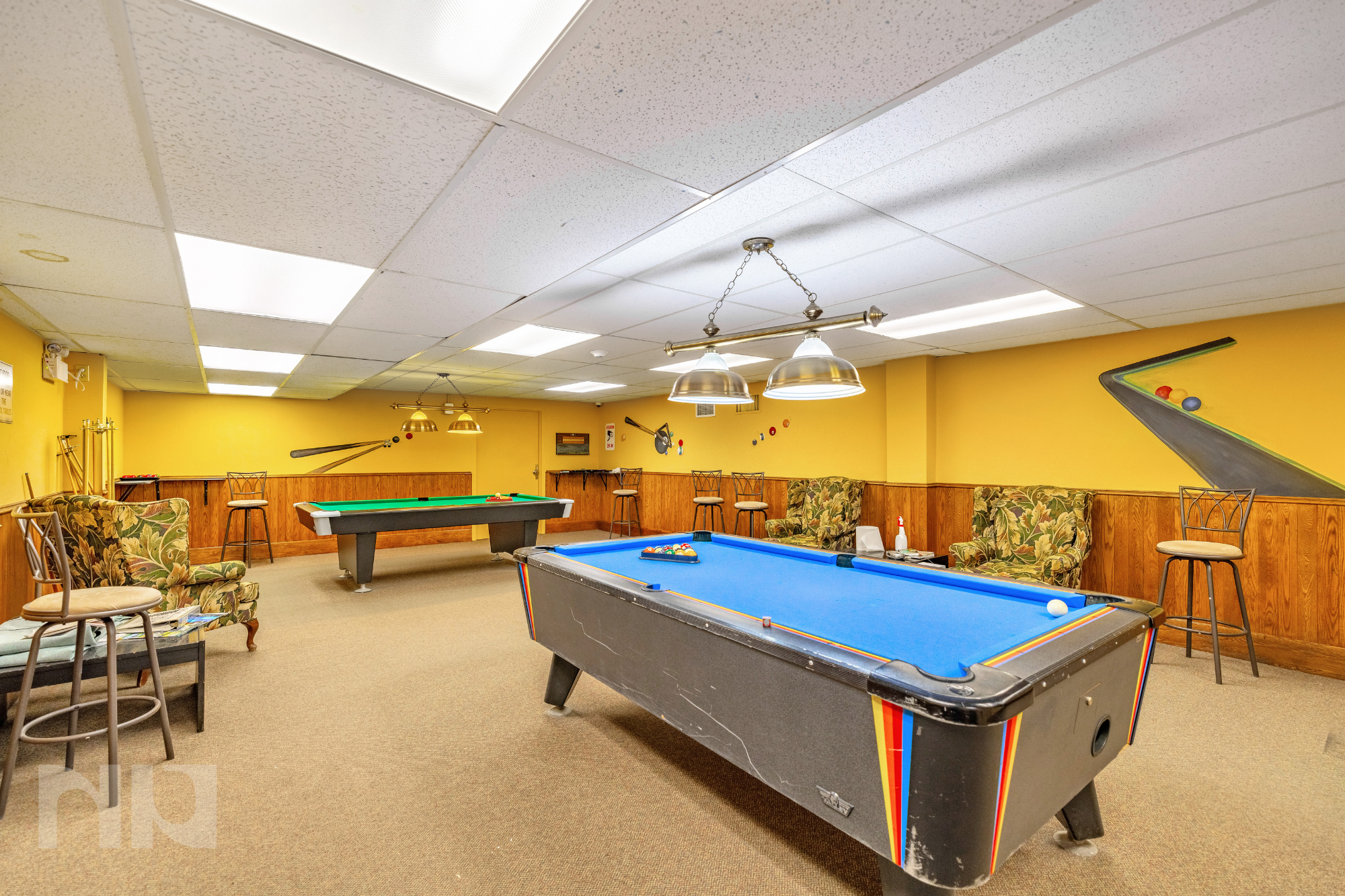
Do Not Assume the Amenities Are Valuable to You
Amenities are often presented as an automatic advantage.
They are only an advantage when you will use them.
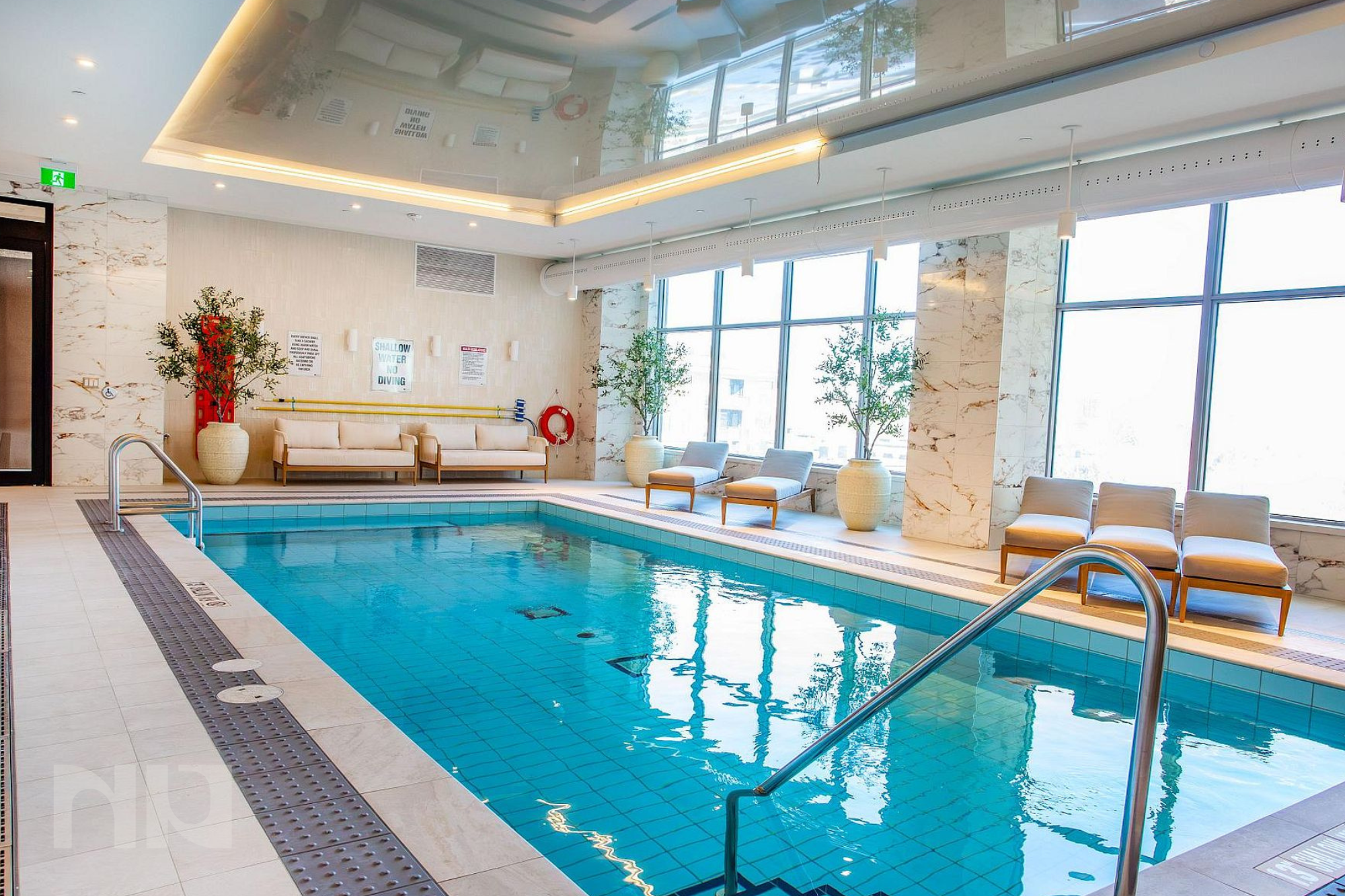
A pool, theatre room, rooftop terrace or large fitness centre may help sell the lifestyle of a building. Those spaces also need to be cleaned, maintained, repaired, insured and eventually updated.
Tour each amenity and ask practical questions:
What are the operating hours?
Is advance booking required?
Are there user fees?
Can residents bring guests?
Are the facilities frequently closed?
How busy are they?
Is the equipment in good condition?
Can private events be booked?
Are there noise restrictions?
Is the space accessible year-round?
A small, well-maintained gym you use four times a week may be more valuable than five elaborate amenities you never visit.
Try to separate what looks impressive during a tour from what will improve your actual routine.
Test Your Phone and Internet Connection
Take your phone out during the showing.
Check the signal inside the unit, hallway, elevator, garage and amenity areas. Concrete construction, lower floors and certain building locations can affect cellular reception.
Ask which internet providers service the building and whether residents are required to use a particular provider. Some buildings have bulk agreements or existing infrastructure that may influence available options.
Buyers who work from home should pay particular attention to:
Available internet speeds
Reliability
Installation procedures
Router placement
Cellular backup options
Where a desk can realistically be positioned
Noise during weekday working hours
Do not assume that being in central Ottawa guarantees the exact service or setup you want.
Understand Heating, Cooling and Ventilation
A listing may state that heating or water is included in the condo fees, but that does not fully explain how comfortable or controllable the unit will be.
Ask:
Does the unit have its own thermostat?
Can residents switch between heating and cooling at any time?
Is the building operated on a seasonal changeover?
Is air conditioning available throughout the unit?
Who maintains the fan coil or heat-pump equipment?
Are filters the owner’s responsibility?
Are there restrictions on portable air conditioners?
How are utilities metered?
Are there known temperature differences between exposures or floors?
Pay attention to the direction the unit faces. Large windows and strong afternoon sun may be attractive in winter but contribute to heat during the summer.
Also notice bathroom ventilation, cooking exhaust and lingering hallway odours. These can provide clues about airflow within the building.
Ask About Pets Before Falling in Love With the Unit
Pet-friendly does not always mean there are no restrictions.
Ontario condo corporations can establish reasonable rules concerning pets, including limits related to number or size. Condo rules may be more restrictive than general municipal limits.
Confirm:
Whether pets are allowed
Size or weight limits
Limits on the number of animals
Restricted areas
Rules for elevators and common spaces
Where pets can relieve themselves
Whether balconies can be used for pet-related products
Procedures for noise complaints
Whether existing pets are grandfathered under older rules
Do not rely exclusively on a verbal statement from a listing representative or resident. The corporation’s declaration, by-laws and rules should be reviewed because owners are required to follow them.
Even buyers without pets may want to understand the rules if they plan to get one later.
Look at the Building Through a Resident’s Eyes
A building does not need to look brand new to be well managed.
Instead of focusing only on finishes, look for evidence of consistent care.
Notice:
Cleanliness of common areas
Condition of carpets and walls
Burned-out lights
Water stains
Damaged doors
Elevator inspection notices
Posted maintenance updates
Organization of storage areas
Odours in hallways
Condition of exterior landscaping
Whether building notices are clear and current
A few scratches or dated finishes do not necessarily indicate a problem. Repeated signs of neglect may justify more questions.
CMHC recommends evaluating both the resale unit and the building as a whole, not limiting the physical investigation to the interior of the suite.
Ask who manages the property, whether there is an on-site superintendent and how residents submit maintenance requests.
Speak to Someone Who Lives There
When an opportunity arises, respectfully ask a resident a simple question:
“How do you like living in the building?”
You may learn about:
Management responsiveness
Elevator reliability
Noise
Community atmosphere
Parcel handling
Parking
Planned repairs
Heating and cooling
Recurring maintenance concerns
One person’s experience should not be treated as definitive. Still, residents can identify questions worth investigating further.
CMHC specifically suggests asking current residents about issues such as noise, pets, parking, smoke or odours and how those concerns have been managed.
Try to ask neutral questions rather than seeking reassurance. “What should a new owner know?” will usually produce more useful information than “There aren’t any problems here, right?”
Review the Paperwork After Testing the Building
The physical test drive and document review should support each other.
After touring the building, note anything that deserves closer examination in the status certificate or other condominium documents.
For example:
Frequent elevator problems may lead to questions about planned elevator work
Water staining may justify reviewing repairs and insurance claims
Dated amenities may lead to questions about upcoming refurbishment
Strict visitor parking may require a closer look at the rules
A large pet may make the declaration and rules especially important
Exterior deterioration may warrant reviewing the reserve fund study
A resale condo status certificate can include the corporation’s declaration, by-laws and rules, current budget, audited financial statements, information about the reserve fund and details concerning the unit. In Ontario, the corporation can charge up to $100 for the certificate and generally must provide it within 10 days.
The documents should be reviewed with an experienced real estate lawyer. A visual tour cannot determine the corporation’s financial health, just as financial documents cannot fully show you how the building feels at 8 a.m. on a weekday.
You need both.
A 30-Minute Condo Building Test
During your next Ottawa condo showing, spend an additional 30 minutes evaluating the building.
First 5 minutes: Outside
Walk around the property. Look at entrances, traffic, visitor parking, sidewalks, lighting and the garage entrance.
Next 5 minutes: Lobby and security
Test the intercom. Examine the parcel area, mail system, entrance security and accessibility.
Next 5 minutes: Elevators and hallways
Time the elevator. Listen for noise and observe the condition of the common areas.
Next 5 minutes: Parking and storage
Visit the exact parking space and locker. Walk the full route back to the unit.
Next 5 minutes: Waste and amenities
Find the garbage, recycling and green-bin areas. Tour the amenities you expect to use.
Final 5 minutes: Inside the unit
Stand quietly. Check phone reception, ventilation, natural light, temperature and noise with the doors and windows both open and closed.
You may discover that the building works even better than expected.
You may also identify a compromise that would have been invisible during a standard showing.
The Unit Gets Your Attention. The Building Shapes Your Routine.
A condo purchase is often evaluated through photographs, finishes and floor plans.
Those things matter. So do the systems you will depend on after moving in.
The elevator that gets you to work. The garage you enter every evening. The parcel room holding your deliveries. The rules governing your pet. The waste system you use every week. The management team responding when something breaks.
A strong condo purchase is not only a unit you are excited to own.
It is a building you are prepared to live in.
Frequently Asked Questions
What should I look for when viewing a condo in Ottawa?
Evaluate both the unit and the building. Check noise, natural light, ventilation, heating and cooling, phone reception, elevators, parking, storage, waste disposal, security, deliveries, amenities and the condition of common areas.
What questions should I ask before buying a condo?
Ask what the condo fees include, whether major repairs are planned, how the reserve fund is performing, what rules apply to pets and parking, how deliveries are handled and whether residents have experienced recurring elevator, water, heating or noise concerns.
Should I inspect a condo before buying?
A professional inspection may help identify concerns within the unit and, depending on the property, observable issues affecting parts of the building. Buyers should also review the status certificate and condominium documents with an experienced real estate lawyer. CMHC recommends considering the physical condition of both the unit and the building.
How do I know whether a condo building is well managed?
Look at the condition and cleanliness of common areas, the quality of resident communications and how visible repairs are handled. Ask about the property manager, superintendent, maintenance request process and recurring issues. The status certificate and financial documents can provide additional information about the corporation’s finances and governance.
Can an Ontario condo restrict pets?
Yes. A condominium’s declaration and rules may regulate pets, including the number or size permitted, provided the rules meet applicable legal requirements. Buyers should review the governing documents before purchasing.
Are condo amenities included in condo fees?
Common amenities are generally maintained through the condominium corporation’s common expenses, although some buildings also charge booking or user fees for certain facilities. Buyers should confirm what is included and review the building’s rules and current fee structure.
Find an Ottawa Condo That Works Beyond the Front Door
The right condo should fit your budget, preferred location and plans for the future. It should also make everyday life easier.
New Purveyors can help you compare Ottawa condo buildings, understand what is included in a purchase and identify the questions that deserve answers before you make an offer.
Considering a condo in Ottawa? Contact New Purveyors to begin a search based on how you actually want to live.