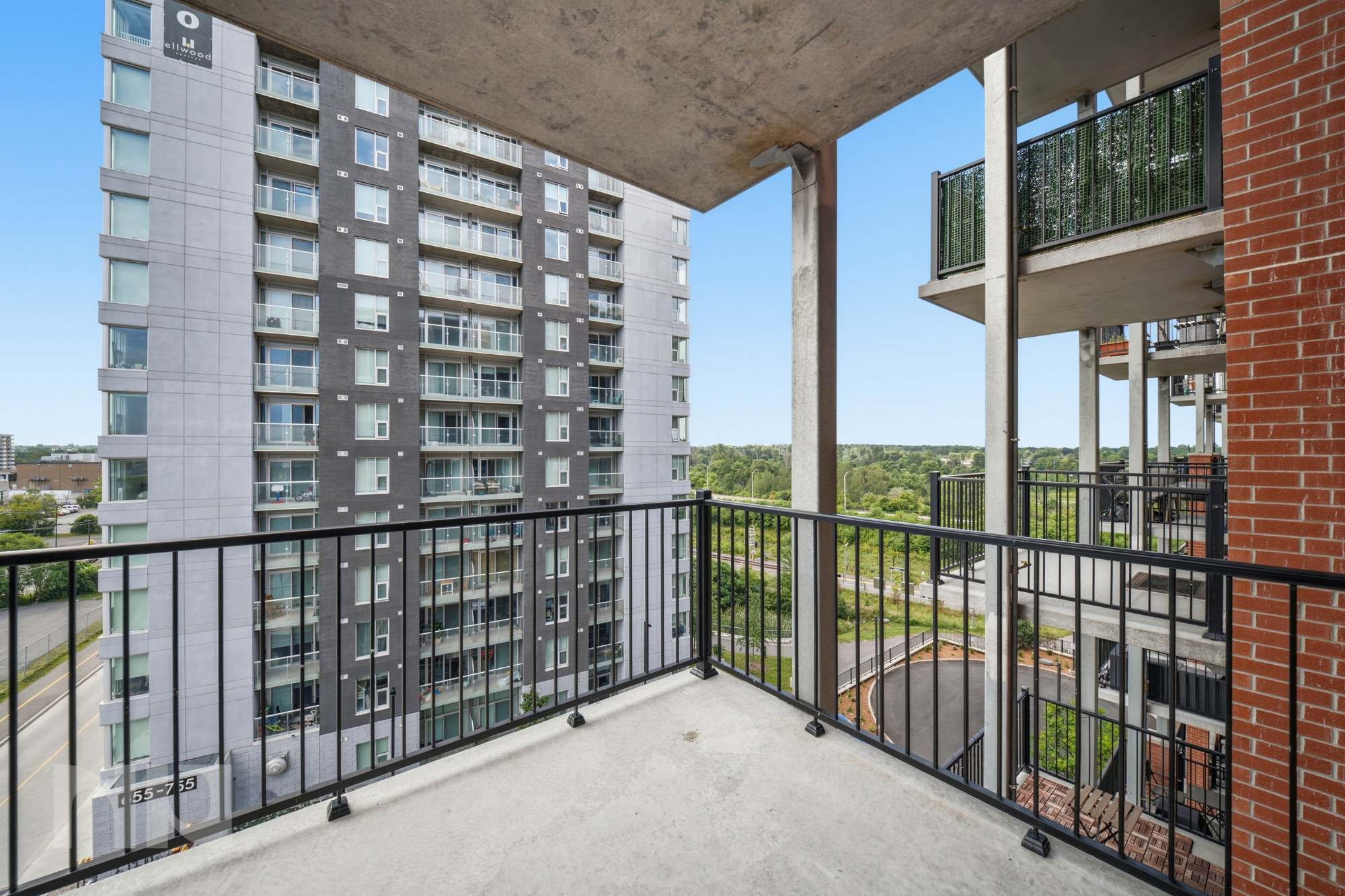

You find the condo.
It has underground parking. Your spot is close to an electrical outlet. You drive an EV, or you're planning to buy one.
Perfect, right?
Not necessarily.
Having a parking space does not automatically mean you can install an EV charger there.
For Ottawa condo buyers, EV charging is becoming another feature worth investigating before purchasing, especially if charging at home is important to your daily routine.
The good news is that Ontario actually has a specific process for condo owners who want to install electric vehicle charging systems. The less-good news is that the answer can still depend heavily on the building.
Here's what you should know.
First: Does the Building Already Have EV Charging?
This is the easiest scenario.
Some Ottawa condo buildings have charging stations in shared parking areas. Others have chargers connected to individual parking spaces. Some have installed the electrical infrastructure needed to make future installations easier.
And some buildings have none of the above.
Those are very different situations.
If an MLS listing simply says “EV charging available,” don't stop there.
Find out what that actually means.
Is there a charger assigned to the unit?
Are there communal chargers?
How many are there?
How is electricity billed?
Can residents reserve them?
Is there currently a waitlist?
Can additional chargers be installed?
That information can make a big difference if you'll rely on the charger every day.
What If Your Parking Spot Doesn't Have a Charger?
This is where Ontario's condo rules become particularly useful.
Since 2018, Ontario has had a specific approval process for electric vehicle charging systems in condominiums. A condo owner can submit a written application to the condominium corporation requesting permission to install one.
The application must identify the owner, be signed and include drawings, specifications and information about the proposed installation.
So this isn't quite the same as deciding to install a charger in the garage of a freehold house.
There's a formal process.
Can the Condo Board Just Say No?
Not simply because it doesn't like the idea.
According to the Condominium Authority of Ontario, a corporation can reject an owner's EV charger application in certain circumstances based on the opinion or report of a qualified professional.
Those circumstances include an installation that would violate legislation, adversely affect the structural integrity of the property or create a serious health or safety risk.
If those reasons don't apply, the corporation must either accept the application or propose an alternative installation plan that does not create unreasonable costs for the owner.
That's an important distinction.
There is a process designed specifically for these requests, but it doesn't mean every parking space in every condo can automatically accommodate the exact charger an owner wants.
The Building's Electrical Capacity Matters
This is one of the biggest practical issues.
An EV charger isn't operating independently of the rest of the building.
The Electrical Safety Authority explains that every multi-residential building has its own electrical infrastructure and energy demands. Adding EV chargers means considering the building's overall electrical system and available capacity.
Imagine a 200-unit condo built decades before widespread electric vehicle adoption.
Installing a charger for the first EV owner may be relatively straightforward.
Then five owners want one.
Then 20.
Eventually, the question becomes bigger than simply running a wire to another parking space.
The ESA recommends that buildings plan not only for today's charging demand but for how that demand could grow in the future.
For a condo buyer, that's useful information.
You aren't only asking:
“Can I charge my car here today?”
You may also want to know:
“Does this building have a plan for EV charging as more residents want it?”
Who Pays to Install Your Charger?
If you're the owner requesting your own EV charger installation, you should generally expect the cost to be yours unless your agreement with the corporation says otherwise.
The CAO states that an owner who submits an application is generally responsible for installation-related costs. After an application is approved, the owner and condominium corporation have 90 days to enter into a written agreement dealing with matters including responsibility for costs.
That agreement is then registered on title before taking effect.
This is another reason buyers shouldn't assume:
“There's already electricity in the garage, so adding a charger should be cheap.”
The actual installation could depend on the distance from electrical equipment, metering arrangements, the building's electrical capacity and other technical requirements.
There isn't one universal installation price that applies to every Ottawa condo.
You Can't Just Hire Someone and Start Drilling
Even after the condominium side is sorted out, EV charger installation is electrical work.
The Condominium Authority of Ontario says an EV charging system must be installed by a licensed electrical contractor holding an Electrical Safety Authority licence.
That matters in condos because the work may involve common elements or shared electrical infrastructure.
A parking garage is not the place for a DIY workaround and an extension cord.
What If the Condo Corporation Wants to Install Chargers for Everyone?
The rules are slightly different when the corporation itself initiates the project.
In some situations, a condo corporation can proceed without an owner vote. Under current Ontario guidance, this can happen where the estimated installation cost is less than 10 per cent of the corporation's annual budgeted common expenses and the board does not believe the project will negatively affect owners' use and enjoyment of the property.
The corporation must provide owners with at least 60 days' notice before installation in that situation.
If the project exceeds the applicable cost threshold or is expected to significantly affect use and enjoyment, additional owner involvement and potentially a vote can be required.
Why should a buyer care?
Because a building planning a major EV infrastructure project could be very different from a building that has never discussed one.
Neither is automatically better or worse.
You simply want to know what you're buying into.
EV Charging Is Becoming Part of the Condo Due-Diligence Conversation
Ten years ago, a buyer might have asked:
Does the unit have parking?
Today, for some buyers, that isn't enough.
The question has become:
What can I actually do with that parking space?
This is particularly important if you already own an electric vehicle and home charging is part of what makes EV ownership practical for you.
Before buying an Ottawa condo, it's worth investigating whether the property currently has charging infrastructure, how existing chargers operate and what the process would be if you wanted your own.
What If You Don't Own an EV?
This can still be worth asking about.
Maybe your current car is gas-powered and you'll keep it for another five years.
That doesn't mean your next one will be.
And even if you never personally own an EV, a future buyer of your condo might.
That doesn't mean an EV charger automatically increases the value of every condo by a specific dollar amount. We cannot reliably assign a universal resale premium to EV charging because its value will vary by buyer, building and market conditions.
But from a practical resale standpoint, understanding whether a building can accommodate EV charging gives you another piece of information about how adaptable the property is to changing transportation habits.
A Good Question to Ask Before Buying
Instead of asking only:
“Does the building have EV chargers?”
Try asking:
“What is this building's current setup and policy for EV charging?”
That opens the door to a much more useful conversation.
You may discover the building already has excellent infrastructure.
You may learn that owners routinely install chargers at their own parking spaces.
You may discover that upgrades to the building's electrical system would be required.
Or you may find that the condo is already working on a building-wide solution.
All of those answers tell you more than a simple yes or no.
The Status Certificate Can Help, But Ask Questions Too
When purchasing a resale condo in Ontario, the status certificate and accompanying condominium documents can provide important information about the corporation, its finances and its governing rules.
If EV charging is particularly important to you, tell your Realtor and lawyer.
Don't assume a standard review will automatically answer every lifestyle-specific question you have.
You may want to investigate existing rules, agreements, planned projects or correspondence relating to charging infrastructure.
It's much easier to ask before purchasing than to discover after closing that your charging plan is significantly more complicated than expected.
Don't Buy the Parking Spot Without Thinking About the Car That Goes in It
Condo buyers are getting better at looking past granite countertops and rooftop terraces.
We talk about reserve funds.
We talk about condo fees.
We talk about special assessments.
EV charging deserves a place in that conversation too.
For some buyers, it's irrelevant.
For others, it can materially affect whether a property works for their everyday life.
And that's ultimately what good condo due diligence is about.
Not finding a building with the longest amenity list.
Finding one that actually works for the way you plan to live.
Buying a Condo in Ottawa?
There can be a lot more to compare than price per square foot.
New Purveyors helps Ottawa condo buyers look at the complete picture, including the unit, building, parking, condo corporation, neighbourhood and the practical questions that can affect ownership long after closing.
If you're thinking about buying a condo in Ottawa, contact New Purveyors to start your search.