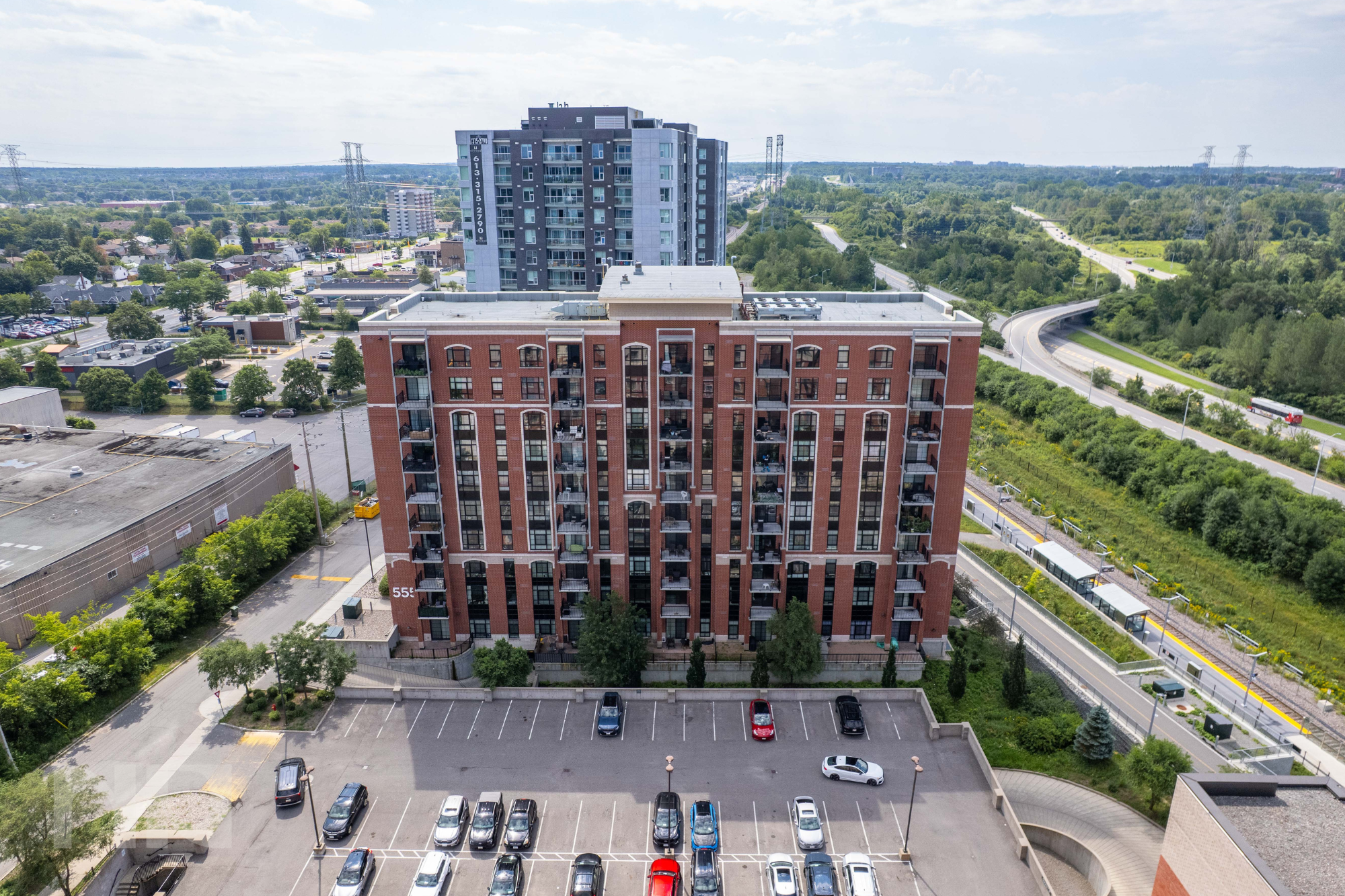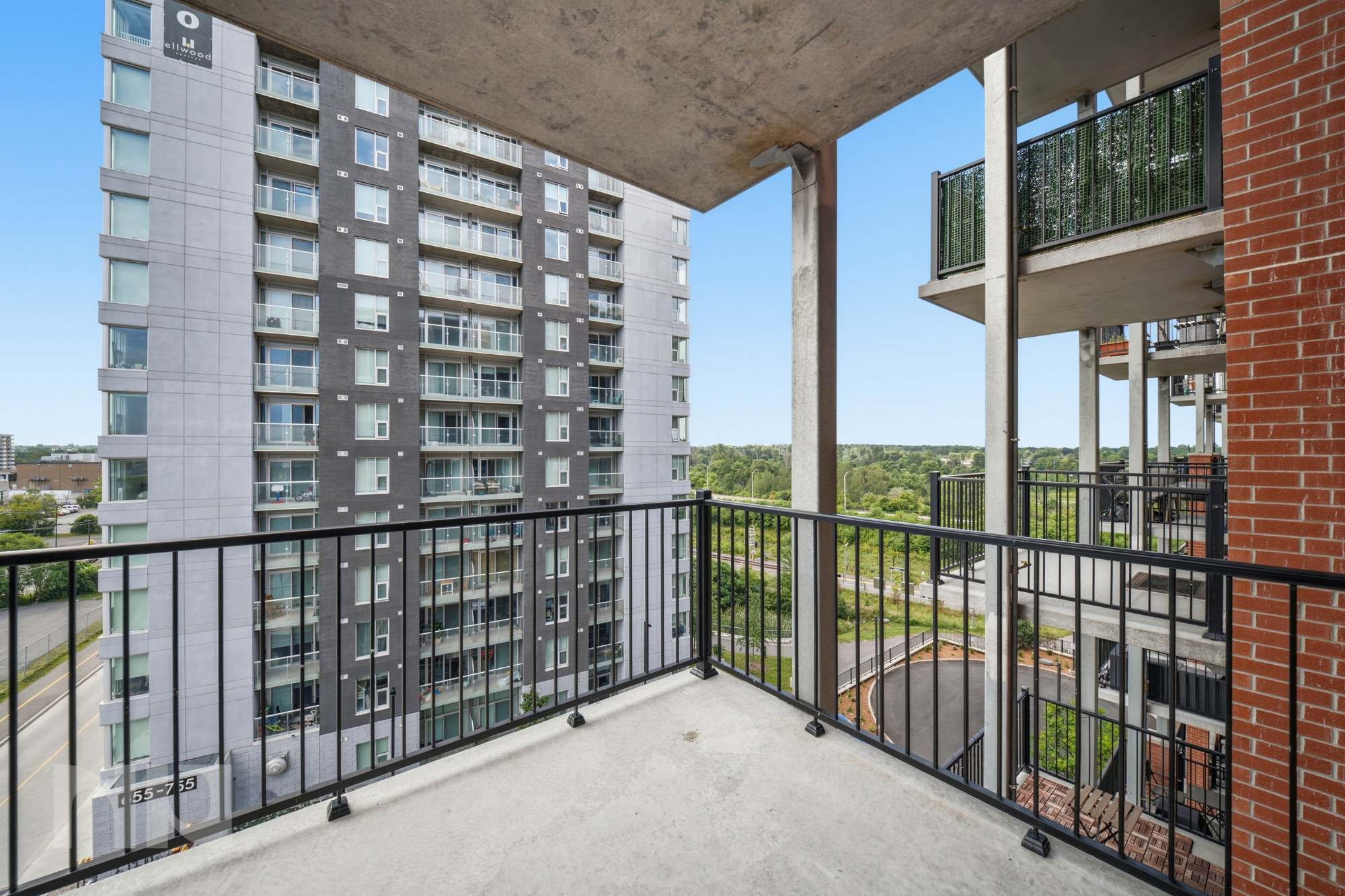
When a condo listing says “1 parking space and 1 storage locker included,” most buyers understandably assume those spaces simply belong to the unit.
Sometimes they do.
Sometimes they don't, at least not in the way you might expect.
In Ontario condos, parking spaces and storage lockers can be structured differently from building to building. A space may be a separately owned unit, an exclusive-use common element, or part of another arrangement set out in the condominium's documents.
Those distinctions may sound technical, but they can affect what you own, what you can do with the space, how condo fees are calculated and what needs to be confirmed before closing.
So before you get too attached to parking spot P2-47, here's what you should know.
First: Your Condo Unit Isn't Necessarily Everything You Use
One of the biggest adjustments for first-time condo buyers is understanding the difference between your unit and the common elements of the condominium.
Ontario's Condominium Act establishes that owners have exclusive ownership of their individual units while sharing ownership of the condominium's common elements. Those common elements can include things like hallways, elevators, lobbies, parking garages and amenities.
But there is another category that matters here: exclusive-use common elements.
An exclusive-use common element still belongs to the condominium's common elements, but one particular owner has the exclusive right to use it. The Condominium Authority of Ontario notes that things like balconies can be structured this way, and the same concept can apply to parking and storage spaces.
That gives us two common arrangements you'll see when shopping for a condo.
Option 1: You Own the Parking Space or Locker
In some buildings, the parking space or storage locker is legally created as its own condominium unit.
That means the condo you're purchasing could technically involve multiple units: your residential unit, a parking unit and potentially a locker unit.
It isn't just "the parking spot that comes with apartment 704." It may actually have its own legal description and form part of the title being transferred to you.
This is one reason it's so important that the Agreement of Purchase and Sale correctly identifies everything being purchased. Ontario legal guidance specifically notes that a purchaser's lawyer should determine through the title search whether parking and locker spaces are condominium units, exclusive-use common elements or simply part of the common elements.
It also means that seeing a numbered parking space during a showing isn't enough to establish ownership.
The paperwork matters.
Option 2: You Have Exclusive Use of the Space
The other common setup is exclusive-use parking or storage.
In this case, you don't individually own that physical portion of the building as a separate condominium unit. Instead, it remains part of the common elements, with the condominium documents allocating its use to your unit.
The practical experience may feel almost identical. You park in the same spot every day. Nobody else is supposed to use it. Your locker is still your locker.
Legally, however, the structure is different.
The Condominium Authority of Ontario specifically recommends checking the condominium's declaration to determine whether parking or storage is owned or exclusive use. It notes that owned parking units are often identified in Schedule C of a declaration and exclusive-use areas in Schedule F, although the exact format varies by condominium.
Why Does Any of This Matter?
Because the words “parking included” don't answer every question a buyer should be asking.
Imagine you're comparing two similar Ottawa condos.
Both have one underground parking space.
In Building A, the parking space is a separately owned condominium unit.
In Building B, the owner has exclusive use of a parking space that remains part of the common elements.
From the MLS photos, those properties might look virtually identical. Their legal structures aren't.
That distinction can become relevant when you're trying to understand maintenance responsibilities, condominium rules, costs, future changes or what rights you actually have over that space.
The CAO notes that whether parking or storage is owned or exclusive use can affect the owner's rights and responsibilities and how certain issues are handled.
Can You Sell Your Parking Space Separately?
This is where we'd be careful with any blanket answer.
A separately titled parking unit might sound like something you could automatically sell to whoever you want, but that should not be assumed.
The condominium's declaration, title, governing documents and applicable legal requirements can affect what is permitted. Condo corporations can also have rules regulating parking.
If being able to sell, rent or otherwise transfer a parking space is important to you, have your real estate lawyer confirm exactly what you're purchasing and what restrictions apply.
The same goes for a buyer thinking:
“I don't own a car, so I'll just sell the parking spot later.”
Maybe. But that is something to verify before factoring the potential sale into your buying decision.
Parking and Lockers Can Affect Your Condo Fees Too
Here's another detail buyers sometimes miss.
Condo fees aren't necessarily calculated based only on the square footage of your apartment.
The condominium's declaration establishes each unit's proportion of the corporation's common expenses, and the CAO notes that factors can include the unit's size as well as parking and locker spaces.
So if you're comparing the monthly condo fees of two units in the same building, don't immediately assume one owner is being charged more for no reason.
There may be differences in what is actually included with each property.
What About the Actual Location of the Parking Spot?
The legal side matters, but so does the practical side.
We always recommend buyers actually look at the parking spot rather than treating "underground parking included" as the end of the conversation.
A few things worth checking:
Where is it relative to the elevator or building entrance?
Is it beside a wall or structural column?
How wide is the space?
Is there enough room for your current vehicle?
Is it near a ramp, corner or high-traffic area?
Is the garage height suitable for your vehicle?
Are there EV charging options?
Are there restrictions around EV charger installation?
Where is visitor parking?
Are there rules about commercial vehicles, motorcycles, trailers or vehicle repairs?
Parking rules can be established through a condominium's governing documents, and Ontario's Condominium Authority specifically identifies parking as something condo rules may regulate.
If you're driving a compact hatchback today but planning on owning a full-size SUV next year, that little concrete pillar beside your parking spot suddenly becomes much more interesting.
Do the Same Homework With the Locker
Storage lockers are easy to overlook during a showing.
Don't.
Find out:
Where is it?
A locker on your floor may be very different from one several levels down in the parking garage.
How big is it?
“Locker included” doesn't tell you whether you're getting a full storage room or a small cage above another locker.
Is it owned or exclusive use?
Just like parking, confirm the legal arrangement rather than assuming.
Are there restrictions on what can be stored?
Check the condominium's rules.
Is the locker number in the listing actually the locker associated with the unit?
It sounds obvious, but legal professionals specifically flag confirmation of parking and locker descriptions as part of proper condominium due diligence.
Where Do You Find All of This Information?
This is one of the reasons condo purchases involve more homework than simply walking through the unit.
Depending on the question, information about parking and lockers may appear in the:
Agreement of Purchase and Sale
Condominium declaration
Condominium description
Rules and by-laws
Status certificate package
Parcel register and title documentation
The declaration is particularly important because it defines the condominium's units and common elements and can contain restrictions and maintenance obligations.
Your lawyer's title review is another important safeguard. The Law Society of Ontario's guidance for residential real estate transactions calls for lawyers to review registered instruments affecting title and highlights condominium declarations, by-laws and status certificates as relevant parts of a condominium purchase.
A Better Question to Ask When Touring an Ottawa Condo
Instead of asking:
“Does it have parking?”
Try asking:
“What kind of parking comes with the unit?”
Then do the same thing with the locker.
It's a small change in language, but it's the type of question that helps you understand what you're actually buying rather than relying solely on how the property is marketed.
And that applies to plenty of other condo features too.
A balcony you use every day may be an exclusive-use common element. A parking garage may be shared between multiple condominium corporations. Certain amenities may even operate under shared-facilities agreements that determine how costs and responsibilities are divided.
With condos, use and ownership aren't always the same thing.
Buying a Condo in Ottawa?
The inside of the unit is only part of a condo purchase.
Understanding the corporation, its documents, its finances and exactly what comes with the property can be just as important as deciding whether you like the kitchen.
At New Purveyors, we help our clients look beyond the listing photos and understand the details that can make one condo a much better purchase than another.
If you're thinking about buying a condo in Ottawa, reach out to the New Purveyors team. We can help you compare buildings, understand what questions to ask and build a strategy around what actually matters to you.