Most condo buyers begin with the same questions.
Do I like the kitchen? Is the bedroom large enough? Can I picture myself living here?
Those questions matter. But before buying an Ottawa condo, it is worth trying a slightly stranger exercise:
Pretend you already own it and need to sell it.
Who would buy it from you? What would they like about it? What might make them hesitate? Would your unit stand out from the others in the building, or would price be its only advantage?
You should buy a home that works for you, not one designed entirely for an imaginary future buyer. However, thinking about the eventual exit can reveal problems that are easy to overlook during a showing.
Here is how to put an Ottawa condo through the exit test.
1. Can You Describe Its Advantage in One Sentence?
Imagine five similar condos are listed in the same area.
Why would someone choose yours?
A strong answer could be:
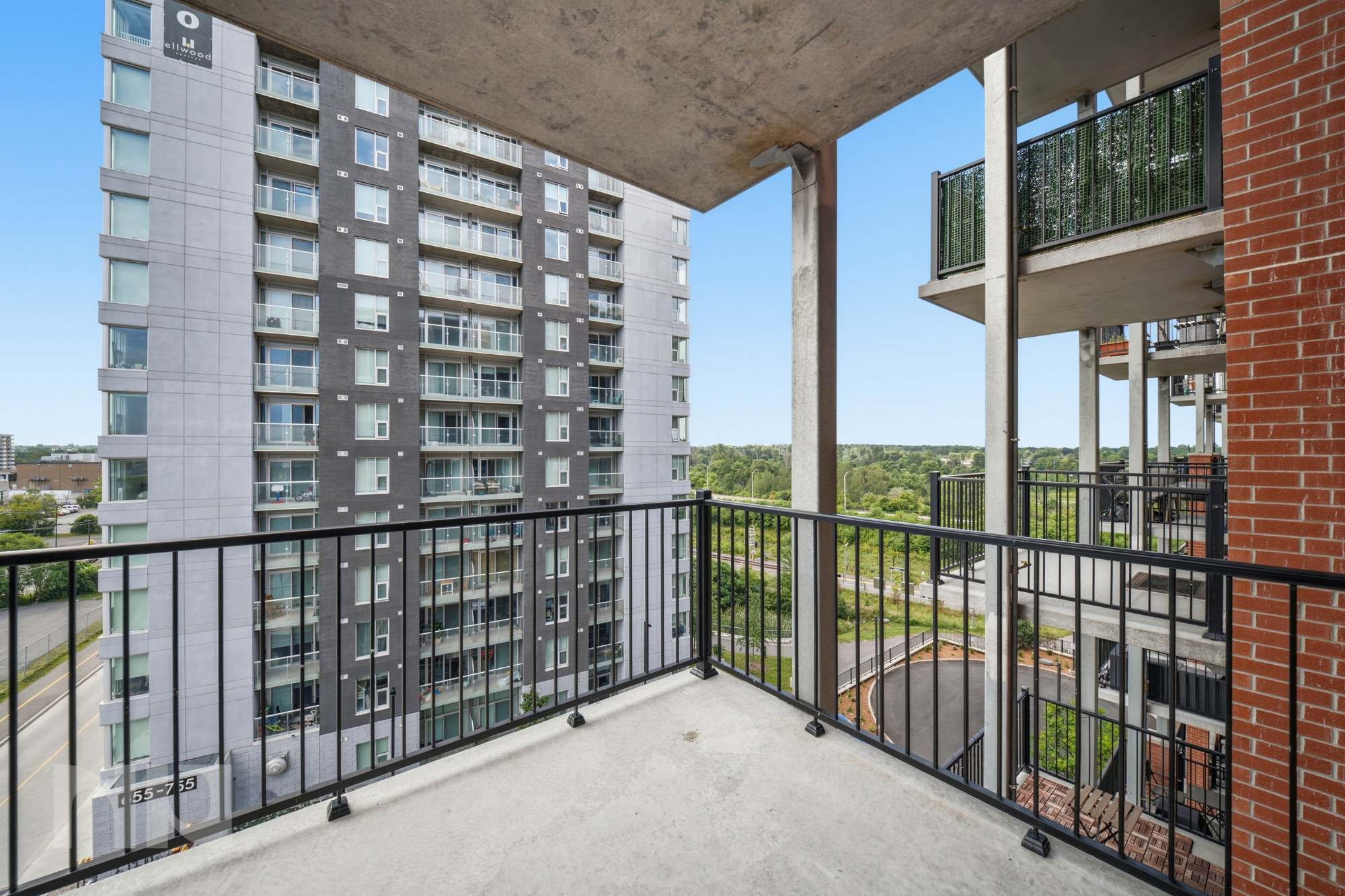
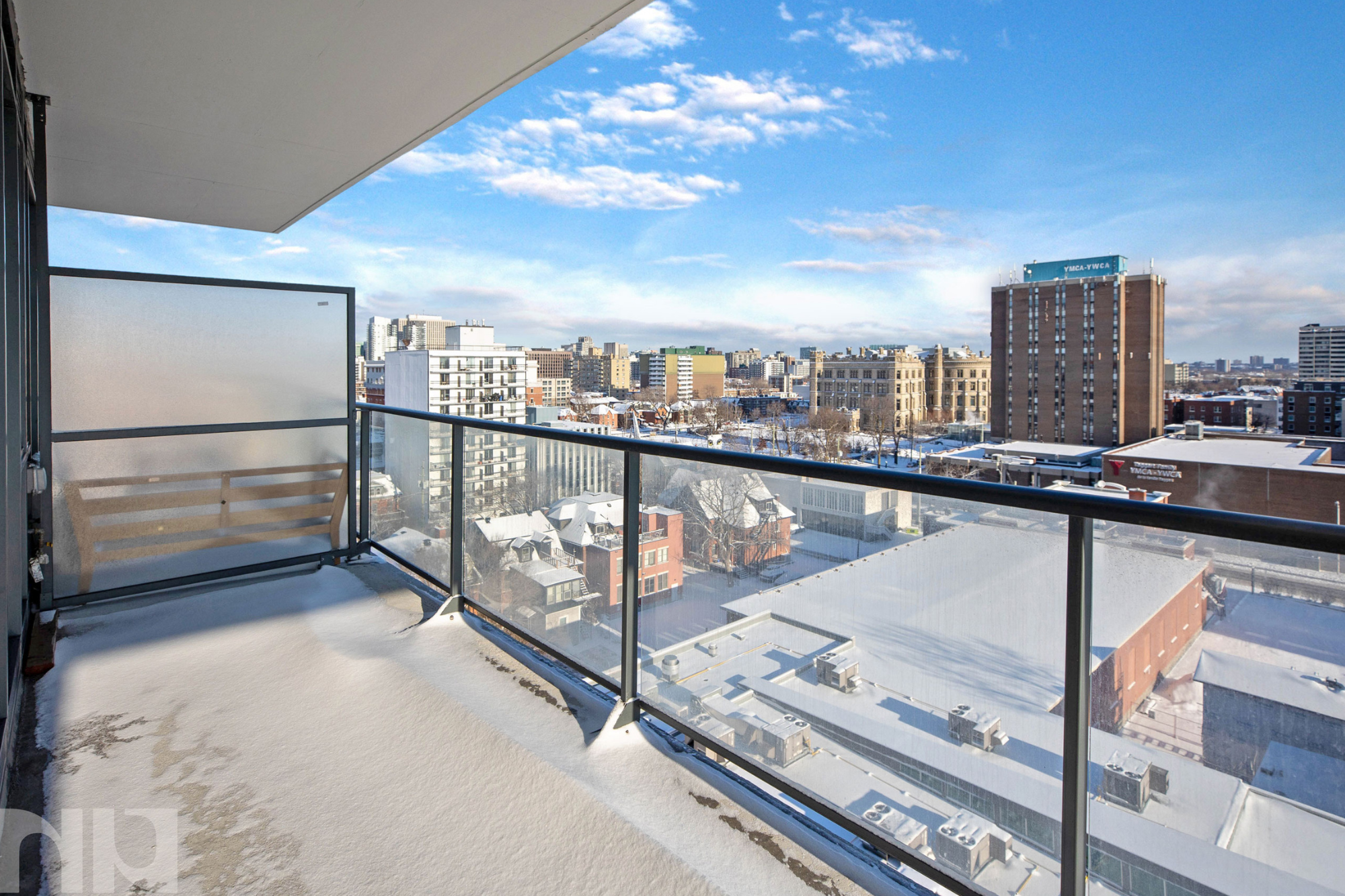
It has an unusually large private balcony.
It is a true two-bedroom rather than a one-bedroom plus den.
The condo fees include several major utilities.
It has unobstructed views that are unlikely to disappear.
It includes parking in an area where parking is difficult to find.
It offers more than 1,000 square feet at a comparable price.
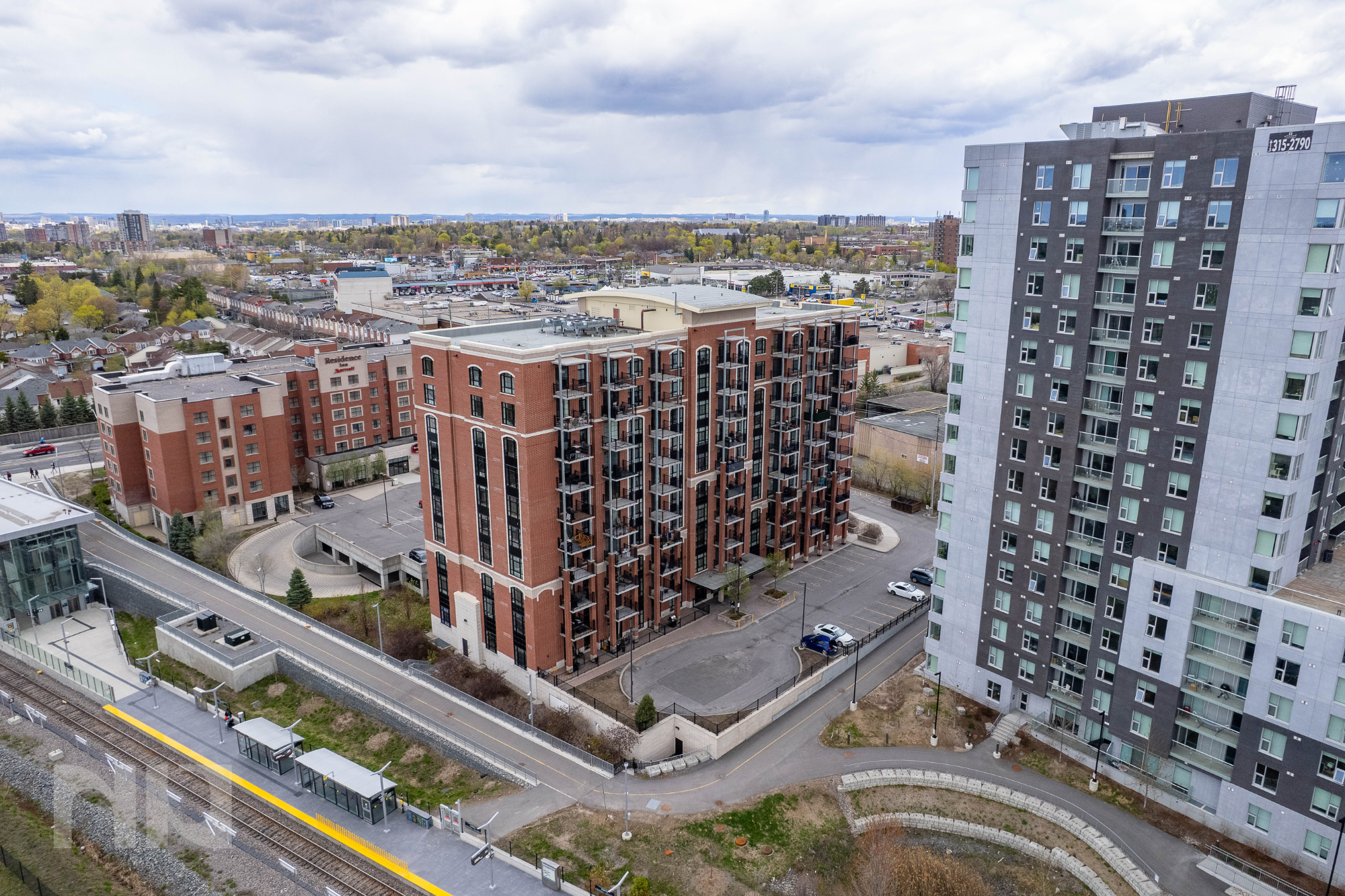
It has direct access to transit, parks or everyday shopping.
“Nice finishes” is not usually enough. Finishes can be replaced, and several competing units may have similar ones.
Look for an advantage that is difficult for another seller to recreate.
2. How Many Buyers Could Realistically Use the Layout?
Square footage tells only part of the story.
A smaller condo with a practical layout may feel more usable than a larger unit filled with narrow hallways, awkward corners or rooms that are difficult to furnish.
During the showing, consider where normal furniture would go:
Can a sofa face something other than the kitchen?
Is there room for a dining table?
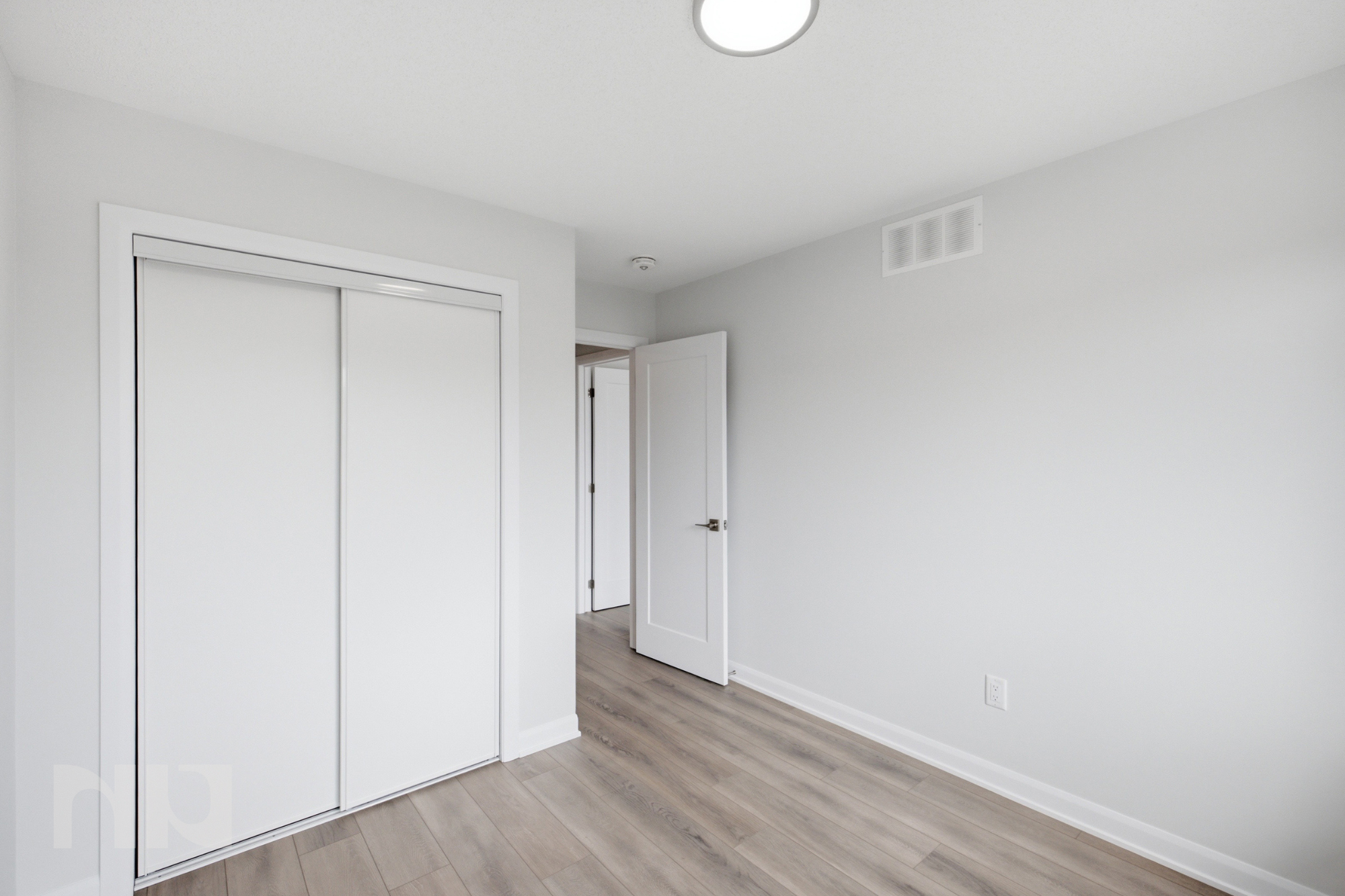
Does the bedroom fit more than a bed?
Can the den function as an office?
Is there enough storage for daily life?
Would opening a closet or appliance block a walkway?
Pay particular attention to dens. Some are large enough to support remote work, occasional guests or additional storage. Others are little more than an alcove added to the floor plan.
A useful den can expand the unit’s future buyer pool. An unusable one may not add much beyond the listing label.
3. Are the Condo Fees Defensible?
Buyers often compare condo fees by looking only at the monthly number.
That can be misleading.
A $700 monthly fee that includes heat, water, building insurance, extensive amenities and a well-funded reserve may be easier to justify than a $500 fee that covers very little.
Ask what the fees include and what you would still pay separately. Condo fees generally contribute to the operation of the building, maintenance of common elements and the reserve fund used for major repairs and replacements.
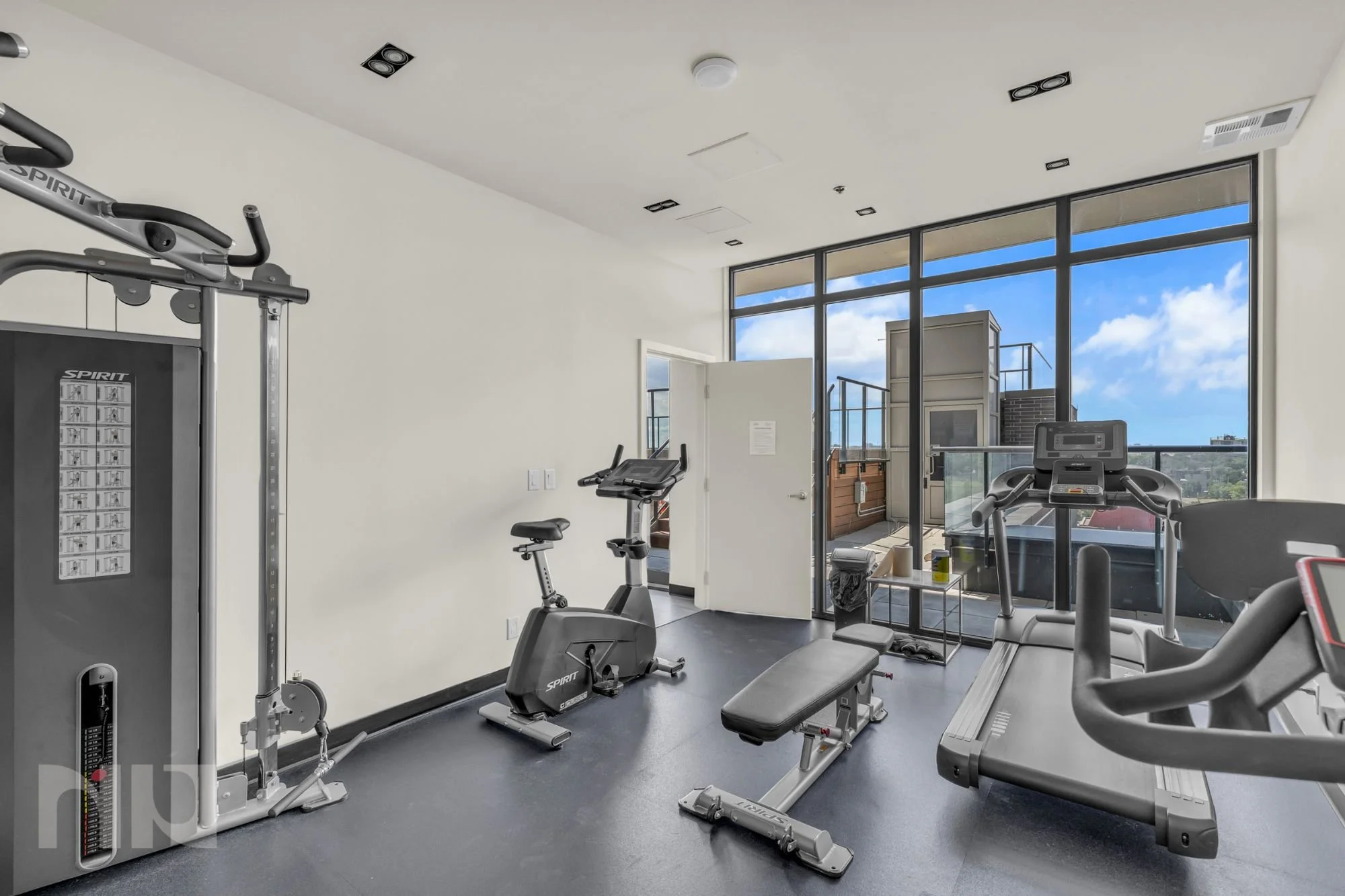
You should also consider whether the building’s amenities make sense for its size. Pools, elevators, concierge services and large recreational facilities can be appealing, but they also require ongoing maintenance.
The question is not simply, “Are the fees high?”
It is:
Will a future buyer understand what they are paying for?
4. What Does the Building’s Financial Paperwork Say?
The unit is only part of what you are purchasing. You are also buying into the financial position and decision-making history of the condo corporation.
For a resale condo in Ontario, the status certificate provides important information about both the unit and the corporation. This can include the corporation’s budget, reserve fund, legal matters, governing documents, insurance and any existing special assessments. Buyers should have the certificate reviewed with their lawyer.
A reserve fund is money set aside for major repairs and replacement of common elements. Ontario condo corporations must periodically complete reserve fund studies to evaluate whether current savings and owner contributions are adequate for anticipated work.
No document can guarantee that expenses will never increase. However, the paperwork can help your lawyer identify issues that may affect ownership costs or future resale.
Do not treat the status certificate condition as administrative fine print. It is part of understanding what you are actually buying.
5. Would the Rules Eliminate Part of Your Buyer Pool?
Every condo corporation has its own declaration, bylaws and rules.
These may address:
Pets
Smoking
Renovations
Short-term rentals
Long-term leasing
Barbecues
Balcony use
Parking
Electric vehicle charging
Moving procedures
A rule may not bother you at all and could still matter when you eventually sell.
For example, restrictive pet rules may reduce interest from buyers with animals. A prohibition on leasing could affect someone hoping to keep the property as a future rental. Limited visitor parking may matter more to some households than others.
This does not automatically make the condo a poor purchase. It simply means you should understand how its rules could narrow the audience later.
6. Is the Parking Situation Clear?
Parking can significantly change how a condo functions, particularly outside Ottawa’s most walkable central neighbourhoods.
Confirm:
Whether the unit includes parking
Whether the space is owned, exclusive-use or assigned
Whether it can be sold separately
Whether additional spaces can be rented
Whether there is visitor parking
Whether the garage has height or vehicle restrictions
Whether electric vehicle charging is available or permitted
A unit without parking may still be highly marketable near rapid transit, employment and everyday amenities. The same unit may face more resistance in a car-dependent area.
Do not assess parking in isolation. Assess whether it makes sense for the location and likely buyer.
7. What Will the View Look Like Later?
A good view can be a meaningful advantage, but buyers should distinguish between a view and a temporarily empty space.
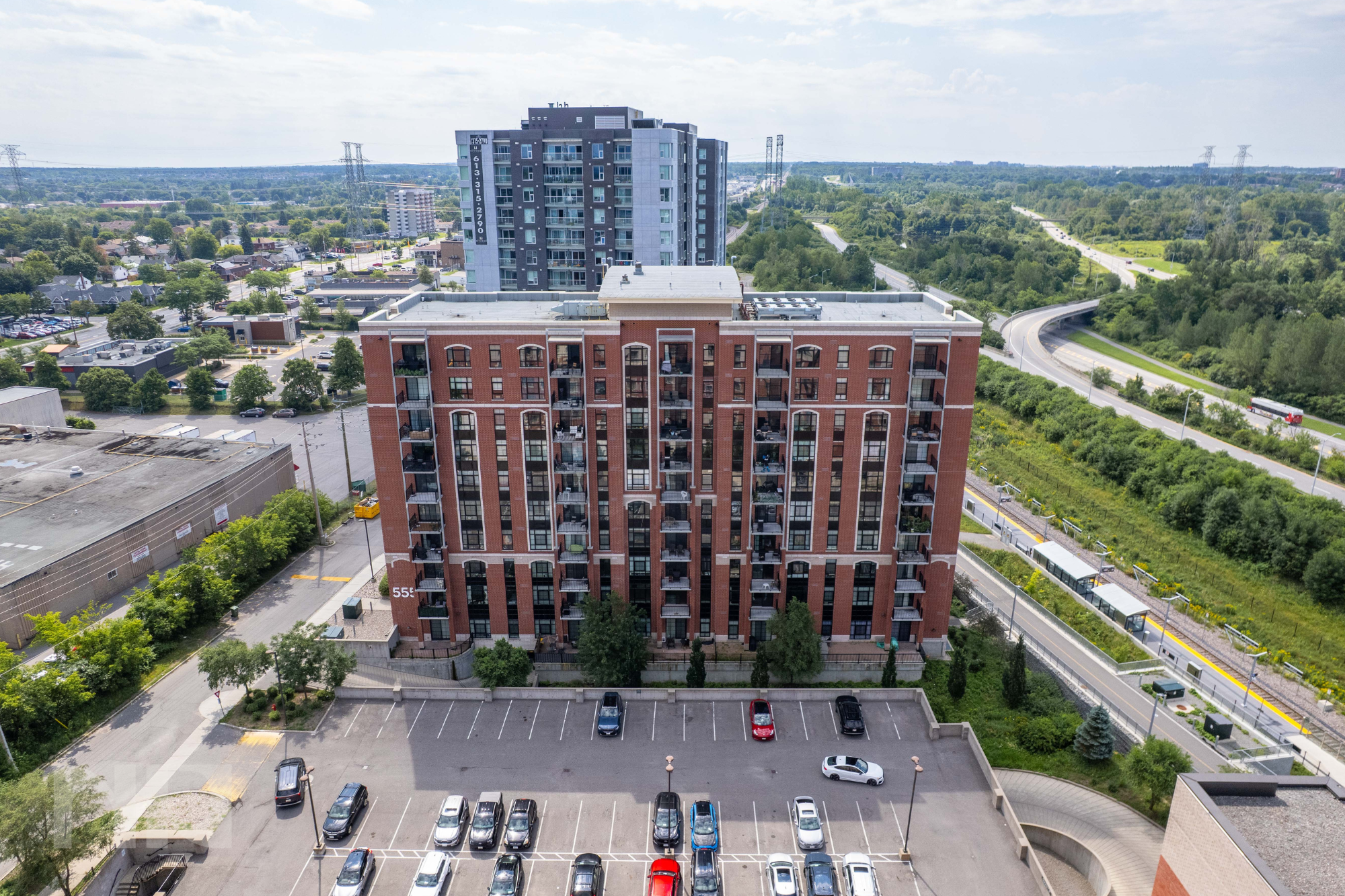
Look at what surrounds the building. A surface parking lot, older commercial property or vacant parcel could eventually be redeveloped.
That does not mean you should avoid the unit. Ottawa is a growing city, and neighbourhoods change. It does mean you should be cautious about paying a large premium for a view that may not be permanent.
When possible, investigate nearby development applications and zoning. Your agent can also help you understand whether proposed construction is already affecting the area.
8. How Does the Unit Compare With Its Own Building?
Your future competition may not be across Ottawa. It may be down the hall.
Large condo buildings can have multiple units listed at the same time. Buyers may compare nearly identical layouts, sometimes only a few floors apart.
Look at recent sales and current listings within the building:
Do certain floor plans consistently sell more quickly?
Is your unit renovated compared with the others?
Does it face a more desirable direction?
Does it include parking or a locker when others do not?
Is it on a floor buyers tend to prefer?
Are many similar units currently for sale or rent?
A common layout is not necessarily bad. Comparable sales can make pricing easier to understand. However, when units are very similar, condition, exposure, fees and asking price become especially important.
9. Does the Property Type Fit the Current Ottawa Market?
Ottawa’s market can behave very differently depending on the property type.
In June 2026, apartment-style properties were the city’s softest major segment. Apartment sales were down 14 per cent from June 2025, while elevated inventory gave buyers more choice than they had in tighter parts of the market.
For buyers, softer conditions can create an opportunity to compare buildings carefully, include appropriate conditions and negotiate based on recent sales.
It does not mean every condo is automatically undervalued.
A desirable unit in a well-managed building can still attract interest. A poorly positioned condo can remain difficult to sell even when the overall market improves.
Broad market conditions matter, but the building, unit and neighbourhood still need to make sense individually.
10. Would You Still Buy It Without the Staging?
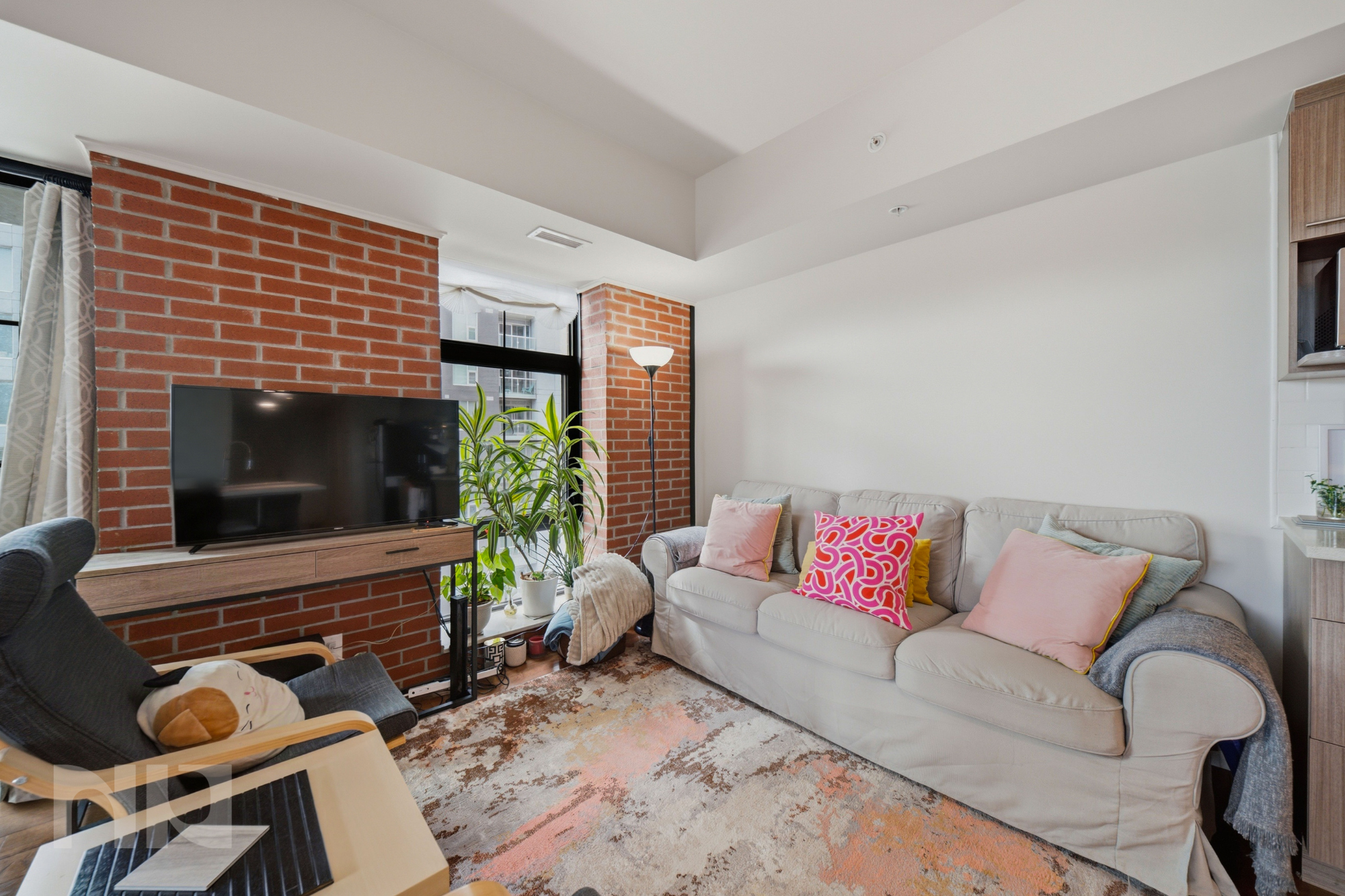
Finally, mentally remove everything the seller is taking with them.
Ignore the furniture, art, rugs and carefully positioned plants. Focus on what will remain:
The layout
The windows
The exposure
The storage
The noise level
The condition of permanent finishes
The monthly costs
The building
The location
A beautifully staged condo can make an awkward room feel functional. An empty or dated condo can hide a layout that is actually excellent.
The strongest purchase is not always the unit that photographs best. It is the one whose underlying features continue to make sense after the showing is over.
The Condo Exit Test
Before making an offer, try completing this sentence:
A future buyer would choose this condo over a similar one because:
Then complete this one:
The most likely reason they would hesitate is: