Buying

The Best Ottawa Neighbourhoods for Condo Buyers Who Want Walkability

For many condo buyers in Ottawa, walkability is no longer just a bonus. It is one of the main priorities.

Being able to grab groceries without driving, walk to coffee shops, meet friends for dinner, get to work more easily, or simply enjoy a neighbourhood with energy and convenience can dramatically improve day-to-day life.

The good news is Ottawa has several neighbourhoods where condo living and walkability go hand in hand. The right fit depends on your budget, lifestyle, commute, and what kind of atmosphere you want around you.

Here are some of the best areas to consider.

Centretown

If convenience is your top priority, Centretown is one of the strongest choices in the city.

You are close to downtown offices, restaurants, grocery stores, fitness studios, coffee shops, nightlife, and everyday essentials. Many residents can live with minimal car use, especially if they work centrally or use transit.

Why buyers choose it:

  • Excellent walkability

  • Strong condo inventory

  • Easy downtown access

  • Great mix of older value buildings and newer towers

  • Busy urban lifestyle

Best for:

  • Professionals

  • Buyers who want city energy

  • People downsizing from suburban car dependence

Things to consider:

  • Busier streets in some pockets

  • Older buildings require building-by-building due diligence

Westboro

Westboro remains one of Ottawa’s most desirable lifestyle neighbourhoods.

It blends urban convenience with a polished residential feel. You have restaurants, boutiques, gyms, cafés, grocery options, and quick access to the Ottawa River pathways.

Why buyers choose it:

  • Strong neighbourhood identity

  • Great restaurants and coffee scene

  • Excellent walkability

  • Attractive modern condo stock

  • Access to recreation and cycling paths

Best for:

  • Professionals

  • Buyers wanting lifestyle and aesthetics

  • Downsizers seeking quality over size

Things to consider:

  • Prices can be higher than some other condo areas

The Glebe

The Glebe offers walkability with character.

This is one of Ottawa’s most established neighbourhoods, known for tree-lined streets, local shops, cafés, restaurants, and access to parks and the canal. Condo inventory is more limited than Centretown, but demand stays strong.

Why buyers choose it:

  • Charming streetscape

  • Lansdowne access

  • Strong local shopping strip

  • Excellent long-term desirability

Best for:

  • Buyers who value charm and prestige

  • Downsizers

  • Buyers wanting a less tower-heavy feel

Things to consider:

  • Lower condo inventory can limit options

Little Italy

Little Italy has become one of the most attractive condo zones for buyers who want modern buildings and strong lifestyle appeal.

With Preston Street restaurants, nearby transit, Dow’s Lake, and access to the future growth around the area, it offers a lively but manageable urban feel.

Why buyers choose it:

  • Great food scene

  • Modern condo developments

  • Walkable social lifestyle

  • Seasonal access to Dow’s Lake and paths

Best for:

  • Younger professionals

  • Buyers wanting newer condos

  • Social, active lifestyles

Things to consider:

  • Some pockets still evolving block by block

ByWard Market

If you want true downtown convenience, the ByWard Market remains one of Ottawa’s most walkable areas.

Groceries, restaurants, nightlife, shopping, transit, and major employment nodes are close by. It is one of the easiest places in Ottawa to live without relying on a car.

Why buyers choose it:

  • Extremely central

  • High convenience factor

  • Strong appeal for investors and professionals

  • Newer condo options mixed with established towers

Best for:

  • Urban buyers

  • Investors

  • Buyers prioritizing location over square footage

Things to consider:

  • Some buyers prefer quieter neighbourhood environments

Hintonburg

Hintonburg has become a go-to choice for buyers who want personality.

It offers a creative, local-business-driven atmosphere with cafés, breweries, restaurants, shops, and growing condo options nearby.

Why buyers choose it:

  • Trendy local feel

  • Strong restaurant scene

  • Great transit access

  • Good balance of city energy and neighbourhood feel

Best for:

  • Buyers wanting culture and uniqueness

  • Professionals

  • Creative-minded buyers

What Makes a Walkable Condo Purchase Smart?

Walkability is not only about lifestyle. It can also support long-term value.

Many buyers consistently prioritize:

  • Transit access

  • Daily convenience

  • Entertainment nearby

  • Reduced commuting friction

  • Lower dependence on vehicles

That means highly walkable neighbourhoods often maintain steady buyer demand.

How to Choose the Right Walkable Ottawa Neighbourhood

Ask yourself:

  • Do I want quiet or energy?

  • Do I need parking?

  • Do I commute daily?

  • Do I value restaurants or green space more?

  • Am I prioritizing value or premium lifestyle?

  • Do I want newer construction or established buildings?

There is no universal best area. There is only the best fit for your life.

Thinking About Buying a Condo in Ottawa?

Neighbourhood choice matters just as much as the unit itself. The right condo in the wrong area can feel like a compromise. The right area often improves your everyday life immediately.

If you're considering a condo purchase in Ottawa and want honest guidance on buildings, neighbourhoods, resale value, and lifestyle fit, the New Purveyors team would be happy to help.
What First-Time Condo Buyers in Ottawa Always Forget to Check

Buying your first condo in Ottawa can be exciting. It can also be overwhelming. Most first-time buyers spend a lot of time focused on price, mortgage payments, finishes, and location. Those things matter, but they are not the only things that determine whether a condo feels like a smart purchase six months later.

Some of the most common regrets come from details buyers simply did not know to look into.

If you're planning to buy your first condo, here are the things many buyers forget to check.

The Monthly Cost Beyond the Mortgage

A condo’s purchase price is only part of the story.

Many first-time buyers focus on the mortgage payment and forget to fully account for:

  • Condo fees

  • Property taxes

  • Utilities not included in fees

  • Parking costs

  • Insurance

  • Future maintenance or upgrades inside the unit

Sometimes a condo with a lower purchase price can actually cost more monthly than a slightly higher-priced option with lower fees or better efficiency.

Always compare the full monthly ownership cost.

What the Condo Fees Actually Cover

Not all condo fees are equal.

Two buildings may have similar fees, but one may include heat, water, amenities, and strong maintenance, while another includes less.

Important questions to ask:

  • Does it include heat or hydro?

  • Is water included?

  • Is parking separate?

  • Are there amenities you’ll use?

  • Is there 24/7 concierge or security?

  • Are fees rising quickly year after year?

High fees are not automatically bad. Poor value is the issue.

The Building’s Financial Health

Many first-time buyers fall in love with the unit and ignore the building itself.

You are not just buying a condo. You are buying into the corporation that manages the building.

This is why reviewing the status certificate matters. It can reveal:

  • Reserve fund strength

  • Pending legal disputes

  • Special assessments

  • Rules and restrictions

  • Financial concerns

A beautiful unit in a poorly run building can become an expensive lesson.

Noise and Exposure

Photos do not tell the whole story.

Two condos in the same building can feel completely different depending on where they face.

Things to consider:

  • Busy road exposure

  • Nightlife noise

  • Garbage or loading areas below

  • Future construction nearby

  • Little natural light

  • Direct views into neighbouring units

Visit at different times if possible. A condo can feel calm at noon and very different at night.

Parking and Locker Reality

Buyers often assume parking or storage comes with the unit. Sometimes it does not.

Clarify:

  • Is parking owned, rented, or unavailable?

  • Is the spot underground or outside?

  • Is EV charging possible?

  • Is there a storage locker?

  • Where is it located?

In some parts of Ottawa, parking can have major resale value.

Layout Over Square Footage

A first-time buyer may compare numbers and choose the larger unit. That can be a mistake.

Smart layouts often outperform bigger but awkward units.

Look for:

  • Real dining or work-from-home space

  • Good kitchen flow

  • Bedroom privacy

  • Closet storage

  • Space for guests or hobbies

  • Living room dimensions that actually fit furniture

How a condo lives matters more than what the listing says.

Resale Potential

Even if you plan to stay for years, life changes.

A good first condo should also appeal to future buyers.

Usually easier to resell:

  • One-bed plus den layouts

  • Parking included

  • Good transit access

  • Well-managed buildings

  • Functional floor plans

  • Strong neighbourhood demand

Buying with resale in mind gives you more options later.

The Neighbourhood Lifestyle

Many first-time buyers buy the unit and forget the area.

Think about your daily life:

  • Grocery access

  • Transit routes

  • Walkability

  • Gyms

  • Coffee shops

  • Green space

  • Commute time

  • Safety perception

  • Weekend energy vs quiet streets

A condo is not just four walls. It is how you live every day.

Why Guidance Matters

First-time condo buyers often do not need someone to open doors. They need someone to point out what they would never think to ask.

That includes building reputation, fee trends, resale strength, negotiation strategy, and avoiding costly surprises.

Thinking About Buying Your First Ottawa Condo?

Whether you're considering Centretown, Westboro, Little Italy, or downtown ByWard Market, the right first purchase can set you up financially for years.

If you’d like help understanding which condos make sense and which ones to avoid, the New Purveyors team would be happy to help.
The First 5 Homes You See Will Probably Be Wrong. Here’s Why That’s Normal

Most buyers think they’ll know right away.

You walk into the first few homes, and one of them will just click. It’ll feel right, make sense, and you’ll be ready to move forward.

In reality, that’s almost never how it works.

In Ottawa, especially right now, the first 5 homes you see are usually part of the process, not the outcome. And understanding that early can save you a lot of stress, second-guessing, and rushed decisions.

Why the First Homes Rarely Work

At the beginning of your search, you’re not just looking at homes. You’re learning how to look at homes.

There’s a big difference.

Most buyers start with a general idea:

  • Budget range

  • Preferred area

  • Number of bedrooms

  • A few “must-haves”

But those criteria are usually untested.

Once you start walking through properties, reality starts to reshape your expectations.

1. Your Priorities Haven’t Been Pressure-Tested Yet

On paper, everything sounds good.

Three bedrooms. Finished basement. Nice kitchen. Good neighbourhood.

But when you actually walk through a home, you start noticing things you didn’t expect to care about:

  • Layout flow

  • Natural light

  • Ceiling height

  • Storage

  • Noise levels

  • Street feel

Suddenly, something that “checked all the boxes” doesn’t feel right.

That’s not a failure. That’s refinement.

2. Photos vs Reality Is a Real Gap

This is especially true in Ottawa’s current market.

Listing photos are designed to highlight the best parts of a home. But they don’t always capture:

  • Tight layouts

  • Wear and tear

  • Street positioning

  • Overall feel of the space

So your first few showings often come with a bit of surprise.

Buyers quickly learn:
“This looked better online than in person.”

Again, completely normal.

3. You Haven’t Seen Enough to Compare Yet

The first few homes exist in isolation.

You don’t yet have a strong reference point for:

  • What $600K actually gets you in different neighbourhoods

  • How layouts vary between similar homes

  • What’s considered “updated” vs “original”

After 5 to 10 showings, patterns start to emerge. That’s when your decision-making gets sharper.

4. Your “Must-Haves” Start to Shift

Almost every buyer adjusts their criteria after seeing a few homes.

Common shifts look like:

  • “We thought we needed a finished basement, but we don’t.”

  • “We didn’t think layout mattered this much, but it does.”

  • “We’re willing to compromise on finishes for a better location.”

This is one of the most important parts of the process, and it only happens by actually seeing homes.

5. You’re Still Figuring Out How It Should Feel

Buying a home isn’t just logical. It’s also intuitive.

There’s a certain level of comfort, flow, and fit that’s hard to define until you experience it.

The first few homes help you understand:

  • What feels too small

  • What feels too busy

  • What feels right

That “feeling” becomes much clearer after a handful of showings.

What Changes After the First 5–10 Homes

This is where things start to click.

Buyers become:

  • More decisive

  • More realistic

  • More confident in what they want

Instead of reacting to each home individually, you start comparing:
“This one is better than the last one because…”
“This one doesn’t work because we’ve seen better…”

And that’s when you’re actually ready to make a strong decision.

The Risk of Expecting to Find “The One” Too Early

One of the biggest mistakes buyers make is putting too much pressure on the first few homes.

This can lead to:

  • Forcing a decision too early

  • Overlooking better options that come later

  • Feeling discouraged when nothing feels right immediately

The process isn’t broken. You’re just still in the learning phase.

The Ottawa Factor

In Ottawa, this learning curve is even more important because inventory can vary a lot depending on:

  • Neighbourhood

  • Price point

  • Property type

A $650K home in Barrhaven is going to feel very different from a $650K home in Vanier or Carlington.

Seeing a range of options early on gives you a much clearer understanding of what’s realistic for your budget.

A Better Way to Approach Your Search

Instead of trying to “find the one” right away, approach the first few showings as research.

Pay attention to:

  • What you like more than expected

  • What bothers you more than expected

  • What you’d be willing to compromise on

By the time the right home comes up, you’ll recognize it quickly and feel confident acting on it.

Final Thought

If you’ve seen a few homes and nothing feels quite right yet, that doesn’t mean something is wrong.

It usually means you’re exactly where you should be.

The right home rarely shows up before you’ve had the chance to understand what “right” actually looks like for you.

And once you do, the process gets a lot easier.

Best Neighbourhoods in Ottawa for Families, Commuters, and First-Time Buyers

One of the biggest questions people ask when moving to Ottawa is simple: which neighbourhood should I choose?

Ottawa is a large and diverse city, and each community offers something different. Some neighbourhoods are known for walkability and historic charm, while others are popular for newer homes, family-friendly streets, and quick access to major highways.

Choosing the right area is just as important as choosing the right home. The lifestyle, commute, schools, parks, and amenities around a property can shape your experience of living in Ottawa just as much as the house itself.

Here are a few of the neighbourhoods buyers consistently explore when looking for homes in Ottawa.

Stittsville: Growing Community with New Homes and Green Space

Stittsville has become one of Ottawa’s fastest-growing suburban communities, attracting buyers who want modern homes and access to nature.

Many of the neighbourhoods here feature newer construction from well-known builders, with layouts designed for modern living. Families are drawn to the area because of its parks, walking trails, and strong sense of community.

The area also offers convenient access to Kanata’s tech sector and major routes like Highway 417, making it a practical option for commuters.

For buyers looking for newer townhomes or detached homes in Ottawa, Stittsville often appears high on the list.

Kanata: Technology Hub with Established Communities

Kanata is widely known as Ottawa’s technology hub, home to many companies in the city’s tech sector.

Beyond employment opportunities, Kanata offers a wide range of housing options, from older established neighbourhoods with mature trees to newer developments with modern homes.

Residents benefit from amenities such as:

  • Shopping at Kanata Centrum

  • Recreation facilities and sports complexes

  • Easy access to nature areas like the South March Highlands

Because of its employment base and strong infrastructure, Kanata continues to be one of the most desirable areas for professionals and families.

Barrhaven: Popular Choice for Families

Barrhaven has long been known as one of Ottawa’s most family-oriented communities.

The area offers a wide selection of townhomes and detached homes, along with schools, parks, and community facilities designed with families in mind.

Many buyers appreciate Barrhaven for its:

  • Family-friendly neighbourhood planning

  • Access to schools and recreation centres

  • Retail and grocery options close to residential areas

With continued growth and new developments being built, Barrhaven remains a popular destination for buyers who want suburban living with easy access to city amenities.

Centretown: Urban Living in the Heart of the City

For buyers who prefer walkability and city living, Centretown offers a very different lifestyle from Ottawa’s suburban communities.

Located close to Parliament Hill and the downtown core, Centretown features a mix of condominiums, heritage buildings, and smaller residential streets.

Residents enjoy easy access to:

  • Restaurants and cafés

  • Public transit and bike infrastructure

  • Cultural attractions and entertainment

Centretown appeals to buyers who value being able to walk to work, restaurants, and events rather than relying on a car.

Orleans: Space, Schools, and River Access

Located in Ottawa’s east end, Orleans has grown significantly over the past two decades and offers a mix of established and newer communities.

The area is particularly popular with families because of its parks, schools, and access to outdoor recreation along the Ottawa River.

Many neighbourhoods in Orleans provide:

  • Larger homes and lots compared to central areas

  • Family-friendly streets and parks

  • Easy access to the expanding LRT system

For buyers seeking a balance of space, affordability, and community amenities, Orleans continues to attract strong interest.

Choosing the Right Ottawa Neighbourhood

The best neighbourhood ultimately depends on lifestyle, commute, budget, and long-term goals.

Some buyers prioritize walkability and access to restaurants. Others are looking for newer homes, quiet streets, and proximity to schools. Many are balancing multiple factors including commute time, price range, and future resale value.

Working with a local real estate expert can help buyers navigate these decisions more effectively, especially in a city as diverse as Ottawa.

Understanding the character of each neighbourhood and how different areas are evolving can make the process of finding the right home far easier.

What No One Tells You About Owning a Home in Ottawa (Until You’re Already In It)

What No One Tells You About Owning a Home in Ottawa (Until You’re Already In It)

Buying a home in Ottawa is exciting, emotional, and often a huge life milestone. But once the keys are in your hand and the adrenaline fades, a lot of people realize there were parts of homeownership no one really explained.

Not because agents are hiding things. But because you don’t know what questions to ask until you’re living it.

Here are the realities of owning a home in Ottawa that most people only learn after move-in day.

1. Ottawa Winters Change How You Use Your Home

Winter doesn’t just mean snow. It changes your routines, storage needs, and even how you evaluate a property.

Things that matter more here than in many other cities:

  • Entryways with space for boots, coats, and wet gear

  • Mudrooms or defined drop zones

  • Driveway length and snow storage space

  • Sun exposure for natural light during shorter days

Homes that feel perfect in July can feel very different in January. Thinking seasonally is one of the most overlooked parts of buying well in Ottawa.

2. Maintenance Is Not One Big Cost — It’s a Series of Small Ones

Most people budget for major repairs like roofs or furnaces. Fewer people think about the constant, quieter expenses:

  • Gutter cleaning

  • Snow removal or equipment

  • Lawn care and yard maintenance

  • Filters, caulking, weatherstripping, touch-ups

None of these are deal-breakers on their own. Together, they shape how much time and energy homeownership actually takes.

This is often why some buyers later realize a condo or managed property would have suited their lifestyle better — not because they couldn’t afford a house, but because they didn’t want the upkeep.

3. Your Neighbourhood Matters More Than Your Floor Plan

Inside the home, you can renovate. Outside of it, you’re committing.

In Ottawa, neighbourhood differences show up in very real ways:

  • Snow clearing speed on residential streets

  • Walkability in winter versus summer

  • Noise levels during festival season

  • Access to trails, parks, and river pathways

  • School traffic patterns on weekday mornings

Two homes with identical layouts can feel completely different depending on where they’re located. Long-term happiness usually comes down to lifestyle fit, not square footage.

4. Older Ottawa Homes Come With Charm and Quirks

Ottawa has a lot of character homes, especially in established neighbourhoods. That charm often comes with realities buyers should understand upfront:

  • Older electrical or plumbing systems

  • Uneven floors or non-standard room sizes

  • Limited closet space

  • Additions done across multiple decades

These aren’t necessarily negatives. But they require a mindset shift. Buying an older home is often about embracing character rather than expecting perfection.

5. Your Home Will Change With Your Life Faster Than You Expect

Many buyers shop for who they are today. The home you need in three to five years can look very different.

Common shifts we see:

  • Remote or hybrid work creating space needs

  • Family changes

  • Aging pets or family members

  • Desire for quieter streets or more green space

  • Downsizing responsibilities rather than upsizing rooms

The best purchases leave room for flexibility, even if the home isn’t your forever one.

6. Ownership Feels Different Than Renting — Emotionally, Not Just Financially

Once it’s yours, everything hits differently.

  • Repairs feel more personal

  • Noise matters more

  • Neighbours matter more

  • Decisions carry more weight

That sense of pride is powerful, but so is responsibility. Understanding that emotional shift ahead of time helps buyers feel confident rather than overwhelmed.

The Best Homes Fit Your Life, Not Just Your Budget

Owning a home in Ottawa isn’t just about the purchase. It’s about how the property works for your routines, your seasons, and your future.

The right home doesn’t just look good on move-in day. It supports how you actually live.

That’s the difference between buying a house and building a home.

What Every First-Time Buyer in Ottawa Should Know Before House Hunting

Buying your first home is exciting—it’s a huge milestone and a chance to create a space that’s truly yours. But in Ottawa’s 2025 market, being prepared is key to making sure your first home purchase is a smart one.

With a little strategy and the right mindset, first-time buyers can find great opportunities—even in a competitive market. Here’s what you need to know before jumping in.

1. Your First Home Might Not Be Your Forever Home—And That’s Okay

It’s easy to picture your first home as the one—the dream space that checks every box. But the best way to approach house hunting? Think about what you need now, and what will set you up for the future.

✔ Prioritize location, layout, and structure—cosmetic upgrades can come later.
✔ Consider what will help build equity and resale value if you want to move in a few years.
✔ A home that fits 80% of your wishlist is often a great investment.

💡 How to Stay Flexible: Instead of focusing on what’s missing, look at a home’s potential. Some of the best first-time buys are the ones where you can add value over time.

2. Owning a Home Comes With More Than Just a Mortgage—So Plan Ahead

One of the best things you can do before buying? Get a full picture of what your monthly costs will be. Owning a home isn’t just about the purchase price—it’s about making sure your budget is comfortable after you move in.

Here’s what to plan for:
Property taxes – These vary by neighbourhood and can add $300–$800/month
Utilities – Heating, electricity, and water bills depend on the home’s size and efficiency
Home insurance – Typically $100–$200/month
Maintenance – Budget at least 1% of the home’s value per year for repairs
Condo fees (if applicable) – These cover maintenance, but can increase over time

💡 How to Stay Prepared: Ask for past utility and property tax bills to estimate costs before you buy. Small expenses add up, but knowing what to expect makes budgeting easier.

3. The Best Homes Sell Fast—So Being Ready Gives You an Edge

In some neighbourhoods, well-priced homes don’t stay on the market for long. That doesn’t mean you have to rush a decision, but it does mean being prepared will help you land the right home when you find it.

Get pre-approved before starting your search—this helps you act quickly.
Know what you’re looking for so you can confidently make an offer.
Work with a great agent who knows the market and can guide you through the process.

💡 How to Stay Confident: Buying your first home is a big decision, but with the right preparation, you’ll feel ready to make a smart move when the perfect opportunity comes along.

4. The Right Neighbourhood is Just as Important as the Right Home

The best home for you isn’t just about the layout and finishes—it’s also about where it’s located.

Think about:
Commute times – Whether by car, transit, or bike, consider how daily travel fits your routine.
Walkability – Do you want to be near coffee shops, grocery stores, or parks?
Future growth – Some of Ottawa’s fastest-growing areas offer great value now and even better resale potential later.

💡 How to Choose Wisely: Spend time in the neighbourhoods you’re considering—visit at different times of day, test out the commute, and get a feel for the community.

5. Your First Home is a Step Toward Bigger Goals

Buying a home is a major milestone, and it’s about more than just where you live today—it’s about setting yourself up for the future. Whether it’s building equity, having a space that truly feels like yours, or creating long-term stability, this is an exciting first step.

💡 How to Feel Confident: Surround yourself with the right team—a great mortgage broker, a knowledgeable agent, and experts who can guide you through the process.

Final Thoughts: You’re More Ready Than You Think

Yes, Ottawa’s real estate market is competitive—but with the right knowledge, preparation, and guidance, buying your first home is absolutely possible.

Know your budget and plan beyond the mortgage.
Be ready to act when you find the right home.
Think long-term—your first home is just the beginning.

Thinking about buying? Let’s chat. We’ll help you navigate the process so you can find a home that fits your life and your future.

The Biggest Condo Buying Mistakes in Ottawa (And How to Avoid Them in 2025)

Buying a condo in Ottawa is exciting, but it’s also one of the biggest financial decisions you’ll make. And while condos can be a smart investment—whether for living or renting—there are plenty of ways to get it wrong.

I’ve seen buyers make the same mistakes over and over again, and in 2025, with the market shifting, avoiding these pitfalls is more important than ever. If you’re thinking about buying a condo, here’s what NOT to do.

Mistake #1: Assuming the Lowest Condo Fees Are the Best

No one loves paying condo fees. But if you’re filtering your search by “lowest fees first,” you might be setting yourself up for a financial nightmare.

Here’s why:

  • Low fees don’t always mean low costs. If a building isn’t collecting enough in fees, it may not have enough money for maintenance, meaning surprise special assessments (aka sudden bills to cover repairs).

  • Newer buildings often start with artificially low fees. Developers set them low to attract buyers, but within a few years, they almost always go up.

  • Older buildings with higher fees aren’t always bad. Some of the best-run buildings in Ottawa have higher fees because they properly fund maintenance and repairs—saving you from big, unexpected expenses down the line.

🚨 How to Avoid This Mistake: Always review the condo’s status certificate before buying. This document will tell you how healthy the building’s finances are and whether there’s a risk of fees skyrocketing.

Mistake #2: Thinking All Condos Appreciate the Same Way

Some buyers assume that any condo in Ottawa will increase in value over time. That’s just not true.

Condos appreciate differently than freehold homes, and in 2025, it’s more important than ever to be strategic. Some buildings will see great appreciation—others will stagnate or even lose value.

The difference?

Location matters. Condos in walkable areas with strong transit options (Westboro, Little Italy, The Glebe, etc.) tend to hold value better.
Building reputation is huge. If a building has poor management, high turnover, or issues with maintenance, buyers will avoid it—hurting resale value.
Layouts play a role. Units with smart floor plans, good natural light, and functional storage will always be more desirable than awkward or dark units.

🚨 How to Avoid This Mistake: Research resale history in a building before buying. If units have been sitting on the market for months or reselling at a loss, that’s a red flag.

Mistake #3: Overlooking the Reserve Fund

Would you buy a house with a collapsing roof? Probably not. But buying a condo in a building with a bad reserve fund is just as risky.

The reserve fund is the building’s emergency savings account. If it’s underfunded, guess who’s paying for repairs? You and the other owners.

🚨 How to Avoid This Mistake:

  • Check the reserve fund study (found in the status certificate). It shows how much money is in the fund and whether it’s enough to cover future expenses.

  • Ask about special assessments. If a building has had surprise bills in the past, it could happen again.

  • Avoid buildings with deferred maintenance. If repairs have been put off for too long, it’s only a matter of time before the costs catch up.

Mistake #4: Not Considering Future Development

You love the view from your condo? So does the developer planning to build a 40-storey tower right next door.

Future construction can impact:
❌ Your view
❌ Noise levels
❌ Traffic and congestion
❌ Even property values (depending on what’s being built)

🚨 How to Avoid This Mistake:

  • Check the city’s development plans. Ottawa has several large-scale projects in the works—make sure your dream view isn’t about to be blocked.

  • Look at what’s happening nearby. If there are vacant lots or old buildings slated for redevelopment, find out what’s planned.

  • Ask your realtor. We have access to city planning documents and can tell you what’s coming.

Mistake #5: Ignoring Parking (Even If You Don’t Drive)

You don’t have a car? Cool. But skipping a parking spot could still be a mistake.

Why? Because resale value matters. Many buyers (and renters) in Ottawa still want parking, and in some buildings, the lack of a spot can make a unit much harder to sell.

That being said, not all parking is equal. A well-located indoor spot is worth more than an outdoor space. A right-sized space (not crammed into a corner) is more desirable. And in some buildings, parking spaces are selling for upwards of $60,000—so make sure you’re not overpaying.

🚨 How to Avoid This Mistake: Even if you don’t need parking now, consider resale demand. If parking is limited in the building, having a spot could give you an edge when selling.

Mistake #6: Thinking Pre-Construction is a Guaranteed Win

Pre-construction condos used to be a no-brainer: buy early, wait a few years, and watch the value go up. In 2025, that’s not always the case.

Why?

  • Construction costs are rising, meaning developers are pricing units higher.

  • Some projects are delayed or canceled, leaving buyers in limbo.

  • The resale market offers great options—why wait years when you can buy a move-in-ready condo now?

That’s not to say pre-construction is bad. But you need to be strategic.

🚨 How to Avoid This Mistake:
Only buy from a reputable developer. Some developers have a history of delays and budget overruns—know who you’re dealing with.
Read the fine print. What happens if your unit is delayed by two years? Can you assign (sell) the unit before closing?
Compare with resale options. In some cases, a move-in-ready unit makes more financial sense than waiting for a pre-construction unit.

Final Thoughts: Buying a Condo in 2025? Do It Right.

Buying a condo can be a great investment—if you do it the right way. That means:

✔ Researching condo fees and financials
✔ Choosing a unit with long-term value
✔ Being aware of future development
✔ Thinking about resale potential
✔ Understanding the risks of pre-construction

And most importantly? Working with an agent who knows Ottawa’s condo market inside and out. If you’re thinking about buying, let’s chat.

Why Buying a Condo in Ottawa in 2025 Is a Smart Move (Even If You’re Hesitant)

Ottawa’s condo market has been through its ups and downs over the last few years. Prices surged, then balanced out. Interest rates climbed, then fluctuated. Remote work reshaped how and where people wanted to live. But in 2025, one thing is clear: buying a condo in Ottawa is still one of the best moves you can make—whether you’re a first-time buyer, an investor, or just tired of paying rent.

Here’s why.

1. The Cost of Renting vs. Owning Is Still in Your Favour

People love to say, “Buying is always better than renting,” but that’s not always true. In some cities, rent is so much lower than a mortgage that it makes sense to stay put as a tenant.

That’s not the case in Ottawa.

Rents have climbed to record highs, and while mortgage rates are still a factor, the gap between renting and owning a condo has narrowed. If you’re paying $2,500/month in rent for a one-bedroom, that’s $30,000 per year gone. In many cases, that’s not far off from what you’d be paying in a mortgage for a comparable unit—except you’re actually building equity instead of funding your landlord’s retirement.

Yes, buying comes with upfront costs (like a down payment and closing fees), but if you’re planning to stay put for at least five years, owning could still work in your favour financially.

2. Condos Offer Low-Maintenance Living in a High-Interest World

A big concern in 2025 is affordability. With interest rates still above pandemic-era lows, freehold homes can feel out of reach.

Condos? They’re often the more affordable entry point into homeownership. Not only do they come with a lower price tag than detached homes, but they also eliminate the surprise maintenance costs that catch homeowners off guard.

  • No roof replacements

  • No unexpected plumbing disasters

  • No weekends spent shoveling snow or mowing the lawn

Instead, condo fees cover these responsibilities, allowing you to budget with more predictability. And as long as you do your research into well-managed buildings, condo fees won’t be the nightmare people love to make them out to be.

3. The Right Buildings Are Holding Their Value (and Then Some)

There was a time when people worried condos wouldn’t appreciate as well as houses. That’s not the case in Ottawa’s best buildings.

Newer, well-located condos with solid management are still seeing steady demand. Why? Because there’s a massive influx of people who need housing—students, young professionals, downsizers, and investors looking for stable long-term returns.

Some of the top buildings in Ottawa have even increased in value faster than freehold homes in the last few years. If you’re smart about where you buy, your investment isn’t just safe—it’s likely to grow.

4. The Urban Shift Is Back—With a Twist

During the peak of remote work, suburban real estate exploded. People wanted space, home offices, and backyards. But now that hybrid work is the norm, living in the city is making a comeback.

That said, it’s not just about any downtown condo. Buyers in 2025 are looking for:

✔ Proximity to transit (with Ottawa’s LRT finally becoming more reliable)
✔ Walkability to restaurants, cafes, and parks
✔ Modern amenities like coworking spaces, fitness centres, and rooftop terraces
✔ Efficient layouts that maximize livable space

The best condo buildings aren’t just places to sleep—they’re places to live. And in a city where single-family homes in walkable neighbourhoods are expensive, condos offer a lifestyle that feels both convenient and financially attainable.

5. The Resale Market Is Gaining Momentum

One of the biggest hesitations people have about buying a condo is resale value. But here’s what’s happening in 2025:

  • More buyers are priced out of freehold homes and turning to condos as a permanent option

  • Investors are seeing the high rental demand and coming back into the market

  • Older buildings with spacious layouts and reasonable condo fees are attracting downsizers

Unlike pre-construction, where delays and unpredictable pricing have made people wary, the resale condo market in Ottawa is seeing solid, steady growth. If you buy a unit that checks the right boxes (good location, well-managed building, reasonable fees), you’ll have no trouble selling it down the road.

Final Thoughts

If you’ve been on the fence about buying a condo in Ottawa, 2025 is shaping up to be a great time to make your move. The rental market is expensive, condos are still relatively affordable, and demand is steady. Plus, the right buildings are proving to be strong long-term investments.

At the end of the day, real estate isn’t just about crunching numbers—it’s about how you want to live. If you love the idea of an urban lifestyle, minimal maintenance, and locking in your housing costs instead of dealing with unpredictable rent hikes, buying a condo might be your best move yet.

And if you need help finding the right one? You know where to find us.

Ottawa Condos Located Near Breweries 2021 Edition

Copy of Blog Image Template.jpg

Over the past couple of years, amazing breweries have been popping up all over Ottawa. They have now become the hot spot for happy hours, places to relax on the weekends, or a go-to end of week stop to pick up a new or limited brew that’s being offered.  We are often asked which breweries are nearby when showing buyers. Hopefully, this list helps provide some clarity to the breweries that are located in our top five downtown Ottawa areas! Are we missing any?

Byward Market / Lowertown

Lowertown Brewery
Waller St. Brewing

Click this link to open in Google Maps (on mobile) or fullscreen (desktop)

Centretown

3 Brewers Sparks
Elgin Beer Project
Flora Hall Brewing

Click this link to open in Google Maps (on mobile) or fullscreen (desktop)

Hintonburg

Tooth and Nail Brewing Company

Click this link to open in Google Maps (on mobile) or fullscreen (desktop)

Glebe

CRAFT Market Ottawa

Click this link to open in Google Maps (on mobile) or fullscreen (desktop)

Top Condo Buildings In Ottawa That Allow BBQ’s

Top-Ottawa-Condos-That-Allow-Barbecues-2019.jpg

When searching for the perfect place to call home, trying to find a condo that ticks all of your boxes can be a daunting task. Especially if one of those must-haves is a private bbq on your balcony, which is almost impossible to find in the majority of condo buildings in Ottawa. Over 95% of the condo buildings in the city do not allow gas (or charcoal) bbq’s, shrinking your possible list down quite a bit. Here are the top condo buildings in Ottawa that currently allow gas barbecues on the balcony.

If you want to know the truth behind the lack of buildings that allow it, check out a blog post we wrote back in 2015 that explains it in more detail.

TIP: Looking at a listing and unsure if it allows a barbecue? Look at the stove/range. If it is a gas stove top, then chances are quite high that the builder also had a gas line installed to the balcony. Keep in mind that this does not guarantee that a barbecue is allowed. To confirm, it is always best to have your lawyer check the status certificate. Plus rules will constantly change, so even if you see a barbecue it does not mean that you would be allowed one (it might be grandfathered). As is with any very important “must-have”, communicate this list to both your realtor and lawyer, so that they can both verify you would be able to (this is the same with pets, etc.).

808 Bronson Second Avenue West Condos Ottawa.jpg

Second Avenue West - 808 Bronson

Built in 2012 by local Ottawa builder Domicile, Second Avenue West has the features that continue to attract buyers to Domicile product. While slightly more traditional than other builders mentioned here, the quality of the work and finishes within the units is quite high. Located at 808 Bronson, Second Avenue West is steps from Dow’s Lake, The Rideau Canal, Preston Street, and The Glebe. Each unit has a natural gas line installed on the balcony.

Studio Argyle 255 Argyle Condo Loft in Ottawa Exterior

Studio Argyle - 255 Argyle

Located just off of Bank street directly in Centretown, this hard loft building gets a LOT of attention. Aside from the fact that the condo board allows personal barbecues, the units are very unique with high ceilings and industrial features. Exposed concrete ceilings, brick walls,  ductwork, etc. they are always on the list of someone looking for that hard loft look - IF there is one available. There are only 40 units over the five floors, which makes units very hard to find, especially at a decent price.

SOBA-exterior-rendering-Watermarked-Ottawa-COndo.jpg

SOBA - 203 Catherine Street

Built in 2019, SoBa is the latest project from the Toronto developer Brad Lamb. Lamb brings the Toronto design to Ottawa, with modern features and finishes at an attractive price. Views from the building are jaw dropping in every direction. Located at 203 Catherine, just off of Bank street, and sandwiched in between Centretown and the Glebe. Each unit has a gas stove top inside, and natural gas line installed on the balcony.

Gotham ottawa 224 Lyon Condos

Gotham - 224 Lyon

Gotham was Brad Lamb’s first building in Ottawa, which was completed in 2015. Located on Lyon at Gloucester, it is a short walk to the downtown core, and a block from Bank street. The building has a multitude of living options including two-storey lofthouses, single-level lofts, glasshouses, and stunning penthouses. Each unit has a gas stove top in the kitchen, and natural gas line installed on the balcony.

Merrion Square - The Radcliffe and The Norfolk - 327 Breezehill and 330 Loretta

Merrion Square Radcliffe Norfolk 327 Breezehill Ottawa Condo

Built by Domicile in 2010 and 2011, both of these buildings are part of Merrion Square, which is a collection of condos and homes. Located just off Carling, the buildings are located steps from Little Italy, Dow’s Lake, The Rideau Canal, and The Ottawa Hospital Civic site. Each unit features a natural gas line installed on the balcony.

One3One - 131 Holland

Domicile built One3One in 2013, which comprises of 191 units over nine floors. The building is located on Holland just steps from Wellington Street, putting you in a “walkers paradise” and providing you with the best of everything that Hintonburg has to offer. Each unit has a natural gas line on the balcony for your private bbq.

The Kavanaugh 7 Marquette Ottawa Condo

The Kavanaugh - 7 Marquette

Completed in 2015, The Kavanaugh is a beautiful building located in the heart of New Edinburgh. A short commute to the office, and access to the thriving amenities and lifestyle that Beechwood provides. There are only 124 units over 10 floors, again making the perfect units hard to find. There are some stunning views of the city, especially from higher floors where you can watch the sunset over downtown. Each unit has a natural gas line on the balcony.

logo corners on main good.jpg

The Corners On Main - 11 des Oblats Avenue and 166 Main Street

Domiciles latest project which has lately sold the last available unit, is located in Old Ottawa East. A somewhat “new” area to many unfamiliar buyers, adding a great neighbourhood to the possibilities list. It is very easy to commute to the city core, while not being located right in the busy mix of Centretown. You have the river on one side, and the Rideau Canal on the other. A short walk over the pedestrian bridge and you are at Lansdowne Park and The Glebe. Also a very easy commute to the Ottawa Hospital General (and Riverside) campus, CHEO, and UofO Medical School. Many owners will easily say its the best location in the city. The two buildings contain 74 and 64 units over six floors each. Each unit has a natural gas line to the balcony for a private BBQ!

Looking for help to find the perfect condo? Let’s chat! Fill out the form at the bottom of the page.

How To Find The Perfect Condo When The Market Supply Is Low?

Finding-An-Ottawa-Condo-in-A-Sellers-Market.jpg

The 2019 condo market is great if you are a seller, but not that great if you are trying to buy. One of the largest issues buyers are facing right now when searching for a condo in Ottawa, is a lack of supply - there are no good condos to buy (at a decent price)! Talk about a first world problem!

When supply is low, there are a bunch of ways that a great agent can help find buyers a property. We put together a list of methods that we use with our buyer’s to find that perfect un-listed/hidden/secret condo.

Working with an agent who focuses on the specific area or building. 

This should go without saying, but if you are looking to get a difficult to find property (aka a condo), working with an agent who focuses on that type of property, or even in the specific building will give you a major head start. Why hire a plumber to do your electrical work? We often have sellers who are 2-3 months away from selling, or getting ready to list next week. Our job is to keep our “ear’s to the ground”!

Peer Networking

One of the best ways I find off market condo’s is by chatting with other agents. In this market I spend more time asking other agents what they have coming up, and letting agents know what I have before a property hits the market. Even getting an extra day notice before a property is listed, gives you the buyer a huge advantage in this market. Having focused on condo’s for such a long period, I receive a high number of other agents letting me know what they have coming up.

Off Market Builder Supply

Typically builders will only list a few units in a building, even if they have a bunch of available condos, as they don’t want to overwhelm a buyer. Often builders won’t tell buyers or other agents that they are able to be purchased. Earlier this year, we had a builder that had condo with cosmetic damage and was not being shown or advertised. However since we had a great relationship with the builder, we were able to sell it to our buyer. Our buyer loved not being under pressure from other buyers trying to compete for the same unit. No bidding wars!!

Looking Outside Your Budget

While this is normally discouraged, it has provided us with options when times were tough! In this market it is common to see sellers get extremely confident with their pricing and list way over market value. A unit that should be $350,000 but is listed for $390,000 might miss your search if you set your max budget to $375,000. A few months or even weeks on the market, and they might be willing to accept a decent offer of market value. 

Parking?

Finding a unit that includes parking can often be a huge restriction when searching, depending on the price point. Not every seller originally purchased parking and that can really cut your options down if you MUST have one. We have seen property matches drop by half - or even more! Ask yourself if you really NEED parking? Could you rent a parking spot? I have helped many buyers who have decided it was a better option for them to rent a spot in the building for $150 per month than pay $35,000 upfront plus another $80 per month in extra condo fees. While this isn’t a solution for everyone, knowing these options that you have can make a huge difference.

Consider Renting?

While you won’t hear many agents try to convince you away from buying, sometimes renting is the smarter idea - at least temporarily. We all have those friends who have bought something since it was the only option versus waiting for the right option, and regretted it shortly after. If you don’t love it, then don’t buy it! That being said, renting in this market is almost as difficult, if not worse - but at least you’re not tied to a $400k mortgage.

Need help finding a condo? If you are not already working with another agent, we would love to help. Fill out the form below, or call/txt directly 613-286-9501.
What Condominium Buildings Are Close To Shopify? 2019 Edition

Established in 2004, Shopify has become one of Ottawa’s top employers. Seeing so much growth over the past several years, the company has now has two addresses in Ottawa; 234 Laurier Ave and 150 Elgin St. Everyday new positions are opening up at these two locations that the desire to live close to work is a top priority for new employees.

Are you a current or future employee of Shopify? If so, we put this guide together to help you decide which condo buildings you should be considering. We have narrowed down the top five buildings that are in less than a 10 minute walking distance to both Shopify locations and have the fresh contemporary look and vibe you want to have. Plus, all of these options have units available for both buying, or renting.

We have helped Shopify employees find a home in each of these buildings below - need help finding a place to live? Fill out the form at the bottom and let’s chat.

179 Metcalfe St and 40 Nepean St
Tribeca Phase One and Tribeca East

The Tribeca’s were built by Claridge Homes in 2014 and 2015. 179 Metcalfe (phase 1) contains 260 units that includes studios, one, and two bedroom units that range in size from 460sqft to 1145sqft. 40 Nepean St contains 179 that also include studio or one and two bedroom units. Both buildings feature spacious units with floor to ceiling windows that flood the space with natural light, high ceilings, and open concept living spaces.The amenities at both these buildings include a concierge, board room, party room, indoor pool, fitness centre, guest suites, bicycle storage, storage lockers, and underground parking. The Tribeca’s are within a 4 minute walking distance from both the Shopify Laurier Ave location and the Elgin St location. Hard to beat the location. Why we love them? Aside from their great location, you can find a Sobey’s (soon to be Farmboy) grocery store in the buildings podium (which also includes wine and beer sales!).

324 Laurier Ave - The Mondrian

The Mondrian was built by Urban Capital in 2008 and contains 250 one, two bedroom units (there are a couple studio units but rare) that range in size from 472sqft to 1600sqft. The units feature 9 foot ceilings, open concept living spaces, and floor to ceiling windows. All of the amenities are located on the 6th floor - which include the outdoor saltwater pool, bbq and dining area, gym, lounge/party room. Pets are also allowed in this building. The Laurier location is a short 4 minute walk from The Mondrian and the Elgin location is 7 minutes. Why we love The Mondrian? Shoppers Drug Mart is located in the podium of the building, bike paths located at the front door which allows quick and easy way to get to the office, real concierge in the building, and most units are of a good size. The building is easy to spot from the street with the solid red glass panels - an ode to french painter Piet Mondrian who the building was named after.

199 Slater St - The Slater

1 copy.jpg

Built by Broccolini in 2017, The Slater contains a total of 179 studio, one, and two bedroom units. These units range in size from 1442sqft to 1929sqft and feature European kitchens, 9 foot ceilings, floor to ceiling windows, and modern barn style bedroom doors. Amenities at The Slater include a party room, theatre room, fitness centre, hot tub, storage lockers, concierge, underground parking, and also allow pets under 40 pounds. The walking distance to the Elgin St location is 7 minutes and only 3 minutes to the Laurier Location. Why we love The Slater? Aside from the higher level of quality finishes, the building also has a minimum lease term of only two nights. This means that you would be able to use the property as an short term investment (such as AirBnb) if you are traveling, or gone for an extended period of time.

300 Lisgar St - SOHO Lisgar

Built by Mastercraft Starwood in 2013, SOHO Lisgar contains a total of 169 one and two bedroom units that range in size from 522sqft to 1032sqft. These units feature gleaming hardwood flooring, marble bathrooms, European appliances, and floor to ceiling wall to wall windows. Amenities at SOHO Lisgar include a concierge, outdoor pool with loungers, outdoor BBQ, party room, theatre room, hot tub, board room, fitness room, sauna, bicycle storage, storage lockers, and underground parking. Pets are also allowed in this building. The Laurier location is a short 5 minute walk and the Elgin location is 8 minutes. Why we love SOHO Lisgar? The design is timeless, location is great, plus the amenities are stunning.

Too close? Want to live a little further out?

Don’t want to live that close to the office? We have also narrowed down 6 buildings that are modern, still close… but not tooo close.

224 Lyon St - Gotham

001ext1 (2).jpg

Built by Lamb Developments in 2016, this statuesque building features a total of 251 studio, one, or two bedroom units, that range in size from 424sqft to 1445sqft. These units feature hardwood flooring, exposed concrete ceilings and accent walls, floor to ceiling windows, and open concept living spaces. Amenities at Gotham include concierge, outdoor BBQ and dining area, party room, BBQ hookup on the balcony, bicycle storage, storage lockers, underground parking, and pets are also allowed. Gotham is a 13 minute walk to the Elgin Shopify location and a 10 minute walk to the Laurier location. Why we love Gotham? Aside from the modern finishes (exposed concrete), Gotham is the only building on this list that allows you to have your own BBQ on your balcony (gas hookup on the balcony), plus gas stoves in the unit.

255 Bay St - The Bowery

The Bowery was built by Richcraft in 2017 and contains a total of 248 studio, one bedroom, two bedroom, or two storey units, that range in size from 375sqft to 945sqft. The spacious units feature hardwood flooring, sleek kitchens with granite counter tops, and large windows flooding the living space with natural light. Amenities at The Bowery include a rooftop pool, outdoor BBQ and dining area, party room, yoga centre, fitness centre, concierge, guest suites, storage lockers, underground parking. This building also allows pets. The Bowery is a 15 minute walk to the Elgin location and 11 minutes to the Laurier location. Why we love The Bowery? The amenities are beautiful. Indoor rooftop pool, gym, lounge, dining room, they are hard to beat.

354 Gladstone Ave and 349 Mcleod St
Central Condo Phase 1

001ext1.jpg

Central Condo Phase one was built by Urban Capital in 2012 and is comprised of 240 one and two bedroom units that range in size from 478sqft to 1117sqft. These stunning industrial style units feature gleaming hardwood flooring, 9 foot concrete ceilings, exposed concrete pillars and ductwork, and floor to ceiling windows. The amenities are shared between the two buildings and include a concierge, dining room, fitness centre, party room, and recreation centre. Central Condo Phase One is within a 13 minute walk to the Laurier location and 16 minutes to the Elgin location.

360 Mcleod and 340 Mcleod st
Central Condos Phase 2 and Hideaway

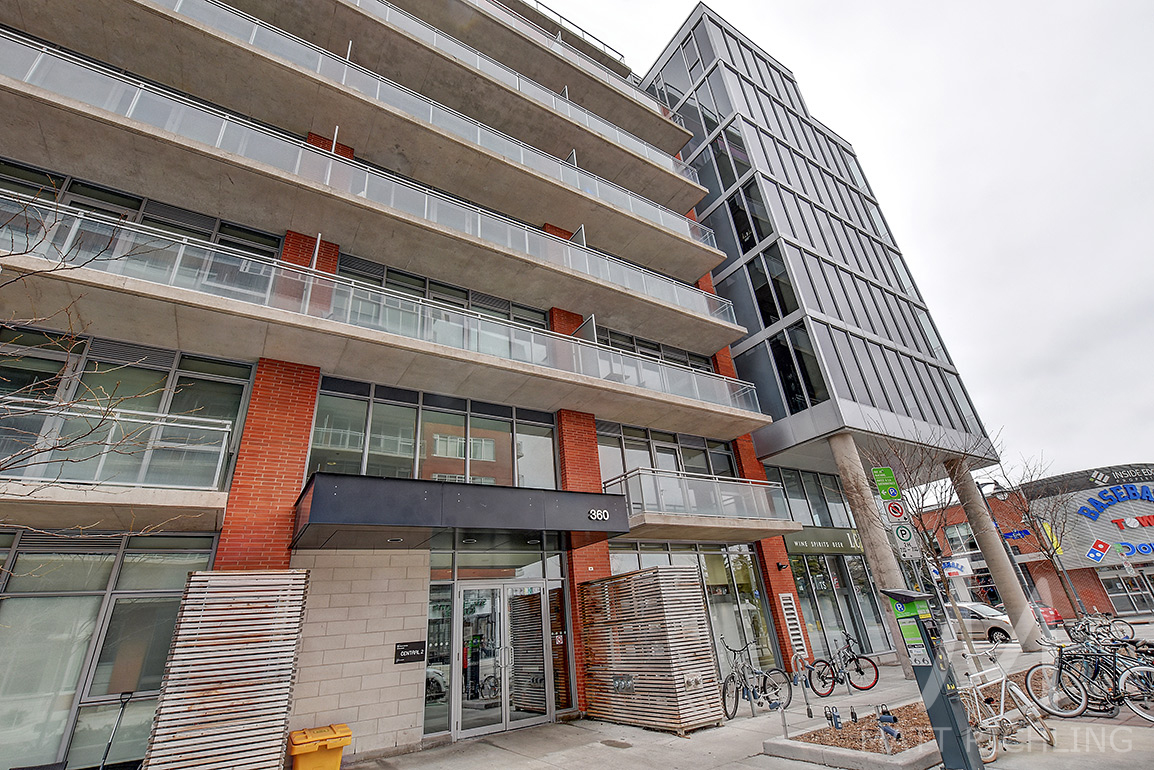
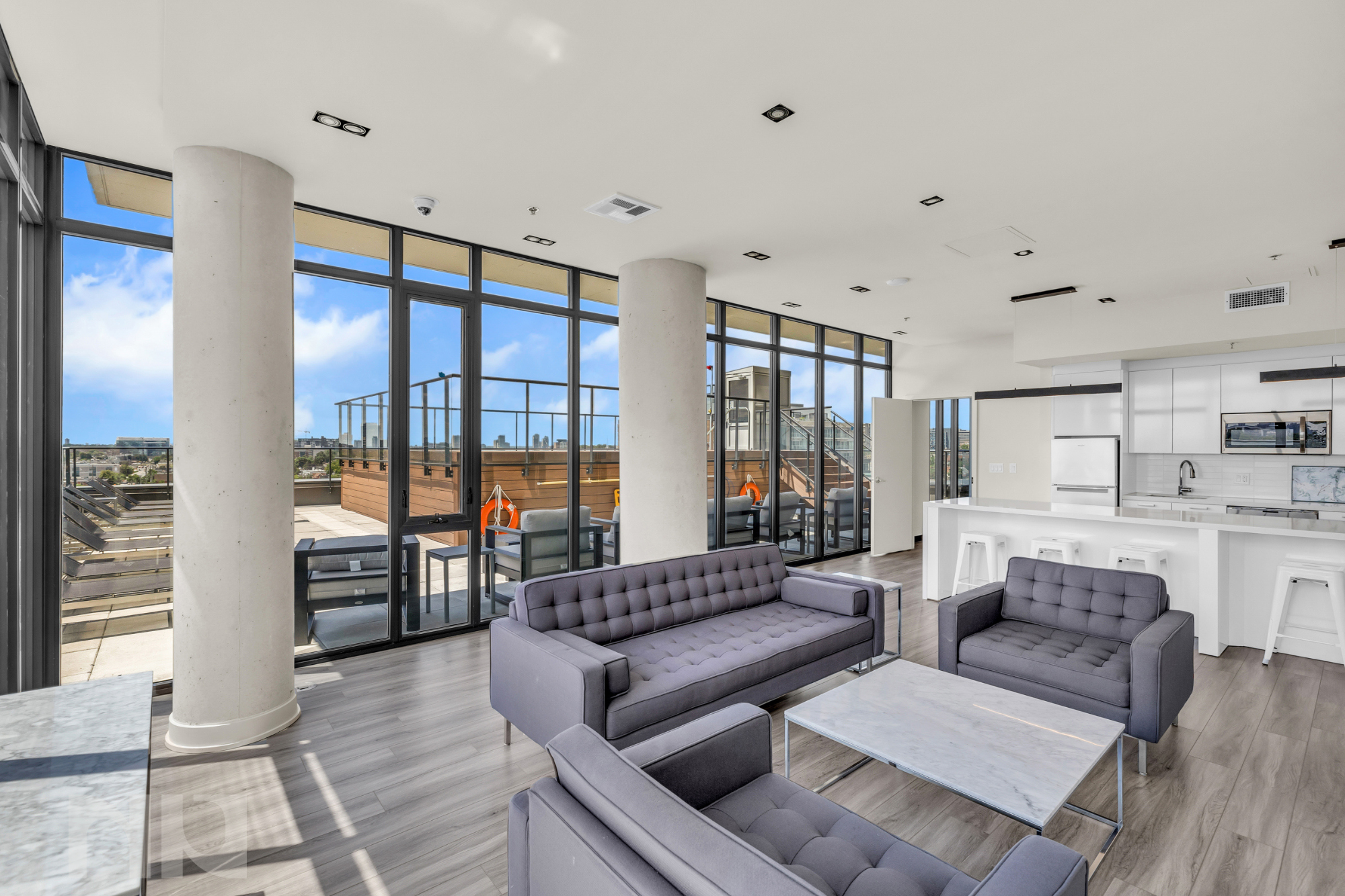
Built by Urban Capital in 2014 and 2015, these two buildings contain 328 studio, one or two bedroom units that range in size from 435sqft to 863sqft. These urban-style units feature 10 foot exposed concrete ceilings, exposed ductwork and modern sliding bedroom doors. The amenities are shared between the two buildings and feature a party room with full kitchen and pool table and private terrace with outdoor BBQ. There is also a resort style outdoor pool with private cabanas and poolside fireplace. Both buildings are a 15 minute walk from the Laurier location and 18 minutes to the Elgin location.

002ext2.jpg
001ext1edited.jpg

Also in walking distance to these condominium buildings is a Sobeys Urban Fresh, Independent Grocer, Shoppers Drug Mart, LCBO, several coffee shops, five star restaurants, and so much more.

Are you a Shopify employee who is new to Ottawa, trying to sort out where the best place to live is? Unsure and want help? Let’s chat! Fill out the form at the bottom of the page, txt/call 613-286-9501, or email Matt@mattrichling.com

First Time Home Buyers Incentive - Full Details Announced

Breaking News.jpeg

Earlier this year, the government announced a plan to help first time home buyers enter the market and help reduce their monthly mortgage carrying costs. There was no in depth information provided, and a large amount of speculation about what exactly it could include or who would be eligible.

This week, the government provided all of the details. Launching September 2nd, 2019, the first time home buyer plan is aimed at providing a 5% or 10% shared equity mortgage with the Government, which will act as part of the deposit.

More in-depth
- Total qualifying income must be no more than $120,000 and your total borrowing is limited to four times the qualifying income.
- At least one of the persons on title must be a first-time buyer (keep in mind this is also valid for those who did not own within 4 years)
- Total borrowing (including the incentive amount) is limited to four times the qualifying income.
- The incentive will be a second mortgage that is registered on the title of the property.
- There will be no regular principal payments, it is not interest bearing, and a maximum term of 25 years.
- The incentive is offered at 5% or 10% for a new construction home or condo, or only 5% for a existing re-sale home or condo.
- Property must close on or after November 1st, 2019
- Property can be a 1-4 unit residential property (hello investors), and must be available for full-time, year-round occupancy (no cottages).
- The first time buyer will be required to repay the incentive after 25 years or when the property is sold (or sooner without penalty). Refinancing will not trigger re-payment.
- Repayment is calculated at property’s fair market value at time of re-payment. If you took a 5% incentive, you would pay back 5% of the homes value at the time of repayment.

Example

Olivia wants to buy a new condo for $400,000.

Under this incentive, Olivia can apply to receive $40,000 in a shared equity mortgage (10% of the cost). This is on top of the minimum required downpayment of 5% ($20,000) that she must provide from her savings.

This lowers her monthly expenses, and the amount that she is borrowing. As a result, Olivias mortgage is now reduced by $228 less per month or $2,736 a year.

When Olivia sells her home for $420,000 she would have to pay back the incentive of 10% which is now $42,000.

Do we like it?
This is a great tool for someone who wants to lower their monthly carrying costs. It might not be a great tool for someone in a larger market with higher average prices. Every situation is different and even if you qualify, this might not be a good fit.

Do you have questions about if the new first time home buying incentive is a good fit for you? Let’s chat. Call, txt, email, or fill out the form below.

THE Buyers Guide To Condo Assignments In Ottawa

Guide-To-Buying-Ottawa-Condo-Assignments.jpg

If you are hunting for a condo in Ottawa, you might hear the term assignment, or that a condo is being sold as an “assignment”. While not a typical transaction, purchasing a condo assignment can be a lucrative way to get a great deal, or into a hot building that has no remaining inventory.

What is an assignment?

An assignment is a transfer by the original purchaser (the Assignor) of the original Agreement of Purchase and Sale (APS) to the new purchaser (the Assignee). This means that they are not selling or buying the actual condo, but rather they are selling or buying their interest in the deal. The new buyer (Assignee) is buying the ability to become the Assignor (original buyer). You often hear assignments referred to as selling “paper” or selling the deal. These can happen for any transaction, however in real estate the majority of times it is for either land assembly (buying numerous lots to create one large one - ie for building a condo development), or for single pre-construction condominiums. In Ottawa, it is rare for people to sell an assignment for a residential freehold (house) simply due to the lead time (only takes 6 months to build a house).

Why do condo assignments occur?

Condominium assignments typically occur for a few reasons. The first thing to remember is that condo units were typically first sold three to four years (or even longer) before the buyer could move in. Often, the original purchasers have had a change in circumstance and no longer want to continue with the purchase. a.k.a. partners, babies, pets, jobs, income, etc. The second reason we see often is that the original purchaser was a speculator who purchased with the intention of assigning the contract to profit from the increase in price or value.

Why can it make sense to purchase an assignment?

Hot building? Purchasing a condo assignment is a way to purchase a condo in a building that has no available inventory. It also is typically cheaper than purchasing the unit once the building has been registered and units are listed for resale. PLUS We have seen assignments that are priced lower than the similar unit that is available from the builder in the same project.

Plus you still have the benefits of buying brand new, such as being eligible for Tarion warranty program, pre-delivery inspections, etc. Compared to re-sale where you might have missed these opportunities.

Important things to know when looking to buy a condo assignment

1. You are buying a pre-construction condo and are taking on all of the risks. Delays, changes to occupancy, changes to the building, or even projects that flop and could be canceled. This also includes any interim occupancy payments. While it is the same risk as buying directly from the builder it is important to take note.

2. The original Agreement of Purchase and Sale (APS). When you are buying an assignment, you are replacing the original buyer, and you are taking on all of the terms, conditions, and obligations, that the original buyer agreed to. You are now fully responsible for the purchase. This can include terms that the original buyer might not have cared about, but they might matter to you. It is not possible to renegotiate the terms with the builder.

3. Builder Adjustments or Development Costs. In the original APS it will mention (often clause 6) the adjustments that will be charged by the builder on top of the purchase price. This is no different from buying directly from the builder, but not something you would deal with for a resale property. Usually, these can include development charges, education levies, park levies, initial contribution to the reserve fund, Tarion enrollment, HST on chattels, law society levy, builders solicitors confirmation of deposit letters, etc. These closing costs can easily amount to 1-3% of the original purchase price.

4. Capped Builder Adjustments. Often when purchasing a pre-construction condo from a builder you are able to negotiate and have the builders' adjustments capped (ex $5,000 or $10,000). It is important to know if the original purchaser had negotiated this. While it might seem like a no-brainer, most buyers are not aware it is possible and don’t even ask. Be aware that the cap might not be applicable to the assignee. Every deal and builder is different and this is constantly changing.

5. Deposit. Typically the original buyer (assignor) is looking to mirror the deposit that they have given to the builder. This can be 15% or 20%, which is held in trust until closing. Compared to a re-sale purchase where it can be significantly less. This often rules out assignments for buyers with a smaller downpayment. While this is negotiable between the Assignor and Assignee, it is standard and not typically lower than the original deposit amount.

6. Finishes and Upgrades. Depending on how far along you purchase the assignment, you might not be able to choose the finishes or any upgrades. If they have already been chosen, make sure you like what the Assignor picked out!

7. HST. HST with pre-construction condos can be a complicated beast. Every project can be different, however, it is up to the developer whether to give the HST rebate or have you apply directly to CRA. If the developer believes (or if the original purchaser said it would be for an investment), you will have to pay the HST on closing (and can apply for the rebate after).

8. Closing Costs. The closing costs can be slightly higher compared to a resale property. Legal fees are often higher since the deal is involving two transactions (acquiring the assignment, and the actual closing). Your lawyer should be able to break down the cost in advance.

9. Builder Approval. Every assignment is conditional upon the builder allowing the assignment to happen. Before the assignment is advertised, the assignor will ask the builder for permission. Many builders will not allow their original purchasers the ability to assign contracts. We have seen original APS that state that assignments are allowed, but then a schedule which declares they are not allowed! PLUS if the Assignor is given permission from the builder, there is typically a fee to allow them. We have seen this fee up to $7,000 plus the builder's legal fees of $2,000. While negotiable, this fee is typically the responsibility of the Assignor.

10. Your Team. Have the best team of professionals standing with you to make the purchase. Your lawyer and REALTOR should be experts.

Real estate transactions are complicated to begin with. On an average builder Agreement of Purchase and Sale there can be hundreds of clauses, dozens of schedules, and an endless amount of lawyer talk. The assignment process is more complicated and tricky, using paperwork, terms, and conditions, that doesn’t look anything like the usual APS for a resale condo. When you are looking at purchasing an assignment make sure you have a professional REALTOR well versed with condo assignments who can walk you through the entire process and ensure that you are well protected. If you are looking at buying a condo assignment in Ottawa, fill out the form below to chat!

The LRT + Ottawa Condo's - Which Buildings Are Close To an LRT Stop?

Currently under construction, the new LRT is certainly going to help transform the city and make getting around easier. 13 stops in total (not including what is currently built or planned for the second and following phase), including three stops in the underground tunnel which is located downtown. The LRT will without a doubt, transform our city.

However, when I went to try and find an easy way to see exactly where the stops are, or how far away I was from one, there didn’t seem to be an easy resource. To solve this problem we put together a quick (and still a work in progress) interactive map with all of the stops and condo buildings!

Click on this link - or visit https://ottawalrtstations.com

Keep in mind it is still a work in progress as we add buildings, future phases, and stops. If you have some feedback or if there is something we can fix, let me know!

How does the latest BOC rate increase affect you?

Bank Of Canada Interst-Rate-Increase-Explained.jpg

This week, the Bank of Canada increased the trendsetting interest rate to 1.5 percent. This was the fourth rate increase in the past 12 months. Knowing this is good, but we keep getting asked how it affects us (as a condo buyer or owner in Ottawa who has a mortgage, etc). We reached out to Mathieu Nesbitt, who is the Manager of Mobile Mortgages in Ottawa for TD Bank, to explain exactly what it means and if we should even care! 


For the fourth time in the past 12 months the Bank of Canada has increased its key monetary policy interest rate, the last increase went to 1.25% from 1.00% [January 2018].  Each increase can have an effect on your monthly mortgage interest cost which will affect your overall cost of borrowing.  There is good news though, there are ways you can protect yourself to prepare for those interest rate increases.  If you build a buffer by increasing your regular payments by 10% to 20% you will be paying mortgage loan quicker which also reduces your amortization.  Because most mortgages calculate interest based on the daily balance by paying down the principal quicker interest rate increases won't impact your cost of borrowing as much.

This also brings me to another point, if you have a pre-approval in place an interest rate increase can affect the amount of money you have been approved to borrow.  You will need to check in with your lender to see if your pre-approved dollar amount has changed.

For those who are looking at getting into the housing market, you need to know that TD bank can do a mortgage approval for you and hold your interest rate for 120 days on resale purchases.  For new build purchases, we can go up to 24 months which will protect you from interest rate increases. 

For those who are already making mortgage payments, there are some options for you to help when rates increase.  If you've chosen a fixed rate mortgage your interest rate is fixed for the term of your mortgage so a rate increase will not affect your payments until your mortgage term ends.

On the other hand, if you are in a variable rate mortgage it can change at any time during the term of your mortgage, therefore, changing your monthly mortgage payment.  One way to prepare yourself for an increase is to make an inflated mortgage payment, increasing your payment to more than you are actually obligated to pay.  The benefit of this is the excess payment amount goes directly to the principal portion of your mortgage, reducing the total interest paid on your mortgage as well as shortening your amortization.  So if rates do go up and your payment increases making your cash flow tight, either eliminate or reduce the extra principal reduction payment to either offset or help with the increase should it happen.

While some of this can seem overwhelming or confusing it is what I specialize in and I welcome the opportunity to provide you with advice and help, making your mortgage needs simple and comfortable.

-- Mathieu Nesbitt is the Manager for Mobile Mortgages with TD Bank and works outside normal banking hours to provide the best service for clients. You can connect with him directly at 613-868-9197. CLICK HERE to contact Mathieu Nesbitt.

Matt Richling x Ottawa Citizen - What You Should Know About Buying A Condo In Ottawa

Matt was asked about some of the things to look out for when purchasing a condo in Ottawa. CLICK HERE to read the full article.

"Matt Richling, an Ottawa real estate agent, says prospective buyers should also check with the people who live in the building by knocking on doors or connecting on social media to find out more about the “culture” of the condo. “A condo, in theory, is a city within a city,” he says. “Neighbours are the most important thing when you’re buying a house, and that’s the same here. Instead of living the next plot over, you’re sharing a small wall with neighbours.”

Richling, though, says that being engaged in the financial and physical health of the building is crucial, and that means attending meetings.
“It’s the biggest thing,” he says. “Be involved. Think about what’s important to you.”

Thinking about buying a condo in Ottawa? Let's chat!

Condo Fees - What exactly am I paying for?

The gym at 111 Champagne (SoHo Champagne) is a common element which is paid for by the monthly condo fee.

The gym at 111 Champagne (SoHo Champagne) is a common element which is paid for by the monthly condo fee.

A common question people ask is regarding the monthly condo fees and what exactly the fee is paying for. To start, the fee is to pay for your share of the building... or your share of the common expenses. 
Your share is decided based on your percentage of ownership in the building or square footage of the overall building. In a highrise, it can be as little as .3% (or even less), however in a small lowrise that percentage could much higher. This would also increase if you have a parking spot and locker. Keep in mind that (typically, in most buildings) balconies or terraces are not used to determine ownership - you don't pay for the square footage of your balcony or terrace. They are referred to as exclusive common elements. You don't own them like the condo unit, instead, you have exclusive rights to use them. 

Common expenses can include:
- garbage collection
- snow removal
- landscaping
- water charges
- electricity for the common elements (hallways, parking garages, etc)
- natural gas heating for the common elements
- natural gas heating for the boiler tanks that supply heating to the units
- building insurance
- professional property management
- audit, legal, and professional expenses (lawyer, accountant, etc.)
- the maintenance, repair, and replacement of the common element components (this is and can be a big one - since this includes the building structure, elevators, windows, etc.) this also includes the amenities and equipment (gym equipment, bbq, pool, etc.)
- the cost of borrowing money (if a repair is needed that can't be covered by the reserve fund, the Corporation needs to borrow money)
- any remuneration payable to employees (superintendent, security, concierge, etc).

Every year Ottawa condo owners receive a breakdown of the expenses, and how the monthly condo fee was allocated and is projected to be spent. It is easy to ignore the document as it is long and dry, but important to look over and pay attention to how the money is being spent. 

Often I explain it as living in a condo provides a luxury that is impossible to match in a residential house at the same price point. Underground heated parking, an elevator, a concierge, gym, party room, no landscaping such as snow removal or lawn cutting, and no taking out the trash - just send it down a chute. 

Have a question about condo living or buying a condo? Let's chat.

Where Does My Condo Start? What do I own?

Ottawa Condos Loft.jpg

A common question is regarding the boundaries of the condo, where exactly does it start? What exactly do you own, versus what is a common element? The answer is simple - check your status certificate. The main reason is that every single building is different and each building will have a different definition.

That said let's give you a better answer - let's take a closer look at the status certificate for The Galleria Phase 2 (238 Besserer) which will be fairly similar for those in a recently built highrise. Again, don't assume this is what is used by your building, check your own status certificate.

For the residential condo, the status describes the
- horizontal lower (floor) boundary as the upper unfinished surface of the concrete floor slab,
- horizontal upper (ceiling) boundary as the lower unfinished surface of the concrete slab above the unit.
It is explained using the concrete (rather than the drywall) since many buildings don't have finished ceilings!

Now for the vertical boundaries, 
- The backside surface of the drywall on the exterior walls of each unit,
- In the vicinity of the structural walls and columns, (which shall not form part of the unit), the backside surface of the drywall that surrounds such walls and columns,
- In the vicinity of pipe and duct chases, (which shall not form part of the unit), the backside surface of the drywall surrounding such chases,

What about windows and exterior doors??
- In the vicinity of the windows and exterior doors, the unfinished interior surface of the windows and doors in closed position, the inner or unit side surface of the glass contained therein, and the unfinished interior surface of the window and door frames. 

Fireplace?
- the portion of the fireplace and flue lying within the unit boundaries described above shall form part of the unit.

To sum it up, in 238 Besserer and in many similar buildings you own the drywall and in. BUT always check your own status certificate!

Questions about your condo? Let's chat!

Top Hard Loft Buildings in Ottawa

Top hard lofts in Ottawa For Sale

Looking for a real loft in Ottawa? That exposed brick, rough and open concept type feeling? While it is hard to find in Ottawa when compared to other cities, here is a list of buildings to put on your watch list.

The Wallis House at 589 Rideau Street

Studio Argyle - 255 Argyle Street - Located in Centretown, the building was redesigned by Domicile in 2000, and consists of 40 units over 4 floors. Click here to visit the Studio Argyle site!

Wallis House - 589 Rideau Street - Located in Lower Town, the first building was originally built in 1851 and used as a Catholic hospital, among other uses. Eventually, it was purchased by L.A. Sandy Smallwood in 1994 and converted into 47 lofts. All units were pre-sold in less than 24 hours - and this was before the condo craze. Click here to visit the Wallis House site.

School House Square - 24 Springfield Road

Laura Secord Factory - 120 Holland Ave - Located in Wellington Village, this building features massive units and are hard to find on the market. Originally built in 1956, the building was converted to lofts in 1998. The building got its name from Laura Secord company who was once a tenant. Click here to view everything about 120 Holland (the Laura Secord Factory).

Lofts Du Monfort - 297 Dupuis Street - Located in Vanier, the building was originally built in 1912 as "Monfort School". Renovated in 1998 by Nicolini Construction, there are only 15 units making it hard to find one for sale. Click here to view everything about 297 Dupuis (Le Lofts Du Monfort).

School House Square at 24 Springfield

School House Square - 24 Springfield Road - Located in New Edinburgh, the building was originally a french catholic school "Ecole St Charles" that was built in 1910. Converted to lofts in 1997 by Domicile. Click here to view everything about 24 Springfield road (School House Square Hard Lofts).

School House Lofts - 19 Melrose Avenue - Located in Hintonburg, the building was originally built in 1912. It was also a french catholic school "Ecole Sacre-Coeur". Turned into 11 lofts and 12 stacked townhomes in 2009. Click here for everything about School House Lofts (located at 19 Melrose Ave).

Parkdale Market Lofts - 320 Parkdale

Parkdale Market Lofts - 45 Spencer and 320 Parkdale - Located in Hintonburg it was originally built as a factory and then turned into lofts in 2005. Both buildings are unique as they each have their own differences. Click here to see everything about Parkdale Market Lofts (both hard loft buildings).

The Warehouse Lofts - 95 Beech - Located in Little Italy, M.J. Obrien built a factory to house a mica factory and a railroad contractor. Converted to lofts in 2000 by Craig Callan Jones. Click here to learn more about Warehouse hard lofts (located at 95 Beech).

Looking for a hard loft in Ottawa? Let's chat. I would love to help you out.