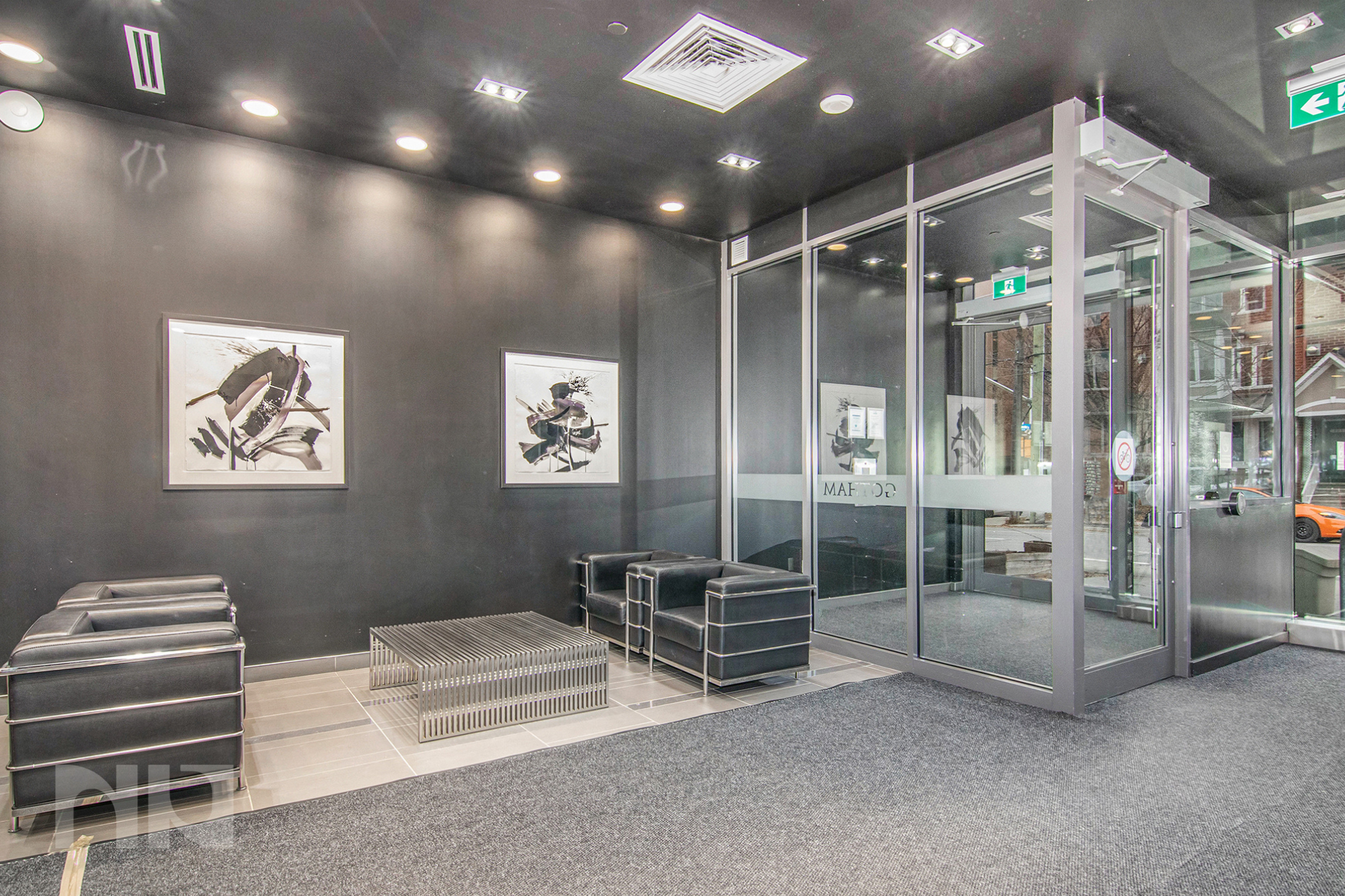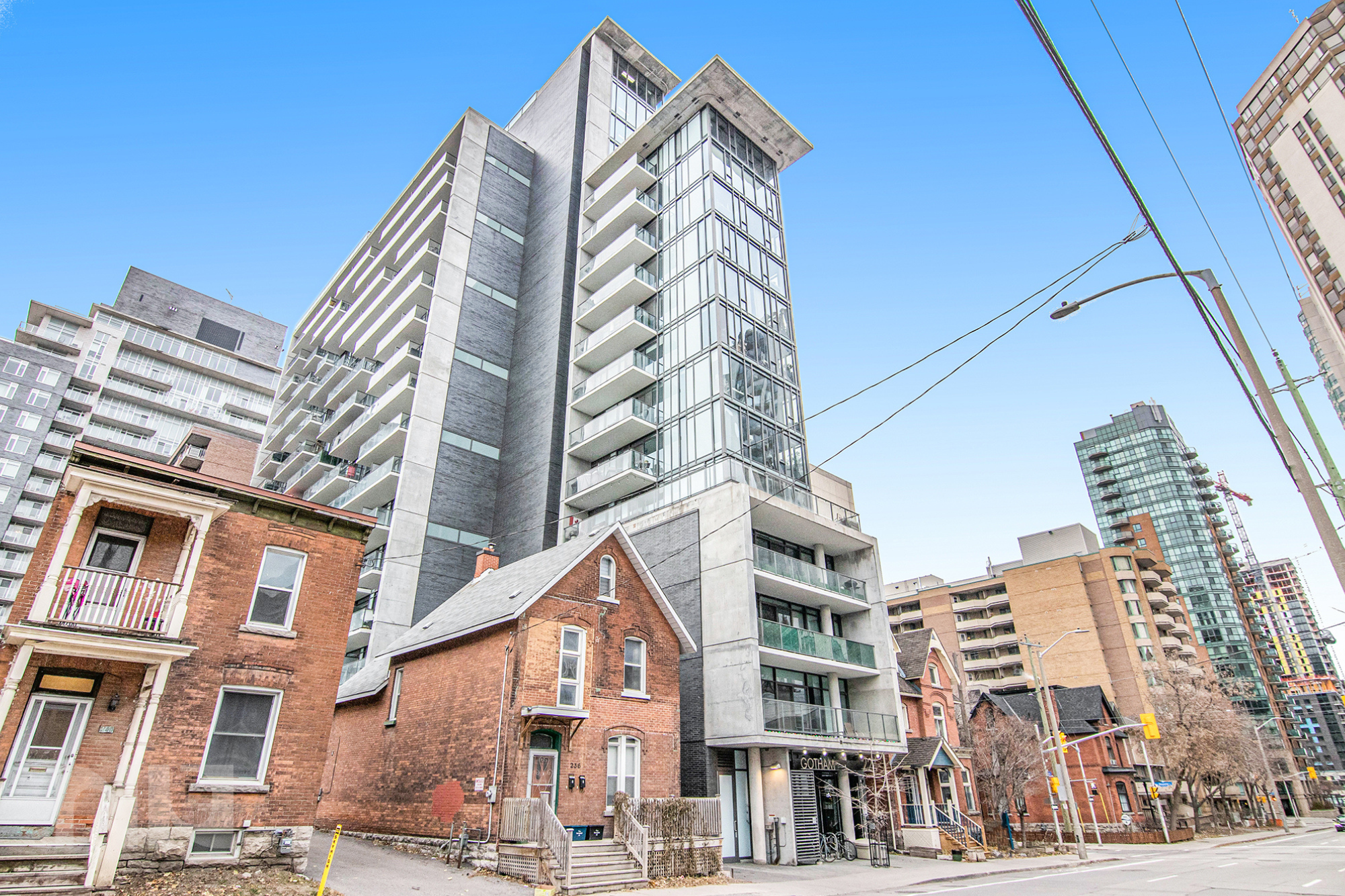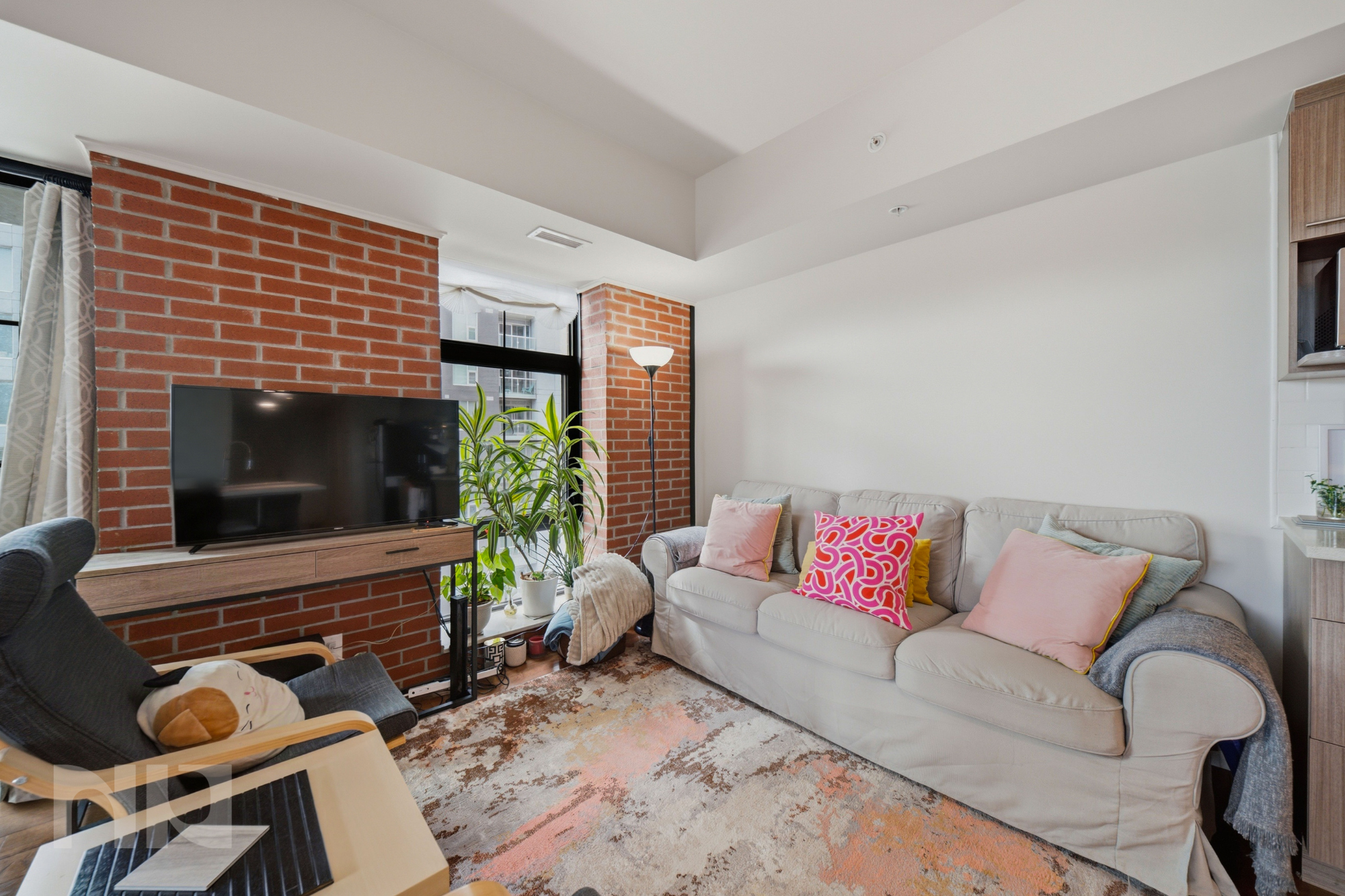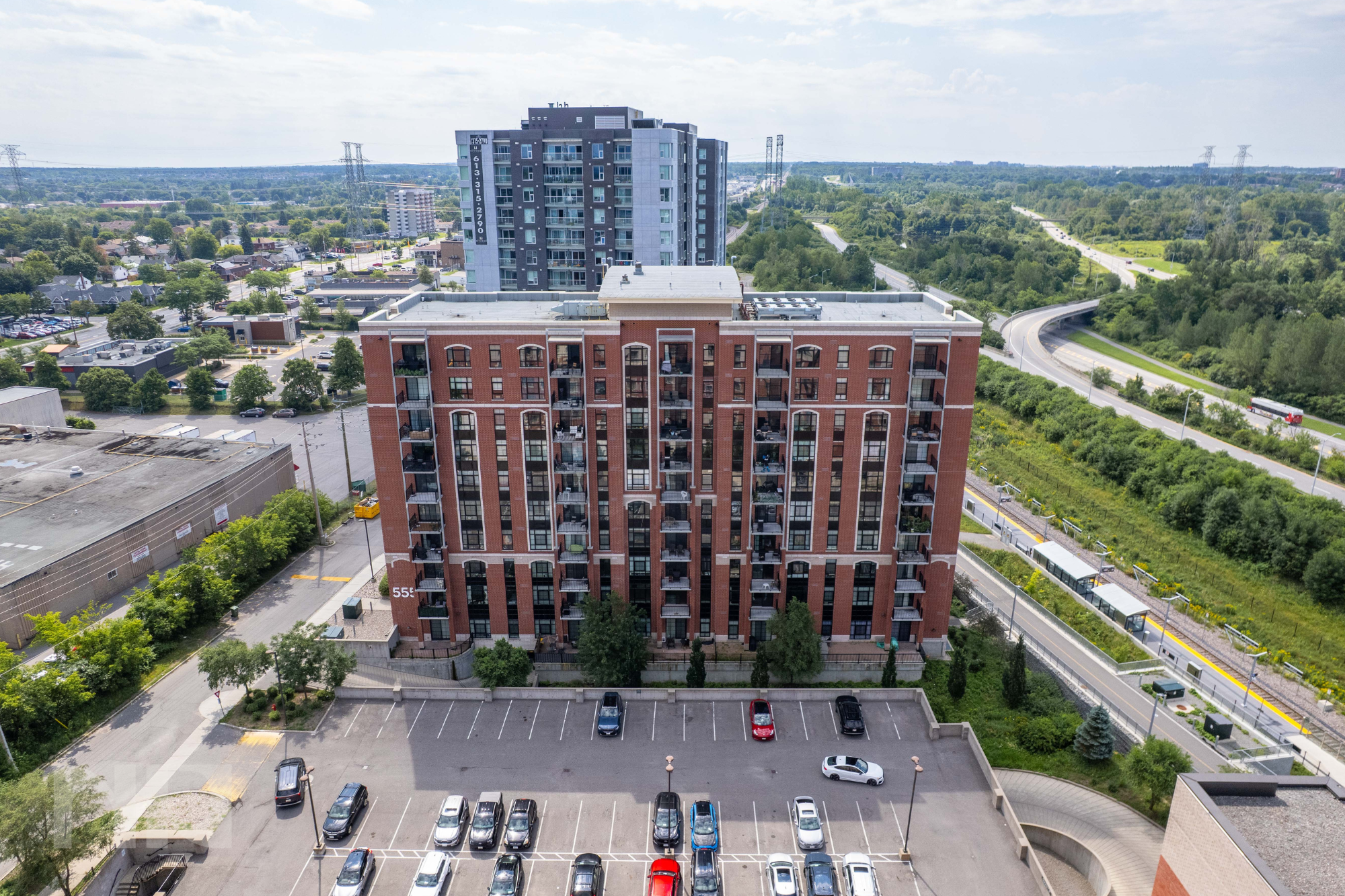
Most buyers think they’ll know right away.
You walk into the first few homes, and one of them will just click. It’ll feel right, make sense, and you’ll be ready to move forward.
In reality, that’s almost never how it works.
In Ottawa, especially right now, the first 5 homes you see are usually part of the process, not the outcome. And understanding that early can save you a lot of stress, second-guessing, and rushed decisions.
Why the First Homes Rarely Work
At the beginning of your search, you’re not just looking at homes. You’re learning how to look at homes.
There’s a big difference.
Most buyers start with a general idea:
Budget range
Preferred area
Number of bedrooms
A few “must-haves”
But those criteria are usually untested.
Once you start walking through properties, reality starts to reshape your expectations.
1. Your Priorities Haven’t Been Pressure-Tested Yet
On paper, everything sounds good.
Three bedrooms. Finished basement. Nice kitchen. Good neighbourhood.
But when you actually walk through a home, you start noticing things you didn’t expect to care about:
Layout flow
Natural light
Ceiling height
Storage
Noise levels
Street feel
Suddenly, something that “checked all the boxes” doesn’t feel right.
That’s not a failure. That’s refinement.
2. Photos vs Reality Is a Real Gap
This is especially true in Ottawa’s current market.
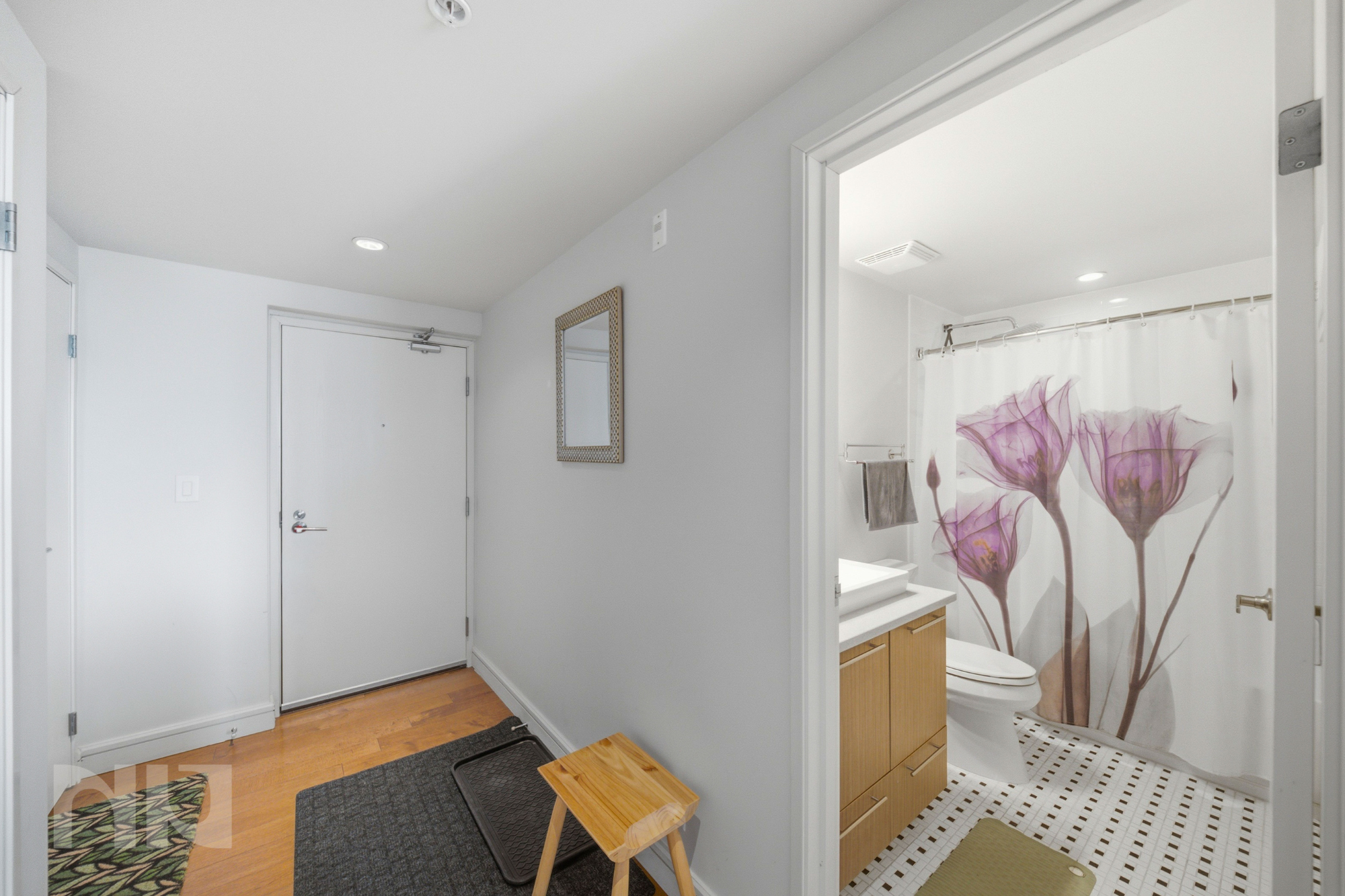
Listing photos are designed to highlight the best parts of a home. But they don’t always capture:
Tight layouts
Wear and tear
Street positioning
Overall feel of the space
So your first few showings often come with a bit of surprise.
Buyers quickly learn:
“This looked better online than in person.”
Again, completely normal.
3. You Haven’t Seen Enough to Compare Yet
The first few homes exist in isolation.
You don’t yet have a strong reference point for:
What $600K actually gets you in different neighbourhoods
How layouts vary between similar homes
What’s considered “updated” vs “original”
After 5 to 10 showings, patterns start to emerge. That’s when your decision-making gets sharper.
4. Your “Must-Haves” Start to Shift
Almost every buyer adjusts their criteria after seeing a few homes.
Common shifts look like:
“We thought we needed a finished basement, but we don’t.”
“We didn’t think layout mattered this much, but it does.”
“We’re willing to compromise on finishes for a better location.”
This is one of the most important parts of the process, and it only happens by actually seeing homes.
5. You’re Still Figuring Out How It Should Feel
Buying a home isn’t just logical. It’s also intuitive.
There’s a certain level of comfort, flow, and fit that’s hard to define until you experience it.
The first few homes help you understand:
What feels too small
What feels too busy
What feels right
That “feeling” becomes much clearer after a handful of showings.
What Changes After the First 5–10 Homes
This is where things start to click.
Buyers become:
More decisive
More realistic
More confident in what they want
Instead of reacting to each home individually, you start comparing:
“This one is better than the last one because…”
“This one doesn’t work because we’ve seen better…”
And that’s when you’re actually ready to make a strong decision.
The Risk of Expecting to Find “The One” Too Early
One of the biggest mistakes buyers make is putting too much pressure on the first few homes.
This can lead to:
Forcing a decision too early
Overlooking better options that come later
Feeling discouraged when nothing feels right immediately
The process isn’t broken. You’re just still in the learning phase.
The Ottawa Factor
In Ottawa, this learning curve is even more important because inventory can vary a lot depending on:
Neighbourhood
Price point
Property type
A $650K home in Barrhaven is going to feel very different from a $650K home in Vanier or Carlington.
Seeing a range of options early on gives you a much clearer understanding of what’s realistic for your budget.
A Better Way to Approach Your Search
Instead of trying to “find the one” right away, approach the first few showings as research.
Pay attention to:
What you like more than expected
What bothers you more than expected
What you’d be willing to compromise on
By the time the right home comes up, you’ll recognize it quickly and feel confident acting on it.
Final Thought
If you’ve seen a few homes and nothing feels quite right yet, that doesn’t mean something is wrong.
It usually means you’re exactly where you should be.
The right home rarely shows up before you’ve had the chance to understand what “right” actually looks like for you.
And once you do, the process gets a lot easier.