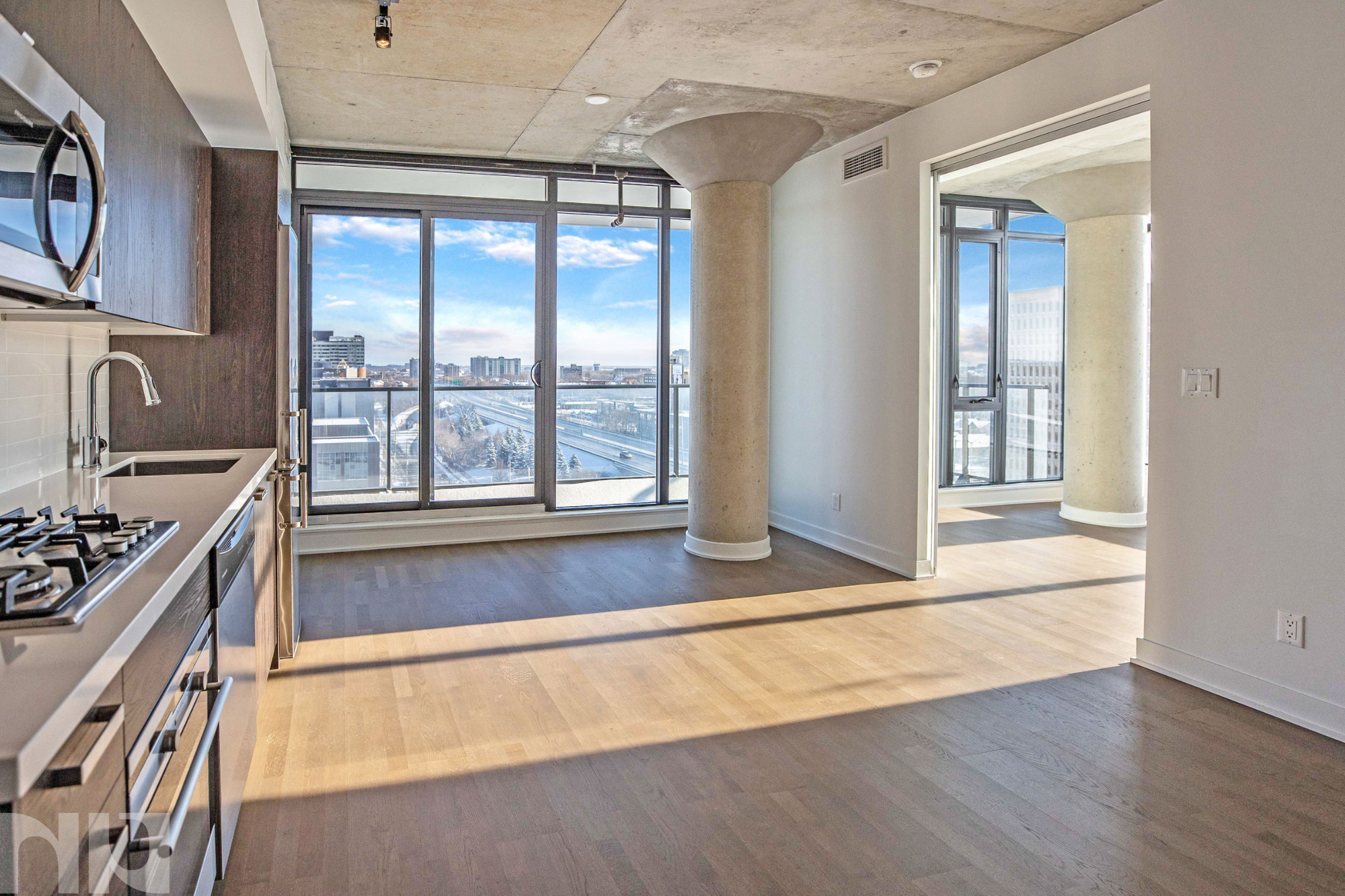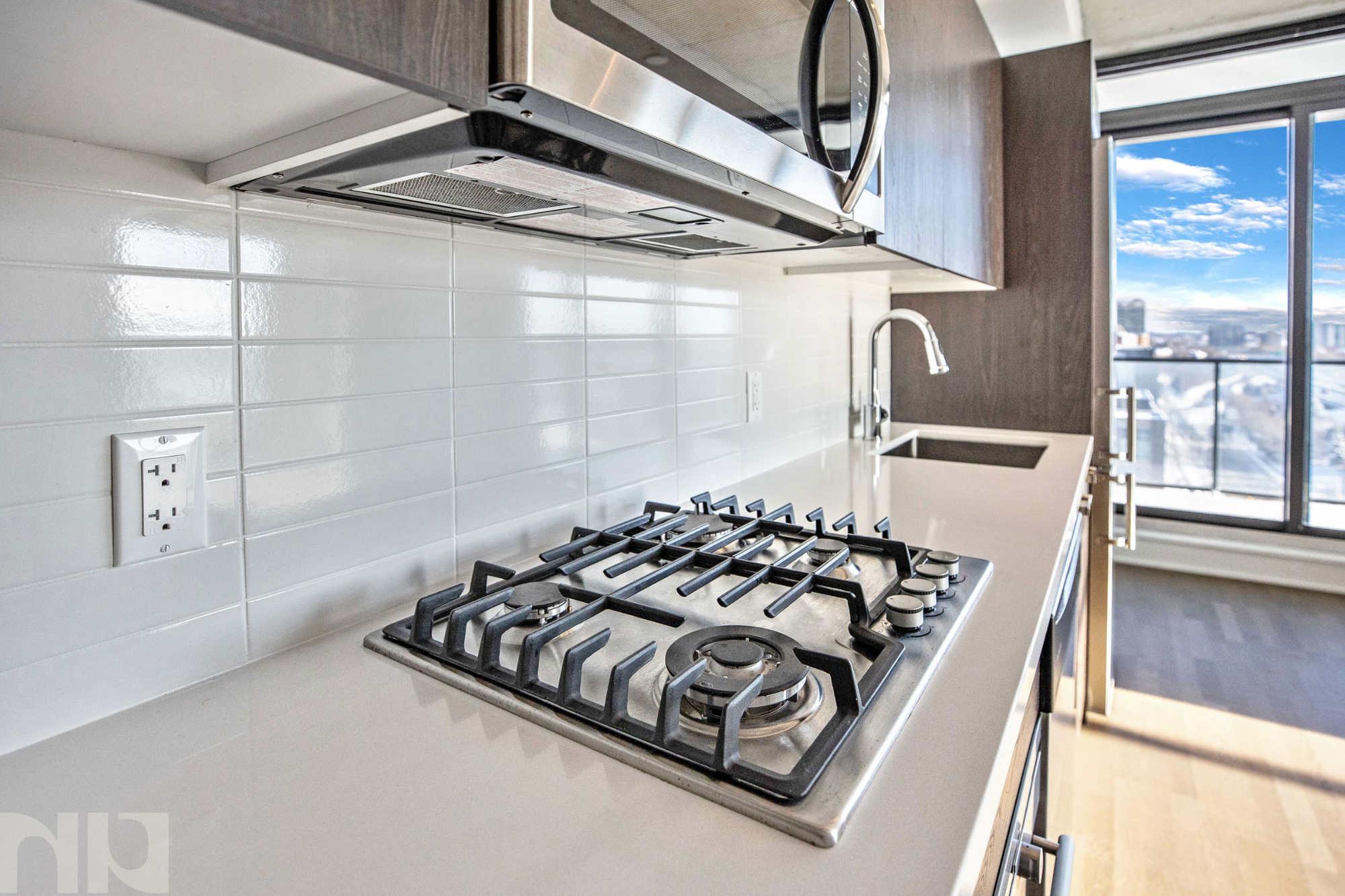

When most buyers shop for a condo in Ottawa, they focus on the obvious things first: price, location, layout, parking, and amenities.
But some of the most expensive condo mistakes have nothing to do with the unit itself.
The reality is that two condos with nearly identical square footage and pricing can have dramatically different long-term costs, resale potential, and ownership experiences depending on the building behind them.
Here are some of the biggest hidden costs buyers should understand before purchasing a condo in Ottawa.
Cheap Condo Fees Can Actually Cost You More
One of the most common mistakes buyers make is assuming lower condo fees automatically mean a better deal.
In reality, unusually low condo fees can sometimes be a warning sign.
Condo corporations need money to maintain:
Roofs
Elevators
Parking garages
Windows
HVAC systems
Common areas
Reserve funds
If fees are artificially low for too long, buildings may not be saving enough for future repairs. That can eventually lead to:
Large special assessments
Sudden fee increases
Deferred maintenance
Financing challenges for future buyers
A well-run condo with slightly higher fees is often financially healthier than a building trying to keep fees unrealistically low.
The important question is not “How low are the fees?”
It’s “What do the fees cover, and is the building financially stable?”
Older Buildings Are Not Always the Problem
Many buyers automatically assume newer condos are safer purchases.
Not necessarily.
Some older Ottawa condo buildings actually have:
Larger floorplans
Better sound insulation
More established reserve funds
Lower turnover
Stronger long-term management
Meanwhile, some newer buildings may still be working through:
Construction deficiencies
Tarion warranty claims
Investor-heavy ownership ratios
Rapid fee increases as buildings age
Age matters less than management quality, reserve fund health, and overall maintenance.
A well-maintained 20-year-old building can outperform a poorly managed 5-year-old building over the long run.
Amenities Can Quietly Inflate Ownership Costs
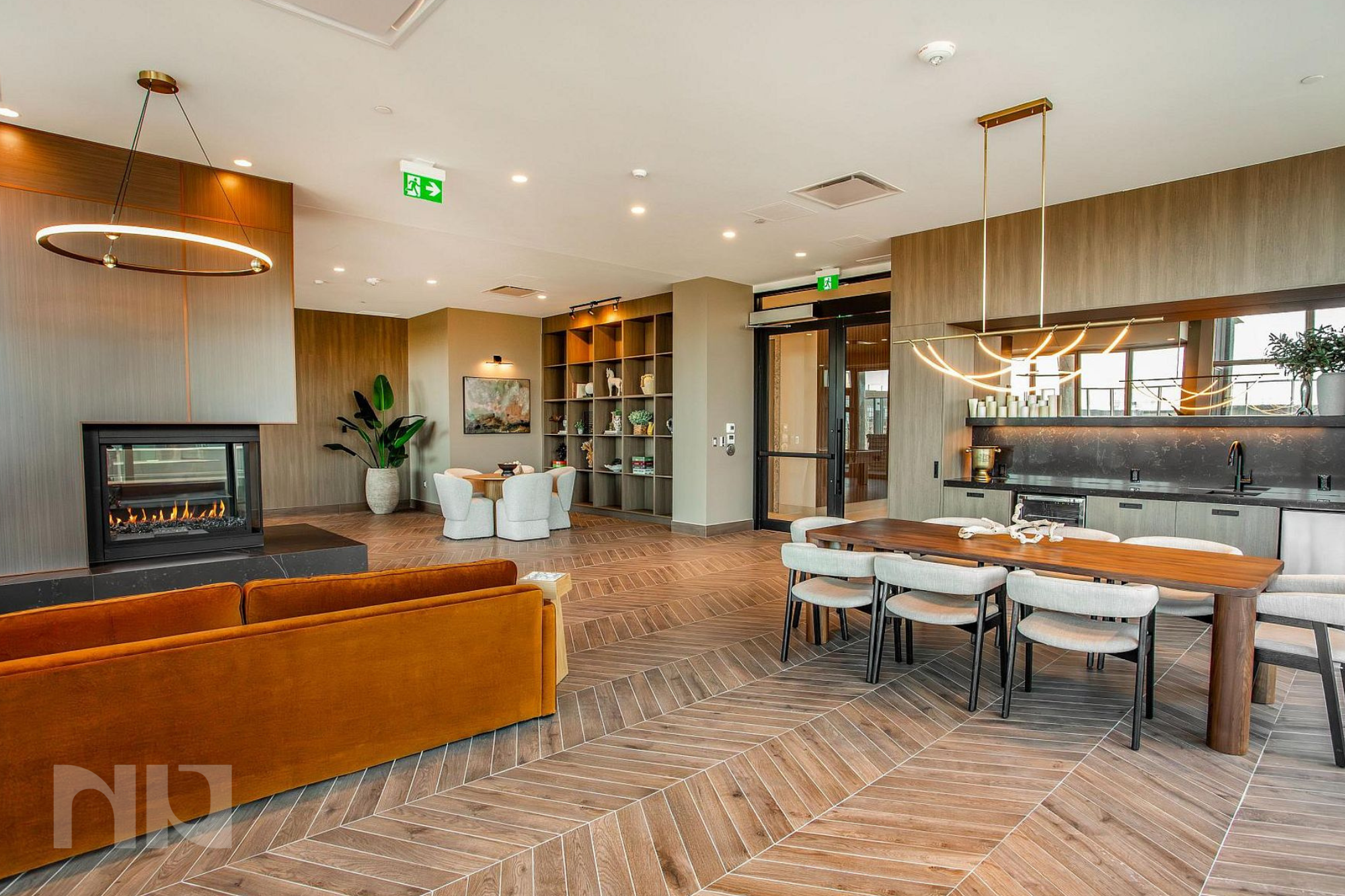
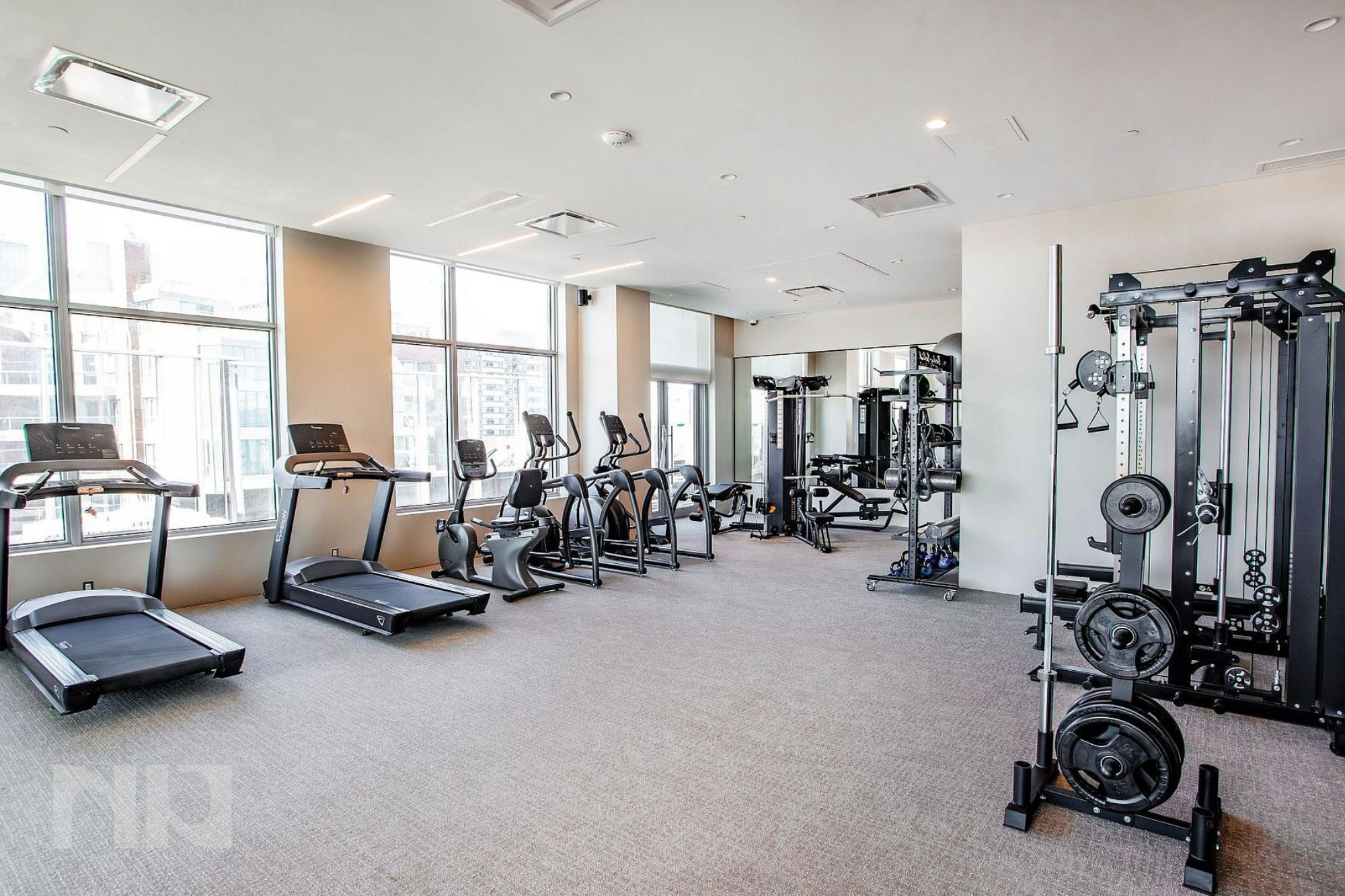
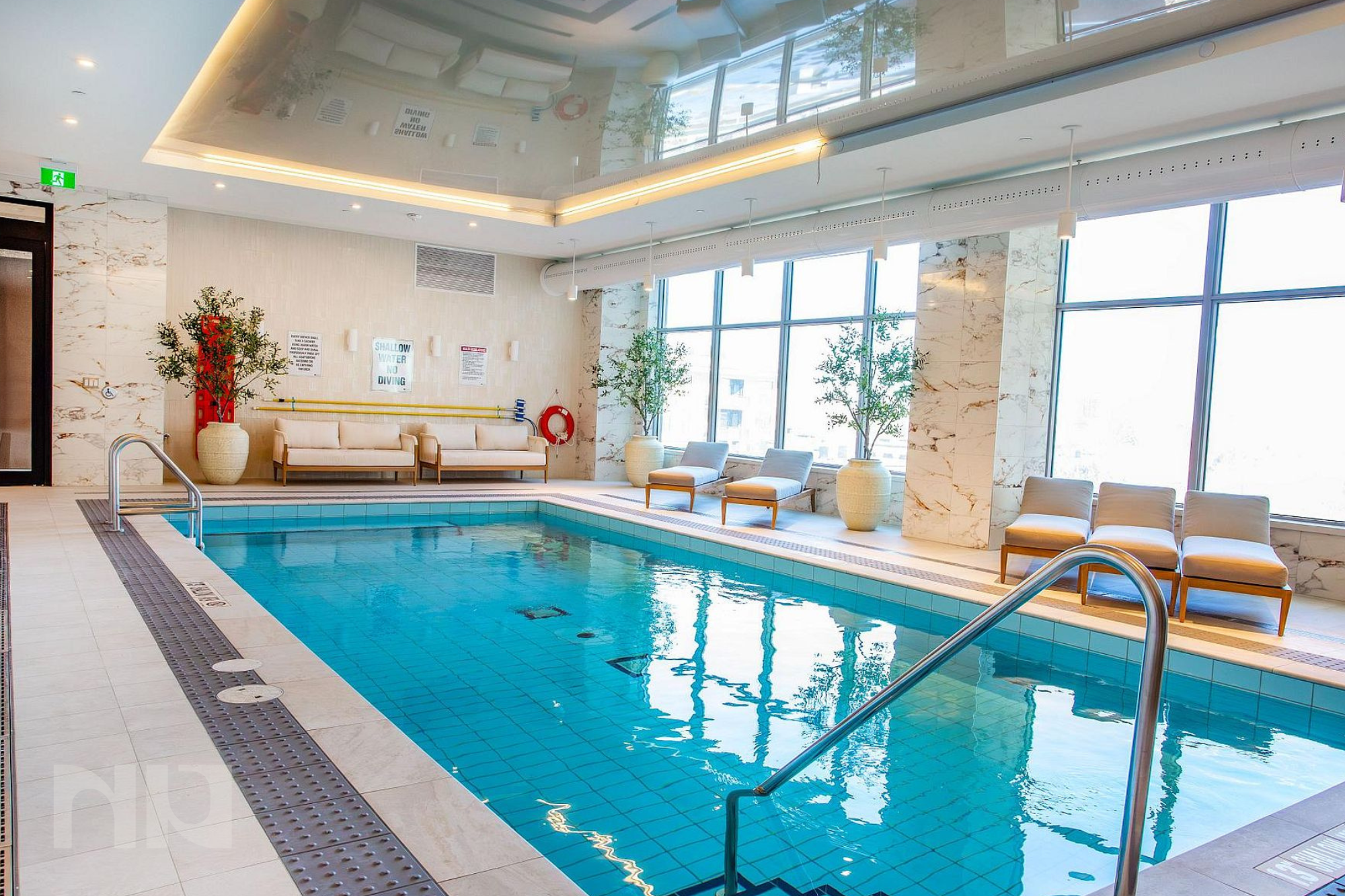
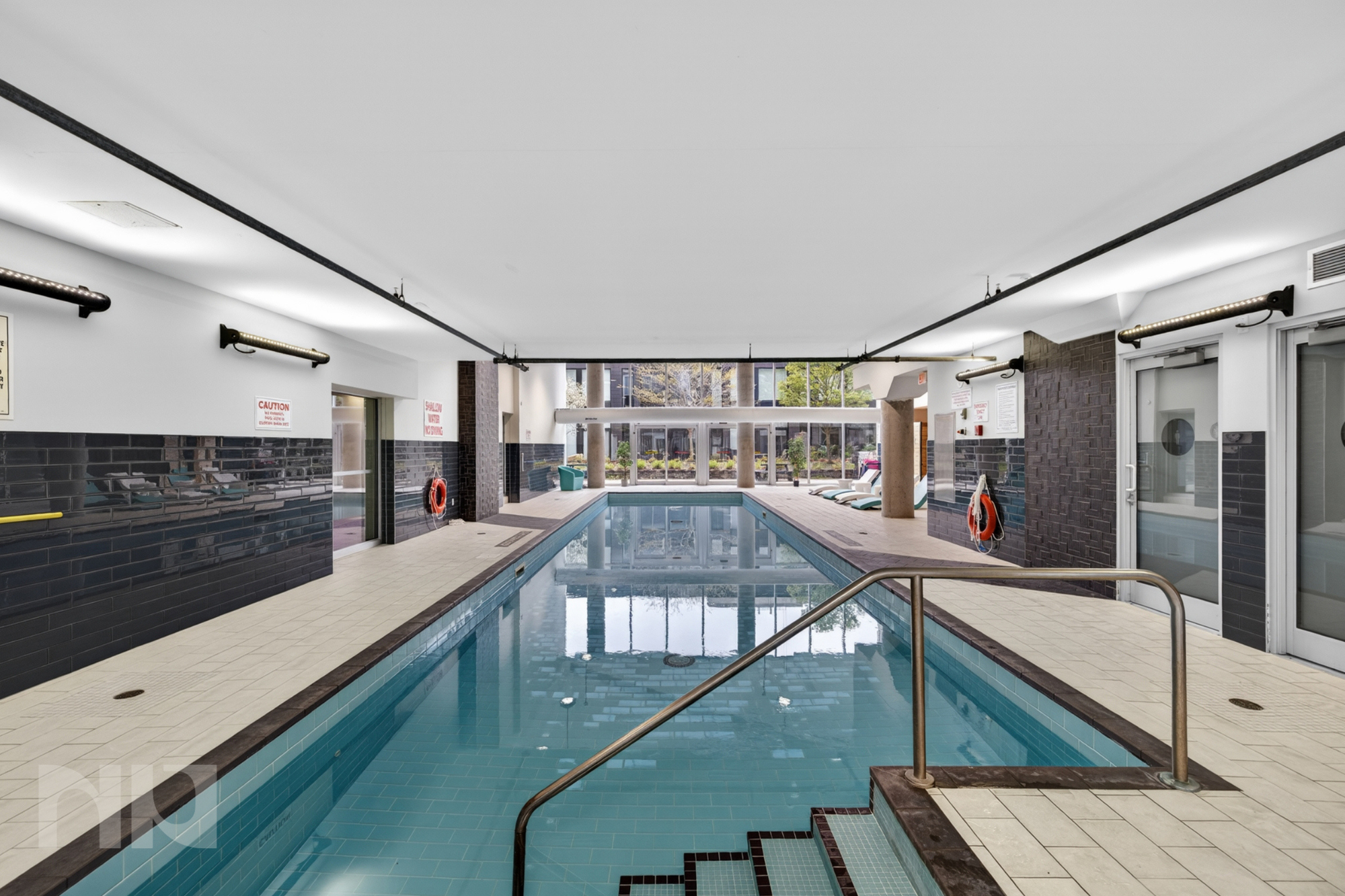
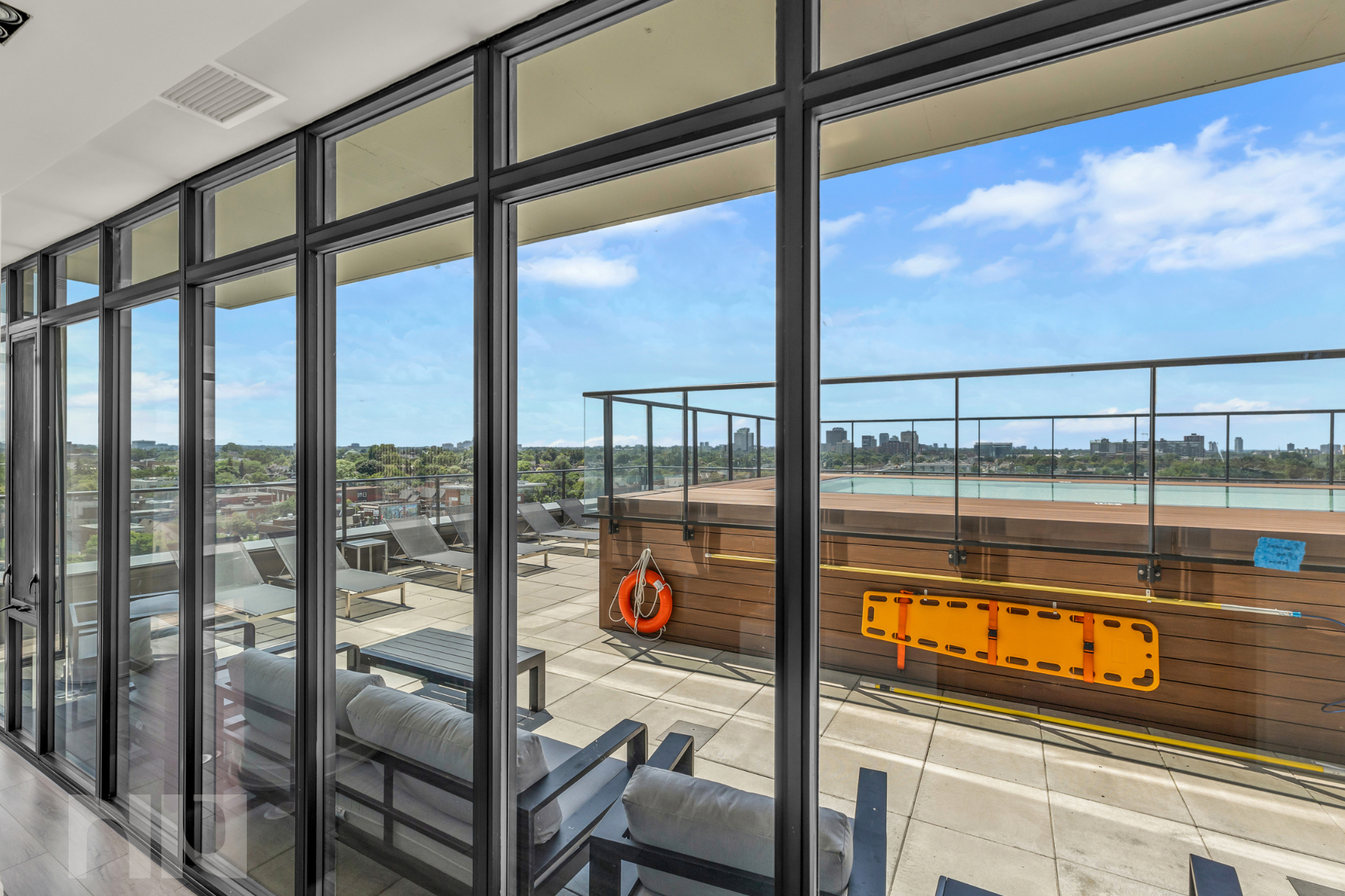
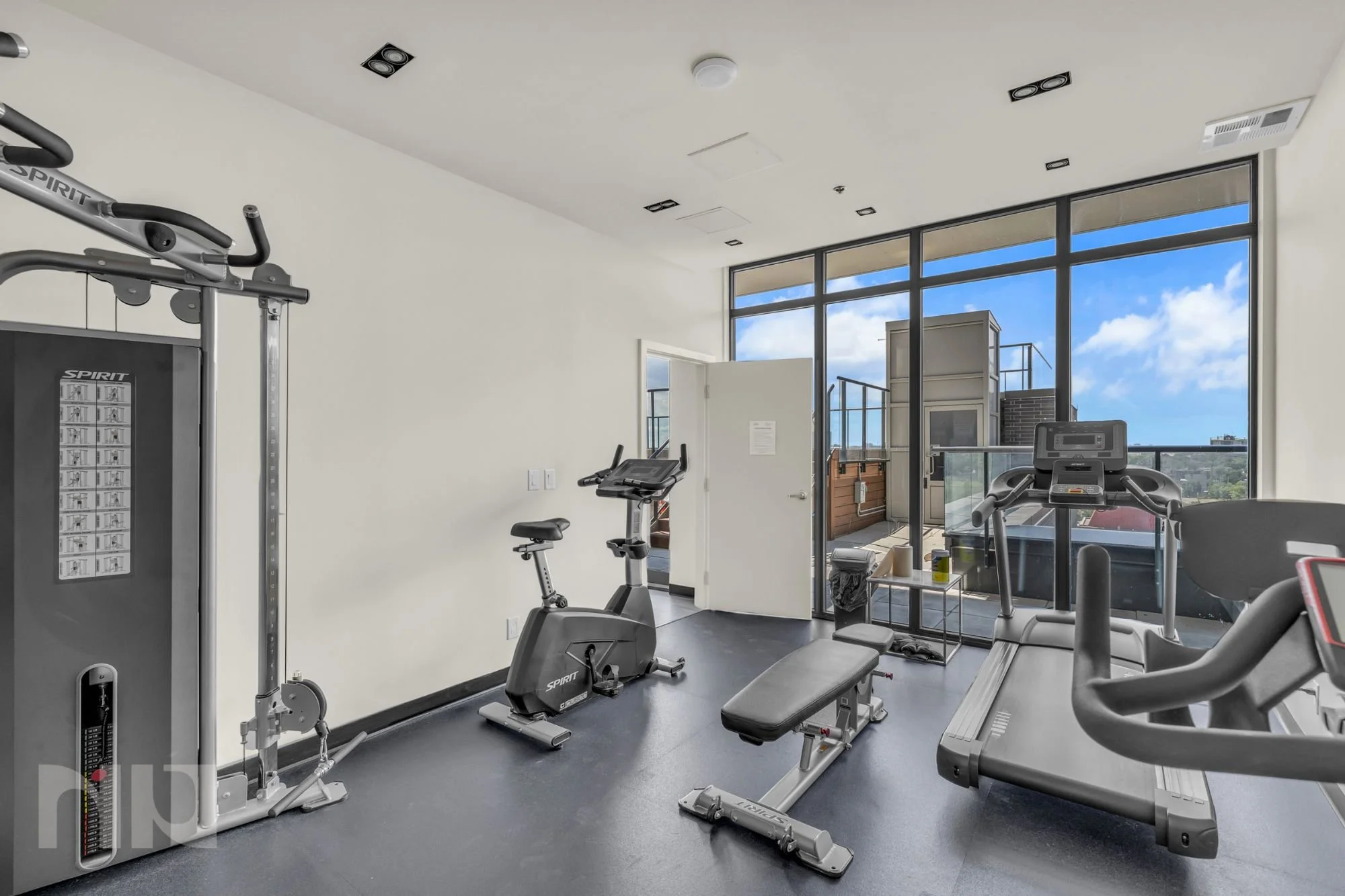
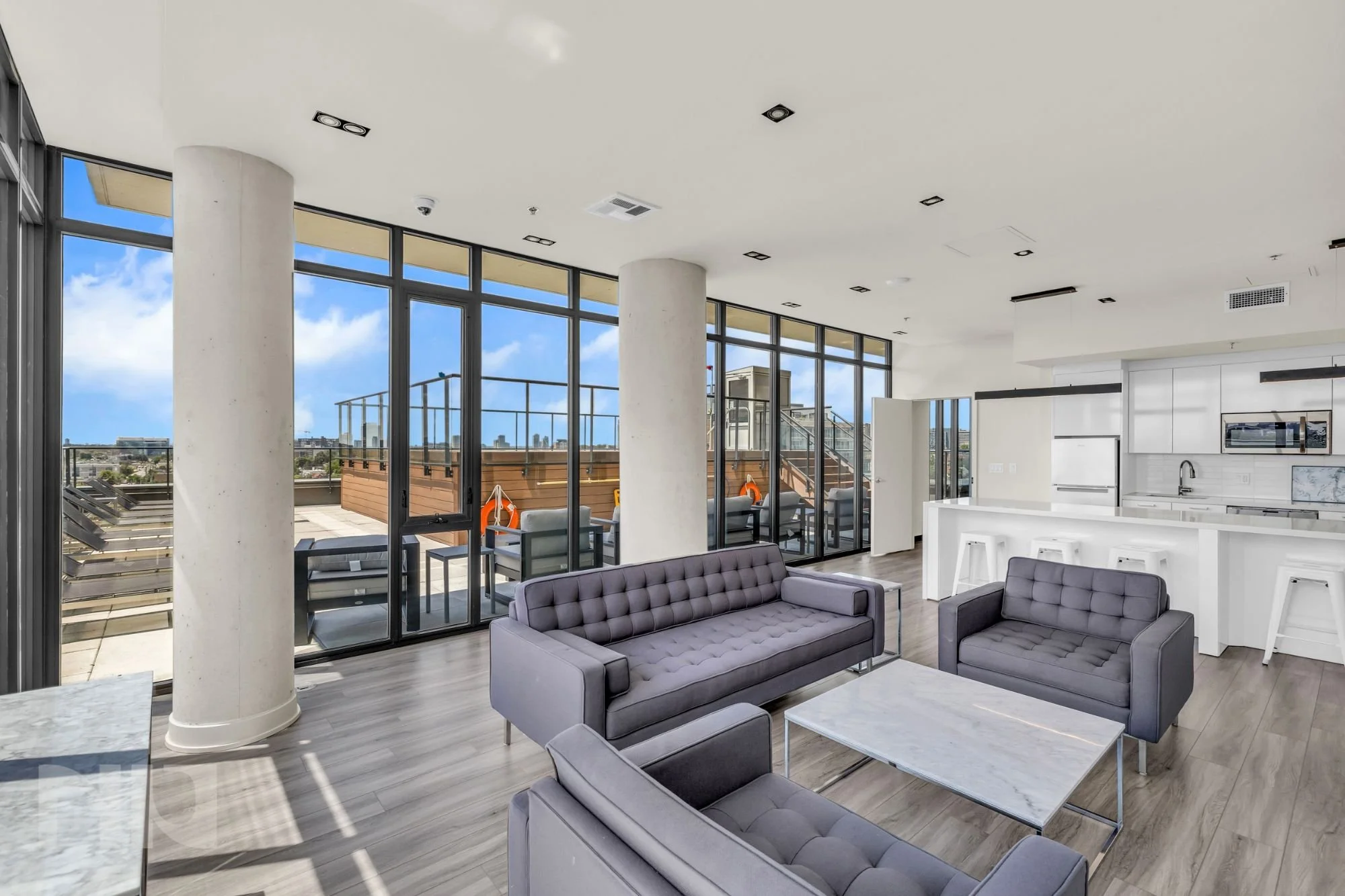
Pools, concierge services, gyms, theatres, golf simulators, and rooftop lounges look great during showings.
But buyers often underestimate how much those amenities cost to maintain over time.
Buildings with extensive amenities typically have:
Higher staffing costs
More maintenance requirements
Higher utility expenses
More frequent equipment replacement
That does not mean amenities are bad. It simply means buyers should understand they are paying for them every month whether they use them or not.
In Ottawa, some buyers are now prioritizing:
Lower monthly carrying costs
Functional amenities they’ll actually use
Smaller, more efficient buildings
Especially as affordability continues to matter more in 2026.
Investor-Owned Buildings Can Feel Very Different
Some Ottawa condo buildings have extremely high investor ownership percentages, especially downtown and near universities or transit hubs.
That can affect:
Community feel
Noise levels
Turnover
Maintenance standards
Rental competition
Financing options
In some buildings, a high number of short-term or transient tenants can create a very different living experience compared to owner-occupied communities.
Lenders also sometimes treat heavily investor-owned buildings differently during financing approvals.
This is one reason buyers should always look beyond the individual unit and understand the building as a whole.
Condo Status Certificates Matter More Than Most Buyers Realize
The status certificate is one of the most important documents in any Ottawa condo purchase, yet many buyers barely understand what they are reviewing.
A status certificate can reveal:
Reserve fund issues
Pending lawsuits
Planned fee increases
Special assessments
Insurance concerns
Budget shortfalls
Rules and restrictions
Ongoing disputes within the building
This is not just paperwork. It is effectively the financial and operational report card for the condo corporation.
Reviewing it carefully with a lawyer is critical.
Poor Layouts Hurt Resale Value
Not all square footage is equal.
Some condos technically have good size numbers on paper but waste space through:
Oversized hallways
Awkward room shapes
Tiny kitchens
Lack of storage
Poor natural light
Bad bedroom placement
Buyers in Ottawa are becoming much more layout-sensitive, especially after the rise of hybrid and remote work.
Units with:
Functional dens
Proper dining space
Large windows
Good bedroom separation
Efficient storage
often hold value better and appeal to a wider range of future buyers.
The Building’s Reputation Matters
Certain Ottawa condo buildings consistently perform better than others in resale value, demand, and buyer confidence.
That reputation can come from:
Strong management
Quality construction
Good reserve fund planning
Desirable layouts
Lower issue history
Strong communities
Buyers today research buildings heavily online before booking showings. Reviews, discussions, management history, and even recurring issues are easier to find than ever.
The unit matters.
But the building reputation matters too.
Final Thoughts
Buying a condo is not just buying four walls.
You are buying into a corporation, a financial structure, a management team, a community, and a long-term maintenance plan all at the same time.
That is why the “cheapest” condo is not always the best value, and the “nicest-looking” unit is not always the smartest purchase.
Understanding the hidden costs behind condo ownership can help buyers avoid expensive surprises and make stronger long-term decisions in Ottawa’s evolving market.
If you’re considering buying a condo in Ottawa and want help comparing buildings, reviewing long-term value, or understanding the differences between neighbourhoods and condo corporations, Matt Richling and the New Purveyors team can help guide you through the process.