A few years ago, many condo buyers in Ottawa were primarily comparing units.
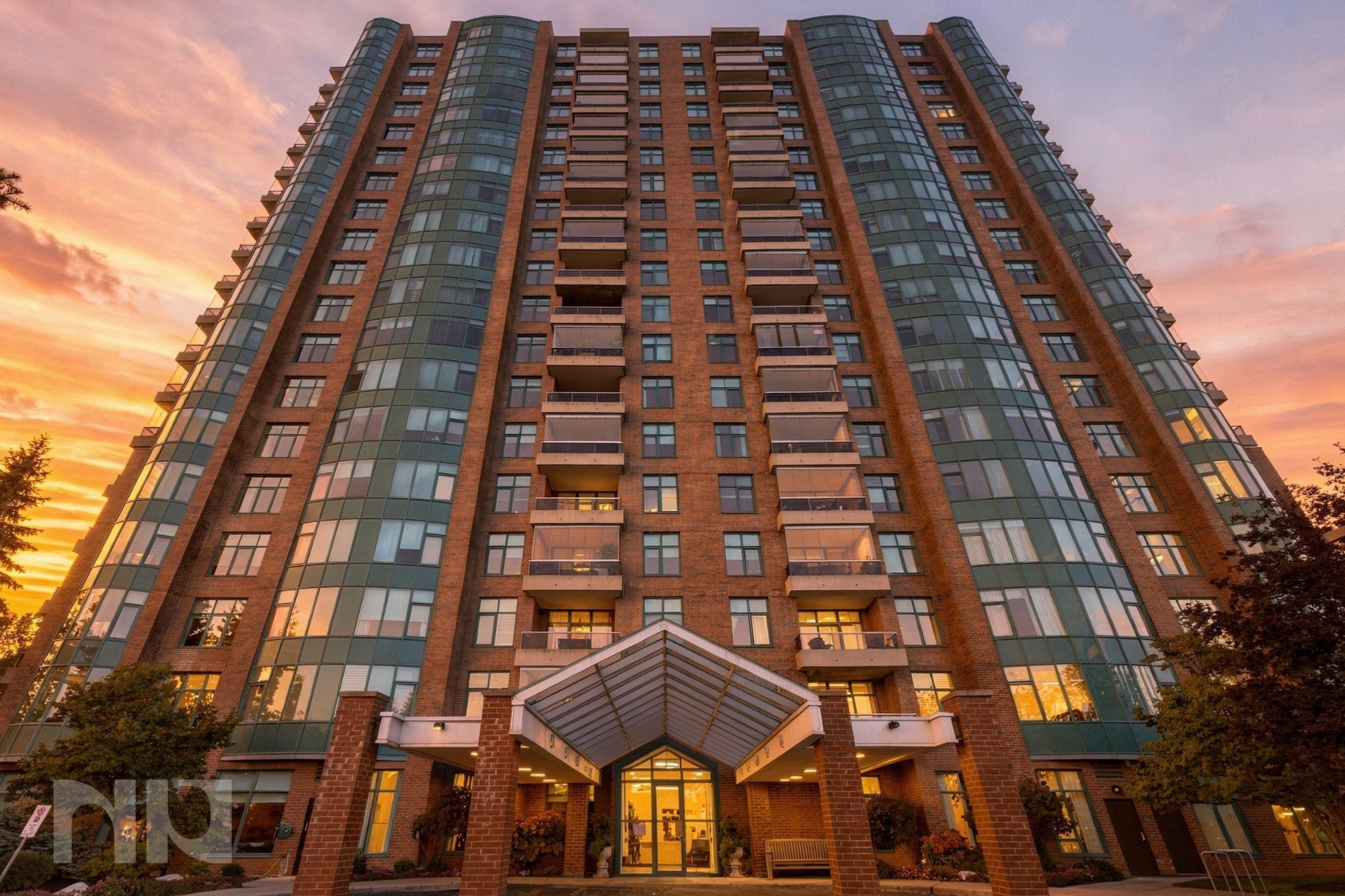
Now, they’re comparing buildings.
And honestly, that shift has become one of the biggest defining factors in the condo market over the past couple of years.
We’re seeing more buyers walk into a perfectly nice unit and immediately start asking questions that have very little to do with the kitchen finishes or square footage.
Questions like:
“How well is the building actually managed?”
“What do condo fees usually increase by here?”
“Does this building have a good reputation?”
“Are there issues with noise?”
“How many investor-owned units are there?”
“Do people actually stay here long term?”
“What’s the board like?”
“Have there been special assessments?”
For a lot of Ottawa condo buyers in 2026, the building itself is becoming just as important as the unit.
Buyers Are Thinking Longer-Term
Part of this shift comes from affordability.
When people are spending hundreds of thousands of dollars on a condo, they’re becoming much more cautious about future risk.
A condo isn’t just an apartment someone owns. It’s shared ownership in an entire corporation.
Which means buyers are increasingly paying attention to:
Reserve fund health
Maintenance history
Rule enforcement
Building cleanliness
Security
Elevator reliability
Amenity upkeep
Visitor parking
Short-term rental policies
Future fee increases
And honestly, experienced condo buyers have started realizing that two buildings can feel completely different to live in, even if the units themselves are similar.
Certain Ottawa Buildings Have Built Strong Reputations
Over time, some Ottawa condo buildings naturally develop stronger reputations than others.
Sometimes it’s because:
The layouts are consistently functional
The condo board is proactive
Fees have stayed relatively stable
The residents take pride in the building
The developer built well originally
The amenities are actually maintained properly
And buyers notice.
In areas like Westboro, Centretown, and parts of downtown Ottawa, buyers are often comparing not just neighbourhoods anymore, but specific buildings within those neighbourhoods.
That level of market knowledge didn’t used to be nearly as common.
Investor-Heavy Buildings Are Getting More Scrutiny
This has become a major conversation point recently.
A lot of buyers, especially end users, are paying closer attention to how heavily investor-owned a building feels.
Buildings dominated by short-term ownership or high tenant turnover sometimes create concerns around:
Community feel
Noise
Wear and tear
Maintenance standards
Long-term stability
That doesn’t mean investor-heavy buildings are automatically bad investments. Some perform extremely well financially.
But many buyers today are prioritizing lifestyle and long-term livability just as much as appreciation potential.
Amenities Matter Less Than People Think
This surprises some sellers.
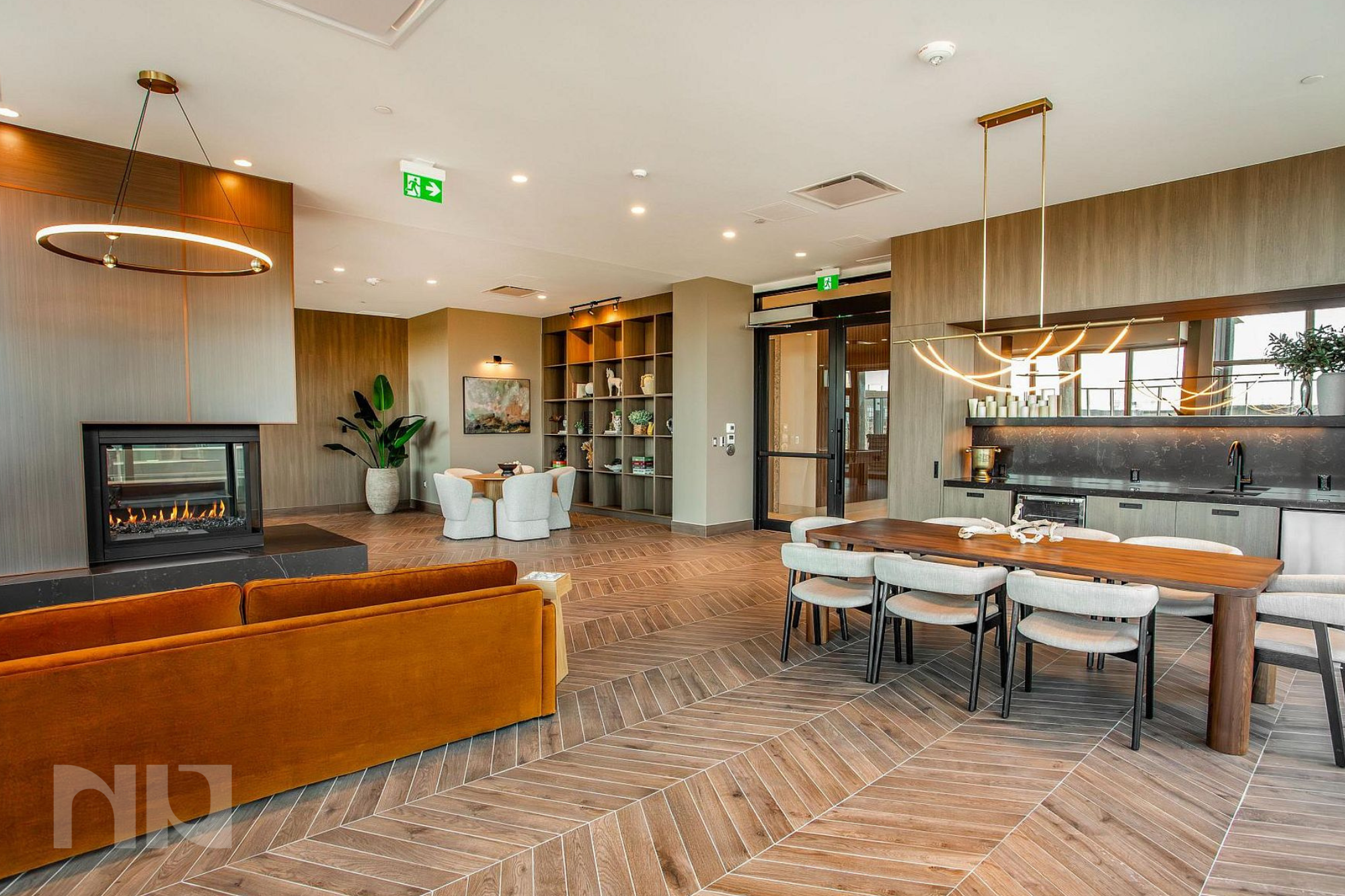
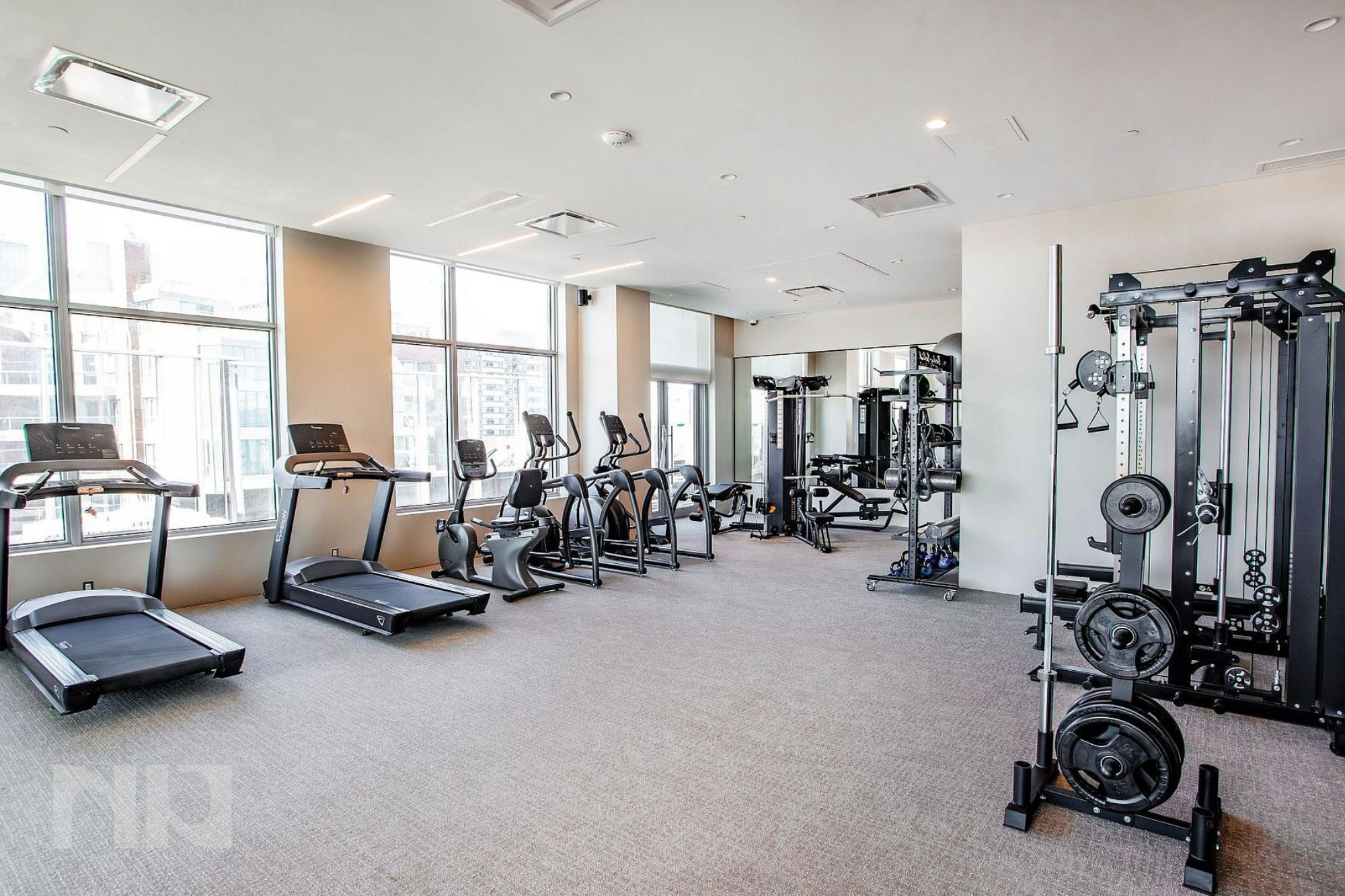
While amenities still help marketability, many buyers have become more practical about them.
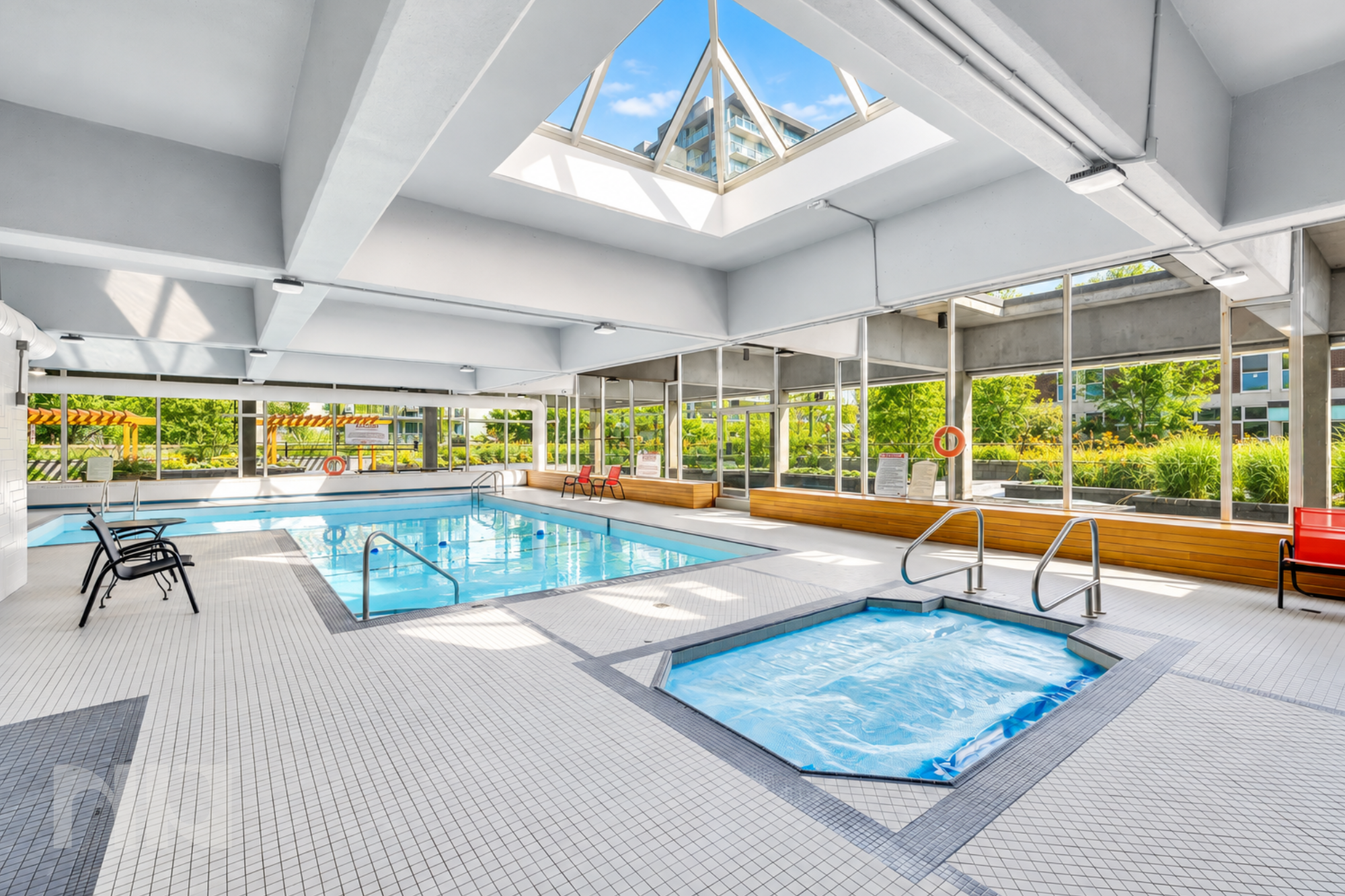
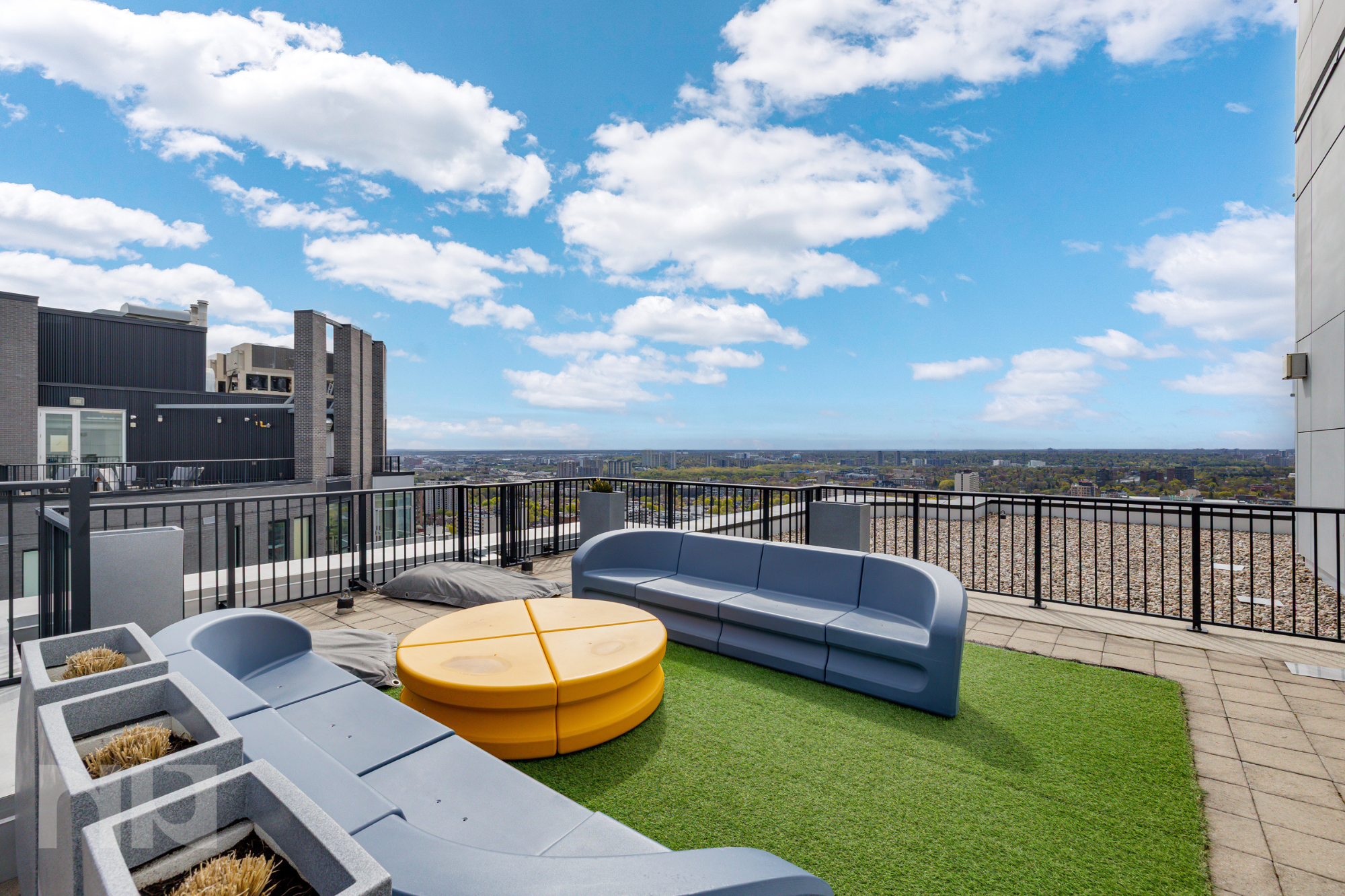
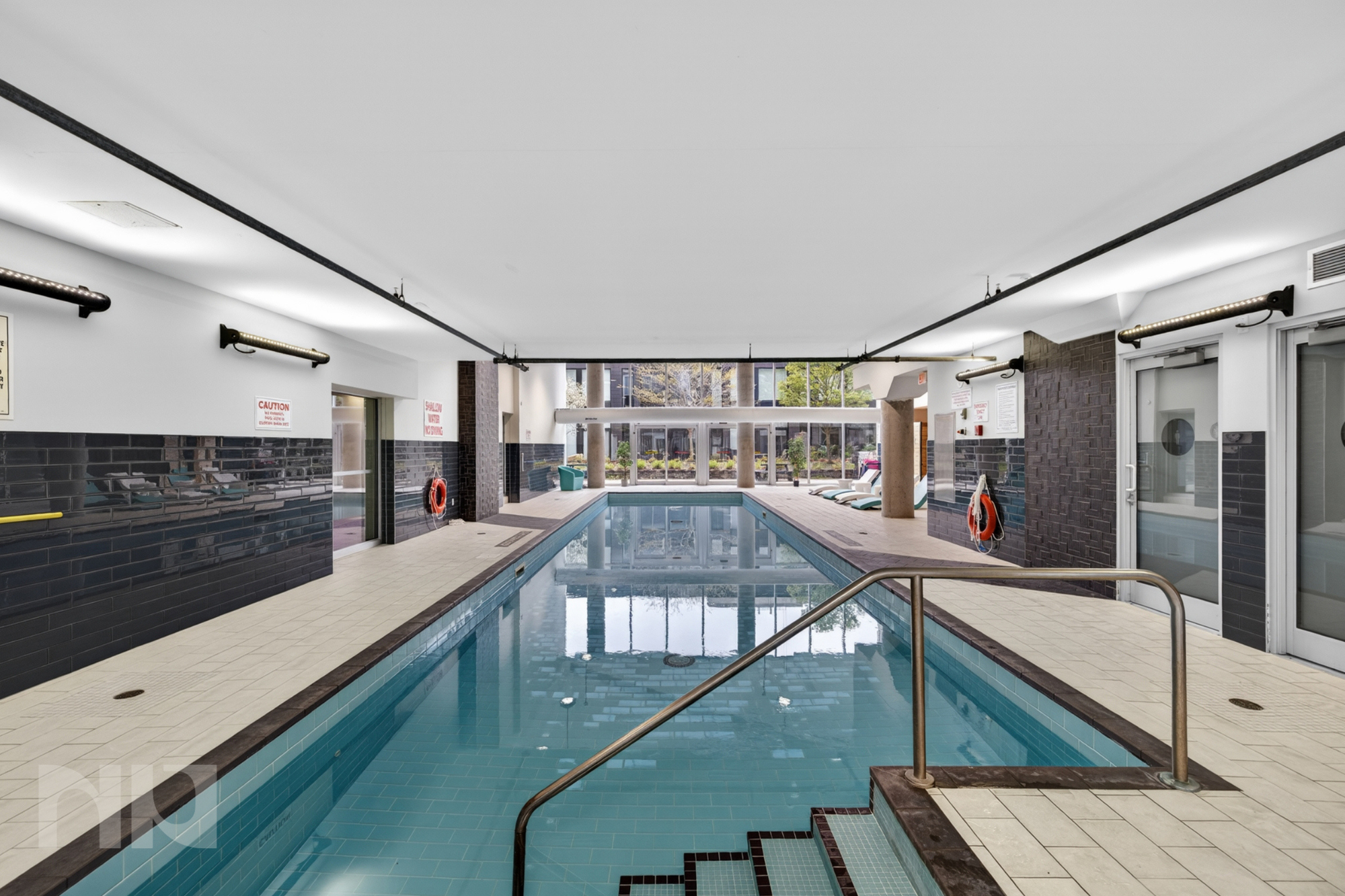
A massive party room or rarely-used theatre space doesn’t necessarily add much real-world value if it significantly increases condo fees.
What buyers seem to care about more now is whether amenities are:
Well maintained
Actually usable
Consistently clean
Appropriate for the building size
Contributing to quality of life
Simple, functional buildings with strong management are often outperforming buildings that look flashy on paper but have operational issues behind the scenes.
Buyers Are Doing More Research Before They Even Book Showings
This is another big change.
A lot of condo buyers now research buildings before they ever step foot inside a unit.
They’re:
Reading status certificates carefully
Looking up prior listings
Tracking fee increases
Comparing days on market within buildings
Asking agents about reputation
Looking into developer history
Reviewing nearby future construction plans
In some cases, buyers eliminate buildings entirely before even viewing a condo.
Which means building reputation now directly affects resale value more than many sellers realize.
The Ottawa Condo Market Is Maturing
As Ottawa’s condo market continues to evolve, buyers are becoming significantly more educated and selective.
And honestly, that’s not necessarily a bad thing.
It means stronger buildings are being rewarded.
It means good management matters.
It means long-term planning matters.
And it means sellers can no longer rely solely on surface-level upgrades to drive value if the building itself doesn’t support the price.
A huge part of helping condo buyers successfully navigate Ottawa’s market is understanding not just individual units, but the buildings behind them.
Because in today’s market, buying the right condo often starts with choosing the right building first.