For years, many Ottawa condo buyers focused primarily on location, layout, and monthly condo fees.
But lately, another topic has started coming up much earlier in the buying process:
The reserve fund.
As condo buyers become more cautious about long-term ownership costs, many are paying closer attention to the financial health of the building itself, not just the unit they’re purchasing.
And in today’s market, that shift makes sense.
Buyers Are Thinking Beyond the Purchase Price
Condo ownership has always involved shared financial responsibility, but many buyers are now taking a more detailed look at what that actually means.
They’re asking questions like:
Is the reserve fund healthy?
Are there any upcoming special assessments?
Has the building completed major repairs recently?
Are condo fees likely to increase significantly?
How old are the building systems?
Is the condo corporation well managed?
These questions may not feel as exciting as discussing finishes or views, but they can have a major impact on long-term affordability.
What a Reserve Fund Actually Does
A reserve fund is essentially the building’s long-term savings account.
It’s used for major repairs and capital projects over time, including things like:
Roof replacement
Garage repairs
Window replacement
Elevator modernization
HVAC upgrades
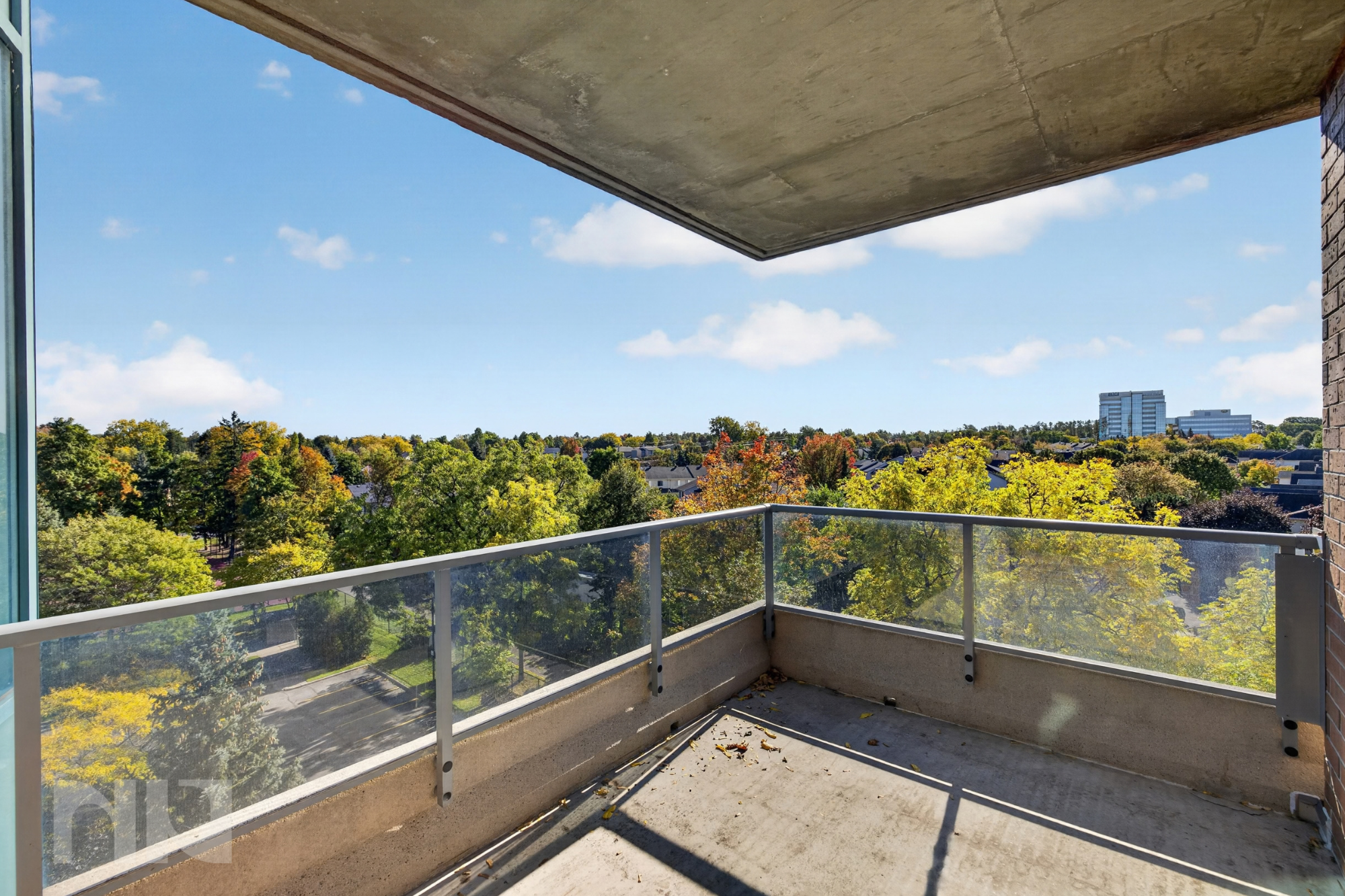
Balcony restoration
Plumbing infrastructure
Common area renovations
Condo owners contribute to this fund through their monthly condo fees.
A healthy reserve fund helps ensure the building can handle large future expenses without placing sudden financial pressure on owners.
Buyers Are Becoming More Aware of Special Assessments
One reason reserve funds are getting more attention is because buyers are increasingly aware of special assessments.
A special assessment occurs when the condo corporation needs additional money beyond what’s currently available in the reserve fund.
That can sometimes result in owners being asked to contribute thousands of dollars unexpectedly.
While special assessments are not always avoidable, buyers are becoming more cautious about buildings where deferred maintenance or underfunded reserves may create future financial strain.
Older Condo Buildings Require Closer Review
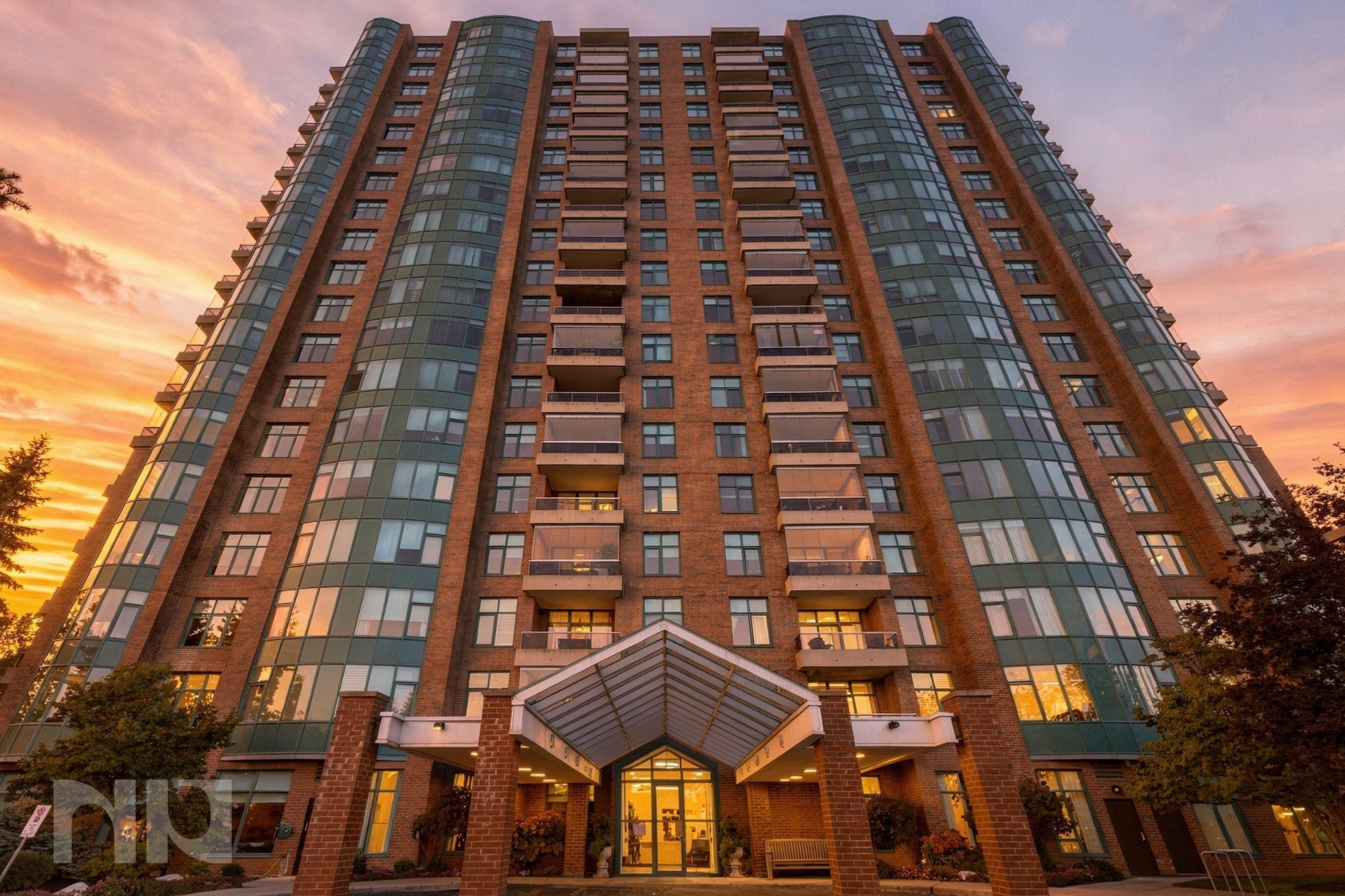
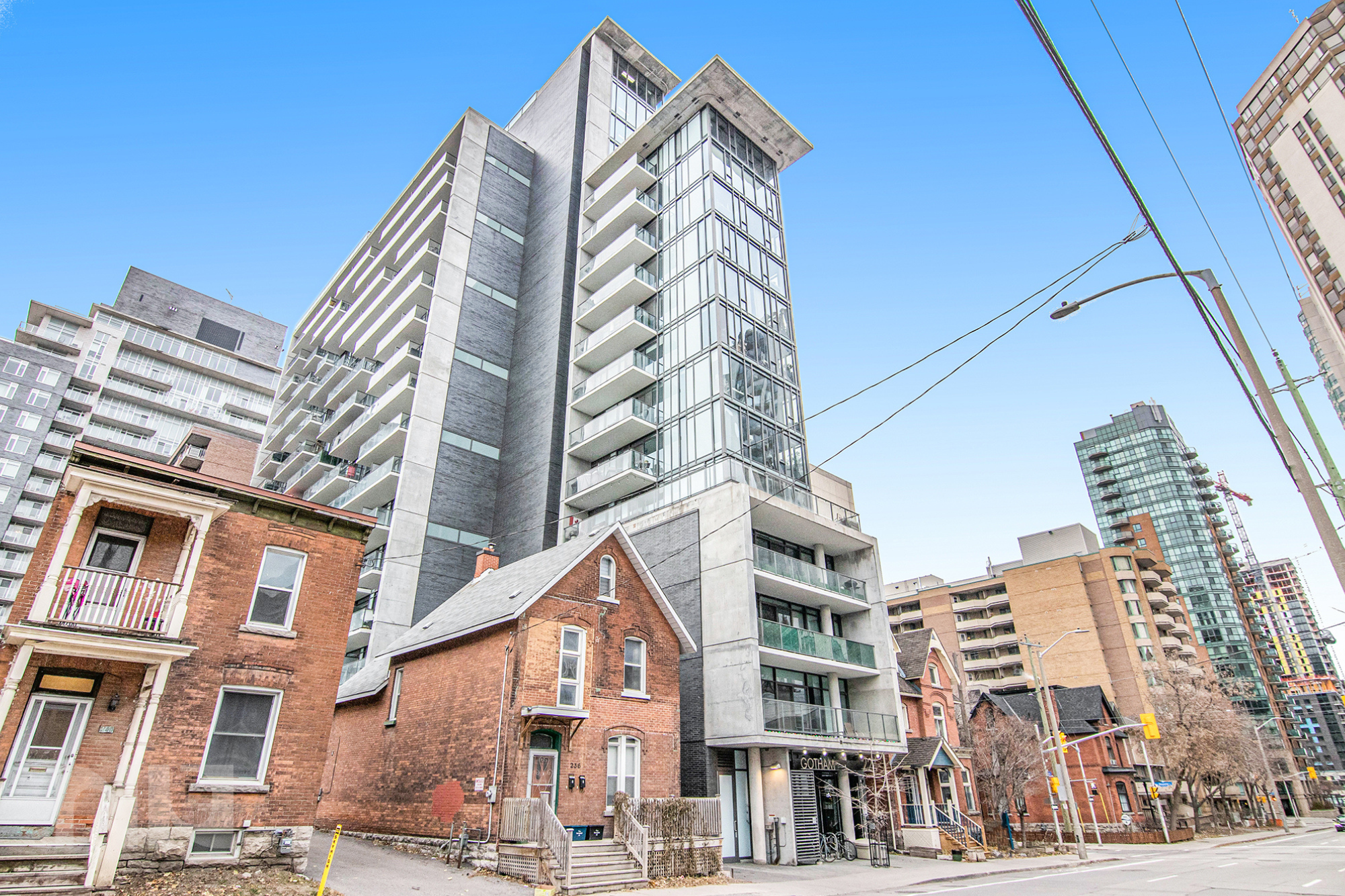
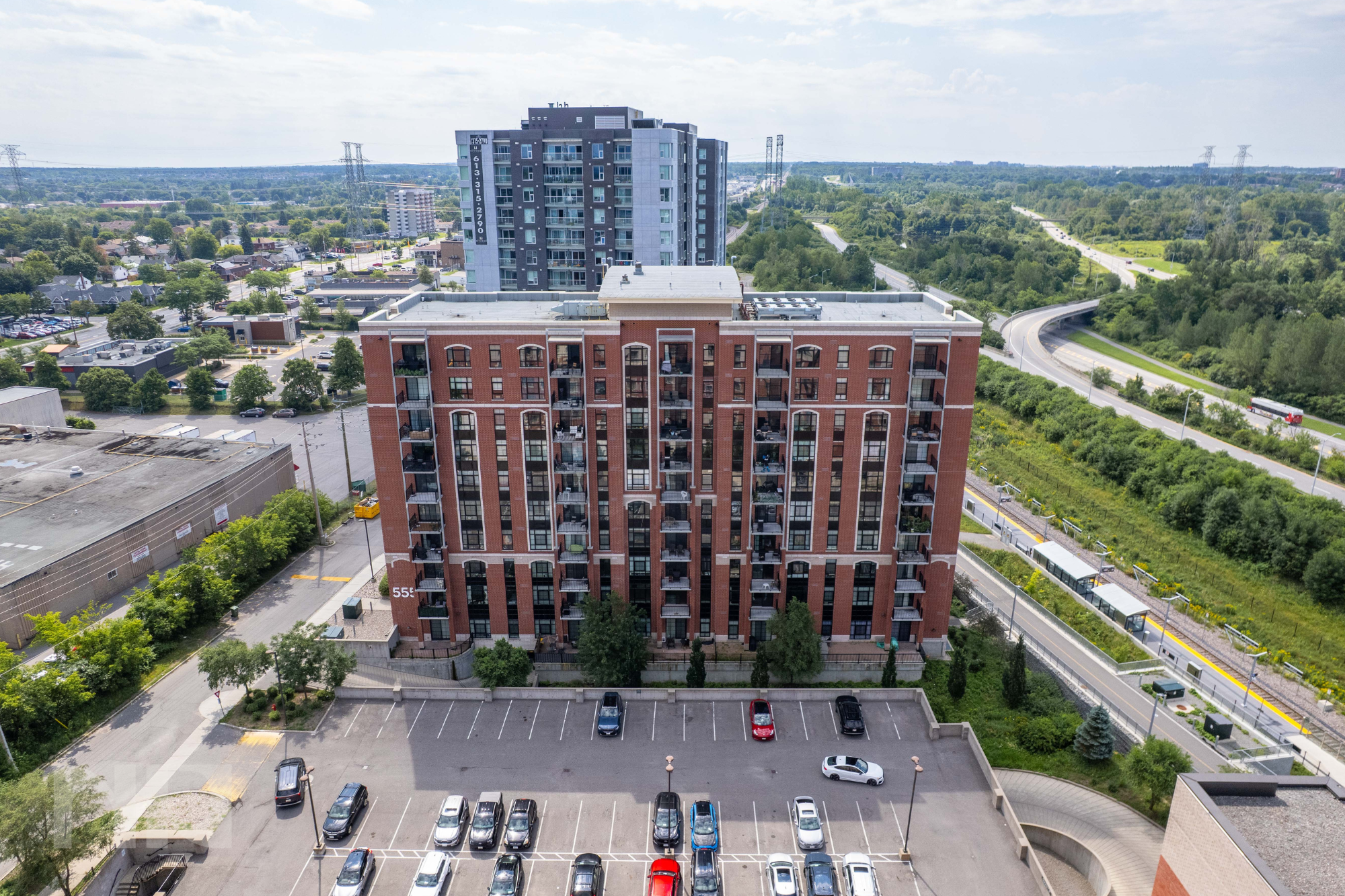
Ottawa has many older condo buildings in neighbourhoods like Centretown, Sandy Hill, The Glebe, and along the river corridors.
These buildings often offer:
Larger floor plans
Strong locations
Mature neighbourhoods
More established communities
But older buildings can also come with aging infrastructure that requires ongoing investment.
Buyers are increasingly reviewing:
The status certificate
Reserve fund studies
Recent engineering reports
Planned capital projects
Historical fee increases
Understanding the building’s financial position helps buyers avoid surprises after closing.
Low Condo Fees Are No Longer Automatically Attractive
For years, unusually low condo fees were often viewed as a major selling feature.
Now, buyers are approaching that more carefully.
Very low condo fees can sometimes indicate:
Deferred maintenance
Underfunded reserves
Insufficient long-term planning
Future fee increases
That doesn’t mean low fees are always problematic. But buyers are increasingly looking for balance rather than simply the lowest monthly number.
In many cases, a well-managed building with slightly higher fees may feel more stable and predictable long-term.
Building Management Matters More Than Ever
Another thing condo buyers are paying closer attention to is how the building is managed day-to-day.
Strong property management can significantly affect:
Maintenance quality
Financial planning
Resident satisfaction
Building cleanliness
Repair timelines
Communication with owners
Buyers are increasingly reading meeting minutes, reviewing management history, and paying attention to how well common areas are maintained during showings.
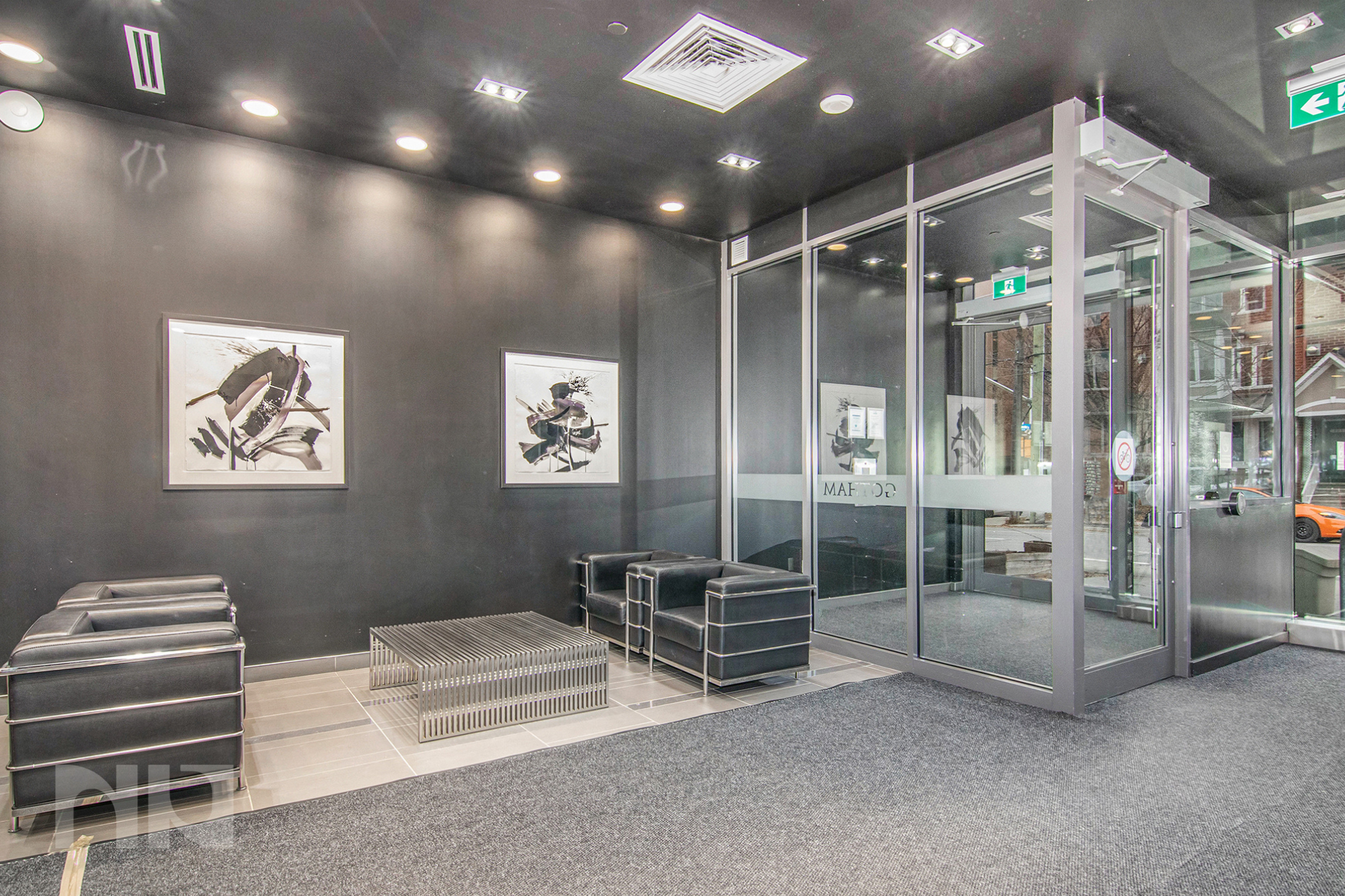
Often, the overall condition of hallways, elevators, garages, and amenities tells buyers a lot about how the building operates behind the scenes.
Amenities Are Being Evaluated Differently
Amenities still matter, but buyers are becoming more practical about them.
Features like:
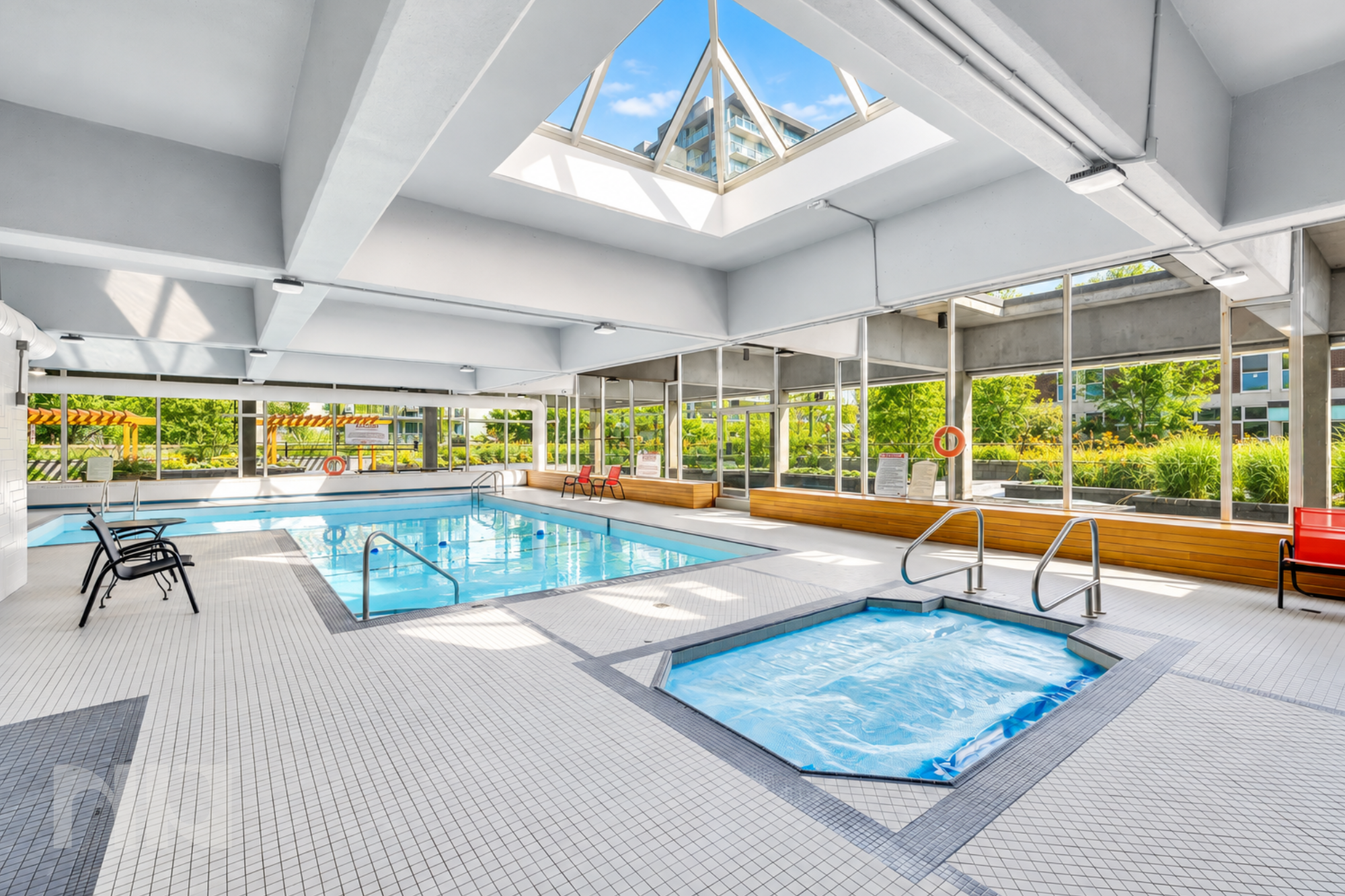
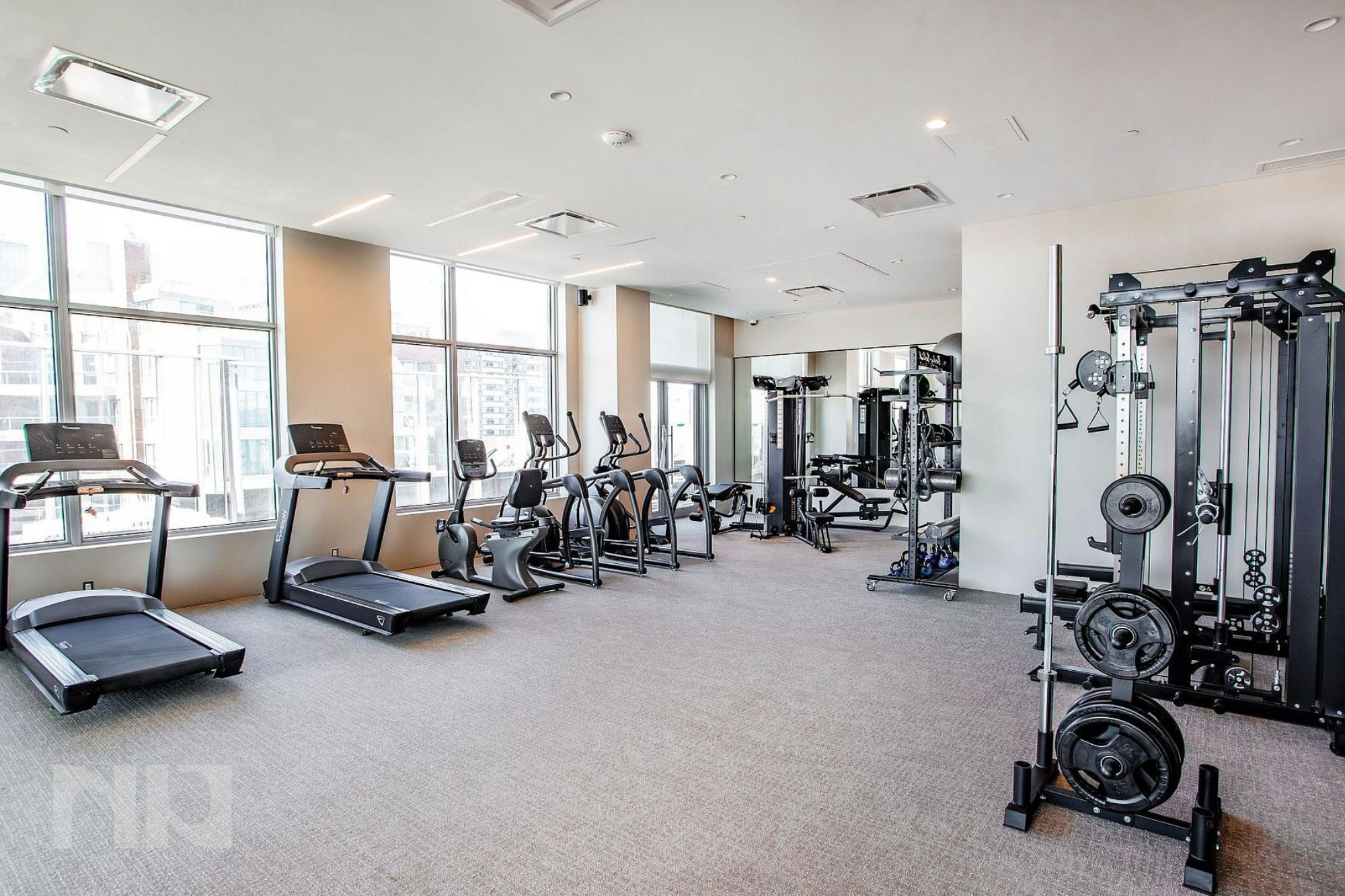
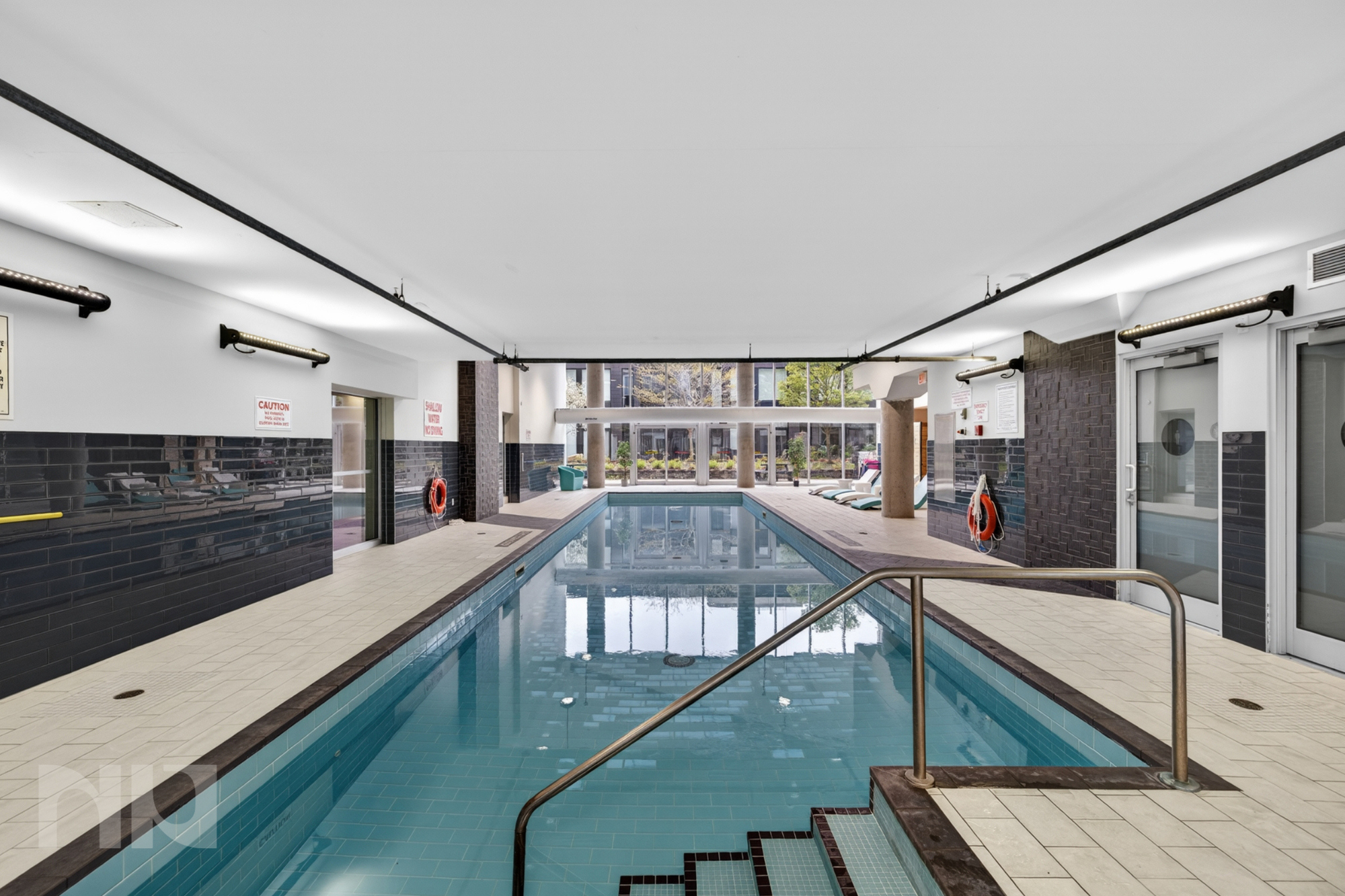
Pools
Saunas
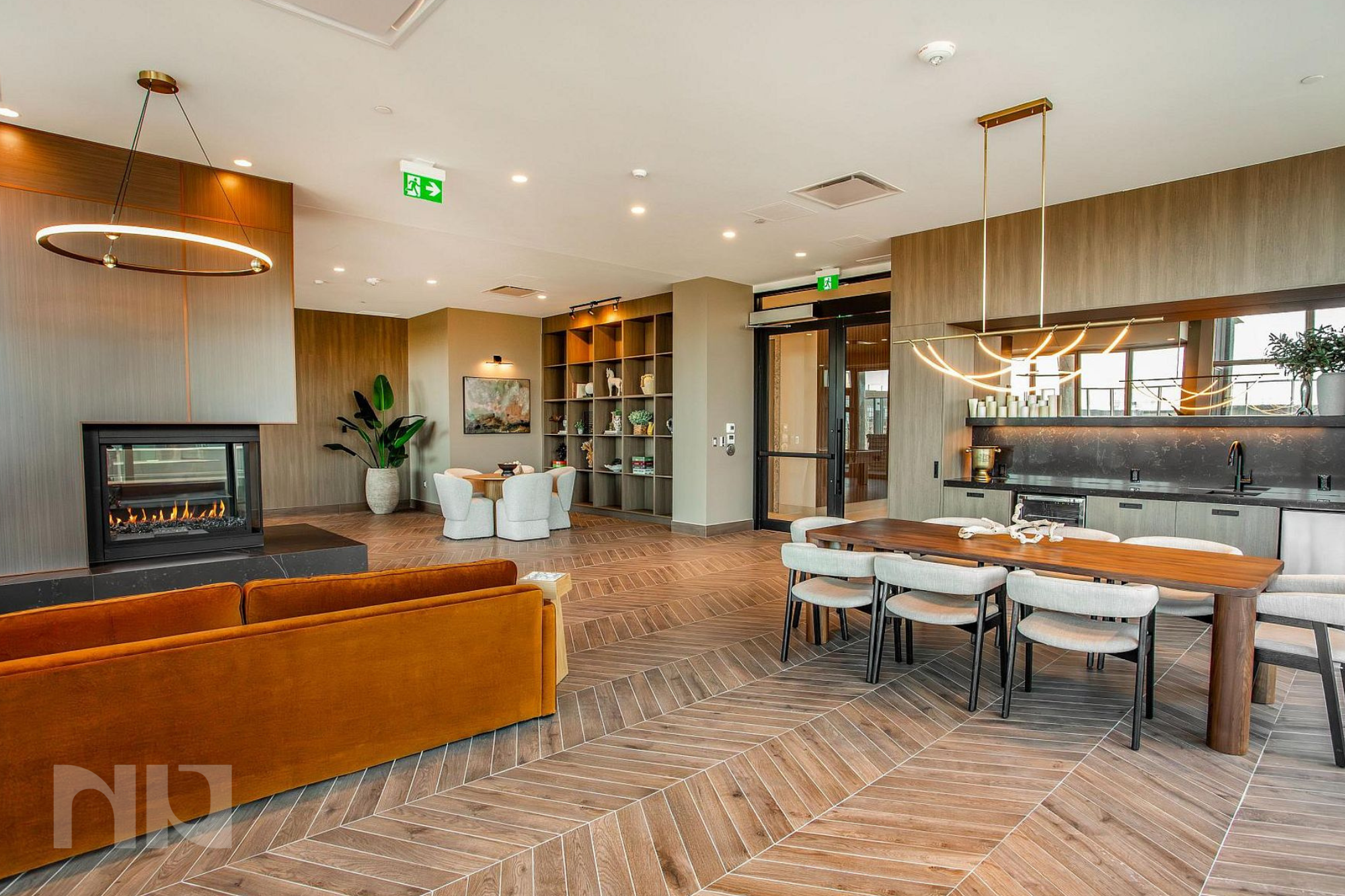
Large party rooms
Extensive landscaping
Concierge services
Can all contribute to higher operating costs over time.
Some buyers still prioritize those lifestyle features, while others are now weighing whether they’ll realistically use them enough to justify the ongoing expense.
That conversation has become much more common in recent years.
Condo Buyers Want Stability
Ultimately, many Ottawa condo buyers are looking for predictability.
They want to understand:
What their monthly costs may look like over time
Whether the building is financially prepared for future repairs
How responsibly the condo corporation is being managed
Whether ownership will feel sustainable long-term
That doesn’t mean buyers expect perfection. Every building will eventually require maintenance and investment.
But today’s condo buyers are doing more homework before committing, especially as ownership costs continue to matter more across the Ottawa market.
And increasingly, the strength of the building itself is becoming just as important as the unit inside it.