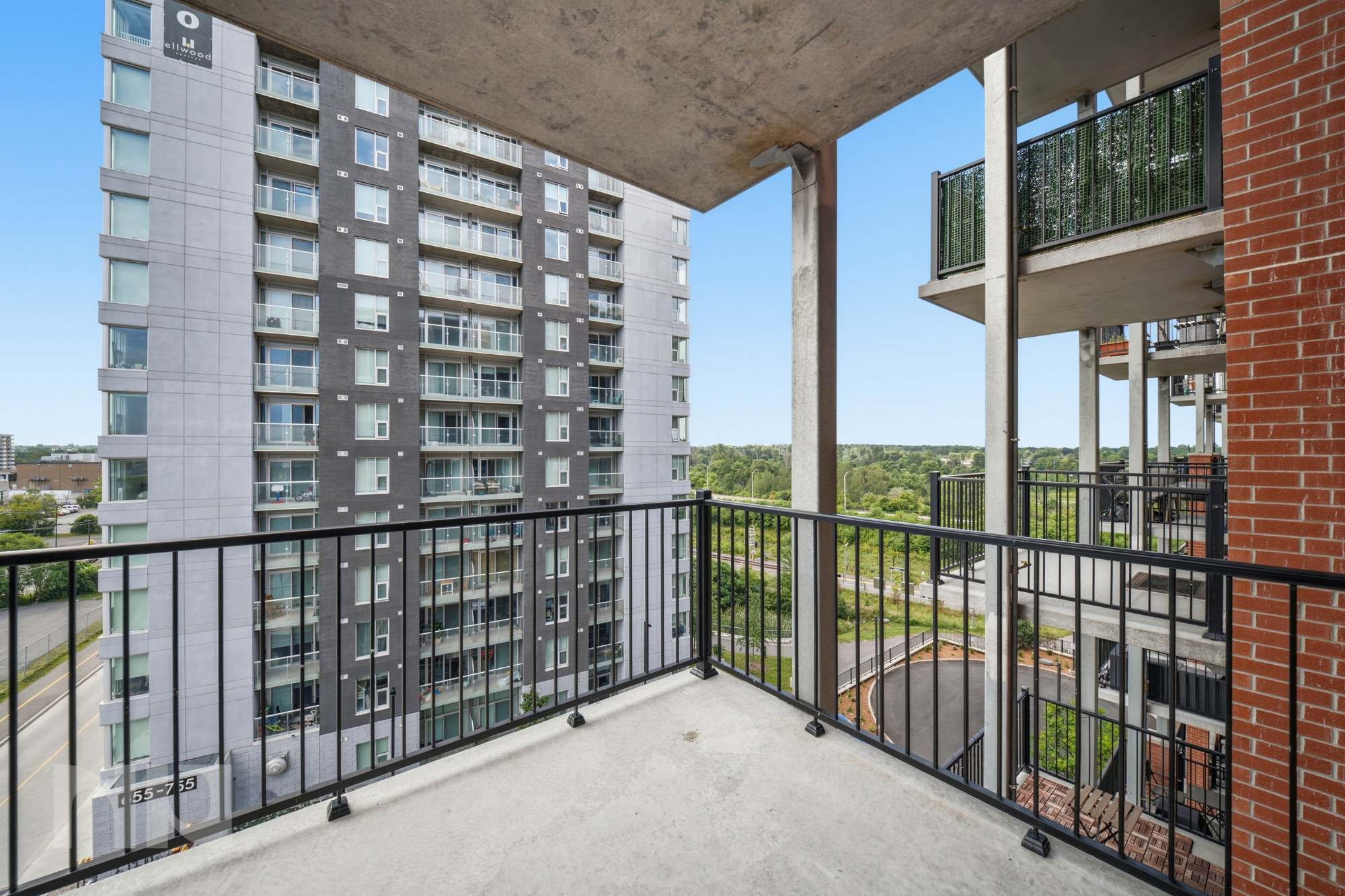

One of the biggest misconceptions among home buyers is that condo fees are simply "money you'll never see again."
In reality, condo fees pay for many of the expenses that freehold homeowners are responsible for covering on their own. The difference is that those costs are shared among all owners and collected monthly by the condominium corporation.
Understanding what condo fees cover can help buyers make better decisions when comparing condos to freehold homes.
What Are Condo Fees?
Condo fees, also known as condominium fees or maintenance fees, are monthly payments made by every unit owner in a condominium corporation.
These fees contribute to the operation, maintenance, and long-term upkeep of the building and its common elements.
The amount varies depending on factors such as the age of the building, amenities, services provided, and the size of the unit.
Common Expenses Included in Condo Fees
While every condominium corporation is different, condo fees often contribute to:
Building Maintenance
This can include:
Roof repairs and replacement
Exterior building maintenance
Window and door maintenance (where applicable)
Elevator servicing
Hallway maintenance
Parking garage upkeep
Landscaping
Snow Removal and Lawn Care
One of the benefits many condo owners appreciate is not having to worry about seasonal maintenance.
Condo fees often cover:
Snow clearing
Salting walkways
Lawn maintenance
Garden upkeep
Common area landscaping
Building Insurance
Condominium corporations carry insurance on the building itself and common elements.
It's important to note that owners still need their own condo insurance policy to cover personal belongings, liability, and certain improvements within their unit.
Utilities
Some buildings include utilities within condo fees, while others do not.
Depending on the property, condo fees may cover:
Water
Heat
Air conditioning
Natural gas
Building-wide internet services
Always review the status certificate and listing details to determine which utilities are included.
Amenities
Amenities can significantly influence condo fees.
Common examples include:
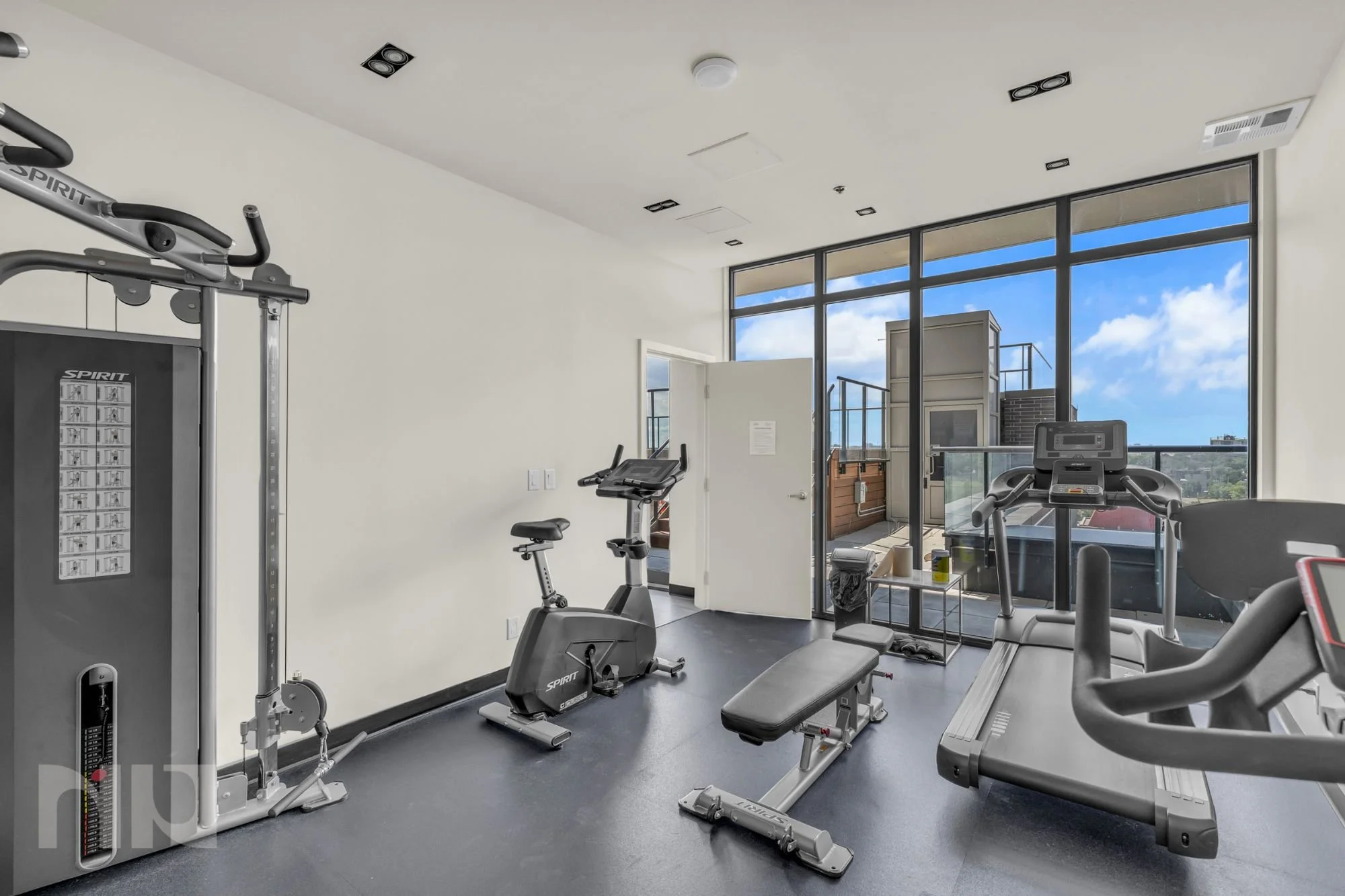
Fitness centres
Pools
Party rooms
Guest suites
Rooftop terraces
Concierge services
Security systems
While amenities can increase monthly fees, they may also eliminate the need for separate memberships or services.
What Is a Reserve Fund?
Part of every condo fee contributes to the condominium corporation's reserve fund.
Think of this as the building's long-term savings account.
Reserve funds are used for major future repairs and replacements such as:
Roof replacement
Garage repairs
Window replacement
Mechanical systems
Elevator modernization
A healthy reserve fund is one of the most important indicators of a well-managed condominium.
Are Higher Condo Fees Always Bad?
Not necessarily.
Many buyers focus exclusively on finding the lowest condo fees possible. However, low fees are not always a sign of a healthy building.
In some cases, fees may be artificially low and insufficient to fund future repairs. This can lead to special assessments or significant fee increases later.
Instead of looking only at the monthly amount, buyers should evaluate:
What services are included
The building's reserve fund
The corporation's financial health
The age and condition of the building
Recent and upcoming major repairs
A well-managed building with higher fees may provide better long-term value than a poorly managed building with lower fees.
What Condo Fees Do Not Cover
Many first-time condo buyers are surprised to learn that condo fees do not generally cover:
Mortgage payments
Property taxes
Personal condo insurance
Interior upgrades within your unit
Most appliance repairs
Hydro (in many buildings)
Always review the condominium documents carefully before purchasing.
The Bottom Line
Condo fees are not simply an extra monthly expense. They are a contribution toward maintaining the property, protecting the building, and funding future repairs.
When evaluating a condo, buyers should look beyond the dollar amount and focus on what they are receiving in return.
A condominium with strong financial management, a healthy reserve fund, and appropriate maintenance can provide convenience, predictability, and peace of mind for years to come.
If you're considering purchasing a condo in Ottawa, understanding the building's financial health is just as important as evaluating the unit itself.