
Two homes can have nearly identical square footage, similar finishes, and even the same postal code, yet perform very differently over time.
In Ottawa real estate, buyers often focus heavily on the house itself. But long-term value is frequently influenced just as much by the street, pocket, or micro-neighbourhood surrounding it.
And increasingly, buyers are paying closer attention to that distinction.
Not All Locations Appreciate Equally
People often talk about neighbourhoods as if they move uniformly.
But in reality, appreciation can vary dramatically from one section of a neighbourhood to another.
Sometimes the difference is obvious. Other times, it’s surprisingly subtle.
A home located:
One block closer to a main street
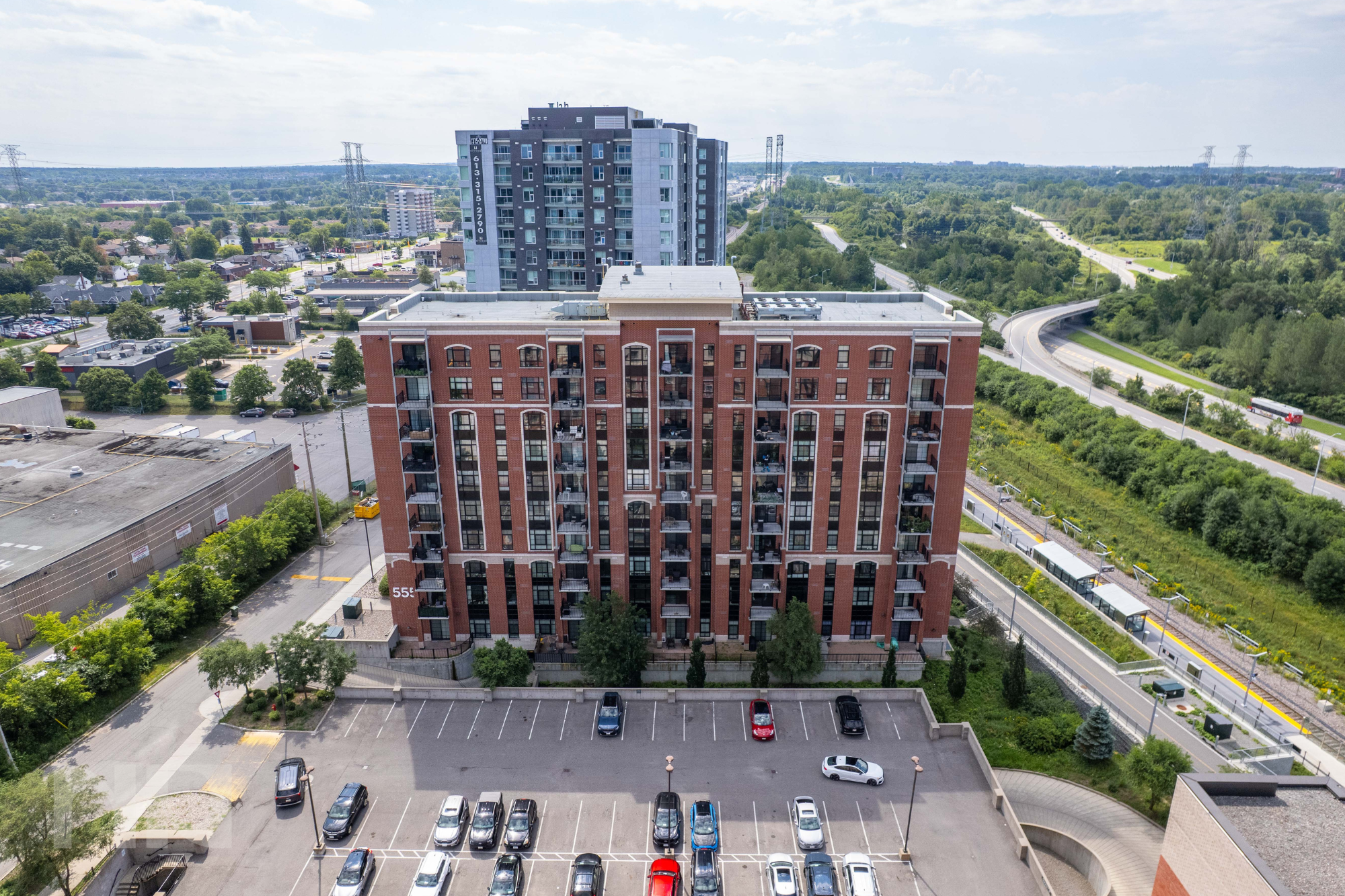
Near a future transit expansion
Within a stronger school boundary
On a quieter crescent
Closer to parks or walking paths
Farther from heavy traffic
Near better restaurants or cafés
Can experience very different buyer demand over time compared to a nearly identical home nearby.
Walkability Has Become a Major Driver of Demand
One of the biggest shifts in Ottawa over the last several years has been the growing importance of walkability.
Many buyers now prioritize being able to walk to:
Coffee shops
Restaurants
Grocery stores
Parks
Fitness studios
Schools
Transit
Everyday essentials
That’s one reason certain pockets of neighbourhoods like Hintonburg, Wellington West, Old Ottawa South, Westboro, and The Glebe continue seeing strong long-term demand.
Even buyers who still primarily drive often value having amenities nearby because it changes how a neighbourhood feels day-to-day.
Quiet Streets Tend to Hold Value Extremely Well
Across many parts of Ottawa, quieter residential streets consistently attract stronger long-term buyer interest.
Features buyers tend to value include:
Limited through-traffic
Mature trees
Larger setbacks
Minimal commercial noise
Safer environments for children and pets
Easier street parking
A more established feel
Interestingly, homes just one or two streets away from busy roads can sometimes feel completely different in person.
And buyers often notice that difference immediately during showings.
School Boundaries Matter More Than Many Buyers Expect
Even buyers without children often pay attention to school zones because they influence future resale demand.
Homes located within highly sought-after school boundaries frequently maintain stronger buyer interest over time, especially in family-oriented neighbourhoods.
That doesn’t necessarily mean buyers should purchase solely based on schools, but it does contribute to how certain pockets of Ottawa perform over the long term.
Transit and Infrastructure Quietly Shape Value
Infrastructure projects can dramatically affect how desirable an area becomes.
Things like:
LRT expansion
Improved highway access
Bike infrastructure
Pedestrian-friendly redevelopment
New retail corridors
Revitalized public spaces
Can all increase buyer interest over time.
In some cases, buyers intentionally target neighbourhoods before major infrastructure improvements are fully reflected in pricing.
“Feel” Is More Important Than People Realize
One of the hardest things to quantify in real estate is the overall feel of a street.
Some streets simply feel:
More peaceful
More connected
Better maintained
More community-oriented
More architecturally cohesive
More inviting to walk through
Buyers respond emotionally to those details, even when they can’t fully explain why.
Things like mature trees, porch culture, consistent home upkeep, and lower traffic volumes often contribute to that feeling subconsciously.
Commercial Growth Can Help or Hurt
New restaurants, cafés, shops, and mixed-use developments can increase demand in certain areas by improving convenience and lifestyle appeal.
But overdevelopment can sometimes create:
Traffic congestion
Parking challenges
Noise
Reduced privacy
Increased density without supporting infrastructure
That’s why some streets within rapidly growing neighbourhoods outperform others. Buyers often want access to amenities without feeling overwhelmed by them.
Buyers Are Thinking More Long-Term About Location
One noticeable shift in Ottawa’s market is that buyers are becoming more strategic about where they buy, not just what they buy.
People are paying closer attention to:
Long-term neighbourhood growth
Infrastructure investment
Future redevelopment
Community feel
Lifestyle convenience
Historical demand patterns
Because over time, the street itself often becomes one of the most important factors affecting both resale value and day-to-day enjoyment.
And in many cases, buyers eventually realize that while kitchens and finishes can be renovated, location is the one thing that can’t really be changed.