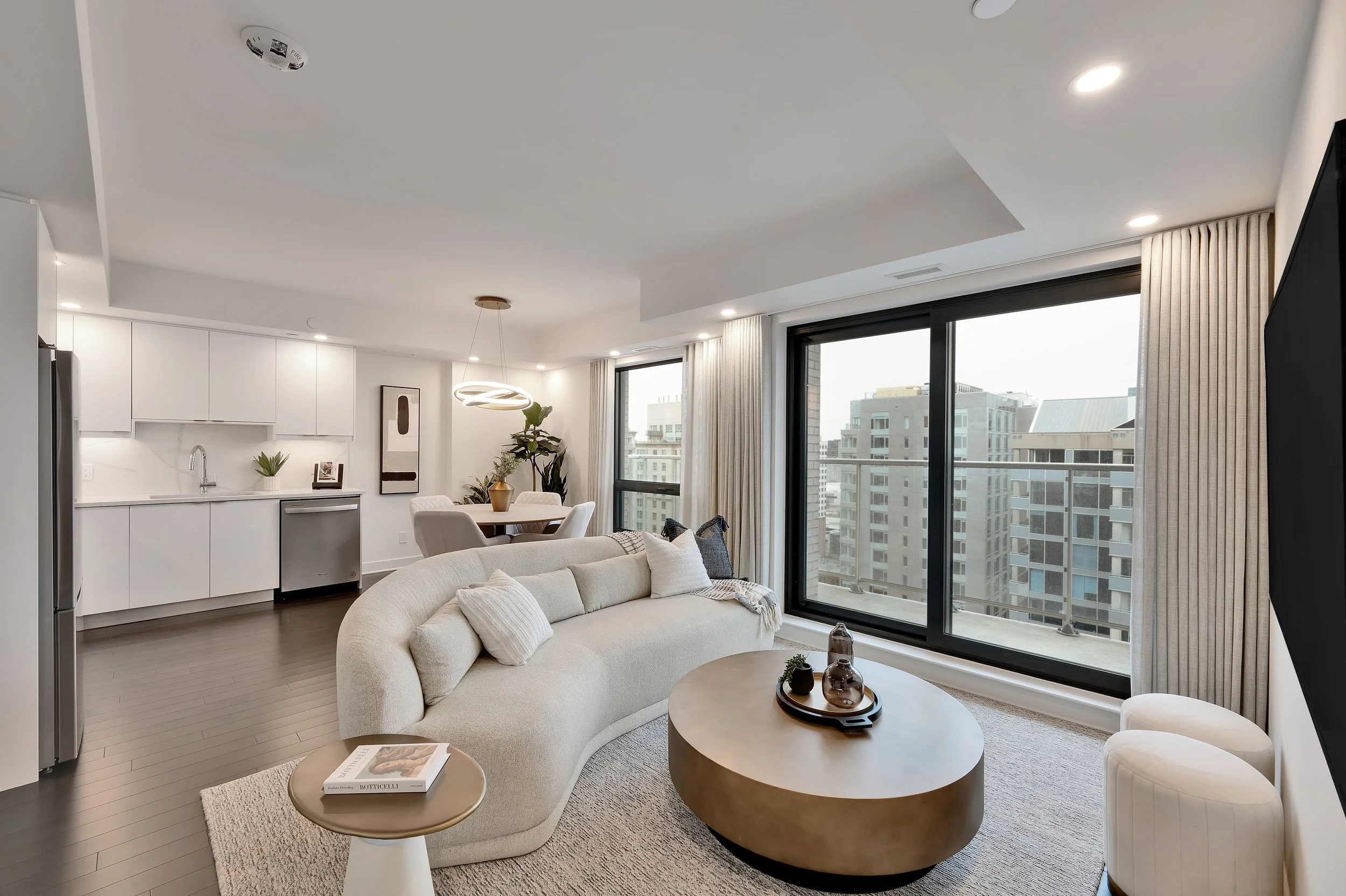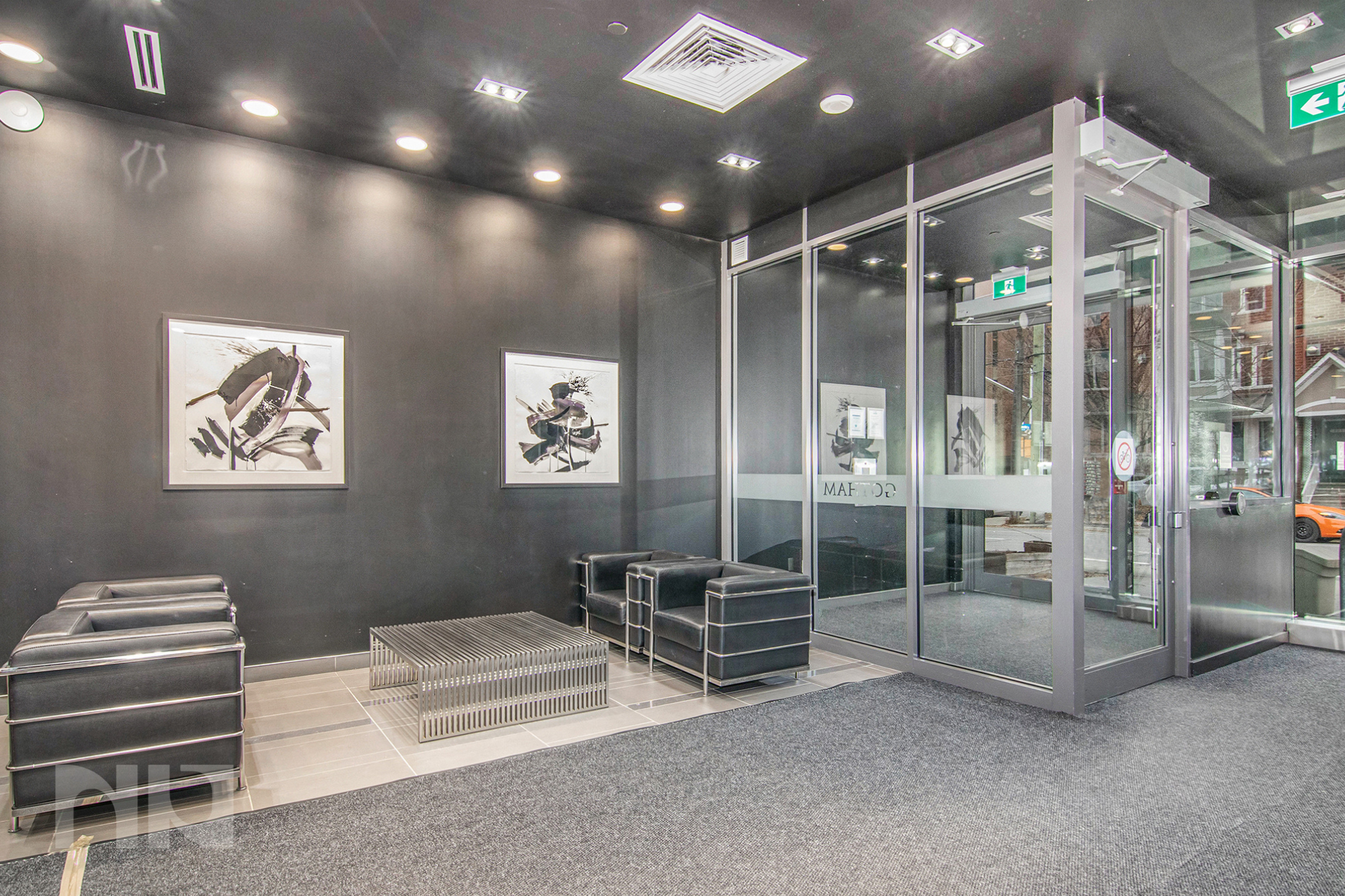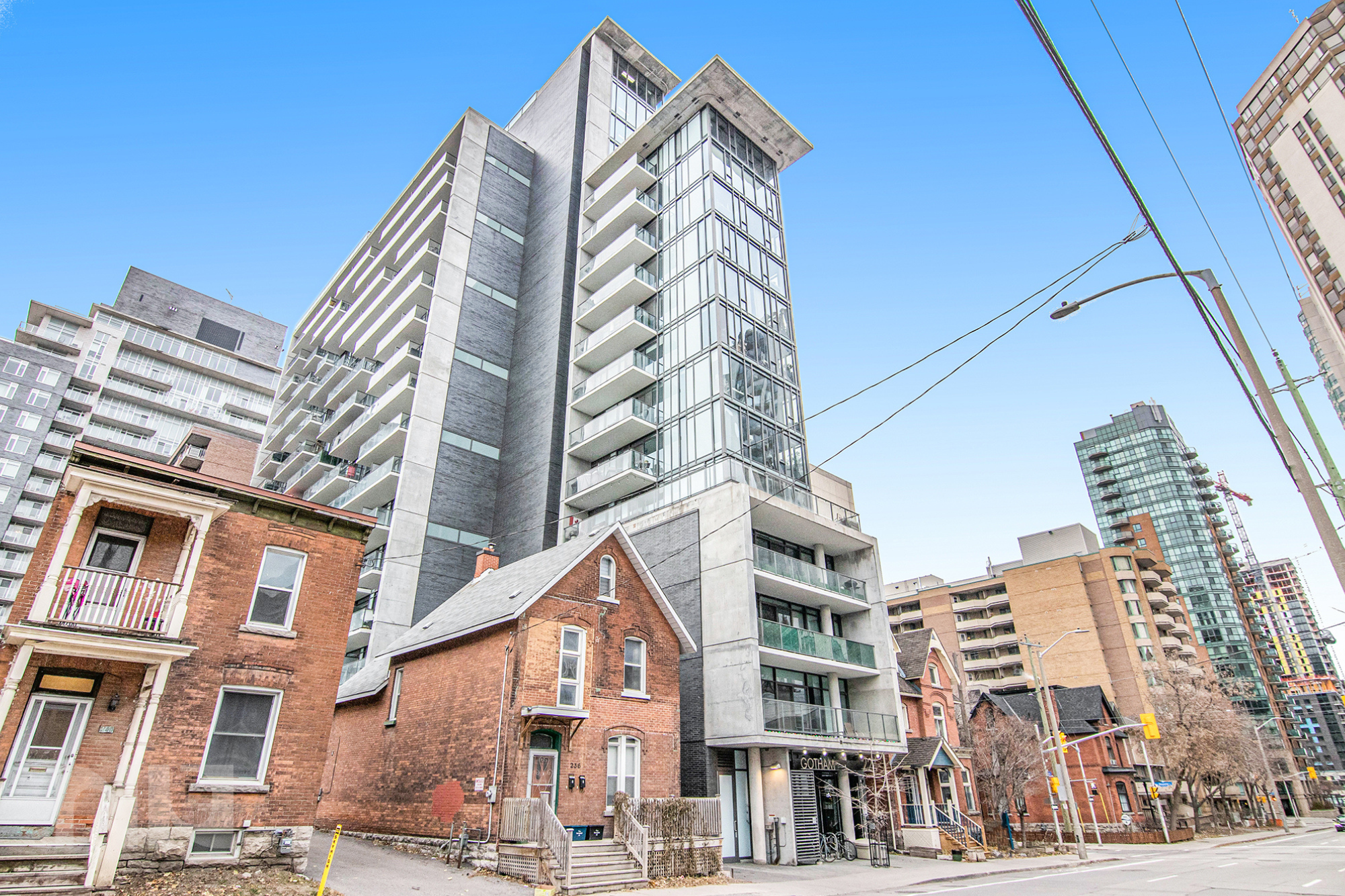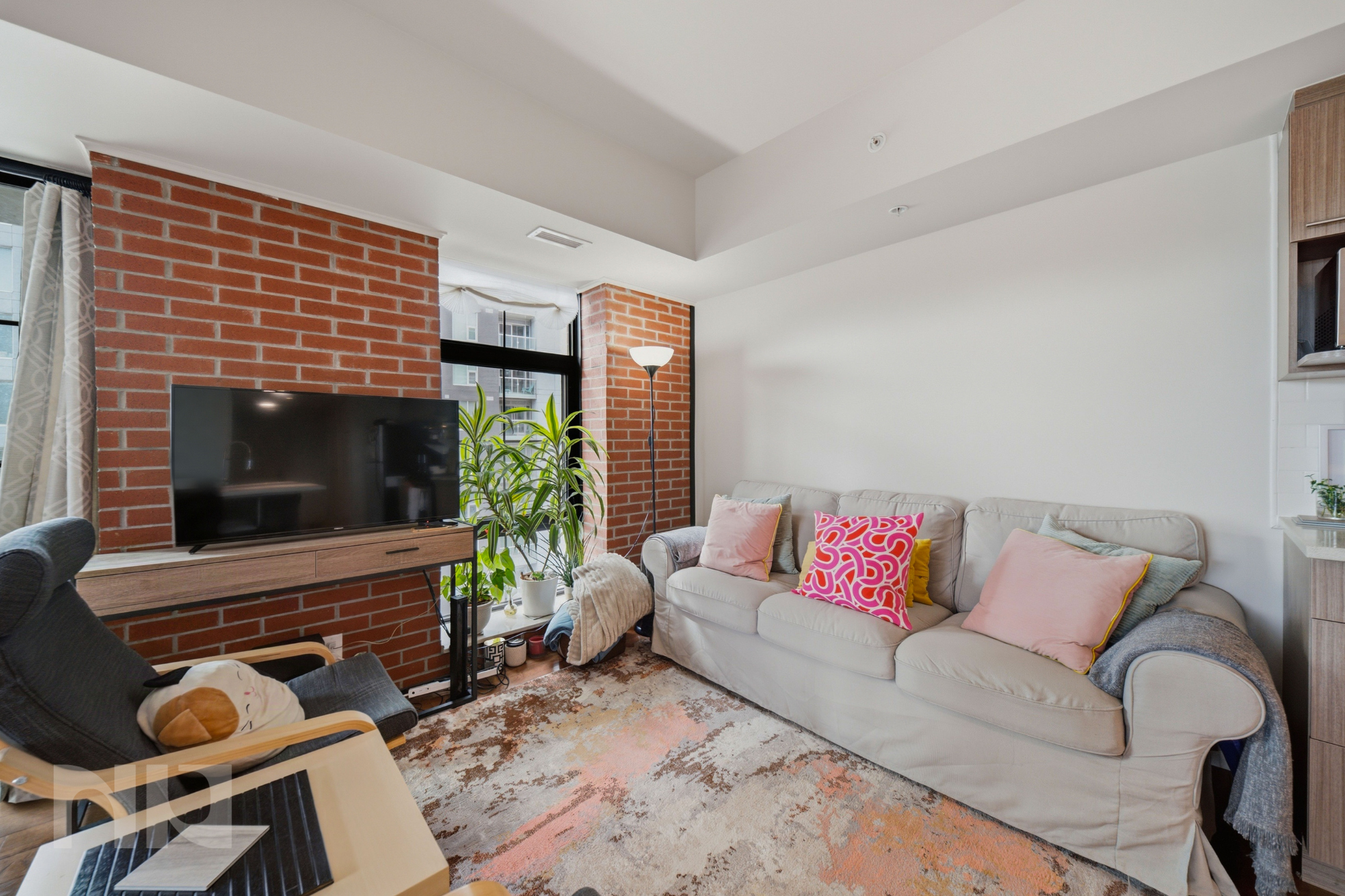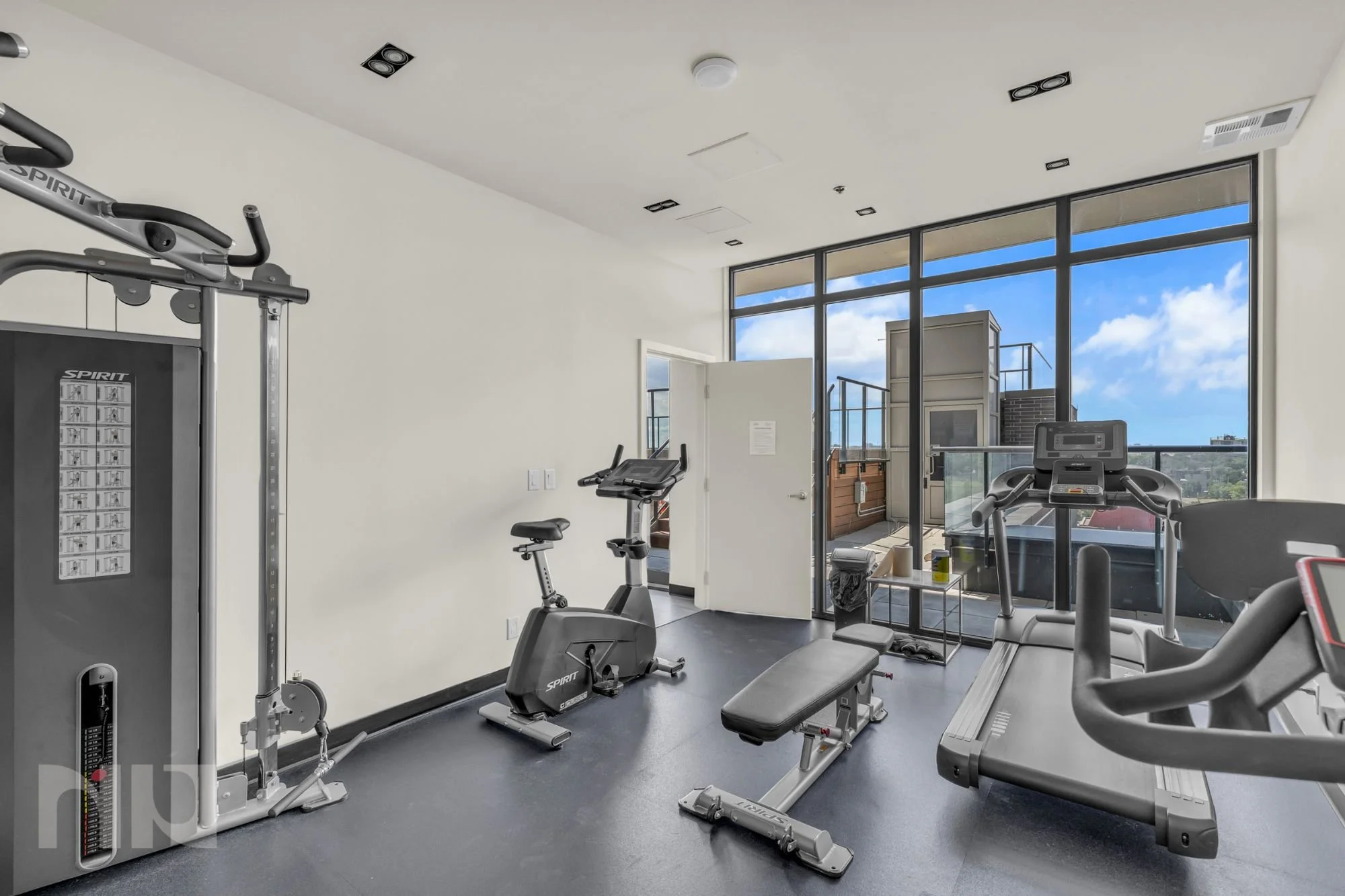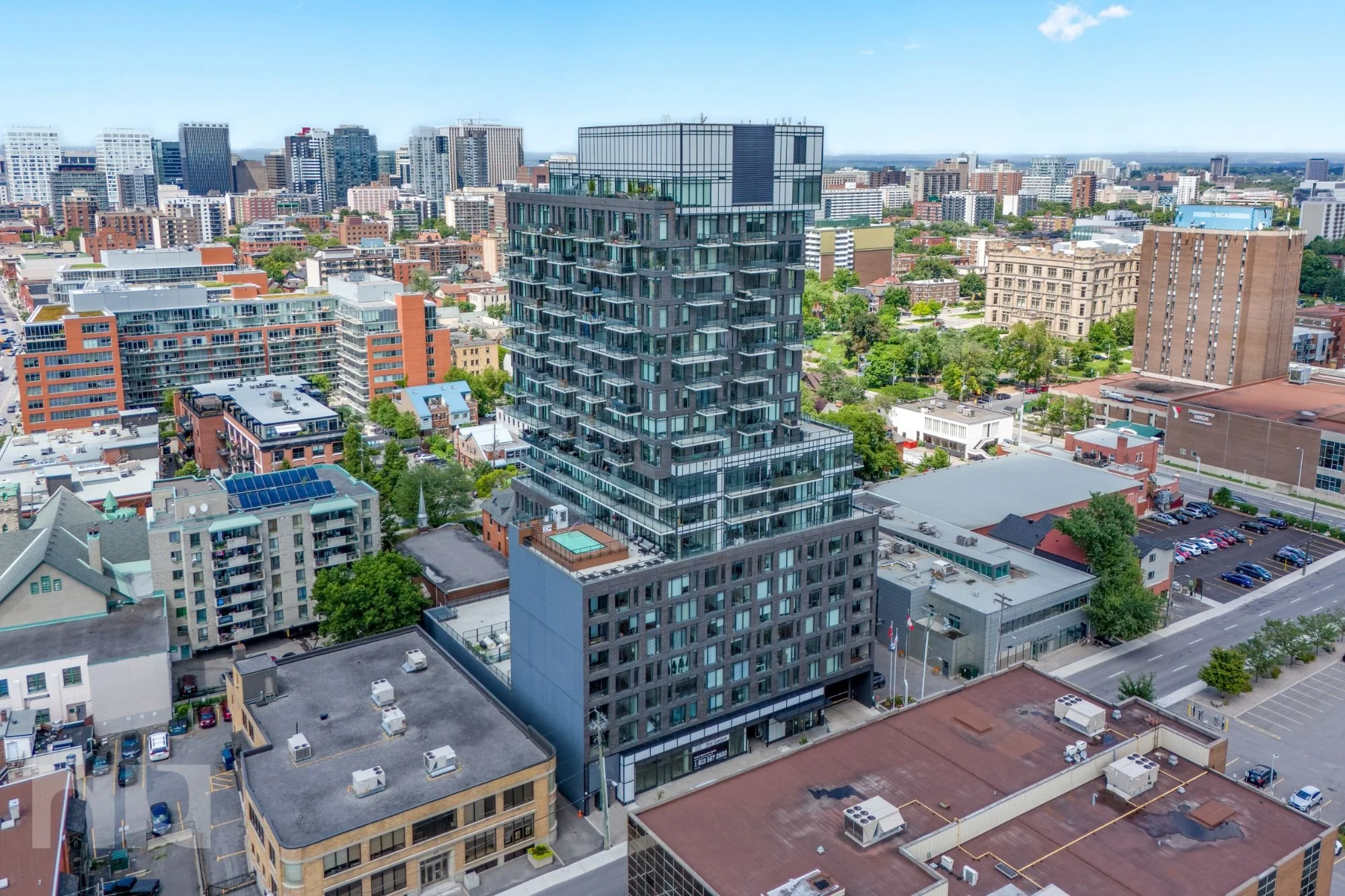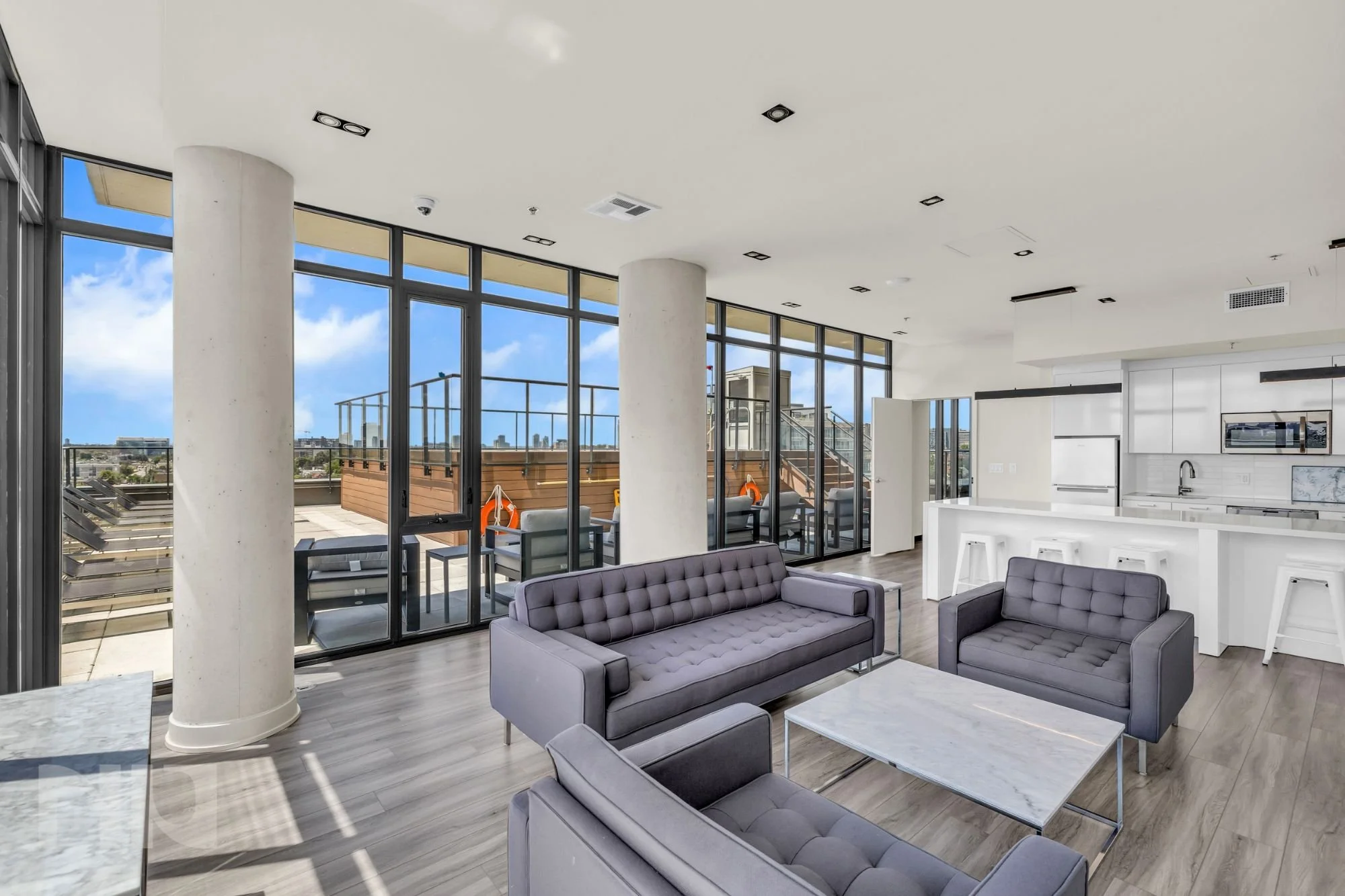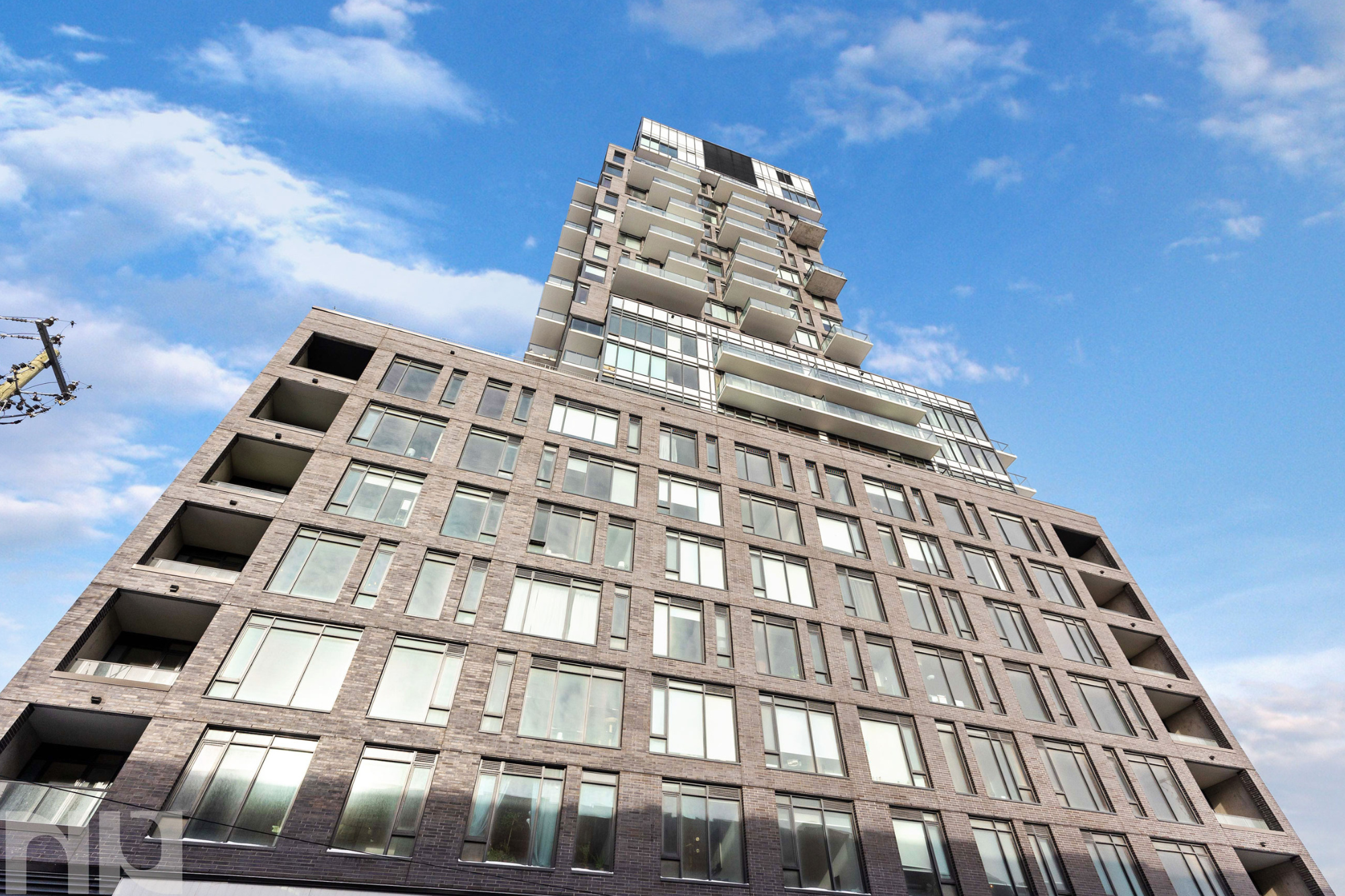
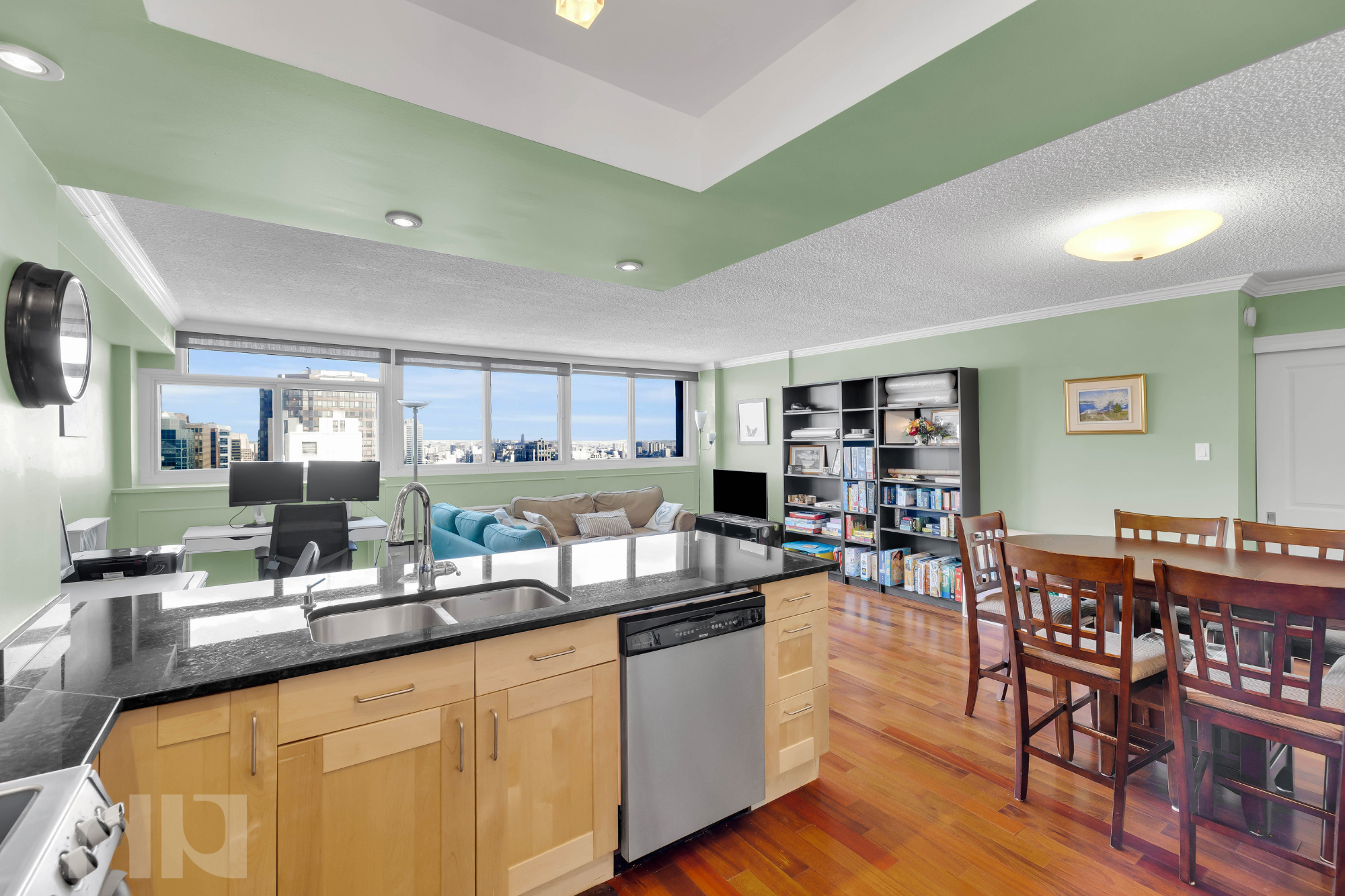
Some homes just feel better the second you walk in.
They don’t always have higher-end finishes. They’re not always bigger. And they’re not always priced higher.
But they feel more expensive.
That’s not an accident.
There are specific features, layouts, and details that change how a home is perceived, even if most buyers can’t immediately explain why.
If you’re buying, this helps you spot value.
If you’re selling, this is what actually makes your home stand out.
1. Natural Light (And Where It Comes From)
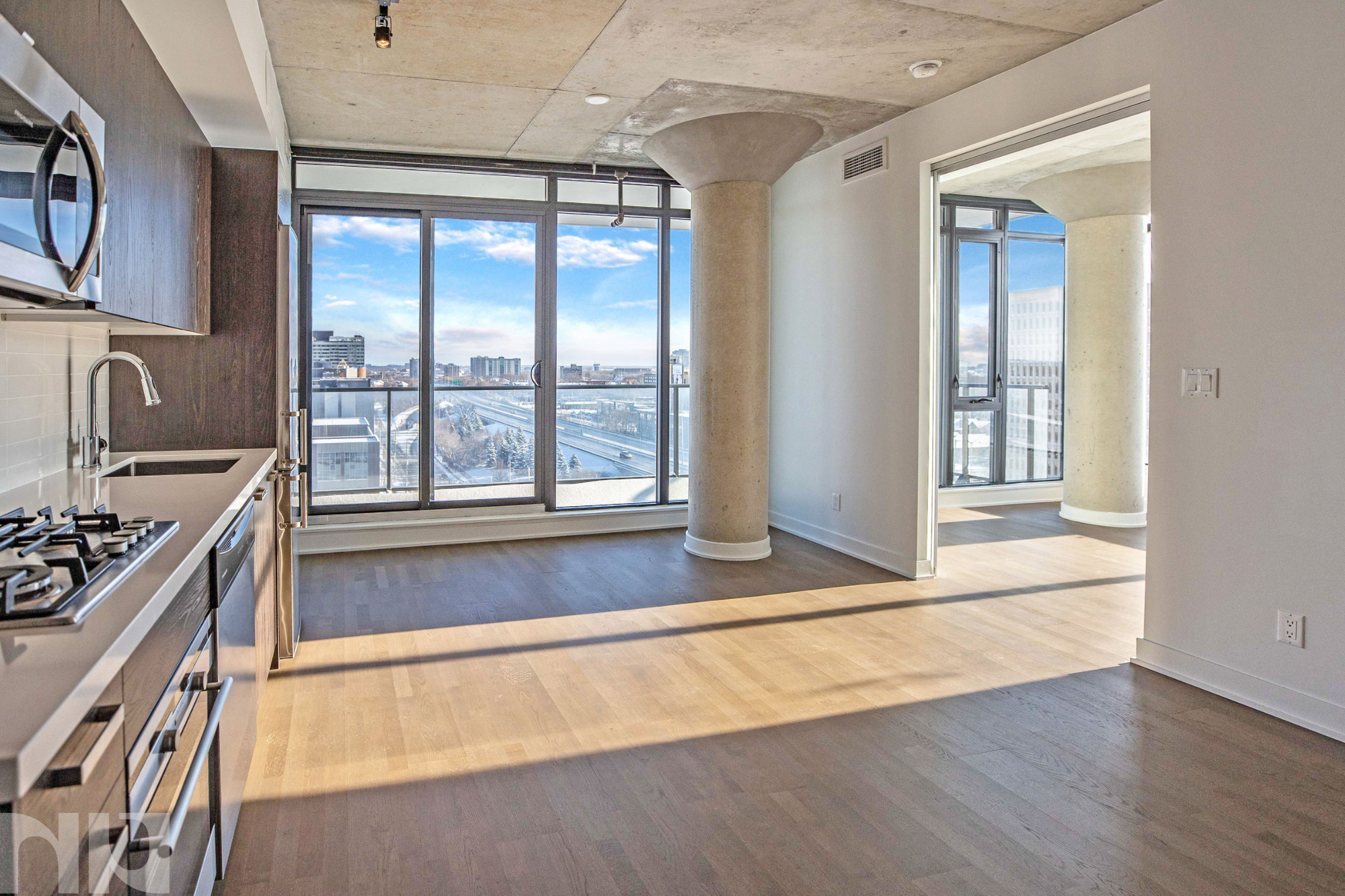
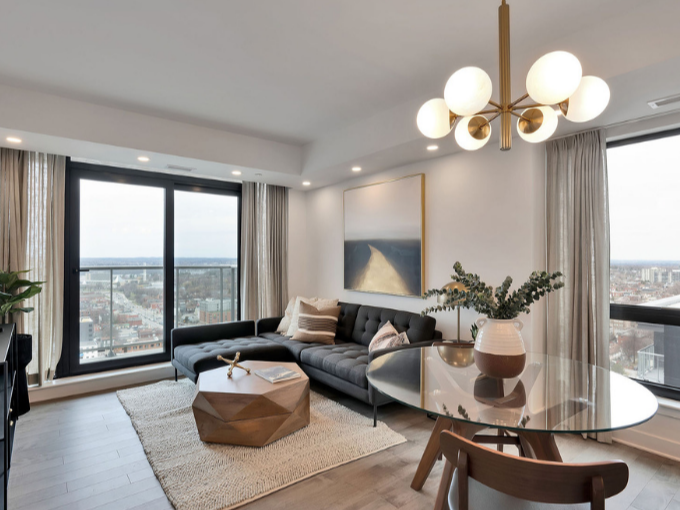
It’s not just about having big windows.
It’s about:
Direction (south and west-facing light tends to feel warmer and brighter)
Consistency (light throughout the day, not just in one room)
Flow (light reaching multiple areas of the home)
Two homes with the same square footage can feel completely different depending on how light moves through the space.
This is one of the biggest factors in perceived value.
2. Ceiling Height and Vertical Space
Higher ceilings don’t just add space, they change how a room feels.
Even an extra foot can:
Make rooms feel larger
Improve natural light distribution
Create a more open atmosphere
This is why some newer builds or certain neighbourhoods feel more “elevated” even if the finishes are similar.
3. Layout Over Square Footage
A well-designed 1,400 sq ft home will often feel better than a poorly laid out 1,800 sq ft one.
Buyers respond to:
Clear sightlines (seeing multiple rooms at once)
Minimal wasted space (less hallway, more usable area)
Logical flow between kitchen, living, and dining
This is where a lot of value is either created or lost.
4. Consistency in Finishes
It’s not about having the most expensive materials.
It’s about cohesion.
Homes feel more polished when:
Flooring is consistent throughout
Colours are neutral and aligned
Fixtures match in tone and style
A mix of outdated and updated finishes can make a home feel less put together, even if individual elements are high quality.
5. Storage That’s Actually Usable
Buyers notice storage, but more importantly, they notice how usable it is.
Walk-in closets, pantry space, and organized storage areas:
Reduce visual clutter
Make the home feel more functional
Add long-term livability
This is one of the most underrated drivers of perceived value.
6. Quiet Details Most People Don’t Think About
There are small things that subtly influence how a home feels:
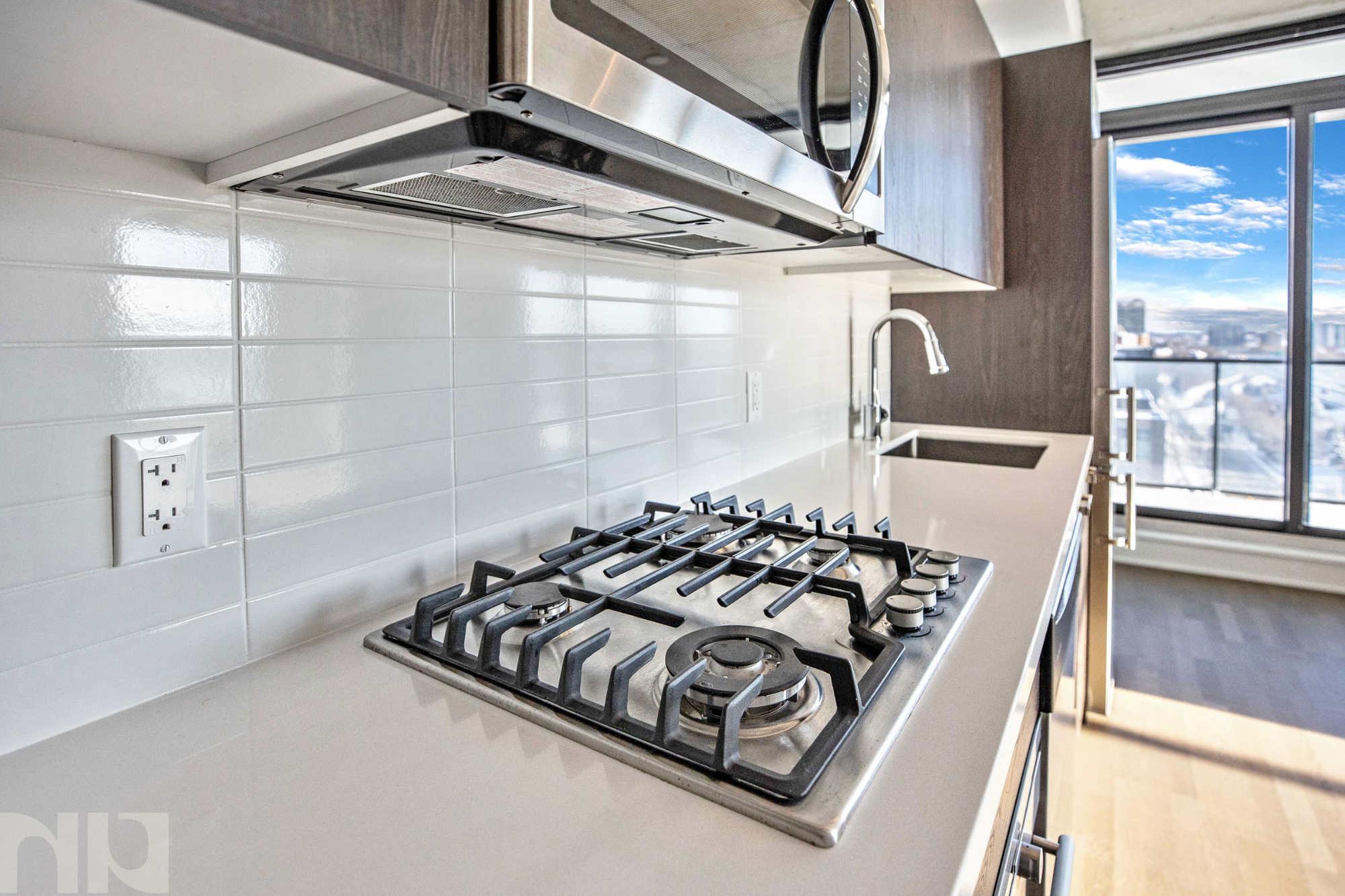
Soft-close cabinets
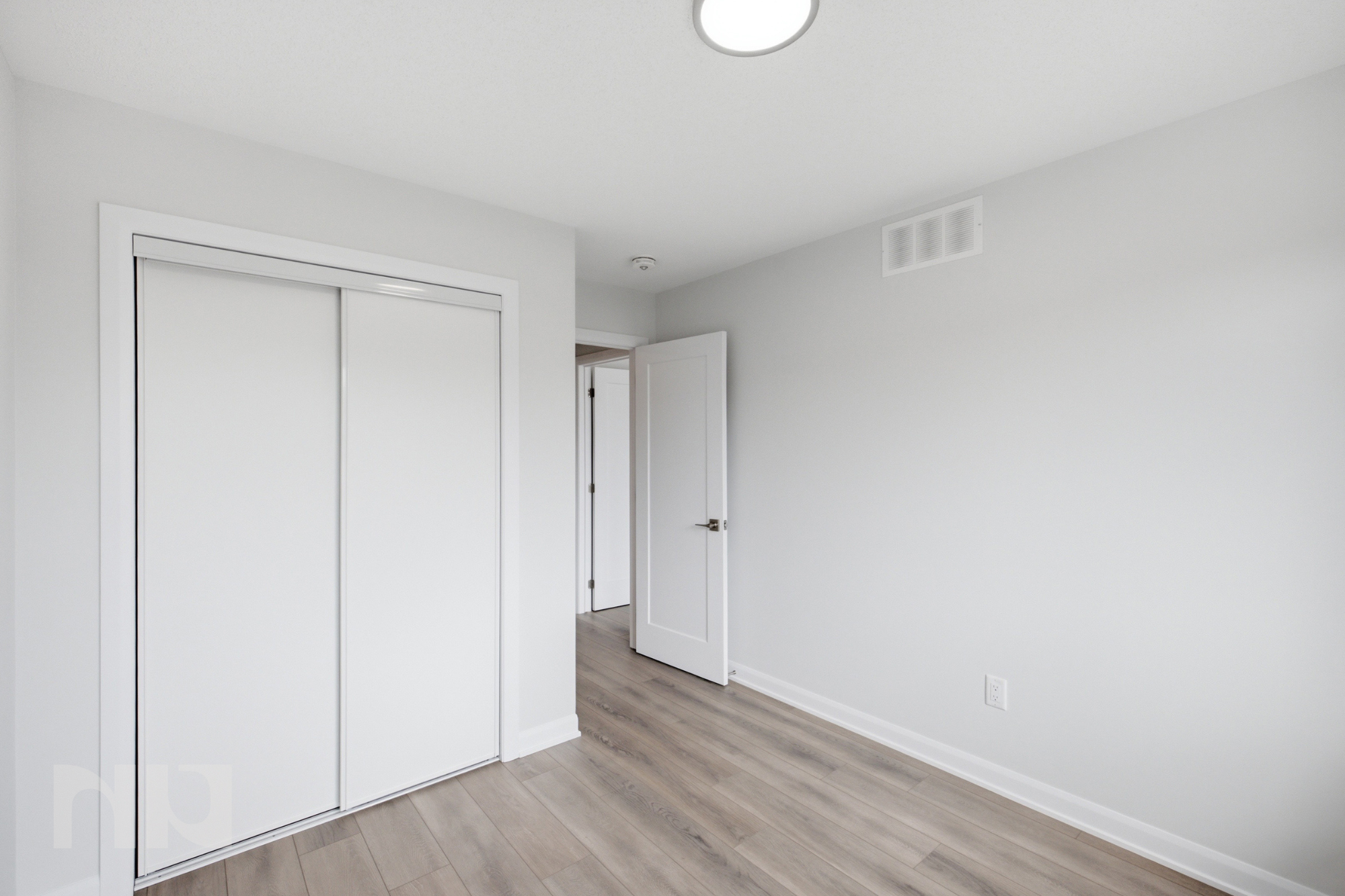
Solid interior doors
Clean baseboards and trim
Updated hardware
Individually, they’re minor.
Together, they create a noticeably more finished product.
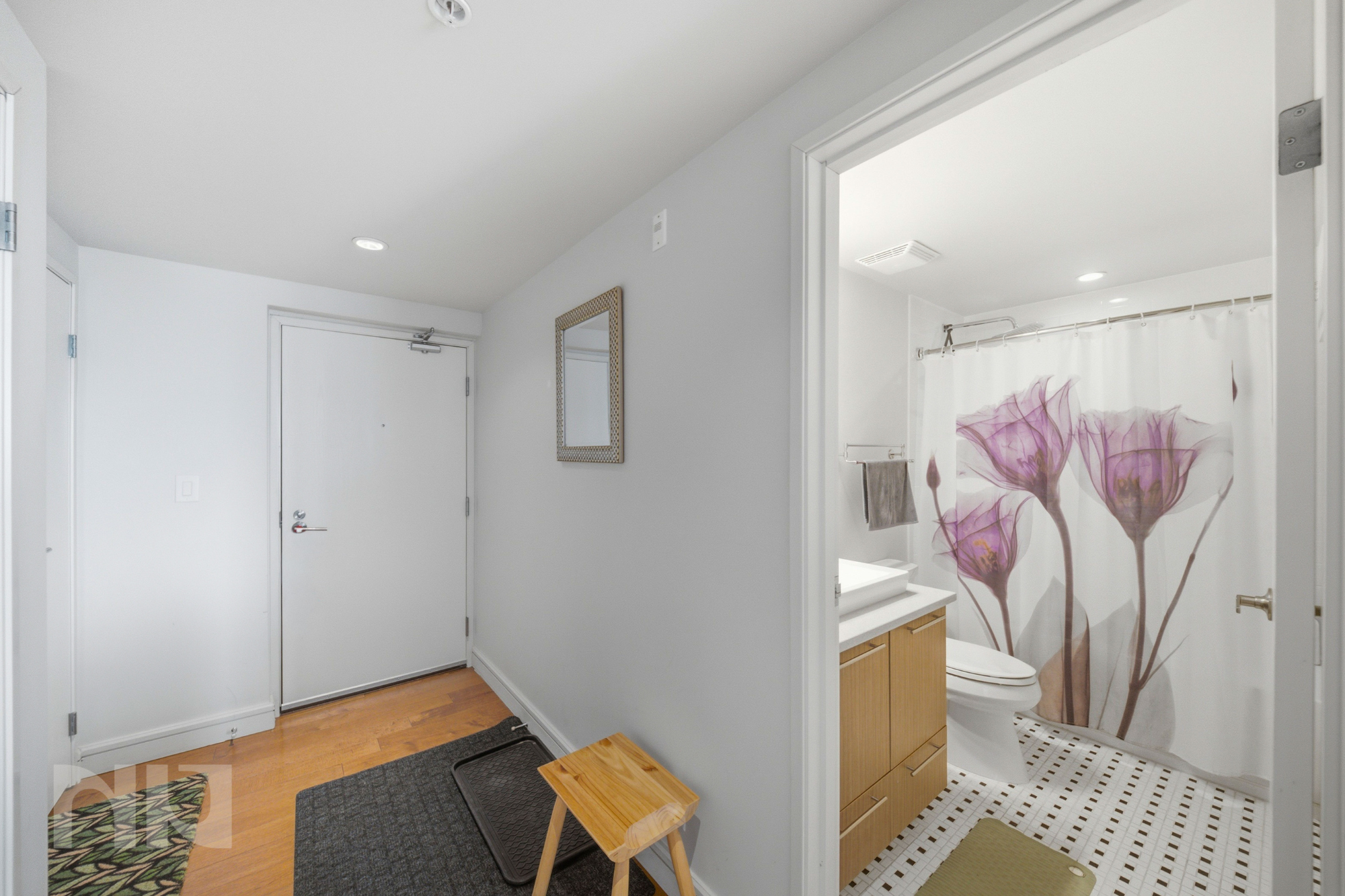
7. The Entry Experience
First impressions aren’t just about curb appeal.
Inside the home, the entry matters just as much.
A good entry:
Has space to step in comfortably
Doesn’t immediately feel cramped
Gives a clear view into the home
If the entry feels tight or awkward, it can impact how the entire home is perceived.
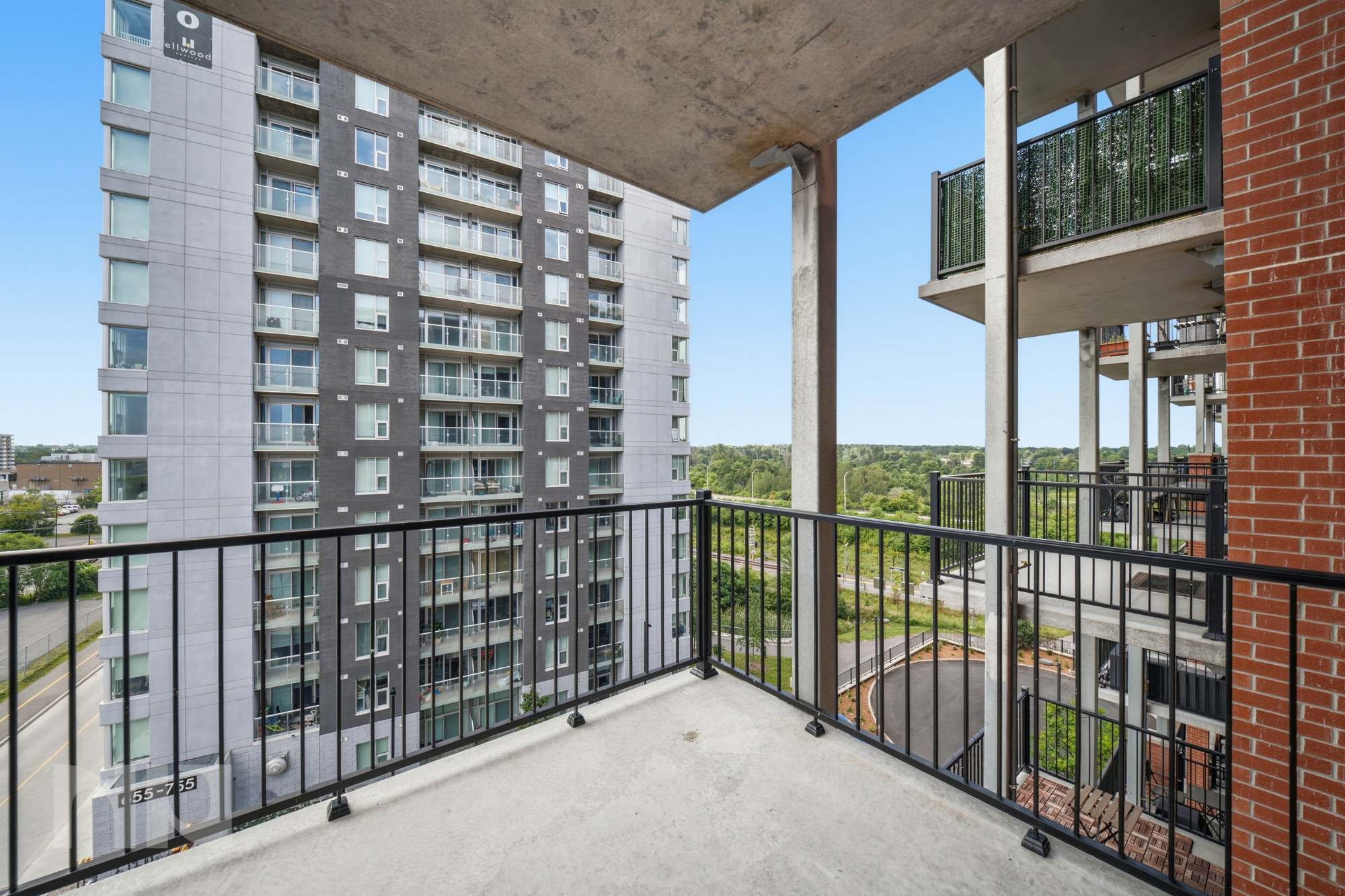
8. Connection to the Outside
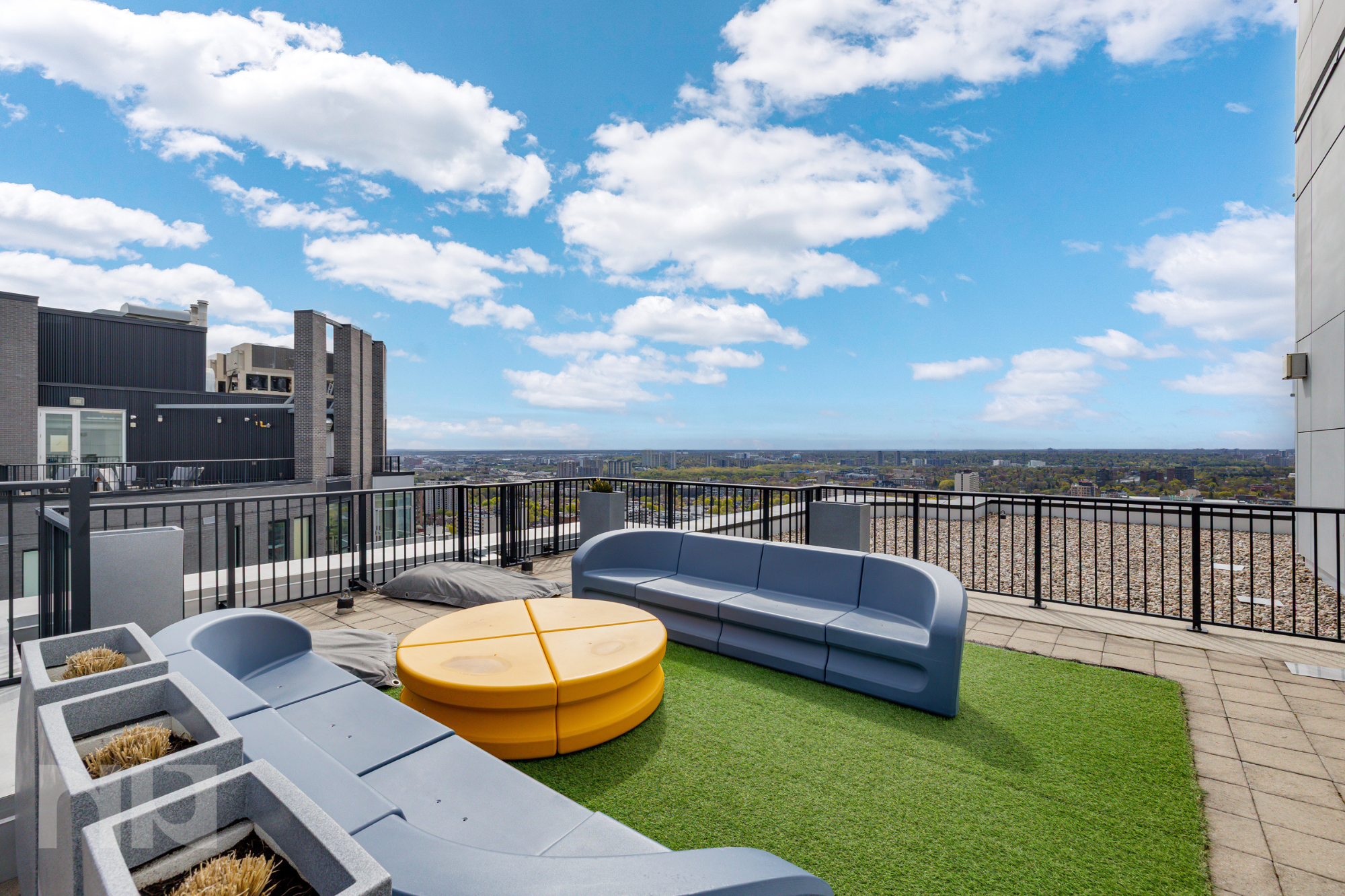
Homes feel more expensive when they connect well to outdoor space.
This could be:
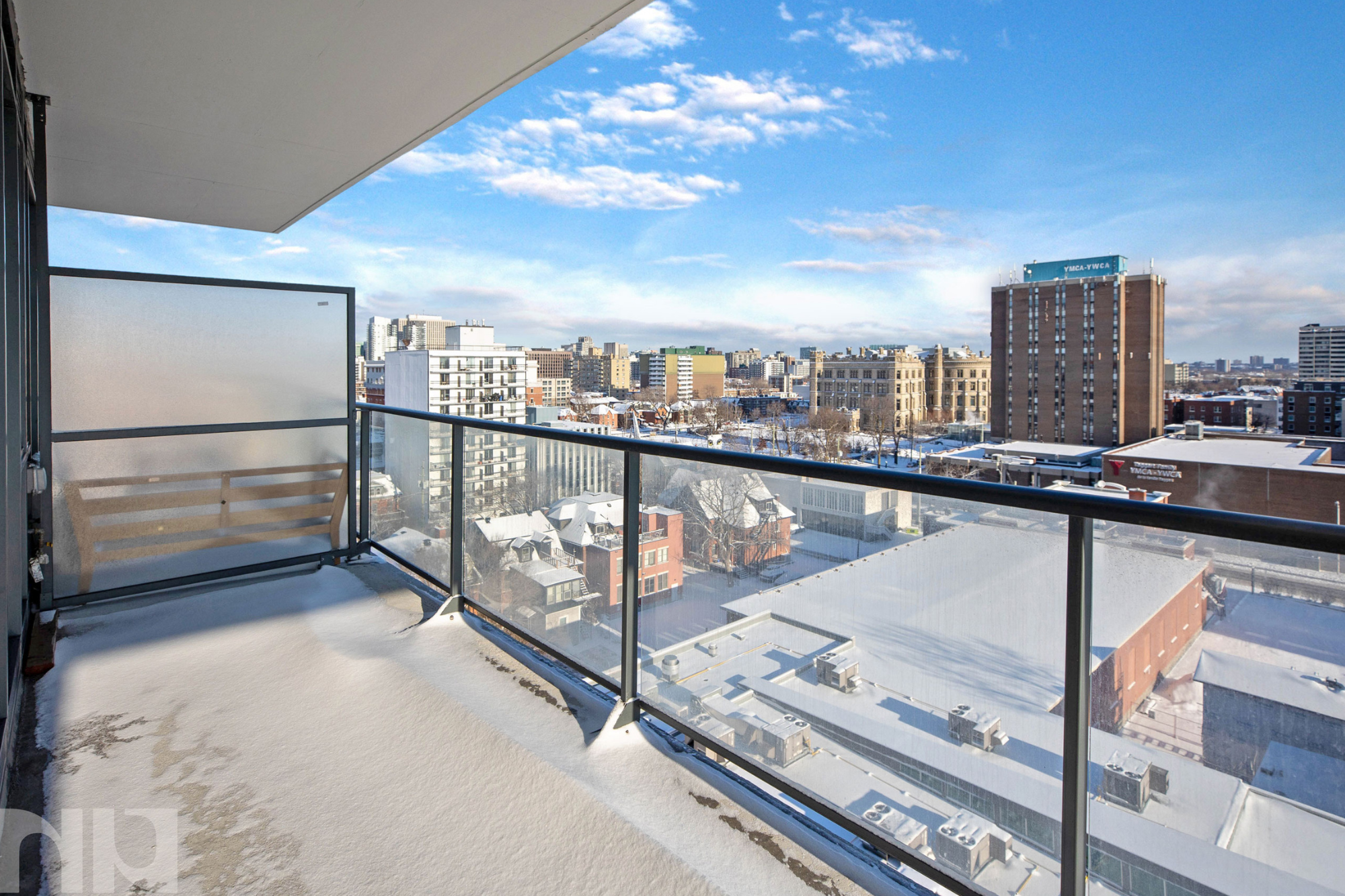
A well-positioned patio or balcony
Large sliding doors
Views of greenery instead of another wall
Even small outdoor spaces can elevate the overall feel if they’re integrated properly.
Why This Matters in Ottawa’s Market
In Ottawa, buyers are often comparing homes that are:
Similar in price
Similar in size
Similar in location
What separates them isn’t always obvious on paper.
It’s how the home feels in person.
And these “invisible” features are usually the reason one home sells faster or for more than another.
For Buyers
If you focus only on finishes, you can miss better long-term value.
Pay attention to:
Light
Layout
Flow
Those are harder and more expensive to change later.
For Sellers
Before listing, small adjustments can make a big difference:
Declutter to improve flow
Standardize lighting (same temperature bulbs throughout)
Keep finishes cohesive where possible
At New Purveyors, this is exactly the kind of detail we look at when preparing a home for market.
Because how a home feels is often what drives the final result.
The Bottom Line
Expensive doesn’t always mean better.
And better doesn’t always mean more expensive.
The homes that stand out are the ones that get these details right, whether intentionally or not.
Understanding that difference is where smarter buying and selling decisions come from.