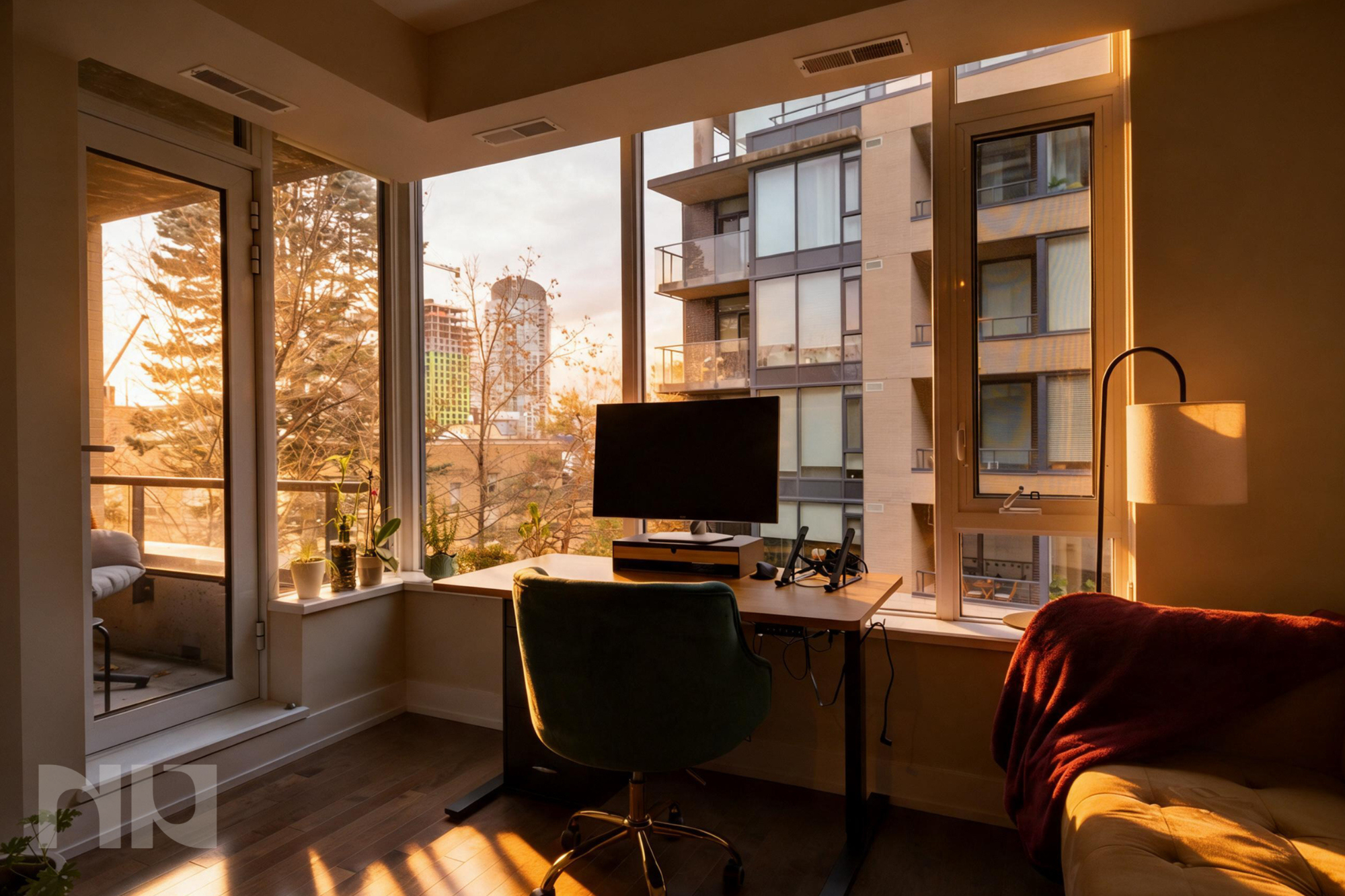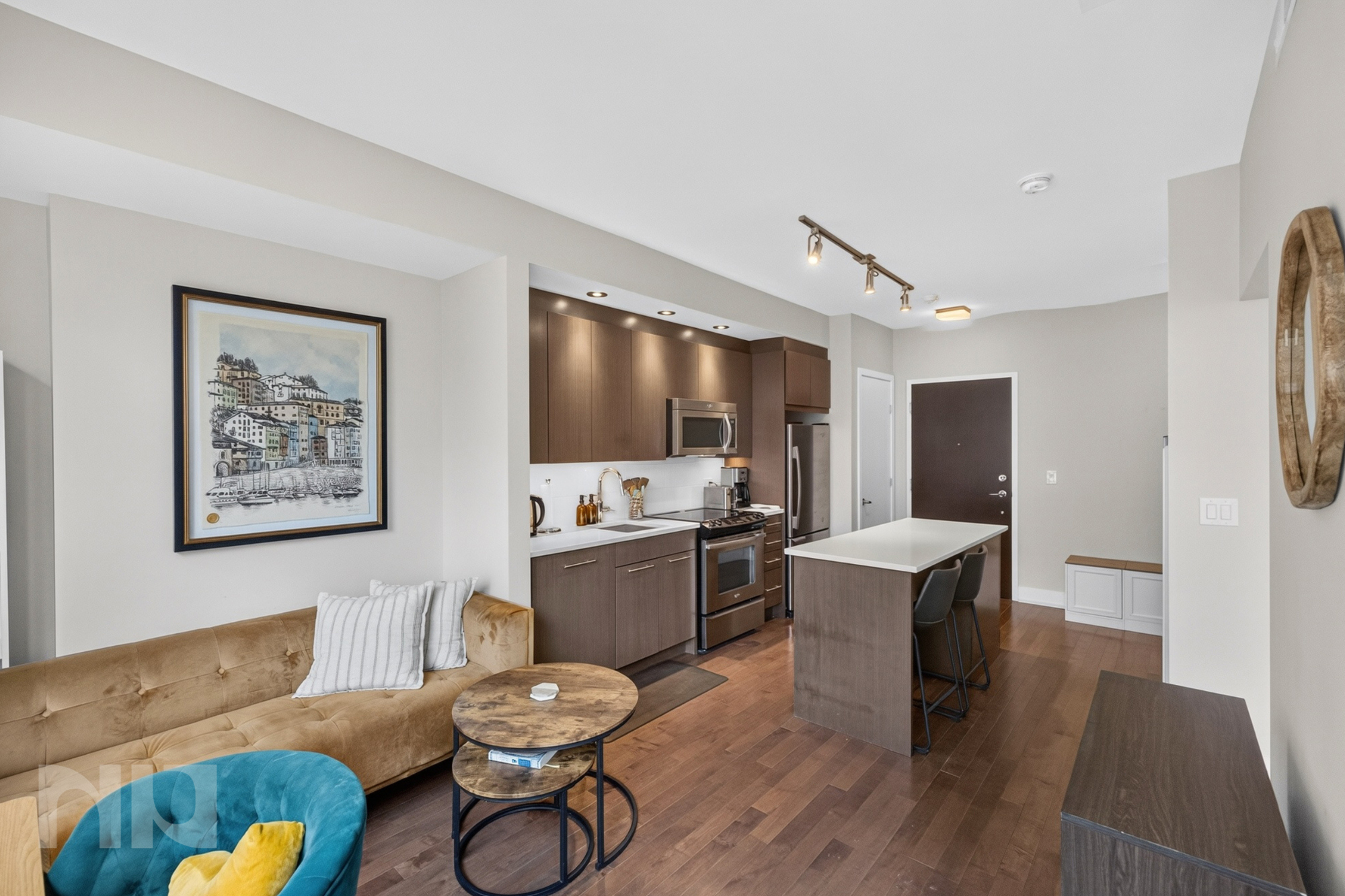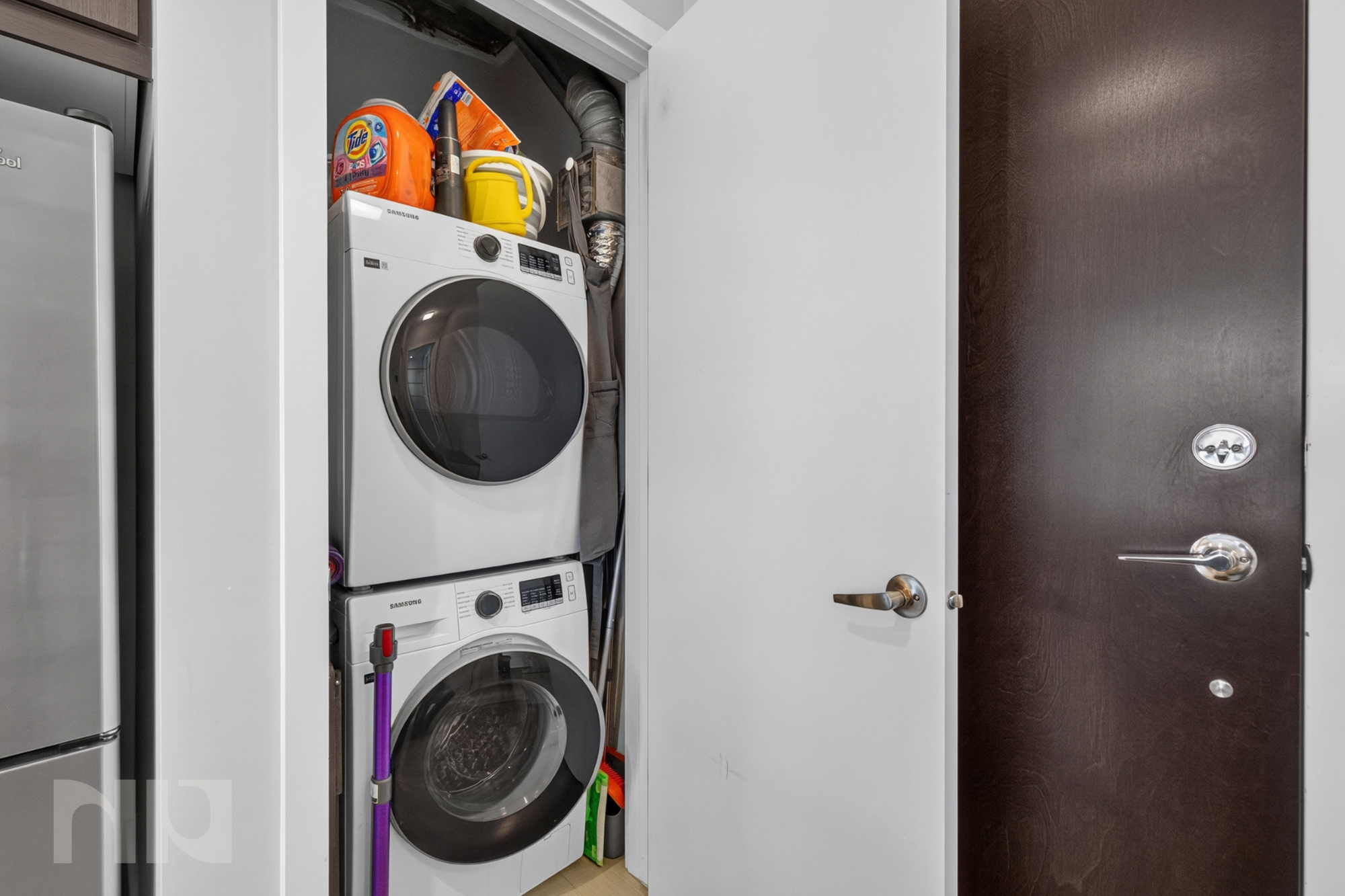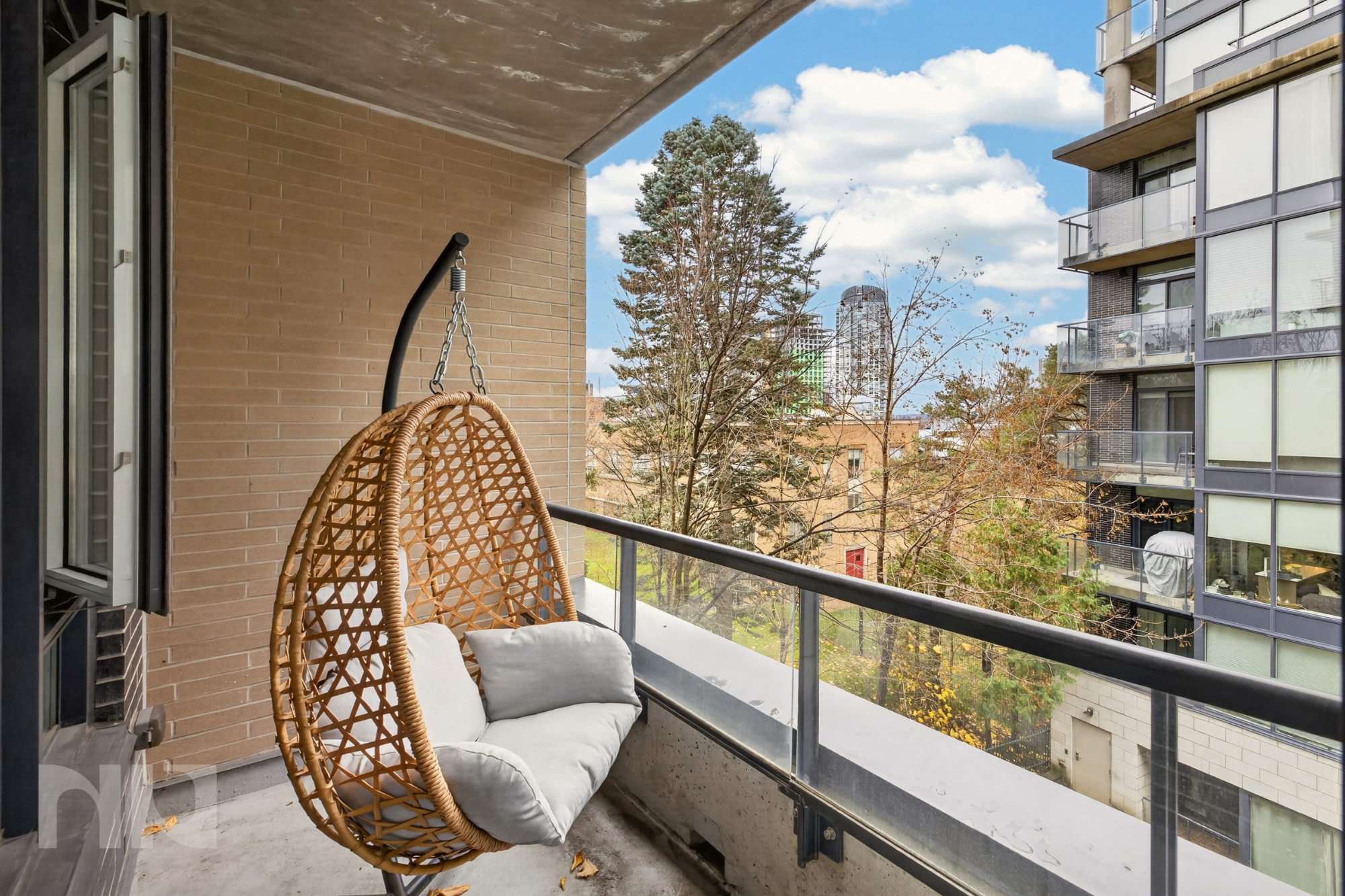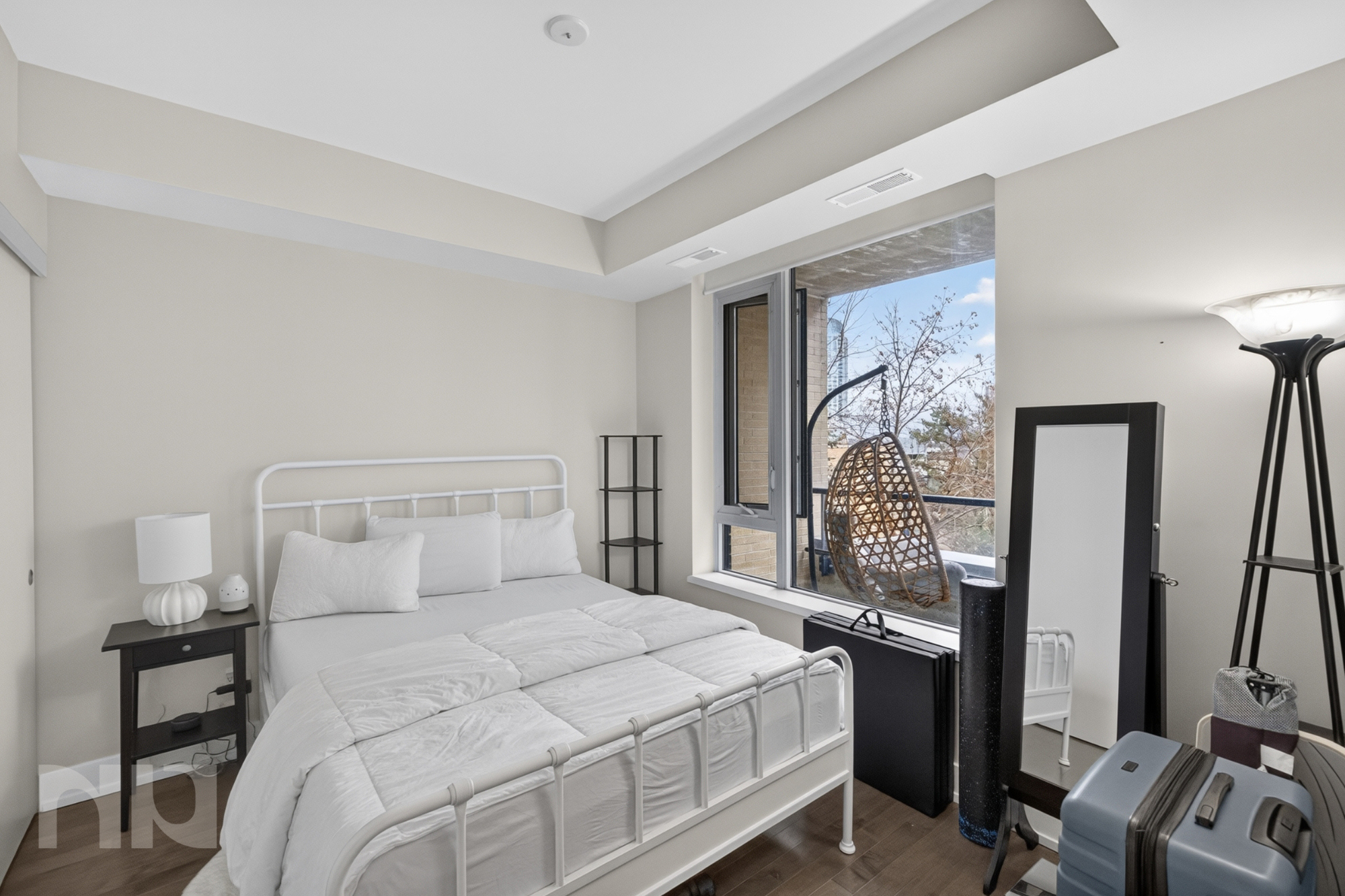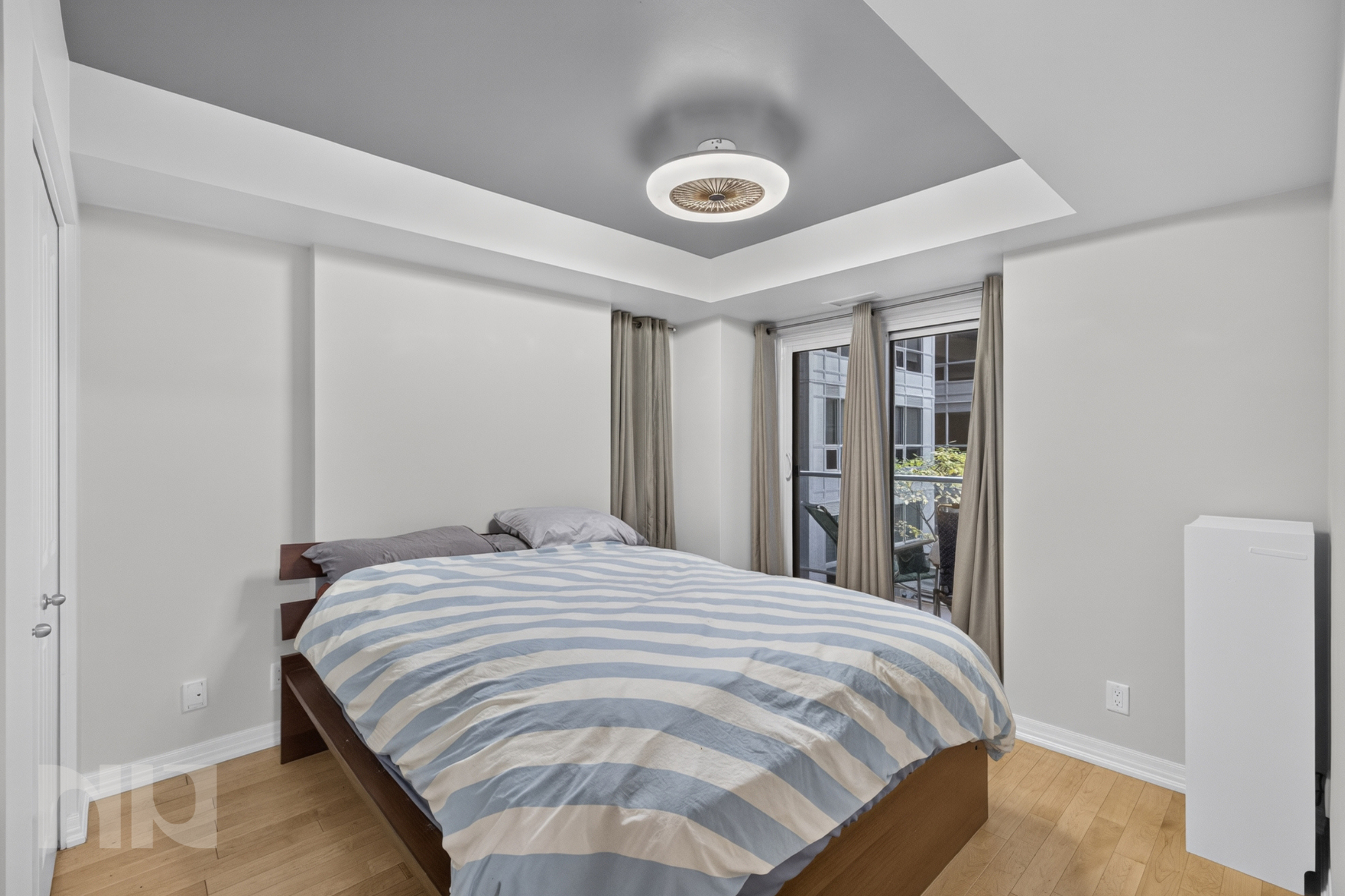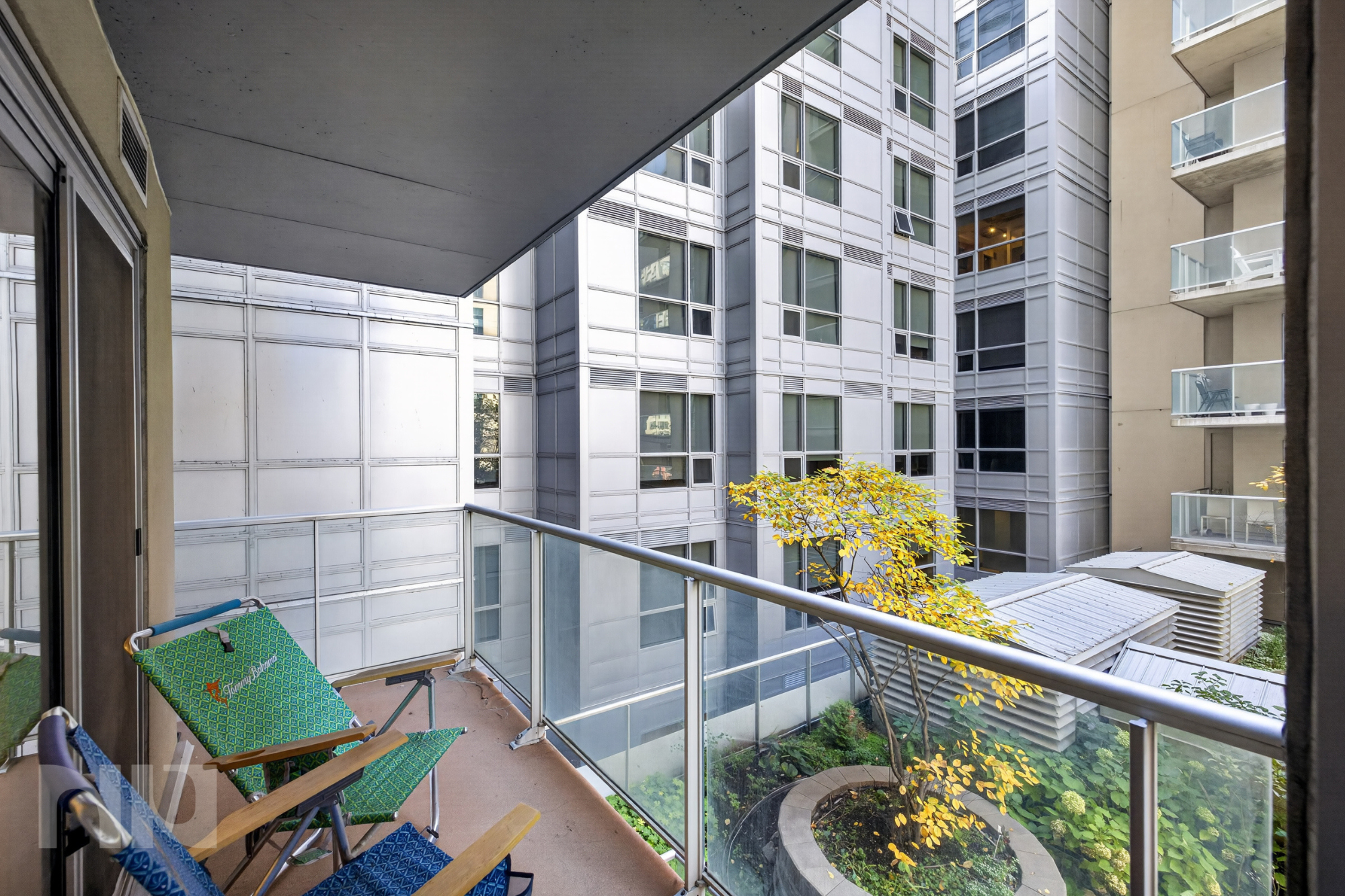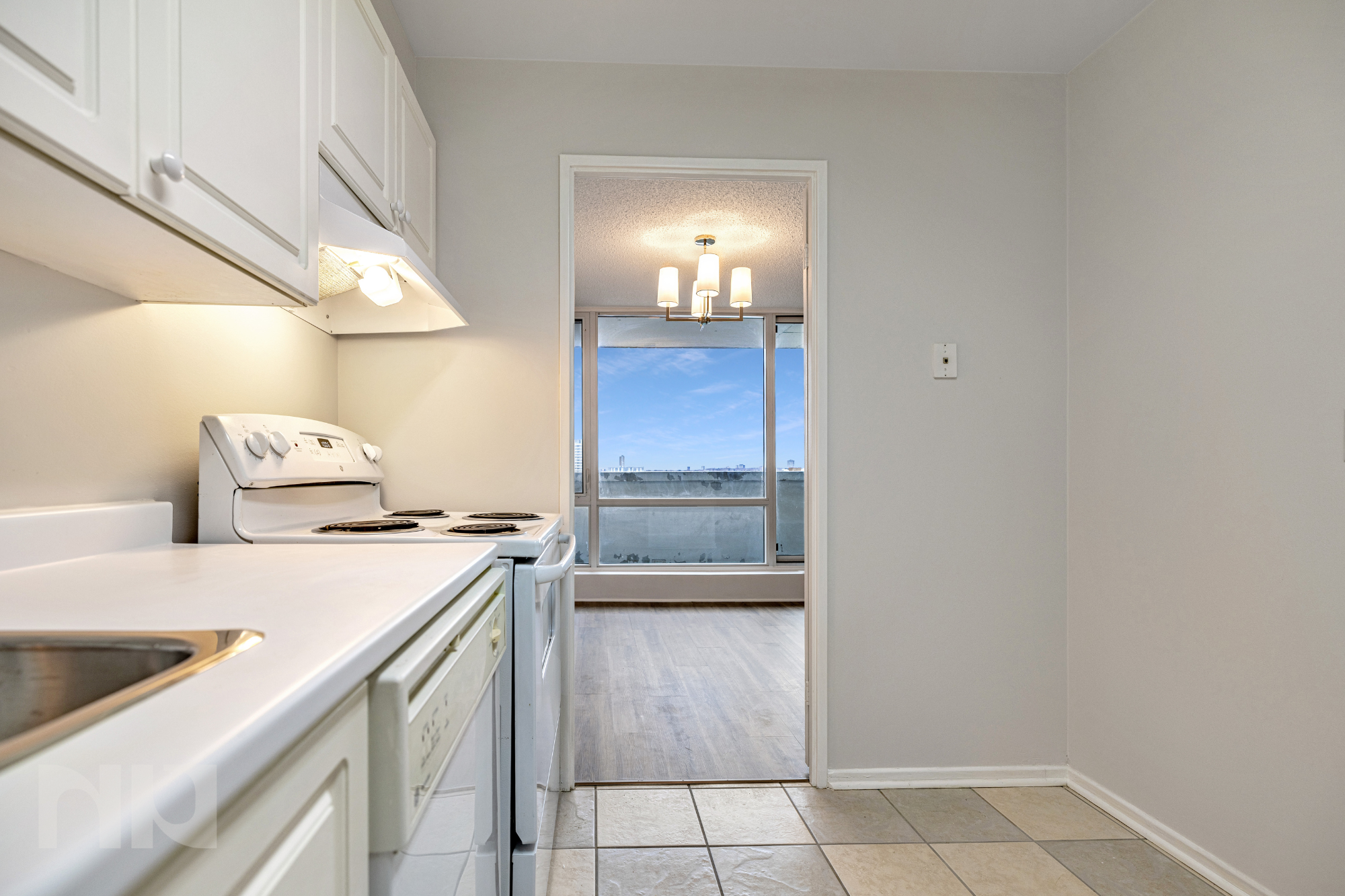

If your Ottawa condo has an electric stove, no fireplace and no visible gas appliances, you might assume carbon monoxide isn't something you need to worry about.
However, in a condominium, the equipment inside your individual unit is only part of the equation. The building's heating system, underground parking garage and neighbouring mechanical rooms can all influence your carbon monoxide alarm requirements.
On January 1, 2026, changes to the Ontario Fire Code came into effect, expanding carbon monoxide alarm requirements in residential buildings, including condominiums.
Whether you already own an Ottawa condo or are considering purchasing one, here's what you should know about these requirements, how they apply to different buildings and who is responsible for maintaining the equipment.
Why Is Carbon Monoxide a Concern in Condominium Buildings?
Carbon monoxide, commonly referred to as CO, is a colourless, odourless gas produced when fuels such as natural gas, propane, gasoline, oil and wood do not burn completely.
Unlike smoke, carbon monoxide cannot be detected through sight or smell.
Although many Ottawa condos do not contain individual gas appliances, the buildings themselves may contain several potential sources of carbon monoxide.
These can include:
Natural gas heating equipment.
Central boilers and water heating systems.
Underground parking garages.
Gas fireplaces in individual suites.
Fuel-burning appliances in shared mechanical rooms.
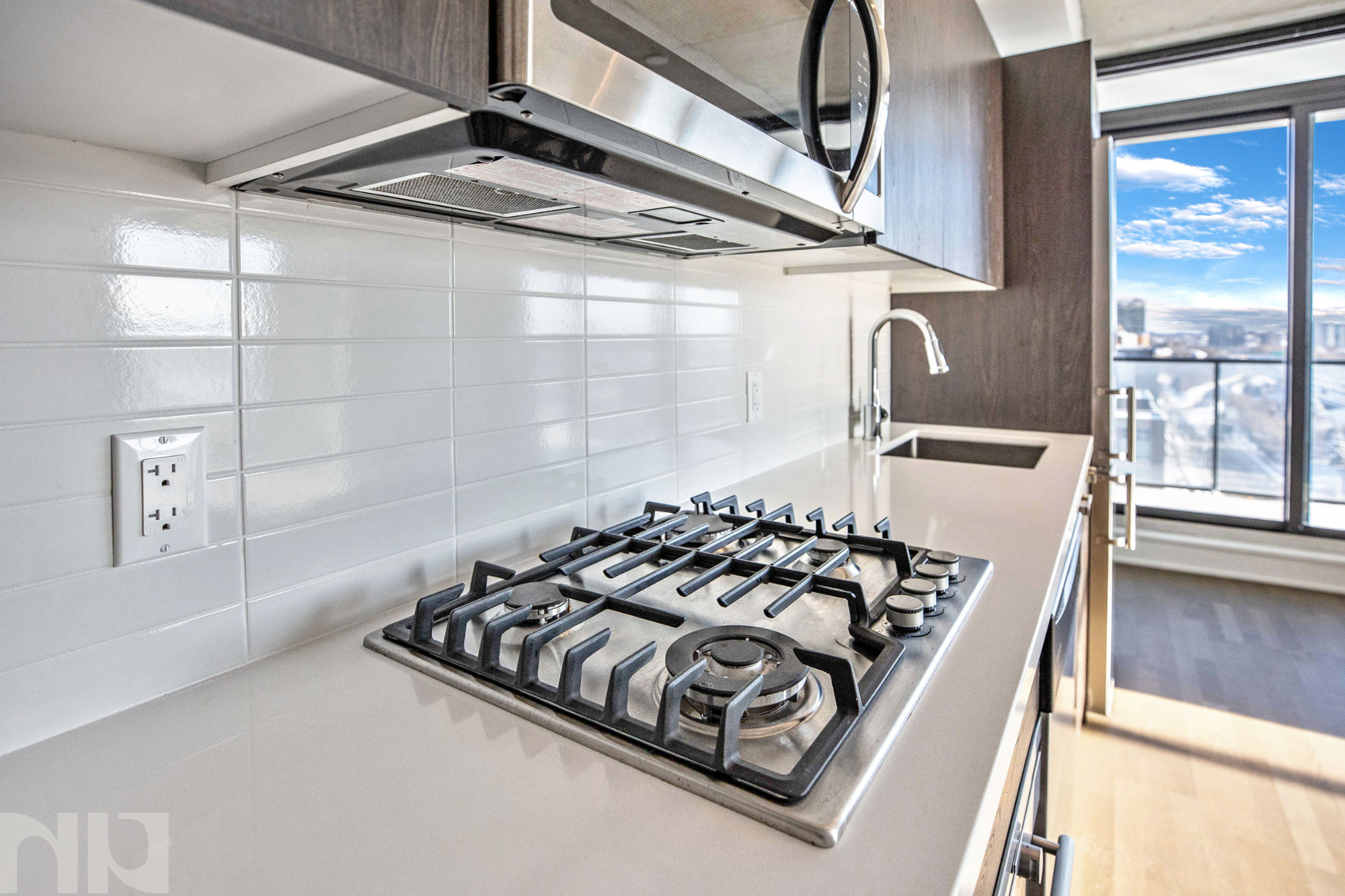
Gas cooking appliances.
Condominium ownership introduces an additional consideration because residents share infrastructure with other units and common areas. Potential sources of carbon monoxide are not necessarily confined to the space inside your front door.
What Changed Under Ontario's Fire Code in 2026?
Ontario's expanded carbon monoxide alarm requirements came into effect on January 1, 2026.
For residential units where carbon monoxide alarms are required, protection must now extend to every storey of the home, including levels without bedrooms, as well as the areas immediately outside sleeping spaces.
The updated requirements also address residential units receiving heated air from fuel-burning equipment located elsewhere in the building, along with certain shared corridors.
For condominium owners, this means that determining whether an alarm is required involves understanding both the individual suite and the building's mechanical systems.
The changes are not limited to newly constructed condominiums. Existing residential buildings may also need to comply with the expanded requirements, subject to the applicable provisions of the Fire Code.
Does Every Ottawa Condo Need a Carbon Monoxide Alarm?
Not every condominium unit is subject to identical requirements.
Under Ontario's Fire Code, circumstances that can trigger in-suite carbon monoxide alarm requirements include:
A fuel-burning appliance located inside the unit.
A fireplace located inside the unit.
A shared wall, floor or ceiling with a parking garage.
A shared wall, floor or ceiling with certain rooms containing fuel-burning equipment.
Heated air supplied directly by fuel-burning equipment located outside the unit.
The exact requirements depend on the building's construction and mechanical configuration.
A condominium with individual electric baseboard heating may have different requirements from a building with a central forced-air heating system.
Similarly, two units within the same condominium corporation may have different requirements based on their proximity to a parking garage or mechanical room.
Property management or Ottawa Fire Services can help clarify which requirements apply to a particular unit.
What if Your Condo Building Has Underground Parking?
Underground parking is a desirable feature for many Ottawa condo buyers, particularly during the winter months.
However, vehicle exhaust is a potential source of carbon monoxide, and the location of a residential unit relative to the garage can affect its alarm requirements.
Units that directly share a wall, floor or ceiling with a parking garage are subject to specific carbon monoxide alarm requirements.
This may be particularly relevant when purchasing a ground-floor condominium or a unit located directly above a parking level.
The presence of an underground garage does not automatically mean that every residential unit throughout a high-rise building falls under the same garage-related requirement. The relationship between the individual suite and the garage matters.
Other provisions may independently require alarms elsewhere in the building.
Does Central Heating Mean Your Condo Needs a Carbon Monoxide Alarm?
This is where understanding your building's heating system becomes particularly important.
Many Ottawa condominium buildings use centralized mechanical equipment rather than individual furnaces inside each suite.
However, there is an important distinction between a central system that distributes heated water and one that directly distributes heated air.
For example, a natural gas boiler may heat water that circulates throughout the building. A centralized forced-air furnace, on the other hand, may supply heated air directly to residential units or common corridors.
The existence of a natural gas boiler somewhere in the building does not automatically establish that every individual unit is subject to identical alarm requirements.
The design of the system, location of the equipment and applicable Fire Code provisions all matter.
If your condo fees include heating, ask property management how that heat is generated and distributed. This information is useful not only for understanding fire safety requirements but also for evaluating maintenance responsibilities and long-term building expenses.
Do Loft Condos and Two-Storey Condos Need Additional Alarms?
Ottawa has a variety of condominium layouts beyond traditional single-level apartments.
These include two-storey lofts, stacked townhomes, multi-level penthouses and converted industrial properties.
Under the expanded 2026 requirements, qualifying residential units must have carbon monoxide alarms on each storey, even when a particular level does not contain a bedroom.
Consider a hypothetical two-storey loft in downtown Ottawa with its bedroom on the upper level and its kitchen and living room below.
If the unit is subject to carbon monoxide alarm requirements, an alarm outside the upstairs sleeping area alone may no longer satisfy the applicable placement requirements. The lower level must also have appropriate protection.
Buyers considering multi-level condos should confirm that alarm placement reflects the configuration of the entire unit.
Is the Condo Corporation Responsible for Replacing Your Carbon Monoxide Alarm?
Not necessarily.
Ontario's fire safety guidance identifies condominium unit owners as generally responsible for installing and maintaining their in-suite smoke and carbon monoxide alarms. In some buildings, the condominium corporation may take on these responsibilities through an agreement with the owner.
The corporation also has responsibilities relating to shared building fire safety systems and applicable common-area equipment.
Depending on the building, property management may coordinate annual inspections, arrange replacements or use contractors to service certain equipment throughout the property.
Before replacing an existing alarm, confirm:
Whether the equipment is maintained by the owner or the corporation.
Whether it is connected to a centralized building system.
Whether a specific replacement device is required.
Whether an electrician or approved contractor must complete the installation.
Whether the corporation has already undertaken upgrades relating to the 2026 requirements.
Do not assume that paying monthly condo fees means every piece of fire safety equipment inside your unit is automatically maintained by the corporation.
Is a Smoke Detector the Same as a Carbon Monoxide Alarm?
No. Although some devices combine both functions, smoke alarms and carbon monoxide alarms detect different hazards.
A smoke alarm detects smoke associated with a potential fire. A carbon monoxide alarm detects elevated concentrations of carbon monoxide.
Condominium buildings may also contain heat detectors, sprinkler systems, centralized fire alarms and emergency communication equipment.
These systems perform different functions, and the presence of one does not necessarily eliminate the requirement for another.
If you're purchasing a resale condo, check the labels on the existing devices and confirm what each one is designed to detect.
Never disconnect or modify equipment connected to the building's fire safety system without obtaining the appropriate professional guidance.
What Should Ottawa Condo Buyers Ask Before Making an Offer?
Fire safety equipment may not be the most exciting part of touring a condominium, but understanding how a building operates is an important aspect of purchasing one.
Before completing your purchase, consider asking:
What type of heating system does the building use?
Are there fuel-burning appliances inside the suite?
Does the unit share a wall, floor or ceiling with the parking garage or a mechanical room?
Are the existing carbon monoxide alarms within their manufacturer's recommended service life?
Has the corporation reviewed its compliance with the 2026 Ontario Fire Code changes?
Are in-suite alarms maintained by the owner or the corporation?
Are there any outstanding fire safety orders or planned building-wide upgrades?
Could upcoming fire safety work create additional expenses for owners?
Where significant building-wide work is planned, reviewing the condominium's status certificate, financial documents and relevant notices can help you better understand the potential financial implications.
Your real estate lawyer can assist with reviewing the condominium documentation, while property management and fire safety professionals can address technical compliance questions.
What Should You Do if Your Carbon Monoxide Alarm Goes Off?
A carbon monoxide alarm should never be ignored, even if you cannot smell anything or identify an obvious problem.
If your alarm signals the presence of carbon monoxide, leave the unit immediately, move to fresh air and call 911 from a safe location.
Do not delay leaving to investigate the source yourself, and do not re-enter until emergency responders confirm that it is safe.
Ottawa Fire Services provides additional information about carbon monoxide prevention, alarm placement and residential fire safety requirements.
Buying a Condo Means Understanding the Entire Building
When comparing Ottawa condos, buyers naturally focus on location, square footage, finishes, views and monthly condo fees.
However, the infrastructure supporting the building is equally worth understanding.
Heating systems, ventilation, shared mechanical equipment, fire safety systems and maintenance responsibilities can all influence your experience as a condominium owner.
Two seemingly similar condos can operate very differently behind the scenes.
Taking the time to investigate these details before purchasing can help you better understand what you're buying and what responsibilities come with ownership.
Looking to Buy or Sell a Condo in Ottawa?
At New Purveyors, our team specializes in Ottawa condominium real estate. We help buyers compare buildings, understand ownership responsibilities and identify important considerations that extend beyond the listing photos.
Whether you're exploring a downtown high-rise, a loft in Little Italy, a condominium in Westboro or an established building elsewhere in Ottawa, our team can help you navigate the market with a more complete understanding of the property.
Visit NewPurveyors.com to explore available properties, or contact the New Purveyors team to discuss your next move.