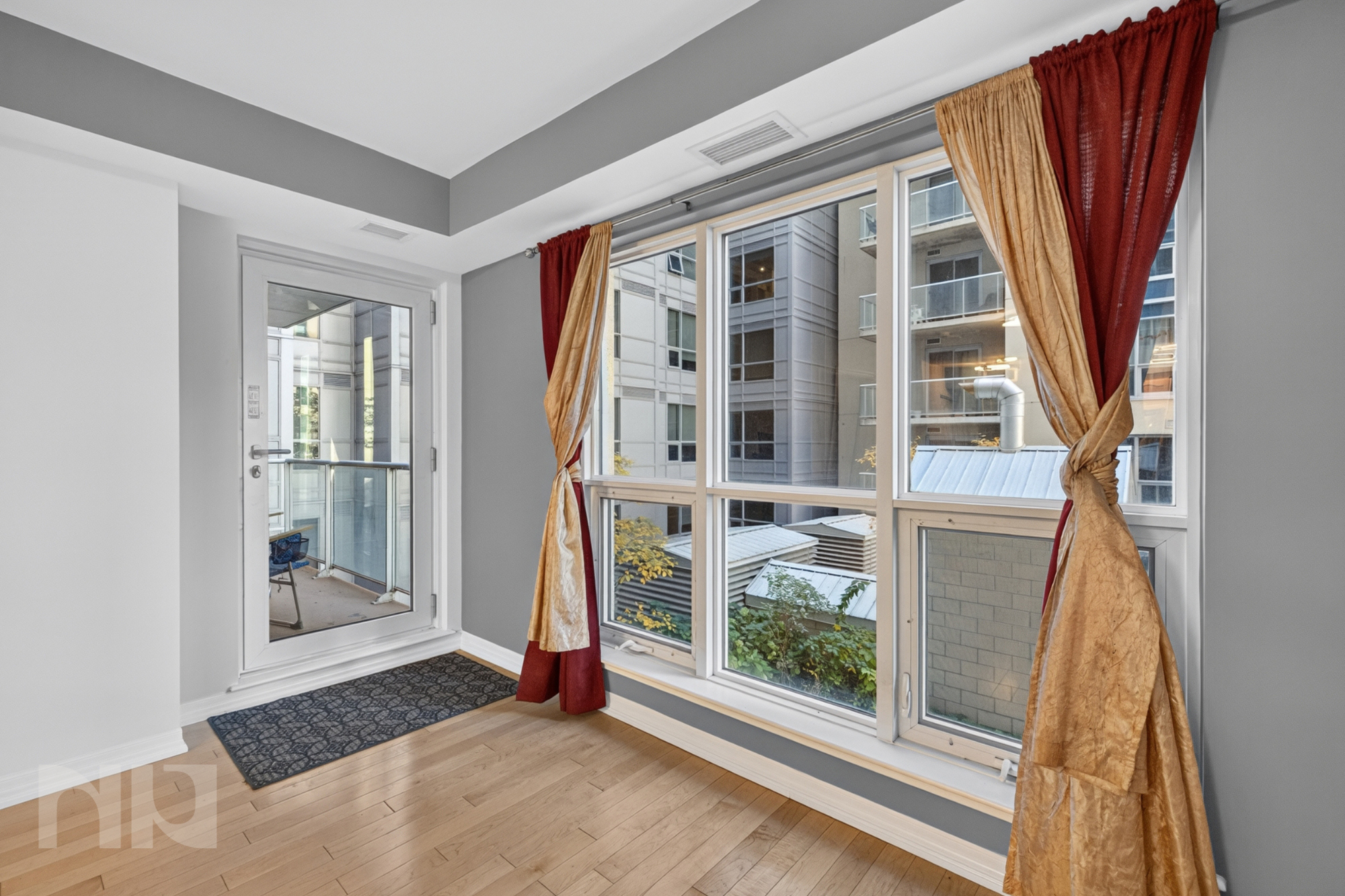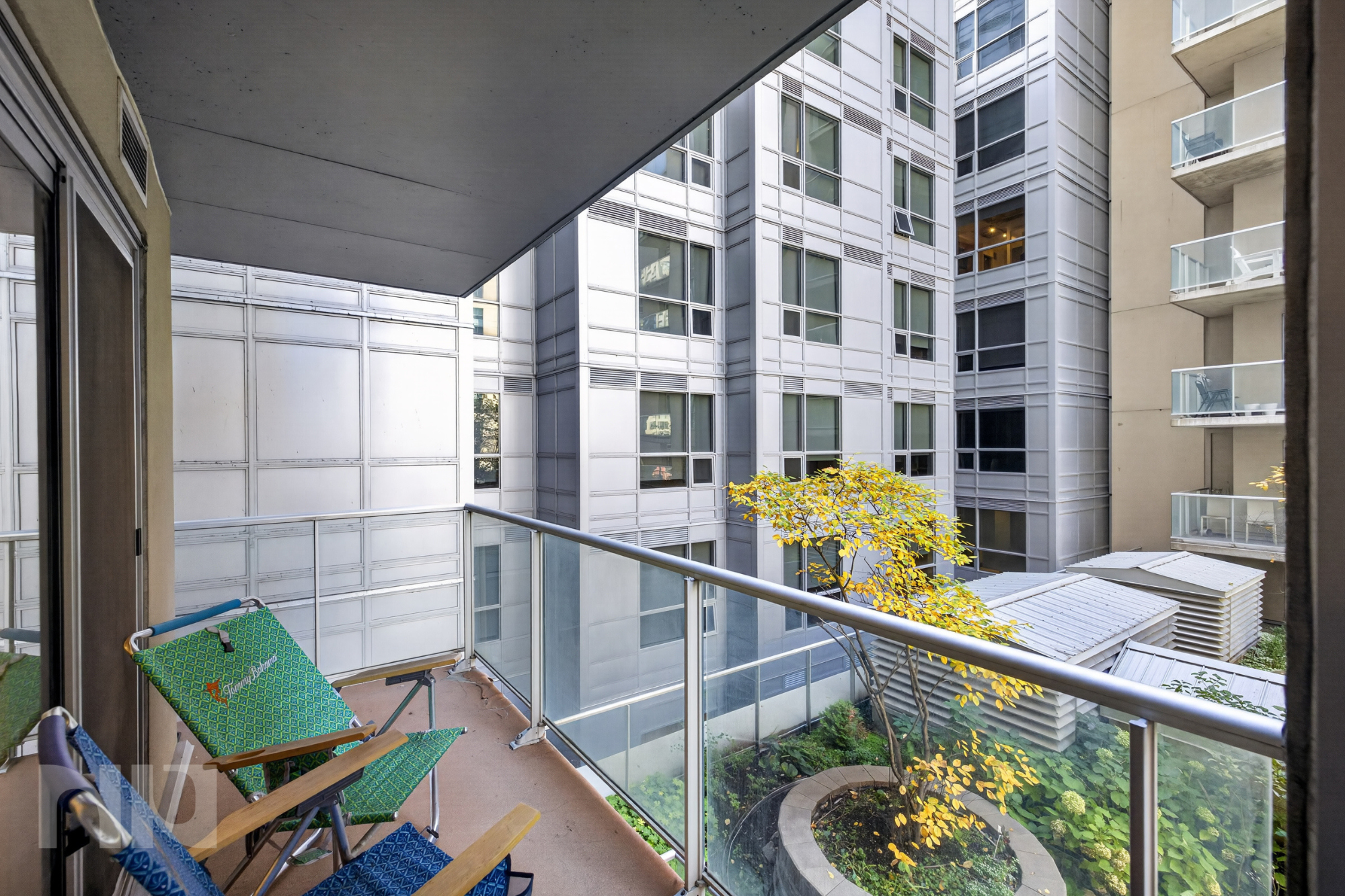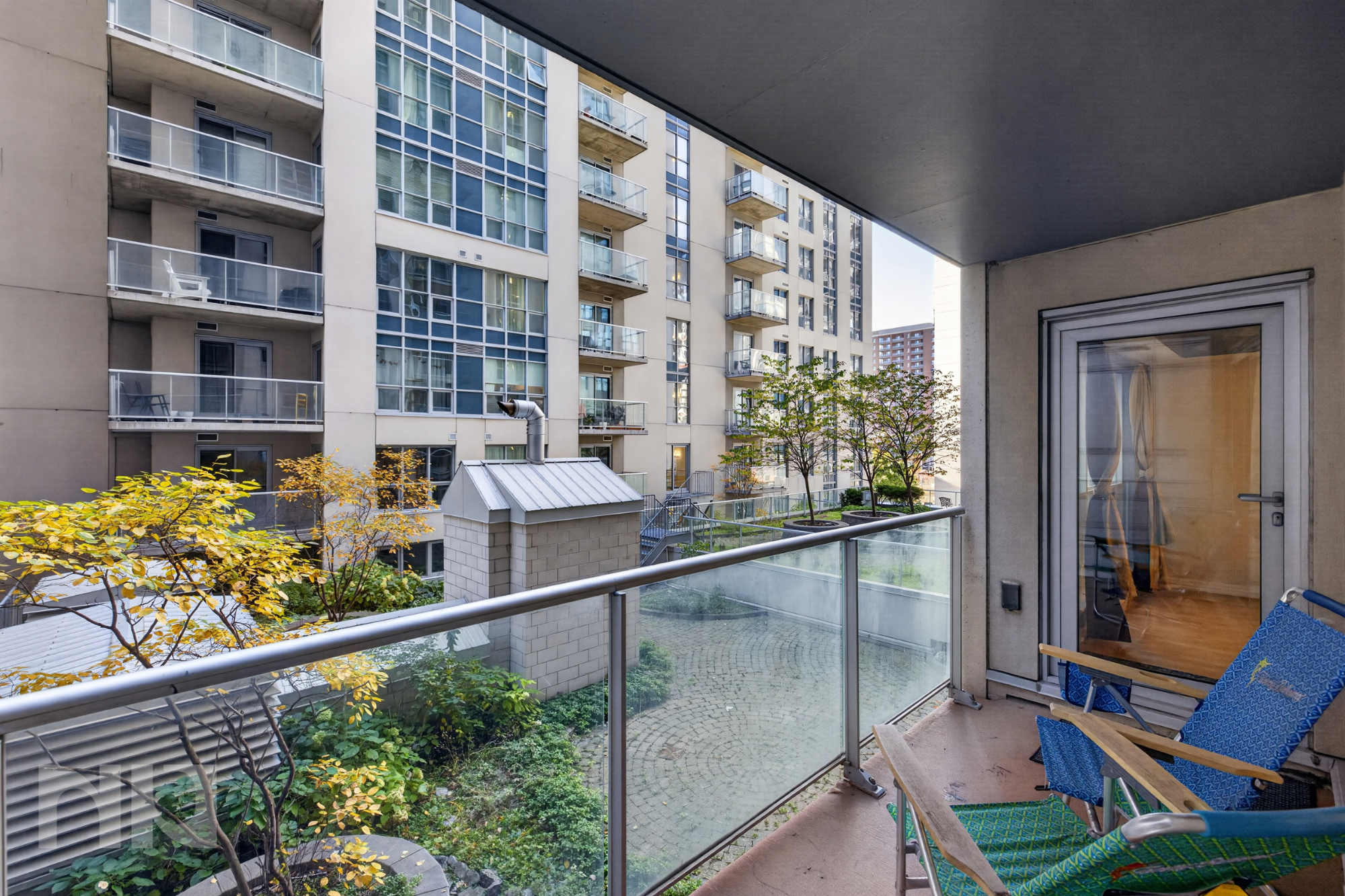
You buy a condo in Ottawa and decide to install a video doorbell outside your unit.
It's a small device. It lets you see who's at your door, check on deliveries, and monitor activity while you're away.
You might assume it's no different from installing a video doorbell on a detached house.
But condominium ownership works differently.
In Ontario, you may need your condominium corporation's approval before installing a video doorbell, even if it's attached to your own front door.
And depending on where the camera points, its recording capabilities, and the building's rules, the installation could create privacy concerns as well.
Here's what Ottawa condo owners should understand before installing a Ring doorbell or another security camera.
Are Video Doorbells Allowed in Ontario Condos?
Potentially, yes. There isn't a universal prohibition on video doorbells in Ontario condominiums.
However, individual condo corporations can regulate how owners use and modify shared areas of the property.
Under Ontario's Condominium Act, owners must comply with the corporation's declaration, by-laws, and rules.
That means a camera permitted in one Ottawa condo building might not be permitted in another.
Some buildings may prohibit owner-installed cameras in common hallways entirely. Others may allow them subject to conditions involving placement, recording, and prior approval.
The important distinction is that owning your condo unit doesn't automatically give you the right to install equipment on every surface around it.
Isn't My Condo's Front Door Part of My Unit?
Not necessarily.
In many condominium buildings, the exterior of a unit's entrance door forms part of the common elements.
Common elements are portions of the condominium property shared or collectively owned by the unit owners. They commonly include hallways, elevators, building exteriors, and other shared infrastructure.
The precise boundaries of your individual unit are established by the condominium's registered declaration and description.
If your entrance door or door frame is classified as a common element, attaching a camera could constitute an alteration to the common elements.
Under section 98 of Ontario's Condominium Act, owner-proposed alterations to common elements generally require board approval and a formal agreement.
These agreements can establish responsibilities for installation, maintenance, repairs, and potential costs.
Before installing a device, confirm whether the surface you're attaching it to is part of your unit or the common elements.
An Ontario Condo Doorbell Dispute Led to $10,000 in Legal Costs
A February 2026 Ontario Superior Court decision demonstrates why obtaining the proper approval matters.
In Niagara South Condominium Corporation No. 12 v. Locke, the owners of a condominium unit installed a video doorbell on their entrance doorway in 2023.
The doorway was considered a common element.
The owners maintained that building representatives had verbally approved the installation. However, the court found no evidence that the condominium board had formally approved it at that time.
After the issue came to the board's attention, the corporation initially requested removal.
It later agreed to let the owners keep the doorbell if they signed an indemnity agreement addressing responsibility for the alteration.
The owners refused.
The court ultimately found that requiring the agreement was within the board's authority under section 98 of the Condominium Act.
It ordered the owners to enter into the agreement.
The case also involved a separate dispute concerning access to inspect an in-suite washer and dryer installation.
For the matters decided, the court ordered the owners to pay $10,000 in legal costs.
That amount wasn't a fine specifically for installing a doorbell. It reflected the legal costs awarded in connection with the resolved doorbell and inspection disputes.
Nevertheless, the decision illustrates how a relatively small home improvement can become an expensive legal matter when the condominium's approval requirements aren't followed.
What if You Install a Camera Without Drilling Holes?
Battery-powered cameras and adhesive mounts can seem like an easy way to avoid altering the building.
But the installation method isn't the only consideration.
Even if your camera doesn't require drilling into a door frame or wall, it may still record activity in a common hallway.
Your condominium corporation may have rules governing that recording.
For example, a camera could capture your neighbours entering and leaving their units, visitors walking through the corridor, or people using a nearby elevator.
Those activities involve other residents and shared areas of the building.
A removable camera might raise fewer physical alteration concerns, but it doesn't automatically eliminate privacy or condominium-rule considerations.
Before purchasing a device, ask property management whether the proposed installation and recording activity are permitted.
Can Your Condo Board Restrict What Your Doorbell Records?
Yes, condominium rules may address how cameras are used, including where they point and what they record.
There's a useful example from Ottawa itself.
Ottawa-Carleton Condominium Corporation No. 553 adopted a rule amendment effective January 12, 2024, specifically addressing owner-installed doorbell cameras and security cameras.
The corporation permits certain owner-installed cameras, but imposes conditions.
Under its published rules, the viewing area must be approved by the board. Owner cameras are not permitted to record audio, and doorbell cameras are restricted to operating when someone presses the doorbell, for a maximum of two minutes per activation.
The rules also address how long recordings can be retained and when they may be shared.
These are requirements of that particular condominium corporation, not universal restrictions applying to every Ottawa condo.
However, they demonstrate how detailed a building's camera policies can be.
A camera that's technically capable of continuous recording, audio capture, and motion detection may need to be configured differently to comply with a particular building's rules.
What About Privacy in Condo Hallways?
Privacy is another important consideration.
Although condo hallways are shared spaces, they aren't necessarily equivalent to public sidewalks or streets.
Ontario courts have recognized that residents can have reasonable expectations of privacy in condominium common elements, depending on the circumstances.
A camera pointed directly at another unit's entrance may create different concerns from one positioned to capture only a small area immediately outside your own door.
Features worth considering include the camera's field of view, motion-detection settings, audio capabilities, and recording retention.
If your building permits video doorbells, ask whether it has specific requirements for these features.
Obtaining approval for the physical installation doesn't necessarily resolve every issue related to surveillance.
Can You Install a Camera Inside Your Condo Instead?
An indoor security camera may be an alternative, particularly if your goal is to monitor pets, check on your home while travelling, or receive alerts about unexpected activity.
An indoor camera that doesn't alter common elements or capture shared areas will generally raise different condominium concerns from a camera mounted in a hallway.
However, your use of the camera still needs to comply with applicable laws and the condominium's governing documents.
If you're renting the unit rather than owning it, you should also establish whether the installation requires permission from the landlord.
For a camera aimed outside your unit, don't assume that placing the device indoors automatically resolves privacy concerns if it continues recording neighbouring units or common areas.
How to Get Approval for a Video Doorbell in an Ottawa Condo
Before purchasing or installing a camera, start with a written request to property management or the condo board.
Ask whether owner-installed video doorbells are permitted and whether the building has a specific policy addressing them.
If installations are allowed, you may need to provide details about the proposed device, including where it will be attached and what areas it can record.
Depending on the property and installation, the corporation may require a formal common-element alteration agreement.
If that's necessary, review the agreement carefully and consider obtaining legal advice before signing.
Once approval is granted, keep a copy of the written authorization and any conditions attached to it.
This documentation may become relevant if questions arise later or when you eventually sell the property.
What Should Ottawa Condo Buyers Ask Before Purchasing?
If home security technology is important to you, it's worth investigating a building's rules before buying.
Consider these questions:
Does the condominium permit owner-installed video doorbells?
Is the unit's entrance door considered part of the common elements?
Is formal board approval or a section 98 agreement required?
Are there restrictions on video recording, audio, motion detection, or camera placement?
Does the building already provide hallway surveillance, monitored entrances, or other security features?
You can also review the condominium's governing documents with your real estate lawyer as part of the purchase process.
The answers may influence which security devices you can use and how much flexibility you'll have to customize your unit.
Buying an Ottawa Condo? Understand the Rules Before You Move In
Condo ownership gives you control over your individual property, but it also involves responsibilities to the broader condominium community.
Something as simple as installing a video doorbell can involve shared property, approval requirements, and privacy considerations.
That doesn't mean security cameras are necessarily prohibited or that installing one has to be complicated.
It means the process should begin with understanding what your particular building allows.
For Ottawa condo buyers, these are the kinds of practical details worth investigating alongside condo fees, building amenities, parking arrangements, and maintenance responsibilities.
If you're considering purchasing an Ottawa condo, the agents at New Purveyors can help you compare properties, review important ownership considerations, and identify questions to raise before making a purchase.
Understanding the rules before you buy can help you choose a condo that meets your needs, both now and in the future.