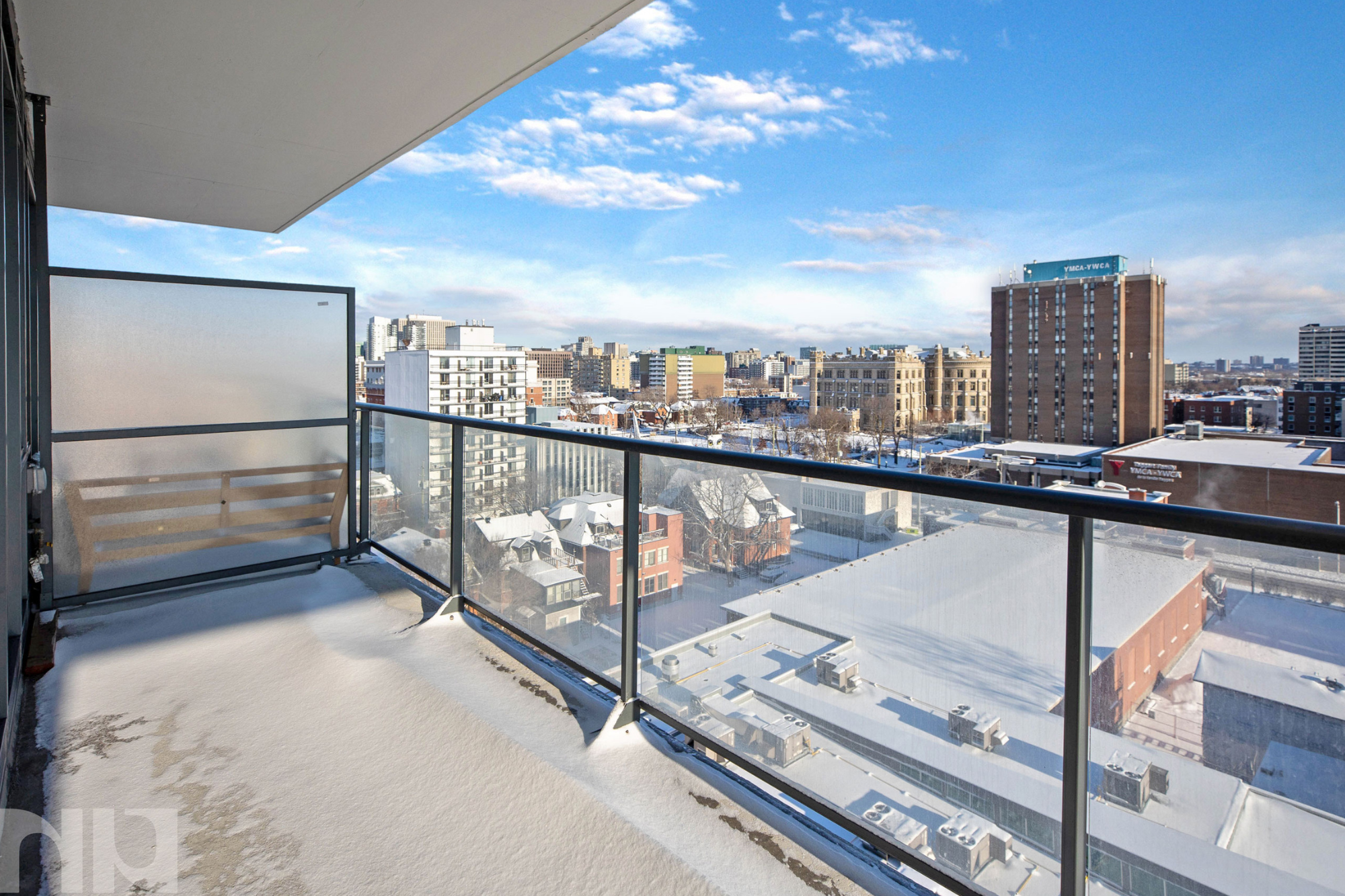
Living without a car in Ottawa is completely realistic, but only in the right neighbourhoods. While much of the city is designed around driving, there are specific areas where daily life works on foot, by bike, or using transit without constant friction.
This guide focuses on where car-free living actually works in Ottawa, based on access to essentials, transit reliability, walkability, and year-round practicality.
What “Car-Free” Really Means in Ottawa
Living without a car does not mean never leaving your neighbourhood. It means:
Groceries, pharmacies, and coffee are walkable
Transit is reliable enough to replace driving
Streets feel safe and usable in winter
Daily routines do not require constant planning
Neighbourhoods that support car-free living tend to be denser, older, and built around people rather than parking.
Centretown
Centretown is one of the easiest places in Ottawa to live without a car. Most residents can walk to grocery stores, medical services, gyms, cafes, and restaurants within minutes.
Transit access is strong, with multiple bus routes and proximity to the O-Train. Cycling is also practical thanks to flatter terrain and connected routes.
Because Centretown is dense and active year-round, car-free living here feels natural rather than restrictive.
Best for: people who want a fully urban, walk-everywhere lifestyle.
Hintonburg
Hintonburg supports car-free living through a combination of walkability and transit access. Wellington Street West provides most daily essentials, while nearby transit routes connect residents to downtown and other core areas.
Many people in Hintonburg rely on a mix of walking, cycling, and transit, using a car only occasionally or not at all.
The neighbourhood’s compact size makes errands efficient, and its connection to adjacent areas expands what is reachable without driving.
Best for: people who want car-free living with strong local culture and food options.
The Glebe
The Glebe works well for car-free living if daily needs are prioritized over long-distance commuting. Bank Street provides groceries, pharmacies, cafes, and services, while nearby transit routes cover most travel needs.
Many residents walk for errands and use transit for work or appointments. Access to the Rideau Canal pathways also makes cycling a viable option.
The Glebe’s layout allows most routines to stay within the neighbourhood, reducing the need for a vehicle.
Best for: people who want walkability in a quieter, residential setting.
Westboro
Westboro allows for car-light or car-free living, especially near Richmond Road and Churchill Avenue. Grocery stores, cafes, fitness studios, and services are clustered closely enough to support walking.
Transit access continues to improve, and cycling infrastructure connects Westboro to downtown and surrounding areas.
While some parts of Westboro are more spread out, living close to the commercial core makes car-free routines realistic.
Best for: people who want walkability with access to nature and a slower pace.
Sandy Hill
Sandy Hill is highly walkable and well suited to car-free living, particularly for students and professionals working downtown.
Its proximity to the University of Ottawa, Rideau Centre, and the ByWard Market means most daily needs are accessible on foot. Transit connections are frequent and reliable.
The neighbourhood’s density and grid layout make walking efficient even in winter months.
Best for: students, academics, and downtown professionals.
ByWard Market
The ByWard Market offers unmatched proximity to amenities, transit, and employment. Everything from groceries to entertainment is within walking distance.
However, car-free living here comes with tradeoffs. Foot traffic is high, noise levels are elevated, and the environment is more intense than residential neighbourhoods.
For people who value access above all else, it remains one of Ottawa’s most car-free-friendly areas.
Best for: people who prioritize location and activity over quiet.
Living Without a Car in Winter
Winter is the true test of car-free living in Ottawa. The neighbourhoods that perform best share a few traits:
Sidewalks that are cleared consistently
Short distances between essentials
Density that keeps streets active year-round
Areas built before car-centric planning tend to handle winter better, as they were designed for walking long before driving became dominant.
Final Thoughts
Living without a car in Ottawa is less about personal discipline and more about neighbourhood design. When daily needs are nearby and transit works as intended, car-free living becomes easier, cheaper, and often more enjoyable.
Choosing the right area removes friction from daily life and allows the city to work with you rather than against you.