And Where to Find Them in Ottawa
Most people think a neighbourhood is defined by its homes. The streets. The architecture. The price points.
But in real life, the places that shape how a neighbourhood feels usually aren’t homes at all.
They’re what urban planners call “third places.”
Not home.
Not work.
But the spaces in between.
Third places are where you become a regular, where faces start to look familiar, and where a city stops feeling anonymous and starts feeling like somewhere you belong.
Ottawa is quietly full of them.
What Exactly Is a “Third Place”?
The term comes from sociologist Ray Oldenburg, who described third places as informal public spaces that foster community, connection, and a sense of belonging. Think cafés, local pubs, parks, markets, gyms, libraries, and even corner stores.
They matter because they:
Reduce isolation
Strengthen neighbourhood identity
Make cities feel livable, not just functional
Help people put down roots without realizing it
In other words, third places are often the reason someone says, “I just really love living here,” even if they can’t quite explain why.
Ottawa’s Third Places, Neighbourhood by Neighbourhood
Ottawa doesn’t always get credit for its community culture, but if you know where to look, it’s everywhere.
Here are some local examples that consistently act as social anchors.
Coffee Shops That Double as Community Hubs
Places like Ugly Monday and Vylora aren’t just about coffee. They’re where:
Freelancers work all morning
Neighbours bump into each other unexpectedly
Conversations happen without planning them
You don’t have to know anyone when you walk in. If you go often enough, you will.
Parks That Function Like Outdoor Living Rooms
Ottawa’s green spaces aren’t just scenic, they’re social.
Dundonald Park in Centretown becomes a shared backyard in warmer months.
Brewer Park pulls together families, athletes, and dog owners who all use the space differently but together.
These parks create routines. Morning walks. Evening hangs. Weekend rituals. Over time, they build familiarity without forcing interaction.
Markets That Create Accidental Community
Few places in Ottawa do this better than ByWard Market.
It’s busy, messy, and sometimes chaotic, but it’s also one of the city’s most powerful third places. Locals, tourists, vendors, and performers all overlap in a way that rarely happens elsewhere.
It’s not polished. That’s the point.
Gyms, Studios, and Classes That Become Social Circles
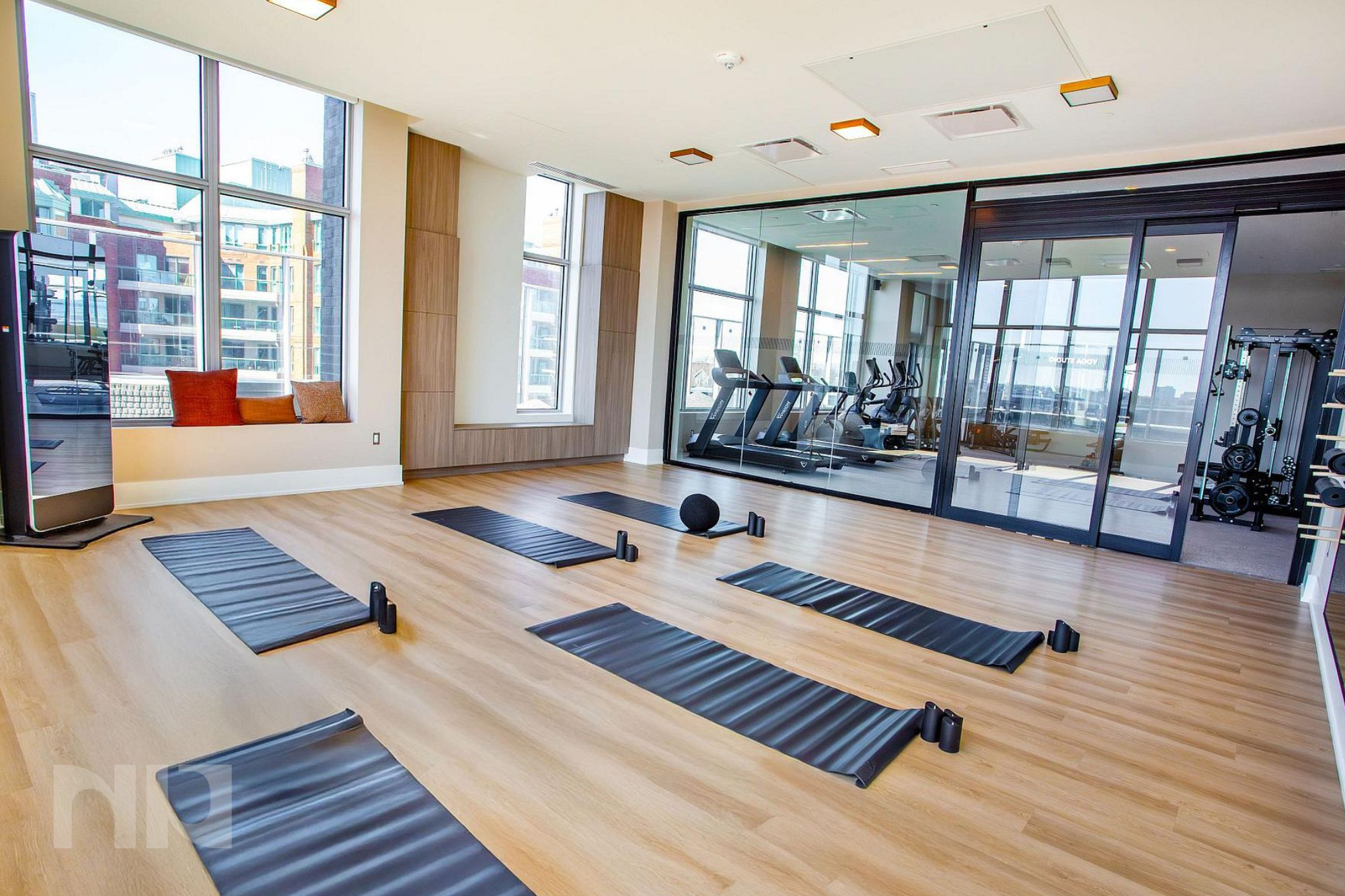
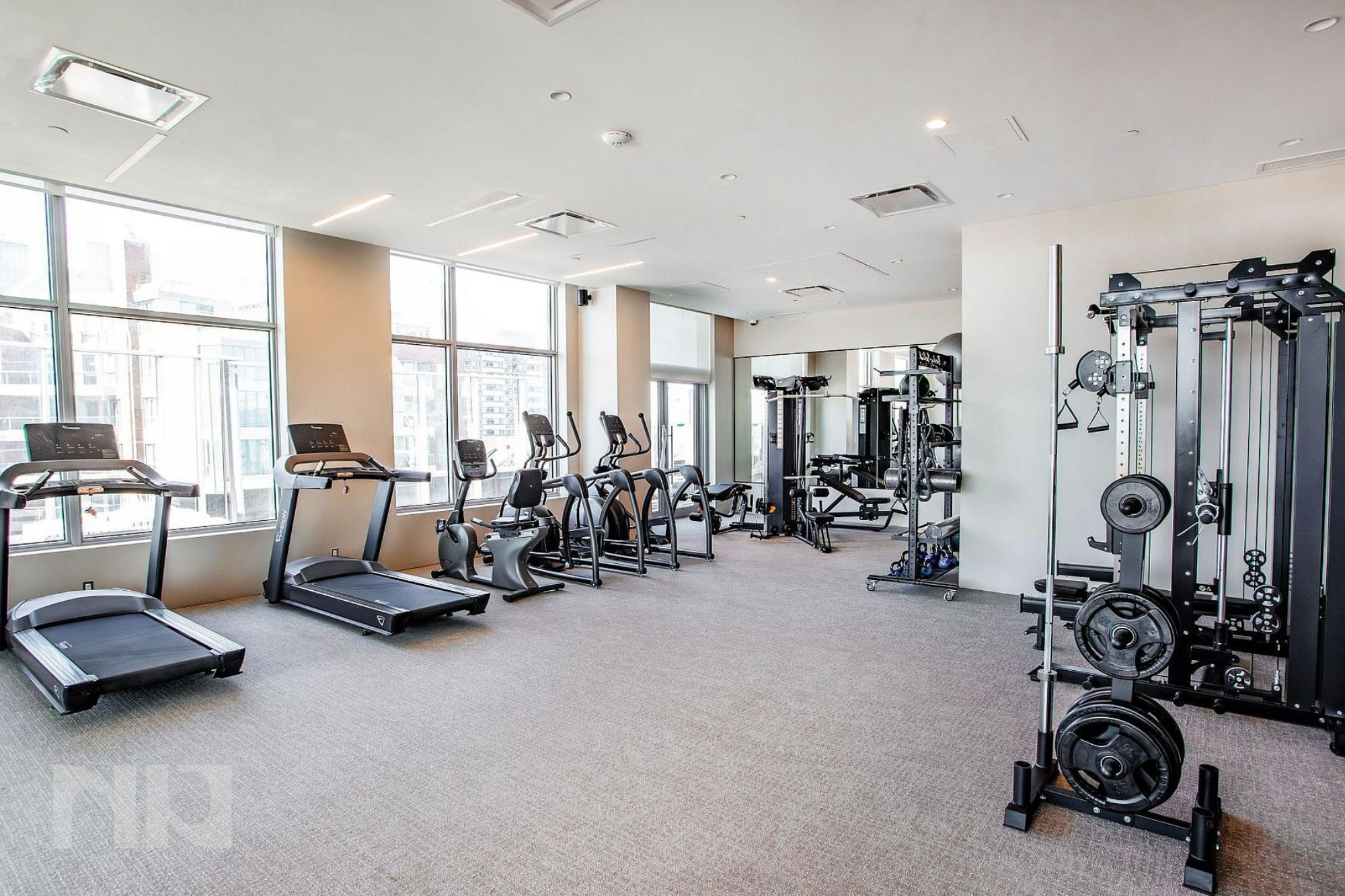
Fitness spaces are some of the most underrated third places.
Studios like Elgin Street Fitness or boutique yoga and pilates spaces across the city often become social ecosystems. You start by sharing space. You end up sharing routines, conversations, and sometimes friendships.
You don’t have to be outgoing. Repetition does the work for you.
Why This Matters More Than Ever
Modern life is efficient, but it’s also isolating. Work-from-home culture, online shopping, and algorithm-driven entertainment mean it’s easier than ever to live somewhere without actually living there.
Third places push back against that.
They’re where:
Newcomers integrate into the city
Long-time residents stay connected
Neighbourhoods develop personality
People feel anchored, not just housed
And while you can’t see third places on a listing sheet, most people feel their absence immediately.
How to Find Your Own Third Place
If you’re new to Ottawa, or even if you’ve lived here for years, the fastest way to feel more connected isn’t through a big lifestyle overhaul.
It’s through repetition.
Go to the same café twice a week
Walk the same route most evenings
Sit in the same park regularly
Take a class on the same schedule
Belonging usually shows up quietly.
The Bottom Line
People don’t fall in love with cities because of square footage or street names.
They fall in love because of the places that give them rhythm, familiarity, and human connection.
Ottawa has more of those places than it gets credit for. You just have to notice them.
And once you do, the city feels very different.