Living in Ottawa in the Winter: What to Expect
If you are considering moving to Ottawa, winter is likely one of your biggest questions.
Yes, it is cold. Yes, there is snow. But daily life in Ottawa during winter depends far more on neighbourhood design, commute patterns, and routine than temperature alone.
This guide explains what living in Ottawa in the winter actually feels like, beyond stereotypes.
How Cold Does Ottawa Actually Get?
Ottawa experiences typical winter temperatures ranging from approximately -5°C to -15°C, with colder stretches during January and February. Wind chill can make some days feel colder, but most winter days are manageable with proper clothing.
Snowfall is consistent, and the city is well equipped to handle it. Roads and sidewalks in central areas are typically cleared quickly.
For many residents, the adjustment is less about extreme cold and more about duration. Winter lasts several months, so routines matter.
Does Where You Live Matter in Winter?
Very much.
Certain neighbourhoods make winter significantly easier to manage.
Centretown
Centretown performs well in winter because of density. Sidewalks are cleared consistently, errands are short, and transit options are close by.
Living within walking distance of groceries and essentials reduces reliance on driving in poor conditions.
The Glebe
The Glebe benefits from Bank Street amenities and proximity to the Rideau Canal. While residential streets can be quieter, most daily needs remain within walking distance.
Winter in the Glebe often means walking to coffee rather than driving across town.
Hintonburg
Hintonburg’s compact layout makes winter errands practical. Wellington Street West remains active year-round, and transit access helps reduce dependence on a car.
Neighbourhoods built before car-centric planning tend to perform better in winter.
Commuting in the Winter
If you work downtown and live centrally, winter commuting is manageable.
Driving from outer suburban areas during heavy snowfall can add time and stress. Transit reliability varies, but proximity to major routes improves consistency.
One of the biggest winter advantages in Ottawa is living close to work or being able to walk part of your commute.
What People Often Get Wrong About Ottawa Winters
“You stay inside for months.”
Not necessarily. Many residents continue walking, running, and cycling throughout winter.“It’s too cold to function.”
Proper winter clothing makes a significant difference. Ottawa residents adapt quickly.“There’s nothing to do.”
The Rideau Canal becomes the world’s largest skating rink during colder months, and winter festivals remain active.
The Mental Side of Winter
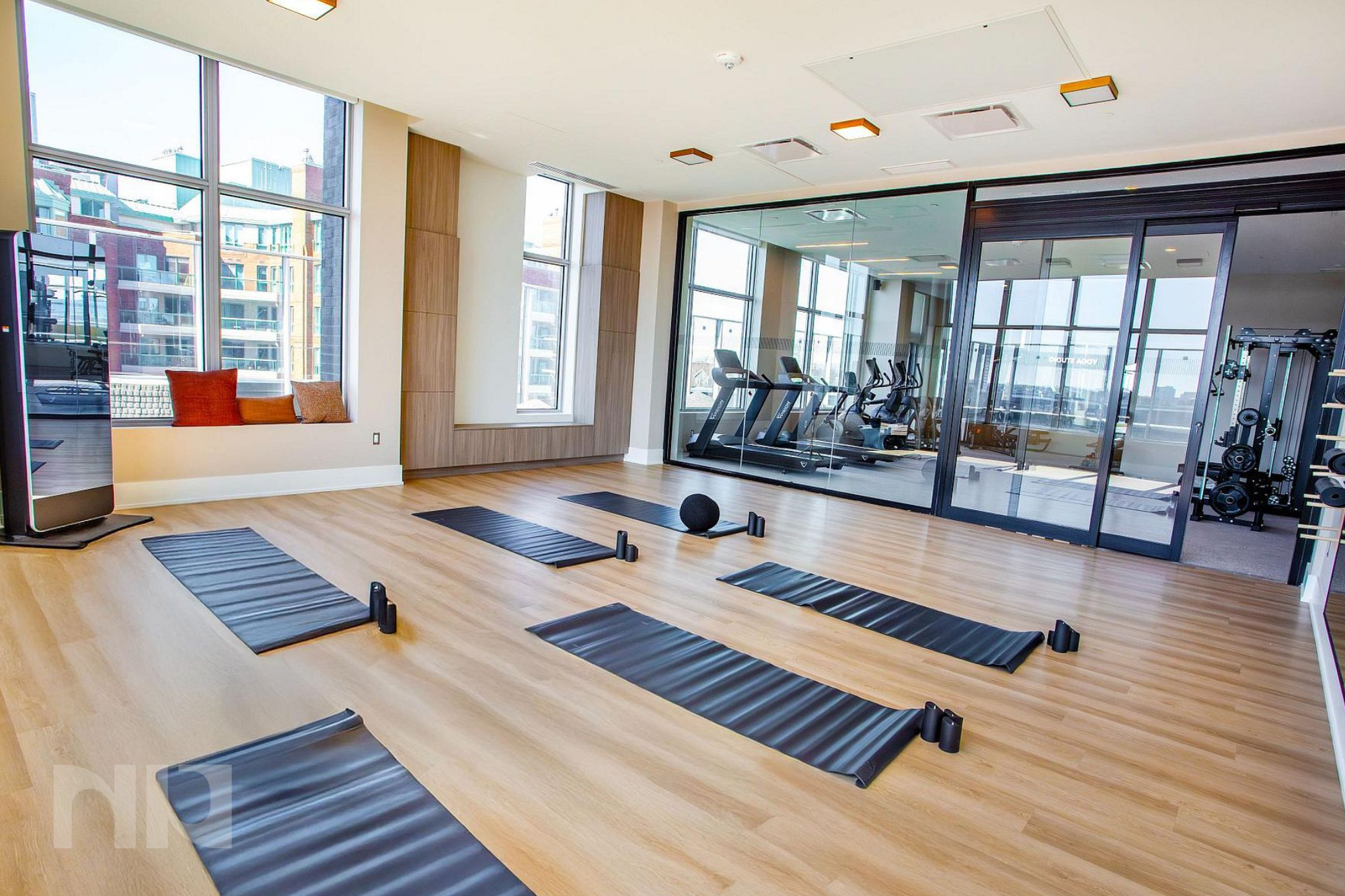
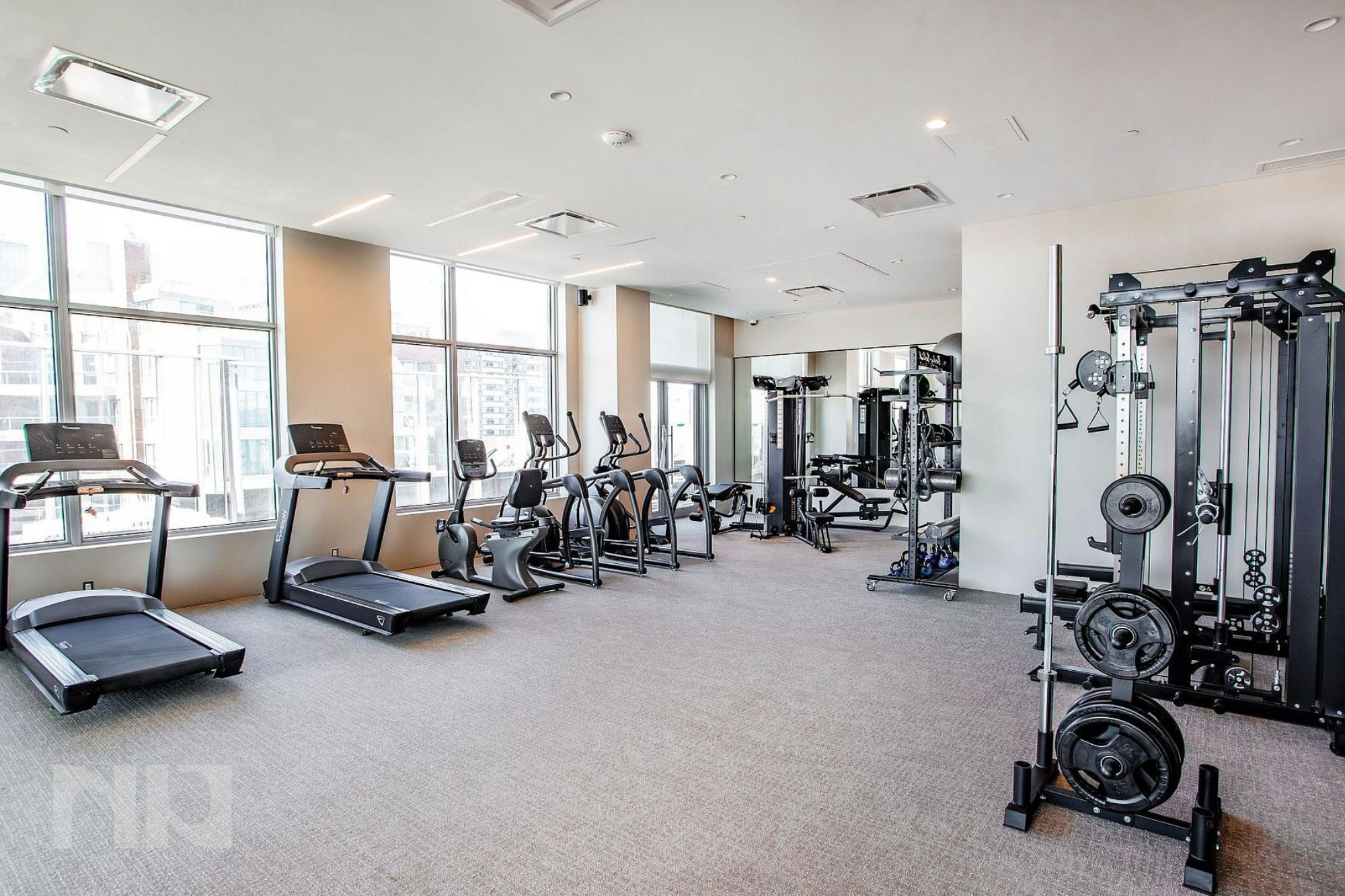
Daylight hours shorten in winter, and that affects routine. Walkable neighbourhoods with nearby cafes, gyms, and green space help counteract isolation.
Many residents intentionally structure their winter routines around movement and social interaction.
Neighbourhood choice plays a larger role here than climate itself.
Is Winter a Reason Not to Move to Ottawa?
For some people, climate is a deciding factor. But for many residents, winter becomes part of the city’s rhythm rather than a deterrent.
Living in a neighbourhood that supports walkability, transit access, and short errands can significantly improve the winter experience.
Final Thoughts
Winter in Ottawa is real, but it is manageable. The lived experience depends less on temperature and more on how your daily life is structured.
Choosing the right neighbourhood can reduce friction, shorten errands, and make winter feel routine rather than overwhelming.