When people talk about home buying regrets, they almost always talk about money.
They say they paid too much.
They say they should have waited.
They say they wish they bought sooner or later.
But after years of watching how people actually live in the homes they buy, price is rarely the real regret.
The real regret usually shows up six months in, when daily life starts to settle.
Regret usually comes from rushing the wrong decision
Most buyers do not regret buying a home. They regret how they bought it.
They remember feeling pressure.
They remember moving faster than they were comfortable with.
They remember ignoring small concerns because everything else “felt right.”
Those small concerns tend to get louder over time.
Noise you thought you would get used to.
A layout that looked fine during a showing but feels awkward daily.
A location that works on paper but not in real life.
These things are rarely deal-breakers during a showing. They become important once the excitement fades.
People underestimate how much their lifestyle matters
Square footage is easy to measure. Lifestyle is not.
Buyers often focus on bedrooms, bathrooms, and finishes because those are visible and comparable. What gets overlooked is how the home fits into daily routines.
Commute patterns.
Where groceries actually get bought.
How often guests come over.
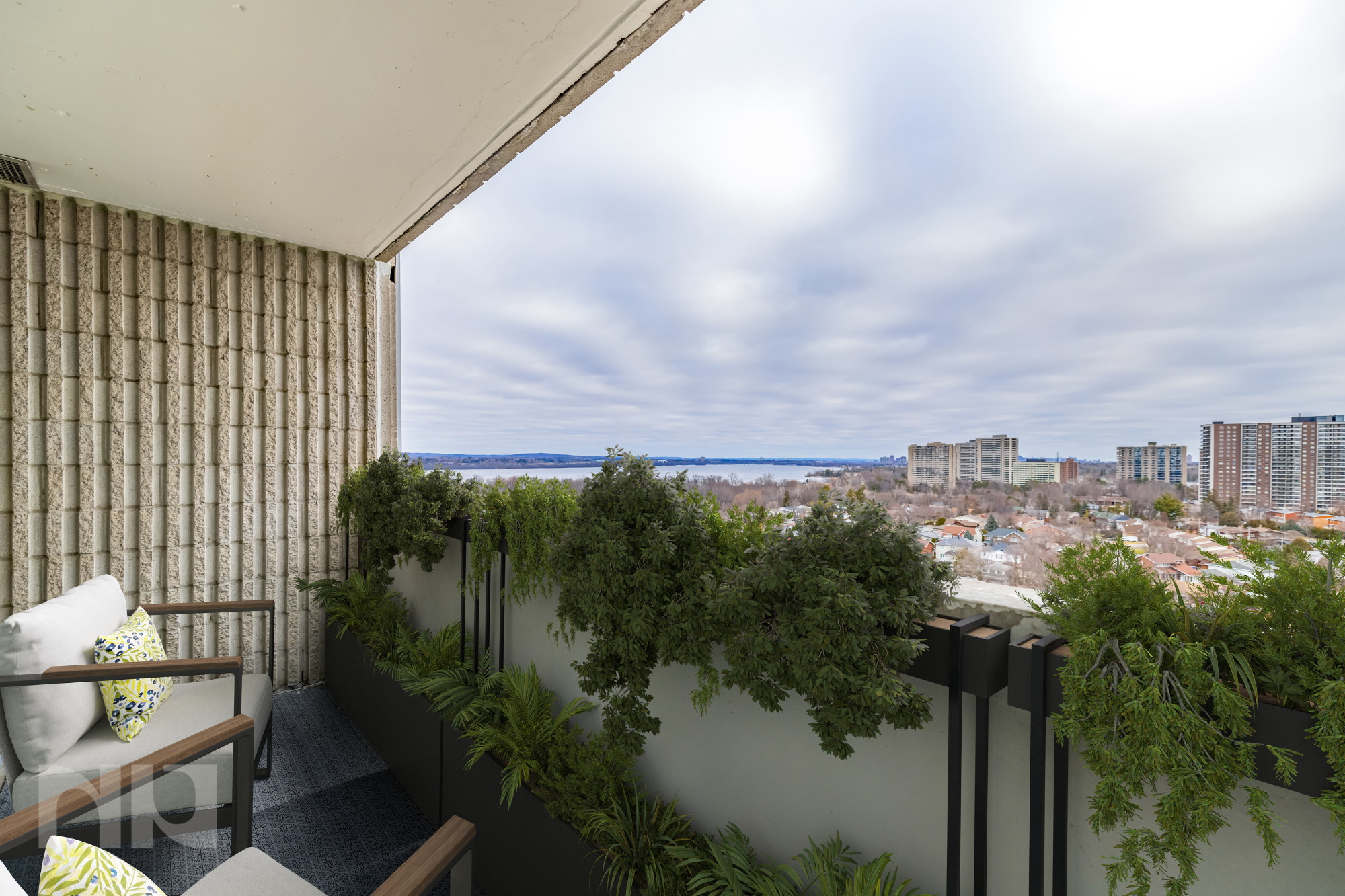
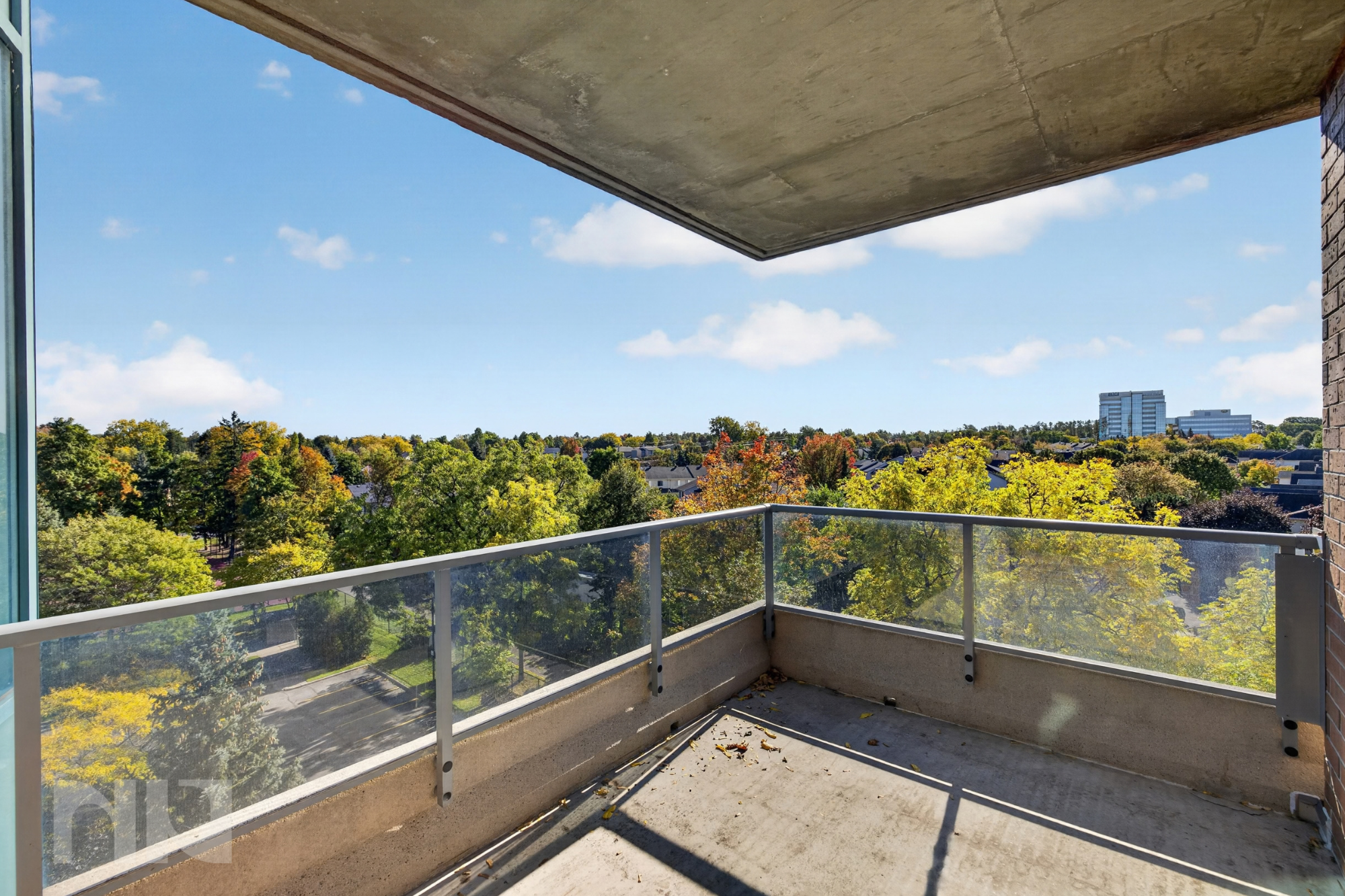
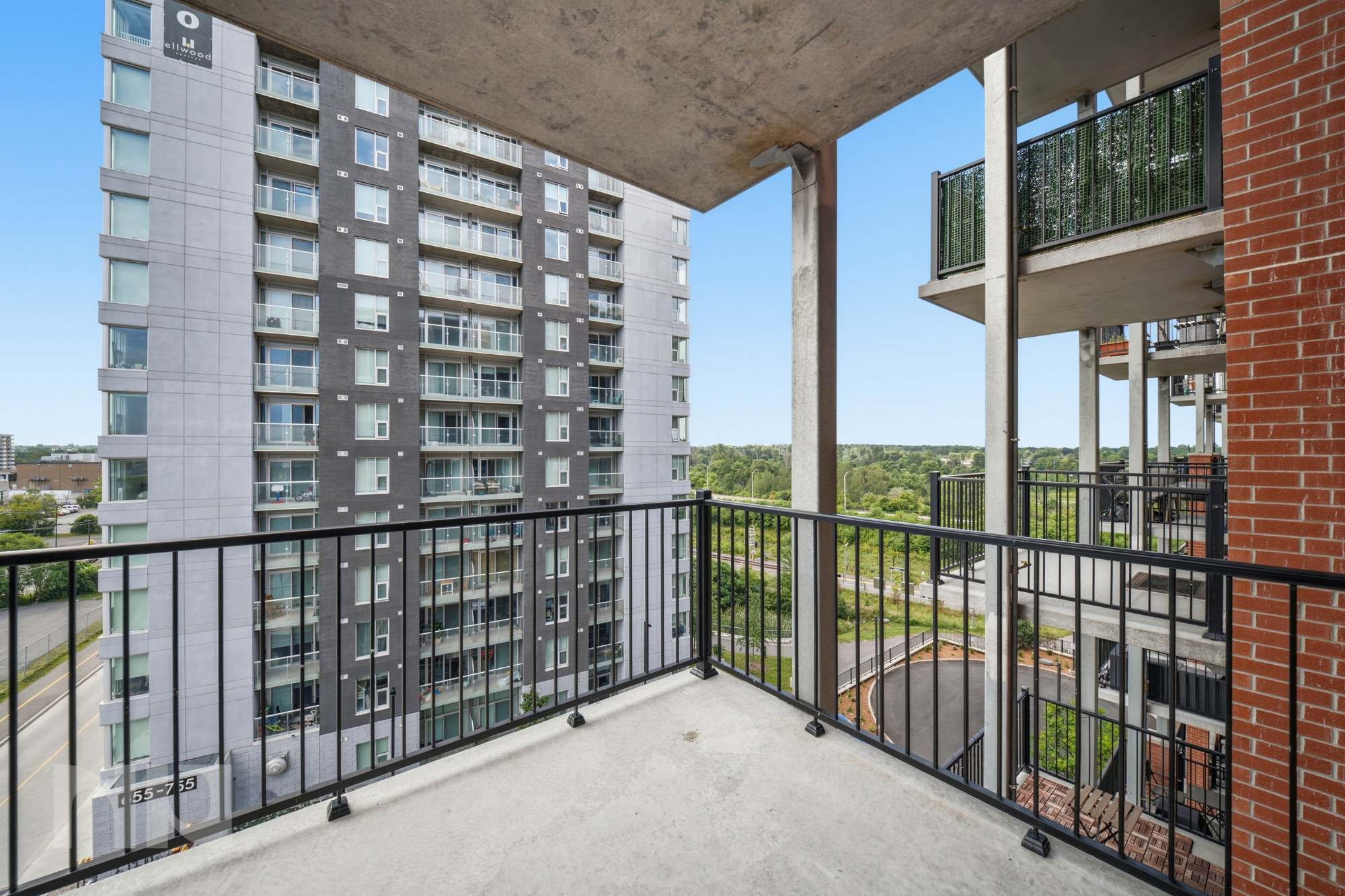
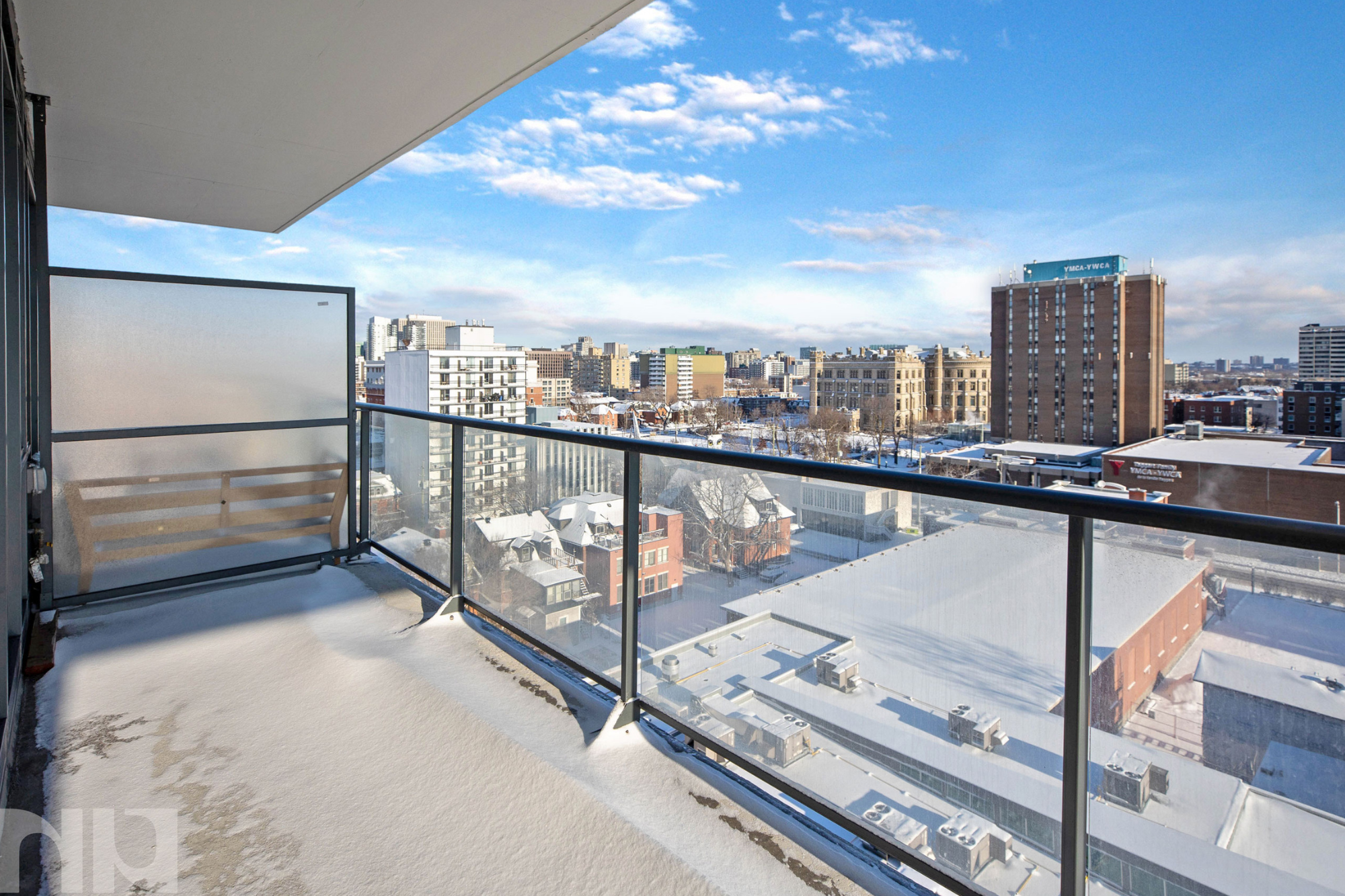
Whether outdoor space gets used or ignored.
A home can be objectively “good” and still feel wrong for how someone actually lives.
That disconnect is where regret starts.
The most common sentence people say after moving in
One sentence comes up more than almost any other.
“If I had known this before, I would have thought differently.”
Not because the home is bad.
Because the buyer did not slow down enough to test their assumptions.
They assumed they would cook more.
They assumed they would use the spare room.
They assumed the stairs would not matter.
They assumed they would adjust.
Sometimes they do. Sometimes they do not.
Why this happens so often
Buying a home is one of the few decisions where people are expected to move quickly, commit emotionally, and spend a large amount of money all at once.
That combination makes it easy to override instinct.
Add in outside voices, opinions, timelines, and pressure, and people often stop asking the quiet questions that matter most to them personally.
What experienced buyers do differently
Buyers who feel good about their purchase long after moving in usually share a few habits.
They are honest about how they live now, not how they hope to live later.
They test assumptions instead of ignoring them.
They accept trade-offs deliberately instead of accidentally.
Most importantly, they give themselves permission to slow down when something does not sit right, even if the home checks every box on paper.
The real goal is not the perfect home
There is no perfect home.
There is only a home that fits the version of your life you are actually living.
The buyers who end up happiest are not the ones who win the fastest or stretch the furthest. They are the ones who understand themselves well enough to recognize when something truly works for them.
Final thought
Regret in real estate rarely comes from numbers. It comes from misalignment.
When buyers take the time to understand their own habits, priorities, and non-negotiables, the decision tends to age well.
That clarity matters more than timing, trends, or headlines.