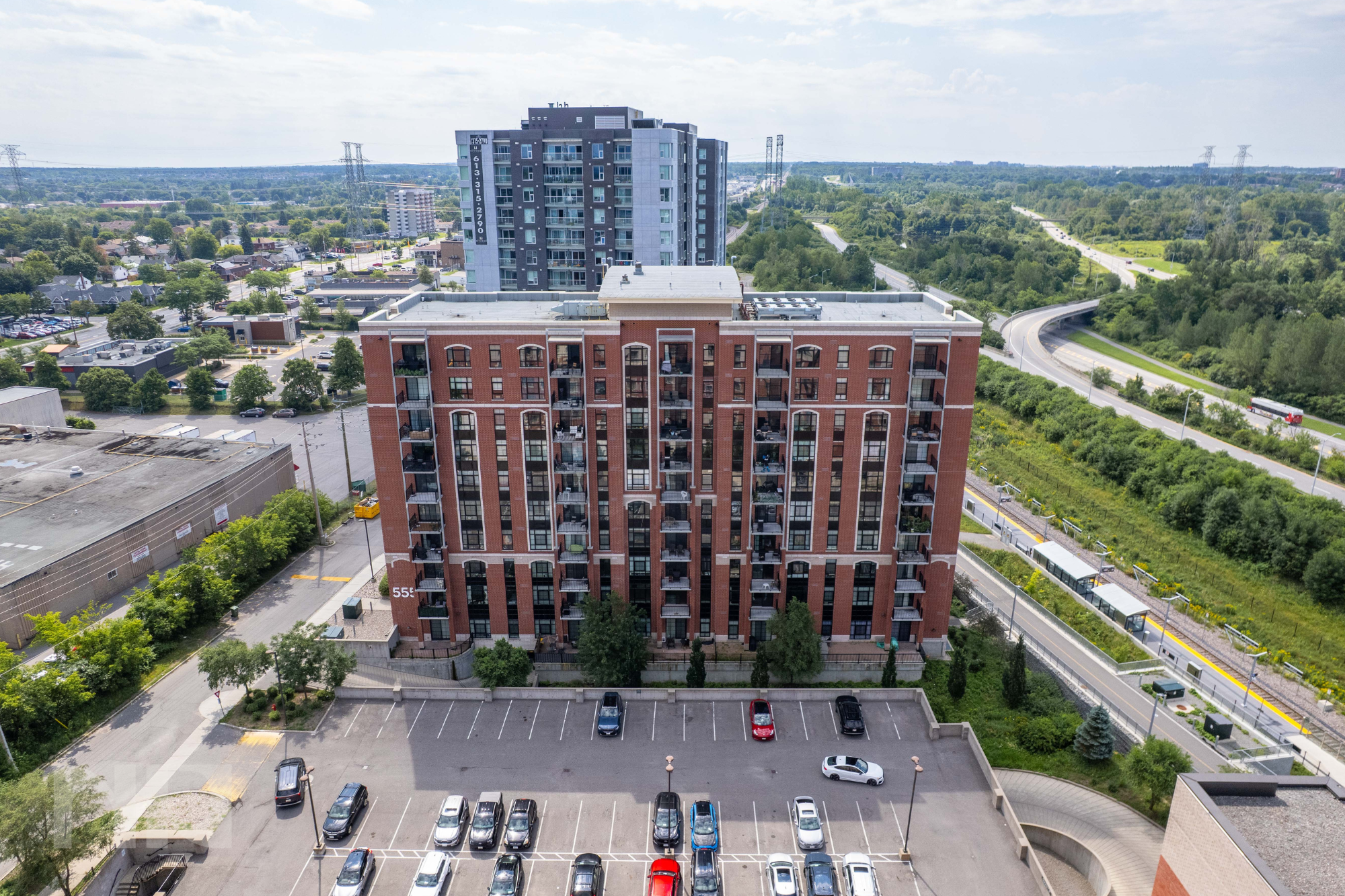
When a home sits on the market longer than expected, the first assumption people make is that something must be wrong with the market.
In reality, we regularly see homes struggle even during balanced or active conditions. At the same time, nearly identical properties nearby sell quickly and cleanly.
The difference usually has nothing to do with timing and everything to do with strategy.
Price Is Not the Only Reason Homes Don’t Sell
Pricing matters, but it is rarely the only factor.
Many listings fail because they are priced correctly on paper but positioned poorly in real life. Buyers do not shop spreadsheets. They shop emotionally first and logically second.
When a home feels overpriced compared to nearby alternatives, even by a small margin, buyers hesitate. That hesitation often leads to fewer showings, which then reinforces the perception that something is wrong.
Once that perception sets in, price reductions become less effective than sellers expect.
Presentation Drives Buyer Confidence
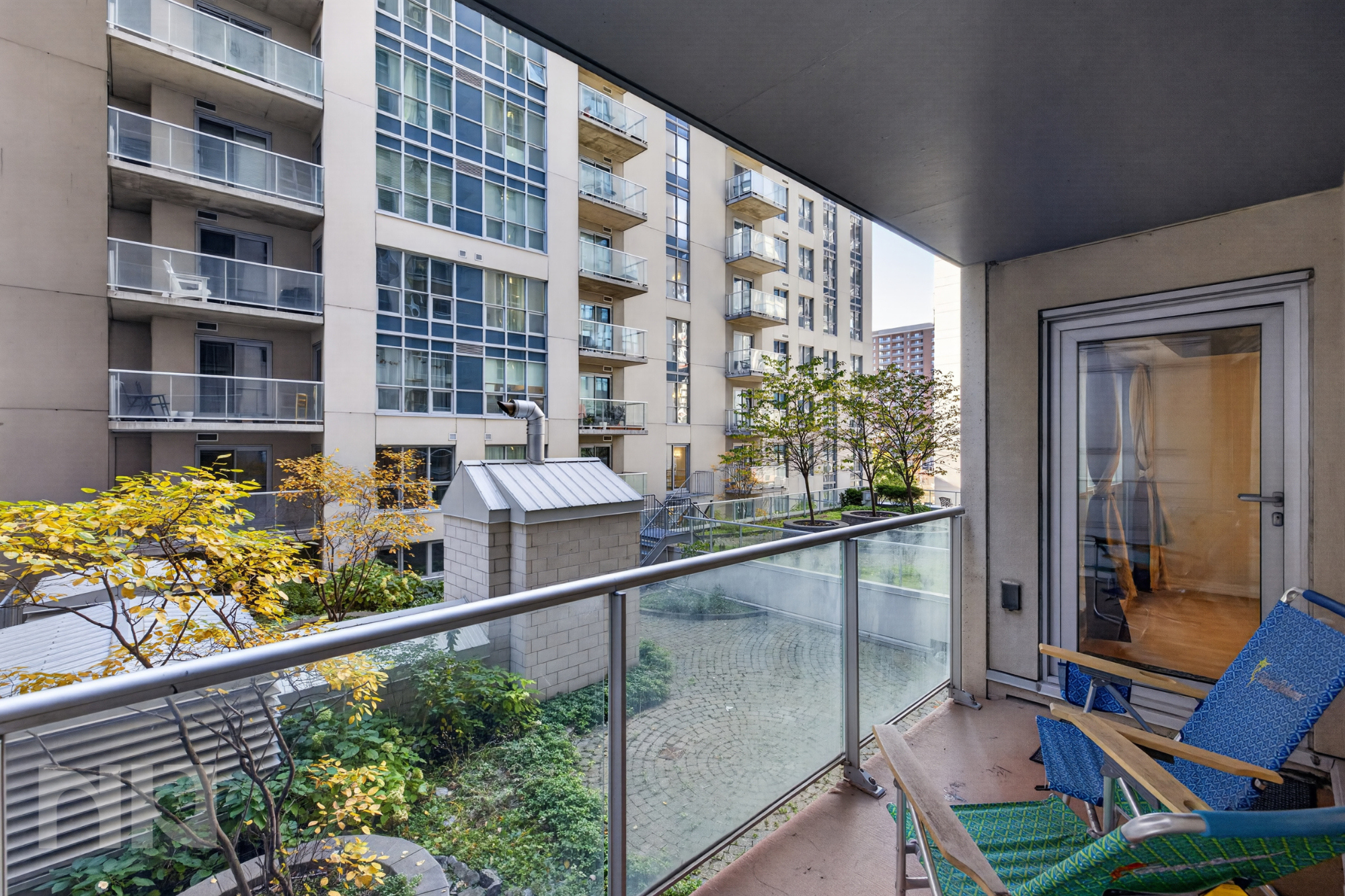
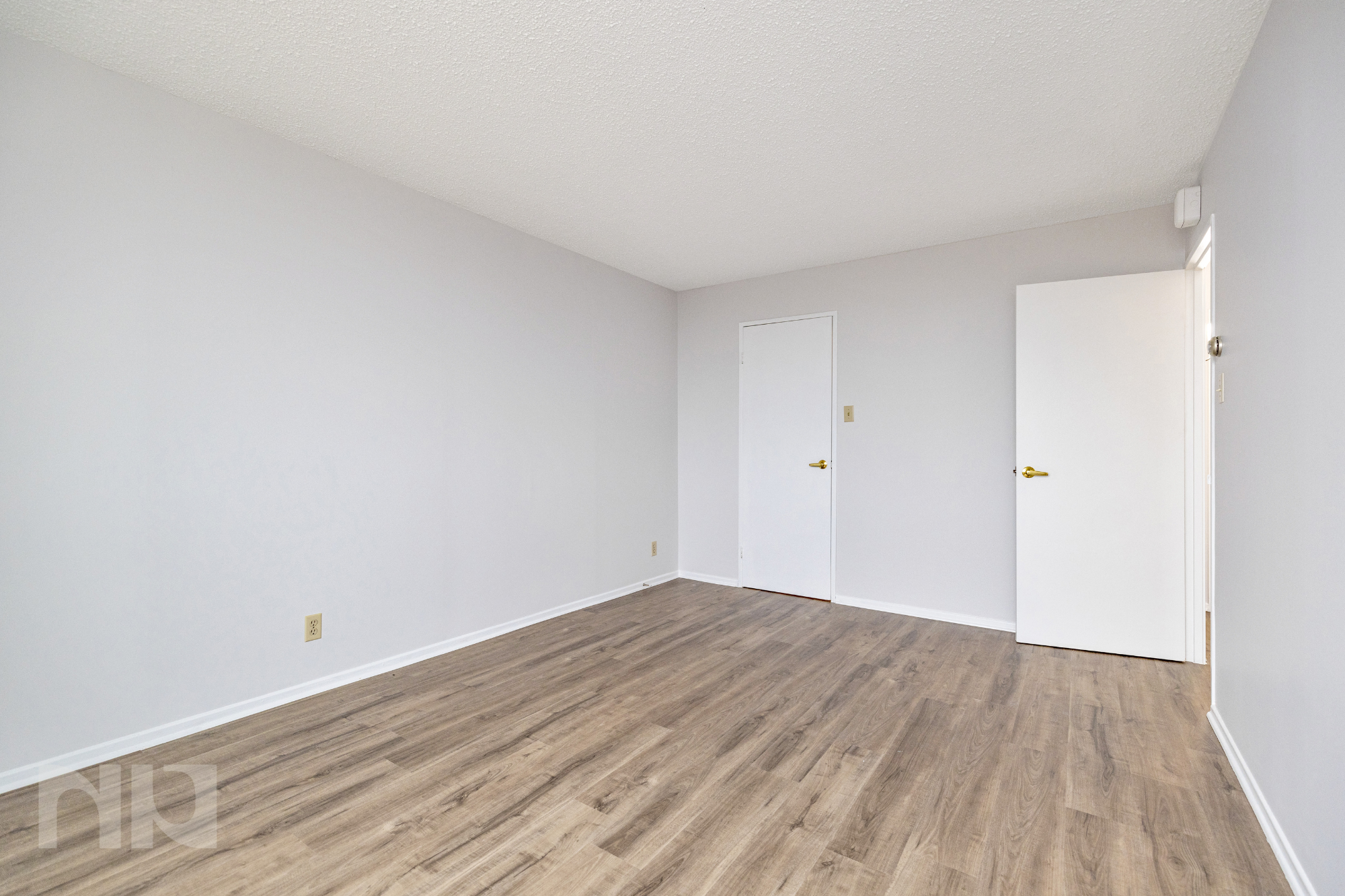
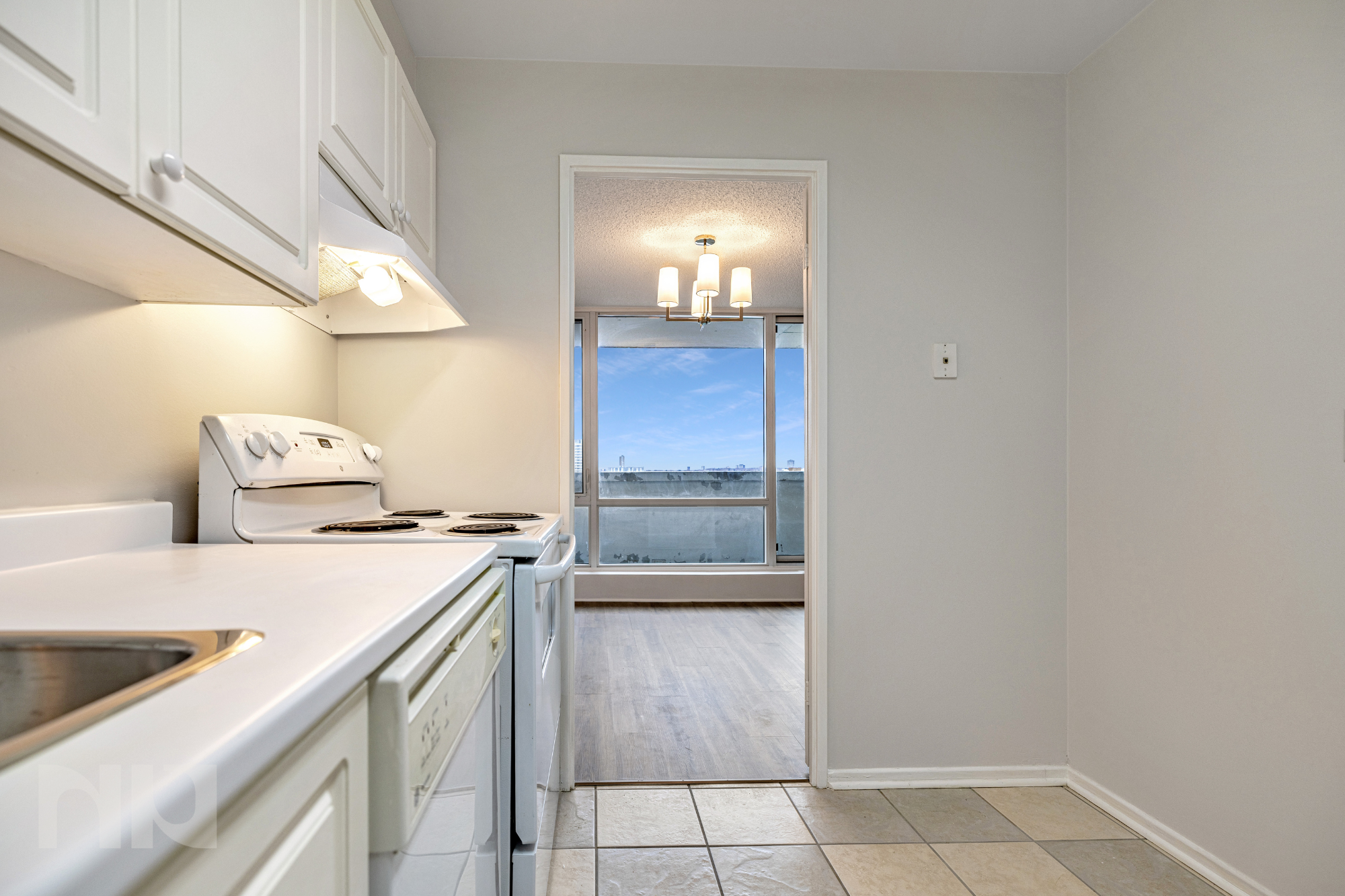
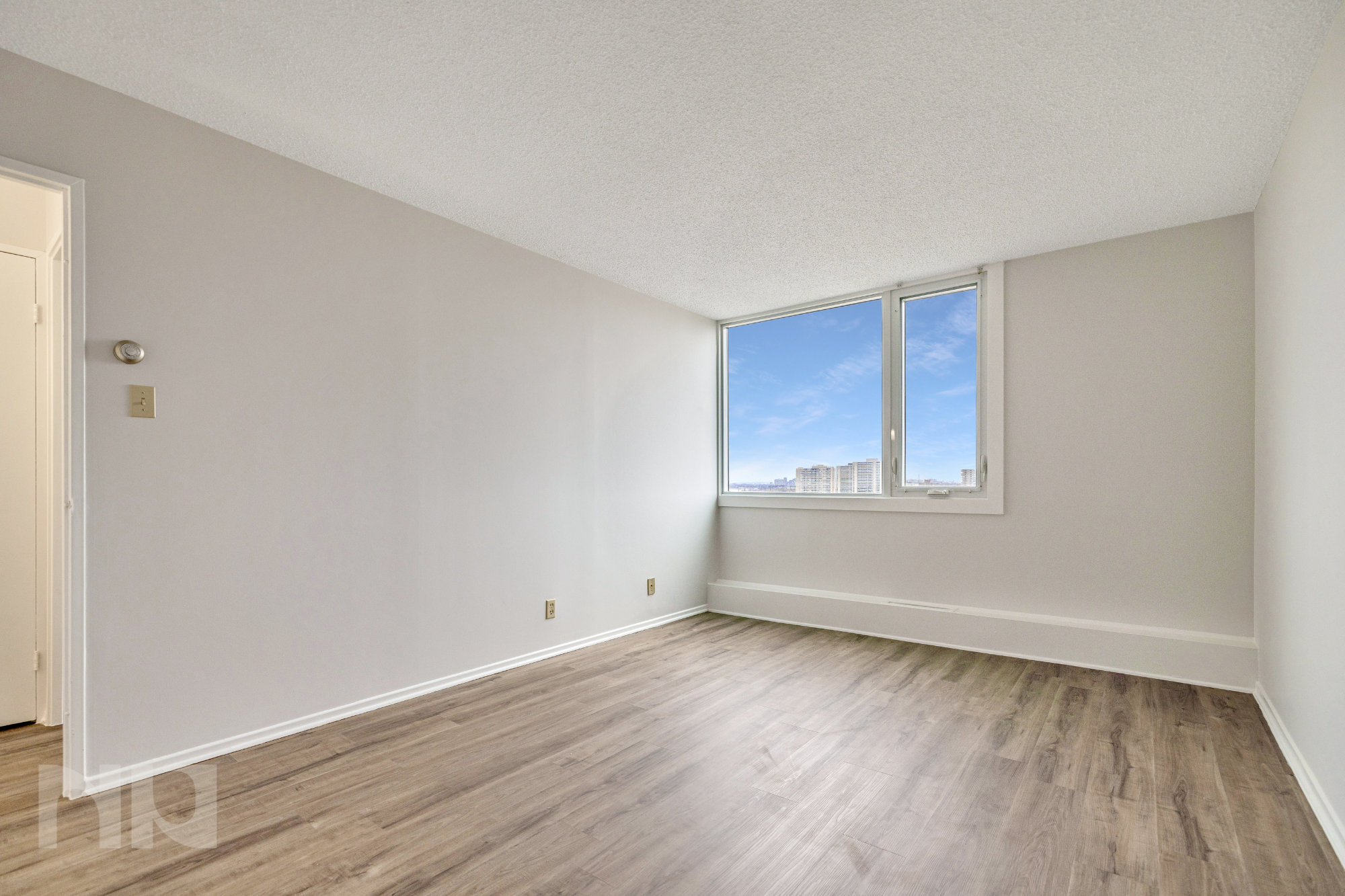
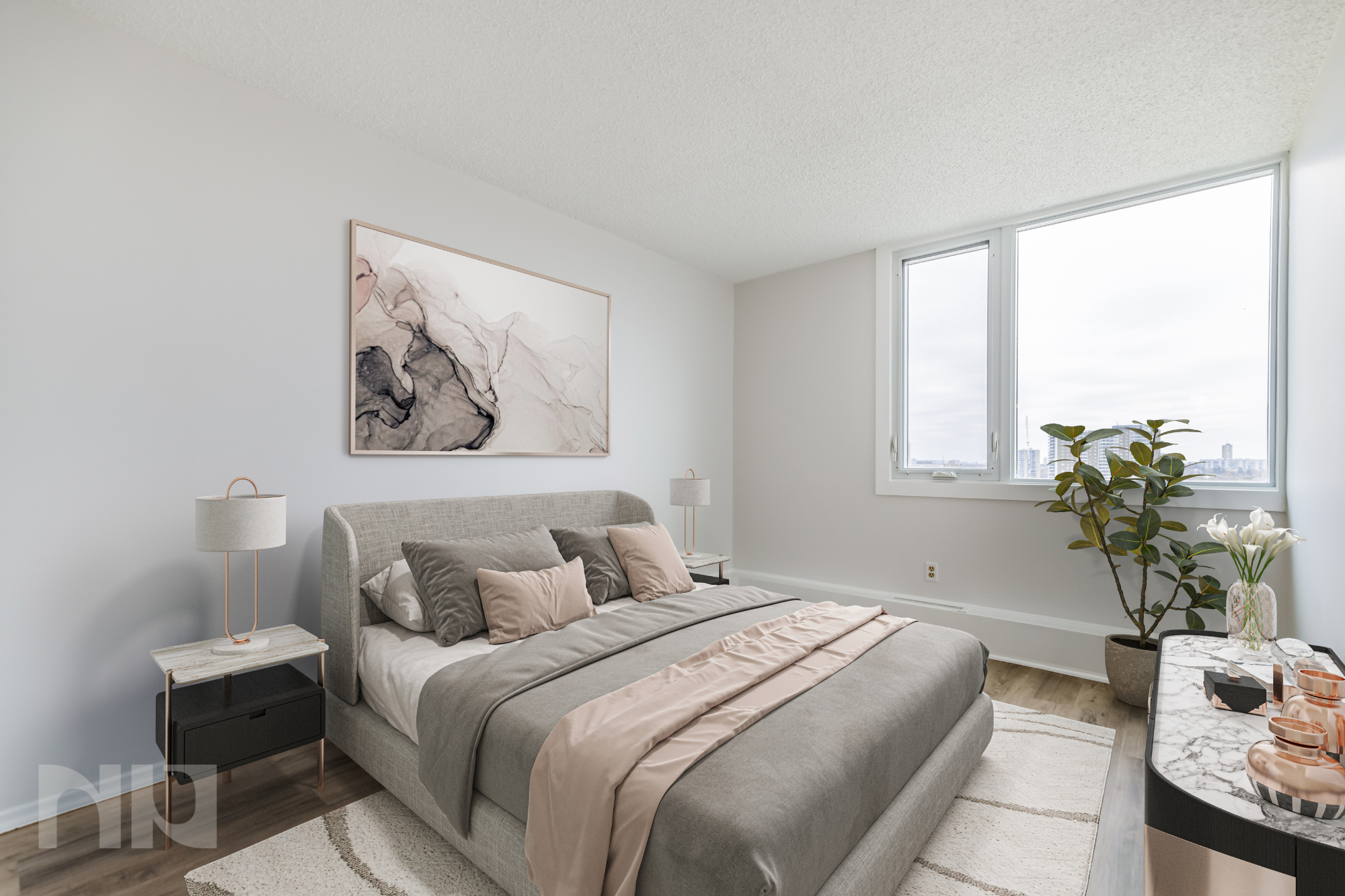
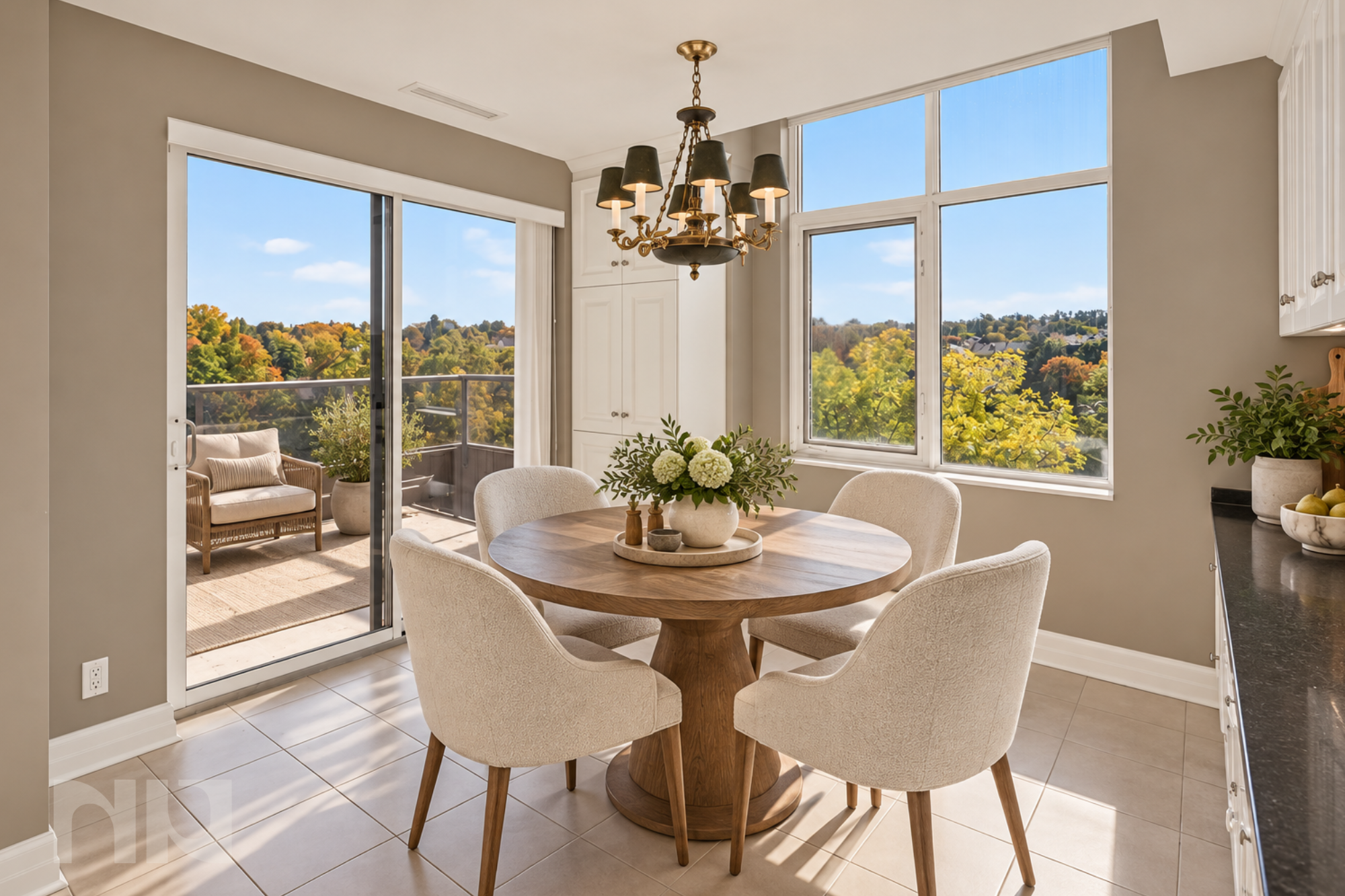
In Ottawa, buyers are comparison shopping more than ever. Online photos, videos, and listing descriptions are often the first showing.
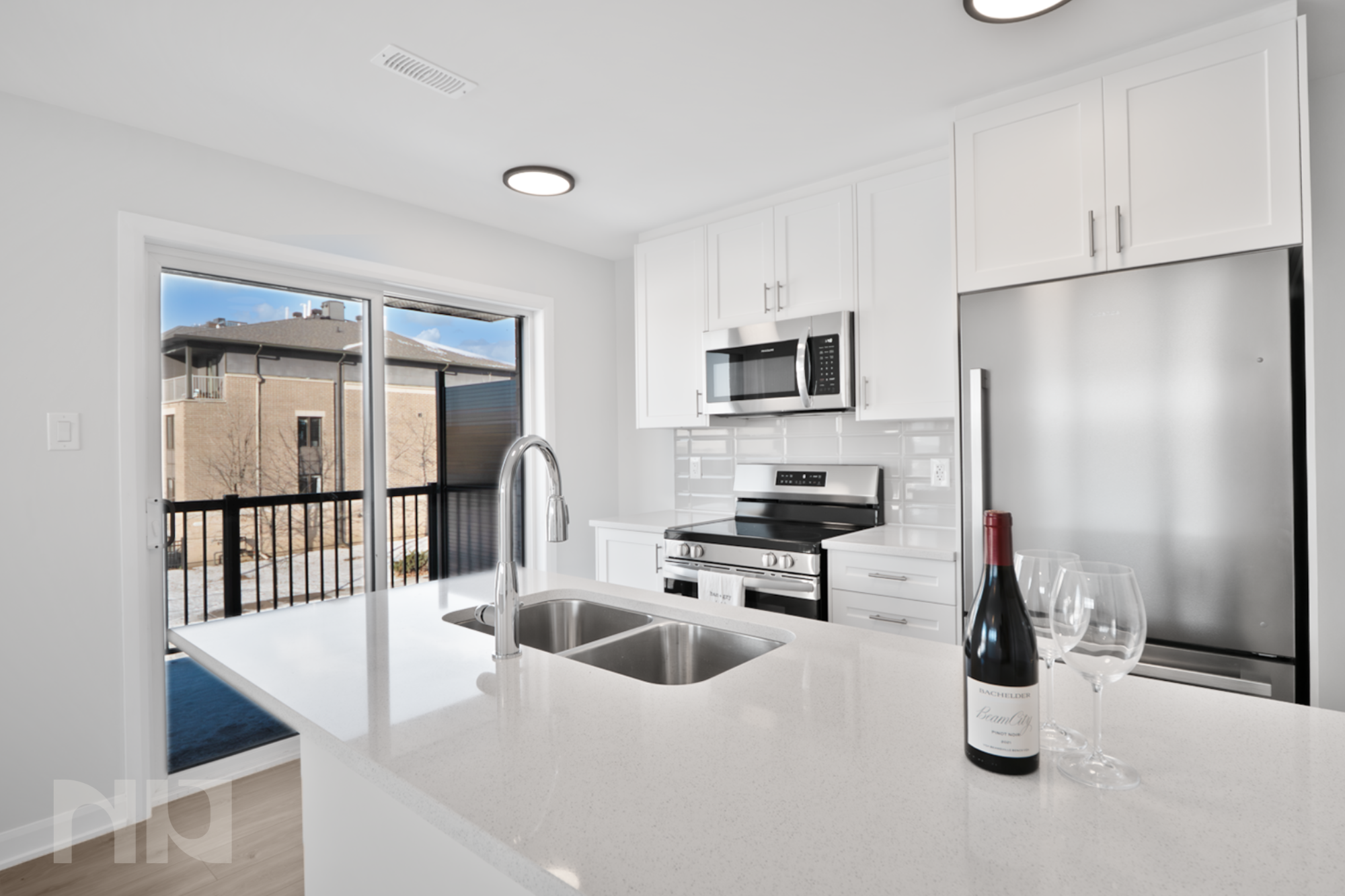
Homes that lack strong photography, clear layout explanations, or accurate descriptions force buyers to fill in the gaps themselves. Most will not bother. They simply move on to the next listing.
This is especially true in competitive neighbourhoods where buyers have multiple options within the same price range.
A well-presented home does not just look better. It feels safer to buy.
Listing Timing Is About Competition, Not Seasons
Many sellers focus on the time of year. Far fewer think about who else they are competing with at the moment they list.
Launching when several similar homes hit the market at the same time can dilute attention quickly. Buyers may tour them all, but they rarely feel urgency for any one option.
Homes that sell well are often the ones that enter the market when inventory is thinner or when their specific home type is underrepresented.
Overexposing a Listing Can Hurt More Than Help
Long days on market change how buyers interpret value.
Once a listing becomes familiar, it loses urgency. Buyers assume it will still be there later, which delays decisions and weakens negotiation leverage.
In some cases, a listing becomes “invisible” even though it is still active. New buyers entering the market focus on what feels fresh, not what has been sitting.
This is why the first few weeks of a listing matter more than most sellers realize.
What Successful Listings Have in Common
Homes that sell efficiently tend to share the same fundamentals:
A price that matches buyer perception, not just recent sales
Strong marketing that explains the home clearly and honestly
A launch strategy that limits competition and builds momentum
Clear expectations set with the seller before going live
None of these rely on luck or market timing. They rely on preparation and strategy.
Selling Is About Controlling the Variables You Can
The market sets the backdrop, but sellers control far more than they think.
When a listing struggles, it is usually because one or more controllable factors were overlooked early. Fixing those issues later is possible, but it is always harder than getting it right from the start.
This is why we focus on strategy well before a home hits the market, not after feedback starts coming in.
If you are thinking about selling and want to understand how buyers will actually perceive your home, that conversation should happen before a sign goes up.