Ask someone what they want in a neighbourhood and you’ll hear the same answers on repeat. Walkability. Schools. Transit. Space. Community.
All of that matters, but it is rarely the real reason people end up choosing one area over another.
In practice, most people choose neighbourhoods based on something much more specific: how their daily routine will feel once they live there.
Most Decisions Are Made Around One or Two Anchors
People like to believe they are comparing entire neighbourhoods. What they are usually doing is anchoring around one or two non-negotiables.
It might be:
A specific commute
A gym or studio they already love
A school pickup route
Proximity to family
Access to green space they use weekly
Everything else becomes secondary. Two neighbourhoods can look identical on paper, but the one that shortens a daily friction point almost always wins.
Walkability Is Personal, Not Universal
“Walkable” means very different things to different people.
For some, it means being able to walk to coffee and groceries.
For others, it means walking kids to school.
For others, it means being able to walk without crossing major roads.
This is why broad neighbourhood labels often fall flat. What matters is not whether an area is technically walkable, but whether it supports the way someone actually moves through their day.
Lifestyle Fit Matters More Than Square Footage
People rarely regret buying less space. They often regret buying the wrong location for how they live.
A larger home loses its appeal quickly if it adds stress, longer days, or logistical headaches. A smaller home in the right place tends to feel easier to live in, even if it looks less impressive online.
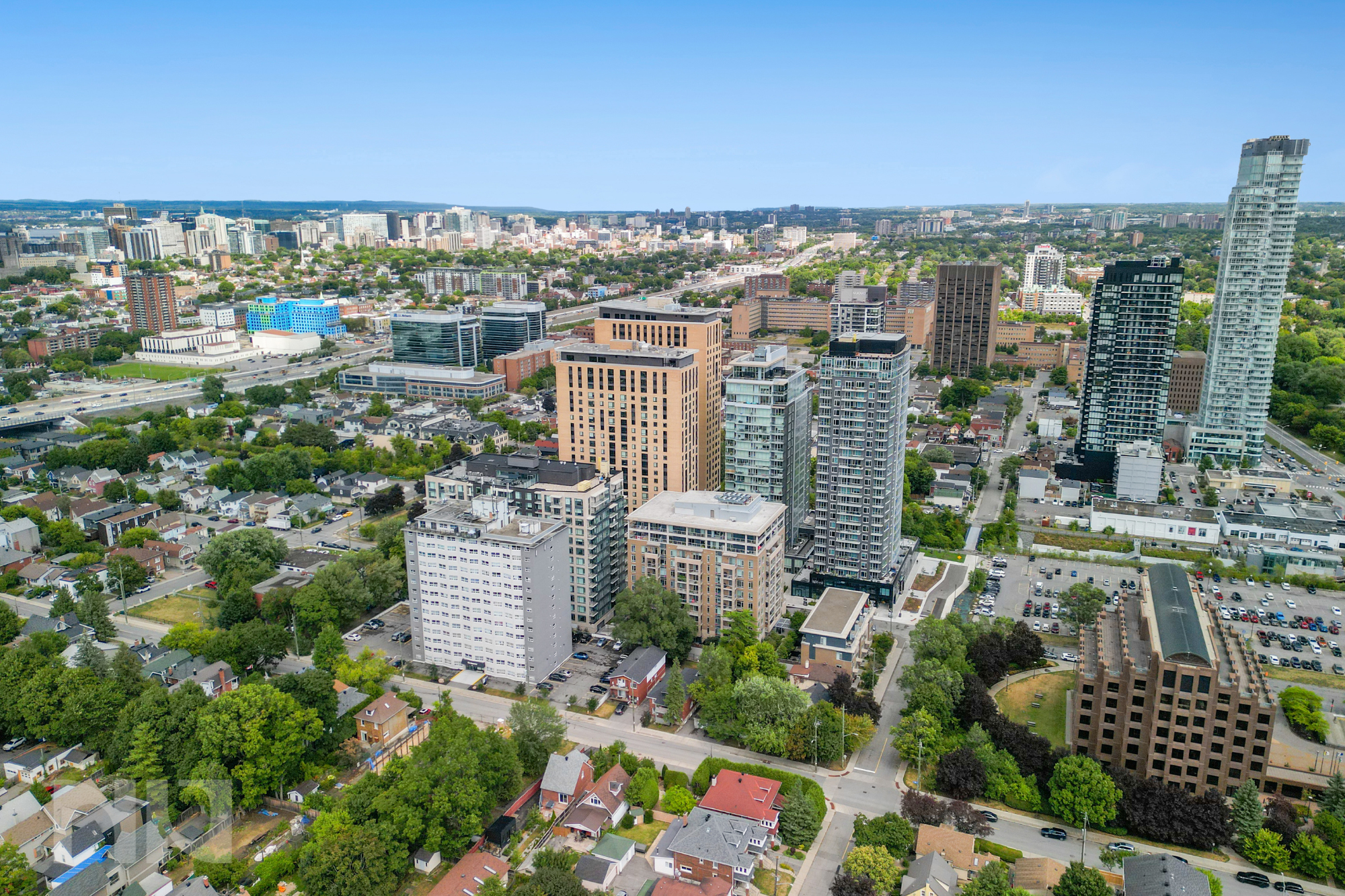
This is especially true in Ottawa, where neighbourhoods can feel dramatically different despite being only minutes apart.
Commute Tolerance Is Emotional, Not Logical
Two people with the same commute length can experience it completely differently.
Some people do not mind driving if the roads are predictable. Others would rather spend longer on transit if it feels calmer. Some want to avoid highways at all costs. Others avoid stop-and-go city traffic.
People often discover their true tolerance only after living with it for a while. That is why neighbourhood decisions based purely on distance can miss the mark.
Community Is Built Through Repetition
Ottawa neighbourhoods feel social not because of constant events, but because of repeated small interactions.
Seeing the same faces on walks. Going to the same café. Running into neighbours at the same park. Over time, those routines create familiarity.
People who feel disconnected in a neighbourhood are often missing a rhythm, not a personality match.
The Best Neighbourhood Is the One That Makes Life Easier
The strongest indicator that someone chose well is not excitement, but relief.
Days feel smoother. Errands feel lighter. Time feels less fragmented. Life fits.
That is rarely something you can spot from a listing description alone.
Choosing where to live in Ottawa is less about finding the “best” neighbourhood and more about finding the one that quietly supports your life as it already exists.
When that alignment is there, everything else tends to fall into place.