Many buyers and sellers in Ottawa follow a pattern they do not expect.
They purchase a home.
They settle in.
Life moves forward.
And then, a few years later, they move again.
Not because the home was wrong on paper.
Not because the market shifted dramatically.
But because the home never fully aligned with how daily life actually unfolded.
The first move is usually driven by urgency
Most first moves are shaped by pressure.
A lease ending.
A growing family.
A career change.
A separation.
A sense that it is simply “time.”
When urgency leads the decision, choices tend to focus on what is available and affordable in the moment. Those priorities are practical, but they often leave little room for reflection about long-term fit.
The home works. It just never quite feels settled.
The second move is driven by clarity
The second move tends to look very different.
By that point, people understand their habits better. They know what spaces they actually use, what they avoid, and what quietly causes friction. They understand how much walkability matters, how winter affects routines, and how commuting shapes their days.
They also understand Ottawa better.
They know which errands repeat weekly.
They know which neighbourhoods feel energizing versus draining.
They know whether driving everywhere adds stress or freedom.
That clarity often arrives only after living through compromise.
Ottawa quietly punishes “almost right” decisions
This city is full of homes that are technically fine but practically misaligned.
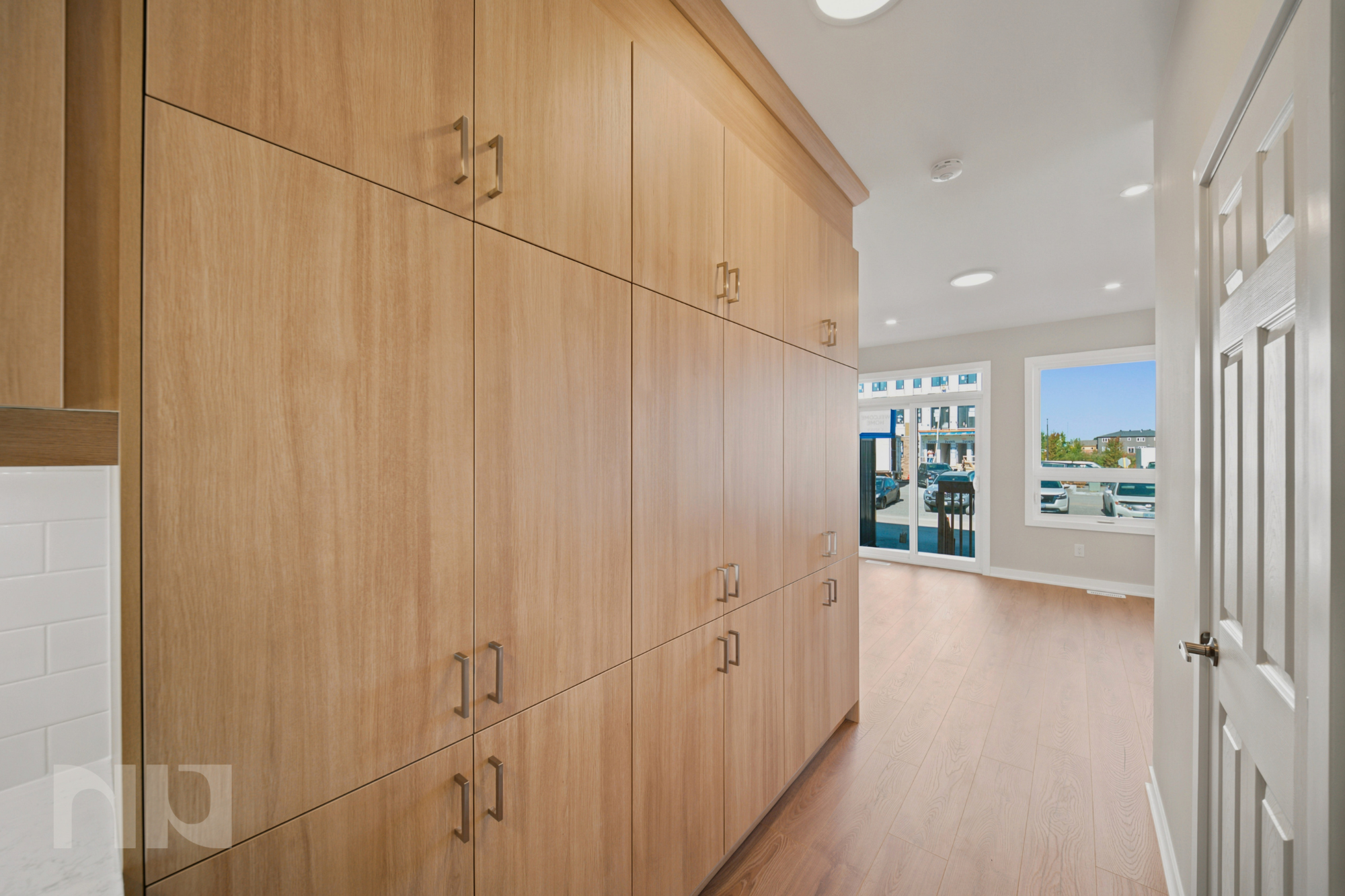
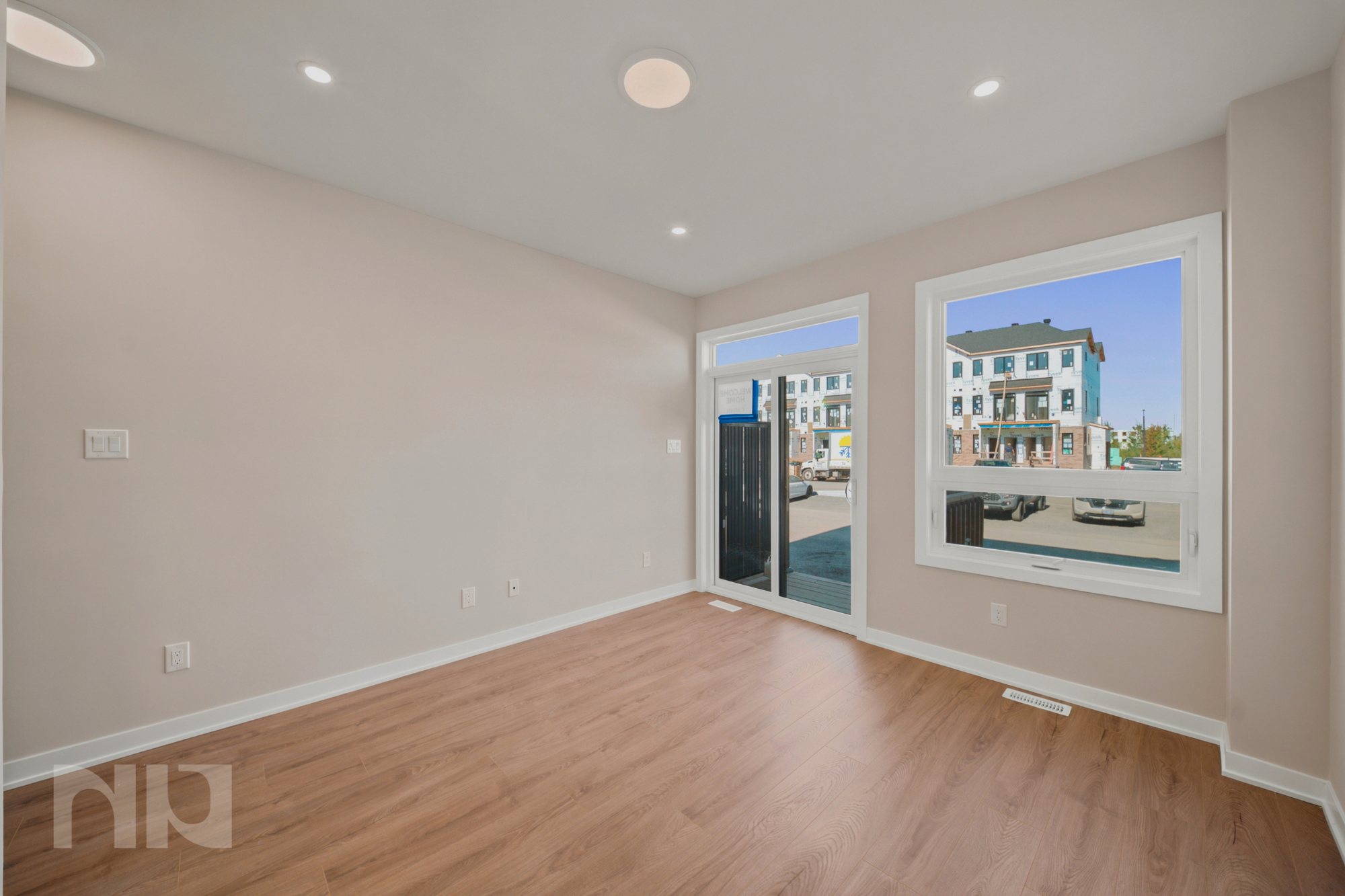
A townhouse that fits the budget but adds daily driving.
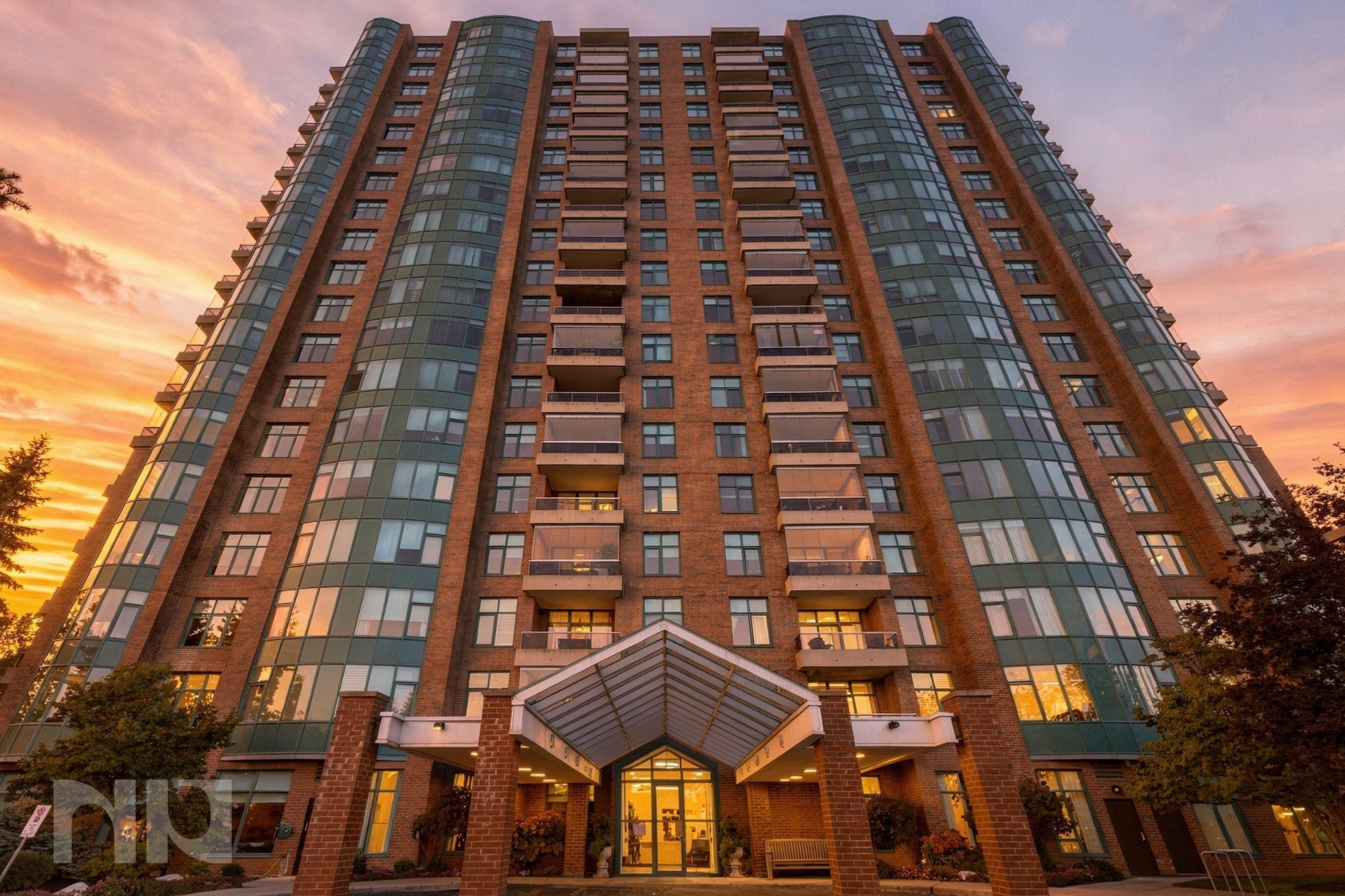
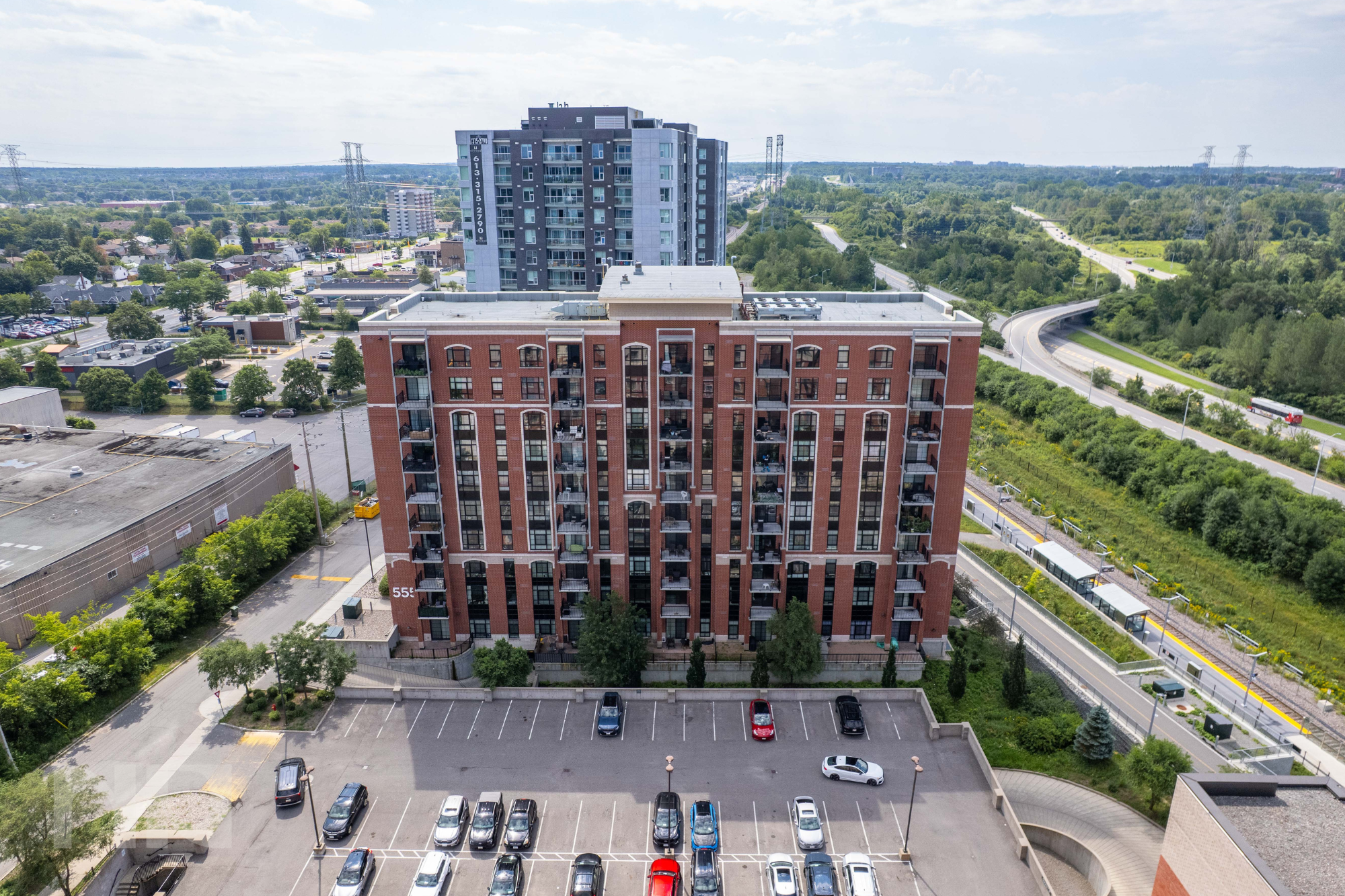
A condo that looks great but feels disconnected from its surroundings.
A detached home that offers space but reduces spontaneity.
In Ottawa, size alone does not guarantee quality of life. Function, location, and neighbourhood context matter more than many people expect.
When those elements are off, friction shows up slowly and consistently.
The question many buyers skip
Instead of asking “Can this work?”, a better question is:
“What will an average Tuesday look like here?”
Where will coffee come from?
How will commuting feel?
What will winter routines look like?
How will weekends naturally unfold?
Homes that support those answers tend to last. Homes that do not often become stepping stones.
How to avoid the double move
Getting it right the first time does not mean finding a perfect home. It means identifying non-negotiables early.
In Ottawa, that often comes down to three core factors:
Location that supports daily habits, not just price
A layout that reflects real living, not aspirational living
A neighbourhood that feels livable, not just convenient
When these align, people tend to stay longer, settle deeper, and build routines instead of exit plans.
Why this matters in 2026
People are more intentional with their time and energy. A home that adds friction does not just cost money. It affects daily quality of life.
Ottawa offers a wide range of lifestyles within a relatively small footprint. That flexibility is a strength, but only when decisions are made deliberately.
Final thought
Most people do not regret buying a home in Ottawa.
They regret not thinking deeply enough about how they wanted to live in it.
Approaching a move with clarity, patience, and an honest look at daily life is often the difference between a temporary solution and a long-term fit.