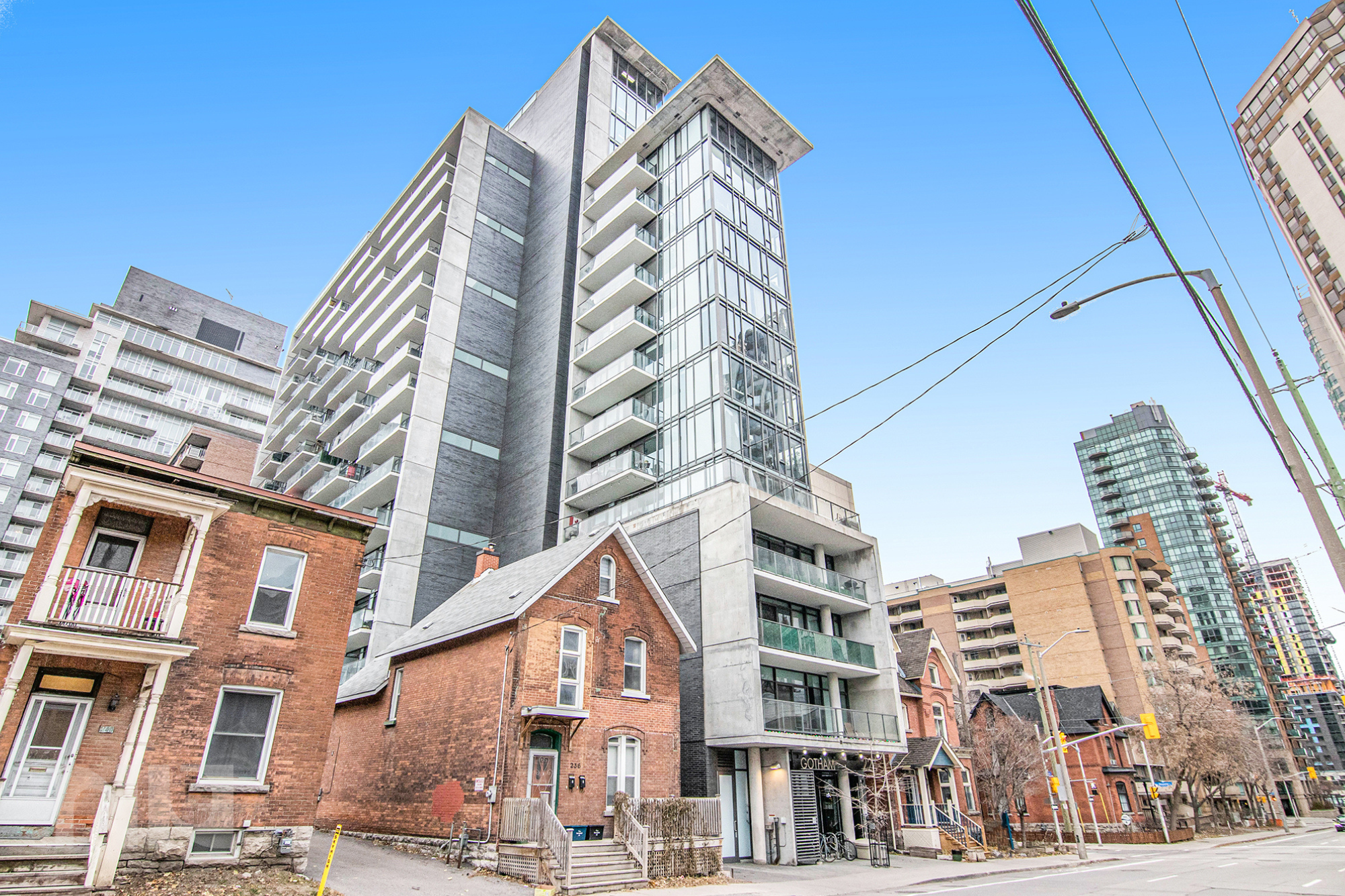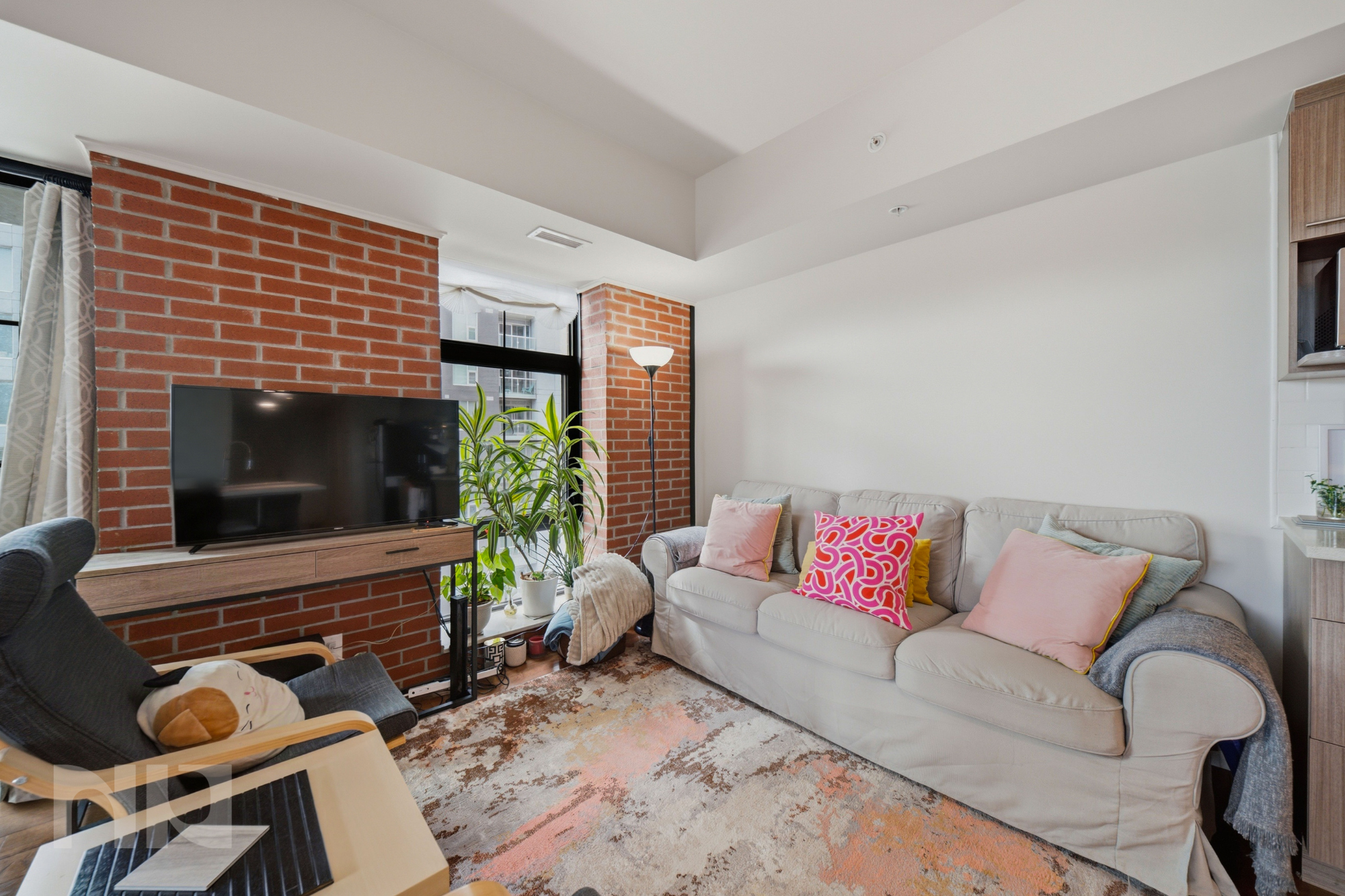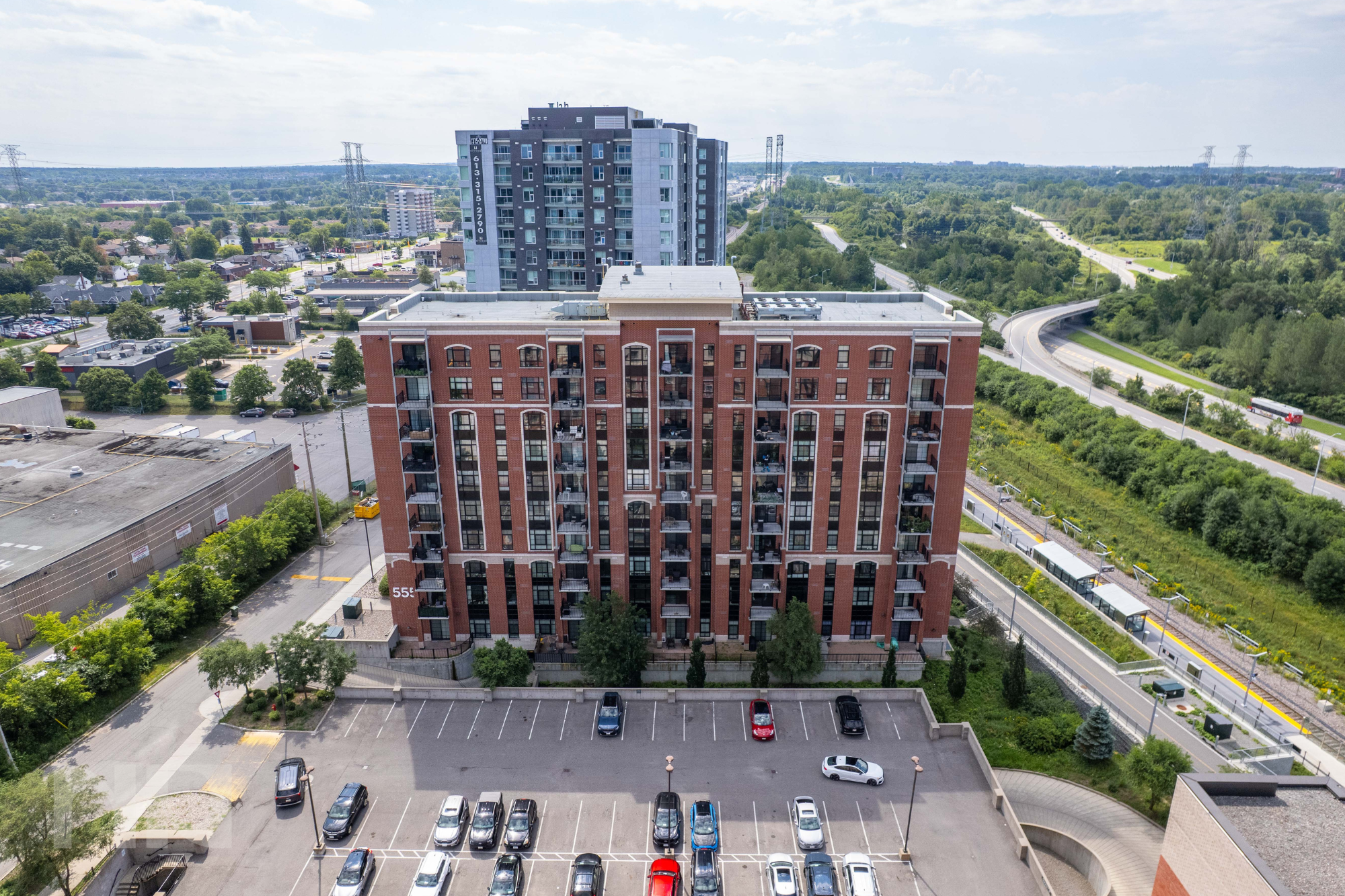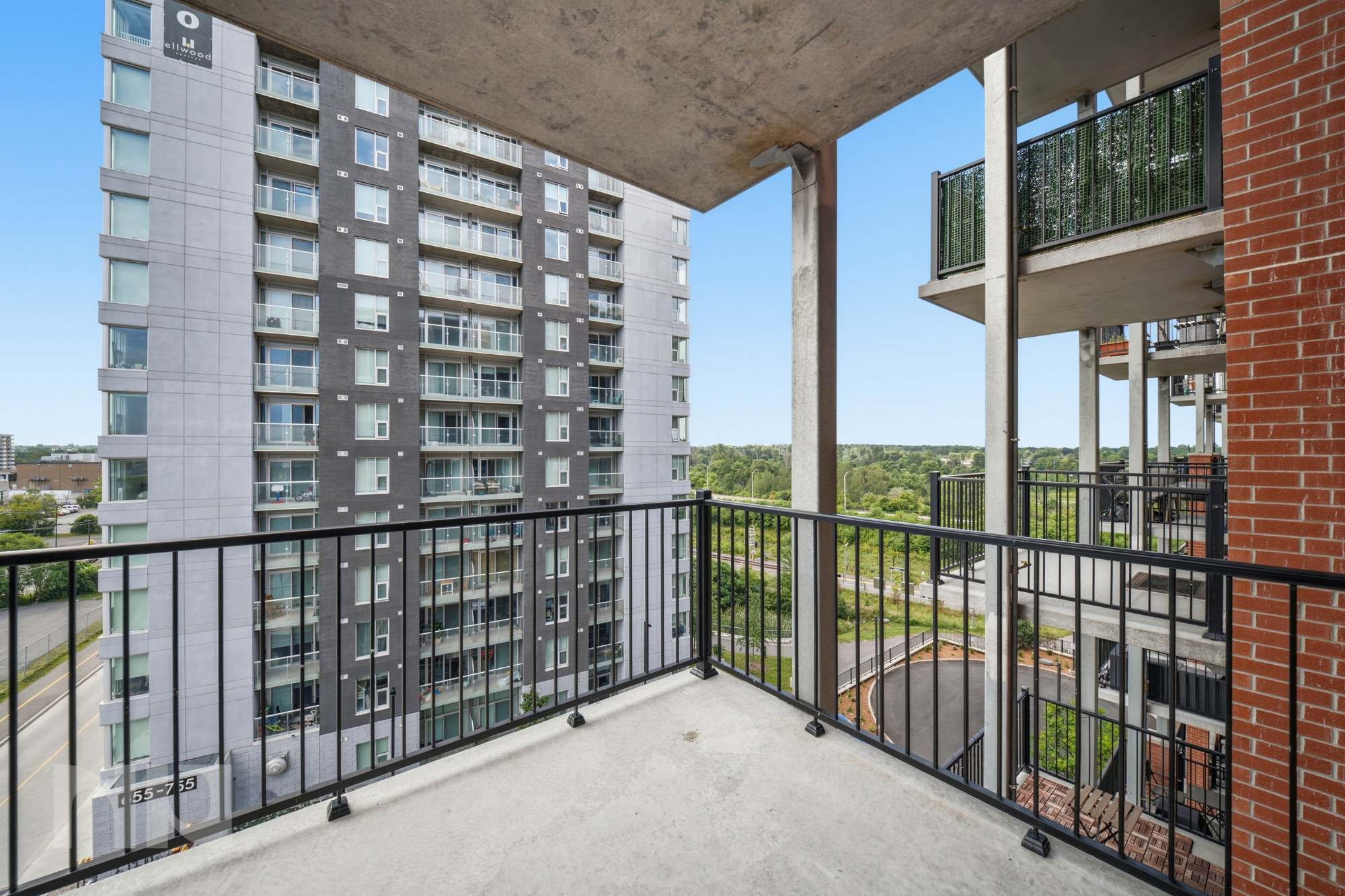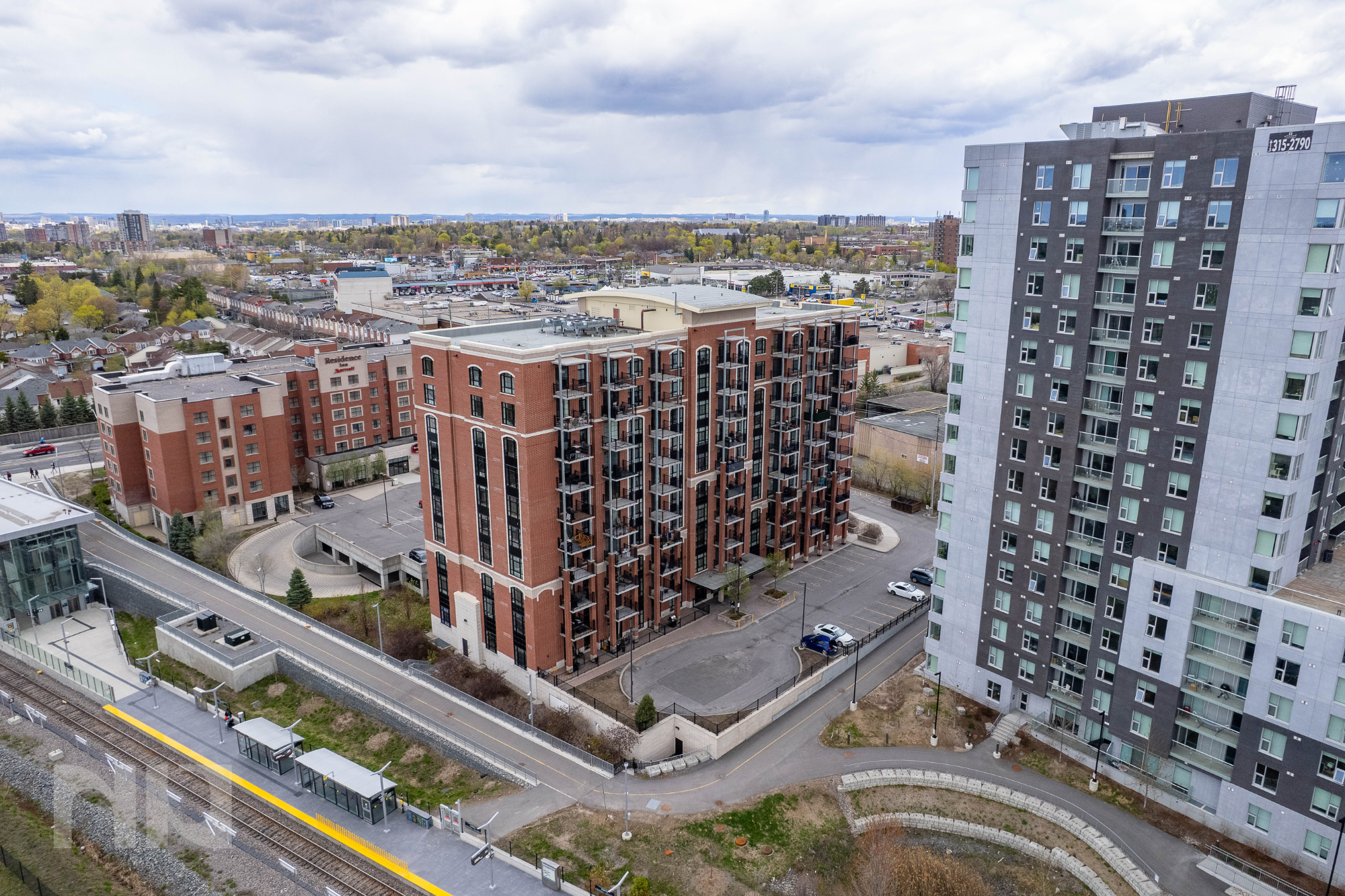
An older condo can be a great way to buy in an established Ottawa neighbourhood, and in some buildings, you may find larger floor plans or locations that would be difficult to replicate in newer construction.
But when you walk into a condo showing, it’s very easy to focus on the part you’re actually buying.
The kitchen. The view. The flooring. Whether your couch will fit.
With a condo, though, you’re also buying into the building around it.
If you’re considering an older condo in Ottawa, here are some of the things worth understanding before deciding whether a unit is actually a good buy.
Start With the Age of the Major Building Components
A building being old isn’t necessarily a problem.
What matters more is what has already been replaced, what has been maintained and what is coming next.
Depending on the building, major future expenses could include elevators, windows, roofing, parking garages, balconies, plumbing, heating and cooling systems or exterior work.
A 30-year-old building that has consistently maintained and replaced major components can be in a very different position from a younger building that has deferred work.
This is one reason simply comparing the ages of two condo buildings doesn’t tell you very much.
Look at the Reserve Fund, but Don’t Stop at the Balance
Ontario condo corporations maintain reserve funds to pay for major repairs and replacements to common elements and assets.
They are also required to complete periodic reserve fund studies. These studies look at the building’s components, their expected remaining life, anticipated replacement costs and how the reserve fund should be funded over time. After the first comprehensive study, updated studies are generally completed on an alternating basis at least every three years.
That means the question isn’t simply:
“How much money is in the reserve fund?”
A more useful question is:
“Does the reserve fund appear appropriate for the work this particular building expects to complete?”
A building with millions in its reserve fund could also have millions in major projects ahead. Context matters.
Find Out What Work Is Already Planned
This is where an older condo can sometimes become much easier to evaluate.
If the windows were recently replaced, the garage was repaired five years ago and the elevators were modernized last year, those are useful pieces of information.
You also want to know what hasn’t happened yet.
Upcoming projects don’t automatically make a condo a bad purchase. Buildings need maintenance. The important part is understanding the scope of the work and how the corporation expects to pay for it.
A well-run condo should be planning for aging components rather than being surprised every time something needs replacing.
Understand the Possibility of Special Assessments
A special assessment is an additional amount charged to condo owners when the corporation needs money beyond its normal budget and available funds.
They can arise from unexpected repairs, costs that exceed previous estimates, litigation or other financial shortfalls.
If you’re buying an older Ottawa condo, it’s worth looking beyond whether there is a special assessment right now.
You also want to understand whether there are major expenses approaching and whether adequate funding has been planned for them.
That distinction matters.
Don’t Automatically Treat Higher Condo Fees as a Red Flag
Two similar-looking condos can have very different monthly fees, but the cheaper one isn’t automatically the better deal.
Condo fees help cover the operation and maintenance of the common elements, services provided by the corporation and contributions to the reserve fund.
Instead of only comparing the monthly number, compare what you’re receiving for it.
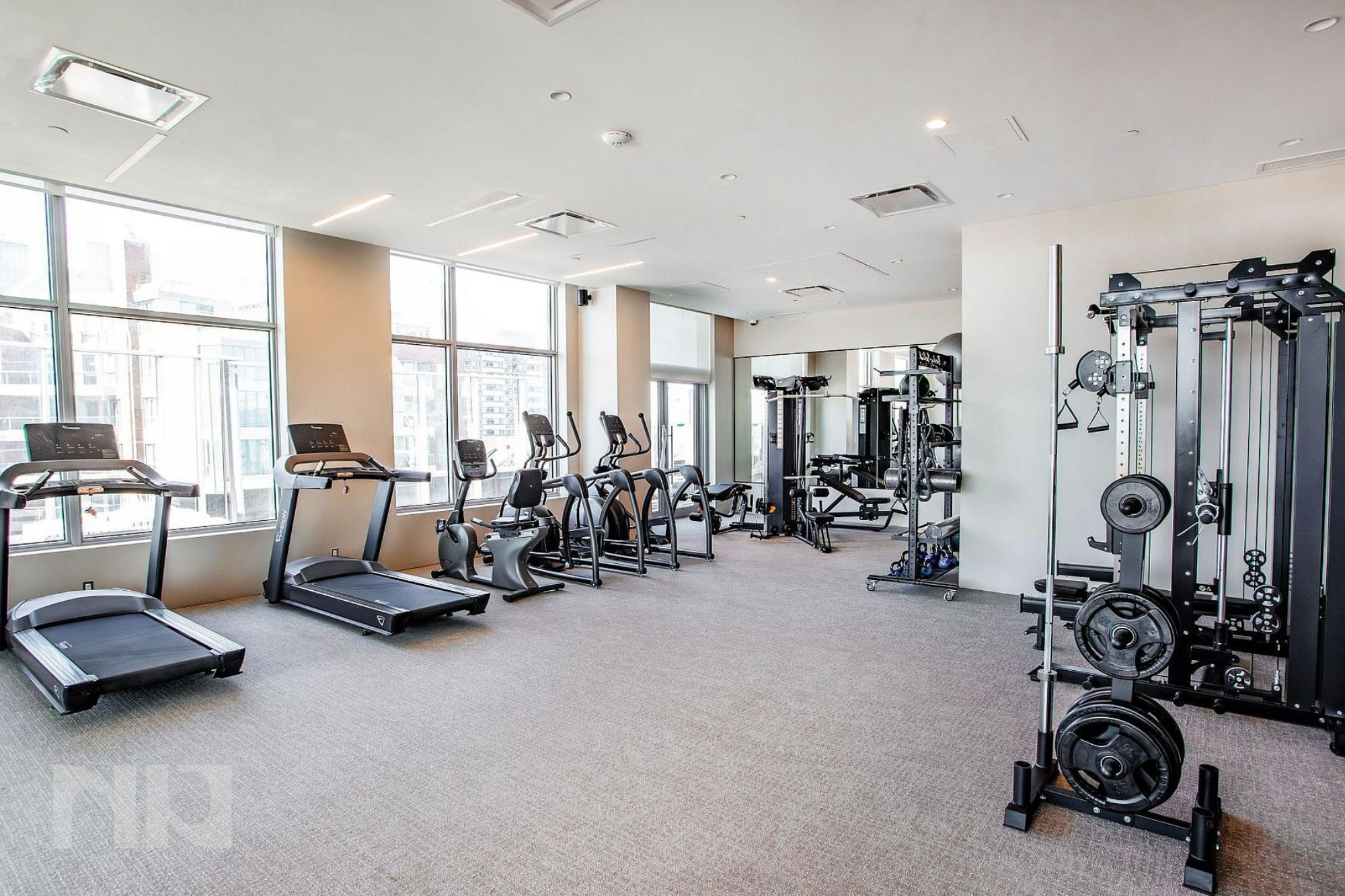
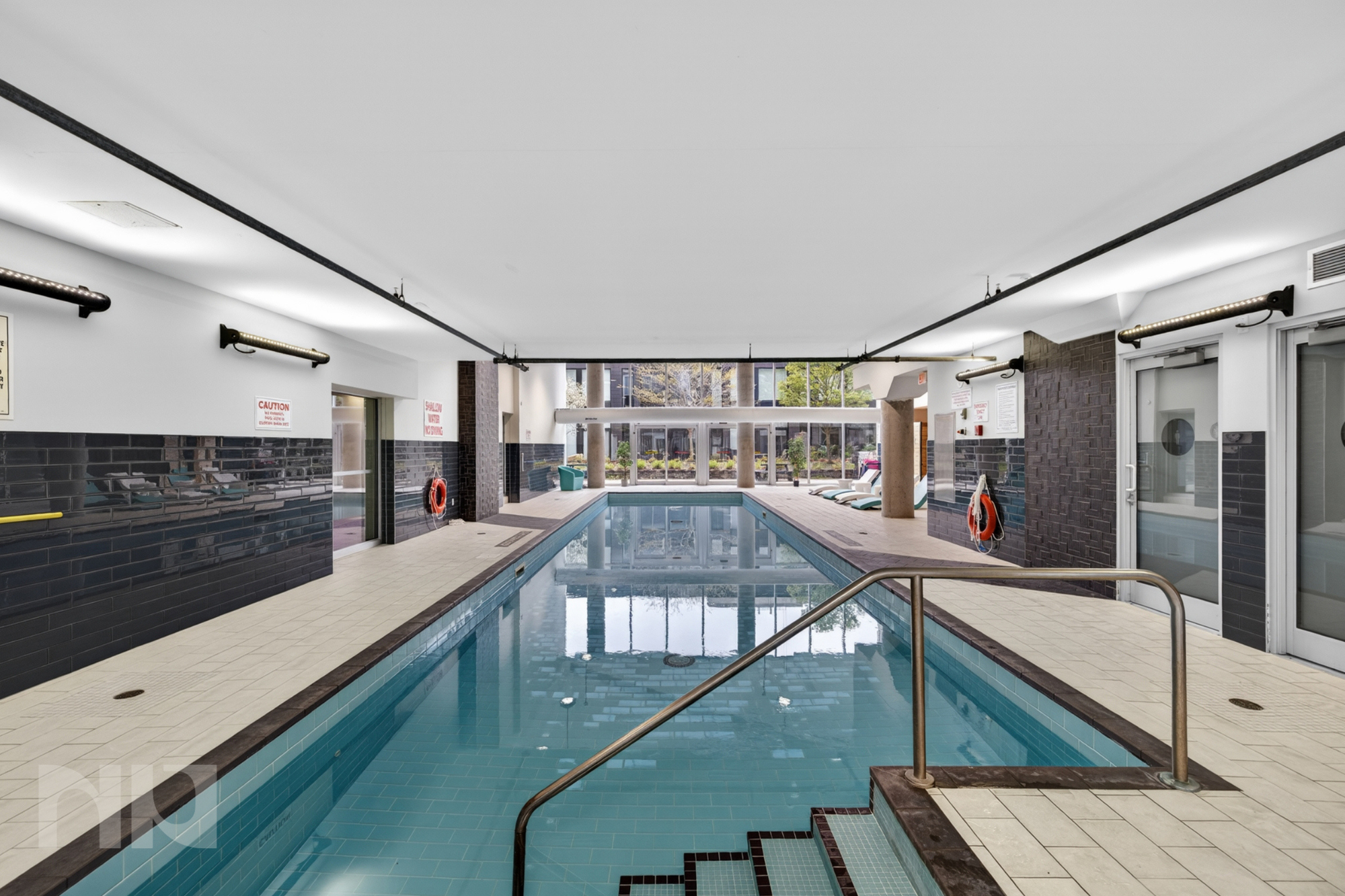
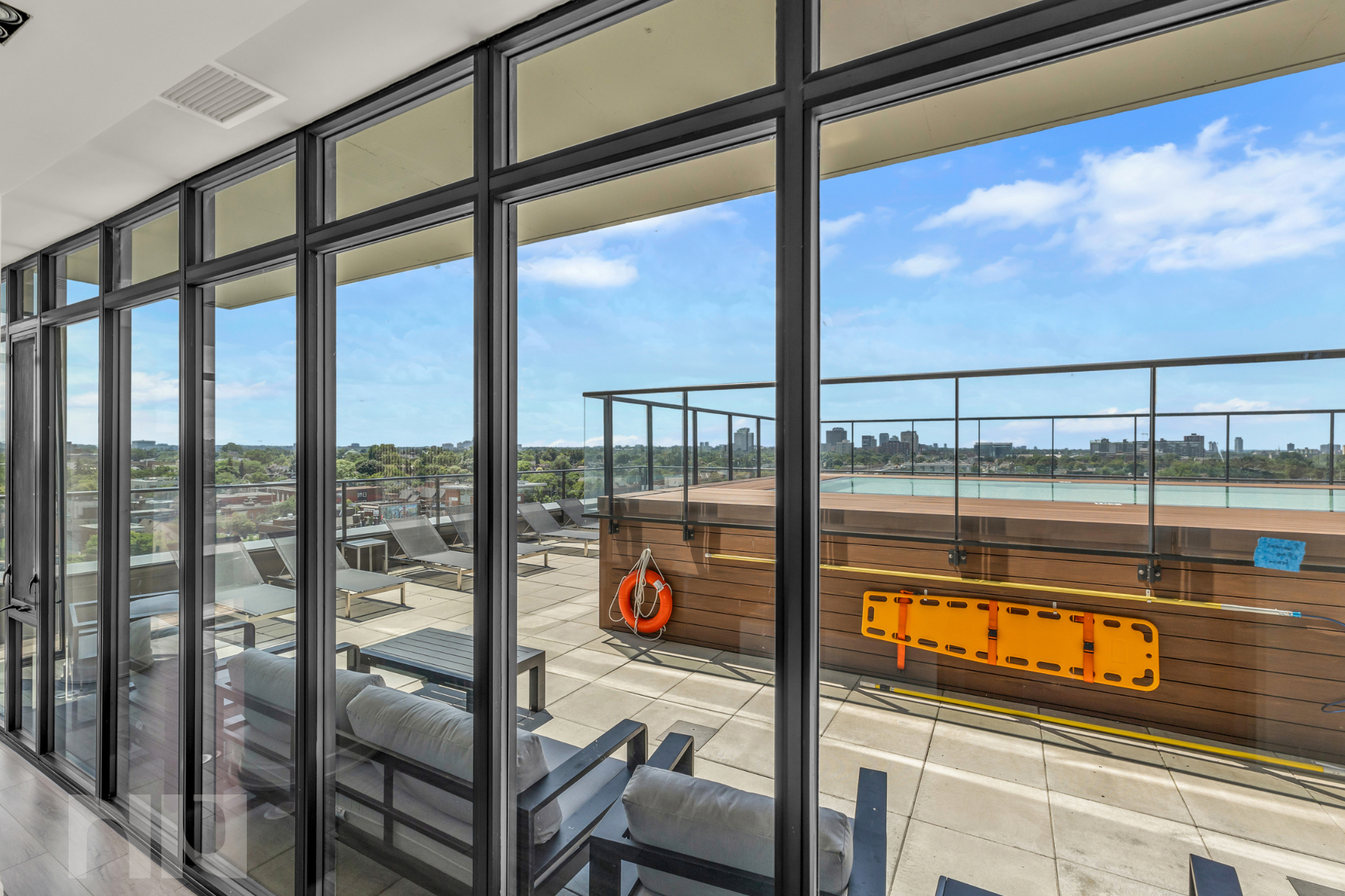
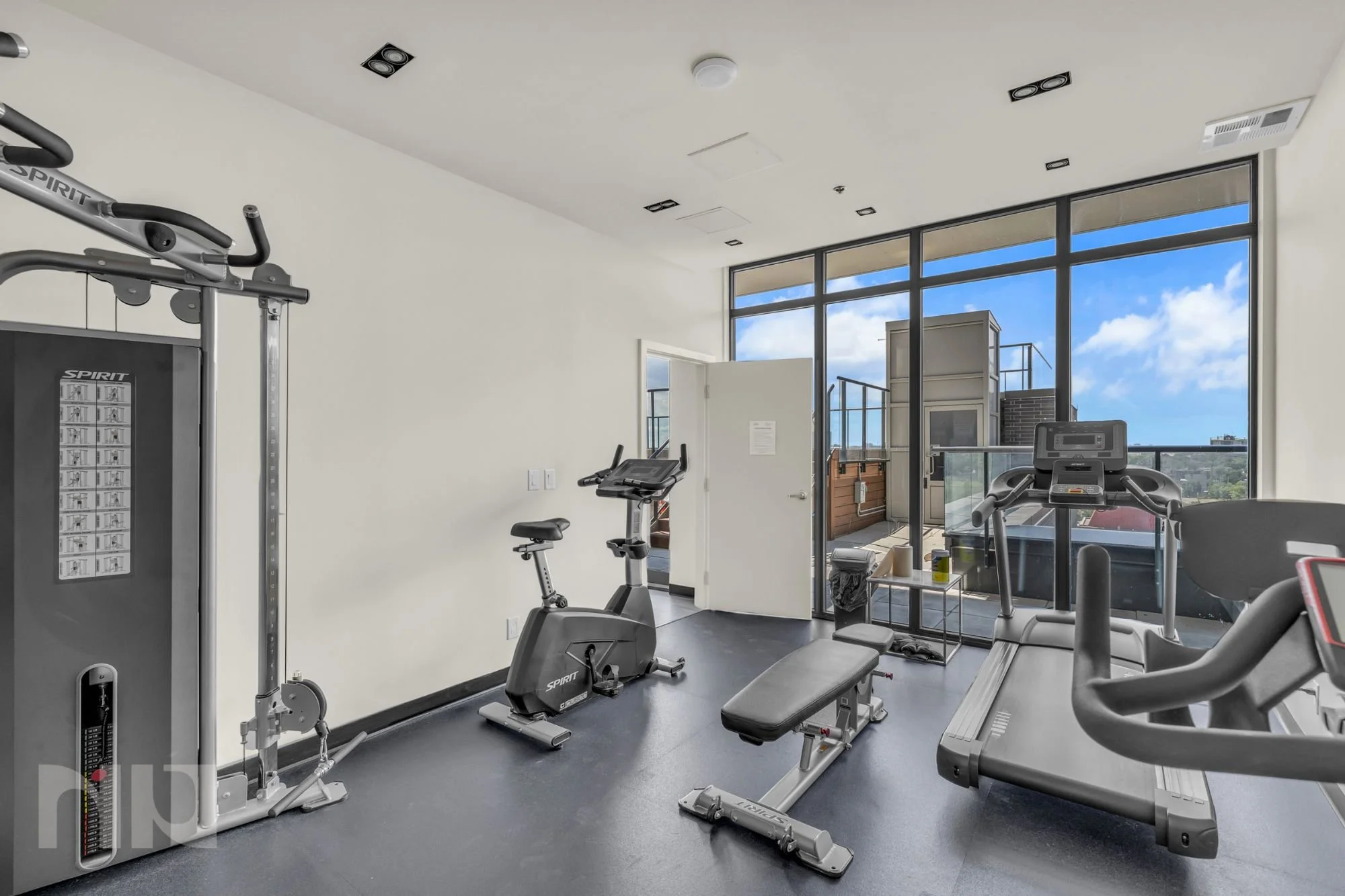
Does one building include heat or water? Does it have a concierge, pool, gym or extensive grounds? Is more money being directed toward the reserve fund?
A building with very low fees can look appealing, but low fees aren’t particularly helpful if the corporation isn’t collecting enough money to properly operate and maintain the property.
Pay Attention to What You See During the Showing
The paperwork matters, but so does the building itself.
Take a few extra minutes before and after seeing the unit.
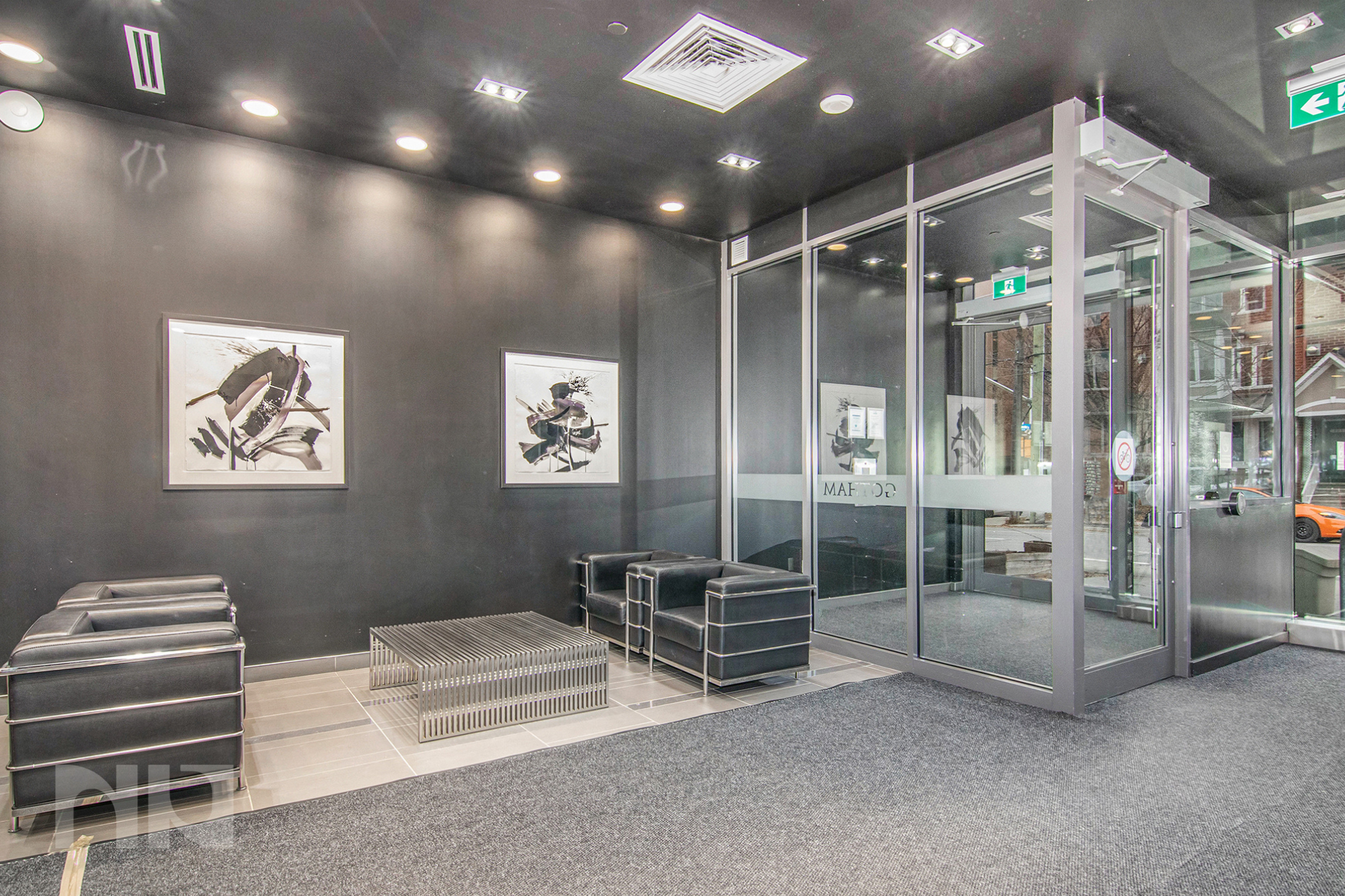
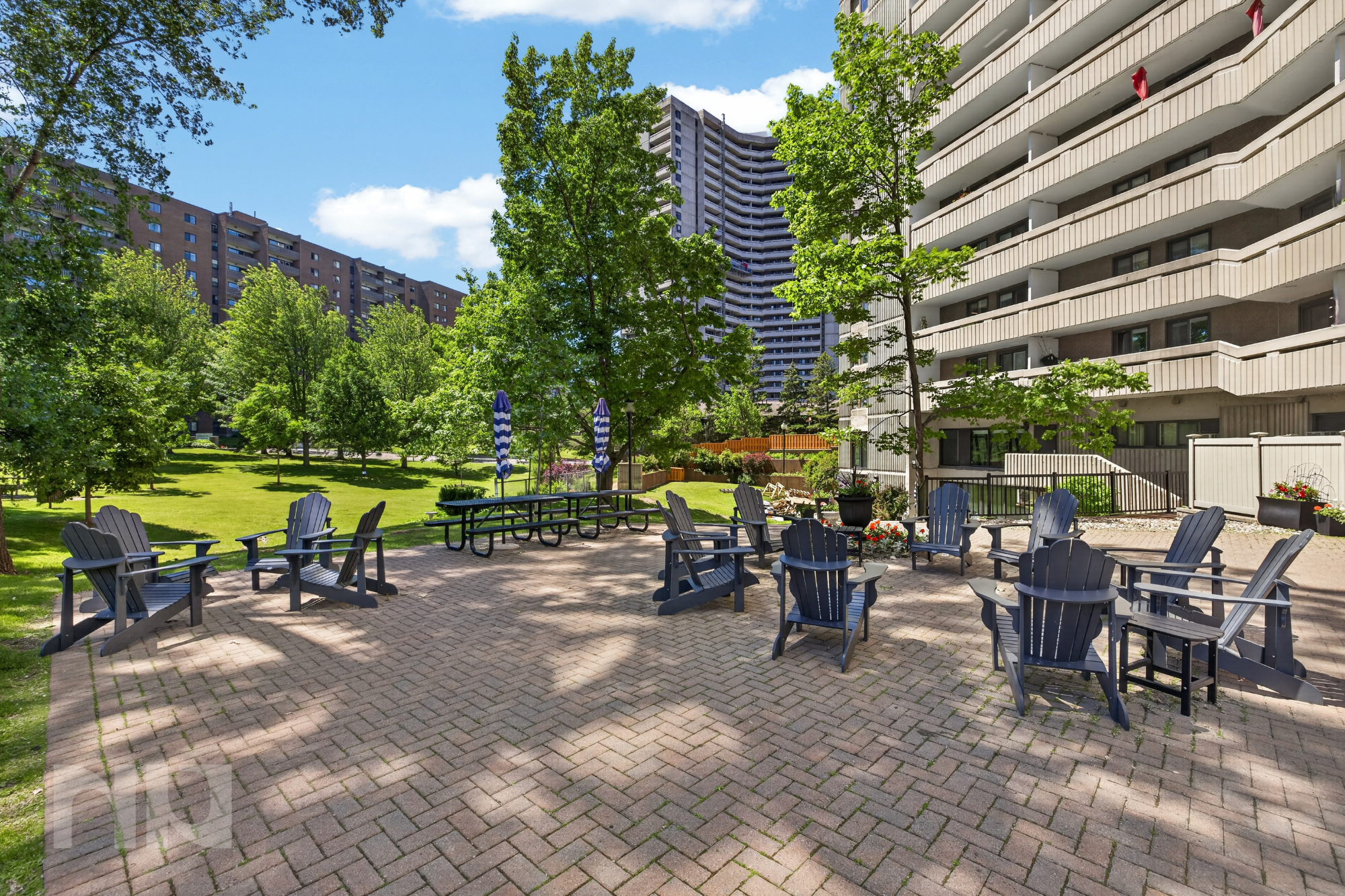
Look at the hallways, elevators, lobby, garage and exterior. Notice whether common areas seem maintained. If you can, see more than just the route from the front door to the unit.
None of these observations replaces a proper review of the condo documents, but they can give you questions worth asking.
A freshly renovated unit inside a poorly maintained building is still a unit inside a poorly maintained building.
Compare the Condo as a Whole
This is particularly important when comparing an older condo with newer construction.
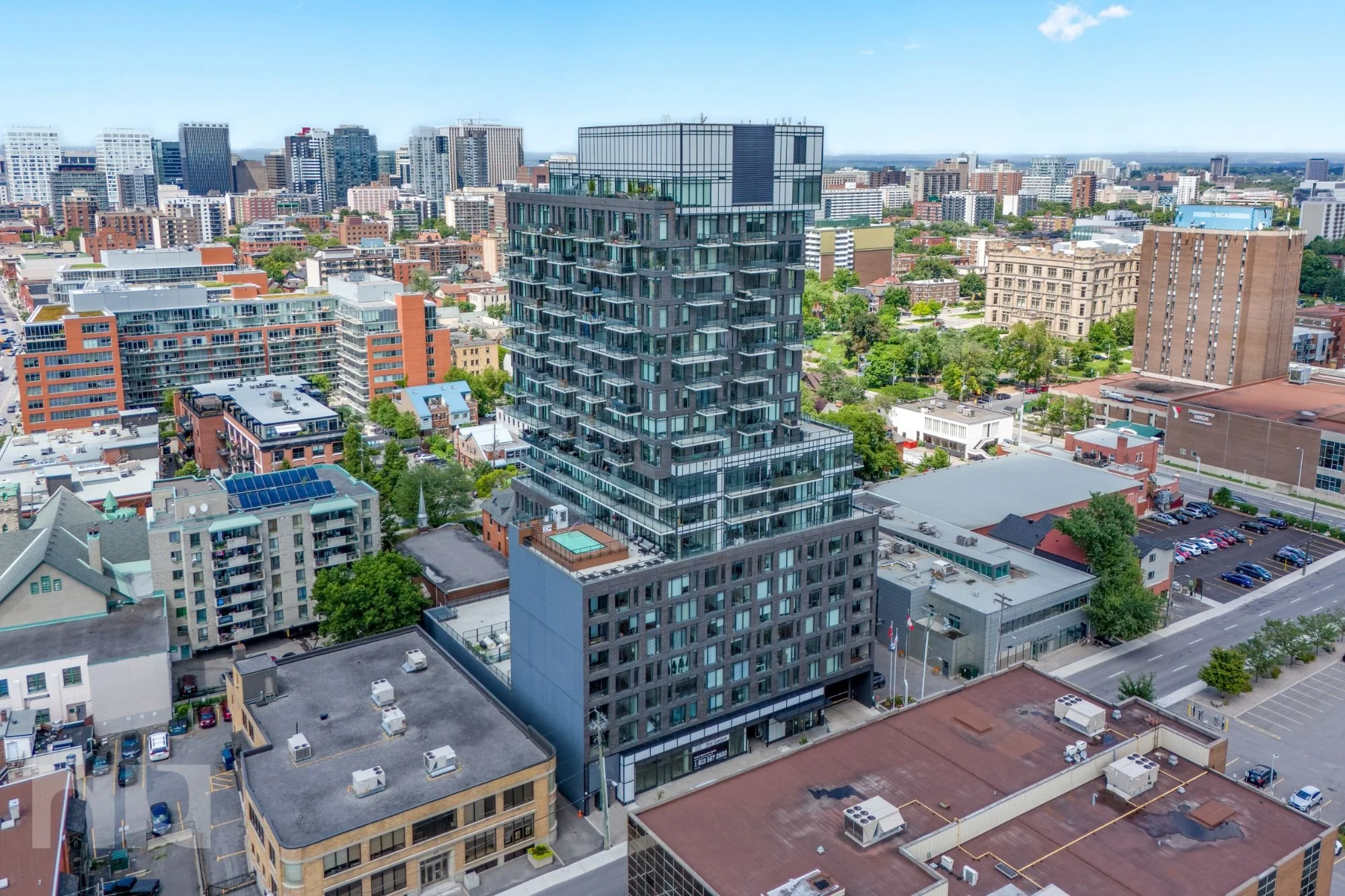
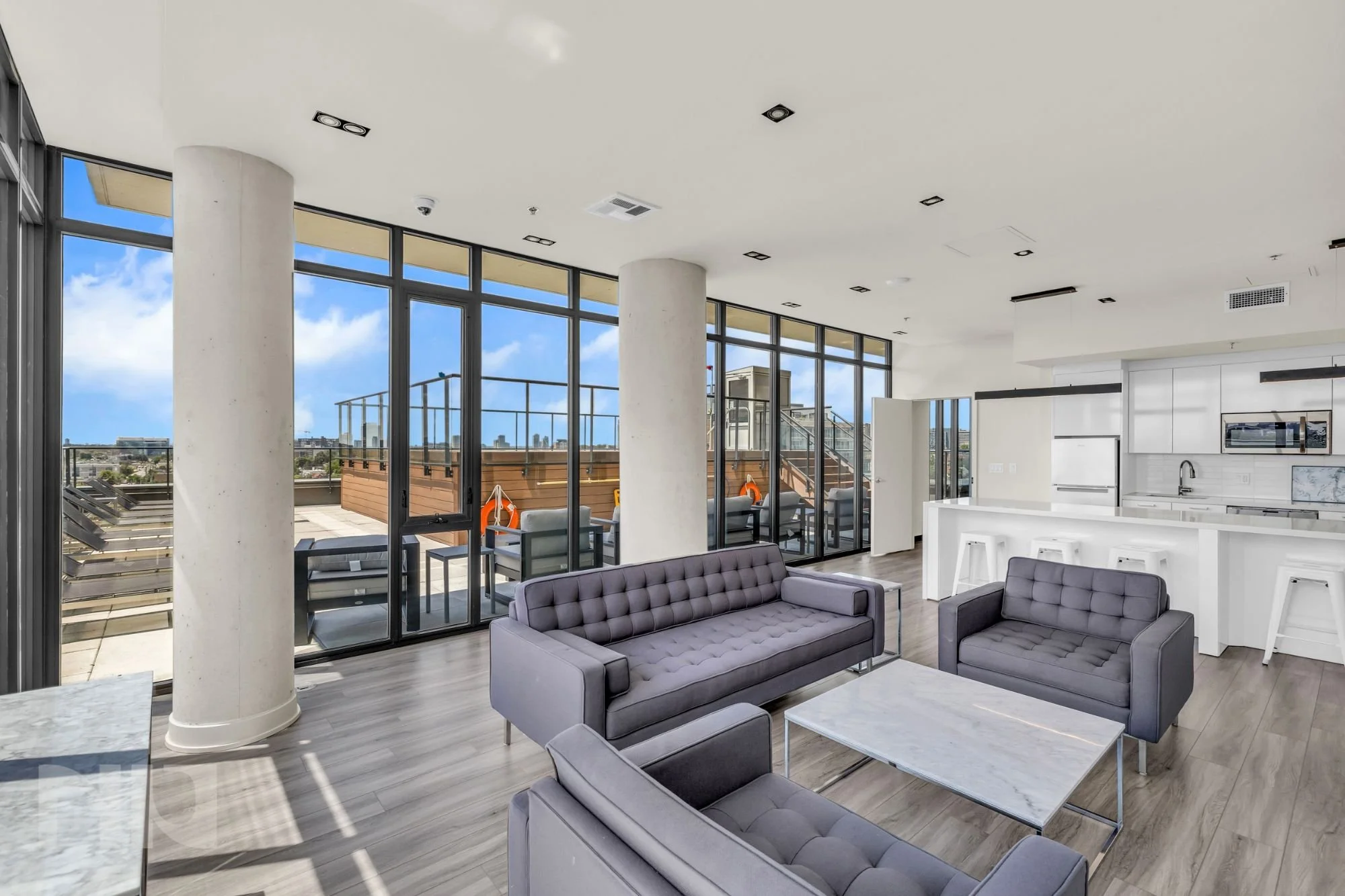
A newer building may have more contemporary finishes and amenities. An established building may offer a larger unit, different location, mature surroundings or a longer financial and maintenance history to review.
Neither is automatically better.
The goal is to understand what you’re buying well enough that you can compare them properly.
Buying a Condo in Ottawa?
When we help someone buy a condo, we’re not only looking for a unit that checks the obvious boxes.
We want to understand the building, the costs of ownership, the available documentation and anything that could affect how that property fits into the buyer’s plans.
If you’re considering a condo in Ottawa and want help comparing your options, New Purveyors can help you look at the full picture before you make a decision.