The Parts of Ottawa People Underestimate Until They Live There

When people move to Ottawa, they usually focus on the obvious things first.

Price.
Commute.
Square footage.
Schools.
Neighbourhood reputation.
Transit access.
Whether the kitchen has quartz countertops.

But after people actually live here for a few years, the things they talk about most are often completely different.

It’s usually the smaller, harder-to-measure details that end up shaping daily life the most. And interestingly, they are often the exact things buyers overlook during the early stages of their search.

Here are some of the parts of Ottawa people tend to underestimate until they actually experience them firsthand.

How Much Green Space Impacts Daily Life

One of Ottawa’s biggest advantages compared to many major cities is access to nature.

But people often do not fully appreciate how much that changes everyday life until they live close to it.

Being near the NCC pathways, the canal, the river, local parks, or trail systems changes routines in ways buyers rarely think about initially.

People walk more.
They bike more.
They spend more time outside.
They feel less boxed in by the city.

And over time, proximity to green space often becomes one of the features homeowners value most, especially after long winters or busy work periods.

Winter Walkability Matters More Than Summer Walkability

In July, almost every Ottawa neighbourhood feels walkable.

In February, it becomes a very different conversation.

After a few winters here, buyers start paying far more attention to:

  • sidewalk maintenance

  • proximity to grocery stores

  • indoor parking

  • covered transit access

  • snow buildup

  • steep driveways

  • wind exposure

  • how easy it is to leave the house during storms

This is one of the reasons certain urban neighbourhoods continue to hold such strong appeal despite smaller homes or higher price points. Convenience feels very different during Ottawa winters.

Commutes Are About Stress, Not Just Time

A 25-minute commute on paper does not always feel like a 25-minute commute in reality.

Ottawa drivers quickly learn that factors like traffic flow, bridge bottlenecks, school pickup congestion, construction routes, and winter driving conditions can completely change how exhausting a commute feels day to day.

Sometimes a slightly longer drive with consistent movement feels dramatically better than a shorter route with constant stop-and-go traffic.

That is why locals often think about commuting differently than out-of-town buyers do.

Sunlight Changes Everything

This is especially true in Ottawa condos and older urban homes.

People underestimate how much natural light affects mood, energy, heating costs, and even how large a space feels.

A south-facing condo in January feels very different from a north-facing one.
Large windows can completely change how a small home lives.
Tree coverage that feels charming in summer may impact brightness significantly in winter.

After living through a few Ottawa winters, sunlight becomes something buyers notice immediately.

Quiet Streets Are More Valuable Than People Expect

At first glance, many Ottawa streets can seem relatively similar online.

But once people live in the city longer, they become incredibly aware of:

  • traffic shortcuts

  • bus routes

  • late-night noise

  • event traffic

  • highway hum

  • student housing pockets

  • tourist activity

  • construction-heavy corridors

Sometimes being one or two streets away from a main road makes a bigger difference than buyers initially realize.

This becomes especially noticeable in neighbourhoods close to downtown or major commercial areas.

Local Businesses Shape the Feeling of a Neighbourhood

People often think they are choosing a home.
In reality, they are also choosing routines.

The coffee shop they walk to.
The gym they visit.
The grocery store they stop at after work.
The park where they bring their dog.
The restaurant they end up recommending to friends.

Some Ottawa neighbourhoods feel more connected and “alive” simply because daily life naturally happens outside the home.

And once people experience that lifestyle, it becomes difficult to give up.

Ottawa Is a City That Reveals Itself Slowly

One of the interesting things about Ottawa is that it often grows on people over time.

Many residents start out focusing purely on practicality:

  • affordability

  • work

  • commute

  • schools

  • space

But years later, the things they love most about the city are often the smaller lifestyle details they never originally searched for.

The pathways.
The farmers markets.
The quiet residential streets.
The proximity to nature.
The balance between city life and breathing room.

Those are the things that tend to stick.

The Bottom Line

Buying a home in Ottawa is about far more than square footage or finishes.

The small details surrounding a property often shape day-to-day happiness more than buyers expect, and many of those things only become obvious after actually living here.

That is part of why local experience matters so much in real estate.

Because sometimes the things that look minor during a showing end up becoming the things people value most years later.

Why Ottawa Condo Buyers Are Paying More Attention to Building Reputation Than Ever Before

A few years ago, many condo buyers in Ottawa were primarily comparing units.

Now, they’re comparing buildings.

And honestly, that shift has become one of the biggest defining factors in the condo market over the past couple of years.

We’re seeing more buyers walk into a perfectly nice unit and immediately start asking questions that have very little to do with the kitchen finishes or square footage.

Questions like:

  • “How well is the building actually managed?”

  • “What do condo fees usually increase by here?”

  • “Does this building have a good reputation?”

  • “Are there issues with noise?”

  • “How many investor-owned units are there?”

  • “Do people actually stay here long term?”

  • “What’s the board like?”

  • “Have there been special assessments?”

For a lot of Ottawa condo buyers in 2026, the building itself is becoming just as important as the unit.

Buyers Are Thinking Longer-Term

Part of this shift comes from affordability.

When people are spending hundreds of thousands of dollars on a condo, they’re becoming much more cautious about future risk.

A condo isn’t just an apartment someone owns. It’s shared ownership in an entire corporation.

Which means buyers are increasingly paying attention to:

  • Reserve fund health

  • Maintenance history

  • Rule enforcement

  • Building cleanliness

  • Security

  • Elevator reliability

  • Amenity upkeep

  • Visitor parking

  • Short-term rental policies

  • Future fee increases

And honestly, experienced condo buyers have started realizing that two buildings can feel completely different to live in, even if the units themselves are similar.

Certain Ottawa Buildings Have Built Strong Reputations

Over time, some Ottawa condo buildings naturally develop stronger reputations than others.

Sometimes it’s because:

  • The layouts are consistently functional

  • The condo board is proactive

  • Fees have stayed relatively stable

  • The residents take pride in the building

  • The developer built well originally

  • The amenities are actually maintained properly

And buyers notice.

In areas like Westboro, Centretown, and parts of downtown Ottawa, buyers are often comparing not just neighbourhoods anymore, but specific buildings within those neighbourhoods.

That level of market knowledge didn’t used to be nearly as common.

Investor-Heavy Buildings Are Getting More Scrutiny

This has become a major conversation point recently.

A lot of buyers, especially end users, are paying closer attention to how heavily investor-owned a building feels.

Buildings dominated by short-term ownership or high tenant turnover sometimes create concerns around:

  • Community feel

  • Noise

  • Wear and tear

  • Maintenance standards

  • Long-term stability

That doesn’t mean investor-heavy buildings are automatically bad investments. Some perform extremely well financially.

But many buyers today are prioritizing lifestyle and long-term livability just as much as appreciation potential.

Amenities Matter Less Than People Think

This surprises some sellers.

While amenities still help marketability, many buyers have become more practical about them.

A massive party room or rarely-used theatre space doesn’t necessarily add much real-world value if it significantly increases condo fees.

What buyers seem to care about more now is whether amenities are:

  • Well maintained

  • Actually usable

  • Consistently clean

  • Appropriate for the building size

  • Contributing to quality of life

Simple, functional buildings with strong management are often outperforming buildings that look flashy on paper but have operational issues behind the scenes.

Buyers Are Doing More Research Before They Even Book Showings

This is another big change.

A lot of condo buyers now research buildings before they ever step foot inside a unit.

They’re:

  • Reading status certificates carefully

  • Looking up prior listings

  • Tracking fee increases

  • Comparing days on market within buildings

  • Asking agents about reputation

  • Looking into developer history

  • Reviewing nearby future construction plans

In some cases, buyers eliminate buildings entirely before even viewing a condo.

Which means building reputation now directly affects resale value more than many sellers realize.

The Ottawa Condo Market Is Maturing

As Ottawa’s condo market continues to evolve, buyers are becoming significantly more educated and selective.

And honestly, that’s not necessarily a bad thing.

It means stronger buildings are being rewarded.
It means good management matters.
It means long-term planning matters.

And it means sellers can no longer rely solely on surface-level upgrades to drive value if the building itself doesn’t support the price.

A huge part of helping condo buyers successfully navigate Ottawa’s market is understanding not just individual units, but the buildings behind them.

Because in today’s market, buying the right condo often starts with choosing the right building first.

The Ottawa Condo Buildings Buyers Keep Coming Back To (And Why)

One of the most interesting things about Ottawa’s condo market is how certain buildings continue attracting attention year after year, even when newer towers hit the market with flashier amenities or more modern finishes.

Because once buyers start touring condos in person, they quickly realize that not all buildings age the same, and not all “luxury” condos actually feel luxurious to live in long term.

There are buildings across Ottawa that consistently hold strong reputations because they simply work well for everyday life.

And honestly, that reputation matters more than most buyers initially realize.

We see this happen constantly in neighbourhoods like Westboro, Centretown, The Glebe, Little Italy, and parts of downtown.

Certain buildings become known for:

  • Better sound insulation

  • Functional layouts

  • Strong management

  • Lower turnover

  • Good reserve funds

  • Larger floor plans

  • Quiet units

  • Better natural light

  • Stable condo fees

  • Strong resale demand

Meanwhile, some newer buildings generate huge excitement during pre-construction phases but end up feeling far less practical once people actually live there.

A building can have beautiful marketing renderings, rooftop pools, and trendy common spaces, but if residents struggle with noise, elevators, layout issues, or rapidly increasing condo fees, buyers notice over time.

And Ottawa buyers are getting much more educated.

A lot of condo shoppers now walk into showings already researching:

  • Status certificates

  • Reserve funds

  • Previous sale history

  • Building reviews

  • Management companies

  • Special assessments

  • Rental ratios

  • Future nearby developments

  • Condo fee trends

That’s a major shift from even five or six years ago.

We’re also seeing buyers place more value on buildings with a sense of permanence.

Especially downtown, many people are gravitating toward condos that feel established and lived-in rather than overly investor-heavy or transient.

Buildings with active communities, strong maintenance, mature landscaping, and layouts designed for real living continue standing out.

Interestingly, older Ottawa condo buildings are benefiting from this shift in some cases.

Many older buildings offer:

  • Larger bedrooms

  • More storage

  • More separated layouts

  • Better soundproofing

  • More substantial construction

  • Larger balconies

  • Lower price-per-square-foot costs

Of course, older doesn’t automatically mean better. Some older buildings come with major maintenance concerns or poorly managed finances.

But buyers are becoming more willing to look beyond “new and shiny” if the overall ownership experience feels stronger.

We’re also noticing buyers becoming far more neighbourhood-sensitive than before.

A condo building isn’t just the unit itself anymore.

People care deeply about what exists outside the lobby doors:

  • Grocery access

  • Coffee shops

  • Transit

  • Walkability

  • Parks and trails

  • Restaurants

  • Safety

  • Commute times

  • Community feel

That’s part of why certain buildings in areas like Westboro or The Glebe continue maintaining strong demand even when they aren’t the newest options available.

The lifestyle attached to the building matters just as much as the finishes inside it.

One of the biggest things we try to explain to condo buyers is that choosing a building is often more important than choosing the specific unit.

Layouts can be renovated.
Floors can be changed.
Kitchens can be updated.

But building quality, management, location, and long-term reputation are much harder to change.

And in Ottawa’s condo market, those things tend to matter more over time than people initially expect.

The Ottawa Condo Features Buyers Care About Most Right Now (And the Ones They’re Starting to Ignore)

For a long time, Ottawa condo listings were marketed almost entirely around numbers.

Square footage. Ceiling height. Number of amenities. Price per square foot.

And while those things still matter, buyer behaviour has shifted quite a bit over the past couple of years, especially in the downtown condo market.

What we’re seeing now is that buyers are becoming far more selective about how a condo actually functions in real life.

A building can have every amenity imaginable, but if the unit feels dark, noisy, awkwardly laid out, or disconnected from the neighbourhood around it, buyers are noticing immediately.

At the same time, some smaller or older buildings are outperforming expectations simply because they offer something people genuinely value day-to-day.

Here are some of the biggest shifts we’re seeing in Ottawa’s condo market right now.

Natural Light Matters More Than Ever

This is probably one of the most underestimated pricing factors in Ottawa condos.

Two nearly identical units in the same building can sell for noticeably different prices depending on exposure, window placement, and natural light.

Bright corner units continue to attract strong interest because they simply feel better to live in. Buyers walking through multiple condos in one day tend to emotionally remember the units that feel open, calm, and filled with light.

This becomes especially important during Ottawa winters, where darker units can feel significantly smaller and more enclosed for months at a time.

Layouts Are Starting to Matter More Than Raw Size

A well-designed 700 sq ft condo will almost always outperform a poorly designed 850 sq ft condo in terms of buyer reaction.

People are paying closer attention to:

  • Wasted hallway space

  • Furniture placement options

  • Kitchen functionality

  • Separation between sleeping and living areas

  • Work-from-home potential

  • Storage

  • Noise transfer between rooms

This is especially true for first-time buyers and professionals who are spending more time at home than they were five or six years ago.

We’re also seeing buyers become less impressed by oversized open-concept layouts that sacrifice practicality just to make a unit feel larger on paper.

Walkability Is Carrying Serious Weight

The surrounding neighbourhood has become one of the most important “amenities” a condo can offer.

Buildings near everyday conveniences continue to perform well because buyers increasingly want the ability to:

  • Walk to groceries

  • Grab coffee without driving

  • Access transit easily

  • Get to fitness studios or trails

  • Meet friends nearby

  • Reduce commuting time

That’s a major reason areas like Centretown, Westboro, Hintonburg, Little Italy, and parts of the ByWard Market continue attracting steady condo demand despite higher price-per-square-foot numbers in some buildings.

People are placing real value on convenience and lifestyle integration.

Amenities Still Matter… But Differently

There was a period where condo marketing heavily emphasized luxury amenities regardless of whether residents actually used them.

Now buyers are becoming more practical.

Pools, theatres, and oversized party rooms still sound impressive, but many buyers are asking more questions about condo fees, reserve funds, and whether they’ll realistically use those spaces often enough to justify the cost.

Amenities that tend to resonate more today include:

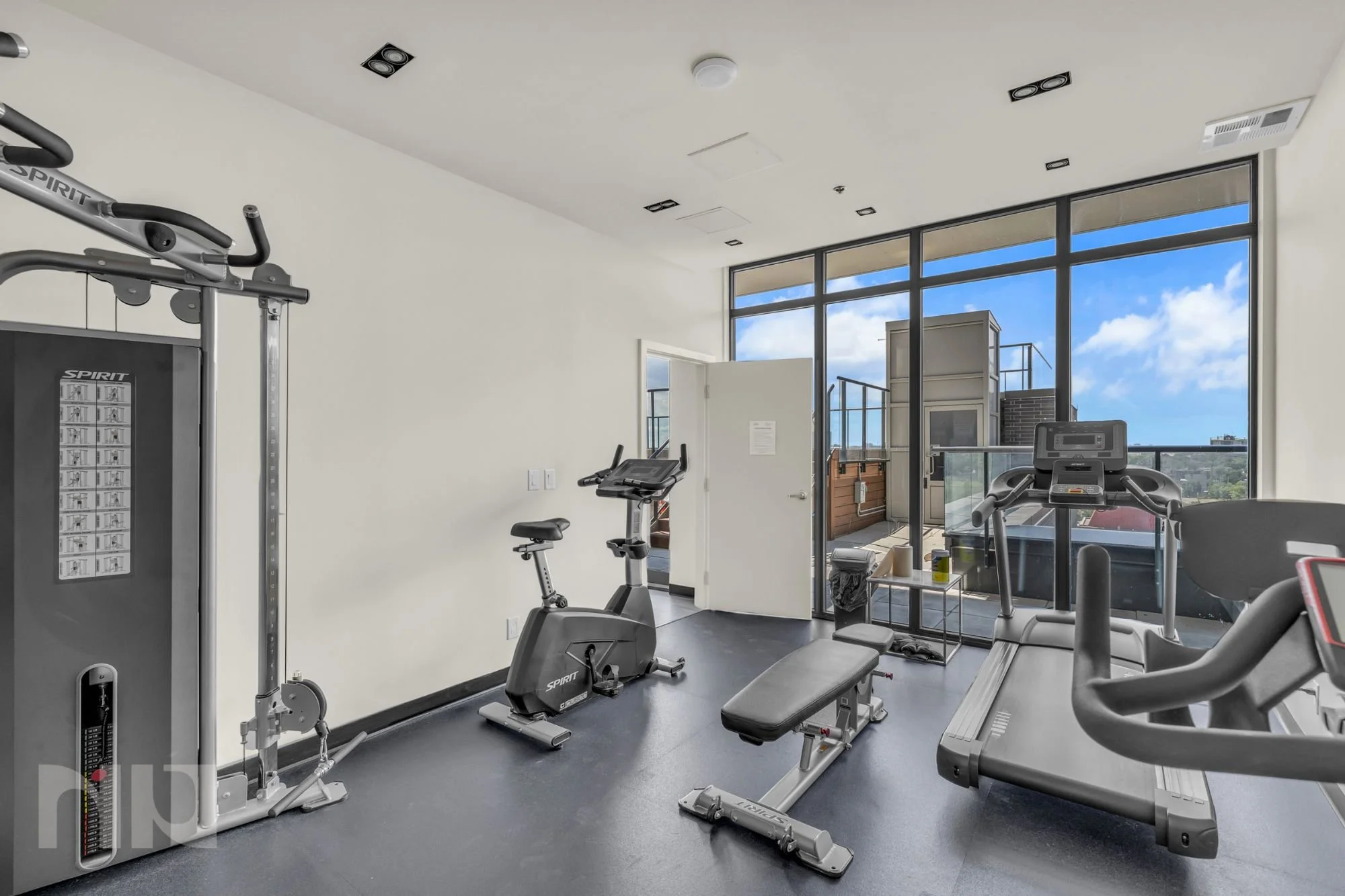
  • Functional gyms

  • Concierge/security

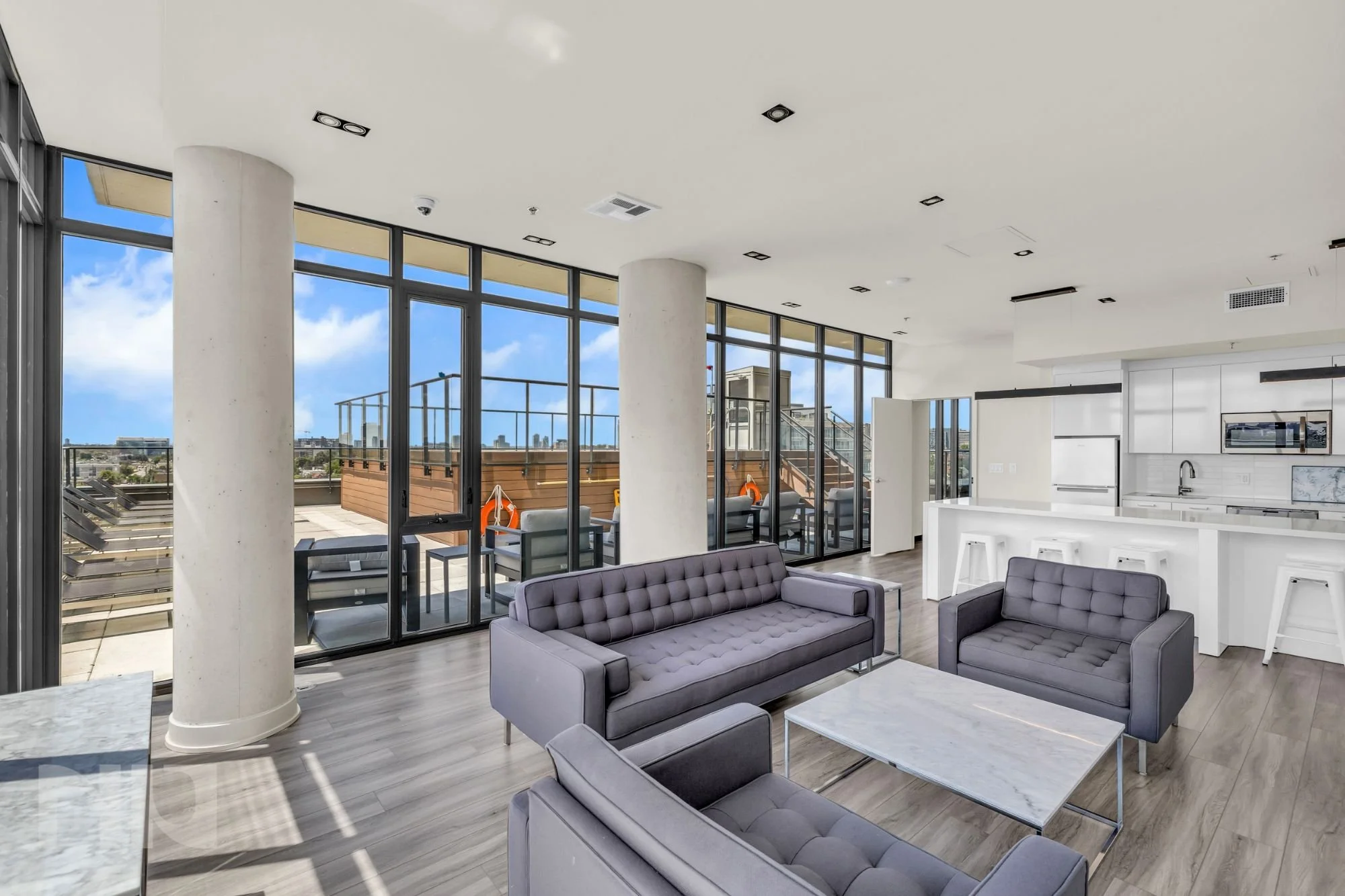
  • Rooftop terraces

  • Guest suites

  • Coworking or lounge areas

  • Secure visitor parking

  • Bike storage

  • Pet-friendly policies

People want amenities that improve daily life, not just brochure appeal.

Older Buildings Are Sometimes Winning on Value

This surprises a lot of buyers.

Some older Ottawa condo buildings continue attracting attention because they often offer:

  • Larger floor plans

  • Better sound insulation

  • Lower price-per-square-foot costs

  • More established neighbourhoods

  • Mature trees and streetscapes

  • Better parking availability

That doesn’t mean every older condo is automatically a good buy. Status certificates, reserve funds, special assessments, and building management still matter enormously.

But buyers are becoming more open-minded about building age if the overall lifestyle and value equation makes sense.

The “Perfect Condo” Doesn’t Really Exist

One of the biggest things we tell buyers is that condo shopping is often about deciding which trade-offs matter most to you personally.

Some people prioritize views.
Others care most about walkability.
Some want low fees.
Others want luxury amenities.
Some buyers would sacrifice square footage for location every single time.

The goal usually isn’t finding a perfect condo.

It’s finding the condo that fits your actual life best.

And in Ottawa’s current market, that mindset is becoming far more common than chasing the biggest unit with the longest amenities list.

Why Ottawa Condo Buyers Should Pay Attention to the Building, Not Just the Unit

A lot of condo buyers spend almost all of their attention focused on the unit itself.

And to be fair, that makes sense at first.

People naturally focus on:

  • the kitchen,

  • the view,

  • the finishes,

  • the layout,

  • the bathroom,

  • or whether the living room fits their furniture.

But one of the biggest things experienced condo buyers learn over time is this:

You’re not just buying a condo unit.
You’re buying into an entire building ecosystem.

And in Ottawa, the quality of the building itself can have a massive impact on:

  • resale value,

  • appreciation,

  • monthly living experience,

  • future special assessments,

  • noise levels,

  • buyer demand,

  • and how easy the unit is to sell later.

Two condos with nearly identical layouts can perform very differently over time depending on the building they’re in.

That’s why we encourage buyers to look beyond the countertops and staging and start paying attention to the details that actually shape long-term ownership.

Things like:

  • how well the building is maintained,

  • the reputation of the condo management,

  • reserve fund health,

  • amenity quality,

  • visitor parking,

  • elevator reliability,

  • soundproofing,

  • concierge/security,

  • pet policies,

  • and the overall demographic of residents

all matter more than many buyers initially realize.

Even small details can affect day-to-day life significantly.

For example:

  • buildings with constant elevator issues create frustration quickly,

  • poor soundproofing changes how a home feels entirely,

  • limited visitor parking can become a long-term annoyance,

  • and poorly maintained common areas often hurt buyer perception during resale.

In Ottawa specifically, building reputation plays a surprisingly large role in condo demand.

There are certain buildings buyers ask about constantly because they’ve developed strong reputations over time for:

  • management quality,

  • construction standards,

  • layout efficiency,

  • or simply overall livability.

And there are others that buyers actively avoid based on previous ownership experiences, fee increases, litigation history, or maintenance concerns.

That reputation tends to spread quickly in the condo market.

This becomes especially important for first-time condo buyers, who sometimes focus so heavily on getting the nicest finishes possible that they overlook the fundamentals of the building itself.

A beautifully renovated unit inside a poorly run building can create far more long-term frustration than a simpler unit inside a well-managed one.

We also encourage buyers to think carefully about how amenities actually fit their lifestyle.

A building with:

  • a rooftop terrace,

  • gym,

  • concierge,

  • pool,

  • guest suites,

  • coworking spaces,

  • or entertainment rooms

may sound exciting initially, but those amenities also influence condo fees and ownership costs long-term.

For some buyers, that tradeoff is absolutely worth it.
For others, they realize they’d rather prioritize lower fees or simpler ownership.

Neither approach is wrong.

The important thing is understanding what you’re actually buying into before making a decision.

Because once the excitement of move-in day fades, the building itself becomes a huge part of your everyday life.

We spend a lot of time helping buyers evaluate not just individual condo units, but the buildings behind them, especially in Ottawa’s urban core where building reputation and management quality can dramatically affect long-term ownership experience and resale value.

Why “Waiting for Rates to Drop” Has Become More Complicated in Ottawa Real Estate

For the past couple of years, a huge number of Ottawa buyers have been sitting on the sidelines waiting for interest rates to come down.

And honestly, that made sense for a while.

When borrowing costs climbed quickly, many buyers paused their search entirely to see where things would settle. But lately, we’ve noticed something important happening in the Ottawa market:

A lot of those same buyers are starting to realize that waiting for the “perfect” rate environment may not actually create the outcome they expected.

Because while lower rates can improve affordability monthly, they also tend to increase competition almost immediately.

We’ve already started seeing this play out in certain price points across Ottawa, especially:

  • entry-level freeholds,

  • well-priced townhomes,

  • updated detached homes under key affordability thresholds,

  • and desirable condos with parking and reasonable fees.

When rates soften even slightly, more buyers re-enter the market at once.

And in Ottawa specifically, that can create pressure quickly because our inventory levels are still relatively balanced compared to some larger Canadian cities. We’re not seeing endless amounts of high-quality listings sitting untouched forever, especially in neighbourhoods with strong schools, good transit access, or walkability.

So buyers end up facing a tradeoff.

Yes, a lower interest rate may improve monthly payments slightly. But if competition increases at the same time, the actual purchase price may rise too, or buyers may lose negotiating leverage entirely.

That’s one of the reasons timing the market perfectly becomes extremely difficult.

We’ve seen buyers wait a year hoping rates would fall dramatically, only to discover:

  • prices held steadier than expected,

  • competition returned faster than anticipated,

  • or the homes they originally liked became more expensive anyway.

At the same time, this doesn’t mean buyers should rush into the market unprepared.

There are still absolutely situations where waiting makes sense:

  • improving savings,

  • increasing income stability,

  • paying down debt,

  • waiting for the right neighbourhood,

  • or simply becoming more confident financially.

Those are real and valid reasons.

But waiting purely because “rates might drop later” has become a much more complicated strategy than many people realize.

Especially because many buyers forget something important:

You can refinance a mortgage later.

You cannot retroactively buy a home at last year’s price, in last year’s competitive environment, with last year’s inventory options.

That’s why many Ottawa buyers are shifting their mindset away from trying to perfectly predict rates and instead focusing on:

  • monthly affordability,

  • long-term ownership plans,

  • lifestyle fit,

  • and whether the purchase makes sense for their actual life right now.

In many cases, that creates far better decision-making than trying to outguess the Bank of Canada.

Ottawa also remains somewhat unique compared to more volatile markets because demand here is often driven by long-term fundamentals:

  • government employment,

  • major education institutions,

  • healthcare,

  • tech,

  • infrastructure growth,

  • and steady population movement.

That tends to create a more stable market overall, even when conditions shift nationally.

For buyers, the goal usually shouldn’t be finding the “perfect” market moment.

It should be finding the right property, in the right area, at a monthly payment and lifestyle level that feels sustainable long-term.

We spend a lot of time helping buyers understand how changing market conditions actually affect their buying power in real-world Ottawa scenarios, not just in headlines.

Why Ottawa Condo Buyers Need to Look Beyond the Price Per Square Foot

One of the biggest mistakes condo buyers make in Ottawa is assuming all units in the same building should sell for roughly the same price per square foot.

On paper, that logic feels reasonable.

Same building.
Same amenities.
Similar layouts.
Same condo fees.

So why would one unit sell for tens of thousands more than another?

Because condos are emotional purchases just as much as financial ones, and small differences inside a building can dramatically affect buyer demand, resale value, and overall lifestyle.

In Ottawa’s condo market especially, price per square foot only tells part of the story.

Natural Light Changes Everything

One of the biggest value drivers in a condo is natural light.

And no, buyers don’t always realize how much they care about it until they walk into a bright unit after seeing several darker ones.

A south-facing unit with floor-to-ceiling windows can feel dramatically larger and more inviting than a unit with the exact same square footage facing a neighbouring wall or interior courtyard.

That emotional reaction matters.

Natural light affects:

  • How spacious a condo feels

  • How the finishes photograph online

  • How enjoyable the space feels day-to-day

  • Perceived luxury and warmth

  • Future resale demand

This is especially noticeable in downtown Ottawa condo buildings where layouts are often similar from floor to floor.

Two units can technically be almost identical while feeling completely different in person.

Views Matter More Than Buyers Expect

In Ottawa, buyers consistently pay premiums for better views.

That could mean:

  • Parliament views

  • Gatineau Hills views

  • Rideau Canal views

  • Sunset exposure

  • Open skyline views

  • Even just unobstructed city views without another tower directly outside the window

The higher the floor and the more protected the view, the more valuable the unit often becomes over time.

This is one reason corner units and higher-floor units tend to generate stronger competition in many Ottawa condo buildings.

You’re not just buying square footage.

You’re buying a feeling.

And buyers remember how a condo made them feel far longer than they remember the exact dimensions of the living room.

Layout Efficiency Is Underrated

Not all 700-square-foot condos live the same way.

Some layouts waste huge amounts of space on long hallways, awkward corners, oversized foyers, or unusable den areas.

Others feel incredibly functional and efficient.

That difference becomes even more important in smaller downtown condos where every square foot matters.

In Ottawa condo buildings, buyers are increasingly prioritizing:

  • Functional work-from-home space

  • Defined dining areas

  • Better bedroom separation

  • Larger kitchen islands

  • Real storage space

  • Proper entryways

  • Wide living areas with usable furniture layouts

A well-designed 650-square-foot condo will often outperform a poorly designed 750-square-foot unit in both buyer interest and resale value.

Renovations and Finish Quality Still Matter

This sounds obvious, but buyers consistently underestimate how much updated finishes influence condo value.

Even in the same building, renovated units often generate significantly more interest online and in person.

That doesn’t necessarily mean every condo needs luxury upgrades.

But details matter:

  • Flooring condition

  • Cabinet style

  • Countertops

  • Lighting

  • Paint colour

  • Appliance packages

  • Bathroom updates

  • Window coverings

Buyers today want spaces that feel easy.

Especially in Ottawa’s condo market, where many purchasers are professionals, downsizers, investors, or first-time buyers balancing busy schedules, turnkey appeal matters.

A condo that photographs well and feels modern immediately creates stronger emotional momentum during showings.

Some Buildings Carry Stronger Reputations Than Others

This is something many first-time condo buyers don’t realize right away.

Even buildings located a few streets apart can have completely different reputations within Ottawa real estate.

Buyers, agents, and investors all pay attention to things like:

  • Property management quality

  • Reserve fund health

  • Noise levels

  • Construction quality

  • Condo fee increases

  • Short-term rental restrictions

  • Amenity quality

  • Owner occupancy rates

  • Elevator reliability

  • Future resale demand

That reputation impacts long-term value more than many buyers expect.

It’s one reason working with an agent who understands Ottawa’s condo market building-by-building can make a huge difference.

Timing Also Plays a Bigger Role Than People Think

In Ottawa’s condo market, timing can completely change how a unit performs.

A condo listed when there’s no competing inventory in the building may attract significantly more attention than the same unit listed alongside several similar options.

Seasonality matters too.

Spring markets tend to create more urgency and competition, while slower winter periods may produce less emotional momentum among buyers.

That’s why strong pricing and launch strategy are so important in condos specifically.

Sometimes the difference between a condo sitting and selling quickly has very little to do with the condo itself.

Condo Buyers Are Becoming More Sophisticated

Ottawa condo buyers today are more educated and selective than they were even a few years ago.

They’re comparing:

  • Lifestyle value

  • Walkability

  • Transit access

  • Future development nearby

  • Noise levels

  • Building quality

  • Investment potential

  • Maintenance costs

  • Functional layouts

  • Long-term resale appeal

That means sellers need stronger presentation, stronger marketing, and more thoughtful pricing strategies than ever before.

And buyers need to understand that “price per square foot” alone rarely tells the full story.

Because in condos especially, the details are what create value.

The light.
The layout.
The view.
The feeling.
The lifestyle.

Those are the things buyers actually compete over.

Thinking about buying or selling a condo in Ottawa?

Whether you’re comparing buildings, trying to understand true condo value, or preparing your unit for market, working with an Ottawa condo specialist can help you navigate the nuances that generic pricing calculators simply can’t capture.

The Hidden Costs of Buying the Wrong Ottawa Condo

When most buyers shop for a condo in Ottawa, they focus on the obvious things first: price, location, layout, parking, and amenities.

But some of the most expensive condo mistakes have nothing to do with the unit itself.

The reality is that two condos with nearly identical square footage and pricing can have dramatically different long-term costs, resale potential, and ownership experiences depending on the building behind them.

Here are some of the biggest hidden costs buyers should understand before purchasing a condo in Ottawa.

Cheap Condo Fees Can Actually Cost You More

One of the most common mistakes buyers make is assuming lower condo fees automatically mean a better deal.

In reality, unusually low condo fees can sometimes be a warning sign.

Condo corporations need money to maintain:

  • Roofs

  • Elevators

  • Parking garages

  • Windows

  • HVAC systems

  • Common areas

  • Reserve funds

If fees are artificially low for too long, buildings may not be saving enough for future repairs. That can eventually lead to:

  • Large special assessments

  • Sudden fee increases

  • Deferred maintenance

  • Financing challenges for future buyers

A well-run condo with slightly higher fees is often financially healthier than a building trying to keep fees unrealistically low.

The important question is not “How low are the fees?”

It’s “What do the fees cover, and is the building financially stable?”

Older Buildings Are Not Always the Problem

Many buyers automatically assume newer condos are safer purchases.

Not necessarily.

Some older Ottawa condo buildings actually have:

  • Larger floorplans

  • Better sound insulation

  • More established reserve funds

  • Lower turnover

  • Stronger long-term management

Meanwhile, some newer buildings may still be working through:

  • Construction deficiencies

  • Tarion warranty claims

  • Investor-heavy ownership ratios

  • Rapid fee increases as buildings age

Age matters less than management quality, reserve fund health, and overall maintenance.

A well-maintained 20-year-old building can outperform a poorly managed 5-year-old building over the long run.

Amenities Can Quietly Inflate Ownership Costs

Pools, concierge services, gyms, theatres, golf simulators, and rooftop lounges look great during showings.

But buyers often underestimate how much those amenities cost to maintain over time.

Buildings with extensive amenities typically have:

  • Higher staffing costs

  • More maintenance requirements

  • Higher utility expenses

  • More frequent equipment replacement

That does not mean amenities are bad. It simply means buyers should understand they are paying for them every month whether they use them or not.

In Ottawa, some buyers are now prioritizing:

  • Lower monthly carrying costs

  • Functional amenities they’ll actually use

  • Smaller, more efficient buildings

Especially as affordability continues to matter more in 2026.

Investor-Owned Buildings Can Feel Very Different

Some Ottawa condo buildings have extremely high investor ownership percentages, especially downtown and near universities or transit hubs.

That can affect:

  • Community feel

  • Noise levels

  • Turnover

  • Maintenance standards

  • Rental competition

  • Financing options

In some buildings, a high number of short-term or transient tenants can create a very different living experience compared to owner-occupied communities.

Lenders also sometimes treat heavily investor-owned buildings differently during financing approvals.

This is one reason buyers should always look beyond the individual unit and understand the building as a whole.

Condo Status Certificates Matter More Than Most Buyers Realize

The status certificate is one of the most important documents in any Ottawa condo purchase, yet many buyers barely understand what they are reviewing.

A status certificate can reveal:

  • Reserve fund issues

  • Pending lawsuits

  • Planned fee increases

  • Special assessments

  • Insurance concerns

  • Budget shortfalls

  • Rules and restrictions

  • Ongoing disputes within the building

This is not just paperwork. It is effectively the financial and operational report card for the condo corporation.

Reviewing it carefully with a lawyer is critical.

Poor Layouts Hurt Resale Value

Not all square footage is equal.

Some condos technically have good size numbers on paper but waste space through:

  • Oversized hallways

  • Awkward room shapes

  • Tiny kitchens

  • Lack of storage

  • Poor natural light

  • Bad bedroom placement

Buyers in Ottawa are becoming much more layout-sensitive, especially after the rise of hybrid and remote work.

Units with:

  • Functional dens

  • Proper dining space

  • Large windows

  • Good bedroom separation

  • Efficient storage
    often hold value better and appeal to a wider range of future buyers.

The Building’s Reputation Matters

Certain Ottawa condo buildings consistently perform better than others in resale value, demand, and buyer confidence.

That reputation can come from:

  • Strong management

  • Quality construction

  • Good reserve fund planning

  • Desirable layouts

  • Lower issue history

  • Strong communities

Buyers today research buildings heavily online before booking showings. Reviews, discussions, management history, and even recurring issues are easier to find than ever.

The unit matters.

But the building reputation matters too.

Final Thoughts

Buying a condo is not just buying four walls.

You are buying into a corporation, a financial structure, a management team, a community, and a long-term maintenance plan all at the same time.

That is why the “cheapest” condo is not always the best value, and the “nicest-looking” unit is not always the smartest purchase.

Understanding the hidden costs behind condo ownership can help buyers avoid expensive surprises and make stronger long-term decisions in Ottawa’s evolving market.

If you’re considering buying a condo in Ottawa and want help comparing buildings, reviewing long-term value, or understanding the differences between neighbourhoods and condo corporations, Matt Richling and the New Purveyors team can help guide you through the process.

The Best Ottawa Neighbourhoods for Condo Buyers in 2026 (And How to Choose the Right One)

Choosing the right neighbourhood is the most important part of buying a condo in Ottawa.

Two units with similar layouts and pricing can perform completely differently depending on where they’re located. In 2026, with more inventory and more selective buyers, location is playing an even bigger role in long-term value and day-to-day lifestyle.

If you’re trying to narrow down where to buy, this guide breaks down the top condo-friendly neighbourhoods in Ottawa and how to decide which one actually fits your goals.

What Makes a Neighbourhood “Good” for Condo Buyers?

Before getting into specific areas, it’s important to understand what actually drives demand.

The strongest condo locations in Ottawa typically have:

  • Walkability to restaurants, groceries, and daily essentials

  • Access to transit, especially the O-Train

  • Proximity to employment hubs like downtown or the tech sector

  • A clear lifestyle identity that attracts buyers and renters

Neighbourhoods that check these boxes tend to hold value better and resell faster.

Downtown Ottawa

Downtown Ottawa remains one of the most consistent condo markets in the city.

Why buyers choose it:

  • Walking distance to government offices and major employers

  • Strong rental demand from professionals

  • Easy access to restaurants, shops, and transit

What to consider:

  • Smaller average unit sizes

  • Higher density living

  • Older buildings mixed with newer developments

This area tends to attract investors and buyers who prioritize convenience over space.

The Glebe

The Glebe offers a very different condo experience.

Why buyers choose it:

  • Established, walkable neighbourhood with strong character

  • Access to Lansdowne Park and Bank Street

  • Limited condo supply, which helps support long-term value

What to consider:

  • Higher price points

  • Fewer available units compared to other areas

This is often a lifestyle-driven purchase rather than a purely financial one.

Westboro

Westboro has become one of the most desirable condo neighbourhoods in Ottawa.

Why buyers choose it:

  • Strong mix of lifestyle and convenience

  • Access to the Ottawa River pathways and outdoor spaces

  • Modern condo developments with updated finishes

What to consider:

  • Premium pricing compared to other areas

  • High demand can limit negotiation opportunities on the best units

Westboro appeals to buyers who want a balance between city living and outdoor access.

Hintonburg

Hintonburg has seen significant growth over the past decade.

Why buyers choose it:

  • Unique, creative neighbourhood feel

  • Strong restaurant and café scene

  • Proximity to downtown with slightly more space and value

What to consider:

  • Ongoing development and change

  • Mix of older and newer buildings

This area tends to attract younger buyers and those looking for something less traditional.

Little Italy

Little Italy is one of the fastest-growing condo hubs in Ottawa.

Why buyers choose it:

  • High concentration of newer condo buildings

  • Close to Dow's Lake and recreational space

  • Walkable access to Preston Street restaurants

What to consider:

  • More competition from similar units

  • Rapid development can impact views and surroundings

This is a strong option for buyers looking for newer buildings and modern amenities.

How to Choose the Right Neighbourhood for You

The best neighbourhood is not the same for everyone.

When narrowing it down, focus on:

1. Your daily routine
Where do you work, and how do you commute?

2. Your lifestyle priorities
Do you value nightlife, quiet streets, or access to nature?

3. Your budget and tradeoffs
Are you willing to sacrifice space for location, or vice versa?

4. Your long-term plan
Are you buying for 2 years, 5 years, or longer?

These factors matter more than trying to pick the “hottest” area.

A Quick Reality Check for 2026 Buyers

With more inventory on the market, you have options.

That means:

  • You can compare neighbourhoods more carefully

  • You do not need to rush into a decision

  • You can wait for the right combination of unit and location

This is a major advantage compared to previous years.

Final Thoughts

Ottawa has a wide range of condo-friendly neighbourhoods, each offering a different lifestyle and investment profile.

The key is not finding the “best” neighbourhood overall, but finding the one that aligns with how you live and what you want long-term.

If you’re trying to narrow down your options, the most useful next step is usually to compare a few specific units across different neighbourhoods and see how they stack up in real terms.

That’s where the differences become clear very quickly.

Renting vs Buying in Ottawa (2026): The Numbers, the Tradeoffs, and What Actually Makes Sense

In 2026, the decision to rent or buy in Ottawa is no longer as straightforward as it used to be.

Interest rates, rising inventory, and shifting pricing have changed the math. At the same time, rental costs remain high in many parts of the city, especially for newer condos in central neighbourhoods.

If you’re trying to decide whether to keep renting or make the jump into ownership, this guide breaks down the numbers and the real-world tradeoffs so you can make a decision based on facts, not assumptions.

The Current Reality: Renting in Ottawa

Rental prices across Ottawa have stayed relatively strong, particularly for well-located condos.

As a general range in 2026:

  • 1-bedroom condos in central areas often fall between $2,000 to $2,600/month

  • 1-bedroom + den or newer buildings can push higher depending on amenities and location

  • Units with parking and storage typically command a premium

What you’re paying for when you rent:

  • Flexibility to move

  • No responsibility for maintenance or repairs

  • Predictable monthly costs (in most cases)

What you’re not building:

  • Equity

  • Long-term control over your housing costs

Renting is not “wasting money,” but it is a different financial path.

The Cost of Buying a Condo in Ottawa

Let’s break this down with a realistic example.

Assume:

  • Purchase price: $500,000

  • Down payment: 5% ($25,000)

  • Mortgage: $475,000

  • Interest rate: ~5% (approximate, varies by lender and term)

Monthly costs could look like:

  • Mortgage payment: ~$2,750

  • Condo fees: $400 to $700

  • Property tax: ~$300 to $400

Total monthly cost: roughly $3,400 to $3,800

At first glance, this is higher than renting.

But that is not the full picture.

The Key Difference: Where Your Money Goes

When you rent, 100% of your payment is a cost.

When you own, part of your mortgage payment goes toward principal, which is effectively forced savings.

Using the example above:

  • A portion of that $2,750 monthly payment is paying down your loan

  • Over time, this builds equity in the property

  • If property values increase, you benefit from appreciation

So while the monthly cost is higher, the net financial impact is different.

Break-Even Thinking: How Long You Need to Stay

This is one of the most important factors.

Buying only makes financial sense if you stay long enough to offset:

  • Closing costs (land transfer tax, legal fees)

  • Selling costs (agent fees, staging, etc.)

In Ottawa, a general rule of thumb:

  • Less than 2–3 years → renting is often safer

  • 3–5+ years → buying becomes more favourable financially

This is not a fixed rule, but it’s a useful baseline.

Flexibility vs Stability

This decision is not just financial.

Renting gives you:

  • Freedom to relocate easily

  • Lower upfront cost

  • Less risk if your job or lifestyle changes

Buying gives you:

  • Stability and control

  • Protection against rising rents

  • The ability to personalize your space

  • Long-term wealth building potential

The right choice depends on how certain you are about your next few years.

Market Conditions Matter (A Lot)

In a fast-rising market, buying early tends to win.

In a more balanced or slower market, like what Ottawa is experiencing now, the decision becomes more nuanced.

What’s different in 2026:

  • Buyers have more negotiating power

  • There is less urgency to rush into a purchase

  • You can be selective and wait for the right property

This reduces the risk of overpaying, which was a major concern in previous years.

When Buying Makes More Sense

Buying tends to be the stronger move if:

  • You plan to stay in Ottawa for at least a few years

  • You have stable income and savings

  • You want predictable long-term housing costs

  • You are comfortable with upfront expenses

When Renting Is the Better Option

Renting may be the smarter choice if:

  • Your job or location is uncertain

  • You are still building your savings

  • You want maximum flexibility

  • You are not ready to handle ownership responsibilities

The Most Common Mistake

The biggest mistake is treating this as a purely financial decision.

Two people with identical numbers can make different decisions and both be right, depending on their goals, lifestyle, and risk tolerance.

Final Thoughts

In Ottawa’s 2026 market, renting versus buying is not about which is universally better. It is about which makes sense for your timeline and financial situation.

The good news is that the market now gives you time to evaluate that decision properly.

If you’re unsure, the best next step is usually to run your numbers side by side based on your budget and see what ownership would actually look like for you in today’s market.

That tends to make the decision much clearer.

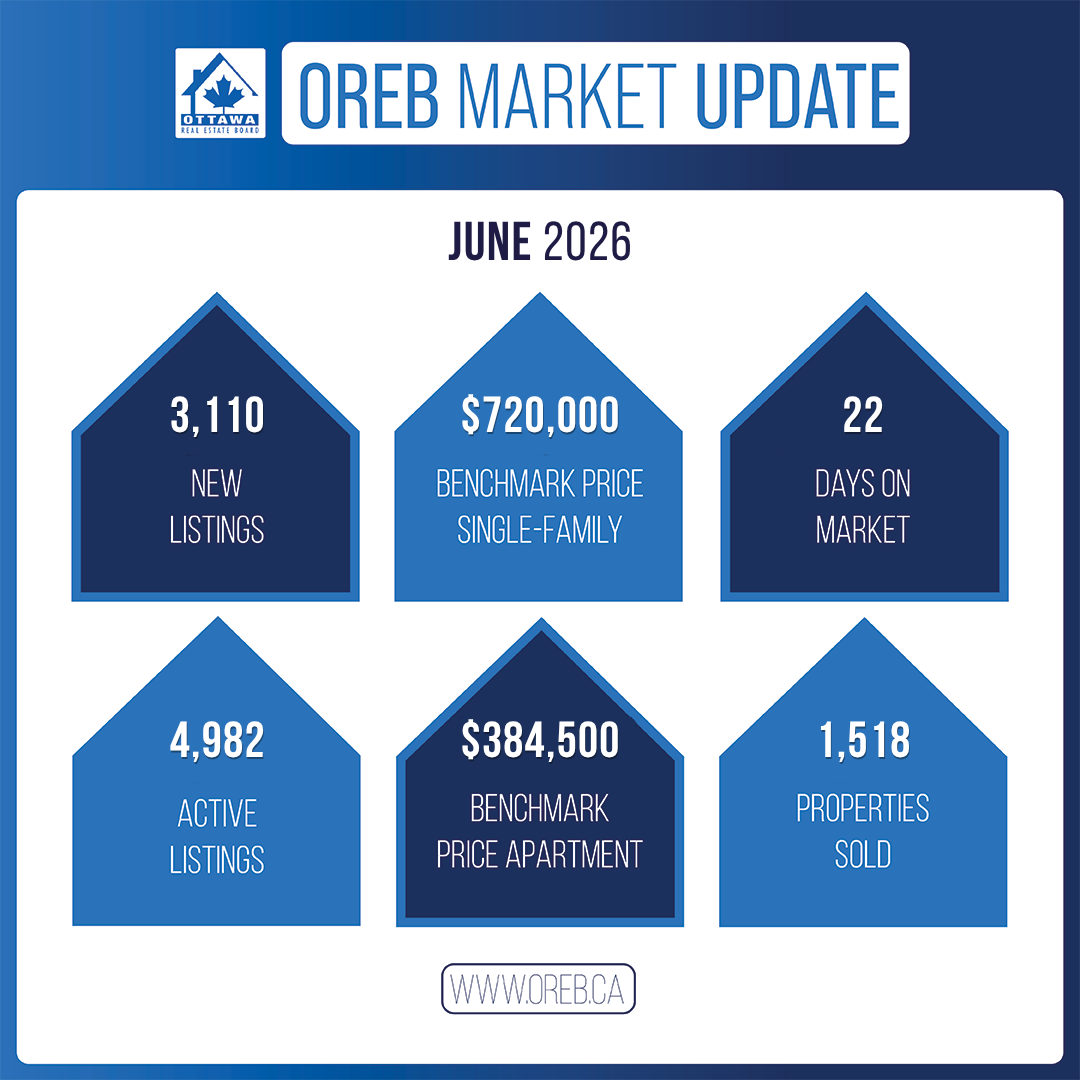
Ottawa Condo Market Statistics - April 2026

Every month we take a closer look and drill down the sales data of Ottawa condos from the previous month. Here are the statistics for April 2026 in the top five "downtown" areas - Centretown, Byward Market and Sandy Hill, Little Italy (which includes Lebreton Flats), Hintonburg, and Westboro. The information will be specific to apartment-style condominiums, and only what is sold through the MLS. Also important to note that DOM (Day's On Market) is calculated to include the conditional period, which in Ottawa is roughly 14 days for almost every single transaction.


Ottawa Real Estate Market Update – April 2026

Ottawa’s housing market continued its gradual spring rebound in April, with sales activity increasing month over month and inventory continuing to build.

While overall conditions remain balanced, the market is starting to show clearer signs of momentum following a slower winter. Buyers are re-engaging, but rising supply is still shaping the pace of the market.

Sales Activity Continues to Improve

A total of 1,336 homes sold in April 2026, representing a 1.9% decrease year over year, but a notable increase from March’s 1,075 transactions.

This signals that while activity hasn’t fully returned to previous spring levels, demand is steadily improving.

Year-to-date, 3,839 homes have sold, down 4.4% compared to the same period in 2025. Despite this, the upward trend in recent months suggests the market is regaining momentum as we move deeper into the spring season.

Inventory Is Rising — And Leading the Market

Supply continues to be the most important factor shaping Ottawa’s housing market right now.

  • 3,258 new listings came to market in April, up 19.3% year over year

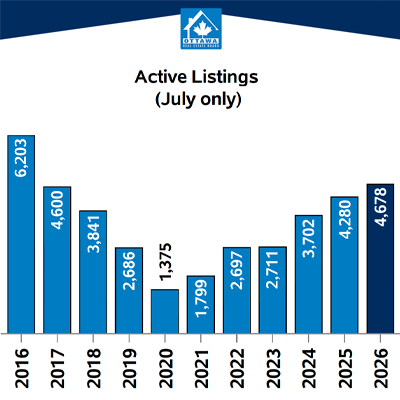
  • 4,535 active listings were available at month-end, up 17.2% year over year

This increase in inventory is giving buyers more options and reducing urgency across most segments.

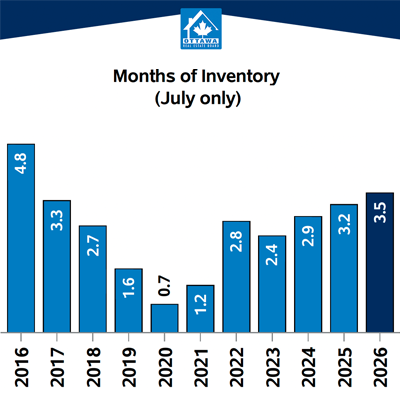
The sales-to-new-listings ratio sits at 41.0%, and months of inventory is 3.4, both consistent with balanced market conditions.

Homes are also taking slightly longer to sell, with median days on market increasing to 21 days, up from 18 days last year.

Prices Remain Stable

Pricing in April held steady, continuing the trend of gradual stabilization seen over the past few months.

  • Average sale price: $712,184 (up 0.8% year over year)

  • Median sale price: $650,000 (unchanged year over year)

Year-to-date:

  • Average price: $683,303

  • Median price: $630,000

These relatively small movements reinforce that Ottawa is not experiencing major price swings, but rather a period of stability.

The MLS® Home Price Index (HPI) adds important context. Benchmark prices have begun to stabilize following earlier declines, with most segments seeing modest month-over-month gains.

The main exception continues to be the condo apartment segment, which remains the softest part of the market.

Market Conditions by Property Type

Single-Family Homes

Detached homes remain one of the most stable segments, with 3.1 months of inventory. Demand is steady, and pricing has held within a relatively narrow range.

Townhomes

Townhomes are also performing consistently, with 3.0 months of inventory, indicating balanced but slightly tighter conditions compared to other segments.

Apartments and Condos

Condos continue to carry higher supply, with 4.9 months of inventory. While conditions have improved slightly in recent months, this segment remains more sensitive to pricing and buyer demand.

Different Conditions Across Ottawa

While the overall market is balanced, conditions vary depending on location.

  • Ottawa Centre is seeing slower absorption, largely due to higher condo inventory

  • Suburban markets remain the most stable, with the west end showing the strongest activity

  • Rural areas continue to move at a slower pace, with higher inventory and longer selling timelines

This variation means that pricing, strategy, and timing can differ significantly depending on where you’re buying or selling.

What This Means for Buyers

Buyers continue to benefit from increased inventory and reduced competition compared to recent years.

There is more time to evaluate options, and less pressure to act immediately. However, improving sales activity suggests that this window may gradually narrow as we move further into the spring market.

What This Means for Sellers

Sellers are entering a market that is active, but more competitive.

With more listings available, buyers have options. This makes pricing and presentation more important than ever. Homes that are positioned correctly are still attracting strong interest, while those that are overpriced may take longer to sell.

Looking Ahead to May and the Rest of Spring

April confirms that Ottawa’s spring market is building, but in a measured way.

  • Sales are improving

  • Inventory is continuing to rise

  • Prices are stable

  • Conditions remain balanced

Looking ahead to May, the key factor will be whether sales can keep pace with the continued increase in listings.

If demand continues to strengthen, we could see slightly tighter conditions and more competition. If inventory continues to outpace sales, the market will remain balanced with ongoing pressure on pricing in certain segments.

Either way, the data points to a steady, controlled spring market, rather than the rapid shifts seen in previous cycles.

Important to note is that these statistics can only be as accurate as there are condos sold in Ottawa. The more condos sold in an area, the more accurate the averages will be.

Want to chat about your options? Fill out the form at the bottom of the page, or text/call us directly at 613-900-5700 or fill out the form at the bottom of the page.

Do you have any questions about how this information affects your investment or looking for more information to make the best decision about your purchase? Let’s chat! Fill out the form on the bottom of the page.

7 Signs an Ottawa Condo Building Is Better Run Than the Rest

When buying a condo in Ottawa, many buyers focus almost entirely on the unit itself.

They look at finishes, kitchen upgrades, views, layout, and price. All important. But there is another factor that can impact your ownership experience just as much, if not more:

How well the building is run.

You are not only buying four walls. You are buying into a condominium corporation, shared financial system, and management structure.

A beautiful condo in a poorly run building can become frustrating and expensive. A modest unit in a well-managed building can feel like a far better long-term purchase.

Here are seven signs an Ottawa condo building is better run than the rest.

1. The Common Areas Are Clean and Consistently Maintained

One of the simplest clues is often right in front of you.

Pay attention to:

  • Lobby cleanliness

  • Hallway condition

  • Elevator appearance

  • Garbage/recycling areas

  • Landscaping and exterior care

  • Lighting in shared spaces

  • General upkeep

No building is perfect, but consistent maintenance usually reflects organized management and pride of ownership.

If common areas feel neglected during a showing, buyers should ask what else may be getting deferred behind the scenes.

2. Condo Fees Make Sense for What You’re Getting

Low fees are not always a positive. High fees are not always a negative.

Well-run buildings tend to have fees that align with:

  • Building size and age

  • Amenities offered

  • Utilities included

  • Reserve fund needs

  • Ongoing maintenance realities

What matters is whether the fee structure appears logical and sustainable.

A building with unrealistically low fees may be underfunding future repairs. A building with strong planning often prices reality more honestly.

3. The Reserve Fund Appears Healthy

The reserve fund is money set aside for major future expenses such as:

  • Roof systems

  • Garage repairs

  • Windows

  • Mechanical systems

  • Elevators

  • Common element replacements

Strong buildings plan ahead.

Weak reserve funds can lead to sudden fee increases or special assessments later.

This is why reviewing the status certificate during a purchase matters so much.

4. Things Get Fixed Without Drama

Buyers often learn about a building’s quality through reputation.

Well-run buildings usually have systems where common issues are addressed reasonably efficiently, such as:

  • Elevator repairs

  • Security concerns

  • Plumbing or HVAC common issues

  • Cleaning standards

  • Access problems

Every building has occasional issues. The difference is whether they are managed properly or left lingering.

5. The Building Has a Good Reputation Among Local Buyers and Agents

Some buildings develop strong reputations over time.

Reasons may include:

  • Solid management

  • Predictable ownership costs

  • Good construction quality

  • Quiet living experience

  • Attractive resale demand

  • Responsible condo board decisions

Others become known for recurring problems.

Experienced local agents often know which buildings consistently perform well and which require deeper caution.

That local context can save buyers a lot of trouble.

6. Rules Exist, But the Building Still Feels Livable

Good governance matters. So does common sense.

Well-run buildings usually balance standards with livability.

Examples:

  • Sensible move-in procedures

  • Reasonable pet rules

  • Clear renovation guidelines

  • Fair amenity booking systems

  • Practical guest policies

Too little structure can create chaos. Too much rigidity can create frustration.

Balanced buildings often feel smoother to live in.

7. Units Tend to Sell With Consistent Demand

The market often notices quality.

Buildings that are well managed frequently see:

  • Stronger buyer interest

  • Better resale confidence

  • Lower hesitation during due diligence

  • More repeat demand from informed buyers

That does not mean every unit sells instantly, but good buildings often maintain healthier long-term demand.

Red Flags Buyers Should Watch For

On the other side, caution may be warranted if you notice:

  • Neglected common spaces

  • Sharp fee increases without explanation

  • Ongoing elevator complaints

  • Frequent owner frustration online

  • Poor communication reputation

  • Visible deferred maintenance

  • Financial concerns in status review

One issue alone may not be fatal. Patterns matter.

Why This Matters in Ottawa Specifically

The condo market in Ottawa is highly building-specific.

Two buildings in the same neighbourhood with similar prices can offer very different ownership experiences depending on management quality.

That is especially relevant in areas like:

  • Centretown

  • Westboro

  • Little Italy

  • ByWard Market

Buying the right building can matter as much as buying the right unit.

Thinking About Buying an Ottawa Condo?

The finishes can be changed. Paint can be redone. Appliances can be replaced.

Building quality and management are much harder to fix.

If you’re comparing condos in Ottawa and want honest guidance on which buildings stand out for the right reasons, the New Purveyors team would be happy to help.

Should You Buy an Older Ottawa Condo or a Newer One?

If you’re shopping for a condo in Ottawa, one of the biggest questions you may run into is whether to buy an older building or something newer.

Many buyers assume newer automatically means better. Others believe older condos always offer stronger value. The truth is more nuanced than that.

Both older and newer condos can be smart purchases depending on your budget, priorities, lifestyle, and long-term plans.

The right decision usually comes down to understanding the trade-offs.

Why Buyers Are Drawn to Newer Condos

Newer condo buildings often attract buyers immediately because they feel modern, efficient, and move-in ready.

Common benefits include:

  • Contemporary finishes

  • Open-concept layouts

  • Newer appliances and systems

  • Modern amenities like gyms or lounges

  • Better energy efficiency in some cases

  • Less immediate renovation work

For buyers who value convenience, lower maintenance inside the unit, or a more current aesthetic, newer buildings can be appealing.

This is especially common in areas like Westboro, Little Italy, and newer downtown towers.

Why Buyers Still Love Older Condos

Older buildings can offer advantages many newer developments cannot.

These often include:

  • Larger floor plans

  • More separate living and dining space

  • Better storage

  • Solid concrete construction in many cases

  • Established communities

  • Lower price per square foot in some buildings

  • Mature neighbourhood settings

Many buyers tour newer condos, then realize the space feels tighter than expected. Older condos can sometimes offer a much more functional day-to-day layout.

This can be especially relevant in established areas like Centretown and parts of The Glebe.

The Biggest Mistake: Judging by Age Alone

A condo’s age matters less than how the building has been managed.

A well-run older building with responsible reserve fund planning can be a stronger purchase than a newer building with poor management or future issues emerging.

Likewise, a newer condo is not automatically worry-free simply because it is recent.

Buyers should look at:

  • Status certificate

  • Reserve fund health

  • Fee history

  • Building reputation

  • Maintenance quality

  • Unit condition

  • Rules and restrictions

  • Construction quality

When an Older Condo Might Be the Better Buy

An older building may make more sense if you value:

More Space for Your Budget

Many older condos offer larger interiors than newer units at similar price points.

Better Layouts

Separate foyers, defined dining areas, larger bedrooms, and practical storage can outperform trendy but tighter modern layouts.

Prime Established Locations

Some of Ottawa’s best locations were developed long ago and still offer strong walkability and convenience.

Renovation Opportunity

Buying an older unit and modernizing it can create strong personal value.

When a Newer Condo Might Be the Better Buy

A newer condo may suit you if you prioritize:

Turnkey Living

Less desire to renovate or update finishes.

Modern Amenities

Gyms, rooftop terraces, concierge, party rooms, co-working lounges, and smart access systems can matter to some buyers.

Contemporary Design

Open kitchens, larger windows, and cleaner lines often appeal to modern tastes.

Easier Rental Appeal

Some investors prefer newer product when targeting tenant demand.

Things Buyers Often Overlook

Condo Fees

Older buildings may have higher fees due to age or bundled utilities. Newer buildings may start lower, but fees can rise as operating realities settle in.

Sound Transfer

Construction quality varies by building. Some older concrete buildings perform very well acoustically.

Unit Size vs Lifestyle

A stylish smaller condo may impress during a showing but feel limiting over time if you work from home or need storage.

Resale Audience

Think about who would want this condo when it is time to sell.

What We Often Tell Buyers in Ottawa

Do not buy “newer.” Do not buy “older.”

Buy the best specific building + specific unit + specific value available for your needs.

That may be:

  • A renovated older condo with great square footage

  • A newer one-bed in a walkable neighbourhood

  • A larger older two-bed with parking

  • A modern tower with strong amenities and future resale appeal

There is no universal winner.

Areas Where Buyers Compare This Most Often

This conversation often comes up in:

  • Centretown

  • Westboro

  • Little Italy

  • ByWard Market

  • The Glebe

Each area offers a different mix of established buildings and newer developments.

Thinking About Buying a Condo in Ottawa?

The best condo purchase is rarely decided by age alone. It is decided by value, livability, building quality, and how well it fits your life.

If you’re comparing older versus newer options in Ottawa, the New Purveyors team would be happy to help you sort through the pros, cons, and smartest opportunities currently on the market.

Ottawa Condo Fees Explained: What’s Normal and What’s a Red Flag?

If you’re buying a condo in Ottawa, one of the first numbers you’ll notice after price is the monthly condo fee.

For some buyers, condo fees feel frustrating or confusing. Others assume higher fees automatically mean a bad deal. Neither is always true.

Condo fees are one of the most misunderstood parts of condo ownership. In reality, they can either represent solid value or signal issues worth investigating.

If you understand what you’re paying for, what’s typical, and what may be a warning sign, you can make far better buying decisions.

What Condo Fees Actually Are

Condo fees are monthly payments collected from owners to operate and maintain the building or community.

These fees commonly help cover:

  • Maintenance of common areas

  • Cleaning and landscaping

  • Snow removal

  • Building insurance for common elements

  • Property management

  • Elevator servicing

  • Heating or water in some buildings

  • Amenities upkeep

  • Reserve fund contributions for future major repairs

You still typically carry your own personal condo insurance policy and pay your own mortgage and property taxes separately.

Why Condo Fees Vary So Much in Ottawa

Two condos with similar prices can have very different monthly fees.

That usually comes down to factors like:

  • Building age

  • Size of the building

  • Number of units sharing costs

  • Amenities offered

  • Utilities included

  • Type of construction

  • Management quality

  • Reserve fund planning

  • Townhome condo vs tower condo structure

For example, a newer high-rise with concierge, gym, elevators, underground parking, and shared utilities may have higher fees than a low-rise building with fewer amenities.

What Is “Normal” for Ottawa Condo Fees?

There is no single perfect number.

Fees are usually evaluated in context:

  • Size of the unit

  • What is included

  • Building quality

  • Age and maintenance needs

  • Amenity package

  • Location and market segment

A fee that seems high may be reasonable if it includes heat, water, premium amenities, strong management, and healthy long-term planning.

A low fee can look attractive, but if the reserve fund is weak or the building is underfunded, it may create problems later.

When Higher Condo Fees Can Be Totally Fine

Higher fees are not automatically a red flag.

Sometimes they reflect:

  • Older buildings maintaining major systems responsibly

  • Full-service buildings with concierge/security

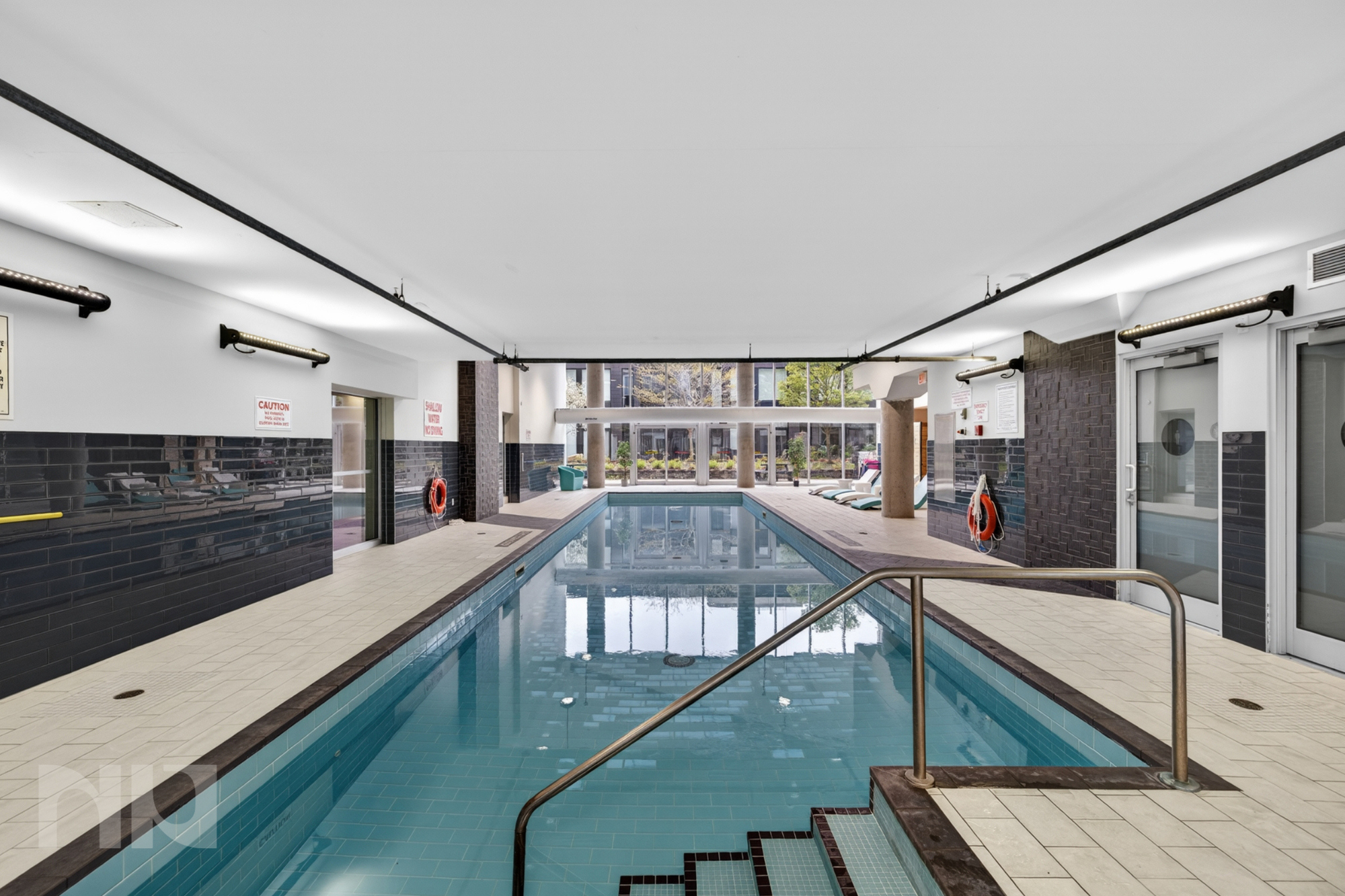
  • Indoor pools, gyms, party rooms, guest suites

  • Utilities bundled into ownership cost

  • Strong reserve fund contributions

Some buyers prefer paying more monthly in exchange for convenience and predictability.

Real Red Flags Buyers Should Watch For

The fee amount alone is not the issue. The context is.

Potential warning signs include:

Fees Rising Rapidly Every Year

Moderate increases happen. Sharp recurring jumps may indicate past underfunding or rising operating pressures.

High Fees With Very Little Included

If fees are substantial but owners still separately pay most utilities and there are minimal amenities, it is worth understanding why.

Weak Reserve Fund

The reserve fund is money saved for major future repairs such as roofing, windows, garage work, mechanical systems, elevators, and more.

If the fund is weak, owners may face future special assessments or fee increases.

Deferred Maintenance

If common areas look tired, systems seem neglected, or repairs appear delayed, that can signal management or financial strain.

Legal or Governance Issues

Status certificate review can reveal disputes, lawsuits, arrears, or governance concerns.

Why Low Condo Fees Can Mislead Buyers

Low fees often attract attention online, but very low fees are not always a gift.

Sometimes they mean:

  • Under-contributing to reserve fund

  • Delaying maintenance

  • Future increases likely

  • Owners self-managing without long-term planning

  • Expenses pushed elsewhere

A building that looks cheaper today can become more expensive later.

Condo Fees vs Freehold Ownership Costs

Many buyers compare condo fees to “throwing money away.” That is too simplistic.

Freehold owners often pay separately for:

  • Roof replacement

  • Driveway repairs

  • Landscaping

  • Snow removal

  • Exterior maintenance

  • Insurance differences

  • Unexpected repairs

Condo fees convert many of those shared obligations into predictable monthly costs.

That does not make condos better or worse. It just means ownership costs are structured differently.

How Buyers Should Analyze Condo Fees Properly

Instead of asking “Are the fees high?” ask:

  • What is included?

  • How old is the building?

  • Is the reserve fund healthy?

  • How have fees changed over time?

  • Are amenities worth it to me?

  • How well is the building maintained?

  • How does this compare to competing buildings?

That gives a much smarter answer than looking at one number.

Why Building-by-Building Advice Matters in Ottawa

Condo buying in Ottawa is highly building-specific.

Two nearby buildings can have completely different ownership experiences based on management, fee history, construction quality, and owner culture.

That is why local experience matters.

Thinking About Buying an Ottawa Condo?

Condo fees should not scare you, but they should be understood.

The right condo can offer strong lifestyle value and long-term ownership stability. The wrong one can create frustration and surprise costs.

If you're comparing buildings in Centretown, Westboro, Little Italy, or downtown ByWard Market, Matt Richling and the New Purveyors team would be happy to help you understand which fees make sense and which deserve caution.

The Best Ottawa Neighbourhoods for Condo Buyers Who Want Walkability

For many condo buyers in Ottawa, walkability is no longer just a bonus. It is one of the main priorities.

Being able to grab groceries without driving, walk to coffee shops, meet friends for dinner, get to work more easily, or simply enjoy a neighbourhood with energy and convenience can dramatically improve day-to-day life.

The good news is Ottawa has several neighbourhoods where condo living and walkability go hand in hand. The right fit depends on your budget, lifestyle, commute, and what kind of atmosphere you want around you.

Here are some of the best areas to consider.

Centretown

If convenience is your top priority, Centretown is one of the strongest choices in the city.

You are close to downtown offices, restaurants, grocery stores, fitness studios, coffee shops, nightlife, and everyday essentials. Many residents can live with minimal car use, especially if they work centrally or use transit.

Why buyers choose it:

  • Excellent walkability

  • Strong condo inventory

  • Easy downtown access

  • Great mix of older value buildings and newer towers

  • Busy urban lifestyle

Best for:

  • Professionals

  • Buyers who want city energy

  • People downsizing from suburban car dependence

Things to consider:

  • Busier streets in some pockets

  • Older buildings require building-by-building due diligence

Westboro

Westboro remains one of Ottawa’s most desirable lifestyle neighbourhoods.

It blends urban convenience with a polished residential feel. You have restaurants, boutiques, gyms, cafés, grocery options, and quick access to the Ottawa River pathways.

Why buyers choose it:

  • Strong neighbourhood identity

  • Great restaurants and coffee scene

  • Excellent walkability

  • Attractive modern condo stock

  • Access to recreation and cycling paths

Best for:

  • Professionals

  • Buyers wanting lifestyle and aesthetics

  • Downsizers seeking quality over size

Things to consider:

  • Prices can be higher than some other condo areas

The Glebe

The Glebe offers walkability with character.

This is one of Ottawa’s most established neighbourhoods, known for tree-lined streets, local shops, cafés, restaurants, and access to parks and the canal. Condo inventory is more limited than Centretown, but demand stays strong.

Why buyers choose it:

  • Charming streetscape

  • Lansdowne access

  • Strong local shopping strip

  • Excellent long-term desirability

Best for:

  • Buyers who value charm and prestige

  • Downsizers

  • Buyers wanting a less tower-heavy feel

Things to consider:

  • Lower condo inventory can limit options

Little Italy

Little Italy has become one of the most attractive condo zones for buyers who want modern buildings and strong lifestyle appeal.

With Preston Street restaurants, nearby transit, Dow’s Lake, and access to the future growth around the area, it offers a lively but manageable urban feel.

Why buyers choose it:

  • Great food scene

  • Modern condo developments

  • Walkable social lifestyle

  • Seasonal access to Dow’s Lake and paths

Best for:

  • Younger professionals

  • Buyers wanting newer condos

  • Social, active lifestyles

Things to consider:

  • Some pockets still evolving block by block

ByWard Market

If you want true downtown convenience, the ByWard Market remains one of Ottawa’s most walkable areas.

Groceries, restaurants, nightlife, shopping, transit, and major employment nodes are close by. It is one of the easiest places in Ottawa to live without relying on a car.

Why buyers choose it:

  • Extremely central

  • High convenience factor

  • Strong appeal for investors and professionals

  • Newer condo options mixed with established towers

Best for:

  • Urban buyers

  • Investors

  • Buyers prioritizing location over square footage

Things to consider:

  • Some buyers prefer quieter neighbourhood environments

Hintonburg

Hintonburg has become a go-to choice for buyers who want personality.

It offers a creative, local-business-driven atmosphere with cafés, breweries, restaurants, shops, and growing condo options nearby.

Why buyers choose it:

  • Trendy local feel

  • Strong restaurant scene

  • Great transit access

  • Good balance of city energy and neighbourhood feel

Best for:

  • Buyers wanting culture and uniqueness

  • Professionals

  • Creative-minded buyers

What Makes a Walkable Condo Purchase Smart?

Walkability is not only about lifestyle. It can also support long-term value.

Many buyers consistently prioritize:

  • Transit access

  • Daily convenience

  • Entertainment nearby

  • Reduced commuting friction

  • Lower dependence on vehicles

That means highly walkable neighbourhoods often maintain steady buyer demand.

How to Choose the Right Walkable Ottawa Neighbourhood

Ask yourself:

  • Do I want quiet or energy?

  • Do I need parking?

  • Do I commute daily?

  • Do I value restaurants or green space more?

  • Am I prioritizing value or premium lifestyle?

  • Do I want newer construction or established buildings?

There is no universal best area. There is only the best fit for your life.

Thinking About Buying a Condo in Ottawa?

Neighbourhood choice matters just as much as the unit itself. The right condo in the wrong area can feel like a compromise. The right area often improves your everyday life immediately.

If you're considering a condo purchase in Ottawa and want honest guidance on buildings, neighbourhoods, resale value, and lifestyle fit, the New Purveyors team would be happy to help.

What First-Time Condo Buyers in Ottawa Always Forget to Check

Buying your first condo in Ottawa can be exciting. It can also be overwhelming. Most first-time buyers spend a lot of time focused on price, mortgage payments, finishes, and location. Those things matter, but they are not the only things that determine whether a condo feels like a smart purchase six months later.

Some of the most common regrets come from details buyers simply did not know to look into.

If you're planning to buy your first condo, here are the things many buyers forget to check.

The Monthly Cost Beyond the Mortgage

A condo’s purchase price is only part of the story.

Many first-time buyers focus on the mortgage payment and forget to fully account for:

  • Condo fees

  • Property taxes

  • Utilities not included in fees

  • Parking costs

  • Insurance

  • Future maintenance or upgrades inside the unit

Sometimes a condo with a lower purchase price can actually cost more monthly than a slightly higher-priced option with lower fees or better efficiency.

Always compare the full monthly ownership cost.

What the Condo Fees Actually Cover

Not all condo fees are equal.

Two buildings may have similar fees, but one may include heat, water, amenities, and strong maintenance, while another includes less.

Important questions to ask:

  • Does it include heat or hydro?

  • Is water included?

  • Is parking separate?

  • Are there amenities you’ll use?

  • Is there 24/7 concierge or security?

  • Are fees rising quickly year after year?

High fees are not automatically bad. Poor value is the issue.

The Building’s Financial Health

Many first-time buyers fall in love with the unit and ignore the building itself.

You are not just buying a condo. You are buying into the corporation that manages the building.

This is why reviewing the status certificate matters. It can reveal:

  • Reserve fund strength

  • Pending legal disputes

  • Special assessments

  • Rules and restrictions

  • Financial concerns

A beautiful unit in a poorly run building can become an expensive lesson.

Noise and Exposure

Photos do not tell the whole story.

Two condos in the same building can feel completely different depending on where they face.

Things to consider:

  • Busy road exposure

  • Nightlife noise

  • Garbage or loading areas below

  • Future construction nearby

  • Little natural light

  • Direct views into neighbouring units

Visit at different times if possible. A condo can feel calm at noon and very different at night.

Parking and Locker Reality

Buyers often assume parking or storage comes with the unit. Sometimes it does not.

Clarify:

  • Is parking owned, rented, or unavailable?

  • Is the spot underground or outside?

  • Is EV charging possible?

  • Is there a storage locker?

  • Where is it located?

In some parts of Ottawa, parking can have major resale value.

Layout Over Square Footage

A first-time buyer may compare numbers and choose the larger unit. That can be a mistake.

Smart layouts often outperform bigger but awkward units.

Look for:

  • Real dining or work-from-home space

  • Good kitchen flow

  • Bedroom privacy

  • Closet storage

  • Space for guests or hobbies

  • Living room dimensions that actually fit furniture

How a condo lives matters more than what the listing says.

Resale Potential

Even if you plan to stay for years, life changes.

A good first condo should also appeal to future buyers.

Usually easier to resell:

  • One-bed plus den layouts

  • Parking included

  • Good transit access

  • Well-managed buildings

  • Functional floor plans

  • Strong neighbourhood demand

Buying with resale in mind gives you more options later.

The Neighbourhood Lifestyle

Many first-time buyers buy the unit and forget the area.

Think about your daily life:

  • Grocery access

  • Transit routes

  • Walkability

  • Gyms

  • Coffee shops

  • Green space

  • Commute time

  • Safety perception

  • Weekend energy vs quiet streets

A condo is not just four walls. It is how you live every day.

Why Guidance Matters

First-time condo buyers often do not need someone to open doors. They need someone to point out what they would never think to ask.

That includes building reputation, fee trends, resale strength, negotiation strategy, and avoiding costly surprises.

Thinking About Buying Your First Ottawa Condo?

Whether you're considering Centretown, Westboro, Little Italy, or downtown ByWard Market, the right first purchase can set you up financially for years.

If you’d like help understanding which condos make sense and which ones to avoid, the New Purveyors team would be happy to help.

Why Some Ottawa Condos Sell Faster Than Others

If you’ve been watching the Ottawa condo market lately, you’ve probably noticed something confusing. Two units can hit the market around the same time, in similar locations, at similar price points, and have completely different outcomes. One sells quickly with strong interest. The other sits for weeks, sometimes longer, with little traction.

Many sellers assume it comes down to luck or timing. In reality, there are usually clear reasons why one condo moves faster than another.

If you're thinking about selling, or even buying, understanding these factors can help you make better decisions.

Not All Condos Are Equal, Even in the Same Building

One of the biggest misconceptions in real estate is that every unit in the same building should sell for roughly the same amount.

That’s rarely true.

Within one building, there can be major differences in value and buyer demand based on:

  • Floor level

  • View and exposure

  • Natural light

  • Noise levels

  • Parking ownership

  • Locker ownership

  • Layout efficiency

  • Renovations or upgrades

  • Ceiling height in some buildings

  • Balcony size or usability

A south-facing corner unit on a higher floor with parking can attract a very different level of interest than a lower-floor interior-facing unit with no parking, even if the square footage is similar.

This is where pricing condos based only on recent comparable sales can become misleading.

Pricing Strategy Matters More Than Many Sellers Think

In slower or balanced condo markets, buyers tend to be price-sensitive and informed. They are comparing multiple options online before they ever book a showing.

If a condo is overpriced at launch, even by a modest amount, it can lose momentum quickly.

New listings get the most attention in their first days on market. If buyers feel the value is off, they often move on and wait for a price reduction.

Well-priced condos tend to generate more early activity, more showings, and sometimes stronger negotiating leverage.

That does not always mean pricing low. It means pricing in line with what today’s buyers will perceive as fair value.

Presentation Still Changes Outcomes

Online first impressions matter. For most buyers, the showing starts on their phone.

That means listing photos, video, floor plans, and overall presentation can directly impact how fast a condo sells.

Common reasons listings underperform:

  • Dark or poorly composed photos

  • Cluttered rooms

  • Distracting finishes left unaddressed

  • No floor plan

  • Weak listing description

  • No clear lifestyle story about the building or area

Strong presentation helps buyers emotionally connect before they step through the door.

At New Purveyors, this is one reason we invest in professional photography, videography, and broader marketing for listings rather than simply putting a condo on MLS and waiting.

Layout Often Beats Size

Many buyers focus on square footage, but once they start touring condos, they quickly realize layout can matter more.

A 700 sq ft condo with smart flow, good storage, and usable living space may outperform an 800 sq ft condo with wasted hallways or awkward room placement.

Today’s buyers often work from home, host more, or need flexibility. Units that feel functional tend to move faster.

Building Reputation Plays a Role

Buyers do research now. They look into buildings before booking showings.

Things that can help a condo sell faster:

  • Strong property management

  • Healthy reserve fund

  • Clean common areas

  • Good amenities

  • Solid reputation among local agents

  • Fewer recurring issues

Things that can slow demand:

  • Special assessments

  • Frequent elevator issues

  • Poor management reputation

  • Very high condo fees without clear value

  • Financing challenges in some buildings

An experienced local agent should know which buildings buyers consistently ask about and which ones need more strategic handling.

Timing Within the Ottawa Market Matters

Even strong condos can take longer depending on timing.

Examples:

  • Listing during peak inventory periods can create more competition

  • Holiday weeks often reduce activity

  • Major rate changes can temporarily pause buyer confidence

  • Winter can be slower for some segments, though serious buyers remain active year-round

Good timing alone will not sell an overpriced or poorly marketed condo, but it can influence speed and leverage.

The Best Sellers Understand Their Competition

Your condo is not competing with every property in Ottawa. It is competing with the handful of listings buyers in your price range are actively comparing right now.

That may include:

  • Other units in your building

  • Similar buildings nearby

  • Slightly larger units in nearby neighbourhoods

  • Entry-level freeholds or townhomes at similar monthly cost

Understanding that real-time competition is often more useful than looking only at old sold data.

So Why Do Some Ottawa Condos Sell Faster Than Others?

Usually it is a combination of:

  • Better pricing

  • Better presentation

  • Better layout

  • Better building reputation

  • Better timing

  • Better strategy

The condo market rewards preparation.

Thinking About Selling Your Ottawa Condo?

If you’re considering selling, the biggest mistake is assuming your unit will perform the same as the last sale in the building.

Every condo is its own product, and strategy matters.

If you'd like a realistic opinion on value, timing, and how your condo compares to active competition in today’s Ottawa market, New Purveyors team would be happy to help.

Ottawa Condo Market Statistics - March 2026

Every month we take a closer look and drill down the sales data of Ottawa condos from the previous month. Here are the statistics for March 2026 in the top five "downtown" areas - Centretown, Byward Market and Sandy Hill, Little Italy (which includes Lebreton Flats), Hintonburg, and Westboro. The information will be specific to apartment-style condominiums, and only what is sold through the MLS. Also important to note that DOM (Day's On Market) is calculated to include the conditional period, which in Ottawa is roughly 14 days for almost every single transaction.


Ottawa’s housing market showed clear signs of early spring momentum in March, with sales activity picking up after a slower winter and pricing beginning to firm across several segments.

While overall conditions remain balanced, the data suggests that demand is starting to re-engage as we move into the spring market. Buyers still have options, but the window of slower, less competitive conditions may be narrowing.

Sales Activity Begins to Rebound

A total of 1,075 residential properties sold in March 2026, representing a 4.7% decrease compared to March 2025, but a meaningful improvement from February’s slower pace.

Although sales are still slightly below recent March levels, they are now back within range of prior years:

  • 2025: 1,128 sales

  • 2024: 1,158 sales

  • 2023: 1,072 sales

This indicates that while the market has not fully returned to peak activity, it is stabilizing and moving in a more typical seasonal direction.

Notably, single-family homes led the recovery, with 562 sales in March, matching last year’s performance and significantly improving from February.

Inventory Remains Elevated, But Is Being Absorbed

Supply continues to build across the Ottawa market, but stronger sales are helping to keep pace.

  • 2,452 new listings came to market in March, up 7.5% year over year

  • 3,578 active listings were available at month-end, up 10.3% year over year

Despite this increase in inventory, conditions are not loosening further. Instead, the market is starting to tighten slightly due to improved absorption.

Months of inventory dropped to 3.3, down from 3.8 in February, which keeps Ottawa firmly in balanced territory.

This is an important shift. While buyers still have more choice than in recent years, that choice is beginning to shrink as demand picks up.

Prices Show Early Signs of Strengthening

Headline pricing in March remained relatively stable, but underlying trends point to strengthening values.

  • Average sale price: $692,584 (up 0.9% year over year)

  • Median sale price: $642,000 (down 0.5% year over year)

On the surface, these numbers suggest modest movement. However, the MLS® Home Price Index (HPI) provides a clearer picture.

Benchmark prices increased month over month across:

  • Composite market

  • Single-family homes

  • Apartment/condo segment

Townhomes remained stable.

Because the HPI adjusts for the mix of properties sold, these increases suggest that true market values are beginning to firm, not just seasonal price fluctuations.

Market Conditions by Property Type

Different property types continue to behave differently, which is shaping how buyers and sellers experience the market.

Single-Family Homes

Detached homes remain the most stable segment. Inventory tightened to 3.0 months, and pricing has held steady. Demand is strongest in this category, particularly at accessible price points.

Townhomes

Townhomes continue to see steady demand, with 2.8 months of inventory, indicating relatively competitive conditions. This segment remains attractive to buyers looking for a balance between affordability and space.

Apartments and Condos

The condo market is still carrying higher supply, with 5.5 months of inventory, but there are early signs of improvement. Rising benchmark prices and better absorption suggest that this segment may be starting to stabilize after a slower period.

What This Means for Buyers

Buyers are still in a relatively favourable position compared to the past few years.

There is more inventory available, and less urgency than during peak market conditions. However, the data suggests that this window may be narrowing.

As sales activity increases and inventory is absorbed more quickly, competition is likely to build gradually through the spring.

What This Means for Sellers

Sellers are entering a more favourable market than earlier in the year.

Demand is strengthening, particularly for freehold properties, and well-priced homes are seeing consistent activity.

The key difference compared to past peak markets is that pricing strategy matters more. Buyers are still selective, and homes that are overpriced may take longer to sell.

Looking Ahead to Spring 2026

March data confirms that Ottawa’s housing market is transitioning out of its slower winter phase.

  • Sales are improving

  • Inventory is being absorbed more effectively

  • Benchmark prices are beginning to rise

  • Conditions remain balanced

National forecasts, including CREA’s 2026 outlook, point to gradually strengthening demand as borrowing conditions ease. Ottawa’s recent performance aligns with that trajectory.

If current trends continue, the spring market is likely to bring steady momentum rather than a sudden surge, with balanced conditions supporting both buyers and sellers.

Important to note is that these statistics can only be as accurate as there are condos sold in Ottawa. The more condos sold in an area, the more accurate the averages will be.

Want to chat about your options? Fill out the form at the bottom of the page, or text/call us directly at 613-900-5700 or fill out the form at the bottom of the page.

Do you have any questions about how this information affects your investment or looking for more information to make the best decision about your purchase? Let’s chat! Fill out the form on the bottom of the page.

The First 5 Homes You See Will Probably Be Wrong. Here’s Why That’s Normal

Most buyers think they’ll know right away.

You walk into the first few homes, and one of them will just click. It’ll feel right, make sense, and you’ll be ready to move forward.

In reality, that’s almost never how it works.

In Ottawa, especially right now, the first 5 homes you see are usually part of the process, not the outcome. And understanding that early can save you a lot of stress, second-guessing, and rushed decisions.

Why the First Homes Rarely Work

At the beginning of your search, you’re not just looking at homes. You’re learning how to look at homes.

There’s a big difference.

Most buyers start with a general idea:

  • Budget range

  • Preferred area

  • Number of bedrooms

  • A few “must-haves”

But those criteria are usually untested.

Once you start walking through properties, reality starts to reshape your expectations.

1. Your Priorities Haven’t Been Pressure-Tested Yet

On paper, everything sounds good.

Three bedrooms. Finished basement. Nice kitchen. Good neighbourhood.

But when you actually walk through a home, you start noticing things you didn’t expect to care about:

  • Layout flow

  • Natural light

  • Ceiling height

  • Storage

  • Noise levels

  • Street feel

Suddenly, something that “checked all the boxes” doesn’t feel right.

That’s not a failure. That’s refinement.

2. Photos vs Reality Is a Real Gap

This is especially true in Ottawa’s current market.

Listing photos are designed to highlight the best parts of a home. But they don’t always capture:

  • Tight layouts

  • Wear and tear

  • Street positioning

  • Overall feel of the space

So your first few showings often come with a bit of surprise.

Buyers quickly learn:
“This looked better online than in person.”

Again, completely normal.

3. You Haven’t Seen Enough to Compare Yet

The first few homes exist in isolation.

You don’t yet have a strong reference point for:

  • What $600K actually gets you in different neighbourhoods

  • How layouts vary between similar homes

  • What’s considered “updated” vs “original”

After 5 to 10 showings, patterns start to emerge. That’s when your decision-making gets sharper.

4. Your “Must-Haves” Start to Shift

Almost every buyer adjusts their criteria after seeing a few homes.

Common shifts look like:

  • “We thought we needed a finished basement, but we don’t.”

  • “We didn’t think layout mattered this much, but it does.”

  • “We’re willing to compromise on finishes for a better location.”

This is one of the most important parts of the process, and it only happens by actually seeing homes.

5. You’re Still Figuring Out How It Should Feel

Buying a home isn’t just logical. It’s also intuitive.

There’s a certain level of comfort, flow, and fit that’s hard to define until you experience it.

The first few homes help you understand:

  • What feels too small

  • What feels too busy

  • What feels right

That “feeling” becomes much clearer after a handful of showings.

What Changes After the First 5–10 Homes

This is where things start to click.

Buyers become:

  • More decisive

  • More realistic

  • More confident in what they want

Instead of reacting to each home individually, you start comparing:
“This one is better than the last one because…”
“This one doesn’t work because we’ve seen better…”

And that’s when you’re actually ready to make a strong decision.

The Risk of Expecting to Find “The One” Too Early

One of the biggest mistakes buyers make is putting too much pressure on the first few homes.

This can lead to:

  • Forcing a decision too early

  • Overlooking better options that come later

  • Feeling discouraged when nothing feels right immediately

The process isn’t broken. You’re just still in the learning phase.

The Ottawa Factor

In Ottawa, this learning curve is even more important because inventory can vary a lot depending on:

  • Neighbourhood

  • Price point

  • Property type

A $650K home in Barrhaven is going to feel very different from a $650K home in Vanier or Carlington.

Seeing a range of options early on gives you a much clearer understanding of what’s realistic for your budget.

A Better Way to Approach Your Search

Instead of trying to “find the one” right away, approach the first few showings as research.

Pay attention to:

  • What you like more than expected

  • What bothers you more than expected

  • What you’d be willing to compromise on

By the time the right home comes up, you’ll recognize it quickly and feel confident acting on it.
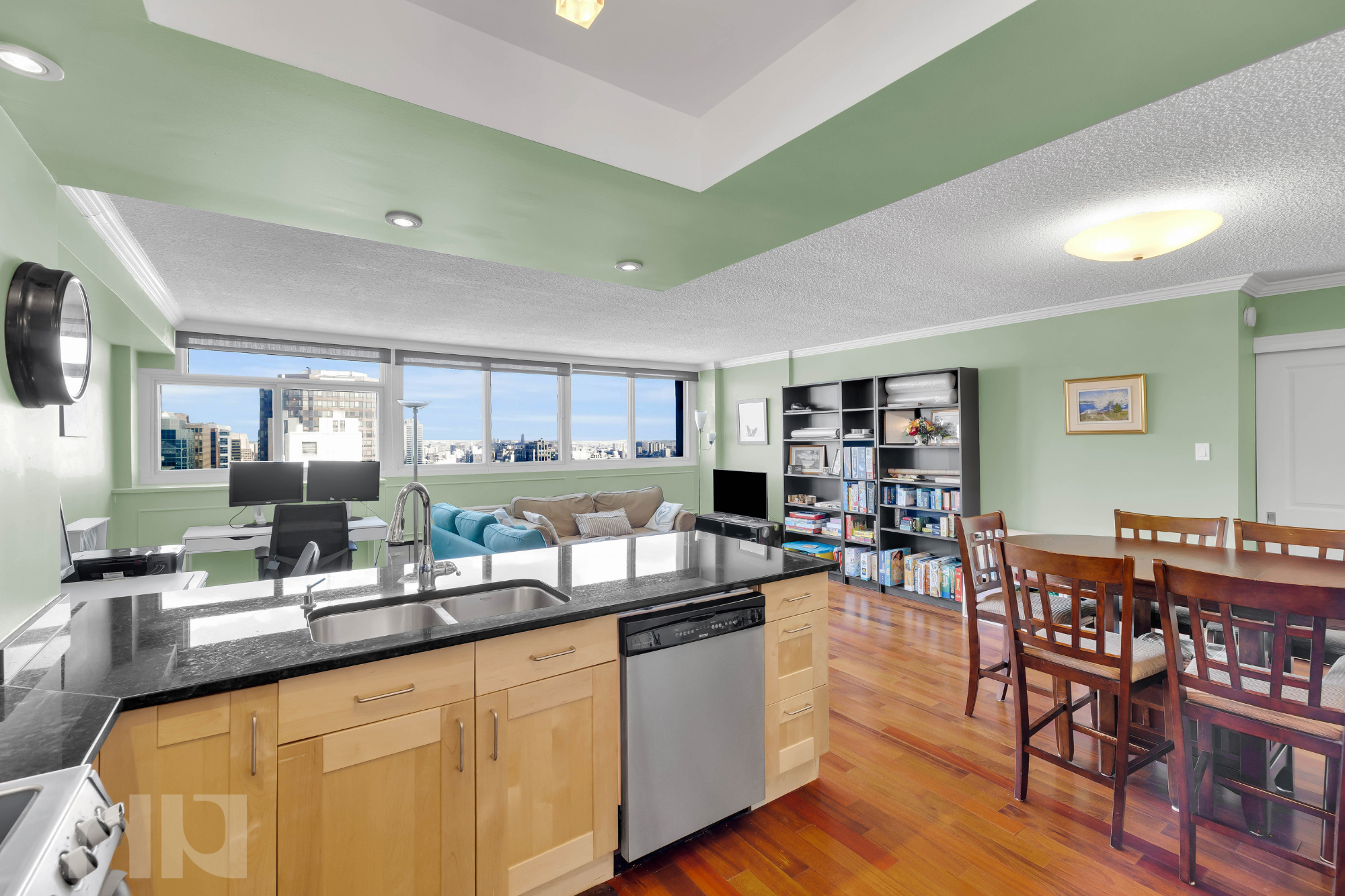
Final Thought

If you’ve seen a few homes and nothing feels quite right yet, that doesn’t mean something is wrong.

It usually means you’re exactly where you should be.

The right home rarely shows up before you’ve had the chance to understand what “right” actually looks like for you.

And once you do, the process gets a lot easier.

The ‘Invisible’ Features That Make a Home Feel More Expensive (Even When It’s Not)

Some homes just feel better the second you walk in.

They don’t always have higher-end finishes. They’re not always bigger. And they’re not always priced higher.

But they feel more expensive.

That’s not an accident.
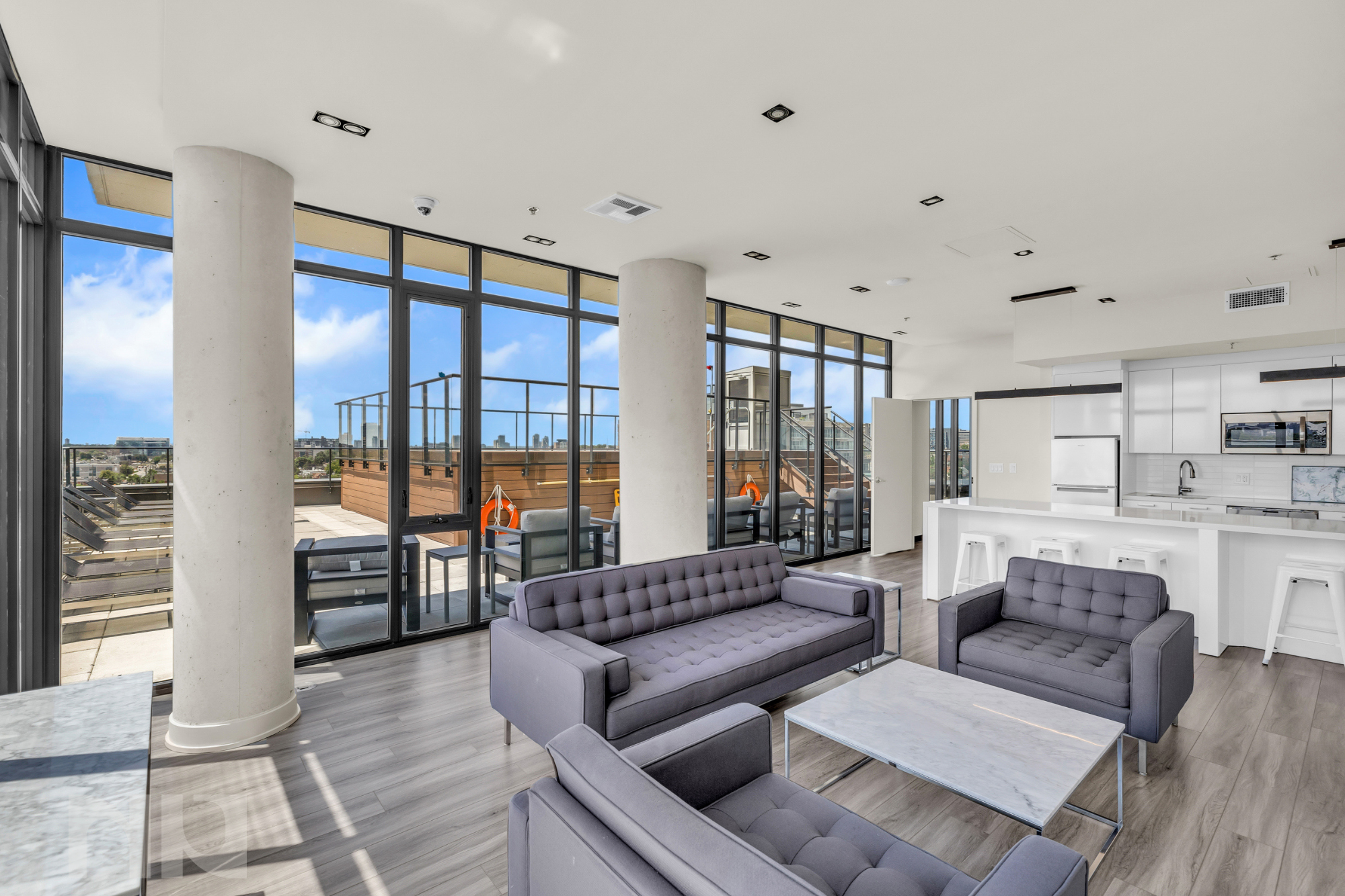
There are specific features, layouts, and details that change how a home is perceived, even if most buyers can’t immediately explain why.
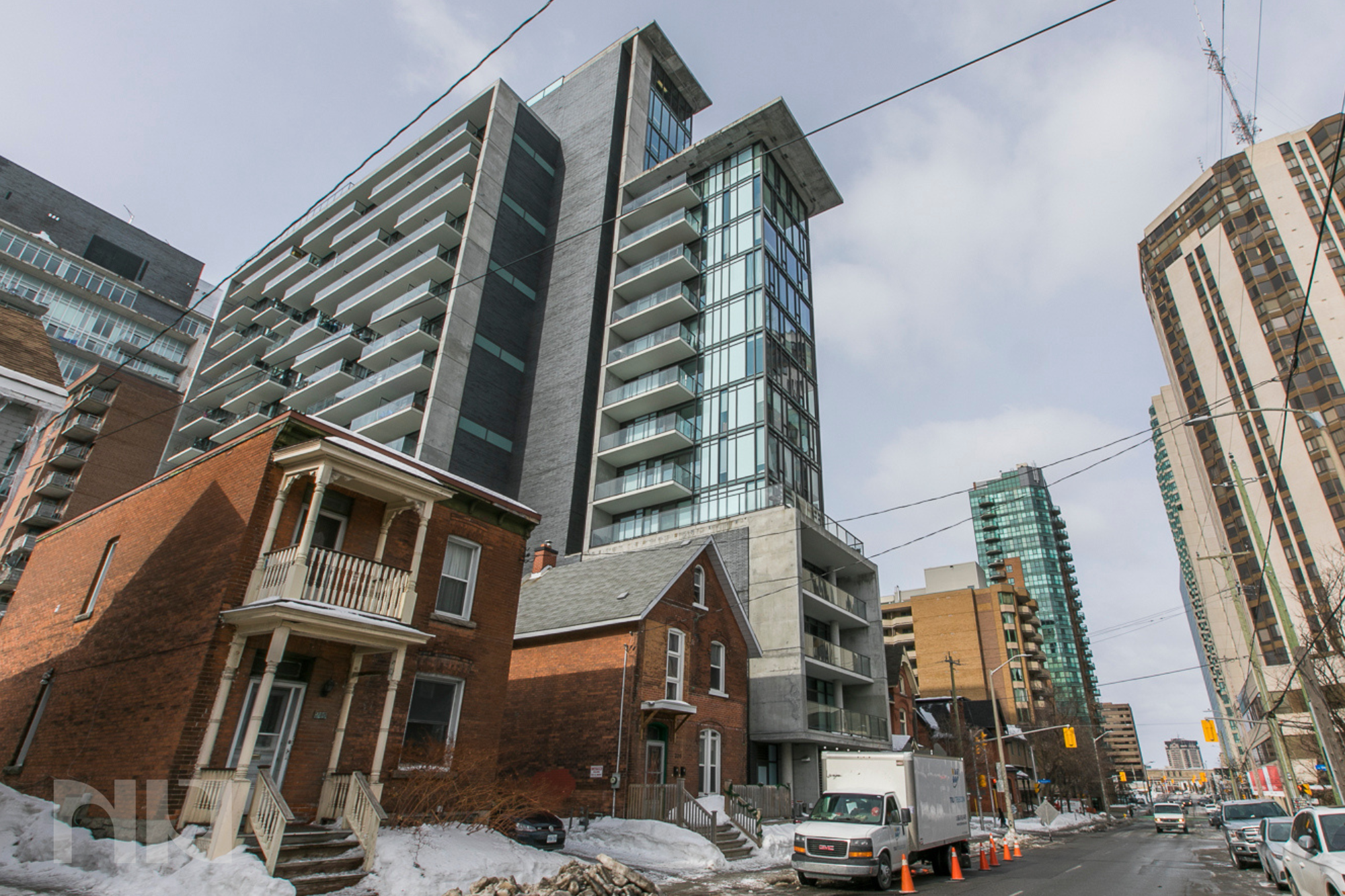
If you’re buying, this helps you spot value.

If you’re selling, this is what actually makes your home stand out.

1. Natural Light (And Where It Comes From)

It’s not just about having big windows.

It’s about:

  • Direction (south and west-facing light tends to feel warmer and brighter)

  • Consistency (light throughout the day, not just in one room)

  • Flow (light reaching multiple areas of the home)

Two homes with the same square footage can feel completely different depending on how light moves through the space.

This is one of the biggest factors in perceived value.

2. Ceiling Height and Vertical Space

Higher ceilings don’t just add space, they change how a room feels.

Even an extra foot can:

  • Make rooms feel larger

  • Improve natural light distribution

  • Create a more open atmosphere

This is why some newer builds or certain neighbourhoods feel more “elevated” even if the finishes are similar.

3. Layout Over Square Footage

A well-designed 1,400 sq ft home will often feel better than a poorly laid out 1,800 sq ft one.

Buyers respond to:

  • Clear sightlines (seeing multiple rooms at once)

  • Minimal wasted space (less hallway, more usable area)

  • Logical flow between kitchen, living, and dining

This is where a lot of value is either created or lost.

4. Consistency in Finishes

It’s not about having the most expensive materials.

It’s about cohesion.

Homes feel more polished when:

  • Flooring is consistent throughout

  • Colours are neutral and aligned

  • Fixtures match in tone and style

A mix of outdated and updated finishes can make a home feel less put together, even if individual elements are high quality.

5. Storage That’s Actually Usable

Buyers notice storage, but more importantly, they notice how usable it is.

Walk-in closets, pantry space, and organized storage areas:

  • Reduce visual clutter

  • Make the home feel more functional

  • Add long-term livability

This is one of the most underrated drivers of perceived value.

6. Quiet Details Most People Don’t Think About

There are small things that subtly influence how a home feels:

  • Soft-close cabinets

  • Solid interior doors

  • Clean baseboards and trim

  • Updated hardware

Individually, they’re minor.

Together, they create a noticeably more finished product.

7. The Entry Experience

First impressions aren’t just about curb appeal.

Inside the home, the entry matters just as much.

A good entry:

  • Has space to step in comfortably

  • Doesn’t immediately feel cramped

  • Gives a clear view into the home

If the entry feels tight or awkward, it can impact how the entire home is perceived.

8. Connection to the Outside

Homes feel more expensive when they connect well to outdoor space.

This could be:

  • A well-positioned patio or balcony

  • Large sliding doors

  • Views of greenery instead of another wall

Even small outdoor spaces can elevate the overall feel if they’re integrated properly.

Why This Matters in Ottawa’s Market

In Ottawa, buyers are often comparing homes that are:

  • Similar in price

  • Similar in size

  • Similar in location

What separates them isn’t always obvious on paper.

It’s how the home feels in person.

And these “invisible” features are usually the reason one home sells faster or for more than another.

For Buyers

If you focus only on finishes, you can miss better long-term value.

Pay attention to:

  • Light

  • Layout

  • Flow

Those are harder and more expensive to change later.

For Sellers

Before listing, small adjustments can make a big difference:

  • Declutter to improve flow

  • Standardize lighting (same temperature bulbs throughout)

  • Keep finishes cohesive where possible

At New Purveyors, this is exactly the kind of detail we look at when preparing a home for market.

Because how a home feels is often what drives the final result.

The Bottom Line

Expensive doesn’t always mean better.

And better doesn’t always mean more expensive.

The homes that stand out are the ones that get these details right, whether intentionally or not.

Understanding that difference is where smarter buying and selling decisions come from.